
Reviewed · WORKSHOPS
Kyoto Ninenzaka : Japanese Calligraphy Class in Townhouse
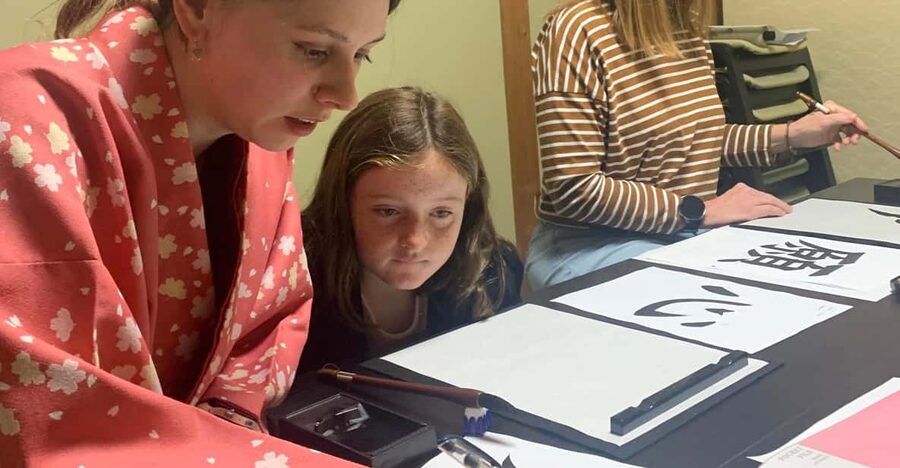
The best part of this Kyoto activity is its setting. You leave the busy Ninenzaka street and enter a traditional townhouse, where the pace slows to the quiet work of brush, ink, paper, and breath. In 50 minutes, you learn the basics of Japanese calligraphy, called shodō, and create your own kanji souvenir.
I like the excellent location near Kiyomizu Temple and the careful, patient instruction. You also get a real introduction to calligraphy tools and brush pressure, not just a quick photo opportunity. The main drawback is the short class: 50 minutes gives you a pleasing introduction, but not enough time for advanced technique or a long finished piece.
In This Review
- Key points to know
- A quiet stop beside Kyoto’s busiest temple streets
- What happens in the first few minutes
- Learning to control the brush
- Preparing the paper as part of the practice
- Practicing lines, dots, and sweeps
- Writing a basic kanji character
- What makes the experience culturally useful
- Is $49 a fair price for 50 minutes?
- Who should book this Kyoto calligraphy class?
- Practical advice for fitting it into your day
- Should you book it?
- FAQ
- Where is the Japanese calligraphy class held?
- How long does the calligraphy class last?
- How much does the experience cost?
- Do I need Japanese language or art experience?
- Is the class taught in English?
- What will I learn during the class?
- Can I take my calligraphy home?
- What should I bring?
- Are children allowed to join?
- Can I cancel the booking for a full refund?
Key points to know
- A traditional townhouse near Ninenzaka: Find the venue at the end of the alley beside the Starbucks on Ninenzaka.
- A true beginner class: You need no Japanese or art background, and an English-speaking host provides guidance.
- Hands-on brush practice: Learn how to hold the brush, adjust pressure, prepare the paper, and form basic strokes.
- Your own kanji keepsake: You write a character and take your calligraphy home.
- Small-group guidance may be available: A recent class had enough personal attention for questions and repeated demonstrations.
- Plan for socks and practical clothing: Shoes come off, and ink can make a mess. Children under 10 cannot join.
A quiet stop beside Kyoto’s busiest temple streets
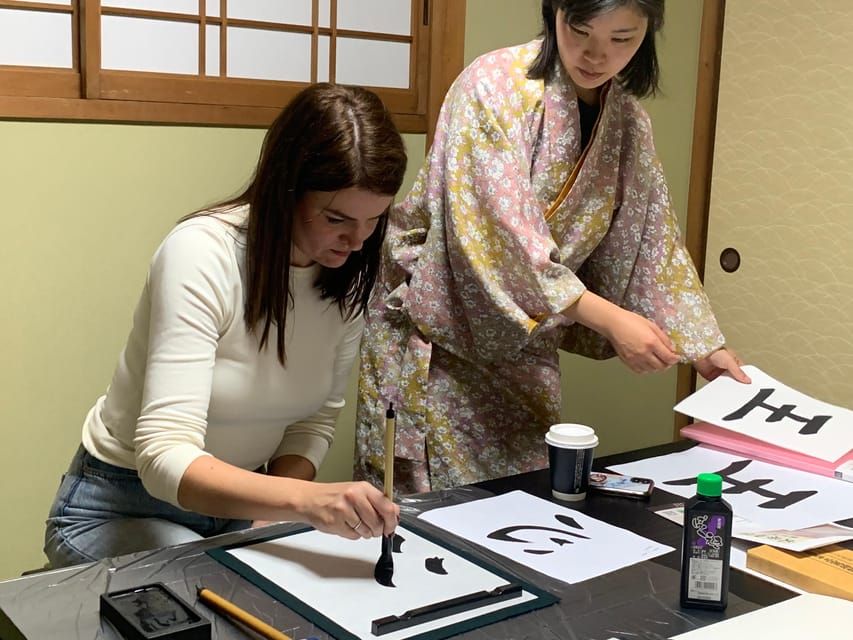
This class makes sense as part of a Kiyomizu Temple morning or afternoon. The meeting point is near the end of the alley beside Starbucks on Ninenzaka, one of Kyoto’s most recognizable old streets. You do not need to arrange transportation as part of the activity, but you do need to make your own way to the townhouse.
The location matters. Ninenzaka and the streets around Kiyomizu Temple can feel crowded and hurried, especially when people are moving between shops, cafés, and the temple entrance. Calligraphy offers a sharp change of pace. Instead of collecting another quick view, you sit down and pay attention to one brush, one sheet of paper, and one deliberate stroke.
The venue is described as a traditional townhouse, which gives the class a sense of place that a modern studio would not. You are not simply doing a craft that could happen anywhere. The surroundings connect the activity with the older Kyoto streets outside.
Allow a little extra time to find the entrance. The meeting point uses a landmark and an alley rather than a large street-facing sign, so arriving early is sensible. Since the activity lasts only 50 minutes, a late arrival takes away a noticeable part of the lesson.
A few more Kyoto tours and experiences worth a look


What happens in the first few minutes
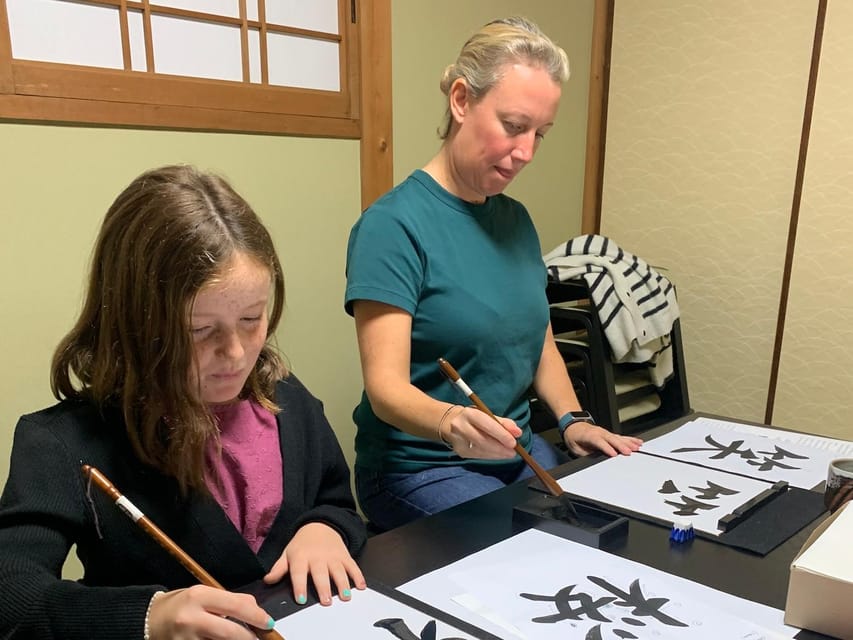
The session begins with an introduction to Japanese calligraphy and its place in Japanese traditions. You learn that shodō is more than attractive lettering. The practice depends on posture, controlled movement, pressure, balance, and the space around each mark.
That opening gives meaning to the tools in front of you. The instructor explains the brush, ink stick, inkstone, paper, and paperweight, along with the basic care and use of each item. If you have only seen calligraphy brushes in a shop or museum, this is useful context. The brush is not held like a normal pen, and the ink is prepared and handled with care.
You also get an original booklet about calligraphy. It gives you something concrete to keep alongside your finished work, and it can help you remember the names and ideas introduced during the class.
The tone is calm and focused. English is available, so you do not need to know Japanese to follow the lesson. Last-minute bookings may be conducted in English if the requested arrangement cannot be accommodated, which is still helpful for an activity that depends on clear instruction.
Learning to control the brush
The first practical lesson is brush handling. Your instructor shows you how to hold the brush and how changes in pressure affect the mark on the paper. This is where the class becomes more than simply copying a character.
A light touch can produce a thin line. More pressure creates a heavier stroke. The angle and speed of the brush also matter. You practice these changes before trying a full kanji character, giving you a chance to understand the basic movement without worrying about making a perfect finished piece.
This part is especially suitable for beginners because the goal is not instant artistic skill. You are learning how the brush responds. The patient approach is important here. A recent class was small enough for participants to ask plenty of questions, while the master and assistant demonstrated several techniques and guided the process closely. Group size can vary, but the format is built around hands-on help rather than a talk from across a room.
Do not expect to master Japanese calligraphy in one sitting. The value is in learning the foundations and feeling the difference between a rushed mark and a controlled one. Even a simple line looks different when you understand how the brush creates it.
Preparing the paper as part of the practice
Before writing, you learn how to use the paper and paperweight. This preparation may sound minor, but it is part of the rhythm of calligraphy. You arrange the materials, settle your hands, and give yourself a moment before making the first mark.
That pause is one of the most appealing parts of the activity. Kyoto sightseeing often rewards speed: temple, photograph, shop, snack, and on to the next stop. Calligraphy asks you to stop chasing the next sight. You have to prepare, look, and move with care.
You should wear socks because shoes are not suited to the townhouse setting. If you arrive without socks, the venue can provide them for a fee. Wear clothing that can get dirty as well. Ink is part of the lesson, and this is not the place for an outfit that must remain spotless.
Large bags, luggage, selfie sticks, pets, smoking, food or drink concerns, and disruptive behavior are not suited to the class. The rules help protect the quiet atmosphere and keep the working area manageable. Leave bulky belongings elsewhere before you arrive.
Practicing lines, dots, and sweeps
Once the materials are ready, you practice basic brush techniques. These include lines, strokes, dots, and sweeping movements. The instructor helps you see how each stroke begins and ends, rather than treating the character as a simple collection of shapes.
This is the most useful stage for anyone who has never tried calligraphy. You get permission to practice badly at first. A line that wobbles or becomes too heavy is not a failure. It shows you what the brush does when your pressure changes.
The lesson also introduces the meditative quality of the craft without making it feel mysterious or overly serious. You focus on the movement in front of you. The quiet setting, repeated strokes, and need for balance naturally reduce the noise of the day.
If you are traveling with a partner or friend, this part gives you something to do together while still allowing individual concentration. You can compare the way your marks change, but the class does not depend on artistic competition. It is more satisfying to notice your own improvement from the first practice line to the later character.

Writing a basic kanji character
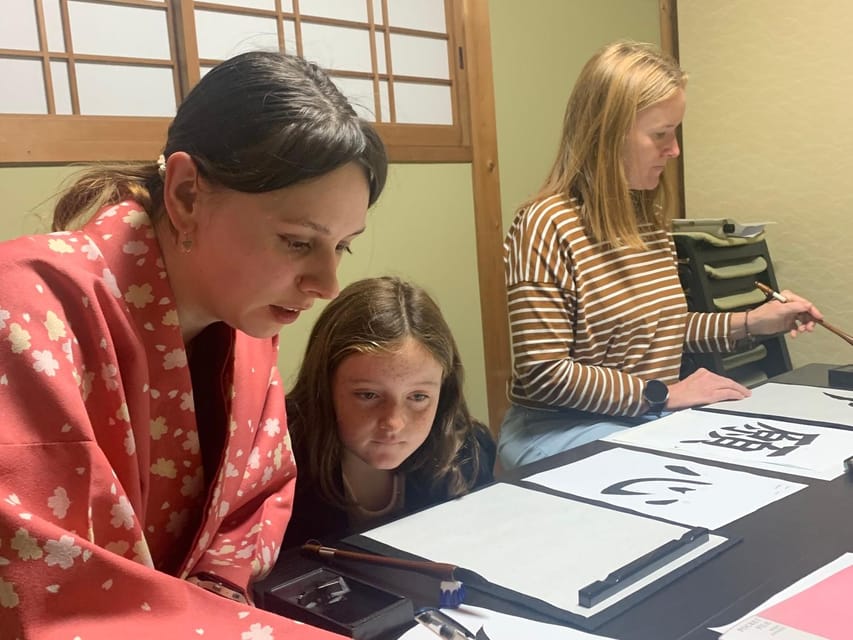
After practicing the individual movements, you work on simple kanji characters. The instructor explains vertical and horizontal balance, placement on the paper, and the order or direction of the strokes needed for the form being taught.
This is where the lesson connects technique with meaning. A kanji character is not just a decorative symbol. Its shape, balance, and expression matter. You may work with a seasonal theme or Japanese expression, adding a cultural idea to the piece you take home.
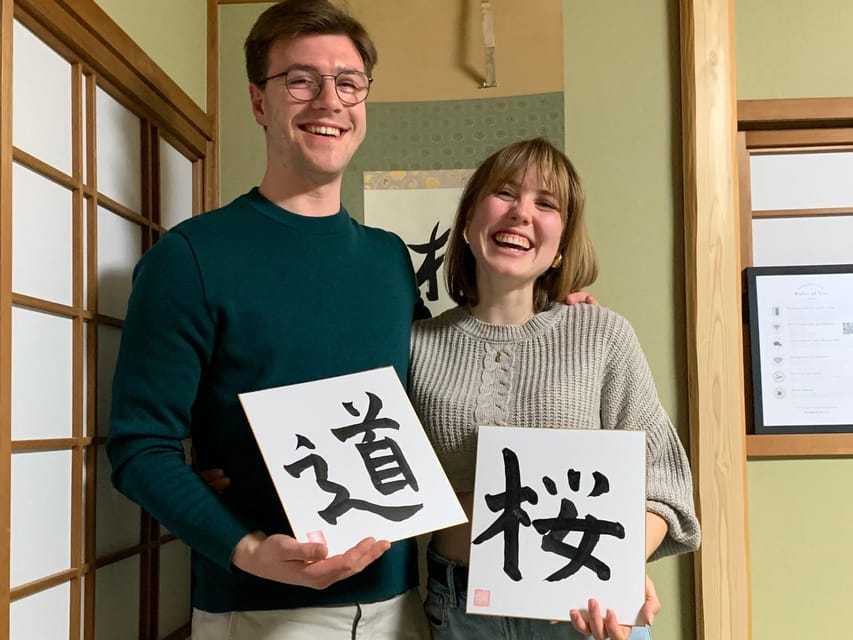
The final result is not meant to look like professional calligraphy. Your instructor guides you through the process, but your own hand makes the marks. That is the point of the souvenir. A purchased postcard shows Kyoto; your calligraphy records a short moment when you sat down and tried something unfamiliar.
The final piece can be a handmade kanji symbol, as one recent participant described it. The exact character or seasonal expression may depend on the class, so do not book expecting a particular word unless the provider confirms it in advance.
What makes the experience culturally useful
Many Kyoto activities offer a view of Japanese culture from the outside. This one lets you take part in a small traditional practice. You learn why the tools are arranged as they are, how the brush is handled, and why balance and restraint matter.
That does not make the class a full study of Japanese culture. It is a compact introduction. Still, the connection to seasonal themes and expressions gives the writing more meaning than copying a random symbol from a chart.
I like that the activity combines explanation with action. You hear about the tradition, handle the tools, practice the techniques, and produce a finished piece. Each stage supports the next. By the end, you understand why the brush is held differently and why a simple character requires more control than it first appears.
The experience also works well for people who want a quieter cultural activity. If you have already visited several temples, this gives you a way to engage with Kyoto without adding another building to your sightseeing list. It is calm, seated, and focused, though you should still expect to follow instructions and keep noise low.
Is $49 a fair price for 50 minutes?
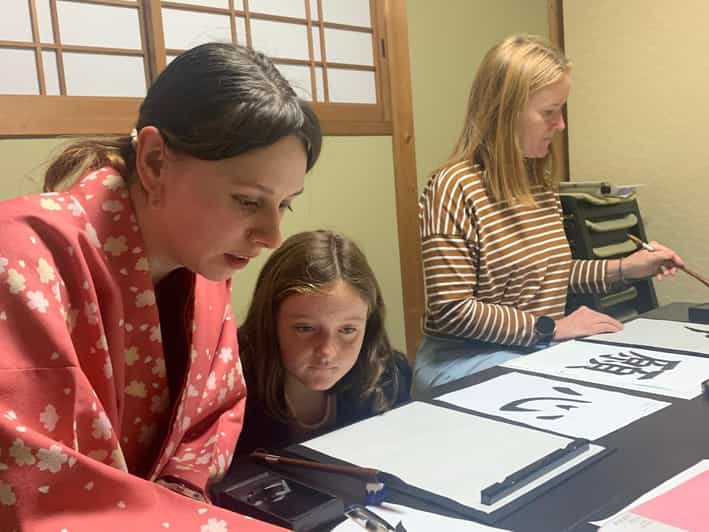
At $49 per person, this is not the cheapest short activity in Kyoto. You are paying for a guided cultural lesson, the use of calligraphy materials, careful instruction, an original booklet, and a finished souvenir. Transportation is not included, and a kimono is an extra-cost option rather than part of the standard price.
The value depends on what you want from your time. If your goal is simply to buy a calligraphy-style souvenir, a shop will cost less. If you want to understand the brush, ink, paper, and basic movements, the class gives you something a shop cannot.
The 50-minute length keeps the commitment easy. You can fit it around Kiyomizu Temple, Ninenzaka, and nearby sightseeing without giving up half a day. The tradeoff is that the short schedule leaves little room for extended practice, detailed correction, or multiple finished works.
I would consider the price reasonable for a first introduction, especially if you value an activity with a clear connection to its Kyoto setting. It is less appealing if you are looking for a serious workshop or several hours of artistic instruction.
Who should book this Kyoto calligraphy class?
This activity suits adults and children aged 10 and older who want a hands-on cultural experience. No Japanese language ability or art experience is required. An English-speaking host can guide you through the lesson, and the step-by-step format helps if you feel unsure about using the tools.
It is a good choice for:
- First-time visitors who want more than temple photographs
- Couples or friends looking for a shared activity near Kiyomizu Temple
- Families with children aged 10 and above
- Anyone interested in Japanese writing, design, or traditional arts
- People who prefer a short activity that fits into a full sightseeing day
It is less suitable for children under 10, anyone needing a non-folding wheelchair or electric wheelchair, or anyone bringing a stroller that cannot fold. Pets, alcohol, drugs, smoking, and loud behavior are not allowed.
If you dislike sitting quietly, getting ink on your clothes, or following detailed instructions, choose a different Kyoto activity. Calligraphy rewards patience more than spontaneity.
Practical advice for fitting it into your day
Book the class near a Kiyomizu Temple visit, but avoid scheduling it so tightly that you have to rush from one place to the next. Ninenzaka is easy to combine with nearby sightseeing, yet the alley meeting point and the class start time require attention.
Wear socks and clothes that can get dirty. Bring as little as possible because luggage and large bags are not allowed. A small, practical bag is better than arriving with shopping bags from the rest of the day.
The activity offers free cancellation up to 24 hours before the start time, and you can reserve now while paying later. Those options help if your Kyoto schedule is still changing. Same-day and day-before bookings may not always be accommodated, so advance planning is the safer choice.
The overall rating is 5.0 from 59 ratings, and the strongest qualities are clear: kind instruction, patient teachers, a small class experience in at least one session, and the satisfaction of leaving with a handmade kanji symbol. Those strengths matter more here than grand production. This is a simple class, and its success depends on the quality of the guidance.
Should you book it?
Book this class if you want a short, peaceful introduction to Japanese culture in a memorable part of Kyoto. The location near Ninenzaka, the chance to use traditional tools, and the handmade kanji souvenir make it a good companion to a Kiyomizu Temple visit.
Skip it if you want advanced calligraphy, a long workshop, or a guaranteed particular character. At 50 minutes, this is an introduction, not a complete course. For beginners who bring socks, wear practical clothes, and arrive ready to slow down, the $49 cost buys a personal souvenir and a better understanding of how Japanese calligraphy works.
FAQ
Where is the Japanese calligraphy class held?
The class is held in a traditional townhouse near Kiyomizu Temple. The meeting point is at the end of the alley next to the Starbucks on Ninenzaka.
How long does the calligraphy class last?
The class lasts 50 minutes.
How much does the experience cost?
The listed price is $49 per person.
Do I need Japanese language or art experience?
No. The activity is designed for beginners, and no Japanese or art experience is required.
Is the class taught in English?
Yes. English is available as the activity language, and an English-speaking host or greeter is provided.
What will I learn during the class?
You learn about Japanese calligraphy and its history, how to use the brush and other tools, basic brush techniques, paper preparation, and how to write simple kanji characters.
Can I take my calligraphy home?
Yes. You can keep the calligraphy you create as a souvenir.
What should I bring?
Bring socks and wear clothing that can get dirty. Socks are required, and the venue can provide them for a fee if needed.
Are children allowed to join?
Children under 10 are not permitted to participate.
Can I cancel the booking for a full refund?
You can cancel up to 24 hours in advance for a full refund. Reserve-now, pay-later booking is also available.
More Workshops & Classes in Kyoto

More tours in Kyoto we've reviewed






Workshops, compared.
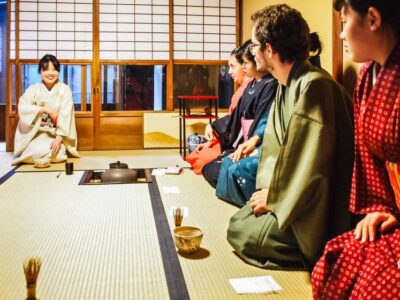 ★ 4.3Kyoto: 45-Minute Tea Ceremony Lesson ExperienceFrom $2245 min
 ★ 5.0Ramen Cooking Class at Ramen Factory in KyotoFrom $131
 ★ 4.9Kyoto: Ramen Cooking Class at a Ramen Factory with SouvenirFrom $1271h 30m
 ★ 4.9Kyoto: Samurai Class, Become a Samurai WarriorFrom $70
 ★ 5.0Ninja 1-hour Hands-on Lesson by Japanese master in Kyoto -EntryFrom $80
 ★ 5.0Kyoto: Ramen, Gyoza, and Onigiri Cooking ClassFrom $901h 30m