
Reviewed · COOKING CLASSES
Kyoto Family Kitchen Cooking Class
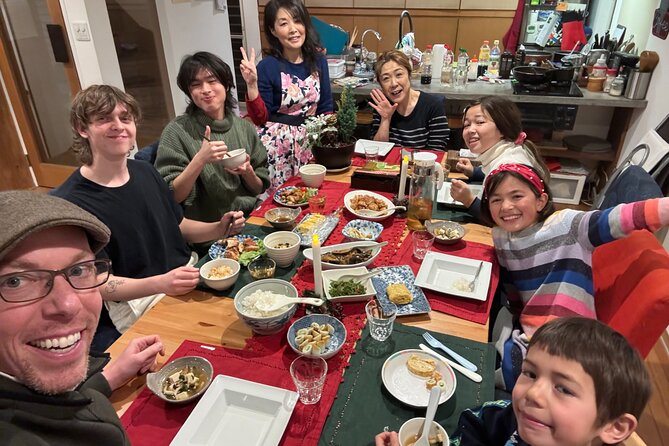
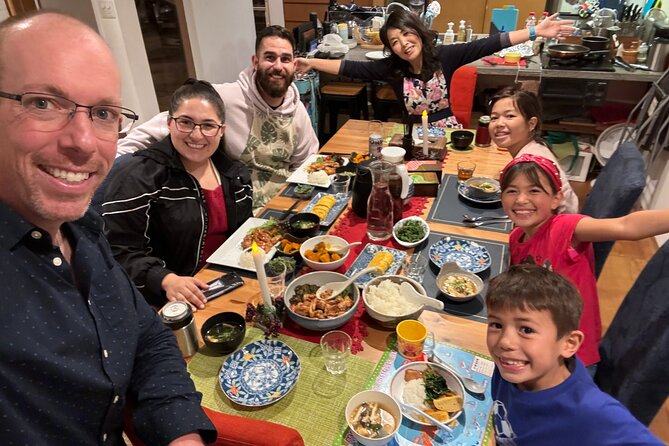
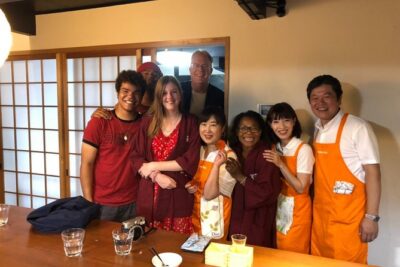
Kyoto Family Kitchen is less a formal lesson than an invitation into Anthony and Naomi’s home. You’ll make an everyday Japanese dinner, sit at the kitchen counter with the family, and learn how staples such as dashi, soy sauce, mirin, and sake shape home cooking. Their children, cat, and dog are part of the scene.
I like the warm, private setting and the chance to eat with a real Kyoto family rather than cook in a schoolroom. I also like that the hosts can discuss your menu and food needs after booking. The main consideration is simple: if you want a precise, technique-heavy cooking class, this informal, family-style format may feel more like helping prepare dinner than taking a traditional lesson.
In This Review
- Key points to know before booking
- Arriving at a Kyoto home near Kokusaikaikan
- Tea, conversation, and a look at the menu
- Learning the four building blocks of Japanese home cooking
- What cooking with Anthony, Naomi, and the children feels like
- Sitting down to a home-cooked Japanese dinner
- Is $96.84 per person a fair price?
- Who will enjoy this most
- Practical details that affect your evening
- Should you book Kyoto Family Kitchen?
- FAQ
- How long does Kyoto Family Kitchen last?
- Where does the cooking class begin and end?
- What food and drinks are included?
- Is the activity private?
- Can the hosts accommodate vegetarian food requirements?
- What happens if I need to cancel?
Key points to know before booking
- A family home, not a cooking studio: You cook and dine in Anthony and Naomi’s suburban house near Kokusaikaikan.
- Dinner is part of the lesson: The evening ends around the table with the food you helped prepare.
- Everyday Japanese staples take center stage: Learn how dashi, soy sauce, mirin, and sake fit into ordinary meals.
- Children and pets are part of the experience: This is a relaxed home setting with kids, a cat, and a dog.
- Private and family-friendly: Only your group participates, with a minimum of two people.
- Budget about two and a half hours: The listed price is $96.84 per person, with transportation to Kokusaikaikan subway station included.
Arriving at a Kyoto home near Kokusaikaikan
The experience begins at 33-50 Kamitakano Saimyōjiyama in Sakyo Ward, north of central Kyoto. This is not a restaurant in Gion or a commercial cooking school near Nishiki Market. You are heading to a suburban home on a hill, away from the usual sightseeing circuit.
That location is part of the point. You get a look at ordinary residential Kyoto and spend an evening in a setting where family life continues around you. The children may be nearby, and the family pets are part of the welcome. If you like polished classes with a fixed stage and a neatly printed script, this may feel informal. If you want to see how food and conversation fit into a Japanese household, the setting works in your favor.
Transportation to Kokusaikaikan subway station is included. After booking, Anthony works with you to finalize the meeting time, menu, and directions. Pay attention to those details before the evening, since the house is outside the central sightseeing zone and the address may not be as easy to find as a major station or hotel.
The scheduled hours are Monday through Friday, from 6:00 to 8:30 PM, for the listed operating period through June 7, 2026. The evening timing makes this a useful choice after a day at temples or museums, though you should allow enough time to reach the northern part of the city without rushing.
Other cooking classes in Kyoto

Tea, conversation, and a look at the menu
The first part of the evening is deliberately unhurried. You take off the day, have tea, and talk with the family about your trip. Food becomes the natural bridge into the cooking.
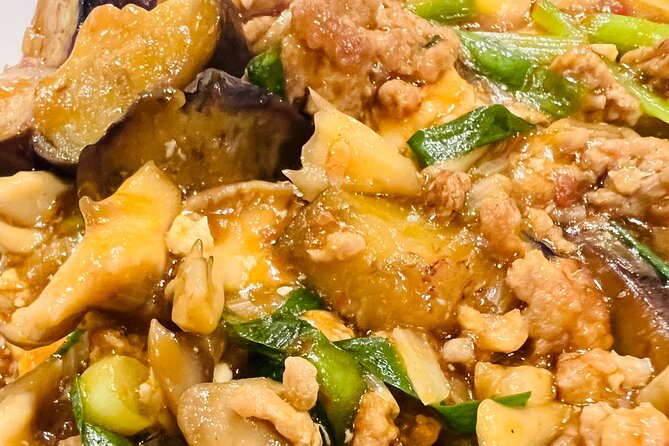
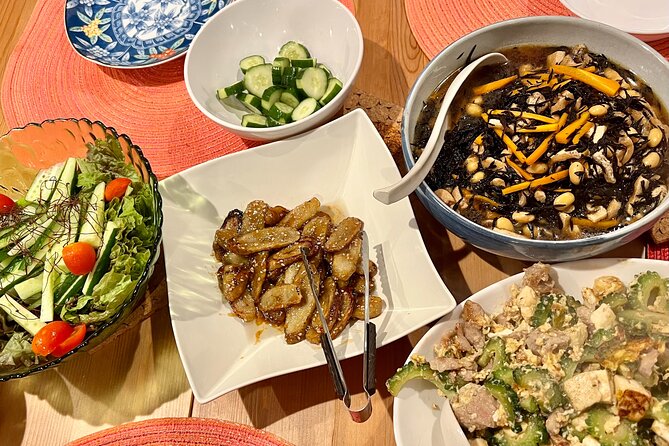
Before anyone starts chopping, you preview what you will prepare. The exact menu is worked out after booking, so this is not a class with one rigid menu for every date. Past meals have included gyoza, tamagoyaki, okonomiyaki, teriyaki chicken, and sautéed vegetables, giving you a sense of the home-style range.
That flexibility matters if you have dietary needs. A vegetarian member of one six-person group was given plenty to eat, and the hosts specifically welcome discussion of food requirements. Still, tell them your needs in advance. Japanese ingredients can include fish stock, meat, alcohol-based seasonings, or other items that are not obvious from the dish’s English name.
The conversation is as important as the recipes. You may learn a few useful Japanese phrases, talk about daily life, and compare food customs with Anthony and Naomi. This is a social evening, so come ready to speak and ask questions. It is not designed as a silent demonstration followed by a quick meal.
Learning the four building blocks of Japanese home cooking
The class introduces the basic seasonings that make many Japanese dishes taste the way they do. Dashi provides a savory base, while soy sauce adds salt and depth. Mirin brings sweetness and shine, and sake adds another layer to sauces and cooked dishes.
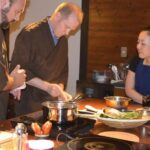
You are not simply handed a finished bowl and told what is in it. You gather around the kitchen counter, put on aprons, and help slice, dice, mix, and cook. The lesson is aimed at showing how manageable an ordinary Japanese dinner can be, even if your kitchen at home does not look like a restaurant kitchen.
That practical focus is one of the strongest reasons to book. You are learning a way of building a meal, not only memorizing one recipe. Someone who cooks regularly may find the techniques familiar, but the discussion of Japanese pantry staples can still help you understand why dishes such as teriyaki chicken or tamagoyaki taste different at home in Japan.
The hosts have also prepared thoroughly before visitors arrive. One account of the evening noted that Anthony and Naomi had clearly done substantial preparation in advance. That means you get a workable amount of hands-on time within two and a half hours, rather than spending the entire evening washing, measuring, and waiting for ingredients to be ready.
What cooking with Anthony, Naomi, and the children feels like

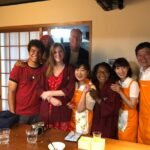
Anthony and Naomi host with their children, and the family atmosphere is central to the experience. The kids may join the cooking, play with visiting children, or simply be part of the evening. A dog and fluffy cat also live in the home, so you should be comfortable around animals.
For families, this can be a welcome break from keeping children quiet in restaurants or formal cultural activities. Children can take part in simple kitchen jobs, talk with the hosts’ children, and have room to relax. Past family groups have included an 11-year-old child and a 78-year-old grandmother, showing how broad the age range can be.
The setting also suits couples and small groups of friends. A couple can have a more personal conversation with the hosts, while a group can compare cooking habits and share the work. Since the activity is private, your party is not mixed with strangers. That gives the hosts more room to adjust the pace and menu to your group.
There is a trade-off. The family may be lively, and the kitchen is a working home kitchen rather than a quiet teaching laboratory. If you need strict control over timing, spotless presentation, or a professionally choreographed demonstration, choose a more formal school. Here, the small interruptions are part of the visit.
Sitting down to a home-cooked Japanese dinner
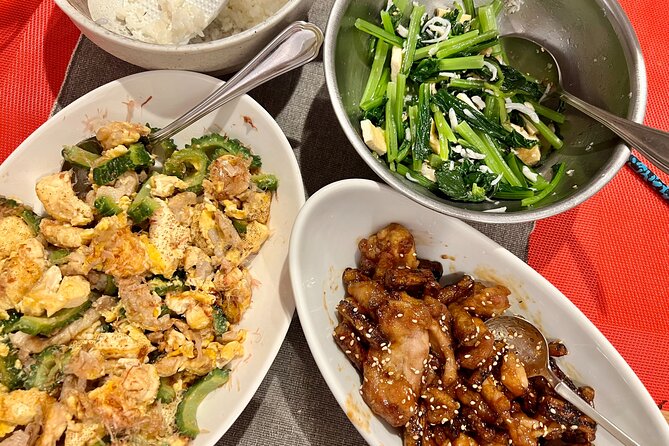
After the preparation, everyone gathers around the table. Dinner includes the food you made, along with coffee and/or tea. Alcohol is not included, so do not count on drinks being part of the price.
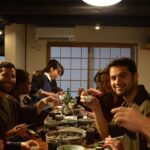
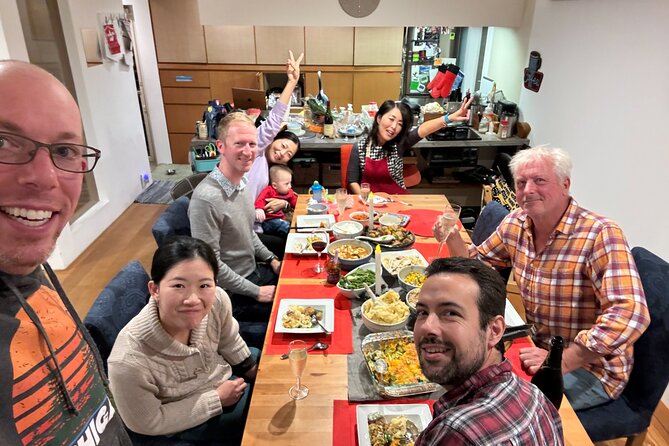
The meal is where the experience becomes more than a cooking lesson. You are not simply tasting your work and leaving. You sit with the family, continue the conversation, and see how the meal works as a shared part of home life. That can reveal more about Japanese customs than a restaurant meal alone.
The food is prepared from scratch for the evening, though some preparation is completed before you arrive. This is sensible. It keeps the class moving and allows more time for conversation, but it also means you may not perform every step from the first cut to the final plate.
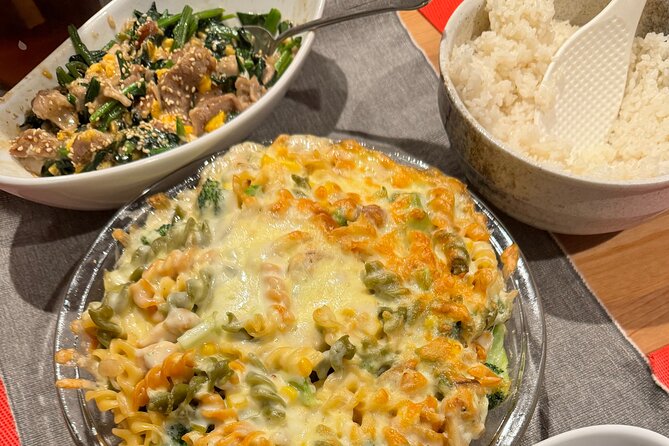
The menu can vary. You might prepare gyoza and tamagoyaki, or a dinner built around okonomiyaki, teriyaki chicken, and vegetables. Ask about the planned dishes when you confirm the time. That gives you a clearer idea of how much cooking you will do and lets the hosts plan around allergies or vegetarian requirements.
Other cooking classes in Kyoto


Is $96.84 per person a fair price?
At $96.84 per person, this costs more than buying dinner at a neighborhood restaurant. It also includes much more than a meal: ingredients, seasonings, instruction in English, dinner, coffee or tea, all fees and taxes, and transportation to Kokusaikaikan subway station.
The value depends on what you want from a cooking class. If your goal is to leave with a carefully printed recipe book and master several advanced techniques, the price may seem high for an informal two-and-a-half-hour visit. The activity is better judged as a private cultural evening that includes cooking.
You are paying for access to a family home, time with Anthony and Naomi, a customized menu, and a meal shared with the family. A private group also gives you a more relaxed pace than a large public workshop. For a family of four, the total cost is significant, but it may replace both a formal cooking class and an evening meal.
The booking pattern is another practical clue. The experience is booked an average of 43 days ahead, so you should not leave it until the last night of a short Kyoto stay. With only Monday through Friday evening hours, available dates may be limited.
Who will enjoy this most
I would recommend Kyoto Family Kitchen to families who want their children involved in a cultural activity without demanding perfect behavior. The chance to meet other children and interact with pets can make Japanese food feel less like a lesson and more like a shared evening.
It also suits couples who value conversation and small personal encounters. The food is important, but the main reward is the time at the table. If you want to ask about Japanese daily life, practice a few phrases, or compare family routines, this format gives you room to do that.
Vegetarians should contact the hosts before the visit. The hosts have shown they can provide a satisfying vegetarian meal, but you should still state your needs clearly when the menu is planned.
This is also a good choice for a small private group. The minimum is two people, and larger groups and family gatherings are welcome. Only your own group participates, which makes the evening easier to shape around your ages, interests, and dietary needs.
I would be more cautious about recommending it to solo visitors, even though the experience description says solo visitors can take part. The minimum booking is two guests, so a solo person would need to confirm whether another arrangement is possible. The format also rewards people who enjoy social contact more than technical instruction.
Practical details that affect your evening
You receive confirmation at booking, and the activity includes a mobile ticket. The starting address is also the ending point, so plan your return from the northern Kyoto neighborhood after dinner.
Service animals are allowed, and the home is near public transportation. The listed schedule is weekday evenings only, from 6:00 to 8:30 PM. Because you are going to a private residence, use the directions provided after booking rather than relying only on a general map pin.
The cancellation policy is forgiving if your plans change early. You can cancel at least 24 hours before the local start time for a full refund. Cancellations or changes made within 24 hours are not accepted for a refund.
Come hungry, but do not expect a restaurant-style banquet. The emphasis is on helping prepare an everyday meal, understanding the ingredients, and eating together. Wear clothes you are comfortable cooking in, and keep your schedule open enough to enjoy the conversation instead of watching the clock.
The experience has a 4.9 rating from 60 reviews and a 97 percent recommendation rate. That strong response matches the main strengths of the format: generous hosting, a relaxed family atmosphere, food prepared from scratch, and a chance to spend time in a real home.
One lower rating provides an important warning. A visitor felt the activity was closer to cooking alongside the family than to a formal cooking class. That criticism is fair as a matter of expectation, even though the family was described as kind. You should book this for connection and practical home cooking, not for a chef-led masterclass.
Should you book Kyoto Family Kitchen?
Book it if you want an evening that combines dinner, basic Japanese cooking, and conversation with a Kyoto family. Anthony and Naomi offer something you cannot get from a standard restaurant: time in their home, contact with their children and pets, and a look at how everyday meals are prepared and shared.
Families with children, couples, vegetarians who arrange their needs ahead of time, and small private groups are the best match. I would skip it if your priority is advanced technique, a fixed menu, or a polished classroom format.
For most people who understand the relaxed setup, the price buys a memorable evening rather than just a plate of food. Confirm the menu, check the weekday timing, allow time to reach Kokusaikaikan, and arrive ready to cook, talk, and eat like part of the household.
FAQ
How long does Kyoto Family Kitchen last?
The experience lasts approximately 2 hours and 30 minutes, from 6:00 PM to 8:30 PM on the listed operating days.
Where does the cooking class begin and end?
It begins and ends at 33-50 Kamitakano Saimyōjiyama, Sakyo Ward, Kyoto, 606-0064, Japan. Transportation to Kokusaikaikan subway station is included.
What food and drinks are included?
Dinner, coffee and/or tea, all ingredients, and all cooking seasonings are included. Alcoholic drinks are not included.
Is the activity private?
Yes. This is a private activity, so only your group participates. At least two guests are required.
Can the hosts accommodate vegetarian food requirements?
The hosts welcome food requirements and have accommodated vegetarian participants with plenty of food. Tell them about your needs when finalizing the menu after booking.
What happens if I need to cancel?
You can receive a full refund if you cancel at least 24 hours before the experience start time. Changes or cancellations made less than 24 hours in advance are not accepted for a refund.
More Workshops & Classes in Kyoto

More Cooking Classes in Kyoto
More Cooking Classes in Kyoto
More tours in Kyoto we've reviewed






Cooking Classes, compared.
 ★ 5.0Ramen Cooking Class at Ramen Factory in KyotoFrom $131
 ★ 4.9Kyoto: Ramen Cooking Class at a Ramen Factory with SouvenirFrom $1271h 30m
 ★ 5.0Kyoto: Ramen, Gyoza, and Onigiri Cooking ClassFrom $901h 30m
 ★ 5.0Kyoto: Japanese Washoku Bento Small Group Cooking ClassFrom $582h 30m
 ★ 4.9Kyoto: Afternoon Japanese Izakaya Cooking ClassFrom $673 hours
 ★ 5.0Izakaya Style Cooking ClassFrom $71