
Reviewed · NISHIKI MARKET TOURS
Kyoto Nishiki Market Tour
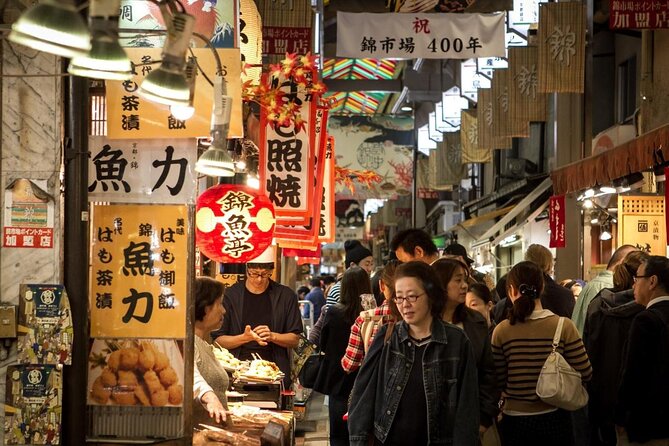
Nishiki Market is Kyoto’s food hall, shrine, pantry, and narrow covered street rolled into one. This three-hour tasting walk takes you through about 10 to 12 family-owned shops, where you can try tofu, sashimi, pickles, tea, dashi, tamagoyaki, seafood, and more.
I like the way the tour links each bite to its source, from harvest and production to preservation and sale. I also like the small-group limit of 10 people, which matters in a market where space is tight. The drawback is the setting itself: Nishiki can be noisy and crowded, and hearing your guide or gathering around a stall is not always easy.
In This Review
- Key points at a glance
- Why Nishiki Market is worth a food tour
- Meeting at Lacoste Kyoto Store
- Walking through the Kitchen of Kyoto
- The foods you are likely to taste
- Seasonal lunch and Japanese tea
- What the guides add
- Is $221 a fair price?
- Who should book this market walk?
- Practical details before you book
- Should you book the Kyoto Nishiki Market Tour?
- FAQ
- How long does the Kyoto Nishiki Market Tour last?
- What time and where does the tour begin?
- Where does the tour end?
- Is food included in the tour price?
- Is the tour suitable for vegetarians and pescatarians?
- Can I cancel for a full refund?
Key points at a glance
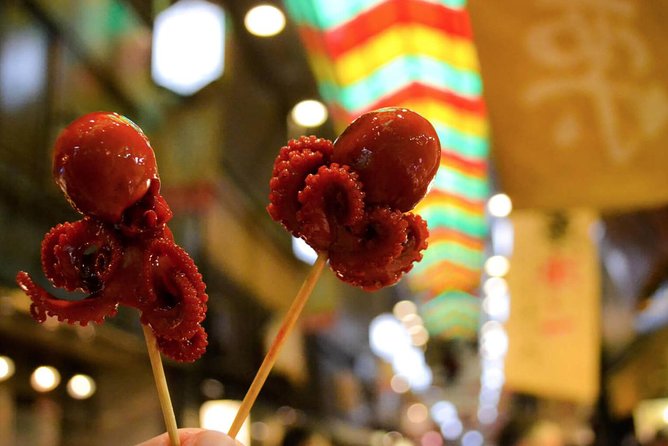
- Taste Kyoto specialties in one morning: Try tsukemono, yuuba, sashimi, tofu, matcha, dashi, tamagoyaki, seafood, sake, and other seasonal foods.
- Visit long-running family shops: The route includes about 10 to 12 market vendors, with some businesses dating back hundreds of years.
- A seasonal lunch is included: You are not simply grazing on samples, since the tour also includes a proper regional meal and Japanese tea.
- Small groups help in tight spaces: The maximum group size is 10, though even a small party must work around narrow aisles and passing shoppers.
- Guides add the cultural context: Chie and Rosali have received especially warm praise for clear explanations, kind pacing, and answering plenty of questions.
- Plan for moderate walking: The tour lasts about 3 hours and 5 minutes, begins at 10:00 am, and ends near Karasuma Station.
Why Nishiki Market is worth a food tour
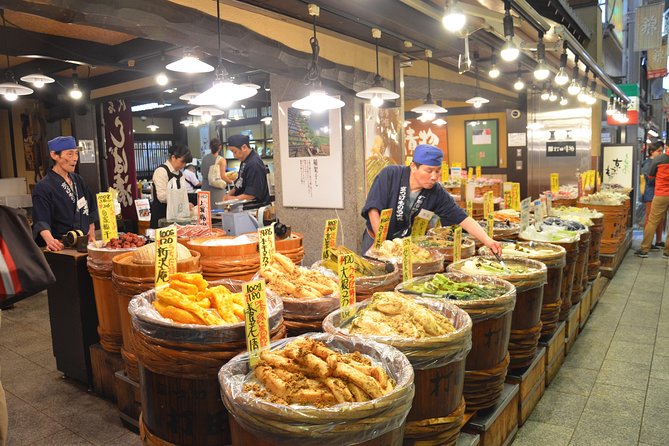
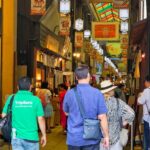
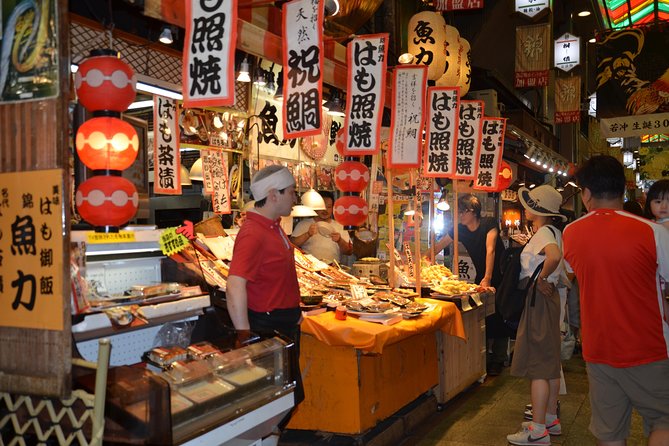
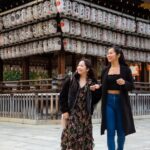
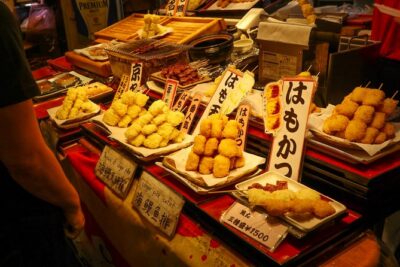
Nishiki Market is known locally as the Kitchen of Kyoto. That nickname makes sense once you see the mix of fresh seafood, prepared foods, pickles, sweets, tea, tofu, cooking ingredients, and small specialist shops packed into one long market area.
You can visit Nishiki on your own, but the first pass can feel like a food maze. Labels may not explain much, samples are not always obvious, and the narrow street can make it hard to stop without blocking someone. A guide gives you a reason to pause and helps turn a string of unfamiliar foods into a meal with a story.
That story is the real value here. You are not simply checking off Japanese dishes. You learn how mountain vegetables become pickles, how tofu products are made, how dashi supports Kyoto cooking, and how foods move from producer to stall to table.
The tour also gives you a useful introduction to Kyoto’s taste. Kyoto cuisine is often associated with careful preparation, seasonal ingredients, clean flavors, and strong respect for texture. Sampling several foods side by side helps you notice those traits better than ordering one dish in a restaurant.
A few more Kyoto tours and experiences worth a look
Meeting at Lacoste Kyoto Store
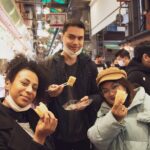
The group meets at the Lacoste Kyoto Store, at 376 Naramonochō, at 10:00 am. The short opening stop is mainly a place to find your guide and group before setting off toward the market.
There is no hotel pickup, so you need to make your own way to the meeting point. The start is in central Kyoto and close to public transportation, but allow enough time to arrive without rushing. The end point is in the Karasuma area, near Karasuma Station, so the tour finishes in a useful part of the city rather than sending you back to the start.
Bring an empty stomach. That advice is practical, not decorative. The tastings add up quickly, and the included seasonal lunch means you should not plan a large breakfast.
Walking through the Kitchen of Kyoto
The main market visit lasts about three hours. The exact order and number of stops can change, with the supplied details indicating visits to about 10 vendors and the broader tour description describing 12 family-owned shops. Restaurant schedules, public holidays, weather, and other local conditions can lead to substitutions.
That flexibility is normal for a food market tour. A shop may close, a product may sell out, or a regular restaurant may be unavailable. The operator says an equal-quality substitute is provided when needed, but you should not expect every departure to follow precisely the same food list.
Your guide leads you from shop to shop and explains what you are eating. This matters at Nishiki because some foods are easy to mistake for one another, and a short explanation can tell you how a product is made, preserved, served, or used in a home kitchen.
The route may also include nearby sights such as Nishiki Tenmangu Shrine and Rokkakudo Temple. These stops add a little breathing room between tastings and show that Nishiki is not an isolated food attraction. It is part of central Kyoto, where food, daily shopping, temples, and old streets sit close together.
The listed route also includes Fushimi Inari Taisha, but the stated meeting and ending details describe a Nishiki Market walking tour ending near Karasuma Station. Ask about the day’s route if this sight is important to your plans, since the supplied schedule includes several possible stops and market tours can change.
The foods you are likely to taste
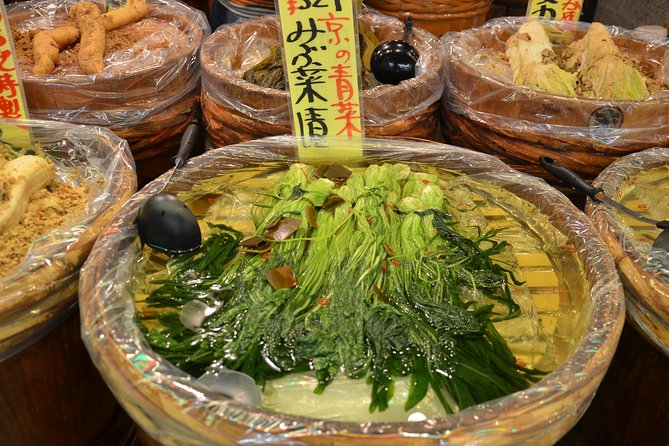
The food list is broad, and that is one of the tour’s best features. You get a series of small introductions rather than one large meal focused on a single dish.
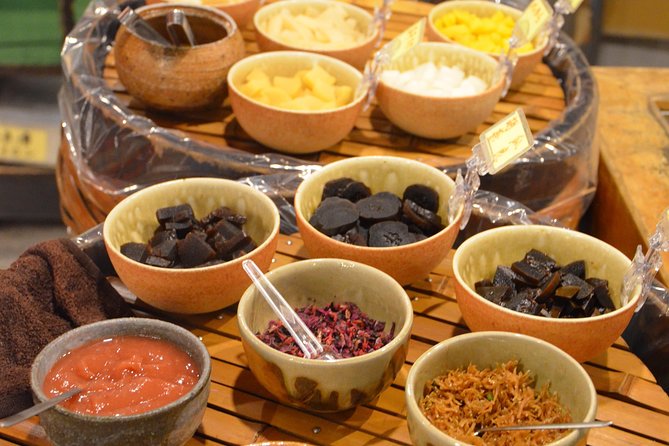
Tsukemono, or Japanese pickled vegetables, offers a direct taste of Kyoto’s preserving traditions. The vegetables come from surrounding mountain areas, and the pickling process changes their texture and sharpness. This is the kind of food that can seem simple until someone explains why it is made and how it is served.
Yuuba, sometimes described here as sashimi tofu, is another Kyoto specialty. Made with mountain water, it has a delicate texture and gives you a sense of how central tofu is to Kyoto cooking. If you usually think of tofu as plain or basic, this tasting can reset your expectations.
You may also try sashimi and fresh seafood. The tour description highlights especially smooth sashimi, while the market setting lets you see seafood as both a fresh ingredient and a prepared food. Seafood samples can vary with supply and season, so treat the exact selection as flexible.
Dashi is less a dish than a foundation for Japanese cooking, but tasting or learning about it helps explain the savory taste found in soups, sauces, and many Kyoto dishes. It is a useful lesson because dashi can be easy to overlook when you focus only on the finished meal.
Tamagoyaki, the rolled Japanese omelet, shows another side of the market. It is familiar enough to approach easily, yet different shops can give it a distinct texture and level of sweetness. The tour also includes tea, with matcha listed among the foods and drinks you may sample.
A sparkling sake tasting straight from the tap is part of the experience described. The minimum drinking age is 21, so this portion is not suitable for younger participants. If you do not drink alcohol, check with the operator about the current tasting arrangements before booking.
Seasonal lunch and Japanese tea
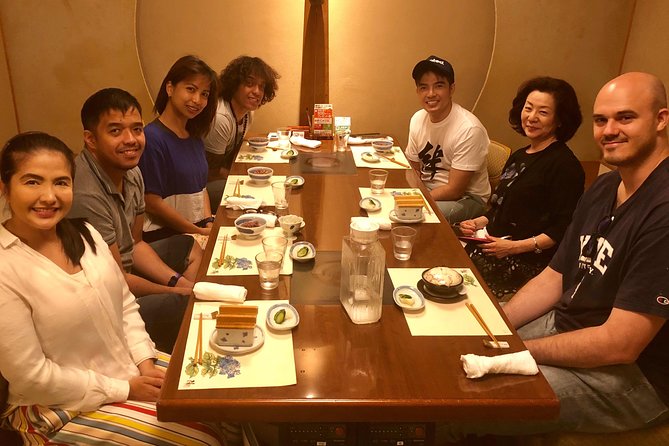
The tour includes a seasonal and regional lunch, along with Japanese tea. That makes the $221 price easier to assess, because you are paying for more than a guided walk and a handful of tiny samples.
The lunch gives the morning some structure. Instead of leaving you with a collection of tastes and no clear meal, it provides a chance to sit down and eat Japanese food in a more complete form. One described lunch included good beef, but the menu is seasonal and regional, so do not book expecting that exact dish.
The tea is another small but useful addition. Tea helps round out the food focus and gives your guide a chance to explain a product that is closely tied to Kyoto’s food culture. The details state that all tastings included in the itinerary are covered, but extra food and drinks outside the stated inclusions are not.
If you have dietary needs, the tour is listed as vegetarian-friendly and pescatarian. Still, tell the operator before booking and remind your guide at the start. The experience includes many different vendors, and substitutions may be needed.
Other shopping tours in Kyoto
What the guides add
A good market guide has to do more than name foods. The guide must control the pace, keep the group together, explain unfamiliar items in a noisy place, and avoid stopping in the way of shoppers.
Chie has been praised for introducing the group to stall owners, describing each sample, and answering a long list of questions. She also led another Kyoto food outing for some participants, which suggests that returning to a guide you already like may be possible if you book related activities.
Rosali has also received strong praise, especially for a small outing with a mother and daughter. Her ability to make a tiny group feel comfortable is useful, though a small group is not guaranteed.
The tour’s maximum of 10 people is a sensible limit. A group of four is much easier to manage than a full group in Nishiki’s narrow market street. Even so, one practical problem remains: the market is loud, and it may be impossible to form a neat circle around every stall. Stay close, listen for movement, and be ready to keep walking while your guide explains.
The guides are also expected to pace the tour for different ages. One account specifically praised Chie for keeping the group manageable for two people in their sixties. You still need a moderate level of fitness, since this is a walking food tour rather than a seated tasting.
Is $221 a fair price?
At $221 per person, this is not a cheap way to buy lunch. The price makes more sense if you place value on the guide, the range of tastings, the market access, the tea, and the included seasonal meal.
You could spend less by walking through Nishiki alone and buying a few items as you go. The tradeoff is that you would need to choose the shops, understand the foods, manage ordering, and find your own meal. You might also miss the production stories that connect Kyoto’s ingredients to local cooking.
I see the tour as good value for first-time visitors who want a guided introduction to Japanese food and have only one morning available. It is less appealing for experienced Japan visitors who already know Nishiki well, prefer to eat at their own pace, or do not want a fixed route.
The 28-day advance booking average is a useful planning signal. If your Kyoto dates are fixed, reserve early, especially if you want a small group. Same-day booking is available, but availability can change.
Who should book this market walk?
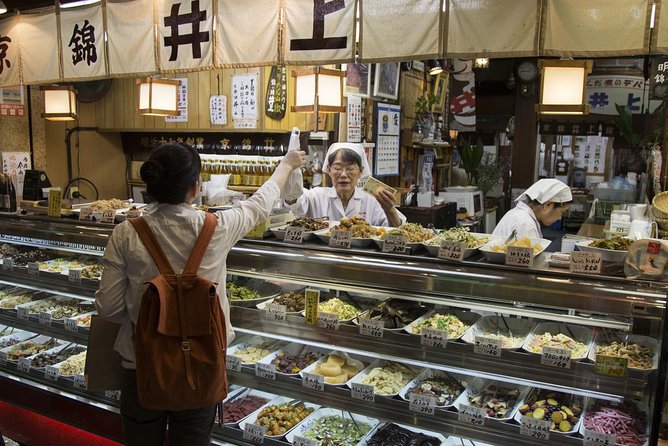
I would recommend it to food-curious visitors who want a broad first taste of Kyoto. It suits couples, families with older children, and solo visitors who prefer a guided introduction rather than wandering alone.
Families should note that children must be accompanied by an adult, and a copy of passport information is required for children aged 10 and above. The tour is described as family-friendly, but the narrow, crowded market requires patience and close attention.
It also suits older adults who can handle moderate walking. The pacing can work well for a mixed-age group, but you should wear good walking shoes and expect to stand and move for much of the morning.
Solo visitors should email the operator before booking, as the additional information specifically asks solo participants to make contact. Vegetarian and pescatarian diners have an option, but they should confirm their needs in advance.
I would skip it if you want a quiet food setting, dislike crowds, or need a fully fixed menu. Nishiki is lively and confined, and substitutions are possible.
Practical details before you book
The experience uses a mobile ticket, and confirmation is provided at booking. The tour begins at 10:00 am and lasts approximately 3 hours and 5 minutes.
Transportation costs are not included, and you are responsible for reaching the starting point and arranging your onward travel. The tour ends near Karasuma Station, which is convenient for continuing around central Kyoto.
The minimum drinking age is 21. Food and drinks are included only as specified, so budget separately if you want to keep shopping after the tour.
Free cancellation is available up to 24 hours before the local start time. Cancellations or changes made later are not accepted for a refund. Poor weather or an insufficient number of bookings can lead to cancellation, in which case you are offered another date, another experience, or a full refund.
Should you book the Kyoto Nishiki Market Tour?
Book it if you want a clear, guided introduction to Kyoto food and prefer tasting many regional specialties over choosing one restaurant. The included lunch, tea, family-run shops, and food explanations give the morning real substance.
The main warning is the market itself. You will be walking through a crowded, noisy shopping street, not a calm classroom. If you can accept that, arrive hungry, wear solid shoes, stay close to your guide, and let the market’s changing food selection be part of the experience. For a first visit to Kyoto, this is a useful and flavorful way to get oriented.
FAQ
How long does the Kyoto Nishiki Market Tour last?
The tour lasts approximately 3 hours and 5 minutes. The main Nishiki Market visit is listed as about 3 hours.
What time and where does the tour begin?
The tour begins at 10:00 am at the Lacoste Kyoto Store, 376 Naramonochō, Shimogyo Ward, Kyoto, 600-8004, Japan.
Where does the tour end?
The stated end point is in the Karasuma area near Karasuma Station, at Naginatabokocho, Shimogyo Ward, Kyoto, 600-8008, Japan.
Is food included in the tour price?
Yes. The experience includes tastings from the market vendors, Japanese tea, and a seasonal regional lunch. Food and drinks outside the stated inclusions are not covered.
Is the tour suitable for vegetarians and pescatarians?
The tour is listed as vegetarian-friendly and pescatarian. You should still contact the operator about your dietary needs before booking.
Can I cancel for a full refund?
You can cancel at least 24 hours before the local start time for a full refund. Later cancellations and changes are not accepted for a refund.
More Markets in Kyoto
More Shopping Tours in Kyoto
More Nishiki Market Tours in Kyoto
More tours in Kyoto we've reviewed


Nishiki Market Tours, compared.
 ★ 5.0Nishiki Market Brunch Walking Tour (7 Tastings + Brunch)From $68
 ★ 5.0Kimono Tea Ceremony at Kyoto Maikoya, NISHIKIFrom $65
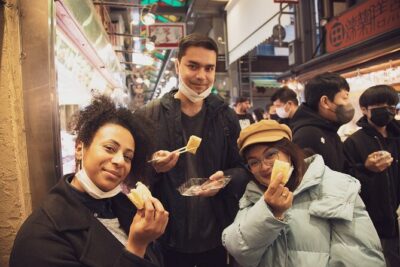 ★ 5.0Kyoto Nishiki Market Food and Culture Walking TourFrom $80
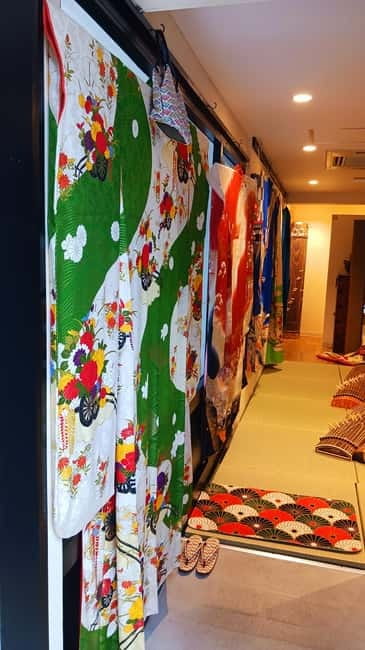 ★ 4.8Kyoto: Nishiki Market Tea Ceremony with Koto PerformanceFrom $561 hour
 ★ 4.8Kyoto: Nishiki Market Brunch Walking Tour-7 Tastings+BrunchFrom $663 hours
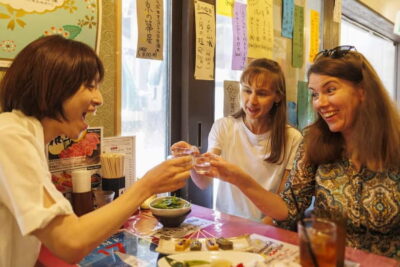 ★ 4.7Kyoto: Local Food Tasting Tour at the Nishiki MarketFrom $783 hours - 270 minutes