
Reviewed · KYOTO FOOD TOURS
Nishiki Market Food Tour with Cooking Class
Nishiki Market is easy to rush through in 15 minutes. With a local guide, it becomes a food lesson, shopping tour, and cooking class in one. You’ll learn which stalls matter, taste Japanese pickles, ask questions through an English-speaking guide, then use market ingredients to make your own donburi bowl.
I like two things here. First, the private format lets you set the pace and ask about unfamiliar foods without holding up a large group. Second, the ingredients for your meal are included, and you can choose seafood, tempura, or chicken and egg. The main consideration is that the market portion can feel brief if you hoped for long tastings or lots of free time to shop.
In This Review
- Key points
- Why Nishiki Market Makes a Good Starting Point
- What You Taste Along the Market Walk
- Choosing Your Donburi Bowl
- Inside the Private Cooking Studio
- How the Timing Shapes the Experience
- What the $109 Price Includes
- The Best Parts, and the Small Frictions
- Who Will Get the Most From This Tour
- Should You Book the Nishiki Market Food Tour?
- FAQ
- Where does the tour meet?
- How long does the experience last?
- What donburi dishes can I choose from?
- Are the cooking ingredients included?
- Is sake included?
- Is the tour private and conducted in English?
Key points
- A private walk through Nishiki Market: Spend about an hour with an English-speaking local guide who can explain food, customs, shop specialties, and etiquette.
- Three donburi choices: Prepare kaisen-don with seafood, ten-don with tempura, or oyako-don with chicken and egg.
- A useful market orientation: Your guide can point out older stalls, explain what Kyoto is known for, and help translate questions for shop staff.
- Tasting built into the walk: Try market samples, including free Japanese pickles, with the option to taste three types of sake.
- A hands-on cooking class: Move by taxi from the market to the studio, then cook and eat your meal with the recipe provided.
- Private and adaptable: Each person can choose a different bowl, and substitutions or small additions may be possible.
Why Nishiki Market Makes a Good Starting Point
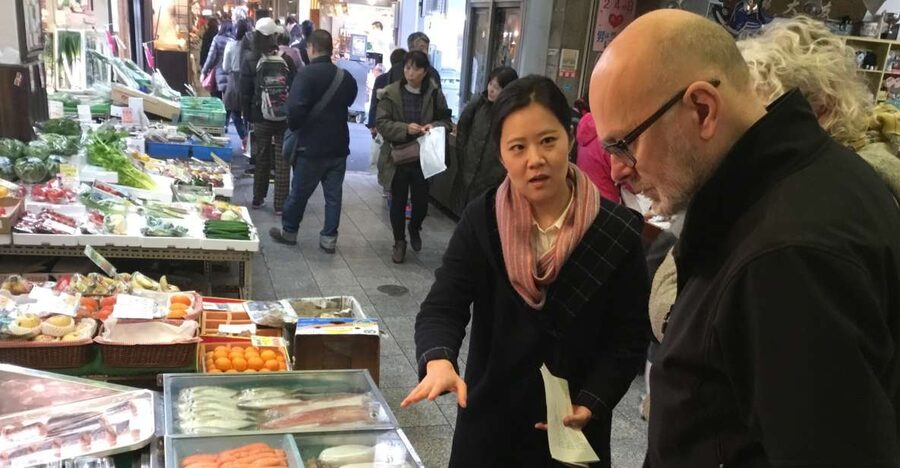
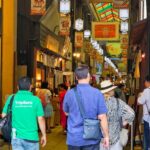
Nishiki Market is one of Kyoto’s best places to see Japanese food in a concentrated area. It is also the sort of place that can leave you puzzled. Many stalls sell foods you may not recognize, and the rules about eating and walking are easy to miss if nobody explains them.
This tour begins at the western entrance, where you meet your guide and receive a short briefing. From there, you spend roughly an hour walking through the market. That is enough time to get your bearings and learn what deserves a closer look, though it is not enough for a slow, stall-by-stall shopping expedition.
The guide’s role matters most here. Guides such as Chie, Momo, and Mio have been praised for their clear English, friendly manner, and practical explanations. Your guide can explain how foods are used, tell you why certain shops are known for particular products, and help translate if you want to ask a shop worker a question.
That translation help is especially useful when you encounter foods with no obvious English equivalent. Rather than simply pointing at a sample, your guide can explain what it is and how it fits into Japanese cooking. You may also learn which ingredients are worth returning for later, after the scheduled tour has ended.
A few more Kyoto tours and experiences worth a look

What You Taste Along the Market Walk
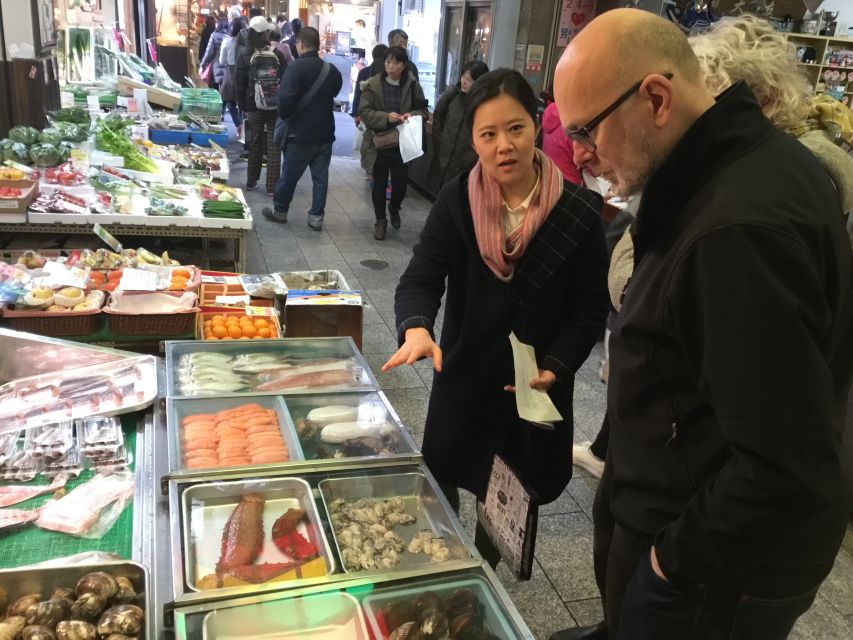
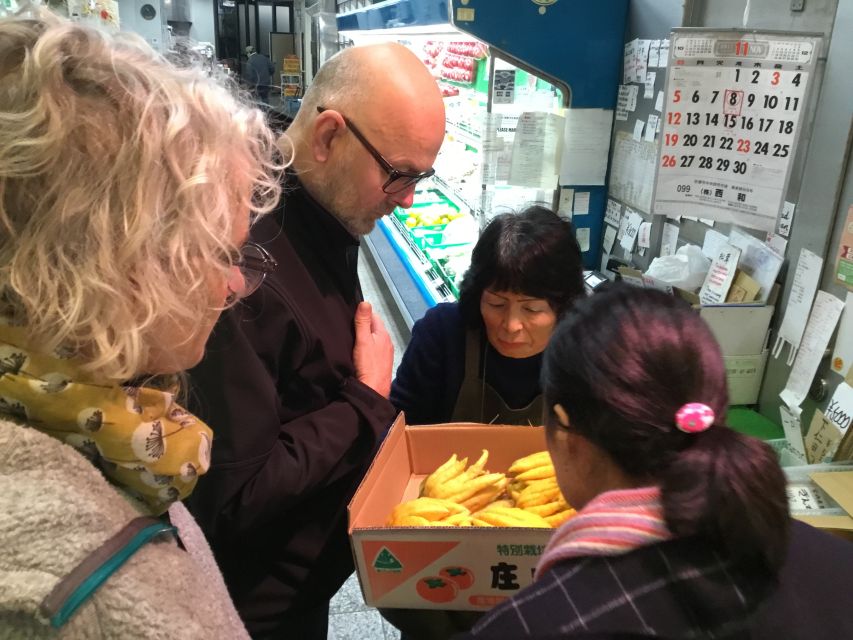
The market visit is not just a visual tour. Sample foods are included, and Japanese pickles are one of the easy pleasures along the way. Pickles may seem like a small detail, but they are an important part of a Japanese meal, often served as a sharp, salty contrast to rice and richer dishes.
The tasting element varies with the day and the shops you visit, so you should not expect a fixed restaurant-style menu. The point is to try small portions while learning how the foods are sold and used. If you are curious about sauces, spices, prepared side dishes, or ingredients you have never seen, this is the time to ask.
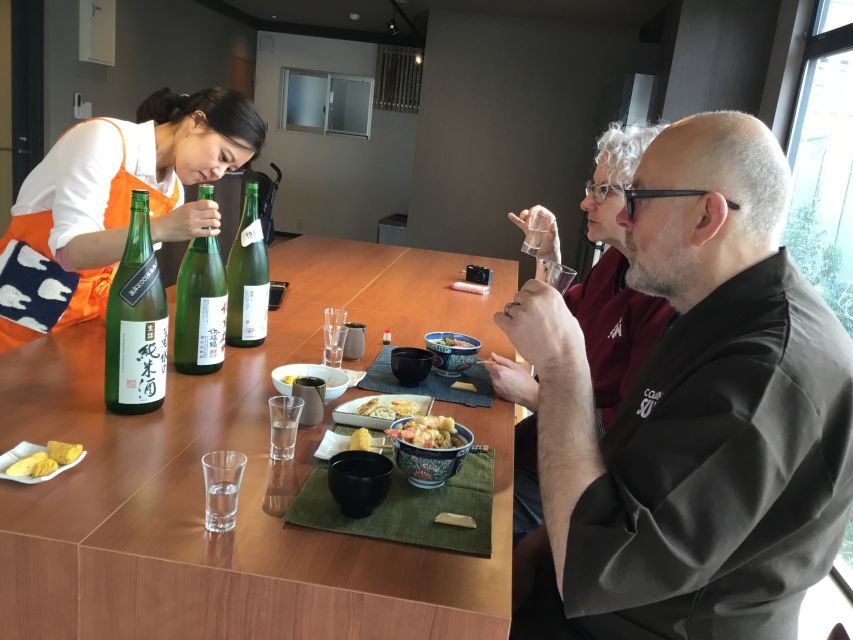
Three types of sake are available as an optional tasting. Since the sake is not required, you can decide if it fits your interests, budget, and schedule. If you do choose it, treat it as a small introduction rather than a full sake seminar.
A useful lesson from the market walk is etiquette. Nishiki Market is not a place where you should casually eat while walking. Your guide can explain the local rules and show you how to enjoy samples without making the visit awkward for shopkeepers or other shoppers.
One practical point: this tour is designed around learning and cooking, not unrestricted grazing. Food you decide to buy and eat on your own is not included. I would save room for the cooking class and return to the market later if you find several things you want to purchase.
Choosing Your Donburi Bowl
After the market walk, you travel by taxi to the cooking studio. The taxi cost is included, which keeps the transition simple and protects your limited 150-minute schedule.
Your main decision is the donburi style:
- Kaisen-don: A seafood bowl, generally the best fit if you want to focus on fresh fish and the market’s seafood side.
- Ten-don: A tempura bowl, suited to anyone who enjoys the cooking process as much as the finished meal.
- Oyako-don: A chicken and egg bowl, a comforting classic and a practical choice if you prefer cooked ingredients.
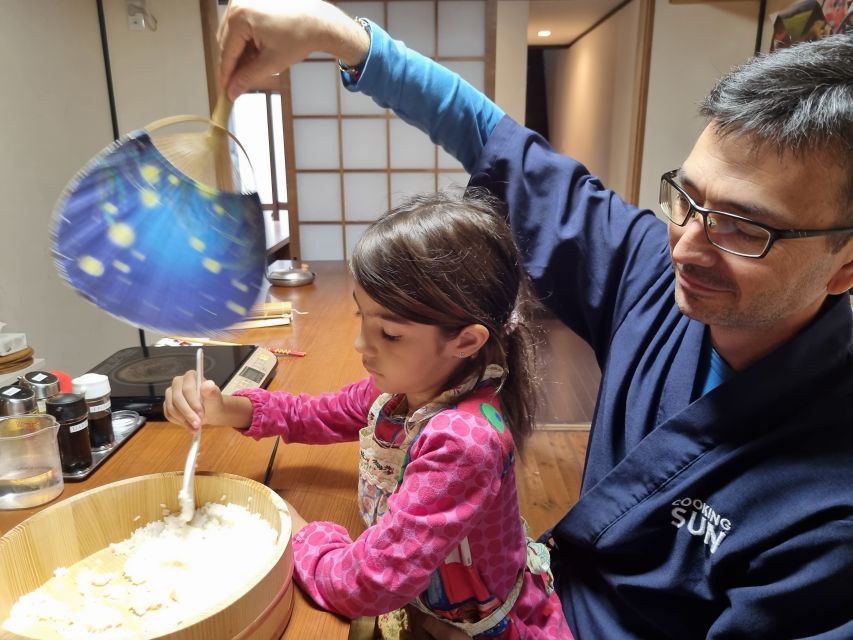
Each person can choose a different dish, which is helpful for couples, families, or small groups with mixed tastes. One person can prepare seafood while another makes tempura or chicken and egg. You then get to compare the finished bowls rather than cooking the same recipe three times.
Substitutions may be possible. One group was able to request tofu instead of chicken, and guides have made small additions based on personal tastes. Still, you should treat this as a request rather than a guarantee. Ask early, ideally when you book or at the start of the tour.
The ingredients for the cooking are included in the price. That is important because you are not paying the tour fee and then facing a second bill for the main meal. You also receive the recipe, giving you a way to repeat the dish at home.
Inside the Private Cooking Studio
The cooking portion takes about an hour, including preparation and eating. The studio is set up for cooking classes, and the kitchen has been described as clean and well stocked. You are not merely watching a chef prepare lunch. You take part in the steps and then sit down to eat what you made.
Your guide becomes the instructor here. Expect help with cooking methods, sauces, ingredient brands, and presentation. The teaching can be useful even if you already cook, since Japanese food often depends on small details such as dashi, seasoning balance, and how a bowl is arranged.
One particularly useful lesson is learning how to make dashi, the basic stock that gives many Japanese dishes their savory depth. You may also receive tips on making food look attractive, not just making it taste good. Those details are practical at home because they do not require you to own a professional kitchen.
The class also works well for children. The activities keep everyone involved, and families can divide the work among different dishes. Children who might lose interest during a long market explanation have a clear task once they reach the studio.
The meal itself is the reward, but the real value is the method. You leave with a recipe and enough guided practice to feel more confident repeating at least one bowl at home. If you are an enthusiastic cook, the explanations about sauces, brands, and presentation may be more valuable than the recipe alone.
How the Timing Shapes the Experience
The full experience lasts 150 minutes. A typical schedule gives about one hour to Nishiki Market and one hour to cooking and eating, with the taxi ride between them.
That timing creates a good balance, but it also sets limits. You will not have hours to browse every stall, stop for a full meal before class, or shop without watching the clock. The market can also be crowded, making it harder to hear every explanation or pause wherever you like.
I would arrive ready to walk and keep personal shopping for afterward. If a stall catches your eye, make a note of it. Your guide can help you identify places worth returning to, and you can shop without worrying about delaying the cooking class.
The private group format makes the time more useful than it would be in a large group. You can ask questions as they come up, and the guide can adjust the pace. Even so, private does not mean unlimited. The market has a fixed schedule, and the cooking class needs enough time to prepare and eat the meal.
A few more Kyoto tours and experiences worth a look
What the $109 Price Includes
At $109 per person, this is not the cheapest way to visit Nishiki Market or eat a bowl of Japanese food. You are paying for several services together: a private English-language guide, market tastings, cooking instruction, ingredients, a recipe, the prepared meal, and the taxi to the studio.
The value is strongest if you want context. You could walk through the market for free, buy food on your own, and eat at a restaurant for less. What you would not get is the explanation of unfamiliar products, help with translation, instruction in Japanese cooking, or the chance to prepare the meal yourself.
The private format also changes the calculation. A shared group tour may cost less, but it can limit questions and leave you following someone else’s pace. Here, your group can choose different bowls, make a substitution request, and spend more time on subjects that interest you.
The price makes less sense if you mainly want a quick market snack or a standard cooking demonstration. It makes better sense for a first visit to Kyoto, for curious eaters, and for families or couples who want one structured food activity rather than separate market and restaurant plans.
The Best Parts, and the Small Frictions
The strongest feature is the guide-led explanation. Nishiki Market has plenty to see, but the food becomes more memorable when you know what it is, how it is served, and why a particular stall has a local reputation.
The second strength is the personal cooking class. Guides have been praised for adapting the meal, answering detailed questions, and working well with children. The class feels more useful than a simple demonstration because you prepare the food and receive a recipe.
There are two limitations to keep in mind. First, the market walk may feel shorter and less detailed than expected if the area is especially crowded. One person found there was less time for explanations and tastings than hoped for.
Second, ingredient quality can vary. One participant felt that the fatty tuna used in the seafood bowl was disappointing. That does not cancel out the wider experience, but it is a fair reminder that the cooking class is not a luxury seafood tasting.
The tour also leaves little room for private shopping during the scheduled time. If you want to buy pickles, spices, sauces, or other market goods, plan to return on your own. The guide can help you decide what to look for, but shopping is not the main purpose of the tour.
Who Will Get the Most From This Tour
I would recommend this experience to first-time visitors who want a clear introduction to Kyoto food without having to decode every stall alone. It is also a good match for anyone who enjoys cooking and wants to take home a repeatable Japanese recipe.
Families are well served by the format. The market walk provides discovery, while the kitchen gives children an active role. Since each person can choose a different bowl, the group does not have to agree on one dish.
It also suits serious home cooks. The instruction goes beyond basic chopping and boiling, with attention to dashi, sauces, ingredient brands, and presentation. You can ask questions at the level you need.
You may want a different activity if your priority is a long market crawl, extensive sake education, or a large number of tastings. The sake option is limited to three types, and the market visit is only one hour. This is a food-and-cooking lesson, not an all-day eating tour.
Book with the cancellation terms in mind: you can cancel up to 24 hours ahead for a full refund, and reserve now while paying later. Starting times vary, so check availability before building the rest of your Kyoto day around it.
Should You Book the Nishiki Market Food Tour?
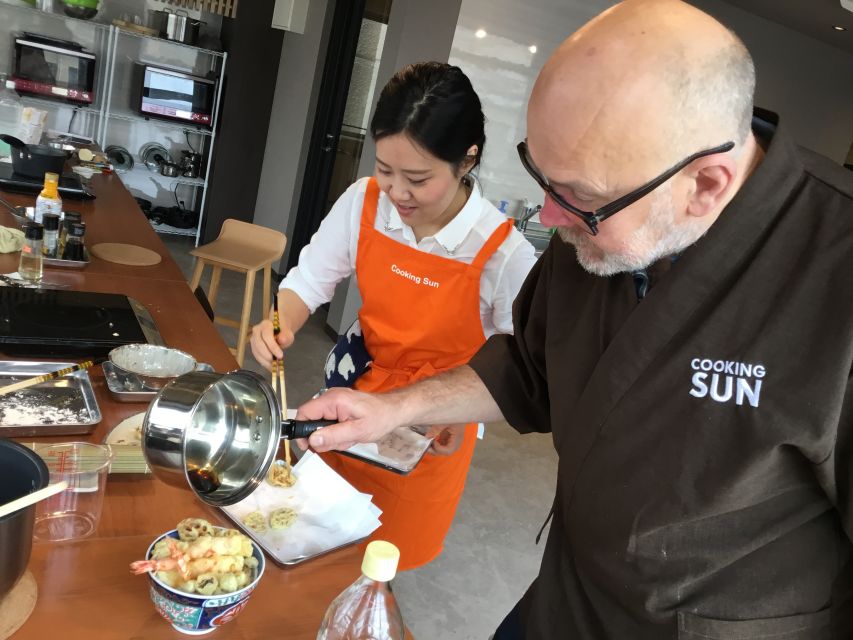
Book it if you want to understand what you are seeing at Nishiki Market and then turn that knowledge into lunch. The combination of a private guide, included ingredients, flexible dish choices, and hands-on instruction gives the $109 price a reasonable purpose.
I would especially choose it for a family, a small private group, or a home cook who likes asking detailed questions. Chie, Momo, and Mio have each been praised for warm instruction and strong English, though your assigned guide may be different.
Skip it if you mainly want free time to shop or eat your way through the market. In that case, visit Nishiki Market on your own and spend the money on individual tastings. For everyone else, this is a practical Kyoto food experience with a meal you can recreate after Japan.
FAQ
Where does the tour meet?
Meet at the western entrance of Nishiki Market in Kyoto.
How long does the experience last?
The tour lasts 150 minutes. Typically, about one hour is spent in Nishiki Market and about one hour is spent cooking and eating, with a taxi ride between the market and studio.
What donburi dishes can I choose from?
You can choose kaisen-don with seafood, ten-don with tempura, or oyako-don with chicken and egg. Different people in the same private group can choose different dishes.
Are the cooking ingredients included?
Yes. The ingredients for the donburi cooking, the recipe, sample food tastings, and the taxi from the market to the studio are included.
Is sake included?
Three types of sake are available as an optional tasting. The tour also includes sample food tastings and free Japanese pickle tastings in the market.
Is the tour private and conducted in English?
Yes. It is a private group experience led in English, with an English-speaking instructor.
More Cooking Classes in Kyoto

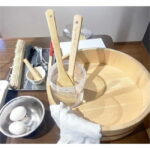
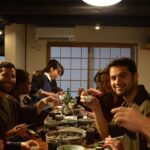
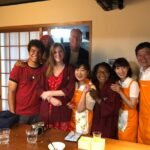
More Nishiki Market Tours in Kyoto
More Kyoto Food Tours in Kyoto
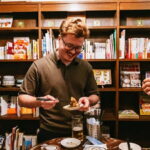
More tours in Kyoto we've reviewed



Kyoto Food Tours, compared.
 ★ 5.0Kyoto Night Foodie Tour in Gion (9+ dishes + 6 Sake tastings)From $163
 ★ 5.0Nishiki Market Brunch Walking Tour (7 Tastings + Brunch)From $68
 ★ 5.03-Hour Kyoto Insider Sake Brewery Tour with Tastings & PairingsFrom $84
 ★ 4.6Kyoto Night All-Inclusive Eats and Streets, Gion and BeyondFrom $101
 ★ 4.5Kyoto Nighttime All-Inclusive Eats and Streets, Gion and BeyondFrom $119
 ★ 5.0Kyoto Foodie Night TourFrom $102