
Reviewed · TEA CEREMONY EXPERIENCES
Kyoto: Nishiki Market Tea Ceremony with Koto Performance
Kyoto’s tea ceremony meets live koto music in this compact one-hour experience near Nishiki Market. At KOTOLILY KYOTO, Yurika guides you through the steps of making matcha, then performs several pieces on the long, harp-like Japanese instrument. It is a smart way to pair two Japanese traditions without giving up half a day.
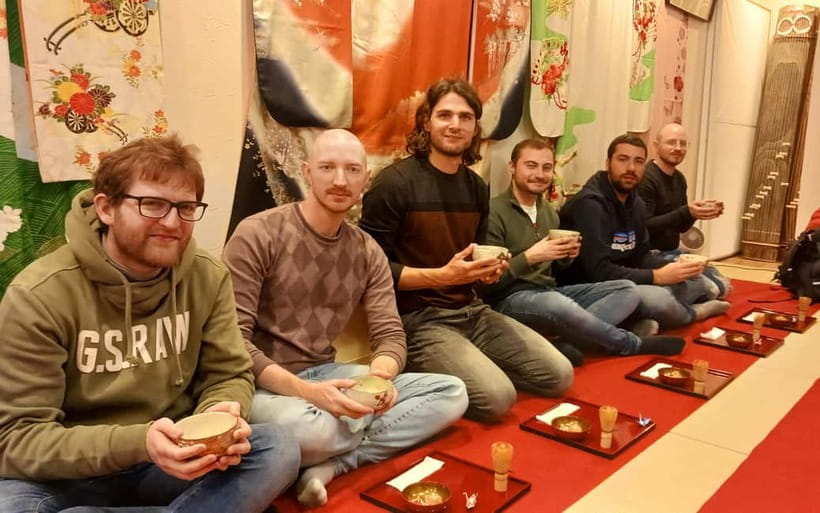
I like the small group size, limited to eight, because it leaves room for questions and personal instruction. I also like the setting: a cozy studio with beautiful kimonos displayed along the walls, close to one of Kyoto’s best food streets. The main drawback is that the kimono photo session and koto lesson cost extra, so the advertised price does not include every tempting add-on.
In This Review
- Key points to know before booking
- A quiet hour beside Nishiki Market
- Yurika sets the tone with the koto
- Making matcha instead of only watching
- Tea sweets and the value of slowing down
- Kimono photos are an optional second act
- What the $56 price buys you
- Who will enjoy this most
- Practical tips for a smooth visit
- Should you book KOTOLILY KYOTO?
- FAQ
- How long does the tea ceremony and koto experience last?
- Where does the experience meet?
- Is the koto performance included?
- Are kimono photos included in the price?
- Can I take a koto lesson?
- Is the experience suitable for children and wheelchair users?
Key points to know before booking
- Koto music is part of the main hour: Yurika performs before and after the tea ceremony, not just as a short sample.
- You make your own matcha: Instruction covers the tea, water, whisking, and basic etiquette.
- Nishiki Market is right nearby: Plan to eat, shop, or browse before or after the class.
- The studio is intimate: Eight people is the maximum, but large bags and suitcases may be awkward in the small room.
- Kimono photos are optional: You can arrange a kimono try-on, photos, and video at the venue for an added fee.
- Plan for shoes off: Wear clean socks and comfortable clothes, and leave flash photography at home.
A quiet hour beside Nishiki Market
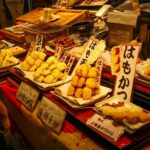
Nishiki Market is one of Kyoto’s busiest shopping and food areas. That makes the location useful, but the experience itself takes you away from the noise for a short, calm break. You are not being led through a grand temple or a formal tea house. Instead, you enter the KOTOLILY KYOTO shop and take part in a hands-on cultural session.
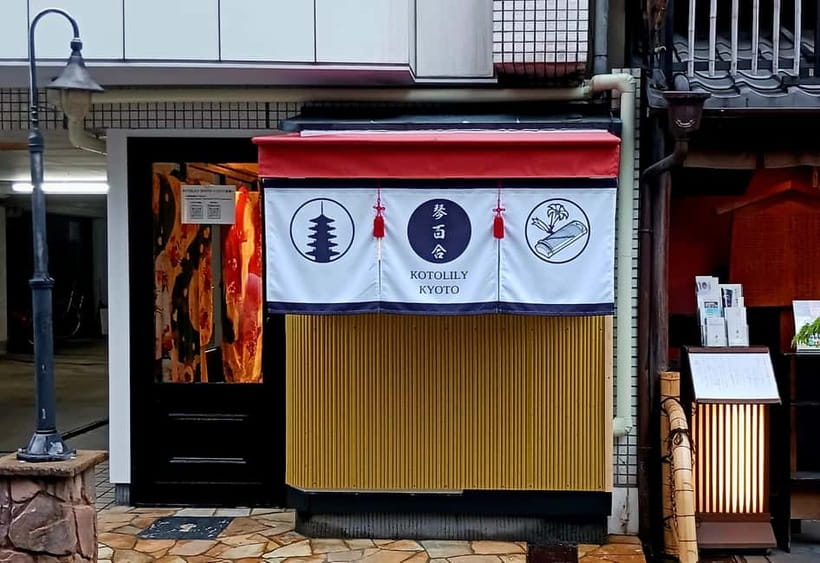
The meeting point matters. Look for the shop named KOTOLILY KYOTO, next to KINMATA Restaurant and across the street from Hotel GOCO stay. Do not wait at the hotel. The instructions ask you to come inside the shop, which is especially helpful in bad weather since the activity is in central Kyoto and close to covered shopping areas.
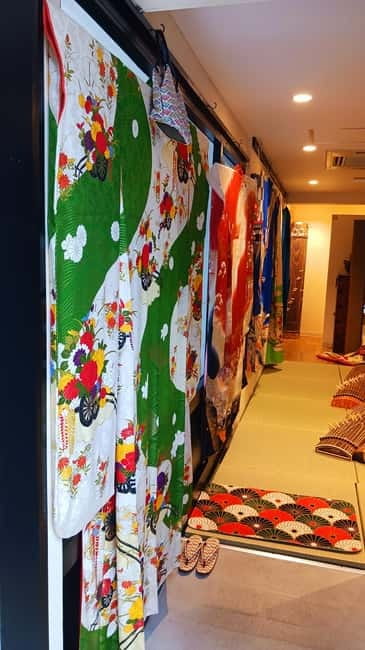
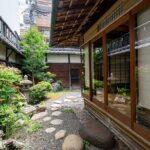
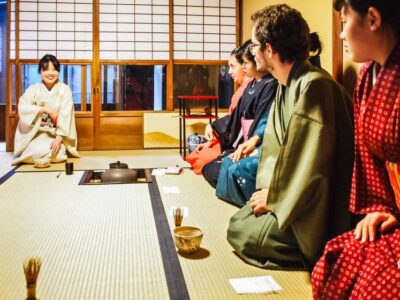
The room is small and attractive, with kimonos on display and the koto ready for its performance. That gives the hour a personal feel. It also means you should avoid bringing a suitcase. One large backpack may be manageable, but storage and floor space are limited.
A few more Kyoto tours and experiences worth a look
Yurika sets the tone with the koto
The experience includes live koto music before and after the tea ceremony. This is more than background sound. Yurika introduces the instrument, explains something about its place in Japanese music, and plays several pieces during the session.
The koto is a traditional Japanese string instrument often described as a Japanese harp. Its sound is gentle and spacious, which works well with the slow movements of tea preparation. Several people particularly valued the music as a way to make the hour feel peaceful, not rushed. One useful detail is that the performance can include more than one full-length song, rather than a quick demonstration followed by the tea lesson.
Yurika’s personality is an important part of the experience. She is described as warm, funny, lively, and easy to understand in English. Her explanations cover both the ceremony and the music, so you get two cultural subjects in one booking. If you have questions about Japanese customs, this is the time to ask them.
The order can vary slightly, but you should expect music around the tea-making portion. That gives the hour a pleasant rhythm: listen, learn, prepare tea, taste it, and listen again. If you prefer a formal ceremony with long periods of silence and strict observation, this is a more relaxed and participatory format.
Making matcha instead of only watching
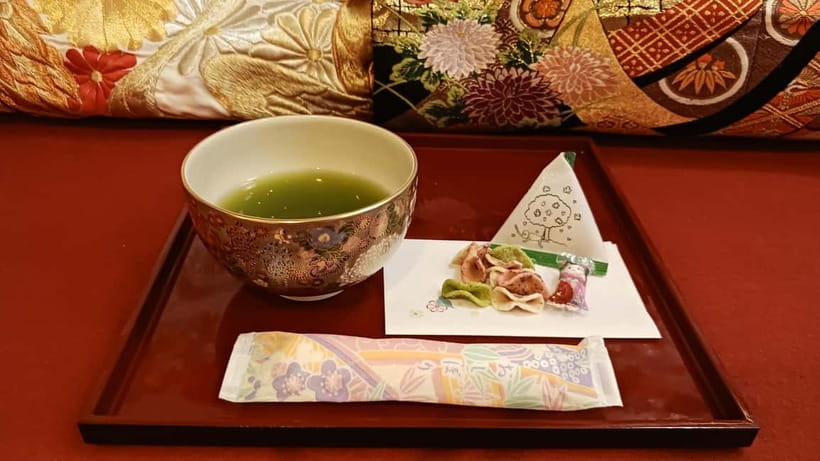
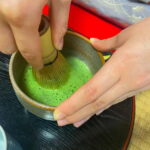
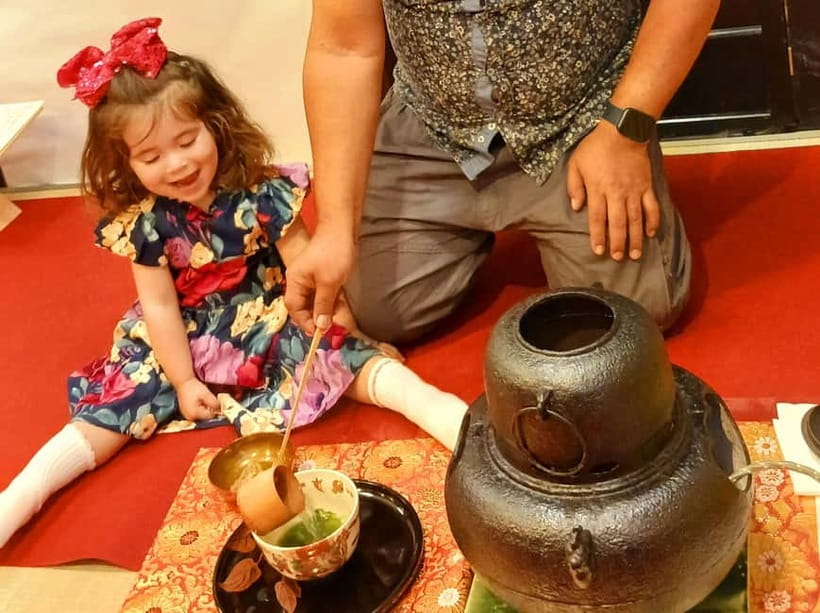
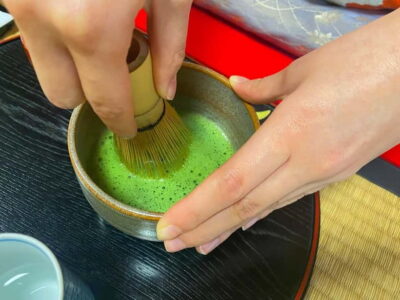
The central activity is preparing your own matcha. Yurika explains what you are doing and guides you through the steps, including adding water and whisking the powdered green tea until it becomes smooth and creamy.
That hands-on part is valuable because matcha can taste sharp or bitter when prepared poorly. The instruction aims for a smoother cup, and you get to understand how preparation affects the result. You also taste the tea with traditional sweets, which balance the tea’s strong flavor.
You may make more than one kind of green tea during the session, depending on the class format. The focus is not on speed. It is on learning the movements, noticing the texture, and understanding why tea etiquette gives each action a purpose.
The ceremony includes more than a recipe. You learn the meaning behind the gestures and the respectful pace of the ritual. This makes the activity suitable for someone who has never attended a tea ceremony, while still giving repeat visitors something to enjoy. If you have already done a formal tea ceremony elsewhere in Japan, the koto performance and chance to prepare your own matcha give this version a different angle.
Tea sweets and the value of slowing down
The matcha comes with tea sweets, included in the $56 price. They are not a meal, so do not arrive hungry or count on this activity as lunch. Nishiki Market is close enough to handle the food part before or after the class.
I find the combination of sweets and matcha important. The sweet makes the tea easier for newcomers, especially if you are not already a matcha fan. One person who normally dislikes matcha found the preparation lesson helped them enjoy it. The point is not simply to drink a green beverage. You learn how tea, taste, manners, and setting work together.
The one-hour length is another strength. Kyoto has plenty of full-day sightseeing demands, and this activity gives you a focused cultural stop without taking over your schedule. You can fit it between shopping around Nishiki Market and other central Kyoto sights. The trade-off is that one hour leaves little time for a long conversation or an extensive lesson.
Kimono photos are an optional second act
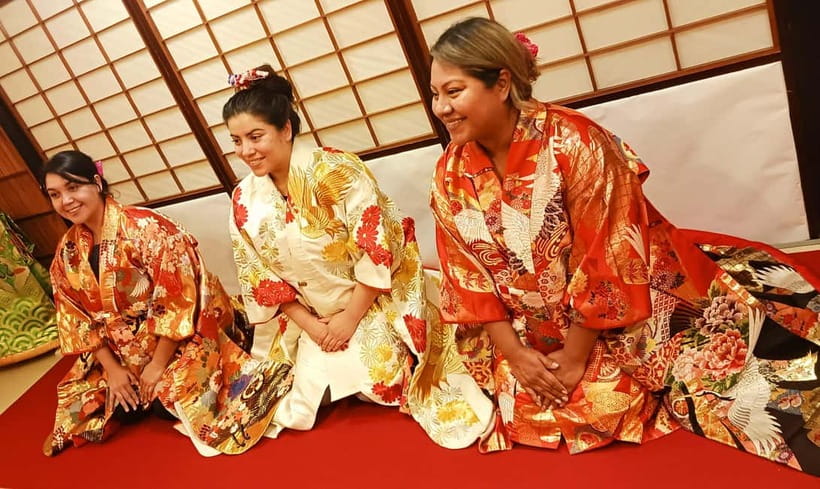
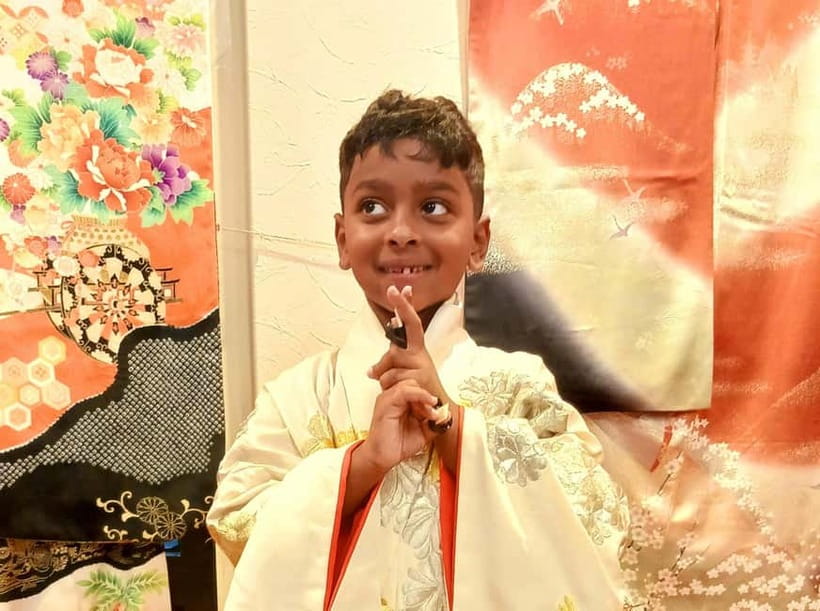
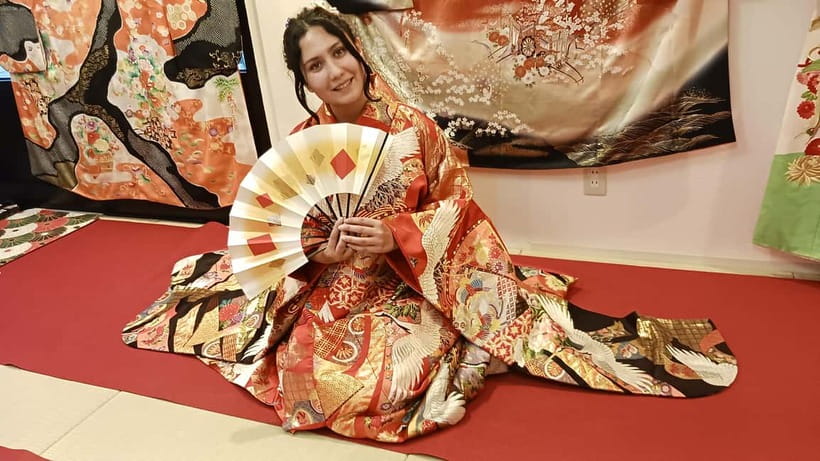
Kimonos hang inside the studio, adding color and atmosphere to the room. For an extra fee, you can arrange to wear one and have photos and videos taken. Traditional hair accessories may also be available, depending on the on-site options.
This is best understood as an add-on, not part of the standard tea ceremony. The main activity does not include kimono rental or photography. If you want to spend the tea ceremony itself dressed in a kimono, clarify the arrangement with the staff before paying for the extra. Some people appreciated having the photos at the end, while others would have preferred to wear the kimono during the tea portion.
The photo option makes sense if you want a polished souvenir without booking a separate kimono studio. It is also useful for couples, families, and solo visitors who want a record of the experience. But budget carefully. At $56, the base booking already covers the tea ceremony, matcha, sweets, and music. The photo package is an additional purchase made at the location.
You can also ask about a koto-playing lesson. That costs extra and is arranged on-site. A short lesson can be a good choice if the instrument interests you, but it is not included in the one-hour program.
A few more Kyoto tours and experiences worth a look
What the $56 price buys you
At $56 per person, this is not the cheapest way to drink matcha in Kyoto. You are paying for instruction, a small group, sweets, a live performance, and a central indoor location. The value improves if you want both a tea ceremony and traditional music, since booking two separate cultural activities would take more planning and time.
The small group cap of eight is also worth money. A large demonstration may show you what to do, but it can leave little room for individual help. Here, the format is designed for participation, and the English and Japanese instruction makes the ceremony easier to follow for international visitors.
The price does not include transportation, a meal, kimono photos, video, or a koto lesson. Those exclusions are clear, but they matter when you build your day’s budget. I would book the base experience first and decide about the extras after seeing the studio and hearing the introduction. The staff can explain the available options once the tea ceremony is finished.
Free cancellation is available up to 24 hours before the activity for a full refund. You can also reserve now and pay later, which helps if your Kyoto schedule is still shifting.
Who will enjoy this most
I would recommend this experience to you if you want a cultural activity that is:
- Short enough to fit into a packed Kyoto day
- Hands-on rather than purely observational
- Conducted in English or Japanese
- Suitable for couples, families with older children, and solo visitors
- Close to shopping and food in central Kyoto
- Focused on both tea and traditional music
It works particularly well for people who want context. Yurika explains why the ceremony matters instead of asking you to copy gestures without meaning. That makes the experience educational without becoming a lecture.
The minimum age is eight. Children under eight cannot take part. The activity is not suitable for wheelchair users, and people with food allergies should not book it. These limits are important because the studio is compact and food is included.
This may not be the right choice if you want a full meal, a long kimono rental, or a formal ceremony in a historic temple setting. You should also choose another activity if you dislike matcha, cannot eat the sweets, or need step-free wheelchair access.
Practical tips for a smooth visit
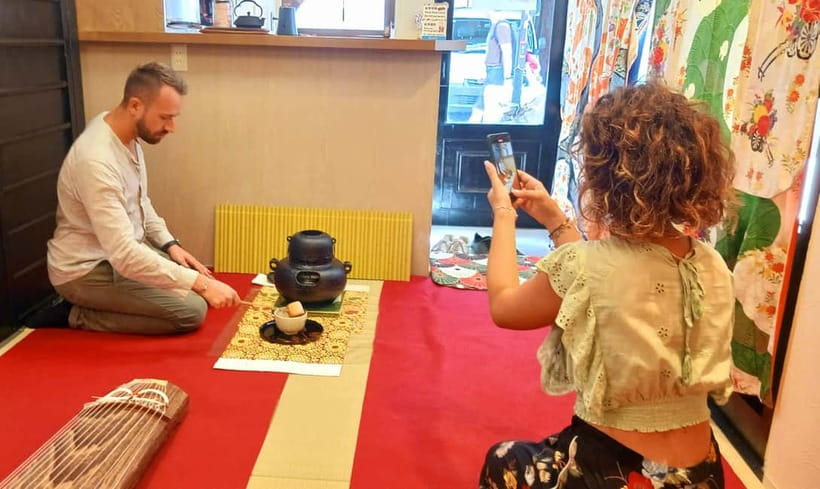
Wear comfortable clothes. You will be seated and taking part in careful hand movements, so restrictive clothing is not ideal. Shoes may need to come off at the entrance, making clean socks a sensible choice.
Bring a camera, but do not use flash photography. The studio offers attractive photo opportunities, and the koto makes a memorable subject, but ask before photographing close details or recording the performance.
Arrive at the correct shop rather than waiting outside the nearby hotel. The location is next to KINMATA Restaurant and opposite Hotel GOCO stay. If you are using Nishiki Market as your landmark, allow a little time to locate the shop and step inside.
Keep large luggage elsewhere. The intimate room is part of the charm, but it is not built for suitcases. A smaller day bag is the practical choice.
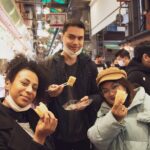
Finally, leave time after the class for Nishiki Market. You can turn this into a neat central Kyoto outing: tea and music first, then food stalls and shops. That pairing gives you both a quiet cultural hour and the lively energy of the market.
Should you book KOTOLILY KYOTO?
Yes, if you want an approachable introduction to matcha and Japanese tea etiquette, with the added pleasure of live koto music. The strongest reason to choose it is the combination. You learn by making the tea, then hear a skilled musician play in the same small room.
The experience also offers unusually direct contact with the host. Yurika’s clear English, humor, and personal explanations help the ceremony feel friendly rather than stiff. At the same time, you should remember that the room is small, the session lasts only one hour, and the kimono and koto lesson cost extra.
Book it as a focused cultural stop near Nishiki Market, not as a full-day tour or meal. If that fits your plans, $56 is a fair price for guided tea preparation, sweets, a live performance, and an easy central location.
FAQ
How long does the tea ceremony and koto experience last?
The activity lasts one hour. Starting times vary, so check availability when booking.
Where does the experience meet?
Meet inside KOTOLILY KYOTO, next to KINMATA Restaurant and opposite Hotel GOCO stay. Do not wait at the hotel.
Is the koto performance included?
Yes. The live koto performance is included along with the tea ceremony, matcha preparation, and tea sweets.
Are kimono photos included in the price?
No. Kimono wear, photos, and video are optional extras that you can arrange and pay for at the venue.
Can I take a koto lesson?
Yes. A koto-playing lesson is available for an additional fee at the location. Ask the staff after the tea ceremony.
Is the experience suitable for children and wheelchair users?
Children under eight cannot take part, and the activity is not suitable for wheelchair users. People with food allergies should also avoid booking it.
More Shopping Tours in Kyoto
More Nishiki Market Tours in Kyoto
More Tea Ceremony Experiences in Kyoto
More tours in Kyoto we've reviewed




Tea Ceremony Experiences, compared.
 ★ 4.9Kyoto: Tea Ceremony in a Traditional Tea House in KiyomizuFrom $4945 min
 ★ 4.9Kyoto: Tea Ceremony Ju-An at Jotokuji TempleFrom $291h 10m
 ★ 4.3Kyoto: 45-Minute Tea Ceremony Lesson ExperienceFrom $2245 min
 ★ 5.0World Heritage Kyoto & Nara Uji Authentic Matcha ExperienceFrom $129
 ★ 4.9Kyoto: Table-Style Tea Ceremony at a Kyo-MachiyaFrom $451h 30m
 ★ 5.0Kimono Tea Ceremony at Kyoto Maikoya, NISHIKIFrom $65