
Reviewed · TEA CEREMONY EXPERIENCES
Kimono Tea Ceremony Experience at Kyoto Oritzuruya, Nishiki
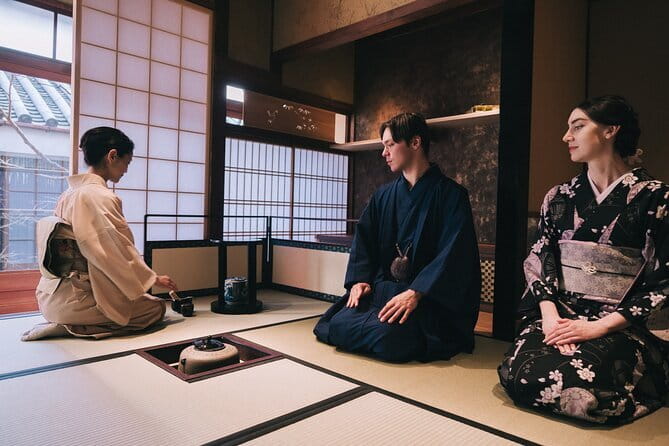
Choosing a kimono from more than 200 designs is the star of this Kyoto experience. Staff help you dress, arrange a simple hairstyle for women, and guide you into a tea room near Nishiki Market for matcha, wagashi, and a traditional ceremony.
I like the small maximum group of 10, which keeps the activity from feeling like a huge photo line. I also like that you do more than watch: you learn to whisk your own matcha with a bamboo chasen and can add a private calligraphy lesson.
The main consideration is focus. The kimono dressing and photographs take a good share of the 90 minutes, so anyone seeking a serious study of tea ceremony customs may find the lesson brief and somewhat staged.
In This Review
- Key Points Before You Book
- What This Kyoto Tea Ceremony Really Offers
- Selecting a Kimono From 200 Designs
- From Sandals to the Tea Room
- Watching the Ceremony and Making Matcha
- Adding Calligraphy to the Visit
- Wearing the Kimono Beyond the Ceremony
- Price, Group Size, and Location
- Who Will Enjoy This Most
- Practical Details That Matter
- Should You Book the Kyoto Kimono Tea Ceremony?
- FAQ
- How long does the Kimono Tea Ceremony Experience last?
- Where does the activity begin and end?
- How many people can join the activity?
- Is hairstyling included?
- Is calligraphy included in the basic price?
- Can I cancel for a refund?
Key Points Before You Book
- More than 200 kimono choices: You select your own colors, patterns, obi, hair ornaments, and other accessories with staff assistance.
- A compact 90-minute activity: Dressing, hairstyling, photos, purification steps, tea ceremony, sweets, and matcha preparation fit into one visit.
- Matcha is hands-on: The instructor demonstrates the process, then you whisk and drink your own bowl with a Japanese sweet.
- Calligraphy is optional: You can add a private lesson and take home your finished work as a souvenir.
- Nishiki Market location: The meeting point is convenient for pairing the activity with food stalls, shopping, and central Kyoto sights.
- A practical note on tickets: You must open the booking voucher on your smartphone and press Use. Screenshots and printed tickets are not accepted.
What This Kyoto Tea Ceremony Really Offers
This is best understood as a cultural introduction with a strong dress-up element, not as an extended formal tea-school lesson. You get a taste of several Japanese arts in one sitting: kimono dressing, hair styling, tea etiquette, matcha preparation, wagashi, and possibly calligraphy.
That combination explains the activity’s appeal. In one and a half hours, you get photographs, a new practical skill, and a guided look at customs that can seem difficult to approach on your own.
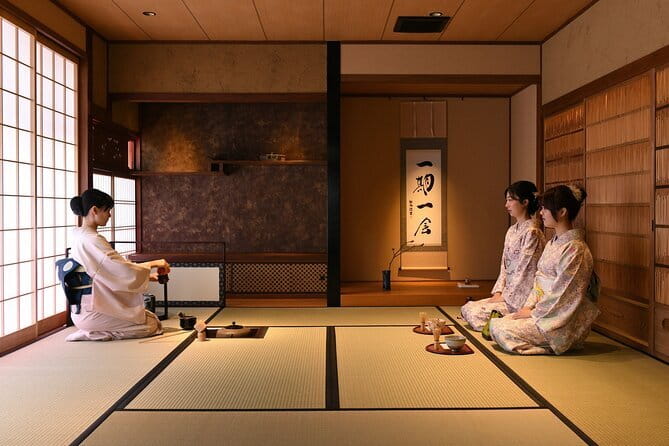
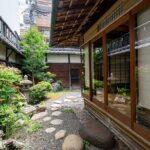
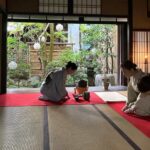
The tea room provides a quieter change of pace from central Kyoto’s shops and food streets. The setting is designed for international visitors, so you do not need prior knowledge of tea ceremony rules or worry about making a social mistake. The instructor leads you through the steps and explains what is happening.
Still, the experience has limits. The ceremony is performed by the instructor, while you mainly observe the formal movements and prepare your own matcha afterward. If you expected to take part in every stage of the ceremony, adjust your expectations before booking.
A few more Kyoto tours and experiences worth a look
Selecting a Kimono From 200 Designs
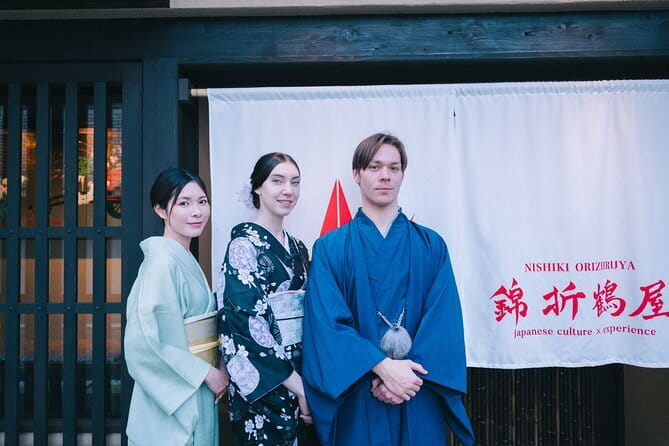
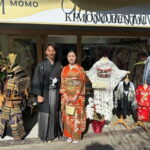
The visit begins with the most playful decision: choosing what to wear. More than 200 kimono designs are available, with a broad range of colors and patterns. You also select related pieces such as the obi sash, obijime cord, hairpin, and flowers.
This part is handled with help from the staff, who dress you in several layers and make sure the outfit sits properly. A light, moisture-wicking underlayer is provided, which is a useful detail when Kyoto is warm or when you are not used to wearing traditional clothing.
For women, simple hairstyling is included. You can choose hair ornaments to finish the look. The styling is not presented as a full salon treatment, and makeup is not included, so plan your own cosmetics if that matters to your photographs.
The dressing process takes time because a kimono is not something you simply pull on like a rental costume. The layers, sash, and cords need careful adjustment. That attention is part of the experience, but it also means the tea portion cannot occupy the whole 90 minutes.
A strong point here is the range of sizing. A plus-size visitor was able to choose from several suitable options rather than being limited to one outfit. That does not guarantee a fit for every body, but the selection appears wider than many people expect from a traditional costume activity.
The staff are also used to helping visitors from different backgrounds with hair styling and dressing. If you have textured hair or specific needs, it is sensible to explain them clearly at the start. The available styling is simple, but the staff make an effort to create a finished traditional look.
From Sandals to the Tea Room
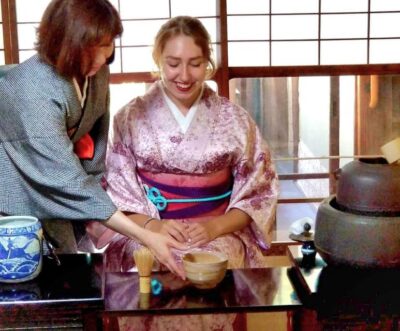
Once dressed, you may have a short photo session before heading to the tea room. Staff take pictures for you, and the kimono gives you an immediate visual connection to the setting. This is one of the parts many people value most, especially couples and families who want a shared memory from Kyoto.
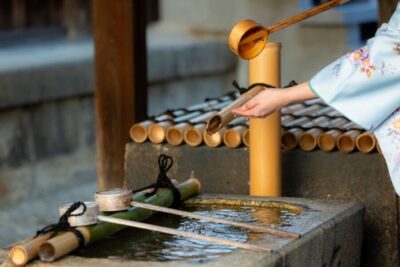
You then learn about the cleansing or purification steps that come before tea. These gestures can seem small, but they show that the ceremony is not simply about drinking a cup of green tea. Preparation, welcome, cleanliness, and careful movement all matter.
The activity gives you a guided introduction rather than leaving you to copy a ritual without context. The instructor explains the sequence and shows how the host prepares the room and tea. That makes the ceremony easier to follow, even if you know nothing about Japanese tea customs.
The atmosphere is intended to be calm. A visitor with bad knees was able to take part, and an older participant who could not sit on the floor was provided with a small table and chair. This is worth knowing if traditional floor seating concerns you, although you should still mention any physical needs when you arrive.
Watching the Ceremony and Making Matcha
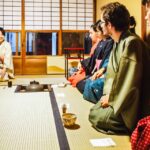
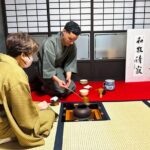
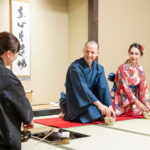
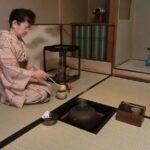
The formal ceremony is conducted by the instructor. You watch the measured movements, the preparation, and the presentation of the tea. This is the most traditional part of the activity, but it is also where expectations matter most.
You are not taking the instructor’s place as host. Instead, you learn the meaning and order of the main steps, then make your own matcha in a more accessible hands-on segment. The activity is not designed to train you in every rule of tea ceremony.
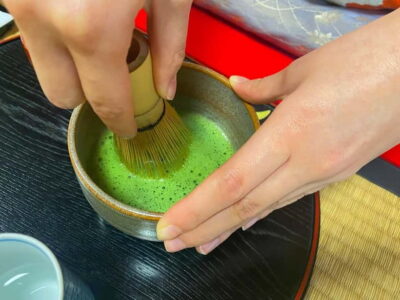
The bamboo whisk, called a chasen, is the key tool. You are shown how to use it to froth the powdered tea, then prepare your own bowl. This gives you a skill you can repeat at home, provided you buy matcha and a whisk.
The taste is earthy and slightly bitter, which is softened by wagashi, a Japanese confection served with the tea. The sweets come from a confectioner with a century of history, adding a nice local touch to what could otherwise feel like a standard demonstration.
The tea portion can feel short to anyone hoping for a long meditation on Japanese aesthetics. On the other hand, the compact format works well if your Kyoto schedule is packed. You get the core ideas without giving up half a day.
The instructor may also discuss the intentions behind the movements, the purification process, and the welcome given to visitors. The quality of the explanation matters here. One participant found the question period insufficient for detailed cultural questions, while others found the tea teacher charming, calm, and informative.
That mixed response points to the right way to judge the activity. You should book it for a clear, friendly introduction, not for advanced instruction in the history, philosophy, or schools of chanoyu.
Adding Calligraphy to the Visit
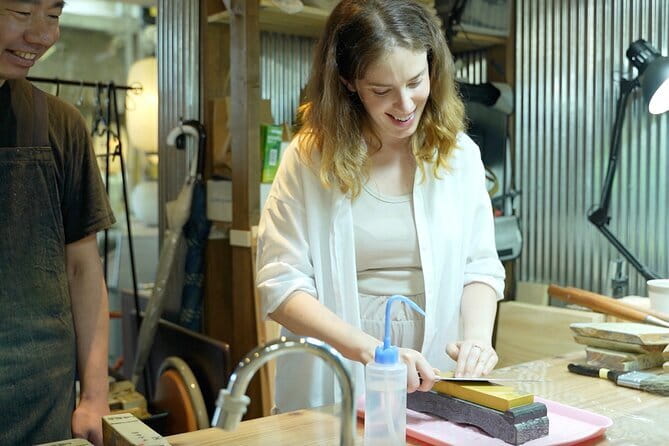
Calligraphy is an optional extra, not part of the basic inclusions listed for the tea ceremony. If you choose it, you receive instruction in the basic techniques and create a piece to take home.
This may be the most satisfying add-on for visitors who want a souvenir with personal meaning. Instead of buying another packaged item, you leave with something you made during the visit. One participant created the kanji for Beautiful, but you should confirm the current price and arrangement for the add-on when booking.
The calligraphy lesson can also balance the photo-heavy side of the kimono experience. It gives you a second cultural activity that requires concentration and hand control, rather than simply posing in costume.
If your budget is tight, the basic tea session still includes plenty: kimono rental, utensils, hairstyling for women, matcha, wagashi, the guide, and taxes. Add calligraphy if the finished artwork matters to you more than keeping the price low.
A few more Kyoto tours and experiences worth a look
Wearing the Kimono Beyond the Ceremony
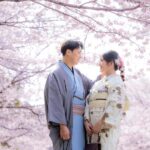
The kimono may be available for walking around the nearby area after the ceremony, with return required by the venue’s closing time, reported as 6 p.m. This can add real value because you are not limited to indoor photographs.
The location near Nishiki Market gives you a natural place for a short stroll and more pictures. You can combine the activity with central Kyoto shopping and food stops, though remember that a kimono changes how quickly and comfortably you walk.
The clothing is formal enough for photographs but practical enough for a brief outing. Do not plan a long-distance sightseeing route in it. Kyoto’s streets, steps, and crowds are easier to manage in ordinary clothes, and you need to return the outfit on time.
Ask the staff about the exact return rules on the day of your visit. The ability to go outside appears to depend on the venue’s schedule and instructions. Treat it as an extra benefit, not the central promise of the experience.
Price, Group Size, and Location
At about $50.87 per person, the price is reasonable if you value the clothing, dressing service, hairstyle, guided tea activity, and photographs as one package. Kimono rental alone can take up much of a Kyoto afternoon, while this visit combines several elements in a fixed 90-minute slot.
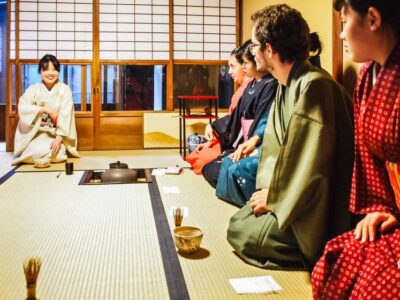
The small-group limit of 10 helps justify the cost. You still share the ceremony with other people, but the group is small enough for the staff to help with clothing choices and basic questions. During busy periods, the dressing stage may still involve waiting.
The meeting point is Nishiki Orizuruya, at 452 Jūmonjichō, Nakagyo Ward, Kyoto, postal code 604-8121. It is near public transportation and close to Nishiki Market, making it easy to fit into a day in central Kyoto.
Transportation to the meeting point is not included, and there is no hotel pickup or drop-off. Allow time to find the shop, especially if you are arriving during a busy shopping period.
The booking price includes all fees and taxes, kimono costume, utensils, wagashi and matcha, simple hairstyling, and a licensed guide. Calligraphy should be treated as a separate option unless your booking specifically includes it.
Who Will Enjoy This Most
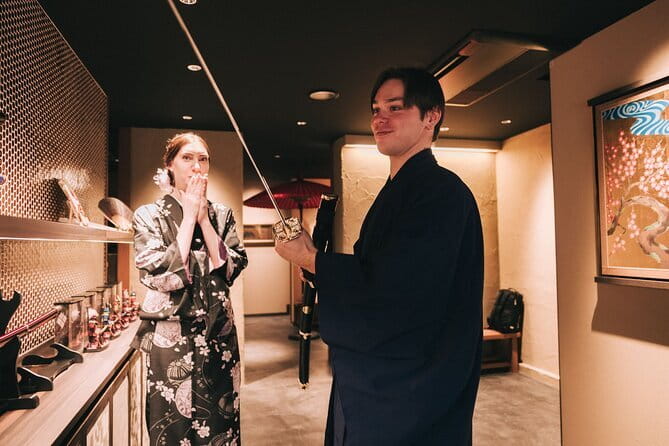
I would choose this activity for a first visit to Kyoto when you want a simple way to try Japanese customs without committing to a full formal study. Couples, families, solo photographers, and anyone curious about kimono will find the format easy to approach.
It also suits a busy itinerary. Ninety minutes is long enough to feel substantial but short enough to place between Nishiki Market, Gion, and other central sights.
The activity is a particularly good fit if you want:
- A kimono with many choices rather than a fixed costume
- Help with dressing and traditional accessories
- A short tea lesson with your own matcha preparation
- A chance to take photographs in costume
- An optional handmade calligraphy souvenir
- A cultural activity that does not require Japanese language skills
You may want something else if your main goal is serious tea study. The formal ceremony is demonstrated rather than fully enacted by each participant, and the explanation may not answer every detailed question about history or spiritual meaning.
Practical Details That Matter
Confirmation arrives when you book. To check in, open the link in the voucher sent after purchase on your smartphone, press the Use button, and show the live page to staff. A screenshot or printed ticket will not work, so make sure your phone can connect to the internet.
Date or time changes require you to cancel the existing booking and make a new reservation. Free cancellation is available up to 24 hours before the start time for a full refund. Changes or cancellations inside that window are not accepted and are not refunded.
The activity requires good weather. If poor weather causes cancellation, you are offered another date or a full refund.
Wear or bring whatever you need to feel comfortable under the kimono. The venue provides a light underlayer, but the supplied information does not specify every clothing requirement, so follow the instructions in your confirmation.
Plan your day around the fixed meeting point rather than expecting hotel collection. Since the experience ends where it begins, it is easy to continue toward Nishiki Market afterward.
Should You Book the Kyoto Kimono Tea Ceremony?
Book it if you want a polished introduction to kimono and tea culture, with plenty of visual appeal and one hands-on matcha lesson. The friendly dressing staff, broad kimono selection, included hairstyling for women, and optional calligraphy make the experience feel fuller than a simple tea demonstration.
Go in knowing that the ceremony is partly observed and partly practiced. The clothing and photographs receive at least as much attention as the tea, and the cultural explanation is introductory rather than scholarly.
For most first-time visitors, I think the price is fair, especially if you use the chance to walk around nearby in the kimono afterward. Add calligraphy if you want a personal souvenir. Skip the booking only if your priority is a long, highly detailed study of tea ceremony practice.
FAQ
How long does the Kimono Tea Ceremony Experience last?
The experience lasts approximately 1 hour and 30 minutes.
Where does the activity begin and end?
It begins and ends at Nishiki Orizuruya, 452 Jūmonjichō, Nakagyo Ward, Kyoto, 604-8121, Japan.
How many people can join the activity?
The activity allows a maximum of 10 participants.
Is hairstyling included?
Simple hairstyling is included for women. Hair accessories are selected as part of the kimono styling process.
Is calligraphy included in the basic price?
Calligraphy is an optional session and is not listed among the basic inclusions. Confirm the additional cost and booking arrangement if you want to add it.
Can I cancel for a refund?
Yes. You can cancel at least 24 hours before the start time for a full refund. Cancellations or changes made less than 24 hours before the start time are not accepted or refunded.
More Nishiki Market Tours in Kyoto
More Kimono Experiences in Kyoto
More Tea Ceremony Experiences in Kyoto
More tours in Kyoto we've reviewed






Tea Ceremony Experiences, compared.
 ★ 4.9Kyoto: Tea Ceremony in a Traditional Tea House in KiyomizuFrom $4945 min
 ★ 4.9Kyoto: Tea Ceremony Ju-An at Jotokuji TempleFrom $291h 10m
 ★ 4.3Kyoto: 45-Minute Tea Ceremony Lesson ExperienceFrom $2245 min
 ★ 5.0World Heritage Kyoto & Nara Uji Authentic Matcha ExperienceFrom $129
 ★ 4.9Kyoto: Table-Style Tea Ceremony at a Kyo-MachiyaFrom $451h 30m
 ★ 5.0Kimono Tea Ceremony at Kyoto Maikoya, NISHIKIFrom $65