
Reviewed · SAKE BREWERY TOURS
Kyoto Sake Brewery Tour with Lunch
Kyoto’s Fushimi district has made sake since the 1600s, and this compact tour gives you a useful look at both sides of the trade: a small brewery and a major producer. You’ll taste several kinds of sake, learn how rice becomes Japan’s best-known drink, and see old brewing tools at the Gekkeikan Okura Sake Museum.
I like the small-group size, limited to 10 people, because sake tasting works better when you can ask questions. I also like that lunch is part of the experience, with local yakitori paired with sake rather than a rushed snack between sights.
The main drawback is that active brewing areas are off-limits, so this is a museum and interpretation tour, not a walk through a working production floor. One published comment also noted that the guide relied heavily on laminated sheets, which may make some technical points less clear in English.
In This Review
- Key Points Before You Book
- Why Fushimi Is the Right Place for a Sake Tour
- Comparing a Small Brewery With Gekkeikan
- Gekkeikan Okura Sake Museum and Its Old Brewing Tools
- Yakitori Lunch With Sake
- Walking Through Fushimi’s Temples and Local Streets
- Group Size, Guide Style, and Language
- What the $227 Price Really Includes
- Meeting Point and Ending Near Fushimi-Momoyama Station
- Who Will Get the Most From This Experience
- Should You Book the Kyoto Sake Brewery Tour?
- FAQ
- How long is the Kyoto Sake Brewery Tour?
- What time does the tour start?
- Where does the tour meet?
- Where does the tour end?
- Is lunch included?
- Are sake tastings included?
- Can I enter the active brewing areas?
- What is the minimum drinking age?
- Is hotel pickup included?
- Can dietary requirements be accommodated?
- How many people can join the tour?
- What happens if bad weather cancels the tour?
- Can I cancel for a full refund?
Key Points Before You Book
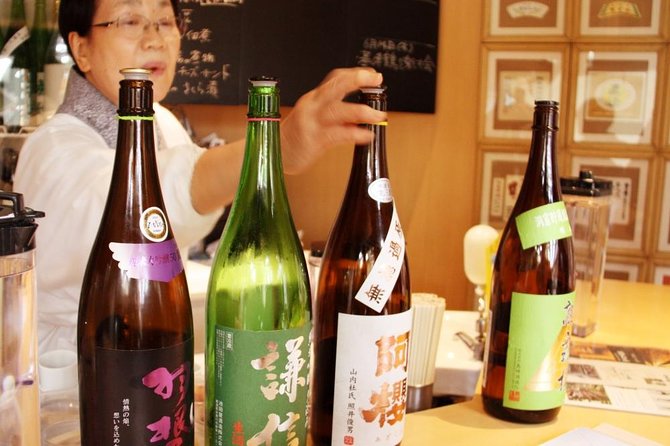
- Two scales of sake production: Compare a small brewery with Gekkeikan, one of Kyoto’s major sake names.
- Gekkeikan Okura Sake Museum: See historic tools and learn how Japanese rice wine was made over several centuries.
- Yakitori lunch included: Eat a seasonal local meal with sake, a useful part of understanding how the drink fits Japanese dining.
- Three hours in Fushimi: The route combines sake stops with streets, shops, temples, and nearby points of interest.
- Small group, English-speaking guide: The maximum is 10 people, but the guide’s teaching style may vary.
- Plan your transport: Hotel pickup is not included, and transportation costs are your responsibility.
Why Fushimi Is the Right Place for a Sake Tour
Fushimi is one of Kyoto’s main sake districts. That location matters. Instead of learning about sake in a generic tasting room, you are walking through an area tied directly to its production and trade.
The district is also a pleasant change from Kyoto’s most crowded sightseeing zones. The meeting point is at the Softbank, or Y!mobile, shop in Otesuji Shotengai. This covered shopping street gives you an easy place to find your bearings before the tour begins at 11 a.m.
From there, the route takes you through the Fushimi area, with sake shops and local streets along the way. The exact order can change because of restaurant schedules, public holidays, weather, or other local conditions. That flexibility is worth keeping in mind if you have a tight schedule.
I like the way the tour connects the drink with the neighborhood. Sake is not treated as a stand-alone product. You see where it is made, hear how its methods developed, and then drink it with food.
Other sake brewery and tasting tours in Kyoto

Comparing a Small Brewery With Gekkeikan
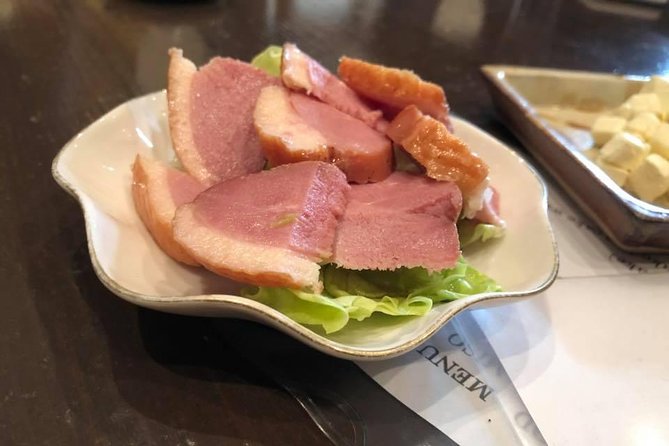
One of the strongest ideas behind this experience is the comparison between a small brewery and a large producer. Scale changes the way you understand sake. A small operation can help you picture the hands-on side of brewing, while a major maker shows how the same basic drink can be produced and presented on a much larger level.
You will not have full access to active brewing rooms. That limitation should be clear before you book. The tour is designed to explain the work and show selected historic material, not to let you wander through every production area.
Still, the contrast can be useful. Sake production involves rice, water, fermentation, and careful timing, but the final character of the drink depends on many choices along the way. The tour gives you a chance to connect those ideas with actual samples instead of hearing a lecture with nothing in your glass.
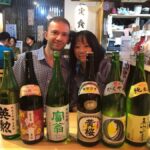
The sake tastings are included, and you may also try other local produce connected with the breweries. The goal is not simply to drink several pours. It is to help you notice differences between bottles and styles, especially if Japanese rice wine is new to you.
A little caution is sensible here. With only one published critical comment, the clearest weakness concerns presentation rather than the subject itself. The guide was described as pleasant, but too dependent on laminated information sheets, and some brewing ideas did not translate smoothly. If you want a highly technical lesson in English, this may feel light. If you want a friendly introduction with food and tasting, it is a better match.
Gekkeikan Okura Sake Museum and Its Old Brewing Tools
The Gekkeikan Okura Sake Museum is the historical center of the tour. Gekkeikan has been making sake since 1637, giving the museum a long period of brewing tradition to explain.
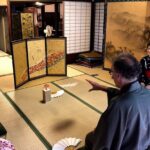
Inside, you can see the tools and methods used to make sake in earlier centuries. This is valuable because the process can seem mysterious from the outside. Rice wine is not simply rice left to ferment. The museum helps show the stages and equipment involved, along with the skill needed to control the process.
The museum visit is listed at about 30 minutes. That is enough time for a clear introduction, though not enough for an exhaustive study of every technique. Think of it as the part of the tour that gives shape to what you taste later.
The historic displays also provide context for Gekkeikan’s size. You are not only learning how sake was made long ago. You are seeing how an old brewing tradition became part of a large modern business.
This stop will suit you if you like understanding how things are made. It may be less satisfying if you want to step into a fully operating brewery or see every stage in action. The tour information is direct on this point: active brewing areas cannot be entered.
Yakitori Lunch With Sake
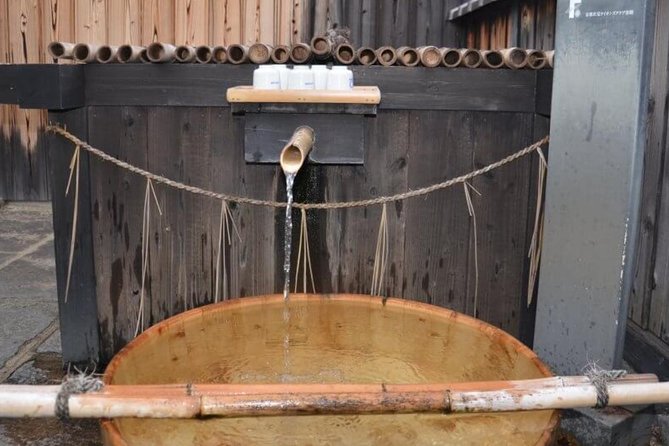
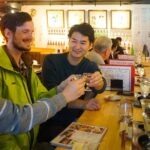
Lunch is one of the practical strengths of this tour. You eat at a local restaurant before heading to the sake museum, and the meal includes seasonal food with yakitori paired with sake.
Yakitori, grilled chicken served in small portions, makes sense with a tasting tour. It gives you something substantial to eat and shows how sake works alongside savory food. The pairing also keeps the tour from becoming a string of empty-stomach samples.
The included meal adds real value to the $227 price, though the price is still high for a three-hour experience. You are paying for a small group, a local English-speaking guide, several tastings, a restaurant meal, and entry to the museum. Transportation and anything outside the stated inclusions are extra.
I would judge the price by what you want from the outing. If you only want a few sake samples, you can likely spend less on your own. If you want someone to connect the tastings with Fushimi’s brewing history, arrange lunch, and guide you between stops, the cost is easier to defend.
Dietary needs are also taken into account. The experience is described as suitable for vegan, vegetarian, pescetarian, and gluten-free diets. You should still communicate your needs when booking, since restaurant menus and substitutions can vary.
Walking Through Fushimi’s Temples and Local Streets
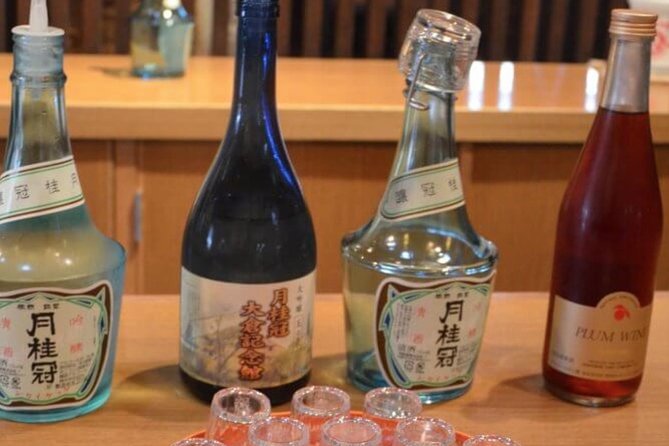
The sake focus does not mean you spend three hours indoors. The route includes a walk through Fushimi, with local shops and several nearby points of interest.
Chokenji Temple and Fushimi Park are listed among the places connected with the tour. Teradaya is also included in the route information, along with Daigo-ji and Fushimi Inari Taisha. These places may not all receive the same amount of time, and changes can occur, so do not treat the tour as a full visit to each major sight.
Fushimi Inari is one of Kyoto’s best-known religious sites, but this tour is not presented as a dedicated Fushimi Inari visit. If the shrine is a major priority, give it its own time in your schedule rather than assuming this three-hour sake outing will cover it.
The walk through the district is still useful. You can check local shops, see a less museum-like side of Kyoto, and understand how sake fits into the neighborhood. Wear comfortable shoes and expect a moderate level of physical activity. No difficult hike is described, but this is a walking tour, not a seated tasting.
Other sake brewery and tasting tours in Kyoto

Group Size, Guide Style, and Language
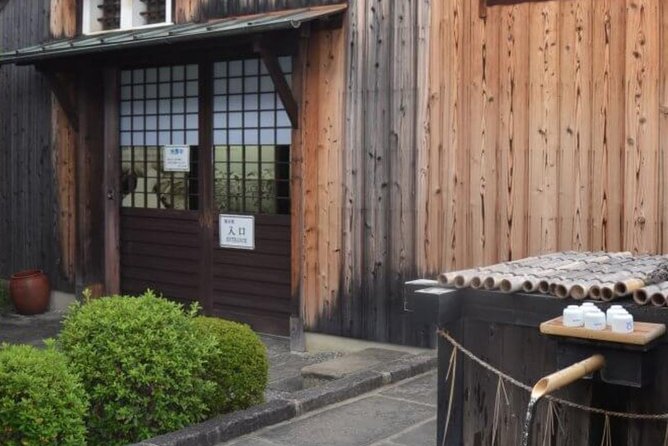
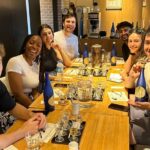
The maximum group size is 10. That is small enough for a more personal feel, especially during tastings and lunch. It also limits the chance that one large group will crowd a small shop or restaurant.
The guide is a local English speaker. No guide name is provided, so you should not book expecting a particular person. The quality of the explanation may depend on how comfortable your guide is with technical brewing terms in English.
The guide’s role is important here. Sake has its own vocabulary, and the differences between styles may not be obvious to someone tasting it for the first time. A good explanation can turn a series of pours into a lesson. The one noted concern about laminated sheets suggests that some visitors may find the information delivery more visual and scripted than conversational.
For solo visitors, the operator asks you to email before booking. That likely helps with group arrangements, but you should handle it in advance rather than arriving without confirmation.
The minimum drinking age is 21. Anyone under that age should not plan to participate in the sake tastings.
What the $227 Price Really Includes
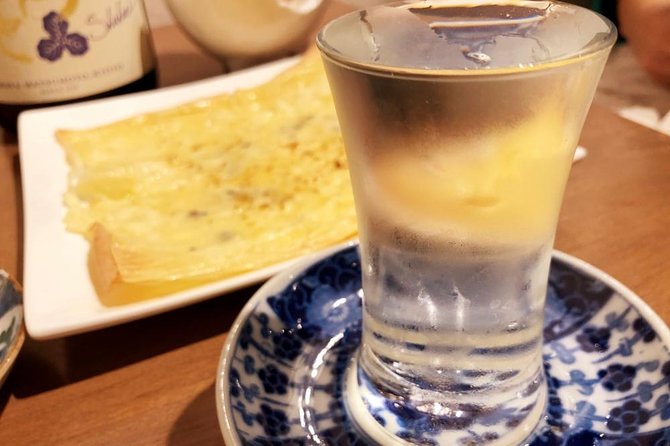
At $227 per person, this is not a bargain walk. The value comes from the combination of several elements packed into a short morning-to-afternoon visit.
Included are:
- Several sake tastings
- A local restaurant lunch
- An English-speaking local guide
- The Gekkeikan Okura Sake Museum experience
Not included are hotel pickup and drop-off, transportation costs, and food or drinks beyond what is specified. Since the meeting point and final point are both in the Fushimi-Momoyama Station area, you will need to make your own way there and back.
The three-hour length makes the tour easy to fit into a Kyoto schedule. You can start at 11 a.m. and still have much of the afternoon available. The tradeoff is that the tour cannot offer a detailed visit to every temple, shop, and brewing site mentioned in the route.
Booking 68 days ahead on average suggests that planning early is sensible, especially if you have a fixed Kyoto itinerary. The group is small, and the tour needs enough people to operate.
Meeting Point and Ending Near Fushimi-Momoyama Station
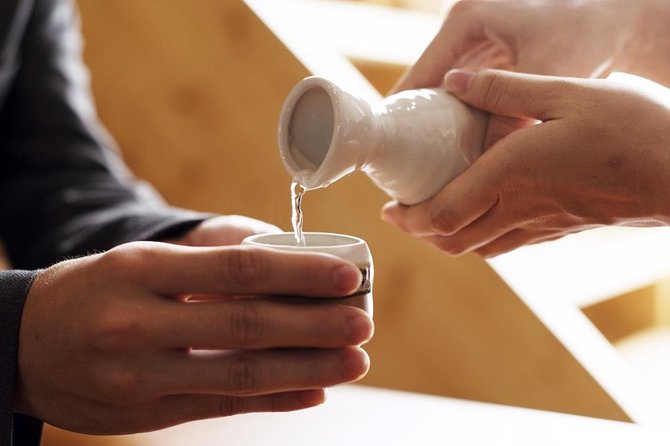
The tour starts at 11 a.m. in front of the Softbank, or Y!mobile, agency at 4-chōme-291 Ryōgaemachi, in Fushimi’s Otesuji Shotengai.
Pay close attention to the meeting instructions. A station-area meeting point can sound simple, but the specific shop landmark matters. Give yourself enough time to find the shopping street and the storefront before the start.
The tour ends near Fushimi-Momoyama Station, at the Fushimi-Momoyama Station area. That is convenient for continuing your sightseeing or returning to another part of Kyoto. Since the tour does not include hotel pickup, this central end point is more useful than a remote brewery location.
A mobile ticket is provided, so keep your booking available on your phone. Public transportation is nearby, but the cost of getting there is not included.
Who Will Get the Most From This Experience
I would recommend this tour most strongly to a first-time sake drinker who wants a guided introduction without committing to a full-day food or drink program. The museum, tastings, lunch, and neighborhood walk give you several ways into the subject.
It also suits you if you enjoy local food and production stories. The yakitori meal is not an afterthought. It helps explain how sake is consumed in Japan, and it gives the tasting a more natural setting.
The tour is less suitable for a serious sake collector seeking detailed brewery access. You cannot enter active brewing areas, and the teaching may rely on prepared visual material. Someone hoping for a long temple tour should also choose a dedicated cultural walk instead.
The 21-and-over rule is firm for the tasting. Vegetarian, vegan, pescetarian, and gluten-free visitors can request suitable arrangements, but you should communicate those needs ahead of time.
Should You Book the Kyoto Sake Brewery Tour?
Book it if you want a short, organized introduction to Fushimi sake with several tastings, a proper local lunch, and a museum visit. The small group and convenient station-area finish are strong practical points.
Skip it if you want to tour active production rooms, spend hours on technical brewing details, or focus mainly on Fushimi Inari and Kyoto’s temples. At $227, the experience earns its price through the guide, meal, tastings, and local context, not through behind-the-scenes brewery access.
For most first-time sake drinkers, the mix is appealing. Just arrive with realistic expectations: this is a polished neighborhood tasting walk with historical explanation, not an industrial brewery tour.
FAQ
How long is the Kyoto Sake Brewery Tour?
The tour lasts approximately three hours.
What time does the tour start?
The tour starts at 11:00 a.m.
Where does the tour meet?
You meet in front of the Softbank, or Y!mobile, agency at 4-chōme-291 Ryōgaemachi, Fushimi Ward, Kyoto, in Otesuji Shotengai.
Where does the tour end?
The experience ends in the Fushimi-Momoyama Station area.
Is lunch included?
Yes. A local restaurant lunch is included, with seasonal food and yakitori paired with sake.
Are sake tastings included?
Yes. Several sake tastings are included in the tour.
Can I enter the active brewing areas?
No. Active brewing areas are inaccessible during this experience.
What is the minimum drinking age?
The minimum drinking age is 21 years old.
Is hotel pickup included?
No. Hotel pickup and drop-off are not included, and transportation costs are your responsibility.
Can dietary requirements be accommodated?
The tour is described as vegan, vegetarian, pescetarian, and gluten-free friendly. Contact the operator with your requirements before the tour.
How many people can join the tour?
The maximum group size is 10 people.
What happens if bad weather cancels the tour?
If poor weather causes a cancellation, you will be offered another date or a full refund.
Can I cancel for a full refund?
Yes. You can cancel at least 24 hours before the start time for a full refund. Changes or cancellations made less than 24 hours before the start time are not accepted for a refund.
More Lunch Experiences in Kyoto


More Sake Brewery Tours in Kyoto
More Sake Brewery Tours in Kyoto
More tours in Kyoto we've reviewed
Sake Brewery Tours, compared.
 ★ 5.0Kyoto Night Foodie Tour in Gion (9+ dishes + 6 Sake tastings)From $163
 ★ 5.03-Hour Kyoto Insider Sake Brewery Tour with Tastings & PairingsFrom $84
 ★ 4.8Arashiyama Bamboo, Temple, Monkeys, or Secret Sake BreweryFrom $875 hours - 330 minutes
 ★ 5.0Kyoto: Insider Sake Brewery Tour with Sake and Food PairingFrom $873 hours
 ★ 5.0Kyoto Sake Brewery & Tasting Walking TourFrom $98
 ★ 5.01.5-Hour Kyoto Insider Sake Experience with 7 Tastings & PairingsFrom $68