
Reviewed · PRIVATE
Kyoto: The Path Less Traveled (Private)
Kyoto’s famous sights can feel like a slow-moving river of tour groups. This private day takes a different course, leading you through quiet Zen gardens, an ornate samurai shrine, 1,001 golden Buddhas, and the former home of a master potter. Guide Andrew gives the day a personal, thoughtful focus rather than rushing you from one photo stop to the next.
I like the way the tour shows you places many first-time visitors skip, especially the gardens behind Heian Shrine and the peaceful grounds of Chishaku-in. I also like that you have some control over the day if time runs short. The main consideration is cost: the $690 group price is reasonable for up to four people, but admission, lunch, and transportation are extra.
In This Review
- Key points to know before booking
- Why this private Kyoto day feels different
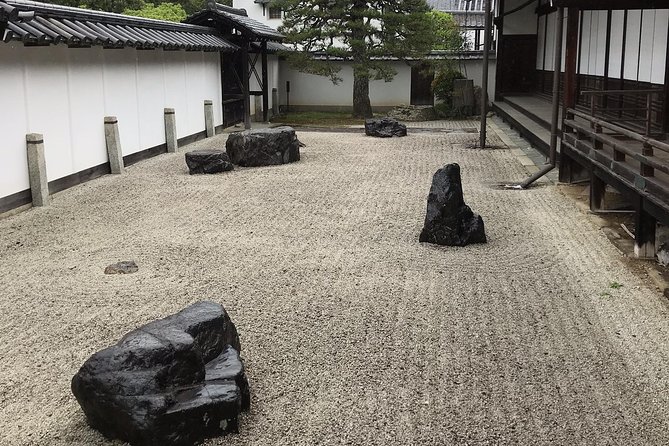
- Konchi-in: a calm start among Zen design
- Tenjuan Garden: two gardens and a sudden change of mood
- Heian Shrine: the garden behind the famous gate
- Chishaku-in: paintings and a garden few people seek out
- Sanjusangendo: 1,001 golden Buddhas in a long wooden hall
- Toyokuni Shrine: samurai power and Japan’s largest bell
- Kawai Kanjiro’s home: Kyoto through pottery and daily life
- Lunch, transport, and the real cost of the day
- Pace, weather, and who will enjoy it most
- The final call: should you book it?
- FAQ
- How long does the Kyoto: The Path Less Traveled tour last?
- Where does the tour begin?
- Where does the tour end?
- Is this a private tour?
- Is lunch included?
- How much extra money is needed for transportation?
- Are entrance fees included?
- Will every listed stop be visited?
- What happens if bad weather cancels the tour?
Key points to know before booking
- Seven very different Kyoto stops: You move from Zen gardens and shrine architecture to golden Buddhist statues, folk art, and a giant bell.
- Andrew’s personal guiding style: His explanations focus on gardens, design, religious art, and the meaning behind each place.
- A private group of up to four: You are not folded into a large coach party, so the pace and conversation can feel more personal.
- Expect about 6,000 yen in extra cash per person: This covers lunch, transportation, and admission to five sites.
- The route begins at Keage Station and ends near Kawai Kanjiro’s House: Plan for a full day, with the final stop about five minutes from the Umamichi bus stop.
- The exact route can change: If the pace makes it impossible to see everything, you decide which stop to leave out.
Why this private Kyoto day feels different
This is not a checklist tour of Kyoto’s most famous landmarks. It is built around quieter places and close looking. You spend roughly an hour at most major stops, which gives Andrew time to explain what you are seeing and gives you time to actually see it.
The day is especially strong for people who enjoy gardens, religious art, traditional buildings, and design. You do not need to be a garden expert. One published account came from someone who had only modest interest in Zen gardens and still found the experience rewarding because Andrew connected the spaces to broader ideas and details.
That is an important point. A garden can look like a patch of gravel and clipped trees if you do not know how to read it. With a guide, the arrangement of stone, water, trees, paths, and buildings becomes a kind of visual language. This tour gives that language room to breathe.
It is also a good choice if you have already seen Kyoto’s headline attractions. Someone who has returned to Kyoto for decades described Andrew’s garden tour as the most worthwhile experience of many visits. Another long-time Kyoto visitor felt that one day with him revealed more than years of casual sightseeing.
Those are strong claims, but they make sense for this particular route. The stops are not simply less crowded versions of famous sites. They cover corners of Kyoto that reward context.
Other private tours in Kyoto
Konchi-in: a calm start among Zen design
The first stop is Konchi-in, a temple known for its architecture, gardens, statuary, and paintings. The setting is intended to feel removed from the city, which makes it a smart opening stop after meeting at Keage Station at 9:00 a.m.
You will spend about an hour here. That length matters. A quick ten-minute visit would let you snap a few pictures, but it would miss the way the buildings, garden spaces, and religious objects work together.
Konchi-in is a good place to settle into the tour’s pace. You are not being pushed through a grand entrance toward a single famous object. Instead, Andrew can help you notice the relationship between the structures and the garden.
Admission is not included. The total admission charge for five sites is listed as 3,500 yen per person, paid in cash. Bring enough Japanese currency for this, along with the other required costs.
Tenjuan Garden: two gardens and a sudden change of mood
Tenjuan follows with another hour devoted to two gardens. The most memorable feature is the change you feel upon entering one of them. The description promises the sensation of stepping into a forest and finding a fairy-tale setting, which gives you a sense of the experience’s quiet, enclosed character.
This stop is less about ticking off a major monument and more about noticing atmosphere. If you enjoy garden design, Tenjuan may become one of the day’s best moments. It offers a different mood from Konchi-in, so the morning does not become a string of similar temple visits.
The practical drawback is that garden tours depend on your pace and attention. If you linger over every detail, the later stops may need adjustment. That is why the private format helps. You are not tied to a fixed bus schedule, and the group decides what to omit if the full route cannot fit.
Heian Shrine: the garden behind the famous gate
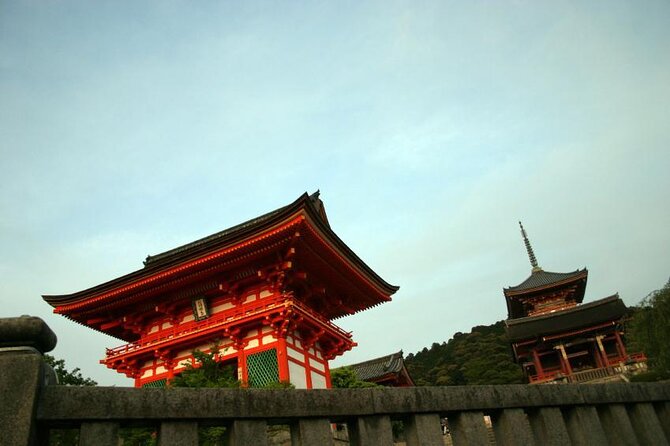
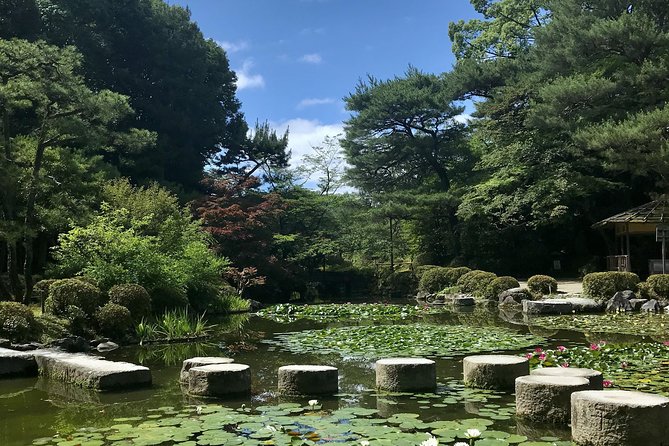
Heian Shrine is the most recognizable stop on the morning route, but the focus here is not the shrine’s main approach. You head into the garden behind it, an area that receives far less attention than the grand shrine grounds.
You will have about an hour to walk through one of Kyoto’s most picturesque gardens. This is a useful lesson in Kyoto sightseeing: a popular site can still contain quieter corners if you know where to look.
I like this stop because it gives the day a bridge between well-known Kyoto and less familiar Kyoto. You still see a major shrine, but the experience is not limited to a quick look at its large vermilion buildings.
Again, admission is extra. The tour description says the total ticket cost for five sites is 3,500 yen per person. Since seven stops appear on the route but only five sites are included in that ticket total, ask the guide how the admission plan applies on the day if you want to budget exactly.
Chishaku-in: paintings and a garden few people seek out
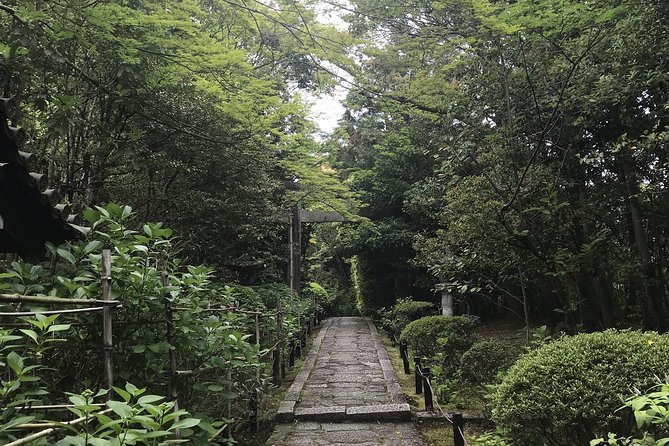
Chishaku-in is described as a hardly visited garden, making it one of the clearest examples of the tour’s purpose. You get a peaceful setting without the crowds associated with Kyoto’s biggest temple compounds.
The garden is meant to carry your thoughts far away from the city. That may sound lofty, but the practical benefit is simple: you have space to pause. Kyoto sightseeing can become tiring when every stop involves queues, packed paths, and constant noise. Chishaku-in gives you a quieter hour.
The temple also displays sliding-door paintings by one of Japan’s most respected painters. These paintings add an indoor art element to a day otherwise centered on gardens and outdoor spaces.
This stop is best for someone who enjoys looking closely rather than racing toward a single famous object. If your ideal tour is built around major landmarks and dramatic views, Chishaku-in may feel too understated. If you like traditional interiors and restrained design, it could be one of the highlights.

Sanjusangendo: 1,001 golden Buddhas in a long wooden hall
Sanjusangendo supplies the day’s biggest visual shock. The temple is home to 1,001 golden Buddha statues, an arrangement unlike anything else in Japan.
You spend about an hour here, and that is enough time to grasp the scale of the display without treating it as a quick spectacle. The repeated figures create a powerful effect, but the experience is also about patience and attention. Look across the full hall, then let your eyes settle on individual details.
This is likely to be the most immediately memorable stop for many people. It provides a clear contrast to the subtle garden visits. After several hours of stones, trees, paths, and painted screens, the mass of golden statues changes the visual rhythm completely.
Admission is not included, and this is one of the five sites covered by the 3,500-yen total ticket cost, according to the tour information. Photography rules and interior behavior can vary at religious sites, so follow the guide’s instructions.
Toyokuni Shrine: samurai power and Japan’s largest bell
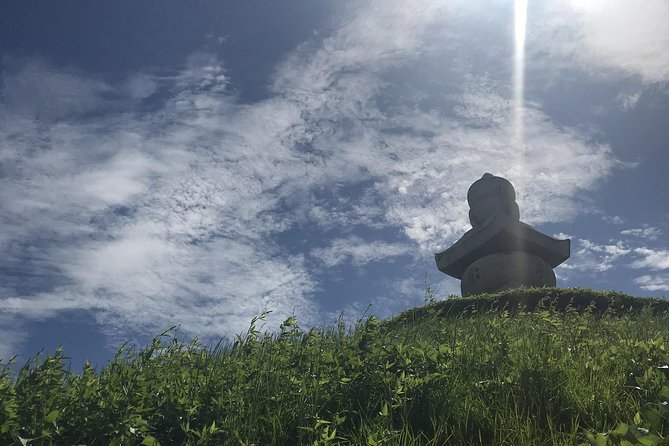
Toyokuni Shrine is a shorter stop, lasting about 20 minutes. It is dedicated to one of Japan’s major samurai figures and has a more decorative, decadent character than the quiet Zen gardens earlier in the day.
The shrine also has Japan’s largest bell on its grounds. That detail gives the stop a strong physical focus, even though you do not spend a full hour here.
Toyokuni is useful because it broadens the story of Kyoto. This is not only a city of monks, gardens, and court culture. Samurai power shaped Japan too, and the shrine gives you a glimpse of that side of the past.
The 20-minute visit also helps protect the overall rhythm of the day. Not every stop needs equal time. Some places reward a slow walk, while others work well as a concentrated look before moving on.
Kawai Kanjiro’s home: Kyoto through pottery and daily life
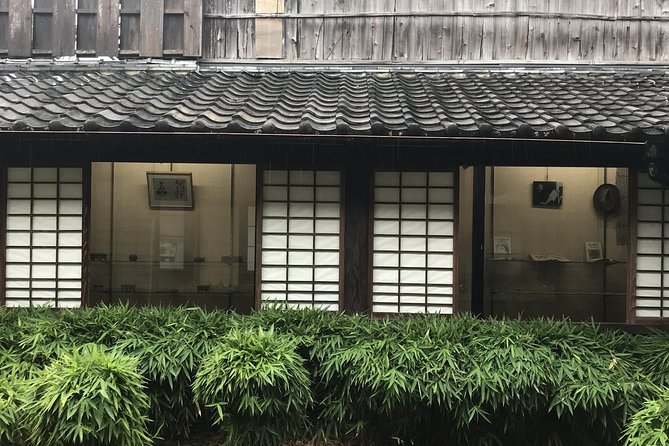
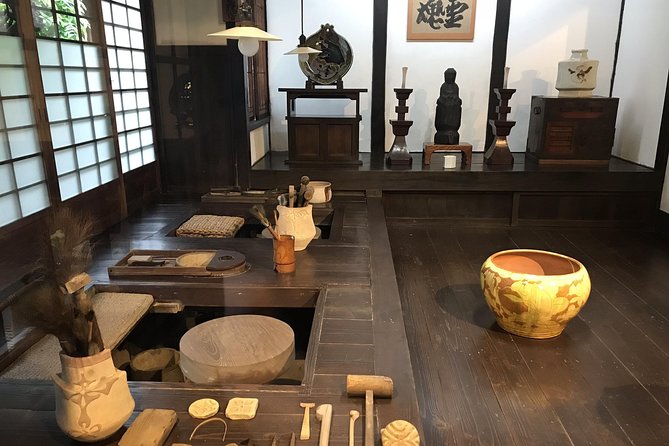
The final stop is the Kawai Kanjiro Memorial Museum, located in the converted home of a noted 20th-century master potter. You spend about an hour here, looking at a space shaped by both art and ordinary living.
This museum is one of the route’s most distinctive choices. You are not simply entering another temple or shrine. You are seeing a home connected to folk art, pottery, and the wabi-sabi approach to design and life.
The house is described as unlike the other places on the route, and that contrast is valuable. After a day of formal religious sites, the museum gives you a more intimate view of how artistic ideas can appear in rooms, objects, and domestic spaces.
The tour ends outside the Kawai Kanjiro Memorial House. From there, it is a five-minute walk to the Umamichi bus stop. The ending point is not the original meeting point, so think ahead about your next destination.
Lunch, transport, and the real cost of the day
The private tour costs $690 per group of up to four people. For four people, that works out to $172.50 each before extras. For one or two people, the per-person cost is much higher, so this experience offers its best value to a small group willing to share the fee.
You must also bring 1,500 yen in cash per person for lunch and 1,000 yen per person for transportation. Admission adds another 3,500 yen per person for five sites. That brings the listed extras to 6,000 yen per person, separate from the tour price.
The price is not designed for bargain sightseeing. You are paying for a full private day, a guide, and a route that would take careful planning to reproduce on your own. You are also paying for flexibility. If your group wants to spend more time in a garden or less time at a shrine, the day can respond to your interests.
Lunch is local and costs 1,500 yen per person, but the exact restaurant and menu are not specified. Bring cash, as required. The same advice applies to the transportation allowance and admissions.
Pace, weather, and who will enjoy it most
The tour lasts about eight hours, beginning at 9:00 a.m. It is a full day on foot and by local transportation, though the information does not give a precise walking distance or detailed transport schedule.
Most people can participate, and the meeting point is near public transportation. Still, you should be comfortable with a day of moving between temples, gardens, and museum spaces. Wear practical shoes and expect the day to feel active even though much of its mood is calm.
The tour requires good weather. If poor weather causes cancellation, you are offered another date or a full refund. You can also cancel for a full refund up to 24 hours before the start time. Changes or cancellations inside that 24-hour window are not accepted.
I would choose this tour if you value explanation and atmosphere more than speed. It suits repeat visitors, garden lovers, people interested in Japanese religious art, and small groups who want a private day without a large tour party.
I would hesitate if this is your only day in Kyoto and you still need to see the city’s biggest headline sights. This route is intentionally selective. It does not promise every famous temple, and the full list may not fit if you take your time.
The final call: should you book it?
Book this private Kyoto tour if you want a thoughtful day built around gardens, art, and places outside the usual short list. Andrew’s role is central, especially if you want help understanding why a garden is designed as it is or how a temple’s objects fit into Japanese culture.
For four people, the $690 price becomes easier to justify, particularly when you value private guiding and a carefully chosen route. For a couple, the cost is a serious splurge, but the day offers experiences that are difficult to combine efficiently without local help.
The strongest reason to book is the mix: quiet Zen spaces, Heian Shrine’s overlooked garden, Chishaku-in’s paintings, Sanjusangendo’s golden statues, samurai history, and a potter’s home. It is a good antidote to Kyoto’s crowded must-see circuit.
FAQ
How long does the Kyoto: The Path Less Traveled tour last?
The tour lasts approximately eight hours and begins at 9:00 a.m.
Where does the tour begin?
The meeting point is Keage Station, at Higashikomonozacho in Kyoto’s Higashiyama Ward.
Where does the tour end?
The tour ends outside Kawai Kanjiro’s Memorial House. The Umamichi bus stop is about a five-minute walk away.
Is this a private tour?
Yes. Only your group participates, with a maximum of four people.
Is lunch included?
No. Each person must bring an additional 1,500 yen in cash for lunch.
How much extra money is needed for transportation?
Each person must bring an additional 1,000 yen in cash for transportation.
Are entrance fees included?
No. Admission is extra. The total ticket fee for five sites is listed as 3,500 yen per person, paid in cash.
Will every listed stop be visited?
Not necessarily. Depending on the group’s pace, one or more sites may need to be left out. If that happens, the guests decide which site to eliminate.
What happens if bad weather cancels the tour?
You will be offered a different date or a full refund if the experience is canceled because of poor weather.
More Private Tours in Kyoto
More tours in Kyoto we've reviewed



Private, compared.
 ★ 5.0Fushimi Inari Hidden Hiking Tour (Private Option Available)From $63
 ★ 5.0Private Kyoto Tour with a Local, Highlights & Hidden Gems, PersonalisedFrom $102
 ★ 5.0Kyoto 6hr Private Tour with Government-Licensed GuideFrom $155
 ★ 5.010 Must-see Spots in Kyoto One Day Private Tour (up to 7 people)From $179
 ★ 5.0Kyoto 4hr Private Tour with Government-Licensed GuideFrom $109
 ★ 4.8Kyoto: Private Tour with Local Licensed GuideFrom $1064 - 8 hours