
Reviewed · FUSHIMI INARI TOURS
Kyoto: Wagashi (Japanese sweets) Cooking near Fushimiinari
The best part of this Kyoto class is that you do not simply watch a chef shape sweets. You work with the ingredients yourself, make about three kinds of wagashi, then sit down in a real Japanese room to eat them with whisked matcha and a garden view. Miho leads the English-language class with patience and a warm, personal touch.
I like the hands-on format and the small group, limited to six people. I also like the setting: this feels more like being welcomed into a Japanese home than filing into a standard cooking studio. The main consideration is that the class costs $84 per person, so it makes the most sense if you want cultural context and a personal lesson, not just a quick sweets demonstration.
In This Review
- Key points
- A Kyoto sweets class inside a real Japanese home
- What you make during the 2.5-hour class
- Miho’s teaching style makes the difference
- The matcha finish in a traditional tea room
- How the class works for families
- Vegetarian and vegan participation
- The $84 price and what you receive
- Timing your visit near Fushimi Inari
- Who should book this wagashi experience
- What to know before you reserve
- Should you book the Kyoto wagashi class?
- FAQ
- How long does the wagashi cooking class last?
- Where does the class take place?
- How many people can join the class?
- Is the class taught in English?
- What is included in the price?
- How many sweets will I make?
- Can vegetarians and vegans participate?
- Can children join the class?
Key points
- Make about three wagashi yourself, with demonstrations before you begin.
- Learn from Miho, an English-speaking licensed guide interpreter who also explains ingredients, techniques, and Japanese culture.
- Enjoy a matcha lesson and tea service after cooking, in a traditional room overlooking a garden.
- Small groups of up to six make this more personal and easier to follow.
- Seasonal menus may change, and vegetarian and vegan participants are welcome with advance notice.
- Near Fushimi Inari, this fits well into a Kyoto day focused on southern Higashiyama and Fushimi.
A Kyoto sweets class inside a real Japanese home
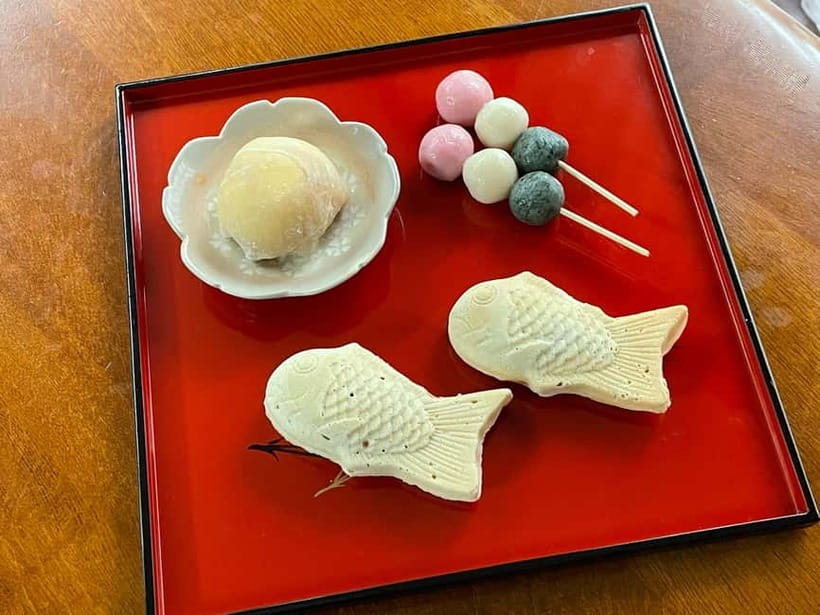
Wagashi are not ordinary snack-shop sweets. They are tied to tea culture, the seasons, and the Japanese fondness for careful shape and color. Some look familiar from manga or anime, especially the soft, rounded sweets made with rice flour or sweet bean paste. This class gives you a practical way to understand them, one sticky handful at a time.
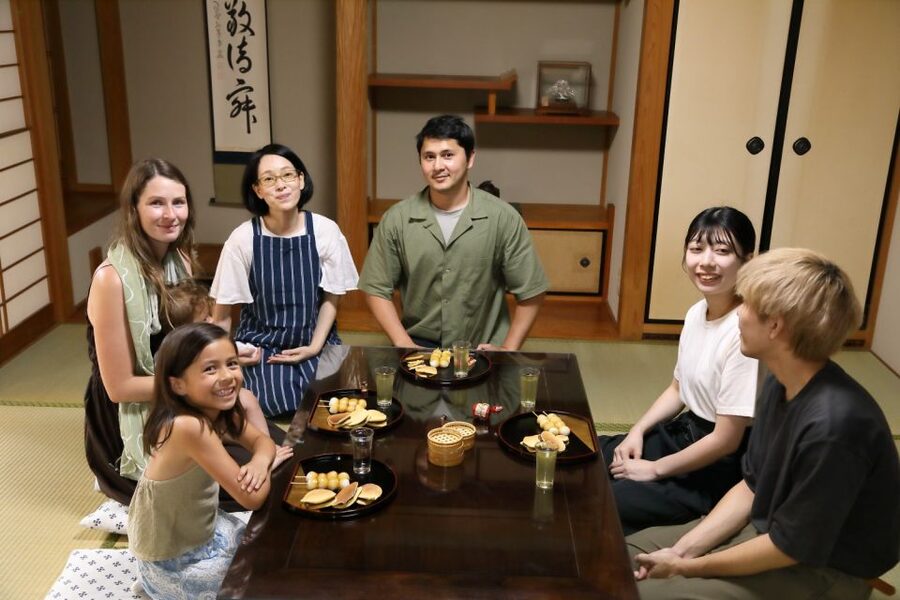
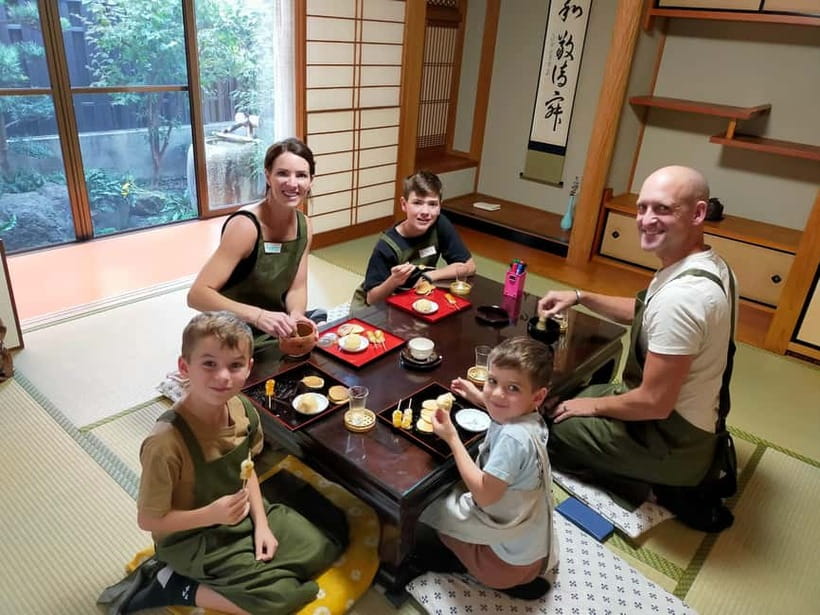
At iroHa cooking studio, you begin by settling into a traditional Japanese room. The garden view adds much to the experience. You are not standing at a crowded counter under bright lights, rushing through a recipe before the next group arrives. The pace is intended to feel social and relaxed, like visiting a friend for tea.
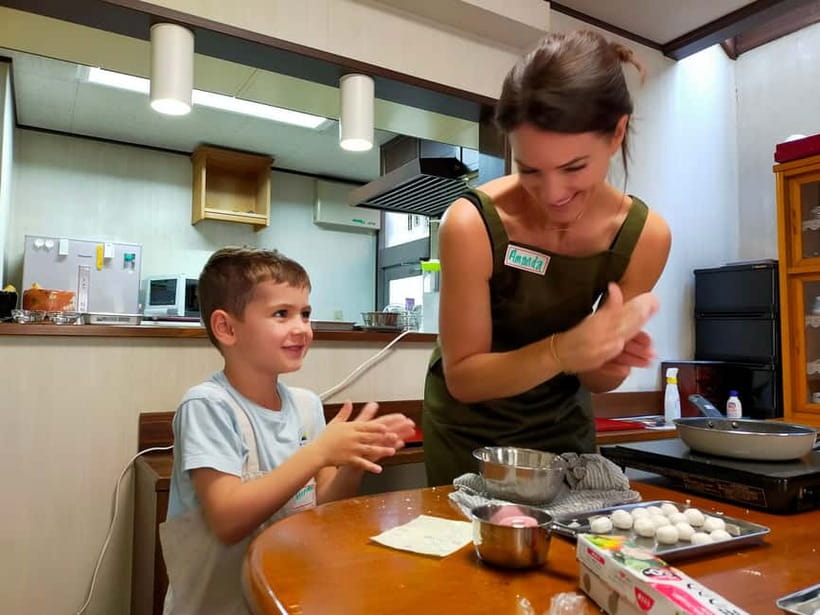
That does not mean the class is passive. Miho demonstrates each preparation in front of you, explains the methods, and then lets you do the work. You can prepare the sweets on your own or with a partner. That distinction matters, especially if you have taken cooking classes where the instructor does nearly everything and you only get to stir once.
The class is conducted entirely in English. Miho is described as a licensed guide interpreter, and the class includes more than instructions on mixing and shaping. You also learn about the ingredients, cooking techniques, and the place wagashi holds in Japanese culture.
A few more Kyoto tours and experiences worth a look


What you make during the 2.5-hour class
The exact menu depends on the season, so you should not book expecting one fixed set of sweets. The class generally has you prepare about three different kinds of wagashi. This seasonal approach is fitting, since Japanese sweets often reflect the time of year through their colors, shapes, and ingredients.
The sequence is straightforward. First, Miho shows you how a dish is prepared. Then you repeat the process yourself, with help available as you work. You may be shaping dough, handling fillings, or learning how small changes in technique affect the finished sweet. The information provided does not specify every recipe, so the precise tasks will vary.
That variation is a plus for repeat visitors to Japan. You can take the class on a later trip and find a different menu. It is also worth remembering that homemade wagashi may look less polished than the pieces in a Kyoto department store. That is part of the fun. You are learning how the sweet is made, not entering a professional confectionery competition.
Several people particularly enjoyed making mochi-style sweets, including mochi ice cream. If that is included in your seasonal menu, you will get a chance to work with the soft, elastic texture that makes these treats so appealing. The class also gives you recipes that are considered practical to try at home, though you may need an Asian supermarket to find some ingredients.
Miho’s teaching style makes the difference
The strongest feature here is not a single recipe. It is Miho’s role as teacher and host. She is described as kind, patient, organized, and easy to understand in English. Those qualities matter when you are working with unfamiliar ingredients and techniques that can be difficult to copy from a printed recipe.
Miho also makes room for conversation. One particularly useful touch is her willingness to offer suggestions about places to visit based on your interests. That can turn a cooking class into a small piece of Kyoto orientation, especially early in your stay.
You should still keep your expectations realistic. This is a small-group home cooking experience, not a formal culinary-school lesson. You will learn useful methods and cultural background, but the focus is enjoyment, participation, and sharing tea. If you want advanced pastry training or a certificate, this is not the right choice.
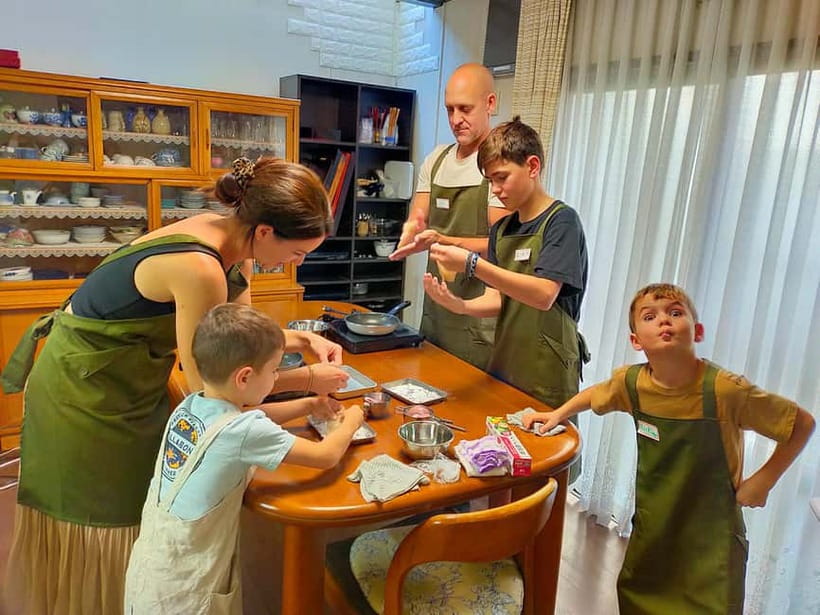
The group limit of six is well judged. It is small enough for Miho to watch what you are doing and answer questions, while still giving you the chance to chat with other participants. The class has worked for couples, adults with adult children, and families with school-age children.
The matcha finish in a traditional tea room
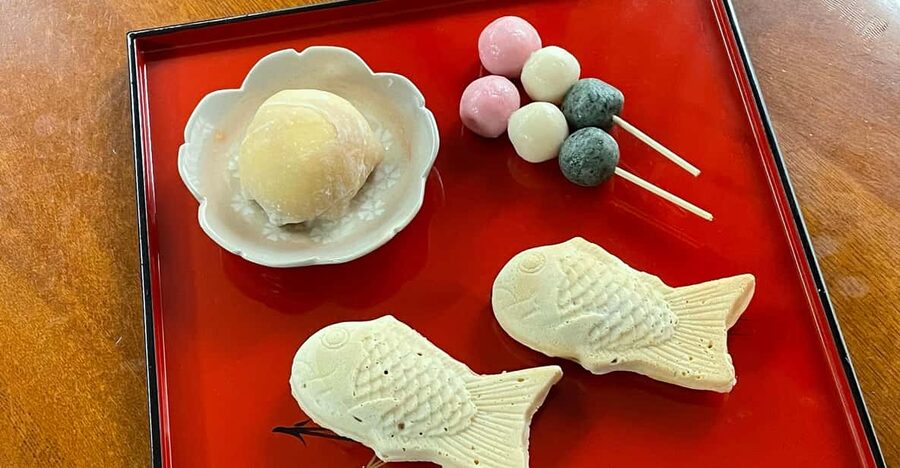
After the cooking, the group sits together and eats the sweets with tea. The setting changes the mood. Instead of packing your creations into a box and leaving, you assemble a tray and enjoy the result in the traditional Japanese room.
You also learn how to whisk matcha. That brief lesson gives the final part of the class a little structure. You are not only served a cup, you take part in making it. Matcha can be bitter and grassy compared with the sweets, which is exactly why the pairing works.
The garden view is another reason this class feels special. Kyoto has many temples and gardens, but you do not always get a quiet indoor view while taking part in an activity. Here, the room and garden are part of the lesson’s atmosphere, not just a backdrop for a photo.
I would allow yourself time to enjoy this last section rather than treating it as an afterthought. The class is as much about the pause over tea as it is about the cooking. If you are looking for a calmer Kyoto activity between major sights, this format should suit you.
How the class works for families
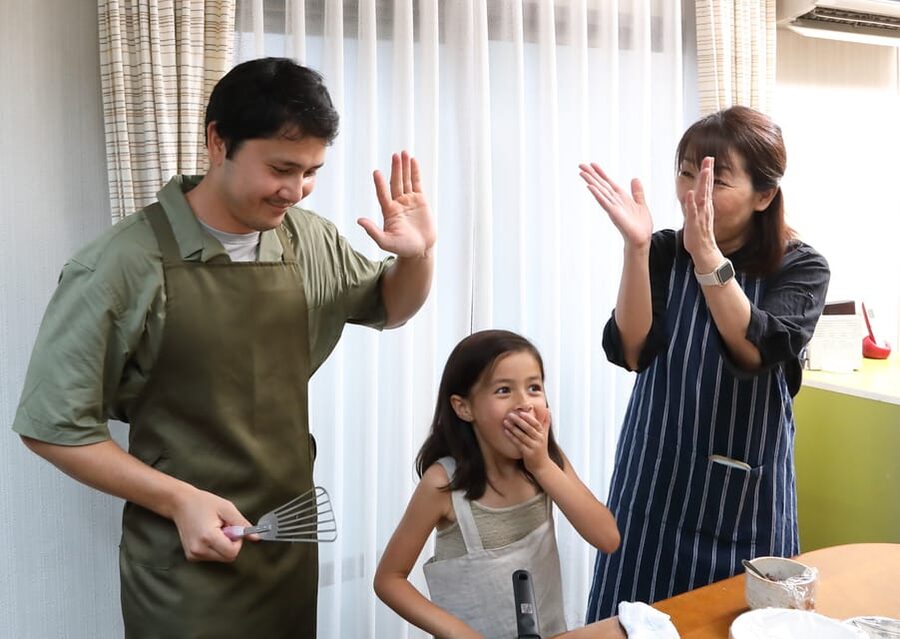
Children aged 12 and below must participate with a guardian, and children under six are not accepted. Families with children aged eight and ten have found the class workable, with Miho providing tasks that kept younger participants involved.
That does not mean every child will love it. Wagashi preparation requires attention, hand coordination, and patience. A child who enjoys crafts, cooking, or making things with their hands is more likely to stay engaged than one expecting a fast-paced attraction.
For a family, the class offers a better shared activity than simply buying sweets. Parents and children can prepare food together, compare their shapes, and then sit down to eat the results. The small group also helps, since the instructor can give children some extra guidance without the room becoming noisy or crowded.
If you are booking for a child aged six to 12, tell the provider the ages in advance and remember that the guardian must take part. This is not a drop-off workshop.
Other cooking classes in Kyoto

Vegetarian and vegan participation
Vegetarians are welcome, and the class is described as vegan friendly. You must still tell the provider about food restrictions in advance. That is important because the menu can change by season and because Japanese sweets may use ingredients that are not obvious to visitors.
Do not assume that every seasonal recipe will suit your diet without checking. Advance notice gives the instructor a chance to confirm the ingredients or adjust the preparation. The class includes all cooking ingredients and seasonings, so you do not need to bring food supplies.
For anyone with allergies, advance communication is especially sensible. The available information confirms that restrictions can be discussed, but it does not promise that every allergy can be accommodated.
The $84 price and what you receive
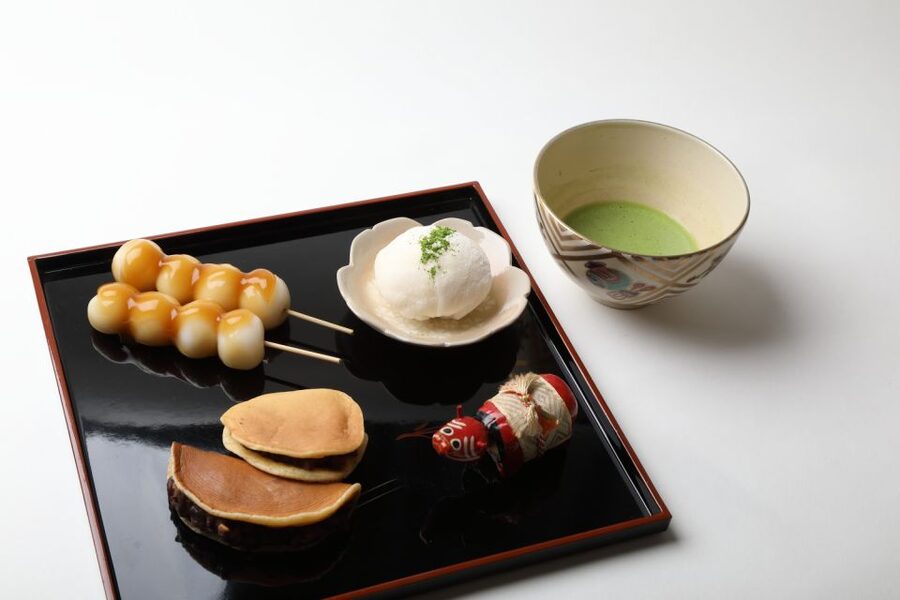
At $84 per person, this is not a bargain activity in the narrow sense. You can buy wagashi cheaply in Kyoto, and you could find recipes online. The value comes from the combination of instruction, ingredients, tea, the private-home setting, and the chance to ask questions in English.
The class lasts 2.5 hours, which gives you enough time for several sweets and a proper tea service. You are not paying for a ten-minute tasting. You are paying for a guided activity that fills a good part of an afternoon or morning and leaves you with skills you can try again at home.
The price includes all ingredients and seasonings, an English-speaking instructor, tea, and fees and taxes. Hotel pickup and drop-off are not included, so you need to make your own way to the studio near Fushimi Inari.
For me, the value is strongest if you care about Japanese food culture and personal contact. If your main goal is simply to sample wagashi, spend less at a shop. If you want to understand how the sweets are formed and share the process with a small group, $84 is easier to justify.
Timing your visit near Fushimi Inari
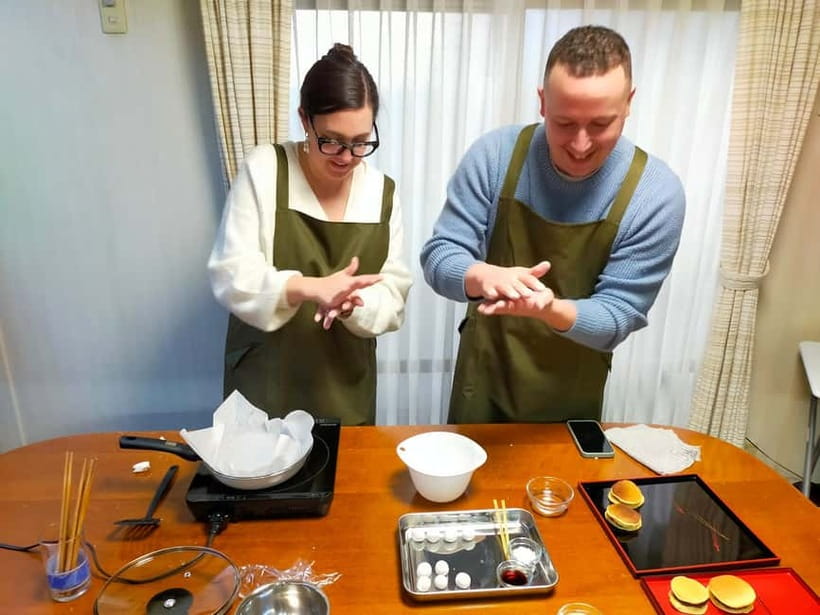
The class lasts 2.5 hours, but starting times vary. You need to check availability when booking. Since the activity is near Fushimi Inari, it can fit naturally into a day in that part of Kyoto, though the class should have its own time block rather than being squeezed between two fixed-entry attractions.
A cooking class is not easy to join late. Give yourself enough time to reach the meeting point, particularly if you are unfamiliar with the local streets. Hotel pickup is not provided, and the available information does not give a precise transfer time from central Kyoto, so check the meeting instructions carefully before setting out.
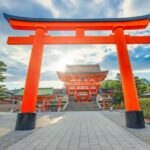
You might schedule the class before or after visiting Fushimi Inari Shrine. Just remember that the shrine area can take longer than expected if you walk beyond the main gates. Do not book a class immediately after a sightseeing plan that depends on reaching the mountain summit at an exact time.
The experience is available with free cancellation up to 24 hours before the start time, and you can reserve now and pay later. Those terms help if your Kyoto plans are still changing, but you should still read the final booking conditions for your selected date.
Who should book this wagashi experience
I would recommend this class to you if you want a personal, hands-on activity with a clear cultural setting. It is a good choice for couples, families with children aged six and above, adult parent-child trips, and solo visitors who enjoy small groups.
It also suits you if you have already seen the major temples and want an activity that explains everyday food traditions. You do not need prior cooking experience. Miho demonstrates the steps before you try them, and the group size keeps the lesson manageable.
The class may not suit you if you use a wheelchair, since it is listed as unsuitable for wheelchair users. It is also not suitable for children under six. If you dislike sweets, prefer a large professional kitchen, or want a short tasting rather than a 2.5-hour activity, spend your money elsewhere.
English speakers should find the format especially easy to follow. The class is taught in English, and the instructor’s guide-interpreter background adds useful context. The information also says the class allows English and non-English speakers, though the listed instructor language is English, so confirm your needs before booking if nobody in your group speaks English.
What to know before you reserve
Keep these practical points in mind:
- The menu can change with the season.
- You make about three sweets, but the exact types are not fixed.
- You cook the items yourself, alone or with a partner, after a demonstration.
- Matcha and tea are included.
- Ingredients, seasonings, taxes, and fees are included.
- Hotel transportation is not included.
- The group has no more than six participants.
- Children 12 and younger need a guardian.
- Children under six cannot participate.
- Wheelchair users should choose another activity.
- Tell the provider about food restrictions before the class.
The class has received a perfect 5.0 rating from 34 reviews, and the praise centers on consistent points: Miho’s patience, her hospitality, clear English, the hands-on work, and the pleasure of eating the finished sweets with matcha. Those are the features I would use to judge it, rather than expecting a long list of recipes.
Should you book the Kyoto wagashi class?
Book it if you want to spend a couple of hours making something with your hands and learning why Japanese sweets matter. The traditional room, garden view, matcha preparation, and small group give the class a sense of place that a sweets shop cannot provide.
I would especially choose it for a family or couple who wants a shared memory near Fushimi Inari. I would skip it if $84 feels high for a food activity or if you only want to taste wagashi. For the right visitor, though, this is a warm, well-structured way to experience Kyoto hospitality without giving up real participation.
FAQ
How long does the wagashi cooking class last?
The class lasts 2.5 hours. Starting times vary, so check availability for your chosen date.
Where does the class take place?
It takes place near Fushimi Inari in Kyoto, in a house with traditional Japanese rooms and garden views.
How many people can join the class?
The class is limited to six participants, making it a small-group activity.
Is the class taught in English?
Yes. The instructor teaches in English, and the class information identifies the instructor as an English-speaking licensed guide interpreter.
What is included in the price?
The $84 price includes all cooking ingredients and seasonings, the English-speaking instructor, tea, and all fees and taxes. Hotel pickup and drop-off are not included.
How many sweets will I make?
You will prepare about three different types of wagashi. The exact menu may change depending on the season.
Can vegetarians and vegans participate?
Yes. Vegetarians are welcome, and the class is described as vegan friendly. You must tell the provider about food restrictions in advance.
Can children join the class?
Children aged 12 and younger must participate with a guardian. Children under six are not allowed to join.
More Cooking Classes in Kyoto
More Cooking Classes in Kyoto
More Fushimi Inari Tours in Kyoto
More tours in Kyoto we've reviewed



Fushimi Inari Tours, compared.
 ★ 4.8Kyoto: Fushimi Inari, Kinkakuji, Bamboo Grove 1 Day Bus TourFrom $122510 minutes - 9 hours
 ★ 5.0Fushimi Inari Hidden Hiking Tour (Private Option Available)From $63
 ★ 4.7Kyoto/Osaka: Nara, Fushimi Inari Taisha, Arashiyama Bus TourFrom $529 - 10 hours
 ★ 4.4Osaka/Kyoto: Arashiyama, Nara & Fushimi Inari Shrine w/LunchFrom $61
 ★ 5.0Kyoto: Nijo, Kinkaku-ji, Arashiyama, Kiyomizu & Fushimi InariFrom $51
 ★ 5.0Kyoto Fushimi-Inari Night Walking TourFrom $43