
Reviewed · WORKSHOPS
Kyoto: Kintsugi Jewelry Workshop with Natural Stones
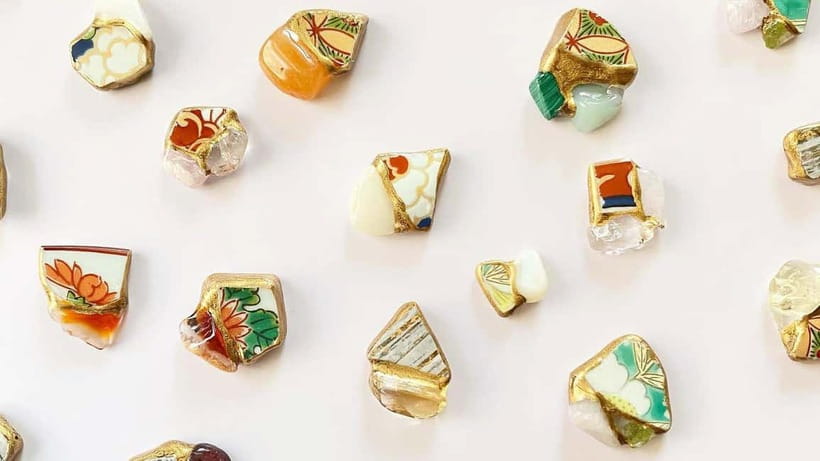
Broken pottery gets a second life here, not as a bowl or tea cup, but as wearable Japanese art. In a 100-year-old Kyoto townhouse near Fushimi Inari Taisha, you choose pottery shards, natural stones, pearls, shells, and stained glass, then shape them into a personal keepsake.
I especially like the calm pace and the chance to choose every visible part of your jewelry. I also like the setting: this is a quiet creative break just a few minutes from one of Kyoto’s busiest sights. The main consideration is that the atelier is a traditional one-story house with no parking and is not suitable for wheelchair users.
In This Review
- Key points to know before booking
- Turning broken pottery into something personal
- Inside the 100-year-old Kyoto townhouse
- How the 150-minute workshop unfolds
- Why the material choices matter
- The instructor and the pace of the class
- What the $106 price really covers
- Who should book this Kyoto activity
- Pairing the workshop with Fushimi Inari
- Booking flexibility and practical details
- FAQ
- How long does the kintsugi jewelry workshop last?
- Where is the atelier located?
- What kinds of jewelry can I make?
- What materials are included?
- Can I take my jewelry home after the class?
- Is the workshop suitable for wheelchair users?
- Should you book it?
Key points to know before booking
- Two and a half hours of hands-on making: The 150-minute session gives you time to learn, choose materials, and work without a rushed finish.
- A wide choice of Japanese pottery: Pick from Arita, Karatsu, Oribe, Kyoto, Shigaraki, and Hagi fragments, along with stones, shells, pearls, and stained glass.
- Several jewelry options: You can make earrings, rings, necklaces, brooches, tie pins, cufflinks, and other accessories.
- A patient named instructor: Natsuka, also referred to as Natsuko by one participant, teaches in English and Japanese and explains each step carefully.
- A handy Fushimi Inari location: The atelier is about a three-minute walk from Fushimi Inari Taisha and five minutes from Inari Station or Ryukoku Daimae-Fukakusa Station.
- A personal souvenir you take home: Your finished creation is available the same day, making this a useful rainy-day or low-key afternoon activity.
Turning broken pottery into something personal
Kintsugi is the Japanese craft of repairing broken ceramics with lacquer and gold. Instead of hiding a crack, the repair becomes part of the object’s appearance and story. This workshop adapts that idea to jewelry, using pottery fragments as the center or detail of a small wearable piece.
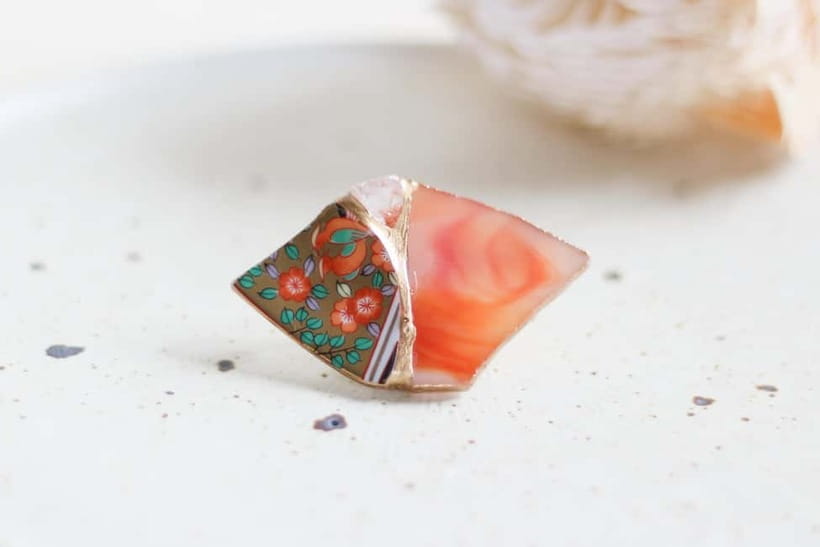
You are not repairing a large ceramic bowl here. You are combining fragments with other materials to make a brooch, ring, necklace, or another accessory. The result is less about copying a fixed Japanese design and more about making a piece that could not have existed before you selected its parts.
That makes the experience a good match for you if you want a souvenir with a direct connection to Japanese craft but do not want another mass-produced charm or decorative object. You leave with something small, useful, and tied to your own choices.
The workshop also introduces the ideas behind kintsugi and wabi sabi, the Japanese appreciation of imperfection, age, and change. This context matters. Without it, the gold lines might simply look decorative. With it, the process becomes a way to think about broken materials differently.
A few more Kyoto tours and experiences worth a look


Inside the 100-year-old Kyoto townhouse
The atelier is in a traditional Kyoto one-story house with a white engawa curtain at the entrance. It is not a large modern studio, and that is part of the appeal. The setting gives the afternoon a domestic, hands-on feel rather than the atmosphere of a busy craft factory.
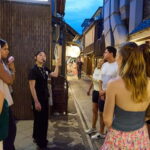
You should allow a little extra time to find the doorway. The house sits down a narrow alley where vehicles are not suitable, and there is no parking at the atelier. From JR Inari Station or Keihan Ryukoku Daimae-Fukakusa Station, the walk is about five minutes.
The location is particularly useful if you are already visiting Fushimi Inari Taisha. The famous shrine is only about three minutes away, so you can pair the workshop with an early or late shrine visit. I would not treat this as a quick add-on between major sights, though. The class lasts 150 minutes, and the creative work benefits from having your afternoon free.
Inside, the small-group format limits attendance to 10 people. That number gives the instructor a practical chance to see what you are doing and offer help. It also means the tone can remain quiet, which suits a craft based on careful placement and detail.
How the 150-minute workshop unfolds
The session begins with an explanation of kintsugi and the materials. You learn why broken ceramics are repaired rather than discarded and how the gold finish changes the look of the break. The instructor also introduces the pottery styles available, which may include Arita, Karatsu, Oribe, Kyoto, Shigaraki, and Hagi.
This introduction is more useful than a short museum-style talk because it helps you make better choices. A fragment from Oribe pottery, for example, has a different visual character from a piece of Hagi or Kyoto ware. You can consider the color, glaze, pattern, and shape before deciding what belongs in your jewelry.
Next comes the fun but surprisingly serious part: selecting your materials. You may choose from pottery shards, colorful natural stones, shells, pearls, and stained glass. The selection is broad enough to let you build something delicate, bold, earthy, or bright.
I suggest choosing the pottery first. It is the material that gives the finished piece its Japanese identity, while the stone or pearl can then support its color and shape. If you begin with too many attractive options at once, you may spend more time comparing pieces than making anything.
You then select the type of accessory. Options include earrings, rings, necklaces, brooches, tie pins, cufflinks, and more. The choice affects how much surface area you have and how the materials will be seen. A brooch gives you room to make a stronger visual statement, while earrings or a ring can be more understated.
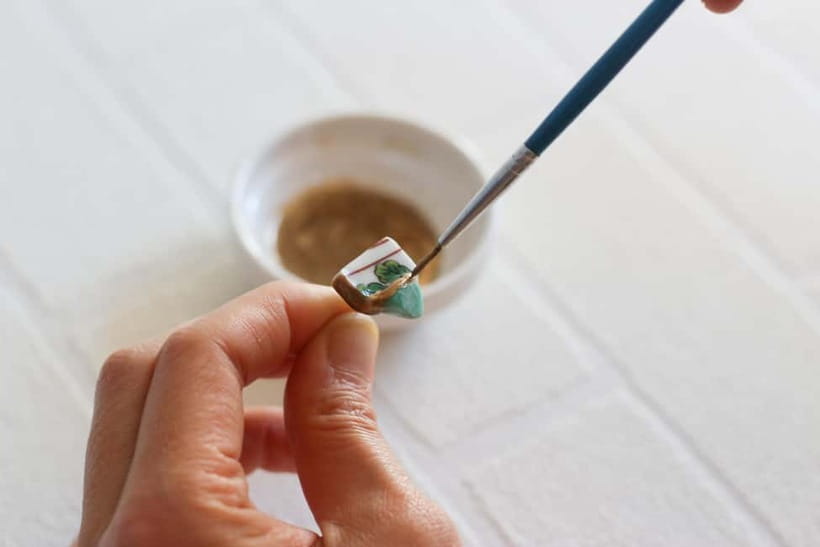
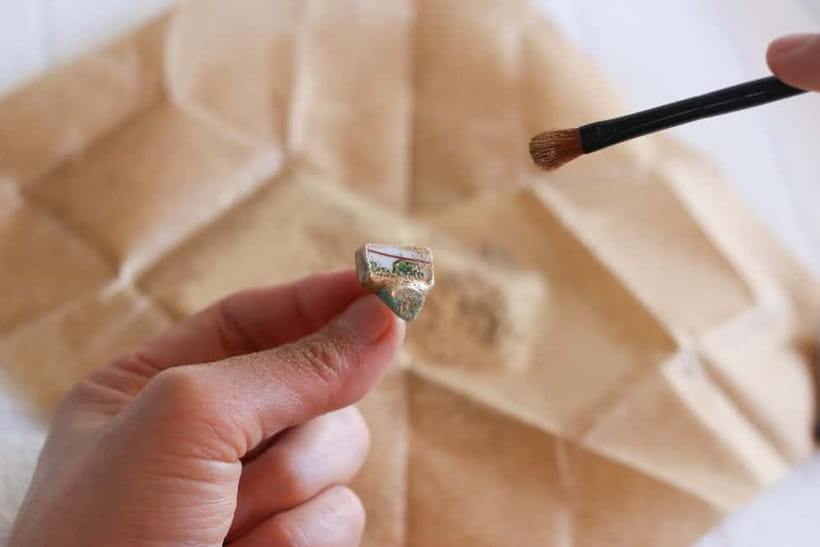
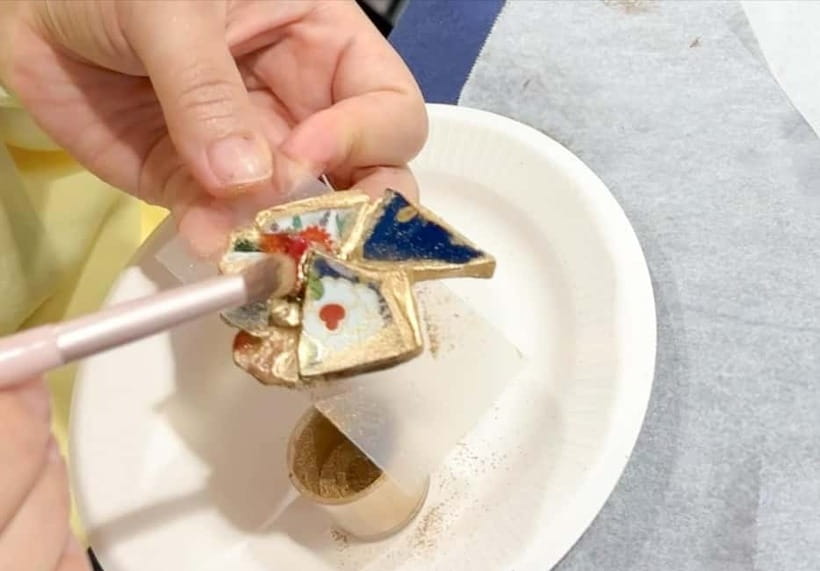
The instructor demonstrates the use of synthetic lacquer and gold powder, then guides you through the process. The synthetic lacquer is used instead of traditional urushi lacquer to avoid allergic reactions. That is a practical point, especially if you are unsure how your skin might respond to natural lacquer.
Do not expect a completely effortless craft project. The materials are small, and placement matters. You may find yourself shifting a stone several times before the composition looks right. That is part of the pleasure. The activity slows you down and gives you something concrete to focus on.
The final stage adds the gold effect and completes the accessory. Creations can be taken home the same day. The exact number of pieces can depend on the workshop arrangement, but one participant made two pieces for the price, so it is worth confirming what your booking includes if you have a particular plan.
Why the material choices matter
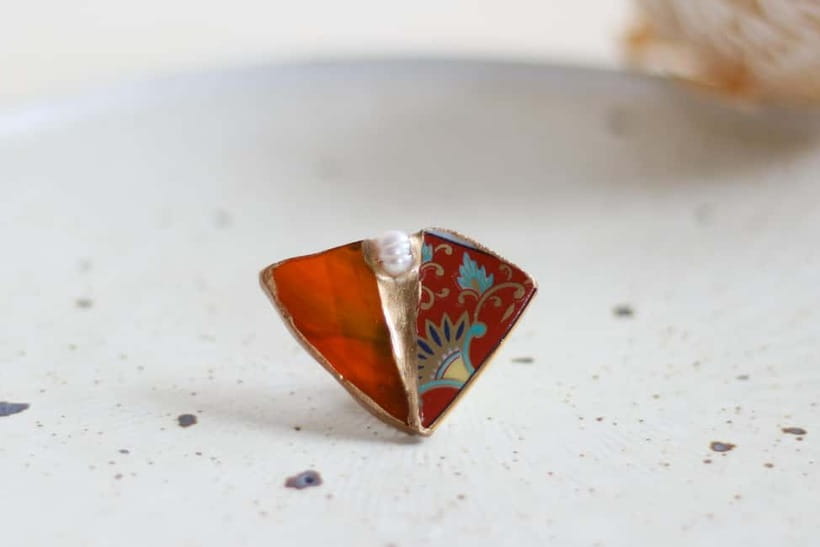
The most appealing feature for me is the mix of old ceramic and natural material. A broken pottery shard has a surface, color, and history that a new craft blank cannot copy. Adding a stone or pearl turns the fragment into something more personal without erasing its earlier life.
The pottery choices also connect the craft to different parts of Japan. Arita, Karatsu, Oribe, Kyoto, Shigaraki, and Hagi are not interchangeable names on a menu. Each type can bring a different glaze, pattern, or mood to your piece. You do not need to be a ceramics expert, since the instructor explains the origins and characteristics as part of the workshop.
Natural stones add color and texture. Shells and pearls give a softer look, while stained glass can make the finished jewelry brighter and more graphic. This range is useful because not everyone wants the same souvenir. You can make something subtle and neutral, or choose colors that feel more like your own wardrobe.
The upcycling element is also practical rather than merely fashionable. The workshop gives broken pottery a new purpose, and your finished object carries that idea in a compact form. It is a thoughtful choice if you prefer souvenirs made from reused materials.
The instructor and the pace of the class
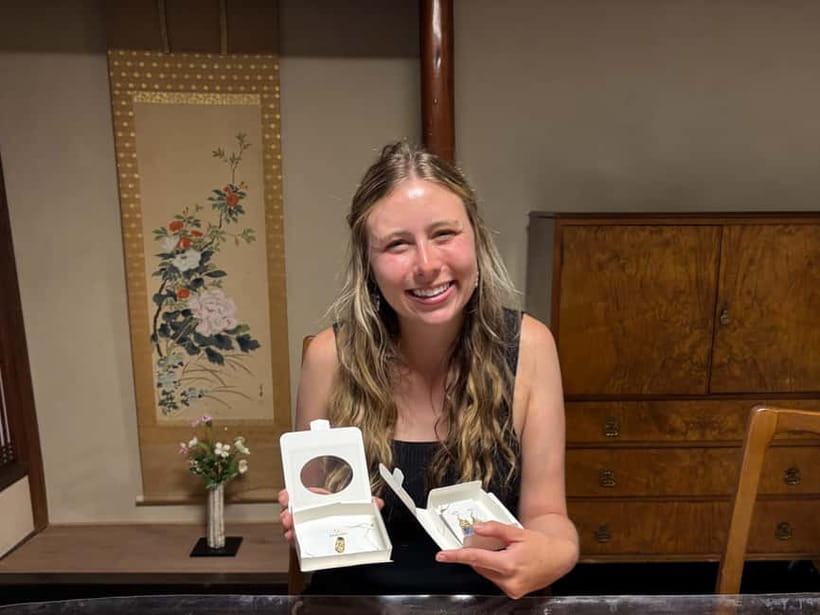
The instructor, Natsuka, is praised for being calm, patient, and clear. English and Japanese instruction are available. The teaching is step by step, so you do not need previous jewelry-making or kintsugi experience.
That patience is important because creative work takes different amounts of time. Some people decide quickly. Others want to test several combinations before committing. The class is designed to allow that process, and one session even ran close to twice its planned length because the instructor did not pressure the participants to hurry.
That does not mean you should assume every class will run long. The official duration is 150 minutes, and you should plan around that. Still, the pace appears to favor careful work over a strict production line.
The atmosphere suits people who want conversation and guidance without a loud group activity. Refreshments have also been provided during sessions. The small group gives you a chance to ask for advice while still working on your own design.
Families can use the workshop, too. An eight-year-old child completed it with a parent, with the instructor offering patient help. For younger children, adults should be ready to assist with small materials and careful placement, but the craft can work well as a shared parent and child activity.


What the $106 price really covers
At $106 per person, this is not the cheapest handmade souvenir in Kyoto. You are paying for a 150-minute guided class, a selection of Japanese pottery and decorative materials, synthetic lacquer and gold powder, instructor assistance, and the finished jewelry.
The value improves if you make two pieces, as has been done in the workshop, or if you choose a jewelry type you will actually wear. A ring or pair of earrings may give you more daily use than a decorative object that sits in a suitcase. The personal design time also matters. You are not simply buying a finished item from a shelf.
The setting adds value, too, but it may not matter equally to everyone. If you have no interest in crafts, pottery, or making your own souvenir, the price may feel high for an afternoon activity. If you enjoy working with your hands and want an object with a story, the cost is easier to justify.
I would compare it with other paid craft experiences in Kyoto by asking three questions: How much time do I get? How much choice do I have? Do I take home something I made? This workshop scores well on all three points, particularly because the material selection includes several Japanese pottery traditions rather than one generic supply of beads.
Who should book this Kyoto activity
This is a strong choice for anyone who wants a quieter afternoon near Fushimi Inari. It works well after a morning of shrine visits, and it gives you a reason to slow down instead of adding another crowded attraction to the schedule.
I would recommend it to:
- Couples looking for matching or complementary jewelry
- Families with older children who can handle small craft materials
- Solo visitors who enjoy focused, creative work
- Anyone interested in Japanese pottery, repair traditions, or sustainable design
- Shoppers who want a handmade souvenir with a personal connection
- Visitors looking for an indoor activity on a rainy day
It is less suitable if you want a fast demonstration with little participation. You will spend much of the time choosing, arranging, and making. It is also not suitable for wheelchair users because the atelier is a traditional house.
The narrow access alley is another practical limitation. You should arrive on foot from the nearby stations rather than attempt to reach the door by car. The route map supplied with the booking is worth checking before you set out.
Pairing the workshop with Fushimi Inari
The workshop’s location makes planning easy. JR Inari Station and Keihan Ryukoku Daimae-Fukakusa Station are both about five minutes away, and Fushimi Inari Taisha is only about three minutes from the atelier.
A sensible plan is to visit the shrine either before or after your class, depending on the start time. Fushimi Inari is known for its long rows of orange torii gates, but the shrine can feel crowded around the main approach. The workshop provides a useful change of rhythm: shrine walking outside, quiet handwork inside.
Do not schedule a distant sightseeing stop immediately afterward. Your jewelry may be finished the same day, but you will want to pack it carefully and give yourself time to leave the townhouse and reach the station. The class is best treated as the main event of that part of the afternoon.
Booking flexibility and practical details
You can cancel up to 24 hours in advance for a full refund. The reserve-now-and-pay-later option is useful if your Kyoto schedule is still changing, particularly during a busy trip when weather may affect your plans.
The workshop is offered in English and Japanese, and the group is limited to 10 participants. The small size is a real advantage for a craft class, since you can ask for help with design choices and technique.
Wear something that allows you to work comfortably at a table. The supplied information does not list a dress code, equipment requirement, or parking option, so plan to arrive on foot and rely on the provided route map for the final approach.
FAQ
How long does the kintsugi jewelry workshop last?
The workshop lasts 150 minutes, or two and a half hours. Starting times vary, so check availability when selecting a date.
Where is the atelier located?
The atelier is about a five-minute walk from Keihan Ryukoku Daimae-Fukakusa Station or JR Inari Station. It is also about a three-minute walk from Fushimi Inari Taisha.
What kinds of jewelry can I make?
Options include earrings, rings, necklaces, brooches, tie pins, cufflinks, and other accessories. You choose the accessory type along with pottery shards and decorative materials.
What materials are included?
The workshop includes synthetic lacquer, gold powder, Japanese pottery fragments, natural stones, pearls, shells, and stained glass. Pottery may include Arita, Karatsu, Oribe, Kyoto, Shigaraki, and Hagi pieces.
Can I take my jewelry home after the class?
Yes. Participants can take their finished creations home on the same day.
Is the workshop suitable for wheelchair users?
No. The activity is not suitable for wheelchair users. The atelier is a traditional one-story Kyoto house, and there is no parking. The narrow street in front is unsuitable for vehicles.
Should you book it?
Book this workshop if you want to make something rather than simply buy something. The strongest reasons are the patient instruction from Natsuka, the wide choice of Japanese pottery and stones, and the peaceful townhouse setting close to Fushimi Inari.
Skip it if you prefer a short sightseeing stop or have little interest in crafts. At $106, the value depends on your willingness to spend 150 minutes making a personal item. For the right person, that is exactly the point: you leave Kyoto with jewelry that carries a piece of Japanese pottery, a touch of gold, and your own decisions in every detail.
More Workshops & Classes in Kyoto
More tours in Kyoto we've reviewed





Workshops, compared.
 ★ 4.3Kyoto: 45-Minute Tea Ceremony Lesson ExperienceFrom $2245 min
 ★ 5.0Ramen Cooking Class at Ramen Factory in KyotoFrom $131
 ★ 4.9Kyoto: Ramen Cooking Class at a Ramen Factory with SouvenirFrom $1271h 30m
 ★ 4.9Kyoto: Samurai Class, Become a Samurai WarriorFrom $70
 ★ 5.0Ninja 1-hour Hands-on Lesson by Japanese master in Kyoto -EntryFrom $80
 ★ 5.0Kyoto: Ramen, Gyoza, and Onigiri Cooking ClassFrom $901h 30m