
Reviewed · CYCLING TOURS
Pedal through Kyoto’s Past: A Biking Odyssey
Kyoto makes more sense from a bicycle. You move beyond the main temple entrance, feel the city change from quiet Buddhist grounds to Gion’s old geisha district, and cover far more ground than you could on foot. The route brings together Nishi Hongan-ji, Kinkaku-ji, and the vermilion gates of Senbon Torii, with other Kyoto sights possible along the way.
I like the private group format, which gives you a better chance to set the pace and ask direct questions. I also like the six-hour length: it is long enough to connect several parts of Kyoto without turning the day into a rushed photo stop.
The main caution is simple: you need to be comfortable riding a bicycle for a full half day. Children under 13 and anyone unable to ride are not suited to this activity, and the exact list of sights may depend on the route your guide selects.
In This Review
- Key points to know before you book
- Why a bicycle works so well in Kyoto
- Starting near Nishi Hongan-ji
- Riding toward Kyoto’s historic core
- Kinkaku-ji and the famous golden view
- Through Gion’s traditional streets
- Senbon Torii and the vermilion corridors
- Imperial Palace and Tōfuku-ji options
- What six hours really means
- The private-group price and its value
- Guide languages and personal attention
- Booking flexibility and the return point
- Who should choose this Kyoto bike tour
- Should you book it?
- FAQ
- Where does the bike tour start?
- Where does the tour end?
- How long does the experience last?
- What sights are highlighted?
- Could the route include other Kyoto sights?
- Is a bicycle included?
- Is the tour private?
- What languages are available?
- Is the activity suitable for children?
- Can I cancel for a refund?
Key points to know before you book
- Start near Nishi Hongan-ji: The meeting point is close to one of Kyoto’s major Buddhist temples, and your guide provides the precise location.
- Private ride for up to four people: The $1,083 price covers the group, not each person. A full group works out to about $271 per person before any personal spending.
- Six hours on a bicycle: Plan for a substantial active outing, not a short city spin.
- Major Kyoto sights are part of the plan: Gion, Kinkaku-ji, and Senbon Torii are highlighted, while the Imperial Palace and Tōfuku-ji may also feature.
- Several guide languages are available: You can choose from English, Spanish, German, or Chinese when checking availability.
- Tomomi may be your guide: Tomomi is described as friendly and highly informed about Kyoto’s culture and past, though guide assignment should be confirmed at booking.
Why a bicycle works so well in Kyoto
Kyoto’s famous places are spread across different parts of the city. A walking day can leave you spending a lot of time between sights, while a standard sightseeing bus can keep you at a distance from the smaller streets and quieter temple approaches.
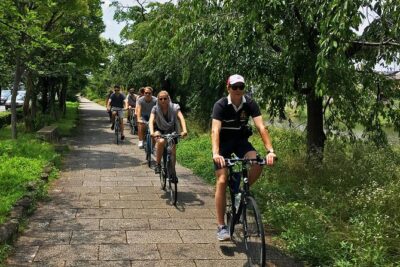
A bicycle gives you a middle ground. You are active, but you can still cover a useful stretch of the city in six hours. I like that balance for first-time visitors who want more than one district but do not want every minute controlled by a large coach schedule.
This is not a casual rental. A professional local guide leads the ride, and a bicycle is included. That matters in Kyoto, where the pleasure is not simply reaching a temple. It is understanding how the old religious quarters, imperial sites, traditional streets, and modern city fit together.
The private setup also changes the feel of the outing. With only your own group, you are not trying to keep up with a crowd or wait for a long line of riders. You can ask why a temple matters, request more time at a favorite stop, or make your preferences clear at the start.
Other cycling tours in Kyoto
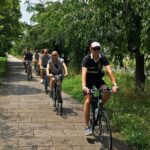
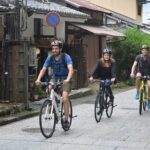
Starting near Nishi Hongan-ji
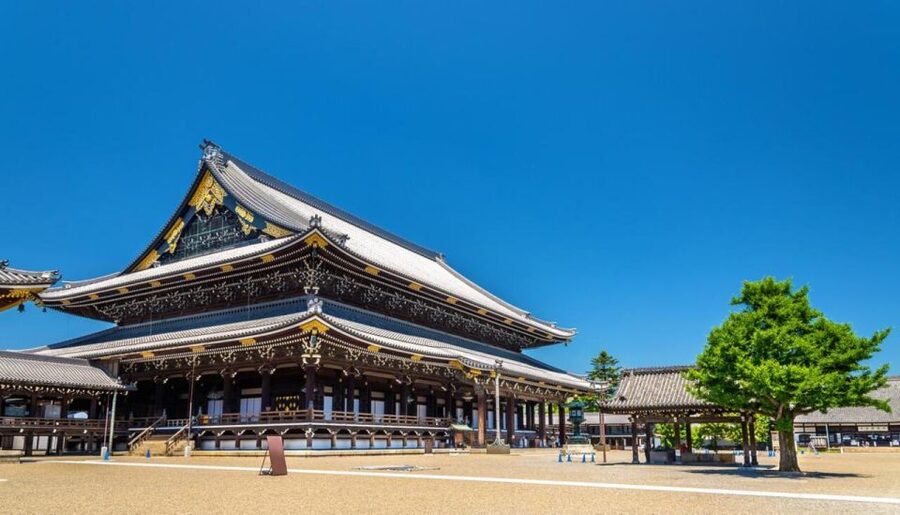
The ride begins near Nishi Hongan-ji Temple. This is a strong starting point because the tour opens in a setting of calm religious architecture rather than at a crowded shopping street.
Your guide gives you more information about the exact meeting point, so do not treat the temple name alone as the complete address. Check the final meeting instructions before setting out, especially if you are arriving by taxi or public transport.
Nishi Hongan-ji also sets the tone for the day. You begin with Kyoto’s Buddhist side, then move through other chapters of the city. I find that contrast more rewarding than visiting several similar temples in a row.
The supplied information does not specify bicycle models, helmets, route surface, or the amount of time spent at the temple. Ask about those points if they affect your comfort. The important practical fact is that the ride starts here and returns to the same meeting point.
Riding toward Kyoto’s historic core

From the starting area, the experience is built around movement between major cultural sites. The guide is not only there to lead the way. A good local guide can give meaning to the buildings, districts, and customs you pass, which is especially useful in a city where a quiet gate or street can carry centuries of importance.
Tomomi is specifically praised for explaining Kyoto’s culture and history in detail while keeping the day pleasant and friendly. If Tomomi is assigned to your group, you can expect the kind of guiding that helps connect facts to places. Guide availability is not guaranteed, so confirm the language and guide details when you book.
The pace will naturally depend on the group and the chosen route. Six hours sounds generous, but Kyoto offers more sights than any single bike outing can cover in depth. I would rather see three or four places with time to listen and look than race past a longer list.
Kinkaku-ji and the famous golden view
Kinkaku-ji, the Golden Pavilion, is the tour’s most instantly recognizable stop. The building’s golden exterior gives you the kind of clear visual reward that makes a Kyoto visit memorable, even if you know the image from countless photographs.
The value here is not just the picture. Your guide can place the pavilion within Kyoto’s religious and cultural story, then help you notice the setting around it rather than treating the building as a single postcard view.
The supplied details do not promise a specific amount of time inside the grounds or describe entry arrangements. That is worth checking before booking if Kinkaku-ji is your main reason for choosing the ride.
You should also expect this to be a popular sight. The bicycle helps you connect it with other parts of Kyoto, but it does not make the pavilion private or remove the possibility of crowds. Go for the broad experience, not for a quiet solo visit.
Through Gion’s traditional streets
Gion gives the ride a very different mood. This historic district is associated with geisha culture, traditional streets, and old Kyoto atmosphere. Cycling through it lets you see the area as part of the living city rather than as an isolated museum stop.
I like this portion because it adds human scale to the temple visits. You are not only looking at grand religious buildings. You are also seeing the type of streets and neighborhoods that shaped Kyoto’s public image.
A guide is particularly useful here. Gion has cultural etiquette that deserves care and respect. The information provided does not promise geisha sightings, performances, or private access, so do not book this ride expecting any of those things.
Treat the district as a place to pass through thoughtfully. Follow your guide’s instructions, avoid assuming that every person in traditional dress is available for photographs, and focus on the architecture and atmosphere.
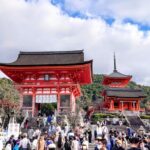

Senbon Torii and the vermilion corridors
The vermilion gates of Senbon Torii provide one of the day’s most striking changes in color and mood. The repeated gates create a powerful visual corridor, and cycling allows the experience to be part of a larger route rather than a separate half-day visit.
The tour highlights navigating these gates, but the supplied information does not explain exactly how much of the route is rideable or where bicycles are left. Ask your guide or the provider about the bicycle arrangements at this stop. Some sacred or heavily visited areas may require you to walk the bicycle or park it before continuing.
That uncertainty is not a reason to reject the tour. It is simply a detail worth settling in advance, especially if Senbon Torii is your priority. The appeal lies in combining this vivid shrine setting with Kyoto’s temples and historic districts in one private outing.
Imperial Palace and Tōfuku-ji options
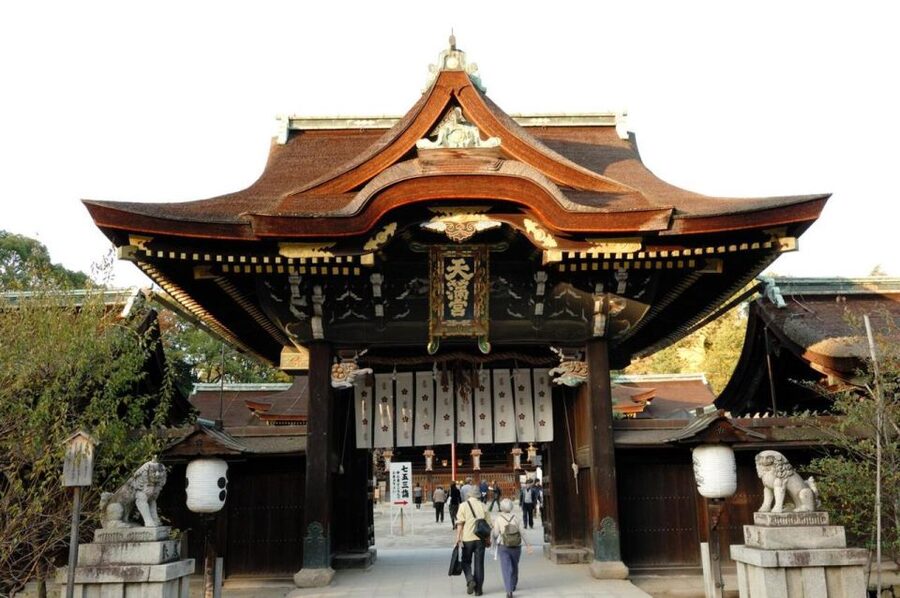
The Imperial Palace and Tōfuku-ji are also named as possible parts of the experience. Their inclusion suggests that the guide can shape the day around Kyoto’s different eras and architectural traditions, but you should not assume both are guaranteed on every departure.
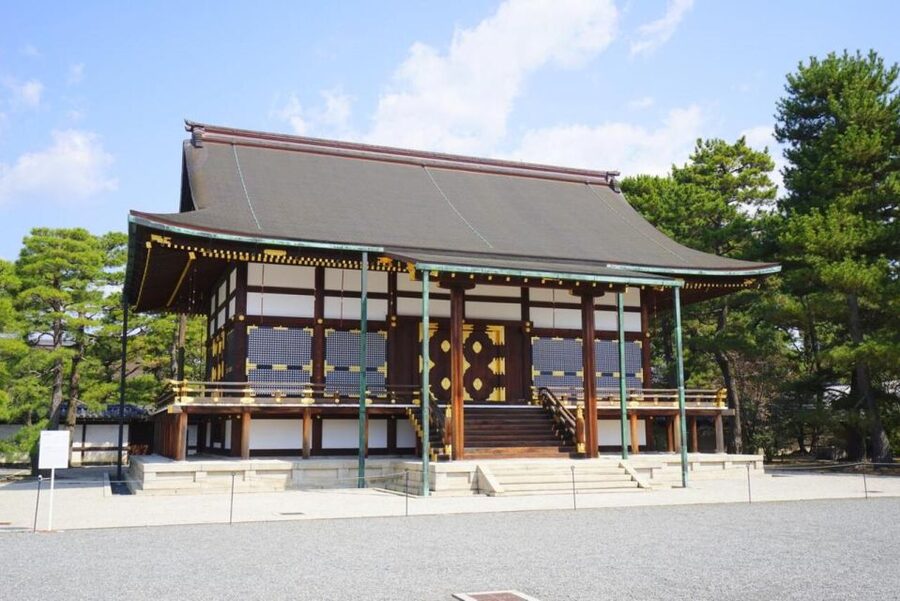
The Imperial Palace offers a look at Kyoto’s connection with emperors and court life. It gives the route a broader civic and political context after the religious focus of Nishi Hongan-ji and Kinkaku-ji.
Tōfuku-ji is noted for seasonal spectacles. That makes timing important. If you are visiting during a season when the temple grounds are especially attractive, tell the guide before the ride begins so you can understand how it fits the day’s route.
Ask for the planned sequence at the start. This is a private tour, so knowing which sights matter most to you may help the guide balance distance, stops, and your interests.
What six hours really means
Six hours is a substantial commitment. You will spend much of the day outdoors and active, with sightseeing built around riding rather than short transfers between indoor attractions.
I would choose this for a day when you want to exercise and explore at the same time. It is less suitable if you are looking for a relaxed temple tour with frequent seated breaks or if you want to spend long, unhurried periods inside each site.
The tour is not suitable for people who cannot ride a bicycle, and children under 13 are excluded. The information does not state a fitness level, route difficulty, bicycle size range, or accessibility provisions, so ask before paying if any member of your group has mobility or cycling concerns.
Wear practical clothing and plan for changing conditions, but do not assume equipment beyond the included bicycle. Personal expenses are not included, so carry money for anything you buy during the day.
The private-group price and its value
The price is $1,083 for a group of up to four. That sounds high beside a basic bicycle rental, but this is not simply a rental. You are paying for a private six-hour outing with a professional local guide, a bicycle, route planning, cultural explanation, and the convenience of keeping your own group together.
For four people, the listed price comes to about $271 per person. For two people, it is about $542 each, and a solo booking carries the full group cost unless the provider offers a different arrangement. That makes group size the key value question.
I think the price can make sense for four friends or family members who would otherwise book several separate activities. It is harder to justify for one person unless private guiding and a carefully planned cycling day are central to your Kyoto trip.
Personal spending is extra, and the supplied details do not state whether admissions, food, drinks, or other costs are included. Ask about any planned entrance fees before departure so the final budget is clear.
Guide languages and personal attention
The experience is available with live guiding in English, Spanish, German, or Chinese. That choice can make a major difference when you are discussing religious customs, Kyoto’s court culture, or the meaning of a shrine layout.
The private format gives you a better chance to ask follow-up questions than a large group tour. I value that because Kyoto’s sights can blur together when you only collect dates and names. A direct conversation can help you remember why each place matters.
Tomomi is singled out for friendly, detailed guidance about Kyoto’s culture and past. That is the strongest personal clue available about the guiding style. Still, do not assume Tomomi will lead every departure. Check the assigned guide and language when you make the reservation.
Booking flexibility and the return point
The activity ends back at the meeting point near Nishi Hongan-ji. That is helpful if you have left luggage, planned dinner nearby, or need to return to your original transport area.
You can cancel up to 24 hours in advance for a full refund. The reserve-now, pay-later option also gives you flexibility while you finalize your Kyoto schedule. Check the exact booking terms at the time you reserve, but these policies reduce the risk of committing too early.
Starting times vary, so you need to check availability. Since the ride lasts six hours, look at the rest of your day before booking. Do not place a fixed evening reservation too close to the end unless you are comfortable with a narrow margin.
Who should choose this Kyoto bike tour
I would recommend it to active adults, couples, friends, and families with children aged 13 or older who want a private day with a strong cultural focus. It is especially useful for a first Kyoto visit when you want to connect several famous areas without arranging each transfer yourself.
It also suits repeat visitors who have already seen the basic central sights and want a guide to add context and shape the route around personal interests. The choice of English, Spanish, German, and Chinese is another clear advantage for multilingual groups.
I would skip it if you cannot ride confidently, dislike long outdoor activities, or want guaranteed extended visits at every named attraction. The tour presents several possible highlights, but the information does not promise that every one will be included in a single six-hour route.
Should you book it?
Book this ride if you want Kyoto to feel connected rather than divided into separate temple visits. The best reasons are the private group, the local guide, the chance to cycle through Gion, and the combination of major sights such as Kinkaku-ji and Senbon Torii.
Before booking, confirm the exact route, guide language, guide assignment, bicycle details, and any entrance costs. If four people share the $1,083 price and you enjoy cycling, the value is much stronger. For a smaller group, consider how much you value private attention and local explanation.
FAQ
Where does the bike tour start?
It starts near Nishi Hongan-ji Temple. The guide provides more information about the exact meeting point.
Where does the tour end?
The activity ends back at the meeting point near Nishi Hongan-ji.
How long does the experience last?
The tour lasts six hours. Starting times depend on availability.
What sights are highlighted?
The highlighted sights are Gion’s historic geisha district, Kinkaku-ji, and the vermilion gates of Senbon Torii.
Could the route include other Kyoto sights?
The experience may also include the Imperial Palace or Tōfuku-ji. Check the planned route with your guide because the information does not guarantee every listed sight on every departure.
Is a bicycle included?
Yes. A bicycle and a professional local tour guide are included.
Is the tour private?
Yes. It is a private group experience for up to four people.
What languages are available?
Live guiding is available in English, Spanish, German, and Chinese.
Is the activity suitable for children?
Children under 13 are not suitable for this activity.
Can I cancel for a refund?
You can cancel up to 24 hours in advance for a full refund. The reserve-now, pay-later option lets you book without paying immediately.
More Cycling Tours in Kyoto
More tours in Kyoto we've reviewed










Cycling Tours, compared.
 ★ 5.0Hidden Kyoto E-Biking tourFrom $116
 ★ 5.0Bike Tour Exploring North Kyoto plus LunchFrom $106
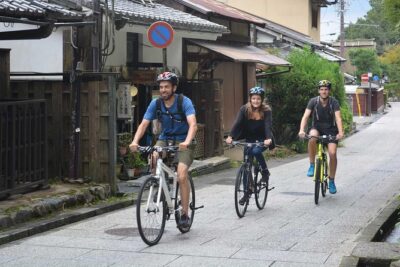 ★ 5.0Arashiyama Bamboo Forest & Hidden Gems Bike Tour (Early Bird)From $106
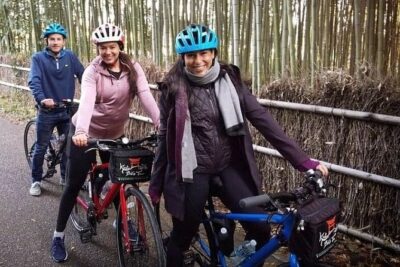 ★ 5.05 Top Highlights of Kyoto Full Day Bike Tour (E-bike option)From $172
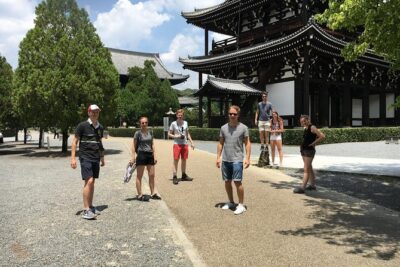 ★ 5.0Full Day Biking Tour Exploring the Best of KyotoFrom $119
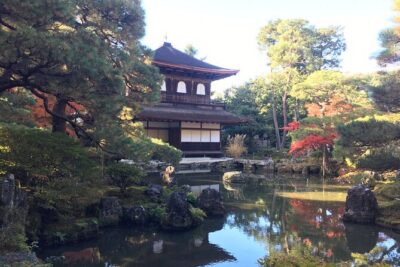 ★ 5.0E-Bike Tours of the highlights of Kyoto!!!From $109