
Reviewed · KIMONO EXPERIENCES
Kyoto Kimono Rental mimosa Samurai Plan|Feel the History
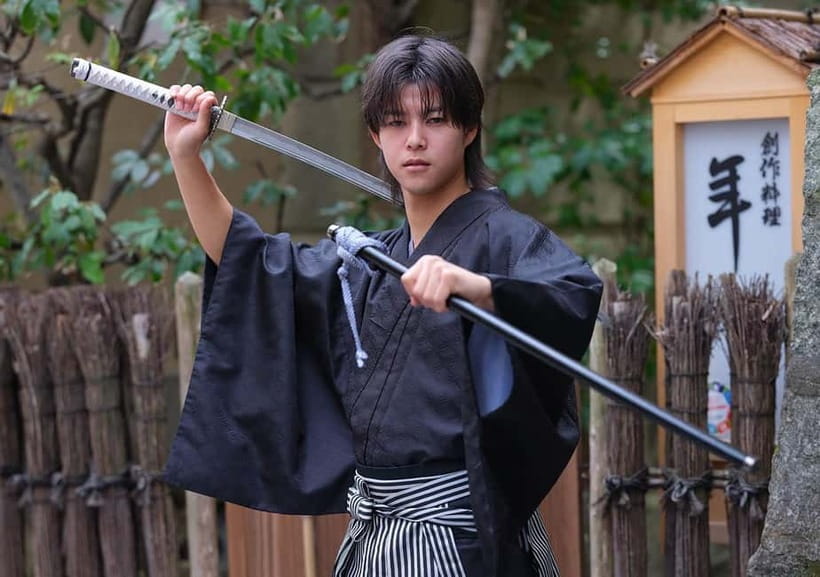
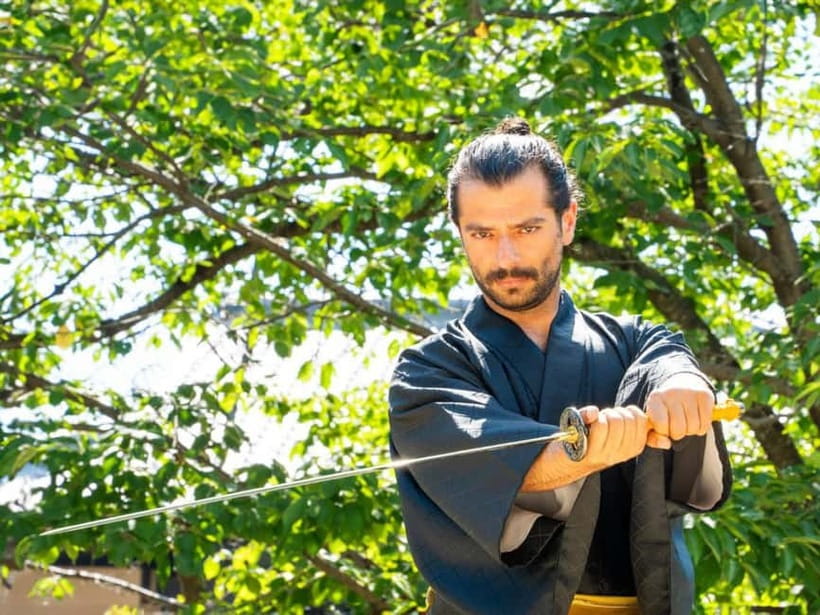
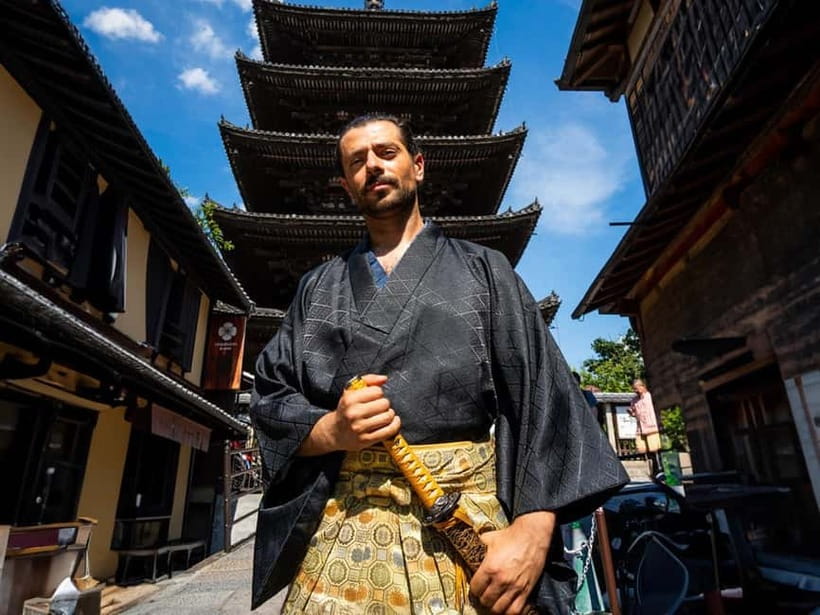
Kyoto Kimono Rental mimosa lets you spend a full day dressed as a samurai in one of Kyoto’s most atmospheric old districts. The package includes the main clothing, sandals, and a sword, so you can walk from the shop into the historic streets without carrying a costume bag around.
I like the excellent location, just two minutes from Kodaiji Temple and about ten minutes from Kiyomizu Temple. I also like the helpful fitting service, especially for first-time wearers and anyone who needs to try several pairs of sandals before finding a comfortable fit.
The main drawback is that the costume is built for visitors aged 13 to 80, so younger children and people over 80 cannot take part. The optional photography service also sounds uneven: it can produce a few fine portraits, but the photographer may take too many unfocused shots.
In This Review
- Key points to know before booking
- What the samurai plan really gives you
- Starting at the Ichinenzaka shop
- The fitting process and what comes with it
- Walking from Kodaiji Temple to Kiyomizu Temple
- Wearing the sword in public
- The value of the location
- How to plan the full day
- Who will enjoy this most
- Language, support, and comfort
- Is the photography add-on worth it?
- Booking, cancellation, and age limits
- Should you book Kyoto Kimono Rental mimosa?
- FAQ
- Where is Kyoto Kimono Rental mimosa located?
- How close is the shop to Kodaiji Temple?
- How far is Kiyomizu Temple from the shop?
- What is included in the samurai rental?
- Do I need to bring my own dressing items?
- What are the shop’s opening and return times?
- Are English and Chinese available?
- Can I reserve on the same day?
- What optional items and services cost extra?
Key points to know before booking
- Walk straight into Kyoto’s old streets: Mimosa is in the Ichinenzaka area, two minutes from Kodaiji Temple and roughly ten minutes from Kiyomizu Temple.
- The sword is part of the outfit: The included samurai set contains a kimono, obi, sandals, sword, and other required dressing items.
- You have the whole day: Pick up the outfit during opening hours and return it by 7:00 p.m.
- You can arrive empty-handed: The basic dressing equipment is included in the ¥58 price.
- English and Chinese support is available: This helps if you have questions during fitting or need assistance with the clothing.
- Photography costs extra: A photographer is available for one, two, or three hours, but the quality may vary from shot to shot.
What the samurai plan really gives you
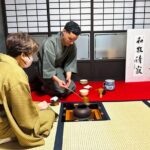
This is not a museum costume demonstration or a short photo stop. You get dressed at Kyoto Kimono Rental mimosa and then have the outfit for the rest of the day.
That difference matters. A brief studio session gives you a controlled backdrop and a few planned photographs. Mimosa’s plan lets you take the samurai look into Higashiyama, where old lanes, temple approaches, cafes, restaurants, and souvenir shops provide a natural setting.
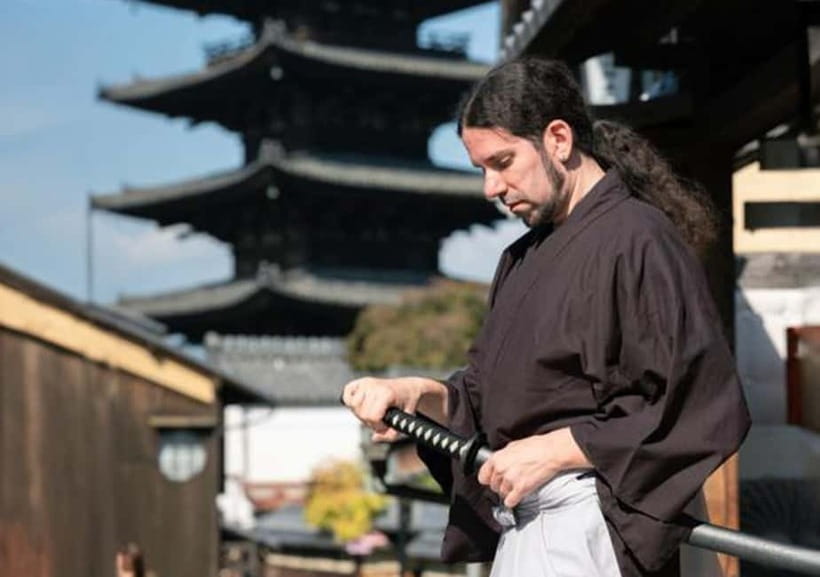
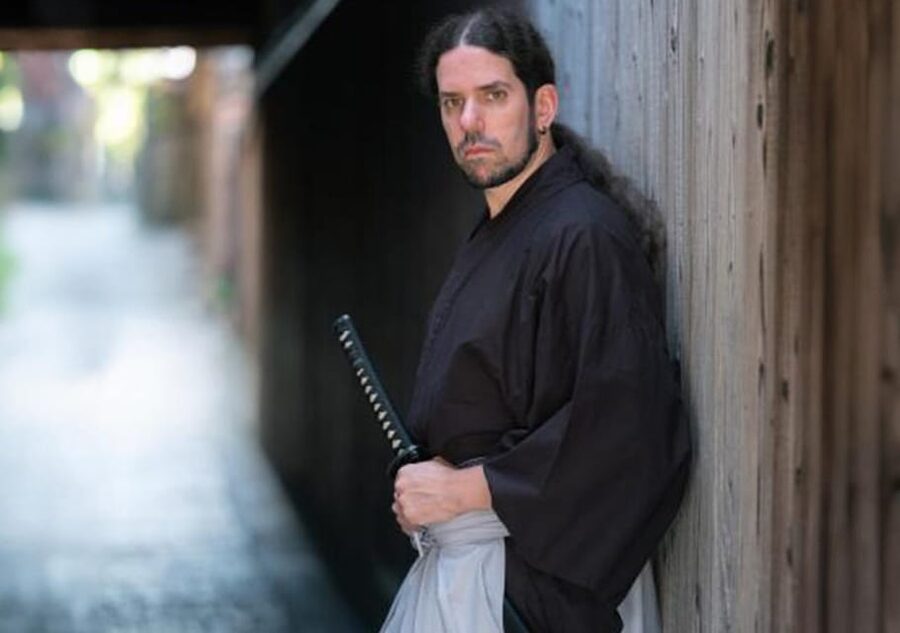
The samurai style is based on clothing associated with Japan’s historic warrior class. The outfit is meant to suggest dignity, courage, and inner strength, not just a theatrical character. The sword completes that visual impression, though it is best treated as a costume accessory and handled with care.
You can use the day to visit nearby sights, stop for food, browse shops, and take photographs. The plan works especially well if you want an activity that becomes part of your wider Kyoto sightseeing rather than taking you away from it.
A few more Kyoto tours and experiences worth a look
Starting at the Ichinenzaka shop
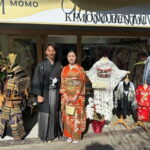
Mimosa’s Kodaiji Store is in Higashiyama, in the Ichinenzaka area. The address information lists 362-2 Masuya-cho, Higashiyama-ku, Kyoto, and the shop is close to the Higashiyama Yasui and Kiyomizu-michi bus stops.
The setting is one of the strongest parts of the plan. You are not collecting the outfit in an anonymous shopping street and then spending an hour reaching the sights. Once dressed, you are already near some of Kyoto’s most visited temple lanes.
The shop opens from 8:00 a.m. and requires the outfit back by 7:00 p.m. That gives you a useful daytime window. An early start should be particularly practical if you want photographs before the district becomes busier, although the exact amount of time needed for dressing is not provided.
Same-day reservations may be available. I would still check the booking calendar before setting out, especially during busy Kyoto periods. The option is useful for a last-minute change of plans, but availability is never something to assume.
The fitting process and what comes with it
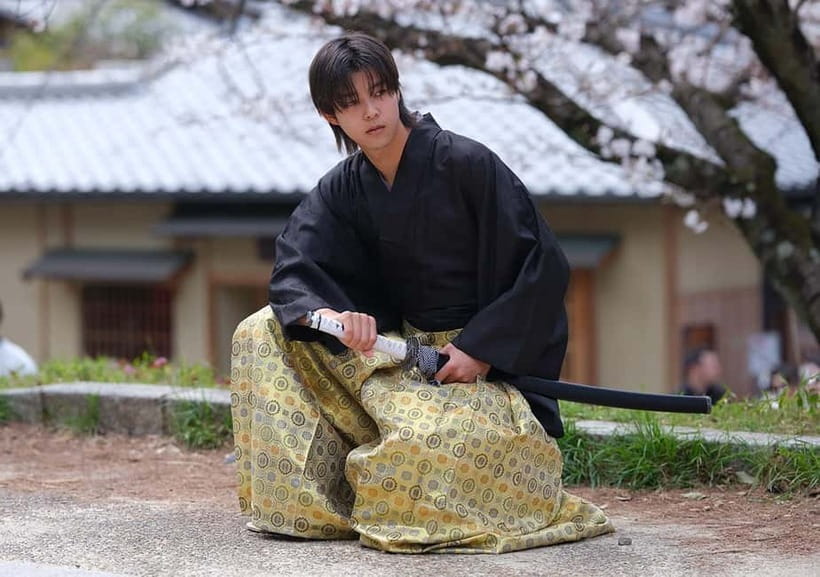
The ¥58 package includes the kimono, obi sash, sandals, sword, and the other basic items needed for the outfit. You do not need to bring a separate dressing kit.
The staff are prepared to help first-time wearers. That is important because traditional clothing can feel unfamiliar at first, and sandals need to fit well if you plan to walk between temples.
One customer had to change sandals about six times before finding a comfortable pair. That detail tells you two things. First, the staff appear willing to work through practical problems rather than rushing you out the door. Second, footwear deserves attention before you begin walking around Higashiyama.
Take a few moments to check your sandals, the position of the obi, and how the sword sits before leaving. A costume that looks good but pinches your feet can make a long afternoon less enjoyable.
English and Chinese are available, which makes the fitting process easier if you do not speak Japanese. The published information does not give individual staff names, so you should not expect a named guide or a formal guided tour.
Walking from Kodaiji Temple to Kiyomizu Temple
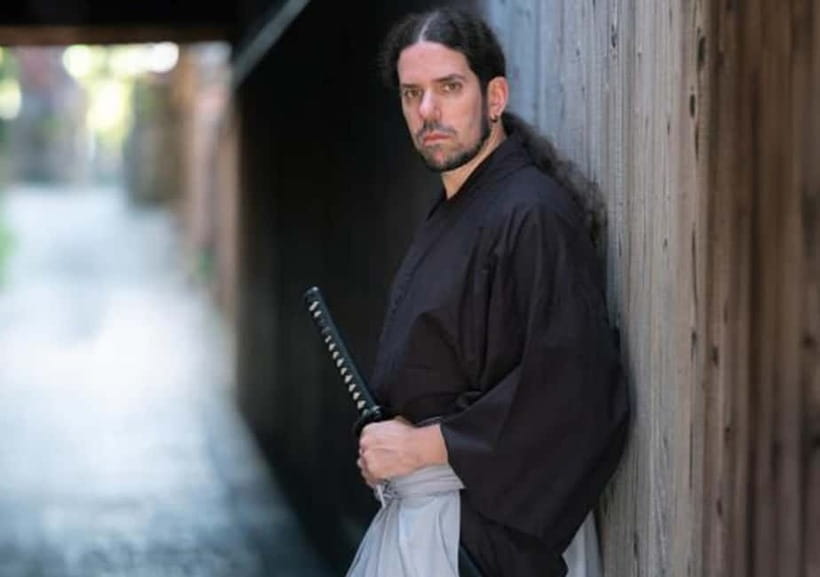
Kodaiji Temple is only about two minutes from the shop. That makes it the obvious first stop for photographs and sightseeing after you are dressed.
The short walk is valuable because you can begin using the outfit immediately. You do not need to plan a taxi ride or cross a modern commercial district before reaching a historic setting.
Kiyomizu Temple is about ten minutes away on foot. The route puts you near the old Higashiyama streets, where you can combine temple visits with cafes, restaurants, and souvenir shopping.
The plan does not include temple admission, a guided visit, or a fixed sightseeing route. You are free to shape the day around your own interests, but you are also responsible for planning any entrances and meals.
This flexibility is a strength for independent sightseeing. You can stop for food when you want, linger at a temple, or head back early if the costume becomes tiring. The tradeoff is that you do not receive an organized cultural explanation of each place from a guide.
Wearing the sword in public
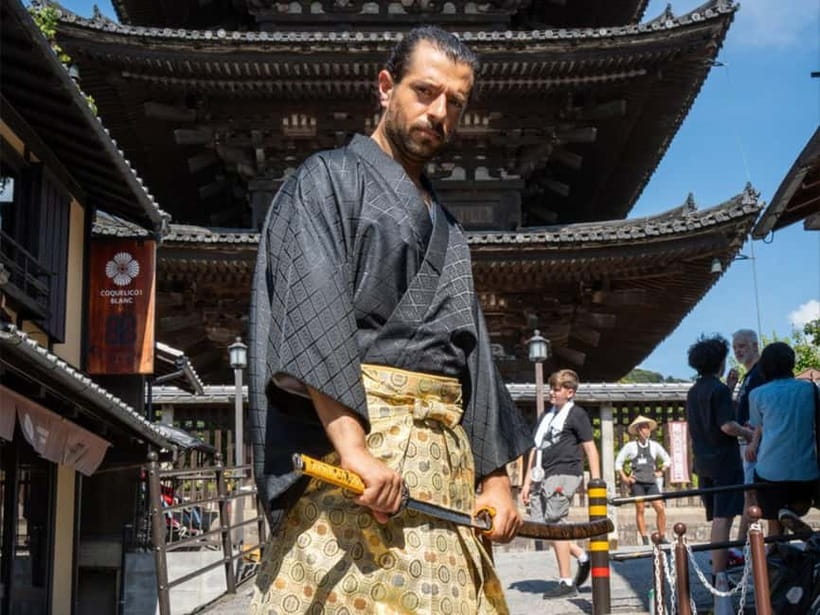
The sword is the detail that changes the mood of the outfit. A kimono can feel graceful and traditional. Add the sword, and the costume clearly references the samurai class.
That also calls for good judgment. Use it as part of the clothing and for photographs, not as a prop for careless gestures in crowded lanes. The available information does not describe specific rules for carrying or posing with the sword, so ask the staff if you are unsure.
One person initially worried that the sword might seem disrespectful. Instead, the outfit was received warmly during other activities, and local people stopped for photographs and called out friendly samurai-themed greetings. That suggests the costume can be a fun point of contact, though reactions will naturally vary.
You should also remember that Kyoto’s temple districts are working neighborhoods and active religious sites, not film sets. Keep your behavior calm at temple grounds, avoid blocking narrow paths, and ask before photographing people.
A few more Kyoto tours and experiences worth a look

The value of the location
The price is about $58 per person, with the kimono, obi, sandals, sword, and basic dressing items included. For a full day, that is a reasonable package if you plan to spend several hours in Higashiyama.
The value comes from combining clothing rental with ordinary sightseeing. You do not pay for a separate costume experience and then another activity nearby. The outfit accompanies you through the district, so the same rental can serve temple visits, meals, shopping, and personal photographs.
There are extra costs to keep in mind. A shawl is ¥880 in autumn and winter, a drawstring bag is ¥550, and a Japanese umbrella is ¥1,100. Next-day return or hotel return costs ¥1,000.
The optional photography service costs ¥18,000 for one hour, ¥36,000 for two hours, or ¥54,000 for three hours. These fees are paid at the shop on the day, and payment methods include cash, credit cards, electronic money, and QR codes.
At the base price, the activity is strongest for someone who already enjoys taking their own photographs or has a companion ready to help. The photographer may give you a few excellent portraits, but the service may also produce many unusable images, including shots with closed eyes, awkward expressions, or poor angles.
How to plan the full day
The shop’s 8:00 a.m. to 7:00 p.m. hours give you room to build a flexible day. You might collect the outfit in the morning, walk to Kodaiji Temple, continue toward Kiyomizu Temple, and pause at a cafe or restaurant along the way.
The route is compact, but the costume may make you slower than usual. Sandals and formal clothing are not ideal for rushing between distant areas of Kyoto. Keep the day centered on Higashiyama rather than trying to cover the entire city.
The nearby bus stops, Higashiyama Yasui and Kiyomizu-michi, make the area easier to connect with other parts of Kyoto. The information provided does not give journey times or specific bus routes, so check your own route before leaving the shop.
Return time is by 7:00 p.m. If you choose next-day return or hotel return, the extra fee is ¥1,000. That option may help if you want to avoid returning to Higashiyama at the end of a long day, but confirm the arrangement at booking or with the shop.
Who will enjoy this most
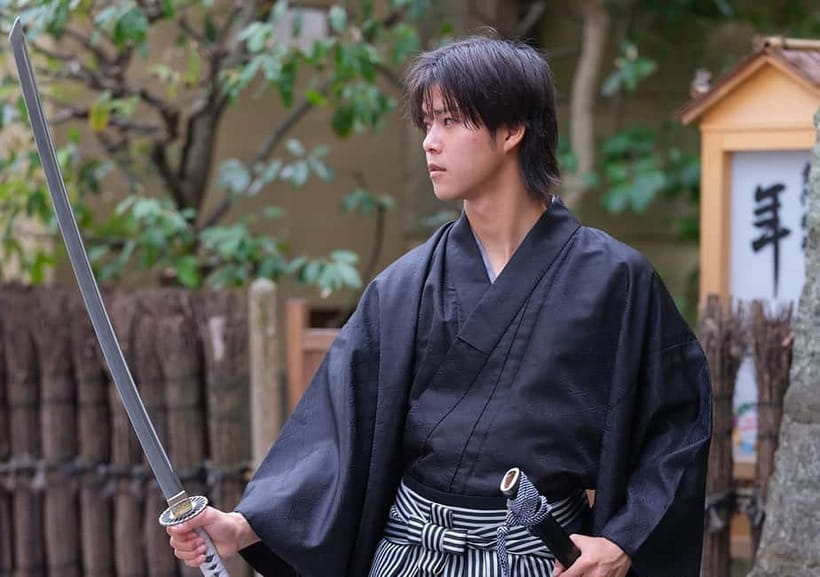
I would recommend the plan to adults and older teens who want photographs with a strong Kyoto setting rather than a standard portrait studio. It is also a good fit if you are already planning to visit Kodaiji Temple and Kiyomizu Temple.
It suits independent visitors because you are not tied to a guide or a group schedule. You choose the temples, food stops, and photo locations.
It may be less suitable if you dislike attention. The sword and samurai styling can attract looks and friendly comments, particularly in the popular Higashiyama district.
It is also not suitable for children under 13 or people over 80. The supplied information does not describe wheelchair access, specific clothing adjustments, or other accessibility details, so ask the shop directly if those issues affect your plans.
Language, support, and comfort
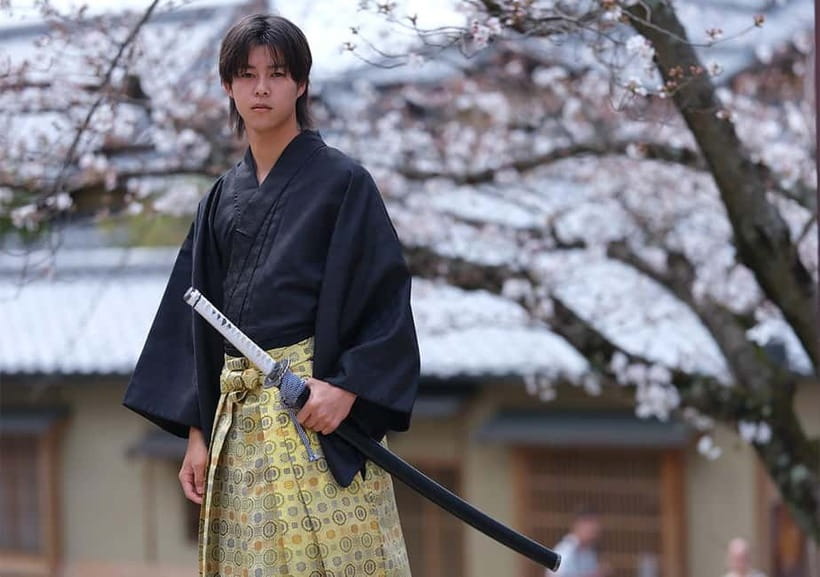
English and Chinese are available, and the staff can assist even if this is your first time wearing a kimono. That support is more useful than it may sound. Traditional clothing has its own fit and movement, and a small adjustment can make a long walk much easier.
Comfort is the practical test. Make sure the sandals feel secure before you leave, and ask for a change if they do not. The fitting staff have shown flexibility with footwear, so it is worth speaking up rather than tolerating pain for the sake of the costume.
A shawl is available only in autumn and winter. If you are visiting in cooler weather, include the ¥880 charge in your budget. The basic rental does not include the shawl, bag, or umbrella.
The drawstring bag may be useful for small personal items, while the Japanese umbrella is mainly a styling extra. Neither is required for the samurai look.
Is the photography add-on worth it?
The photographer can be booked for one, two, or three hours. The one-hour option is ¥18,000, which is the least expensive way to add professional coverage.
I would consider it if you are traveling alone, want portraits of the complete outfit, or do not have anyone available to take photographs. A photographer can also help you make use of the nearby temple streets without constantly asking strangers for pictures.
I would be more cautious if you expect every image to be polished. The service can produce some very good photos, but the shooting style may involve taking many rapid images rather than carefully waiting for the best expression, angle, or moment.
For most people, one hour is enough. The two and three-hour options add considerable cost to an activity that already works well as a self-guided day. Unless photography is your main reason for booking, the base rental gives better value.
Booking, cancellation, and age limits
You can reserve now and pay later, which is useful if your Kyoto schedule is still changing. Free cancellation is available up to 24 hours before the activity for a full refund.
Check availability for the starting time you want, even though same-day reservations may be offered. The experience lasts one day in the sense that you keep the outfit during the daytime, with return required by 7:00 p.m.
The age limits are clear: children under 13 and people over 80 cannot take part. The price is listed per person, so each participant needs their own reservation.
Should you book Kyoto Kimono Rental mimosa?
Book it if you want a flexible, photo-friendly day in Kyoto’s historic Higashiyama and like the idea of wearing a complete samurai outfit rather than simply posing indoors. The location near Kodaiji Temple and Kiyomizu Temple is the real prize, and the included sword gives the experience a distinctive look.
The plan is less compelling if you want a detailed guided lesson about samurai culture or a carefully directed photography session. It is mainly a rental with helpful fitting support, not a lecture or structured tour.
For the price, I think it is a good choice for independent visitors who will use the full day. Check your footwear before leaving, budget for optional extras, and treat the sword with respect. Those small choices will help you enjoy the experience without turning a fun Kyoto outing into an uncomfortable costume walk.
FAQ
Where is Kyoto Kimono Rental mimosa located?
The Kodaiji Store is in Kyoto’s Higashiyama area, at 362-2 Masuya-cho, Higashiyama-ku, Kyoto. It is in the Ichinenzaka area, near the Higashiyama Yasui and Kiyomizu-michi bus stops.
How close is the shop to Kodaiji Temple?
The shop is about a two-minute walk from Kodaiji Temple.
How far is Kiyomizu Temple from the shop?
Kiyomizu Temple is about a ten-minute walk from the shop.
What is included in the samurai rental?
The package includes a kimono, obi sash, sandals, sword, and the other basic items needed for dressing.
Do I need to bring my own dressing items?
No. The necessary dressing items are included, so you can arrive at the shop empty-handed for the rental.
What are the shop’s opening and return times?
The shop is open from 8:00 a.m. to 7:00 p.m. The outfit must be returned by 7:00 p.m.
Are English and Chinese available?
Yes. English and Chinese support is available at the shop.
Can I reserve on the same day?
Same-day reservations may be available. You should check current availability before going to the shop.
What optional items and services cost extra?
A shawl costs ¥880 in autumn and winter, a drawstring bag costs ¥550, and a Japanese umbrella costs ¥1,100. Next-day return or hotel return costs ¥1,000. Photography costs ¥18,000 for one hour, ¥36,000 for two hours, or ¥54,000 for three hours.
More Historical Tours in Kyoto
More Samurai & Kendo Experiences in Kyoto
More Kimono Experiences in Kyoto
More tours in Kyoto we've reviewed











Kimono Experiences, compared.
 ★ 5.0Kimono Tea Ceremony at Kyoto Maikoya, NISHIKIFrom $65
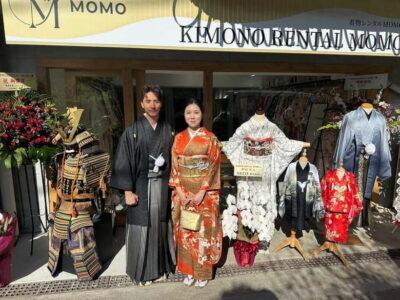 ★ 4.8Kyoto: Kimono Rental with Hairstyling and AccessoriesFrom $211 day
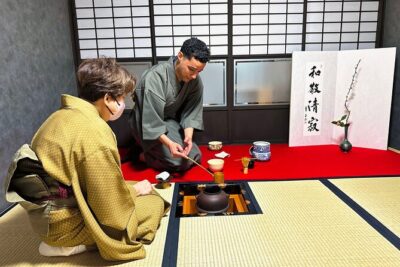 ★ 5.0KYOTO Tea Ceremony with kimono near by Imamiya Jinjya ShrineFrom $99
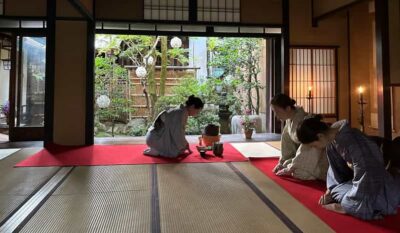 ★ 4.2Kimono & Tea Ceremony Experience in a Kyoto Cultural AssetFrom $126
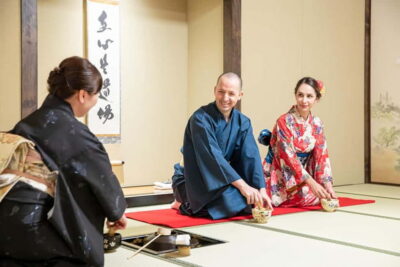 ★ 4.9Kyoto: Kimono Tea Ceremony with Matcha and SweetFrom $661h 30m
 ★ 4.7Enjoy Kyoto Summer in Traditional Kimono / YukataFrom $29