
Reviewed · WALKING TOURS
Private Customized Walking Tour in Kyoto
Kyoto is easier to understand when someone helps connect its temples, shrines, streets, and customs. This private tour lets you shape the day around your interests, from the Golden Pavilion and Fushimi Inari to Zen gardens, Japanese swords, or quieter lanes.
I like the one-group format, which gives you room to ask questions and change plans. I also like the flexible finish: you can stop after four hours or continue toward the full nine-hour outing. The main drawback is that this is a walking and public-transit day, and temple admission fees, food, and private transport cost extra.
In This Review
- Key Points
- A Kyoto day built around your questions
- Why private touring helps in Kyoto
- Kinkakuji and its bright reflection
- Fushimi Inari’s endless orange gates
- Kiyomizu-dera above Higashiyama
- Nanzen-ji and the quieter side of Kyoto
- Nishiki Market, from food shops to tourist stop
- A flexible day, not a fixed checklist
- What the guide adds
- Timing, fitness, and extra costs
- Who should book this Kyoto tour
- Should you book it?
- FAQ
- How long does the private Kyoto walking tour last?
- Is the tour private?
- Is pickup available?
- What transportation is included?
- Are temple admission tickets included?
- Is lunch included?
- What happens if the weather is poor?
Key Points
- A route built around your interests: Ask for temples, Zen, food, Japanese history, swords, or less-visited areas.
- English-speaking guide Sho: He can explain cultural details and adjust the day when your priorities or the weather change.
- Five strong Kyoto anchors: Kinkakuji, Fushimi Inari, Kiyomizu-dera, Nanzen-ji, and Nishiki Market can all be included.
- Public transit is part of the experience: A Kyoto Bus and Metro 1-day pass is provided, but several railway lines are excluded.
- Flexible timing: The tour lasts about four to nine hours, and you can choose to end early or continue.
- Practical walking demands: You need moderate fitness, and the time includes getting to and from the sights.
A Kyoto day built around your questions
A private walking tour works best in Kyoto when you know what you want to understand, not just what you want to photograph. The standard sights here are impressive, but the real value comes from asking why a shrine uses thousands of orange gates, how Zen garden design works, or what makes a temple important beyond its best-known view.
Guide Sho is the named guide associated with this experience. He has shaped private routes around specific interests, including Japanese swords, Zen, Kyoto history, and quieter corners away from the main tourist path. That makes this a better fit for curious visitors than for people who simply want a guide to point at buildings and move on.
The price is listed at $130.06 per person. For a private group, that can be fair value, especially if you use the guide’s time well and stay for much of the day. For a short four-hour outing, the cost feels less attractive, since admissions and meals are not included. A larger group can also get more value from the private format than a solo visitor.
Other walking tours we've reviewed in Kyoto
Why private touring helps in Kyoto
Kyoto’s major sights are spread across the city. Kinkakuji sits in the northwest, Fushimi Inari is in the south, and Kiyomizu-dera and Gion are in the eastern hills. Nanzen-ji is farther northeast, while Nishiki Market is near the central shopping streets.
A private guide cannot remove the travel time, but can help you use it. The day includes public transportation and walking between places, so you get a sense of how Kyoto fits together instead of viewing each temple as an isolated stop. The provided one-day Kyoto Bus and Metro pass helps with eligible rides, though it does not cover JR, Keihan, Hankyu, Randen, or Kintetsu trains.
That limitation matters. You should not assume every train or subway route is covered. Ask the guide how the day will be arranged, especially if your preferred sights sit on different lines. The tour description says travel time back and forth counts toward the allotted hours, so a far-flung route will leave less time inside each place.
Pickup is offered, and the activity ends back at the meeting point. Confirm the exact pickup and return details when booking, since the supplied information does not name one fixed meeting location.
Kinkakuji and its bright reflection
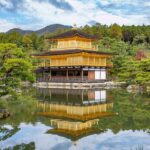
Kinkakuji, the Golden Pavilion, is the classic Kyoto postcard. Its gold-covered Shariden sits beside a pond, with carefully arranged gardens around it. The short visit listed here is about 45 minutes, which is enough for the main view and a walk through the surrounding grounds, but not a slow study of every garden feature.
This stop is best early in the day if your schedule allows, since the sight is popular and the main viewing area can feel crowded. The tour’s private format helps with explanation, but it does not give you a private view of the pavilion. You will still share the grounds with everyone else.
Admission is not included. That is a small extra cost, but you should include it in your budget. If Kinkakuji is not a priority, the flexible format means you can ask to replace it with another temple or a subject that matters more to you.
Fushimi Inari’s endless orange gates
Fushimi Inari-taisha is famous for its Senbon Torii, the long rows of orange gates climbing into the wooded hills. The shrine is associated with blessings for business success, safe childbirth and child growth, romance, and a good harvest. It is also a pilgrimage site, so the gates are not merely decorative backdrops.
The planned time here is one hour. That allows you to walk through the lower section and get a feel for the shrine, but it is not enough for a full climb through the mountain trails. Ask your guide how far the group will go before you arrive, particularly if you have limited walking time or want to reach higher sections.
There is no admission fee. Fushimi Inari can be a strong choice for visitors who want a shrine experience with movement and atmosphere rather than a single grand building. It also gives Sho room to explain the role of Inari worship and the meaning behind the gates, instead of leaving you with only a series of memorable photographs.
Kiyomizu-dera above Higashiyama
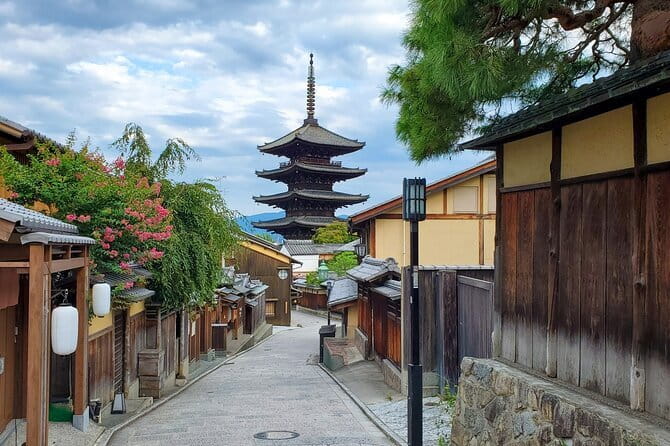
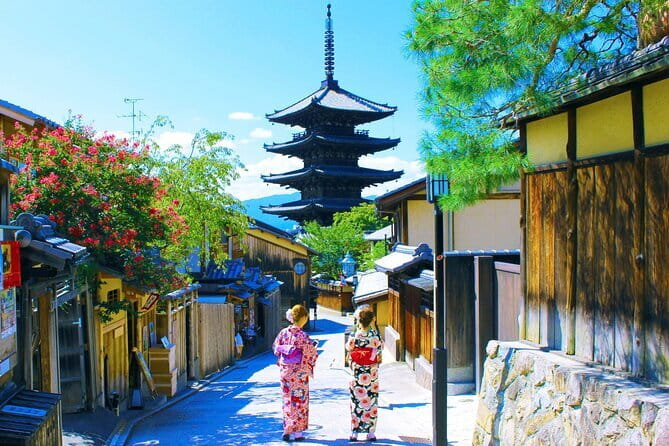
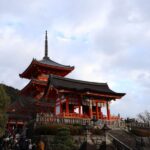
Kiyomizu-dera was founded before Kyoto became the imperial capital, and its position in the Higashiyama preservation area gives the visit extra weight. The temple is linked with Sannenzaka and Ninenzaka, two historic streets known for traditional buildings, shops, and a strong sense of old Kyoto.
The listed visit lasts about one hour. That is enough for the temple and a short look around the nearby streets, but you should not expect a leisurely exploration of every lane, shop, and shrine in Higashiyama. If these streets are a major goal, tell the guide before the day begins.
Kiyomizu-dera requires an admission ticket, which is not included. The area also involves slopes and uneven walking, so comfortable shoes matter. This is one of the places where the guide’s local knowledge can help you decide how much time to spend at the main temple and how much to reserve for the surrounding neighborhood.
Other private tours in Kyoto
Nanzen-ji and the quieter side of Kyoto
Nanzen-ji offers a different mood from the Golden Pavilion and Fushimi Inari. It was founded by Emperor Kameyama after the Mongol invasions, with the emperor seeking lasting peace. The temple is known for Zen traditions, a dry garden, and a garden connected with the former imperial villa.
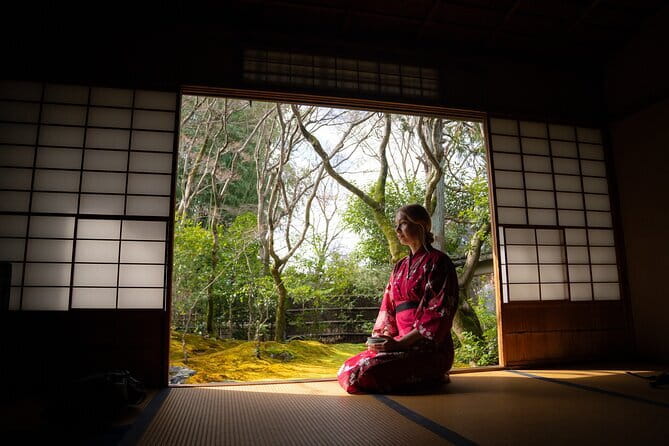
The planned hour here is useful for visitors who want context and calm. Nanzen-ji is not just another stop for a quick photograph. It gives you a chance to ask about Zen design, imperial connections, and the way temple gardens guide attention through space.
Admission is not included. The stop may suit you especially well if you have already seen Kyoto’s most famous postcard sights and want something more reflective. It is also a good place to request a slower explanation of Japanese religious and cultural ideas, topics that can be hard to grasp from signs alone.
Nishiki Market, from food shops to tourist stop
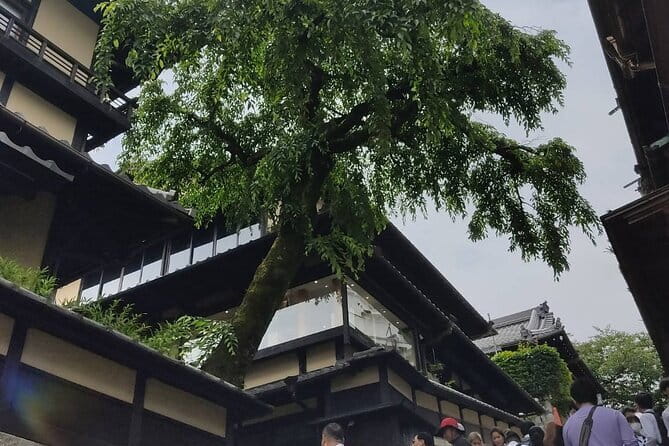
Nishiki Market began as a place where people living nearby bought food for their homes. Today it draws sightseers as well as local shoppers, with food, drinks, and a strong market atmosphere packed into a central Kyoto passage.
The planned visit is only 30 minutes. Think of this as a taste of the market, not a full food crawl. You can look around, ask about ingredients, and note places to return to later, but lunch and snacks are not included.
That short stop can be useful in a packed day. It breaks up the temple visits and gives you a look at everyday food culture. If you are especially interested in cooking or local specialties, ask to spend longer here and shorten another stop. The tour’s custom format is designed for exactly that kind of trade-off.
A flexible day, not a fixed checklist
The five named stops make a sensible first-time Kyoto route, but visiting all of them in one day would require careful planning. The sites are spread across the city, and each transfer uses part of your four-to-nine-hour window.
The tour provider creates a plan from your request. You can focus on famous temples, ask for less familiar streets, build a day around Zen, or request a subject such as Japanese swords. One private outing was organized around a sword-focused interest, showing how specific the planning can become.
You can also decide to end the tour before the full duration or continue until the scheduled end. That is helpful if rain, fatigue, or a late start changes your plans. The experience is described as requiring good weather, so poor conditions may lead to a new date or a full refund.
Do not treat the flexibility as a promise that every stop can fit comfortably. Tell the guide your top two or three priorities. A clear wish list will produce a better day than trying to cover every famous address.
What the guide adds
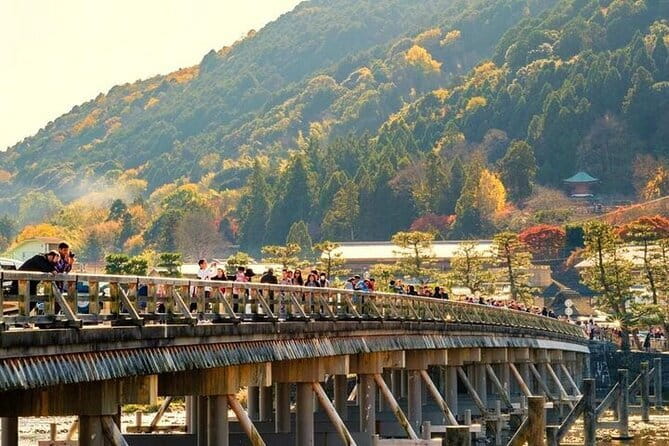
The strongest reason to book a private tour is the conversation. Sho has explained Kyoto’s history and cultural details, answered questions about Japanese swords, and shown quieter areas during routes built around concentrated tourist sights.
You should use that access. Ask why a garden is arranged in a certain way. Ask how a shrine differs from a temple. Ask what customs matter at Fushimi Inari or how to read the visual clues in a Zen garden. These questions turn a sightseeing route into a lesson in how Kyoto works.
The guide can also take photos at no extra charge when asked. That is a useful service for couples, families, and solo visitors who want a record of the day without repeatedly asking strangers to take pictures.
The English-language guiding is included. The tour is private, so only your group participates. That gives families and mixed-age groups more breathing room, though it does not remove the physical demands of walking, stairs, slopes, and public transit.
Timing, fitness, and extra costs
The opening hours listed for this experience are Monday through Friday, 8:00 a.m. to 8:00 p.m., for the stated operating period. The tour normally lasts about four to nine hours. Since the time includes transport to and from the sights, you should think of a full day as a city route, not nine hours inside temples.
Moderate physical fitness is recommended. You will walk through temple grounds, market streets, and historic districts, and some areas include slopes or stairs. Fushimi Inari can become particularly demanding if you continue uphill beyond the lower gates.
Budget for three types of extra cost:
- Admission to Kinkakuji
- Admission to Kiyomizu-dera
- Admission to Nanzen-ji
- Lunch and snacks
- Any private transportation you choose
Fushimi Inari and Nishiki Market are listed as free. Private transportation is not included, so the normal plan uses walking and the supplied eligible bus and metro pass.
You can cancel for a full refund up to 24 hours before the start time. Changes made inside that window are not accepted, and a late cancellation is not refunded. Poor weather may lead to a different date or a full refund.
Who should book this Kyoto tour
I would recommend this experience to a first-time visitor who wants the major sights but also wants explanations tailored to personal interests. It is especially useful for families, couples, and small groups who prefer their own pace over a fixed group schedule.
It also suits repeat visitors. You can skip the obvious temples and ask for a plan built around Zen, Japanese history, traditional streets, or a specific subject such as swords. The private setup gives you a better chance to ask detailed questions without holding up a large group.
I would hesitate if you want a relaxed day with little walking, a fixed food tour, or private car transport. The price does not cover meals, temple tickets, or a private vehicle, and the route can involve a fair amount of movement.
Should you book it?
Book this private Kyoto walking tour if you value flexibility and conversation more than a bargain group excursion. At $130.06 per person, it offers the best value when you use several hours, include multiple members of your group, and arrive with clear interests for Sho to shape into a day.
For a short visit, choose your priorities before booking. Kinkakuji and Fushimi Inari give you Kyoto’s most recognizable sights, while Kiyomizu-dera, Nanzen-ji, and Nishiki Market add history, Zen, neighborhood streets, and food culture. You may not have time to linger everywhere, but a good private guide can help you decide what deserves your attention.
FAQ
How long does the private Kyoto walking tour last?
The experience lasts approximately four to nine hours. The allotted time includes travel to and from the sights.
Is the tour private?
Yes. Only your group participates in the activity.
Is pickup available?
Pickup is offered. The activity ends back at the meeting point.
What transportation is included?
A Kyoto Bus and Metro 1-day pass is included. It does not cover JR, Keihan, Hankyu, Randen, or Kintetsu lines. Private transportation is not included.
Are temple admission tickets included?
No. Admission tickets for Kinkakuji, Kiyomizu-dera, and Nanzen-ji are not included. Fushimi Inari and Nishiki Market are listed as free.
Is lunch included?
No. Lunch, snacks, and drinks are not included.
What happens if the weather is poor?
The experience requires good weather. If it is canceled because of poor weather, you can receive a different date or a full refund.
More Private Tours in Kyoto
More Walking Tours in Kyoto
More tours in Kyoto we've reviewed



Walking Tours, compared.
 ★ 4.7Kyoto Geisha Walking Tour: Gion District & Hidden GemsFrom $252 hours
 ★ 4.7Kyoto: Gion Geisha District Walking Tour – Stories of GeishaFrom $202 hours
 ★ 4.5Night Walk in Gion: Kyoto’s Geisha DistrictFrom $211h 40m
 ★ 5.0Kyoto Gion Geisha District Walking Tour – The Stories of GeishaFrom $25
 ★ 5.0Nishiki Market Brunch Walking Tour (7 Tastings + Brunch)From $68
 ★ 4.9Kyoto: Gion Magical Night Walking Tour with Geisha InsightsFrom $34