
Reviewed · 1-DAY TOURS
Kyoto: Kifune Shrine and the Sacred Kifune Valley Day Trip
Kifune Valley gives you a cooler, quieter side of Kyoto, where mountain streams run beside a forest shrine and the city feels far away. The visit to Kifune Shrine is the heart of the outing, but the train ride and walk through the valley help make the trip feel like more than a quick temple stop.
I like the private group format, which gives you room to ask questions, and I like the rare Mizu-ura fortune ritual, a water-based form of divination that adds something unusual to a standard shrine visit. Guides such as Yoshi and Kisho Hasegawa have earned praise for their kindness and clear explanations.
The main concern is meeting-point confusion. The start point can vary by booking option, and one booking went badly after the group was directed to the wrong place. Check the exact instructions before leaving your hotel, and allow extra time.
In This Review
- Key points at a glance
- Why Kifune Valley makes a good Kyoto escape
- The train ride from Kyoto toward Kifune
- Arriving at Kifune Shrine
- Trying the Mizu-ura water fortune
- Continuing to Nakamiya, the middle shrine
- What the private format changes
- Timing, meeting points, and the return to Kyoto
- Is $81 a fair price?
- Who will enjoy this outing most
- My verdict on the Kifune Shrine tour
- FAQ
- Where does the tour start?
- How long does the activity last?
- Does the tour include a train ride?
- Which shrine does the tour visit?
- What is the Mizu-ura fortune ritual?
- Are meals and drinks included?
- What languages does the guide speak?
- Is this a private tour?
- Is the tour suitable for wheelchair users?
- What should I bring?
- Can I cancel the booking?
Key points at a glance
- Scenic Eizan Railway ride: Travel from Kyoto toward the wooded Kifune Valley by train, rather than making the whole journey feel like a transfer.
- Kifune Shrine in a forest setting: Spend about 30 minutes or more around the main shrine grounds, streams, and wooded paths.
- Nakamiya visit: Continue to the middle shrine for a fuller look at Kifune’s spiritual layout.
- Mizu-ura fortune ritual: Try water divination, a distinctive feature that gives the visit a personal touch.
- Private English or Japanese guide: Guides including Yoshi and Kisho Hasegawa have been praised for warmth and strong cultural explanations.
- Flexible timing: The experience can last from 90 minutes to four hours, so check the exact option before booking.
Why Kifune Valley makes a good Kyoto escape
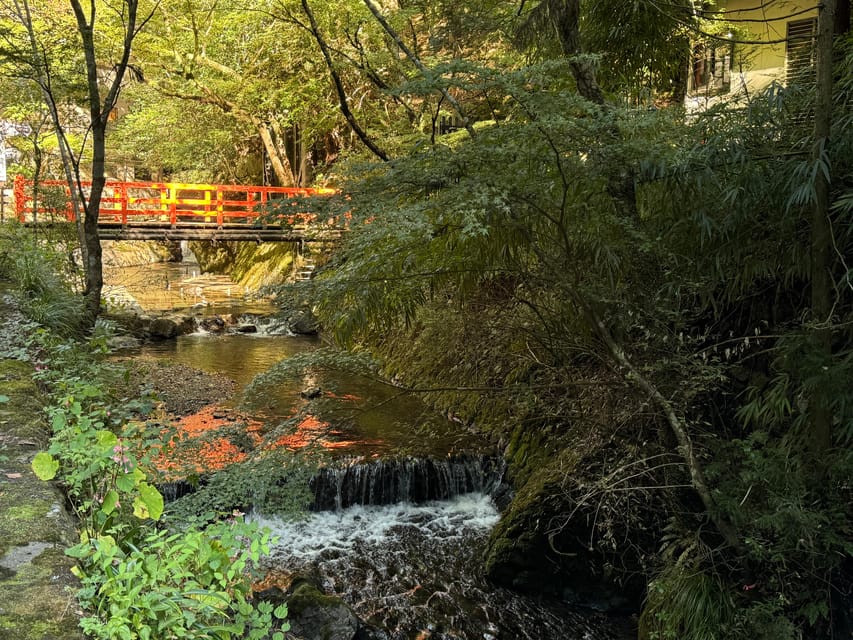
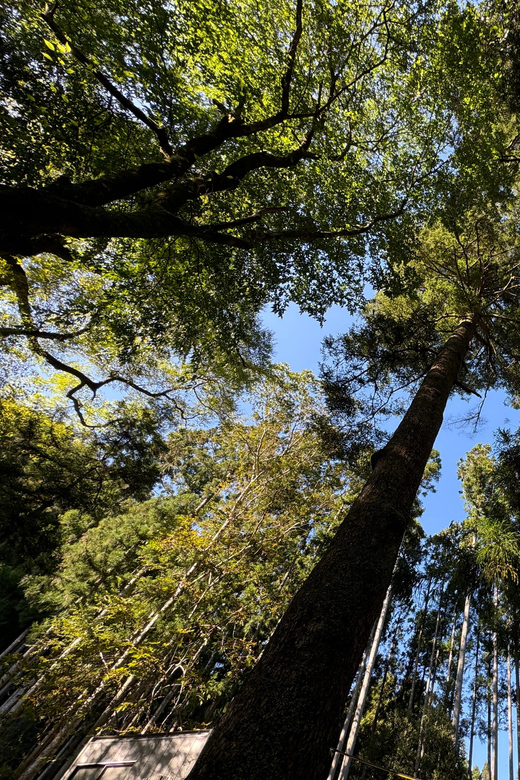
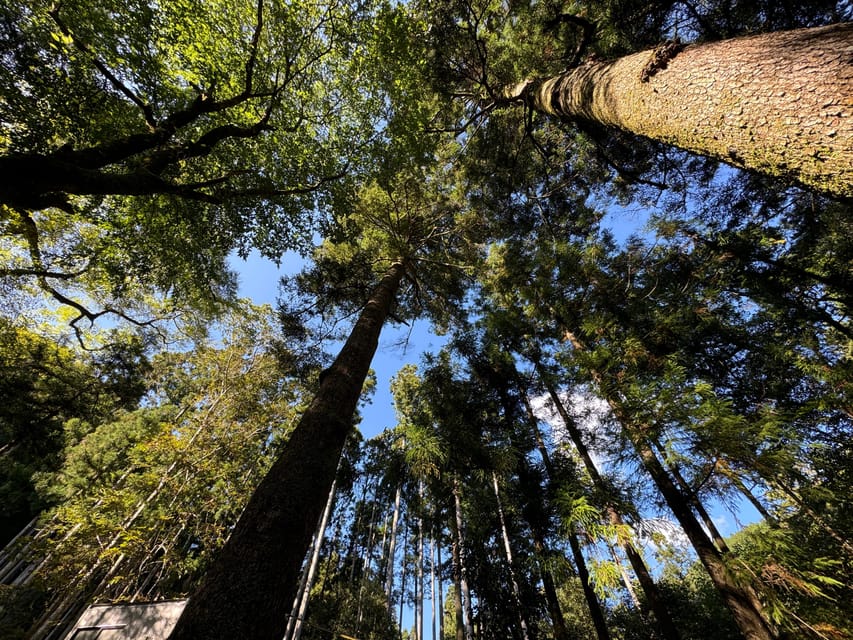
Kyoto is famous for its temples and lanes, but Kifune feels different from the central sights. The valley is defined by clear streams, dense trees, and mountain air, with the shrine placed in a setting that encourages a slower pace.
You are not simply moving from one famous building to the next. The route itself is part of the experience. From Kyoto Station, you make your way to Demachiyanagi Station, then board the Eizan Railway toward Kifune. The train ride gives you a change of scene before you reach the shrine area.
I like that this outing combines three things that can be hard to fit together on your own: transport, a nature walk, and cultural context. You get a practical route into the valley, then a guide who can explain what you are seeing rather than leaving you to guess at the meaning of the shrine buildings.
The setting also makes this a useful break from Kyoto’s crowded central districts. The tour is not built around a long list of attractions. Its appeal is the calm rhythm of the valley and the chance to spend time in one sacred place.
A few more Kyoto tours and experiences worth a look

The train ride from Kyoto toward Kifune
The journey begins near Kyoto Station’s JR West Exit, followed by travel to Demachiyanagi Station. From there, you board the Eizan Railway for the ride toward Kifune-guchi Station.
The train is not presented as a luxury rail excursion, and you should not book this expecting a long sightseeing train with special service. Its value is simpler: it takes you out of the urban center and into a more rural part of Kyoto. You get changing views through the windows and a natural transition from city streets to wooded hills.
This part of the route matters because Kifune is not a quick walk from Kyoto’s main sightseeing area. Having the route organized can save you from sorting out transfers while also trying to arrive at the correct shrine entrance.
Still, pay close attention to the instructions for your chosen option. The tour information lists two possible starting locations, including Kifune Ichinotani Sightseeing Toilet and the Kurama Mountain Da Tengu area. That is unusual enough to deserve careful checking. The exact meeting point may vary, and one booking lost time after the group went to the wrong location.
I would take a screenshot of the meeting details before setting out. If the information seems unclear, contact the provider before the day of the tour. A peaceful outing can become stressful if you begin by searching for the wrong station, toilet, or landmark.
Arriving at Kifune Shrine
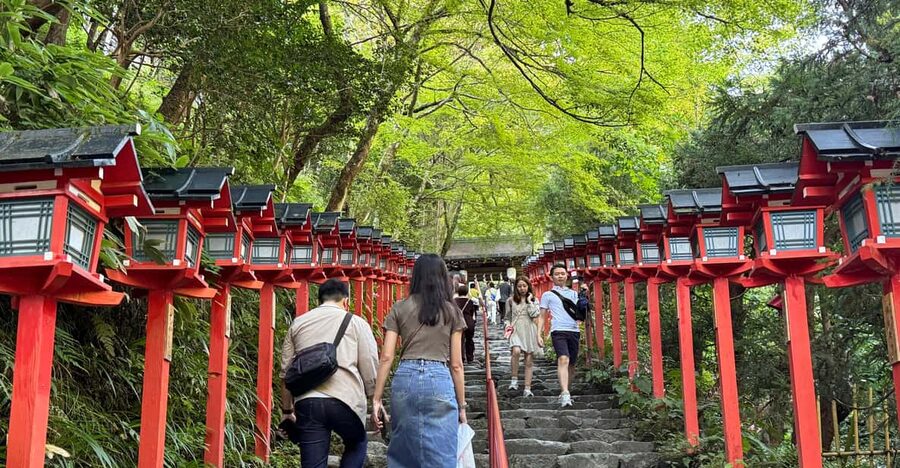
Once you reach Kifune-guchi Station, you continue to the main Kifune Shrine area. The shrine is surrounded by trees and streams, so the arrival feels markedly quieter than central Kyoto.
The main site is the focal point of the guided visit. You can expect about 30 minutes or more exploring the sacred grounds, with the full guided portion listed at roughly 1.5 hours. The exact length depends on the option you book and how the route is organized.
Kifune Shrine has a strong connection to water, which helps explain why the valley setting is so important. The stream beside the shrine is not just pleasant scenery. It gives the visit a clear sense of place and helps you understand why this location carries spiritual weight.
Your guide can add the cultural background that signs alone may not provide. Yoshi has been praised for knowing Japanese history and for treating the group kindly. Kisho Hasegawa has also been singled out for clear guidance and explanations of Japanese culture. Guide availability is not guaranteed, but those names give you an idea of the sort of personal interpretation this private tour aims to provide.
The shrine visit is best approached as a quiet stop, not a rushed photo session. Bring your camera, but also allow time to notice the water, trees, and layout of the grounds. You will get more from the place if you pause between explanations and photographs.
Trying the Mizu-ura water fortune
One of the most unusual inclusions is the Mizu-ura fortune ritual, a form of water divination connected with the shrine’s water theme. The supplied details describe it as a rare experience, making it one of the clearest reasons to choose this tour over a basic visit to Kifune.
The ritual gives you something active to do at the shrine. Instead of only looking at buildings or listening to a guide, you take part in a small spiritual custom. It can make the stop feel more personal, especially if you enjoy learning about local practices through direct experience.
The available information does not specify the exact fee, process, or whether the ritual is available every day. I would ask your guide about those points on arrival rather than assume they are included in every booking. The tour does include the chance to try it, but individual shrine customs can have their own arrangements.
Even if you treat the fortune as a cultural experience rather than a prediction, it adds character to the visit. It is also a good reason to bring a camera, although you should follow the shrine’s rules about photography.
Continuing to Nakamiya, the middle shrine
After the main Kifune Shrine visit, the route includes Nakamiya, the middle shrine. This gives the outing more depth than a stop at the best-known entrance alone.
The middle shrine offers another setting for quiet reflection and a chance to understand the site as a connected sacred area. The tour description presents Nakamiya as a place for a deeper spiritual experience, but the practical benefit is that you see more than one part of Kifune’s religious space.
The route may involve uneven ground, steps, or a fair amount of walking. Wheelchair users are not considered suitable for this activity, and comfortable walking shoes are specifically recommended. If you have mobility concerns, ask for exact route details before booking.
Do not expect the guide to turn Nakamiya into a long lecture. The strength of this stop is its slower pace and quieter surroundings. I would use the time to ask focused questions about the shrine’s purpose, the relationship between the different sites, and the role of water in the area.
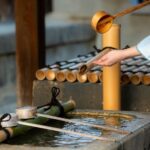
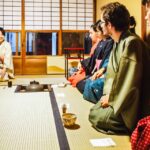
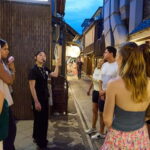

What the private format changes
This is a private-group experience, which can make a real difference in a place built for quiet attention. You are not tied to a large group’s pace, and you can ask your guide to clarify a custom or pause briefly for photographs.
The private format is especially useful if your interests are specific. You might want more explanation about Japanese religious practice, or you might prefer a quieter visit with less commentary. A private guide has more room to adjust than a large scheduled group.
It does not mean the tour will be completely unstructured. The route still follows the planned journey to Kifune Shrine and Nakamiya, and the available duration varies. But the format should feel more personal than a standard group outing.
Language support is available in English and Japanese. That matters here because the value of the experience depends partly on understanding the shrine customs, not just seeing the buildings. The strongest guide feedback is tied to kindness and cultural explanation, so communication is an important part of what you are paying for.
Timing, meeting points, and the return to Kyoto
The published duration ranges from 90 minutes to four hours. That is a wide spread, so do not assume every booking is a full day trip. Some options may focus on the shrine area, while others include more transport or walking time.
The broader schedule describes a return to Kyoto Station by late afternoon, with the outing ending around 16:00. If you have a dinner reservation, train connection, or another major activity, check the exact end time for your selected option.
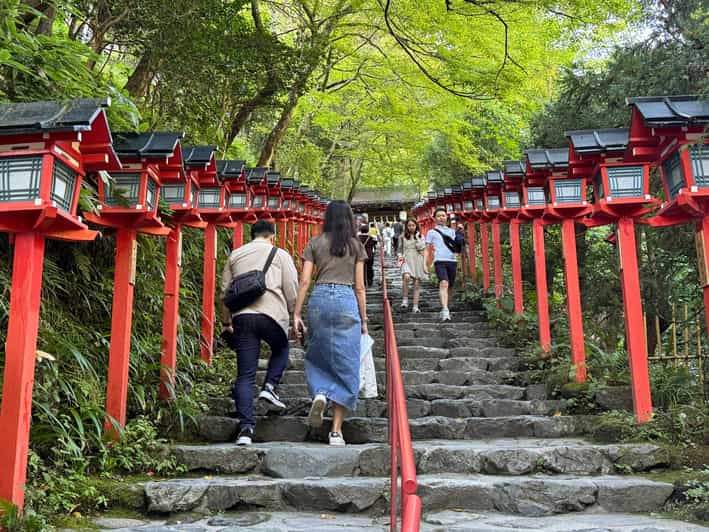
The drop-off information lists two possible locations, Kifune Shrine and the Lantern Staircase. Again, this suggests that the precise route can change by option. Confirm where you will finish and how that fits with your next plan.
The meeting information deserves more attention than usual. The two listed starting points are not interchangeable in practical terms, and a wrong assumption can waste much of your visit. I would verify the location, arrive early, and keep your phone charged.
Is $81 a fair price?
At $81 per person, this tour is not the cheapest way to see Kifune Shrine. You are paying for more than entry to a shrine. The price covers a private guided experience, route assistance, cultural explanation, and the chance to include the Mizu-ura fortune ritual.
The value is strongest if you want help with the journey from Kyoto and prefer not to manage the train route and shrine visit alone. It also makes sense if you care about understanding the religious setting rather than simply taking photographs.
The value is weaker if you are comfortable arranging the train independently and only want a short look at the shrine. Since the listed duration may be as short as 90 minutes, compare the exact option carefully before paying the full price.
Meals and drinks are not included. Bring water, particularly if you expect a longer walk or a warm day. You will also want comfortable shoes, since the valley route and shrine grounds are not suited to people who want to avoid walking.
Free cancellation up to 24 hours before the activity and reserve-now, pay-later booking add useful flexibility. They do not solve the meeting-point issue, however. Read the selected option’s details closely before relying on the flexible booking terms.
Who will enjoy this outing most
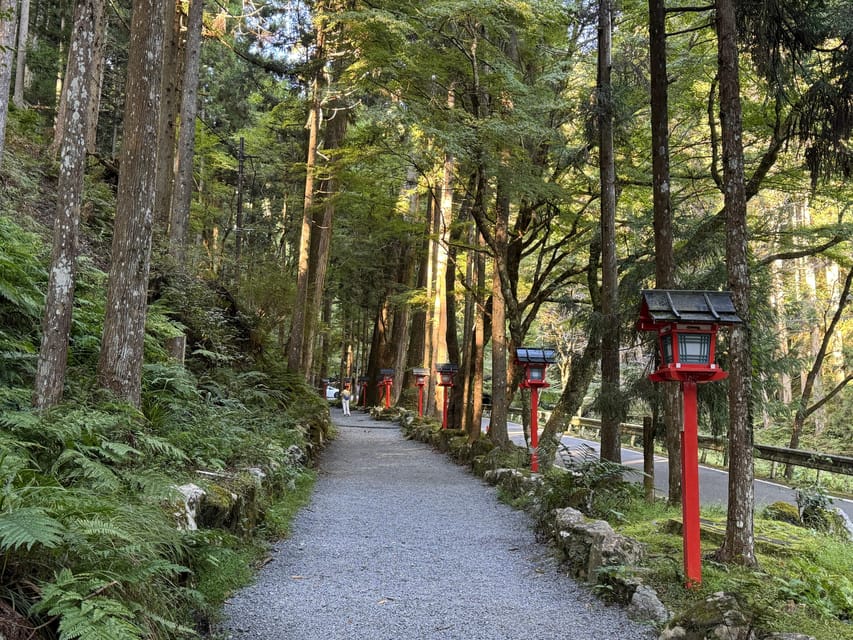
I would recommend this experience to you if you want a quiet cultural side trip from Kyoto and like the idea of combining a train ride with a forest shrine. It suits visitors who prefer one carefully explained site to a packed schedule of famous landmarks.
It is also a good match for people curious about Japanese spiritual customs. The Mizu-ura ritual and the Nakamiya visit add substance beyond the main shrine hall.
Families and couples may appreciate the private format, provided everyone is comfortable walking. Photographers should enjoy the streams, wooded setting, and shrine details, but the tour is not designed as a dedicated photography session.
I would think twice if you need step-free access, dislike variable schedules, or want a highly predictable full-day itinerary. Wheelchair users are specifically excluded, and the duration and meeting point depend on the option selected.
My verdict on the Kifune Shrine tour
Book this tour if you want a calm Kyoto outing with nature, spiritual sites, and a guide who can explain local customs. The strongest reasons to go are the scenic journey, private format, visit to Nakamiya, and rare water fortune ritual.
Before booking, confirm three things: the exact meeting point, the total duration, and the drop-off location. If those details work for your schedule, $81 can be fair value for the convenience and personal guidance.
Skip it if you only want the lowest-cost shrine visit or cannot manage a walking route. For the right visitor, Kifune offers a peaceful change from central Kyoto and a more personal cultural experience than another crowded city attraction.
FAQ
Where does the tour start?
The meeting point may vary by the option you book. Listed starting locations include Kifune Ichinotani Sightseeing Toilet and the Kurama Mountain Da Tengu area, so check your booking details carefully.
How long does the activity last?
The duration ranges from 90 minutes to four hours. Check availability for the exact starting time and length of your selected option.
Does the tour include a train ride?
The route described begins near Kyoto Station, continues to Demachiyanagi Station, and then uses the Eizan Railway toward Kifune-guchi Station.
Which shrine does the tour visit?
The activity includes Kifune Shrine and a visit to Nakamiya, the middle shrine.
What is the Mizu-ura fortune ritual?
It is a water divination experience associated with Kifune Shrine. The tour includes the chance to try this rare ritual, though the available details do not specify its exact process.
Are meals and drinks included?
No. Meals and beverages are not included, so bring water and plan separately for food.
What languages does the guide speak?
Live guiding is available in English and Japanese.
Is this a private tour?
Yes. The activity is offered for a private group.
Is the tour suitable for wheelchair users?
No. The activity is not suitable for wheelchair users.
What should I bring?
Bring comfortable walking shoes, water, and a camera. The route includes shrine grounds and scenic outdoor areas.
Can I cancel the booking?
You can cancel up to 24 hours in advance for a full refund. The activity also offers reserve-now, pay-later booking.
More 1-Day Tours in Kyoto


More tours in Kyoto we've reviewed



1-Day Tours, compared.
 ★ 5.0PERFECT KYOTO 1-Day Bus TourFrom $129
 ★ 4.8Kyoto: Fushimi Inari, Kinkakuji, Bamboo Grove 1 Day Bus TourFrom $122510 minutes - 9 hours
 ★ 5.010 Must-see Spots in Kyoto One Day Private Tour (up to 7 people)From $179
 ★ 4.0Kyoto 1 Day Tour from KyotoFrom $168
 ★ 4.5Kyoto and Nara Day Trip from KyotoFrom $194
 ★ 4.0From Tokyo 1-Day Kyoto English-guided Tour by Bullet TrainFrom $452