
Reviewed · WORKSHOPS
Ramen Broth Class by Michelin Guide Shop & Custom Chopsticks
Making ramen from soup to finished bowl is the heart of this 90-minute class in Kyoto’s Gion district. You prepare the broth, cook fresh noodles from Musoshin’s nearby factory, and finish the bowl with handmade chashu, egg, bamboo shoots, and green onions. The meal at the end is part cooking lesson, part very satisfying lunch.
I especially like the engraved chopsticks, made with your name and placed in a traditional box, and the practical recipe you receive for cooking ramen at home. The class also handles vegetarian, vegan, and gluten-free requests, which is unusually useful for a ramen activity. The main drawback is that children under 10 cannot participate, and the experience is not suitable for wheelchair users.
In This Review
- Key points at a glance
- Why this ramen class is different
- Starting with your name and chopsticks
- Putting on the Musoshin tenugui
- The 40-minute broth lesson
- Fresh noodles and handmade toppings
- Eating the bowl you made
- Is $58 a fair price?
- Who should book this experience?
- Timing and useful planning tips
- My verdict: book it if you want ramen skills, not just ramen
- FAQ
- Where does the ramen class take place?
- How long does the activity last?
- How much does the class cost?
- What languages are spoken during the class?
- Do I get to eat the ramen I make?
- What souvenirs are included?
- What toppings are served with the ramen?
- Are vegetarian, vegan, and gluten-free options available?
- Can children join the class?
- What should I bring and wear?
Key points at a glance
- Make broth from scratch: Spend about 40 minutes learning a simple soup method you can repeat in your own kitchen.
- Use fresh Musoshin noodles: The noodles come from the company’s nearby noodle factory rather than a supermarket packet.
- Take home two personal souvenirs: Your cooking tenugui becomes a keepsake, and your name is engraved on chopsticks.
- Try two kinds of chashu: Choose from pork belly or Musoshin’s tender pork cartilage chashu, prepared only for this experience.
- Meet the Musoshin team: English and Japanese instruction is available, with the owner, Shin-san, involved in teaching.
- Plan for a hands-on class: You will wash your hands, wear an apron, cook the broth and noodles, then eat what you made.
Why this ramen class is different
Many food activities in Japan show you how a dish is assembled. This one takes you closer to the foundation of ramen: the soup. You spend roughly 40 minutes preparing the broth, which gives you time to understand how seasonings and cooking steps shape the finished taste.
That matters because broth is often the part home cooks find hardest to copy. Here, the process is kept simple enough to repeat. The seasonings are not described as rare or impossible to find, and one participant specifically noted that the ingredients can be bought in their home country. You leave with a recipe, not just a full stomach.
Musoshin brings restaurant experience to the lesson. The company’s Toronto restaurant has received Michelin recognition for four years, while the Kyoto class is held in the Gion area. The result is a useful middle ground: you get professional instruction and restaurant ingredients, but the food is still approachable for a home kitchen.
The class is also more personal than a quick bowl at a ramen counter. You do not simply watch a chef assemble dinner. You make the soup, prepare the noodles, add the toppings, and sit down to eat your own work.
Other guided tours in Kyoto
Starting with your name and chopsticks
The experience begins with a small but memorable craft activity. You give the team your name, then use a special machine to engrave it onto a pair of chopsticks. The chopsticks are placed in a traditional Japanese box, colored, and presented as a personal souvenir.
This is a smart first step. The chopsticks are useful, easy to pack, and tied directly to your time in Kyoto. They do not feel like a generic shop purchase because your name is part of the design. If you are collecting practical souvenirs rather than ornaments, this is one of the strongest parts of the experience.
The class also includes a photo spot with a special effects theme. It gives you a quick chance to take pictures before cooking begins. Bring a camera or phone, but keep the focus on the food lesson. The photo area is an extra, not the reason to book the activity.
One detail is worth noting: painted items may be shipped to your next hotel if you request delivery, but shipping is not included in the price. Ask about that cost before choosing delivery.
Putting on the Musoshin tenugui
Next, you receive a Musoshin tenugui, a traditional Japanese cloth often used as a head towel. You wrap it around your head, put on a Musoshin apron, and get ready to work.
The tenugui becomes your souvenir after the cooking is finished. I like this better than a disposable costume because the cloth has a second life after the class. You can use it as a kitchen towel, head covering, or simple reminder of the meal.
After changing, you wash your hands thoroughly. That may sound like a minor step, but it sets the tone for the class. You are handling broth, noodles, and toppings, so the activity feels like real food preparation rather than a staged demonstration.
Comfortable clothes are the right choice. The class involves cooking and wearing an apron, and there is no reason to dress up for it. The supplied information does not mention lockers or changing facilities, so carry only what you need.
The 40-minute broth lesson
The main lesson is the soup. A professional chef leads you through the method and explains how to make a flavorful ramen broth without turning the process into an all-day project.
About 40 minutes of the 90-minute class is devoted to completing the soup. That is a substantial portion of the activity, and it is good news if your goal is to gain a skill rather than only eat ramen. You have time to follow the steps and ask questions in English or Japanese.
Shin-san, the owner of Musoshin Ramen, has been involved in teaching the class. His patient style was specifically appreciated by one participant, while another noted that the team gave useful insight into traditional ramen. The class is therefore suited to curious beginners who want clear guidance, not just a chef showing off fast knife work.
The method is designed for home use. You are not expected to recreate a restaurant kitchen. The seasonings are presented as ingredients you can find outside Japan, and the recipe is provided at the end. That gives this activity lasting value: you can test the method at home and make ramen for family or friends.
Still, keep your expectations realistic. You will learn one practical ramen broth approach, not every regional style or secret behind all Japanese ramen. If you already make ramen often, you may find the basic method less challenging. For most people, though, the simple format is a strength.
Fresh noodles and handmade toppings
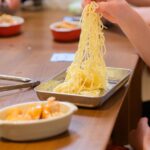
Once the broth is ready, you cook the noodles. These are fresh, homemade noodles made at a nearby Musoshin noodle factory. That detail changes the meal. Fresh noodles have a different feel from dried noodles, and cooking them yourself lets you see how the final texture depends on timing.
You should pay attention during this stage. Noodles do not wait patiently, and they are best eaten soon after cooking. The activity moves from lesson to meal fairly quickly once the broth is complete.
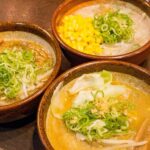
The toppings come from the nearby Musoshin Gion restaurant and are handmade by the chefs. You get seasoned soft-boiled egg, bamboo shoots, and green onions, along with a choice of two chashu preparations.
The first is pork belly chashu, prepared over a full day in the kitchen. It offers the familiar rich, tender style many people expect in a bowl of ramen. The second is pork cartilage chashu, pressure-cooked for two hours and seasoned with Musoshin’s special sauce. This version is available only here, making it the more unusual choice.
That pork cartilage option is a good reason to ask questions before you choose your toppings. If you like trying a regional or restaurant-specific specialty, it is the obvious pick. If you prefer a classic, familiar ramen topping, pork belly is the safer choice.
A few more Kyoto tours and experiences worth a look

Eating the bowl you made
The payoff arrives when the broth, noodles, and toppings come together. You eat the ramen you prepared yourself, with the finished bowl including chashu, egg, bamboo shoots, and green onions.
The pleasure here is not only flavor. You have spent time building the soup, so you notice the result more closely. A bowl made by your own hands often feels more memorable than one ordered in a restaurant, even when the recipe is straightforward.
You also get to eat ramen prepared with restaurant-level ingredients. The fresh noodles and handmade toppings keep the final meal from feeling like a basic cooking-school sample.
The class can accommodate vegan and vegetarian diners, including broth options, not just meat-free toppings. Gluten-free options are also available. This is one of the activity’s most practical strengths, but you should state your dietary needs when booking or before the cooking begins so the team can prepare the correct version.
Is $58 a fair price?
At $58 per person, this is not the cheapest ramen meal in Kyoto. A normal bowl costs much less, and Gion has plenty of places where you can eat well without taking a class.
The price makes more sense when you count the full package. You receive a 90-minute lesson, a complete ramen meal, the recipe, a Musoshin tenugui, and personalized chopsticks. You are also paying for instruction from a working ramen business, fresh noodles, handmade toppings, and the chance to ask questions.
The chopsticks and tenugui add real value because they are usable souvenirs. If you would buy a small Japanese gift anyway, the class combines that purchase with an activity and meal.
I would book this for the experience, not as a budget lunch. You are paying for participation, guidance, and the memory of making the dish. If your only goal is to eat excellent ramen, visit the Musoshin restaurant instead. If you want to understand how the broth works and take home something personal, the price is reasonable.
Who should book this experience?
This class is a good fit for first-time visitors who want an activity linked to Japanese food culture. It also suits home cooks, ramen fans, and couples or friends looking for something more active than a restaurant meal.
The recipe makes it especially useful for anyone who wants to continue the experience after Japan. You can try the method at home, use the personalized chopsticks, and remember the class each time you prepare noodles.
It is also a strong choice for mixed-diet groups because vegetarian, vegan, and gluten-free options are available. That flexibility is not always easy to find in a ramen setting.
Families should note the age rule. Children under 10 cannot participate. The experience is also not suitable for wheelchair users, so check your needs carefully before booking.
The class is taught in English and Japanese. The team has been described as friendly and patient, and the English support makes it workable for international visitors who do not speak Japanese.
Timing and useful planning tips
The class lasts 90 minutes, so it fits well into a half-day plan in Gion. Check the available starting times when booking, since the schedule can vary.
Allow a little breathing room around the activity. You will want time to arrive at the correct meeting point, especially because the meeting location may vary by the option selected. Do not assume every booking uses the same starting place.
Wear comfortable clothes and bring a camera. The tenugui and apron add to the fun, but this is still a food preparation class, so practical clothing is best.
Cancellation is flexible if your plans change: you can cancel up to 24 hours before the activity for a full refund. You can also reserve now and pay later, which helps if you are still arranging a Kyoto itinerary.
My verdict: book it if you want ramen skills, not just ramen
I recommend this class if you want to learn a repeatable broth method, eat a bowl built with fresh Musoshin ingredients, and bring home souvenirs connected to the activity. The personalized chopsticks, reusable tenugui, and recipe give it more staying power than a meal alone.
The strongest reasons to book are the simple home recipe, the rare vegan and vegetarian broth choices, and the chance to try Musoshin’s pork cartilage chashu. The main reasons to skip it are the price compared with an ordinary bowl, the age restriction, and the lack of wheelchair suitability.
For a food-focused morning or afternoon in Gion, this is a thoughtful choice. You leave with a full meal, a useful new skill, and chopsticks that carry your name.
FAQ
Where does the ramen class take place?
The class takes place in Kyoto’s Gion district on Honshu, Japan. The exact meeting point may vary depending on the option booked.
How long does the activity last?
The experience lasts 90 minutes. About 40 minutes is used to complete the ramen broth.
How much does the class cost?
The listed price is $58 per person.
What languages are spoken during the class?
Instruction is available in English and Japanese.
Do I get to eat the ramen I make?
Yes. You eat the ramen you prepare during the class.
What souvenirs are included?
You receive the Musoshin tenugui used during the cooking activity, plus chopsticks engraved with your name. The chopsticks are placed in a traditional Japanese box and colored.
What toppings are served with the ramen?
The bowl includes handmade chashu, a seasoned soft-boiled egg, bamboo shoots, and green onions. The chashu choices are pork belly or pork cartilage.
Are vegetarian, vegan, and gluten-free options available?
Yes. Vegetarian and vegan options are available for the broth as well as the toppings, and gluten-free options are offered.
Can children join the class?
Children under 10 years old cannot participate.
What should I bring and wear?
Bring a camera and wear comfortable clothes. Shipping costs for painted items delivered to your next hotel are not included.
More Workshops & Classes in Kyoto
More Guided Tours in Kyoto


More tours in Kyoto we've reviewed




Workshops, compared.
 ★ 4.3Kyoto: 45-Minute Tea Ceremony Lesson ExperienceFrom $2245 min
 ★ 5.0Ramen Cooking Class at Ramen Factory in KyotoFrom $131
 ★ 4.9Kyoto: Ramen Cooking Class at a Ramen Factory with SouvenirFrom $1271h 30m
 ★ 4.9Kyoto: Samurai Class, Become a Samurai WarriorFrom $70
 ★ 5.0Ninja 1-hour Hands-on Lesson by Japanese master in Kyoto -EntryFrom $80
 ★ 5.0Kyoto: Ramen, Gyoza, and Onigiri Cooking ClassFrom $901h 30m