
Reviewed · ARASHIYAMA & BAMBOO TOURS
Arashiyama Hidden Gems: Walking Tour escaping crowds
The best part of this Arashiyama walk is that it does not stop at the famous bamboo grove. Guide Yusuke Tanaka takes you from Nonomiya Shrine into quieter temple grounds, an old imperial residence, and Osawa Pond, giving you a fuller picture of this famous Kyoto district.
I like the small maximum of six people, which should make questions, photos, and changes of pace easier. I also like the literary angle: choose the Tale of Genji option and Yusuke adds context about the places connected with Japan’s classic novel.
The main concern is the walking. You cover about 3 kilometers over roughly 55 minutes of walking, with the full outing taking close to four hours. On a warm day, that can feel long, especially since one participant aged 68 found the route tiring. Wear comfortable shoes, bring water, and take the pace seriously.
In This Review
- Key points at a glance
- Why this Arashiyama walk feels different
- Nonomiya Shrine and its black torii
- The bamboo forest, with time to look up
- Seiryoji Temple and a 1,200-year story
- Daikakuji, the former Saga Gosho
- Osawa Pond and the quietest part of the route
- The Tale of Genji option explained
- What the $89 price really includes
- Timing, fitness, and what to bring
- Who will enjoy this tour most
- Should you book the Arashiyama Hidden Gems walk?
- FAQ
- How long does the Arashiyama walking tour take?
- What places are included in the route?
- Is the Tale of Genji option a different itinerary?
- Are temple admission fees included?
- Do I need to remove my shoes?
- Where does the tour end?
Key points at a glance
- A quieter route through Arashiyama: You see the bamboo forest, but much of the tour moves toward calmer temples and pond scenery.
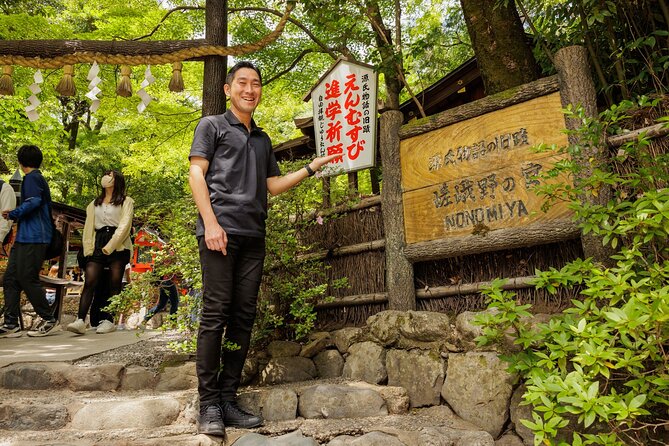
- Yusuke Tanaka leads the walk himself: He has guided more than 3,000 people and includes help with taking photos.
- Five very different stops: The route links a shrine, bamboo grove, historic temple, former imperial palace, and old artificial pond.
- Optional Tale of Genji storytelling: The literary option visits the same places but adds explanations of their connection to the novel.
- Budget extra ¥1,300 or more for admission: Temple and pond tickets are not included, and Japanese snacks cost about ¥500 if you want them.
- A small-group outing with a practical finish: The walk ends at Daikakuji, and Yusuke can lead you back to the starting point for free if you prefer.
Why this Arashiyama walk feels different
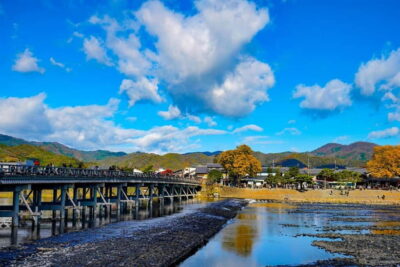
Arashiyama is famous for a few postcard views: the bamboo forest, Togetsukyo Bridge, and the wooded hills across the river. Those sights are worth seeing, but the center can become crowded and hurried. This tour uses the bamboo grove as one part of a longer route rather than treating it as the whole show.
That matters because Arashiyama makes more sense when you see how its shrines, temples, ponds, and former court residences fit together. The route moves away from the busiest core and gives you time to look at architectural details, garden design, religious customs, and seasonal scenery.
Yusuke guides the tour himself. His background includes more than 3,000 people guided in Kyoto, and the structure of this walk suggests a guide who enjoys explaining details rather than simply pointing out photo stops. He also helps with photographs and supplies an original booklet of about 15 pages, useful if you want something to keep after the walk.
The group size is limited to six. That is a real advantage in temple interiors, where a large group can feel clumsy. It also gives you a better chance to ask about shrine etiquette, Buddhist statues, or the Tale of Genji without waiting for a crowd to move along.
A few more Kyoto tours and experiences worth a look
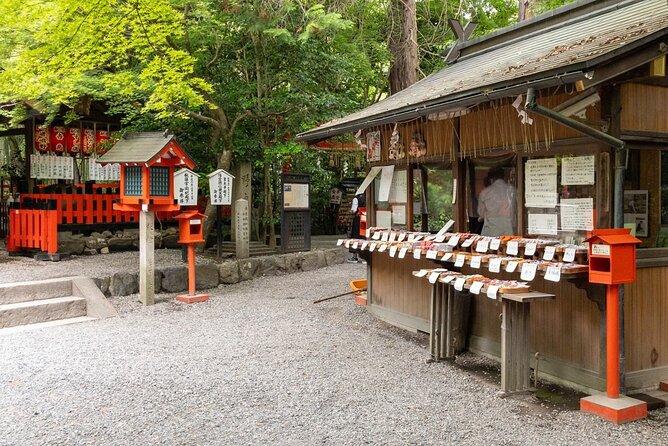
Nonomiya Shrine and its black torii
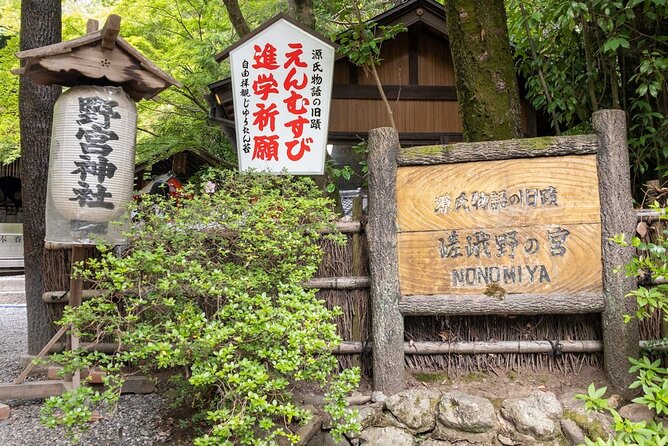
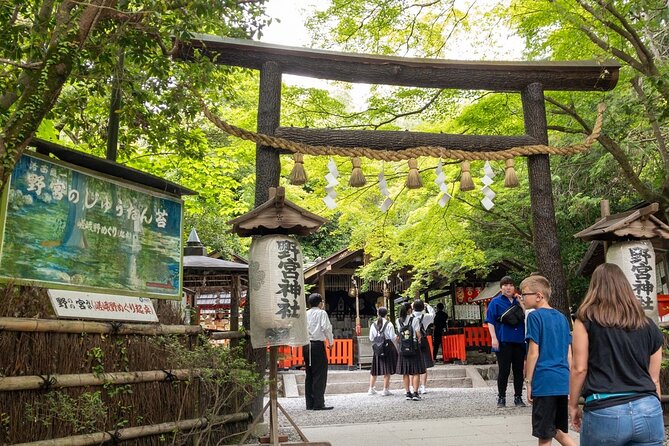
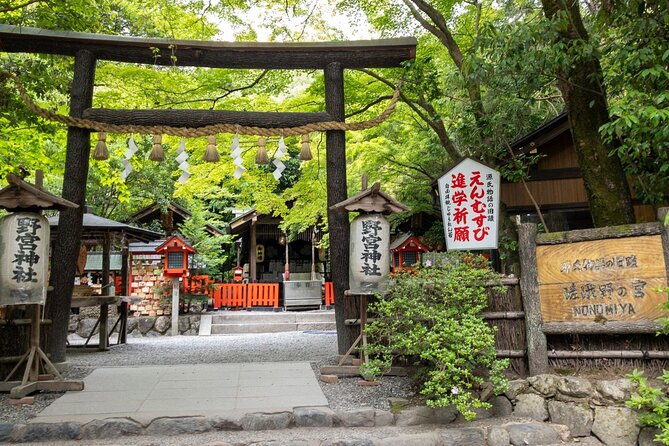
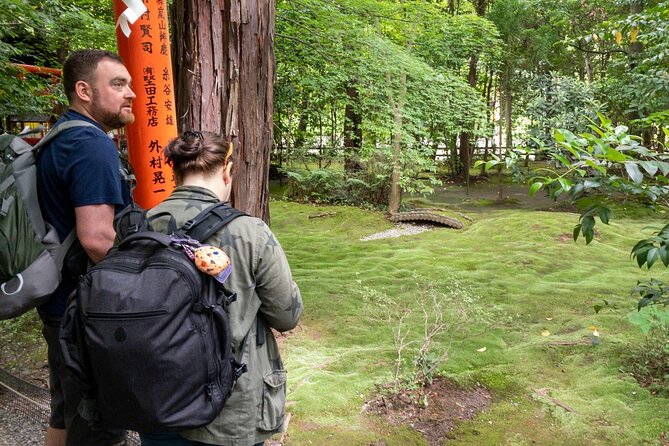
The first stop is Nonomiya Shrine, where Yusuke explains how to visit and pray at a Japanese shrine. You will also learn the difference between a shrine and a temple, a basic distinction that makes later stops easier to understand.
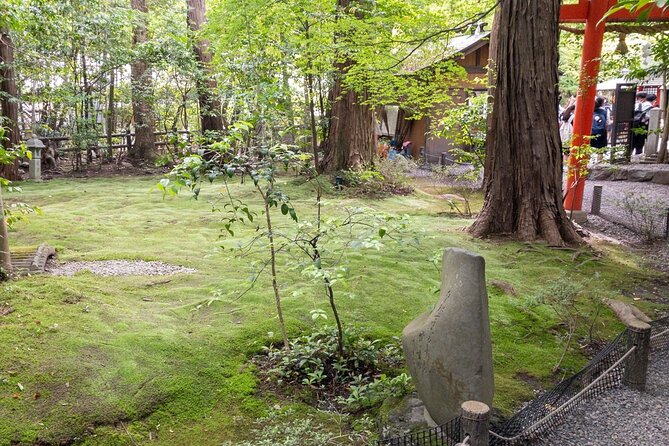
Nonomiya is especially notable for its black wooden torii gate. The tour describes it as one of only two shrine gates of its kind in Japan. Along with the gate, you see a beautiful moss garden, giving the opening stop a quiet, finely framed feel.
The 30-minute visit is a good length. You have enough time to understand the setting and practice the proper approach without spending too long on introductory material. If you have never visited a Japanese shrine before, the etiquette guidance can be more useful than another quick photograph.
This is also where the literary theme begins to make sense. Several places on the route, excluding the bamboo forest, appear in The Tale of Genji. If you select that option, Yusuke explains the historical and literary setting as you go. You visit the same locations either way, so the choice comes down to how much storytelling you want.
The bamboo forest, with time to look up
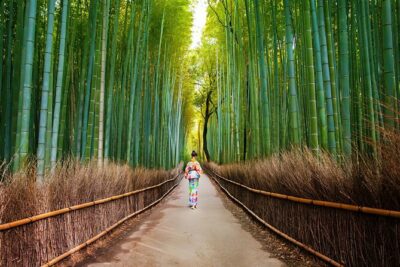
The bamboo forest receives only about 15 minutes. That may sound brief, but it is a sensible choice for a route designed to avoid spending the entire morning in one crowded corridor.
You get time to enjoy the sound of the bamboo, take photographs, and have Yusuke help with memorable pictures. The short stop keeps the outing moving and prevents the famous grove from overwhelming the rest of Arashiyama.
The practical point is to keep your expectations in check. This is not a dedicated photography session or a long solitary walk beneath the bamboo. It is a guided introduction, followed by places where you can slow down and see a quieter side of the district.
Seiryoji Temple and a 1,200-year story
Seiryoji gives the tour more weight. The temple was originally built about 1,200 years ago, while the present buildings date from roughly 300 years ago. That distinction is useful: what you see today is not the original structure, but it carries a long religious and architectural tradition.
The visit lasts about 55 minutes. Yusuke introduces the temple and points out a Japanese national treasure, the Shaka Nyorai Buddhist statue. The stop also gives you time to experience an older temple setting rather than viewing it from the road.
You must remove your shoes to enter the temple. Wear socks you are comfortable being seen in, and choose footwear that comes off easily. This is a small practical detail, but it affects how relaxed you feel during the visit.
Seiryoji is one of the places where the guide’s explanation matters most. Without context, a temple can become a series of rooms, statues, and unfamiliar customs. With a local guide, you can connect the building, the statue, and the act of entering the space.
Admission is not included. The supplied cost information lists ¥500 for Seiryoji, so keep that amount ready.
Daikakuji, the former Saga Gosho
Daikakuji is the longest-feeling destination on the route, with about 50 minutes set aside. It began as a former imperial residence called Saga Gosho, built about 1,200 years ago. That gives the visit a different character from Seiryoji, even though both are temple sites today.
The attraction here is the chance to walk through a traditional imperial setting without the same pressure found in Kyoto’s most famous sights. Rooms, corridors, and garden views help you picture how court life and religious life overlapped in old Japan.
Again, shoes come off inside. You should be ready for a more measured visit, with time spent noticing interior details rather than rushing from one exterior view to the next.
Daikakuji is also the end point of the tour. This is convenient if you plan to continue in the Saga area, but less convenient if your plans require you to return immediately to central Arashiyama. Yusuke offers a free walking route back to the starting point if you prefer, so the tour does not leave you to solve that return journey alone.
Admission costs are extra. The stated amount for Daikakuji and Osawa-no-ike Pond together is ¥800 per person. Since the separate pond information lists a ¥300 ticket, I would confirm the current combined or individual fee when booking.
Other walking tours we've reviewed in Kyoto

Osawa Pond and the quietest part of the route
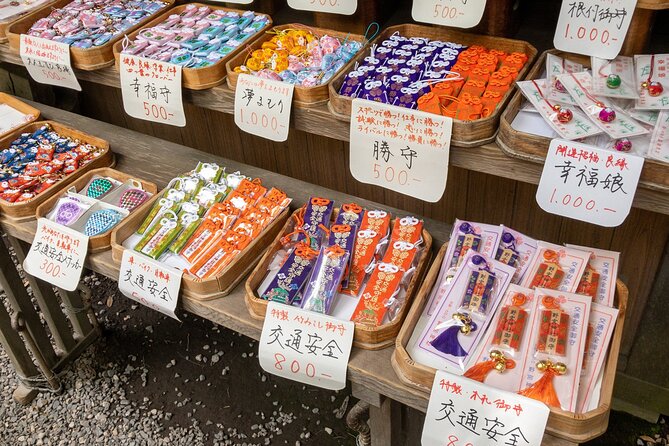
Osawa Pond, also called Osawa-no-ike, is described as Japan’s oldest artificial pond. It is a peaceful closing stop, with seasonal views and a quiet bamboo area that feels far removed from the main Arashiyama photo rush.
The visit lasts about 20 minutes. That is enough for a look around and some photographs, though you should not expect a long circuit of the pond. The appeal is the setting: water, trees, and old courtly associations provide a slower ending after the temples.
There are not many restaurants around the end point. Bring a snack if you tend to get hungry, especially if you are taking the full four-hour version at a relaxed pace. Optional Japanese snacks during the tour cost about ¥500, but food is not included in the price.
The Tale of Genji option explained
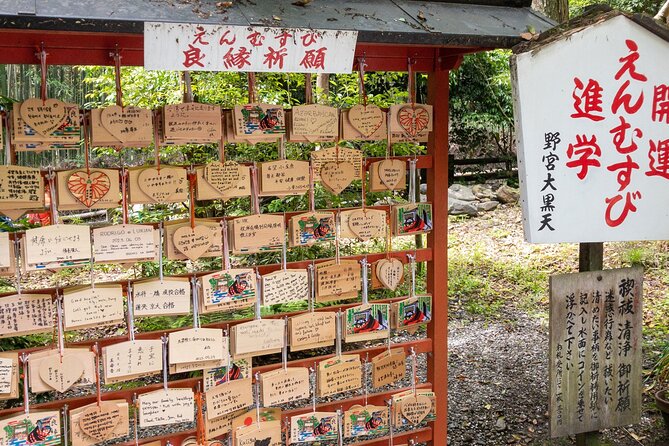
The literary option is not a different route. Both choices visit Nonomiya Shrine, the bamboo forest, Seiryoji, Daikakuji, and Osawa Pond. The difference is the amount of explanation Yusuke gives about The Tale of Genji and the places connected with it.
If you have read the novel, this could add a meaningful layer to the walk. You can connect real temples, gardens, and court settings with the world of the characters. The route becomes more than a sightseeing loop.
If you have not read the book, you can still choose the standard version and focus on the religious sites, architecture, and scenery. The literary option is best for people who enjoy historical stories and want more interpretation, not for someone looking only for a fast walk through the main sights.
What the $89 price really includes
At $89 per person, this is not a low-cost way to see Arashiyama. The value comes from the time, small group, local guiding, and route planning rather than from included admissions.
Your fee covers Yusuke’s guiding, the original 15-page booklet, and help taking photographs. You will pay extra for temple and pond entry, listed as ¥800 for Daikakuji and Osawa-no-ike together and ¥500 for Seiryoji. Japanese snacks are optional at about ¥500, and insurance is not included.
That makes the tour best suited to someone who wants interpretation and a calmer route, not someone who simply needs transport between famous sights. If you would otherwise visit these places independently, the added cost buys you structure, etiquette help, historical explanation, photo assistance, and a return walk option.
The advance booking pattern is also worth noting. This outing is booked about 25 days ahead on average, so I would not leave it until the last moment if your Kyoto dates are fixed. The group limit of six can fill quickly.
Timing, fitness, and what to bring
The tour is advertised at three to four hours, with the practical expectation being about four hours. Walking time is included in that total, and the route covers about 3 kilometers, with approximately 55 minutes of actual walking.
That distance is not extreme, but the day includes several temple visits, standing, stairs or uneven surfaces may be present, and two sites require removing shoes. Warm weather can make the route feel longer. If you are 68 or older, have limited stamina, or dislike extended walks, ask about pacing before you commit.
Bring:
- Comfortable walking shoes that are easy to remove
- Water, especially in warm weather
- A small snack if you may need food near the finish
- Socks suitable for temple interiors
- Money for admissions and optional snacks
- Your mobile ticket
The tour requires good weather. If poor weather causes cancellation, you are offered another date or a full refund. Free cancellation is available up to 24 hours before the start time. Changes or cancellations within 24 hours are not accepted, so keep an eye on the forecast.
Who will enjoy this tour most
I would choose this walk if you have already seen Kyoto’s headline sights and want a more thoughtful day in Arashiyama. It also suits a first-time visitor who prefers a guide to explain shrine customs, Buddhist spaces, and the district’s connection to court culture.
The Tale of Genji option is a strong match for anyone who has read the novel or enjoys seeing literature connected to real places. The standard option suits people more interested in gardens, temples, photographs, and local history.
The tour is less suitable if you want a quick bamboo forest visit, a shopping-focused outing, or a completely flexible schedule. The route has a set structure, additional admission costs, and a definite finish at Daikakuji unless you take the offered walk back.
The 4.9 rating from 14 ratings and 100 percent recommendation indicate a very positive early record, but the sample is small. I would put more weight on the clear route, small group, and practical details than on the number alone.
Should you book the Arashiyama Hidden Gems walk?
Book it if you want to understand Arashiyama beyond its most photographed path. Yusuke Tanaka’s route combines the bamboo forest with Nonomiya Shrine, Seiryoji, Daikakuji, and Osawa Pond, and the small group should make the explanations and photo help feel personal.
Skip it if you want a cheap, short outing or if four hours of walking sounds tiring. For the right person, the $89 price is reasonable because it buys access to quieter places and a guide who connects them. Just budget for the extra tickets, bring water and a snack, and select the Tale of Genji option only if that kind of storytelling appeals to you.
FAQ
How long does the Arashiyama walking tour take?
The tour takes about three to four hours, with the practical estimate being close to four hours. Walking time is included, and the route covers about 3 kilometers with about 55 minutes of walking.
What places are included in the route?
The route visits Nonomiya Shrine, the Arashiyama Bamboo Forest, Seiryoji Temple, Daikakuji Temple, and Osawa-no-ike Pond.
Is the Tale of Genji option a different itinerary?
No. Both options visit the same locations. The Tale of Genji option adds more literary and historical explanation connected with the novel.
Are temple admission fees included?
No. Admission is not included. The stated additional fees are ¥500 for Seiryoji and ¥800 for Daikakuji Temple and Osawa-no-ike Pond together. The pond information also lists a ¥300 ticket, so confirm the current fee when booking.
Do I need to remove my shoes?
Yes. You must remove your shoes when entering Seiryoji Temple and Daikakuji Temple.
Where does the tour end?
The tour ends at Daikakuji Temple. If you want to return to the starting point, Yusuke offers a free walking route back.
More Walking Tours in Kyoto
More Arashiyama & Bamboo Tours in Kyoto
More tours in Kyoto we've reviewed


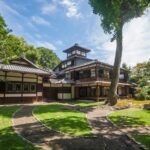
Arashiyama & Bamboo Tours, compared.
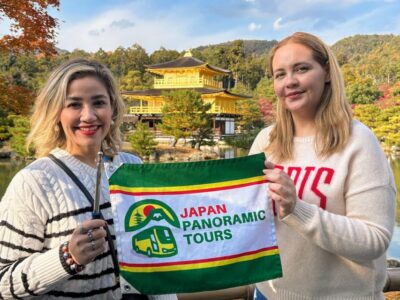 ★ 4.8Kyoto: Fushimi Inari, Kinkakuji, Bamboo Grove 1 Day Bus TourFrom $122510 minutes - 9 hours
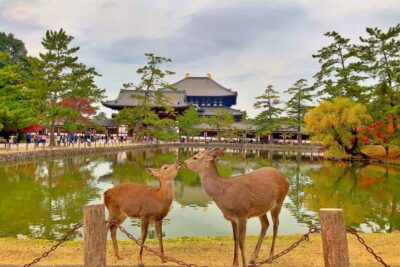 ★ 4.1Osaka/Kyoto:Kinkakuji,Arashiyama,FushimiInariShrine,NaraParkFrom $66
 ★ 4.7Kyoto/Osaka: Nara, Fushimi Inari Taisha, Arashiyama Bus TourFrom $529 - 10 hours
 ★ 5.0Kyoto Arashiyama Walking Tour: Bamboo, Monkeys, Gardens & SecretsFrom $65
 ★ 4.8Arashiyama Bamboo, Temple, Monkeys, or Secret Sake BreweryFrom $875 hours - 330 minutes
 ★ 4.4Osaka/Kyoto: Arashiyama, Nara & Fushimi Inari Shrine w/LunchFrom $61