
Reviewed · NARA DAY TRIPS
One-Day Walking Tour of Amazing 8th Century Capital Nara
Nara’s greatest hits come together in one long, well-planned day: old merchant houses, lantern-lined shrine paths, freely roaming deer, and Todai-ji’s enormous bronze Buddha. The tour gives you a private guide and a clear route through Japan’s 8th-century capital, so you can focus on the sights instead of sorting out trains, roads, and temple grounds.
I like the mix of street life and major monuments, especially the opening walk through Naramachi before the crowds and scale of Todai-ji. I also like the human touch: guides such as Satomi, Tomoko, Fumiko, Noriko, and Fuji have been praised for explaining culture clearly, helping with mobility concerns, and adjusting when a group wanted to add the Nara National Museum or find dinner.
The main consideration is cost. At $137.17 per person, this is not a budget day out, and you still pay about ¥2,000 for public transportation and ¥1,500 for entrance fees. The private format offers comfort and flexibility, but visitors looking for a cheap, tightly scheduled group excursion may find better value elsewhere.
In This Review
- Key points to know before booking
- Why Nara works so well as a full-day outing
- Naramachi: old merchant houses and a slower start
- Kasuga Grand Shrine: lanterns, lineage, and ritual
- Todai-ji: the day’s biggest visual moment
- Meeting Nara’s freely roaming deer
- What the private format really gives you
- Timing, transport, and the real price
- Who will get the most from this Nara day
- Weather, cancellation, and planning tips
- Should you book this private Nara walking tour?
- FAQ
- How long does the Nara walking tour last?
- What time does the tour begin?
- Is this a private tour?
- What places are included in the route?
- Is a guide included?
- Are entrance fees included?
- Is public transportation included?
- Does the tour include a meal?
- Can service animals join the tour?
- Can I cancel for a full refund?
Key points to know before booking
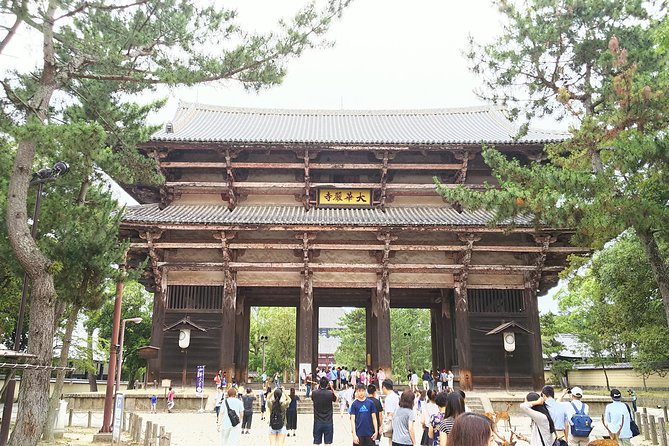
- Todai-ji is the headline stop: See one of Japan’s most important temples and its huge wooden hall with a giant Buddha.
- Naramachi begins the day with local texture: Explore traditional latticed merchant houses, some more than a century old.
- Nara Park’s deer are part of the route: You have a chance to see the animals roaming freely around the historic sites.
- Your group gets a private guide: Only your party participates, which makes questions and pacing easier.
- The guides add real value: Satomi, Tomoko, Fumiko, Noriko, and Fuji are singled out for clear explanations and flexible help.
- Budget for extras: Transportation costs about ¥2,000 per person, while Todai-ji and Kasuga Taisha entrance fees total about ¥1,500 per person.
Why Nara works so well as a full-day outing
Nara was Japan’s capital in the 8th century, long before Tokyo took the role and before Kyoto became the country’s best-known historic city. That early capital status left behind temples, shrines, old neighborhoods, and stories tied to court families and Buddhist power.
This tour gives you about eight hours to connect those pieces. Instead of treating Nara as a quick stop for one temple and a few deer photos, you move through three different settings: the merchant quarter of Naramachi, the sacred grounds of Kasuga Grand Shrine, and the monumental Buddhist complex of Todai-ji.
I like that order. Naramachi starts at street level, where the history feels domestic and lived-in. Kasuga shifts the mood toward forest and ritual. Todai-ji finishes with a grand architectural punch.
The private format matters here because Nara’s historic sites cover a broad area. You do not have to keep checking a map or wonder how the old neighborhood connects to the shrine and temple. Your guide handles the route and supplies the historical links that make the sites easier to understand.
A few more Kyoto tours and experiences worth a look
Naramachi: old merchant houses and a slower start
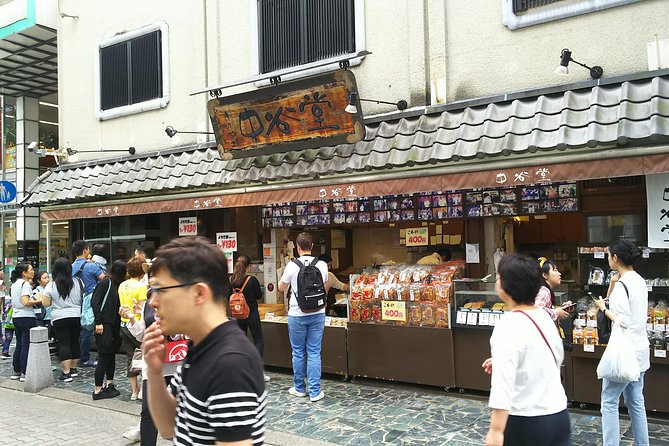
The first stop lasts about 90 minutes and costs nothing to enter. Naramachi began as a temple town in the 8th century and later developed into a merchant district.
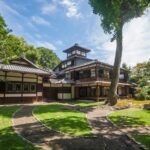
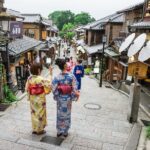
Its traditional latticed houses are the main attraction. Some are more than 100 years old, giving you a chance to see the kind of narrow, traditional streetscape that can be easy to miss if you spend all your time at Nara’s biggest monuments.
This is a useful opening because it shows how people lived and worked around the religious institutions. You are not starting with a grand hall or a famous statue. You are starting with homes, shops, and the shape of an old urban neighborhood.
A guide can help you notice details that might otherwise pass quickly, including the design of the latticed facades and the change from temple town to merchant town. That context is one reason a private guide may be worth the price here. Naramachi is visually appealing, but its importance is not always obvious at first glance.
The stop is listed as free, but it is still a walking visit. If you have knee trouble or prefer a slower pace, say so early. Tomoko has been praised for taking special care of a husband with a bad knee, and the private setup makes that sort of communication easier.
Kasuga Grand Shrine: lanterns, lineage, and ritual
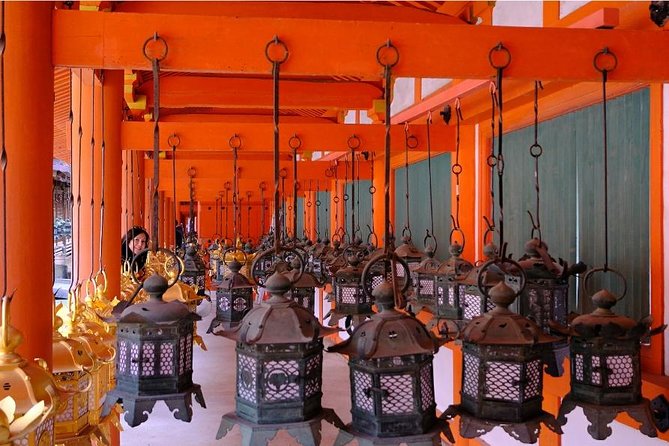
The next stop is Kasuga Grand Shrine, founded in the 8th century by the Fujiwara clan. The Fujiwara were among the most powerful aristocratic families in Japanese history, and their connection to the shrine gives the site a strong link to Japan’s court culture.
The visit lasts about an hour. Entrance is not included, so you should allow part of the extra ¥1,500 per person entrance budget for this shrine and Todai-ji together.
Kasuga is more than a quick photo stop. Its importance comes from the relationship between the Fujiwara family, the imperial court, and Shinto worship. The shrine’s setting also provides a clear change from Naramachi’s close streets. You move into a more ceremonial space, where the approach and religious atmosphere matter as much as the buildings.
The supplied details note that the head priest remains a descendant of the Fujiwara family. That is the kind of detail that gives the visit a personal thread across many centuries.
The walking route and shrine grounds may make this part feel longer than the one-hour label suggests, particularly if you stop often or ask questions. That is not a flaw, but you should avoid treating the day as a race from one landmark to the next.
Todai-ji: the day’s biggest visual moment
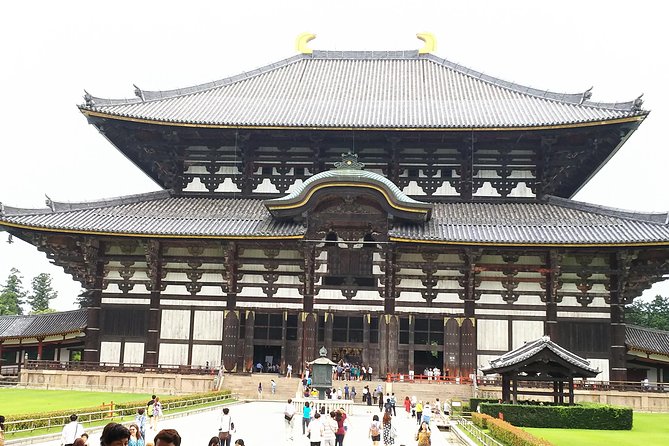
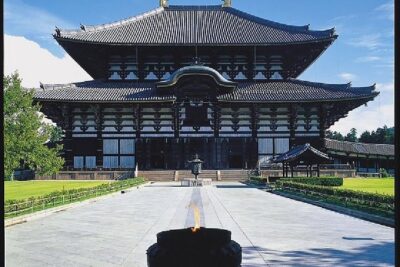
Todai-ji is the tour’s major draw. Founded more than 1,300 years ago by Emperor Shomu, the temple is part of the UNESCO World Heritage listing connected with Nara’s historic monuments.
The temple sits beneath Mount Wakakusa within a large precinct containing several historic buildings. The main hall is famous for its enormous wooden structure and giant bronze Buddha. The scale can be hard to grasp from a description alone, which is why this stop usually becomes the day’s clearest memory.
You have about an hour here, with admission paid separately. That time allows for the central temple visit and an explanation of why Todai-ji mattered to the early Japanese state and Buddhist establishment.
I would pay close attention to your guide’s explanation rather than simply rushing toward the Buddha. Todai-ji is impressive as architecture, but the political and religious story makes the building more than a giant photo backdrop. Emperor Shomu’s decision to support such a vast temple reflects the importance Buddhism held in the capital.
The one-hour visit may feel brief if you want to inspect every building in the precinct. Nara’s temple grounds are extensive, and this tour is designed to cover several key areas in one day rather than give you unlimited time at Todai-ji alone.
Meeting Nara’s freely roaming deer
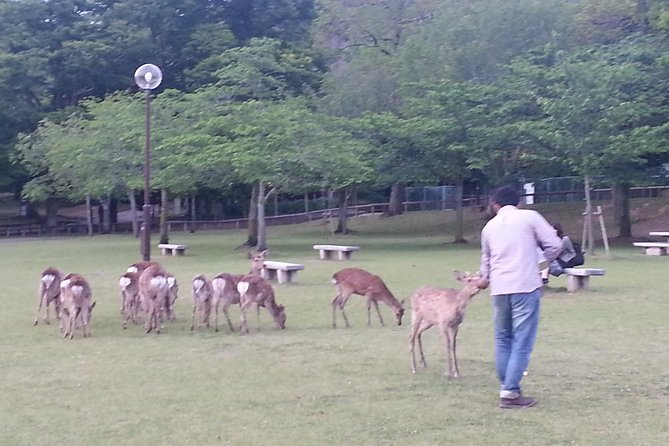
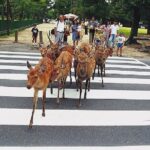
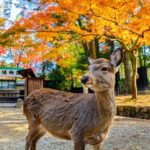
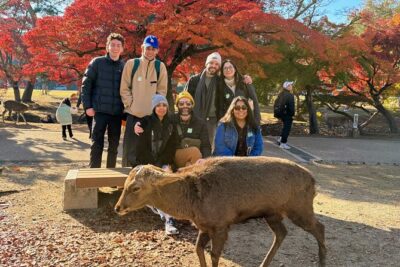
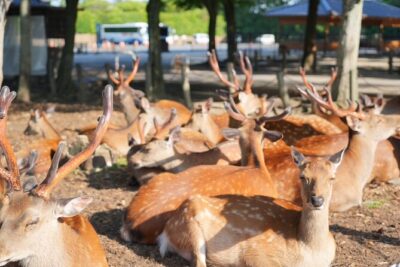
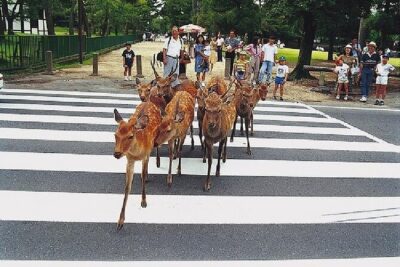
Nara Park’s deer are woven into the day, and seeing them is one of the tour’s most distinctive features. They roam freely around the historic area, creating a funny contrast with the solemn shrines and temples.
The deer are not a separate wildlife excursion. They are part of the setting as you move between the major sights. That makes the experience feel less staged, since you encounter them while exploring Nara’s religious and historic center.
The animals also have cultural significance in Nara, and one of the tour’s strengths is that your guide can explain why they matter rather than leaving the encounter at the level of a quick photograph. A guide can also help you understand how the deer fit into the identity of the park and the city.
I would keep your attention on the surroundings as well as the animals. Todai-ji, Kasuga Grand Shrine, and the old streets of Naramachi are the reason to choose this tour. The deer are a memorable bonus, not the whole day.
Other walking tours we've reviewed in Kyoto


What the private format really gives you
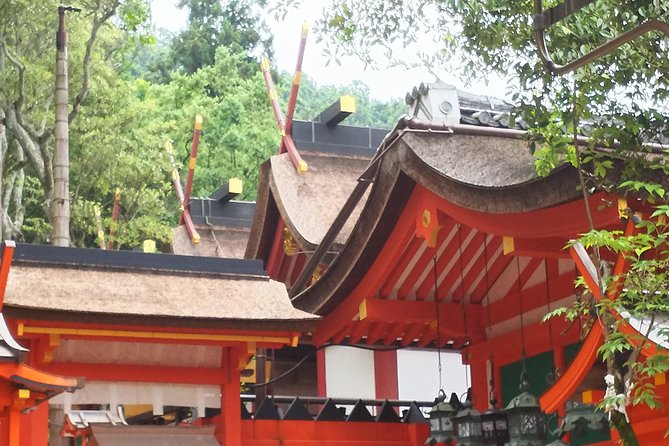
This is a private activity, so only your group participates. That does not necessarily mean you can redesign every stop from scratch. The published route centers on Naramachi, Kasuga Grand Shrine, and Todai-ji.
In practice, the guides appear willing to respond to your interests. Satomi helped a group add the Nara National Museum even though it was not part of the prepared route, then helped them find a good dinner location afterward. Fuji was also able to shape the day around a guest’s interests and include a good lunch.
That flexibility is valuable, but I would treat it as a benefit rather than a guarantee. The clearest plan is still the three-stop route. If you want to add the museum, change the lunch plan, or spend extra time at a particular temple, ask at the start of the day.
The guides receive the strongest praise in the available feedback. Fumiko is described as especially informative about Japanese culture and history. Noriko is praised for being patient, warm, and fun. Tomoko helped a guest with a bad knee, while Emi was described as caring and flexible.
Those details matter because a private walking day depends heavily on the guide. A good guide turns transfers and pauses into useful parts of the visit. The experience has a five-star rating from 15 reviews and a 100 percent recommendation rate, but the more useful point is the repeated pattern: clear explanations, patience, and a willingness to help.
Timing, transport, and the real price
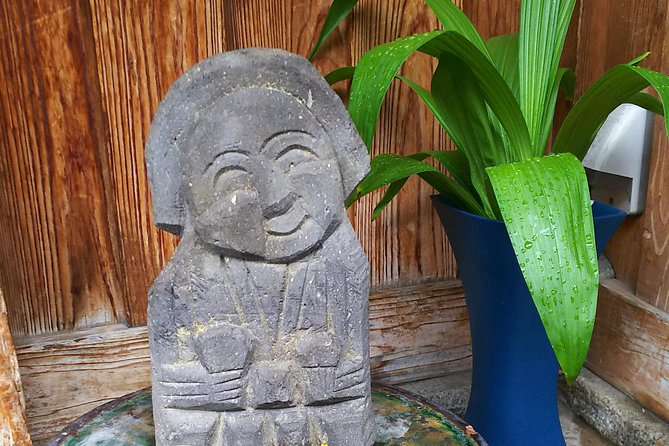
The tour begins at 8:30 am and lasts about eight hours. The day ends at a different location from the starting point, though the exact end point is not supplied here. Check the final meeting details before you book so you can plan your next train, meal, or hotel return.
Public transportation is not included, with an added cost of ¥2,000 per person. Entrance to Todai-ji and Kasuga Taisha is also extra, at ¥1,500 per person. That brings the listed additional costs to about ¥3,500 per person, before meals or anything else you choose to buy.
At $137.17 per person, the tour makes the most sense for a small group that values a private guide. If two or more people split the cost, you gain a full day of explanation and route planning without joining a large party.
The price is harder to justify if you already know Nara well, speak Japanese comfortably, or are happy to organize public transportation and temple visits yourself. Nara can be visited independently, and the main admission fees are modest. You are paying mainly for the guide’s time, navigation, historical explanations, and ability to respond to your group.
Group discounts are available, which may improve the value for a larger private party. Since the tour is booked an average of 26 days ahead, popular dates may require early planning, especially during a busy Kyoto stay.
Who will get the most from this Nara day
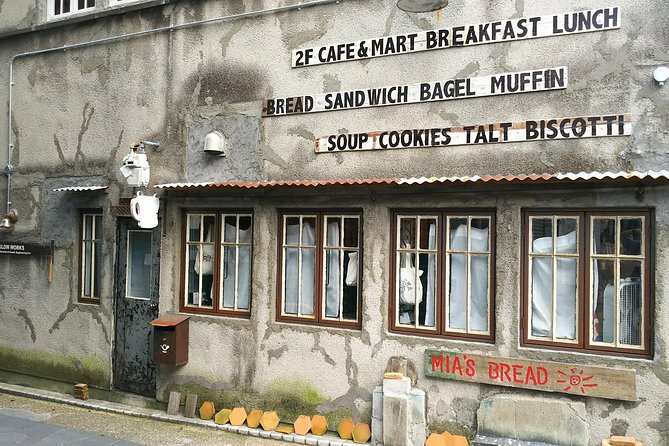
I would recommend this tour most strongly to first-time visitors who want a clear introduction to Nara without spending hours researching the city. It also suits families and small groups who prefer to move at their own pace and ask plenty of questions.
The route works well for people interested in Japanese history, architecture, religious sites, and traditional neighborhoods. You get more than one type of attraction, so the day does not depend entirely on your interest in temples.
It can also suit someone with a mobility concern, provided you discuss the pace with the guide. One guide received specific praise for helping a person with a bad knee, but the day still involves walking through old streets, shrine grounds, and a large temple precinct.
I would be more cautious if your ideal Nara visit means spending several quiet hours at Todai-ji, the Nara National Museum, or one particular shrine. This tour covers several major stops, so the schedule gives you breadth more than extended time at one site.
The service allows service animals, is near public transportation, and says most people can participate. Still, the best practical step is to explain any walking or pacing needs when booking.
Weather, cancellation, and planning tips
The experience requires good weather. If poor weather forces a cancellation, you are offered another date or a full refund.
You can cancel for a full refund up to 24 hours before the local start time. Changes or cancellations made less than 24 hours before the 8:30 am start are not accepted for a refund, so keep the cut-off in mind when arranging your Kyoto schedule.
I would wear comfortable walking shoes and keep the morning open. The route includes old streets, shrine grounds, temple precincts, and transport between areas. Bring enough money for the ¥2,000 transportation charge and ¥1,500 in entrance fees, and remember that the guide fee does not include meals.
The tour’s 8:30 am start gives you a full day in Nara, but you should not assume every minute is available for independent wandering. The strongest reason to book is having someone connect the places and manage the route.
Should you book this private Nara walking tour?
Book it if you want a well-rounded first look at Nara, prefer a private guide, and value explanations more than the lowest possible price. The combination of Naramachi’s merchant houses, Kasuga Grand Shrine, Todai-ji, and the roaming deer gives you a solid picture of the old capital in one day.
I especially like it for families, couples, and small groups who want a guide able to answer questions or slow the pace when needed. The examples of Satomi, Tomoko, Fumiko, Noriko, Fuji, and Emi suggest that the guide can shape the day’s feel in a useful, personal way.
Skip it if you want a bargain, a fully self-guided visit, or hours at one single site. Also confirm the end point and extra costs before booking. For anyone who wants Nara’s major sights with less navigation and more context, this is a strong, practical choice.
FAQ
How long does the Nara walking tour last?
The tour lasts approximately eight hours.
What time does the tour begin?
The start time is 8:30 am.
Is this a private tour?
Yes. Only your group participates in the activity.
What places are included in the route?
The route includes Naramachi, Kasuga Grand Shrine, and Todai-ji Temple. You also have a chance to see the freely roaming deer of Nara Park.
Is a guide included?
Yes. A professional guide is included.
Are entrance fees included?
No. Entrance fees for Todai-ji Temple and Kasuga Taisha Shrine cost about ¥1,500 per person and are paid separately.
Is public transportation included?
No. Public transportation costs about ¥2,000 per person and is not included.
Does the tour include a meal?
The supplied tour details do not list a meal as included. One guide helped a group find a good dinner after the tour, and another arranged a good lunch, but meals are not part of the stated inclusions.
Can service animals join the tour?
Yes. Service animals are allowed.
Can I cancel for a full refund?
Yes, if you cancel at least 24 hours before the experience start time. Cancellations or changes made less than 24 hours before the start are not accepted for a refund. If poor weather causes the tour to be canceled, you are offered another date or a full refund.
More Walking Tours in Kyoto
More Nara Day Trips in Kyoto

More tours in Kyoto we've reviewed






Nara Day Trips, compared.
 ★ 5.0World Heritage Kyoto & Nara Uji Authentic Matcha ExperienceFrom $129
 ★ 4.7Kyoto/Osaka: Nara, Fushimi Inari Taisha, Arashiyama Bus TourFrom $529 - 10 hours
 ★ 4.4Osaka/Kyoto: Arashiyama, Nara & Fushimi Inari Shrine w/LunchFrom $61
 ★ 5.0Nara Early Morning Tour (Kyoto or Osaka Departure Available)From $61
 ★ 4.5Kyoto and Nara Day Trip from KyotoFrom $194
 ★ 4.5Nara Afternoon Tour from Kyoto or OsakaFrom $102