
Reviewed · GUIDED
Private Kyoto Tour with Licensed Guide & Vehicle (Max 15 persons)
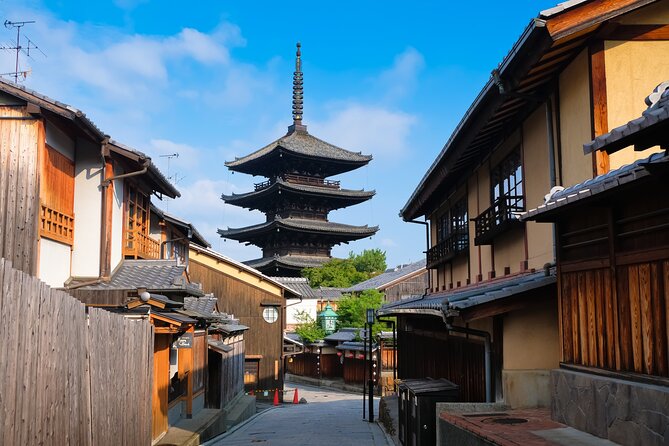
Kyoto’s biggest advantage here is simple: you can cross the city by private vehicle instead of puzzling over local buses and crowded trains. In about six hours, a guide and driver can connect places that would be awkward to combine on your own, from Fushimi Inari’s red gates to Gion’s old lanes.
I like the custom itinerary, which lets you build the day around three or four sights rather than follow a fixed route. I also like the door-to-door pickup, especially if you have limited time, tired legs, children, or a wheelchair. The trade-off is price: at $634.72 per group of up to two, this is a costly choice for a couple, though larger groups may find the per-person value better.
In This Review
- Kyoto by car, with a real choice of priorities
- Key points to know
- Fushimi Inari and southern Kyoto
- Nijo Castle and the Imperial Palace
- Gion, Pontocho, and Higashiyama
- Kiyomizu-dera and eastern temples
- Nishiki Market for food and a quick lunch
- Kinkaku-ji, Ryoan-ji, and northern Kyoto
- Arashiyama and the western hills
- Kibune, Kurama, and quieter choices
- What the private vehicle changes
- Price, pace, and how to get good value
- Who should book this Kyoto tour?
- FAQ
- How long is the private Kyoto tour?
- How many sights can I visit?
- Is transportation included?
- Are entrance fees and lunch included?
- Can I choose my own itinerary?
- What is the cancellation policy?
- Should you book it?
Kyoto by car, with a real choice of priorities
This is not a tour that takes you to all 24 places listed in the sightseeing menu. That would be impossible in six hours. Instead, you choose three or four stops, and the guide helps shape a route that fits your interests and the day’s traffic.
Your choices range from famous first-visit sights to quieter corners of Kyoto. You might focus on major temples, old neighborhoods, food, imperial sites, or the western hills around Arashiyama. Guides such as Ken, Haru, Michi, Yuka, Noriko, Tomy, Hiroko, and Olive have been praised for adapting the pace and explaining what you are seeing in clear English.
The experience is rated 4.9 out of 5 from 417 ratings, with 98 percent recommending it. That is a strong record, but the quality of a private tour depends heavily on the individual guide. Some guests received lively storytelling and careful planning. One unhappy booking described the guiding as flat and the route as poorly matched to personal interests. I would treat the guide as the heart of the experience and communicate your priorities before the day begins.
Key points to know
- You choose three or four Kyoto sights: The long list is a menu, not a promise to visit every location.
- A private car saves time: You avoid figuring out Kyoto’s confusing bus and subway connections.
- Guides can adjust the day: Ken, Haru, Michi, Noriko, Yuka, Tomy, and others have been praised for personalizing routes.
- The price favors groups: $634.72 covers a group of up to two, while larger parties should confirm the correct rate.
- Entrance fees are extra: Budget separately for temples, castles, and other paid sights.
- Six hours goes quickly: You can see several highlights, but not every temple in the menu.
Other guided tours in Kyoto
Fushimi Inari and southern Kyoto
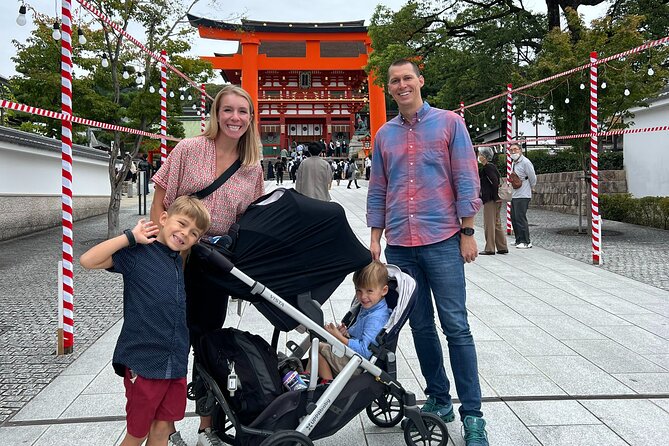
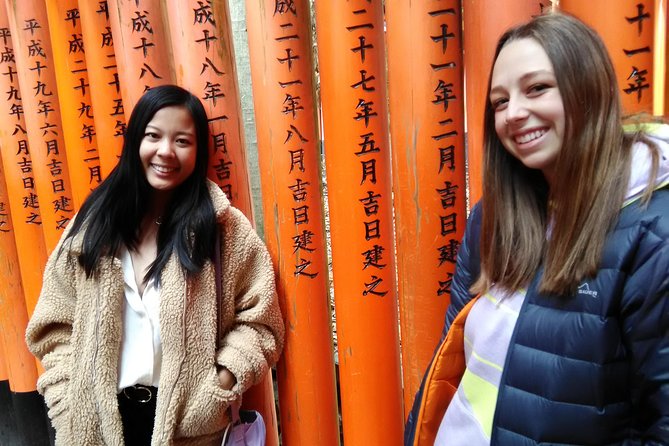
Fushimi Inari-taisha is one of Kyoto’s most recognizable sights, with thousands of orange torii gates climbing the wooded slopes behind the shrine. Even a short visit gives you the famous gate-lined passage, but the full mountain walk takes much longer than the brief stop allowed on this tour.
This is a good first stop if you want a strong visual introduction to Kyoto. The shrine grounds are free, so you will not need admission money here. Ask your guide how far you should walk before returning to the car. If you want to hike well beyond the main gates, this private sightseeing format may not give you enough time.
Nearby Tofuku-ji offers a different mood. It is a major Zen temple, especially popular for autumn color, and its broad grounds give you more space than the narrow paths at Fushimi Inari. Toji, with its long connection to Kyoto’s early capital period, is another southern option. It is a practical choice if you want temple architecture without making the long trip to the northern or western districts.
Nijo Castle and the Imperial Palace
Nijo Castle connects Kyoto with the political power of the Tokugawa shoguns. Built in 1603 as Tokugawa Ieyasu’s Kyoto residence, it is a UNESCO World Heritage site with formal buildings and grounds that help explain how Japan was governed during the Edo period.
The castle is a good pick if you want more than a photograph. Its history is tied to military rule, court life, and the relationship between the shogun and emperor. Admission is not included, so keep some cash available for the entrance fee.
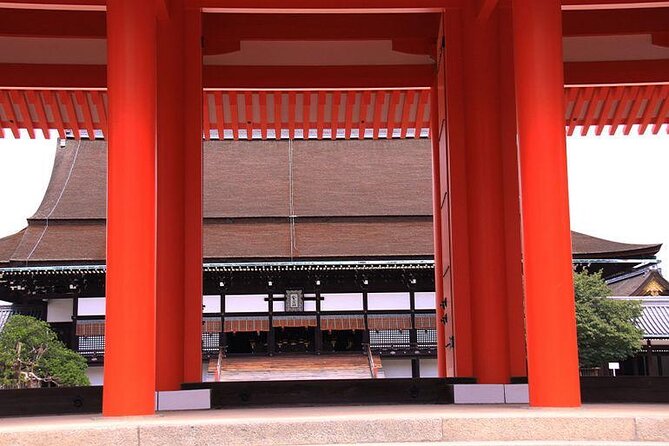
The Kyoto Imperial Palace offers a contrasting view of the city. It served as the Imperial Family’s residence until 1868, when the capital moved to Tokyo. The palace sits inside a large park, so it can feel open and calm after the crowds around the most famous temples.
You should not choose both Nijo Castle and the Imperial Palace automatically. They overlap somewhat as historical sites, and seeing both may leave less time for a shrine, market, or traditional district. Tell your guide if you prefer political history, architecture, gardens, or photography, and let that preference shape the route.
Gion, Pontocho, and Higashiyama
Gion is Kyoto’s best-known traditional entertainment district, with narrow lanes, wooden buildings, teahouses, and restaurants. A guide is useful here because the area can be confusing, and respectful behavior matters. You should not treat the district as a stage set or photograph people without permission.
Pontocho, a slim lane near the Kamogawa River, is another atmospheric old quarter. It is known for restaurants and evening dining, though a short daytime stop is mainly about the lane itself and the feel of historic Kyoto. If food matters to you, tell the guide early. The private format can make it easier to fit lunch into the plan.
Higashiyama stretches along the lower eastern mountains and preserves some of Kyoto’s oldest-looking streets. It works well with Kiyomizu-dera because the temple and district can be linked on foot, though steep paths and crowds may slow you down.
Kennin-ji is a quieter option close to the busy streets around Hanamikoji and Shijo. Its dry gardens provide a calmer temple visit, and the grounds are pleasant to walk. If you want a break from the most photographed stops, ask about adding it instead of trying to squeeze in another famous site.
Kiyomizu-dera and eastern temples
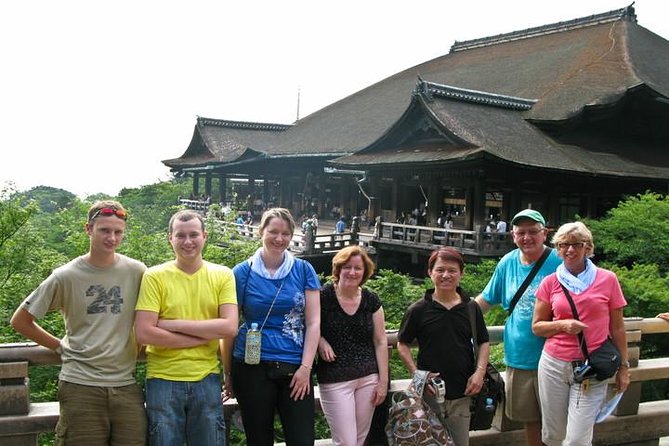
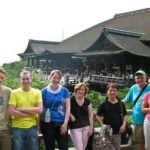
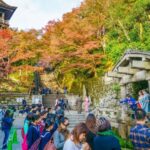
Kiyomizu-dera is among Kyoto’s essential sights. The temple is set on the eastern hills, with broad views over the city and a large complex of halls, gates, and pathways. Admission is extra, and the approach involves walking, slopes, and often crowds.
A guide can help you understand the religious customs and the purpose of the buildings instead of reducing the stop to a quick view from the famous wooden stage. Still, the supplied timing for each suggested stop is short, around 15 minutes, so you should clarify how much time you want inside the grounds. The included service is a customizable walking tour of three or four sites, not a full hour at every listed temple.
Ginkaku-ji, the Silver Pavilion, is a Zen temple on the eastern side of the city. Despite its name, it is not covered in silver. The former retirement villa of shogun Ashikaga Yoshimasa is valued for its gardens, understated design, and connection to the refined arts of the Muromachi period.
Nanzen-ji is another strong eastern choice. Its spacious grounds and major Zen status give it a different feel from the tighter streets around Kiyomizu-dera. The nearby Suirokaku aqueduct adds an unusual architectural detail to the temple visit. Since admission is extra, ask your guide which areas require tickets and which parts can be seen freely.
Other private tours in Kyoto
Nishiki Market for food and a quick lunch
Nishiki Market is a narrow, five-block shopping street known as Kyoto’s Kitchen. More than 100 shops and restaurants sell food, cooking items, pickles, sweets, seafood, and local specialties. It is one of the best stops for using your senses: look, smell, sample where permitted, and watch how Kyoto shops present food.
A 15-minute visit is enough to glimpse the market, but not enough for a relaxed meal and serious shopping. If you want lunch here, say so before the route is finalized. Several successful itineraries included a market meal, conveyor-belt sushi, or okonomiyaki, but lunch itself is not included in the tour price.
The market can be crowded, and the narrow passage makes it hard to move quickly. That is not a reason to skip it, but it is a reason to avoid overloading the same day with too many other central Kyoto stops. Nishiki pairs naturally with Gion, Pontocho, Kennin-ji, or the Imperial Palace.
Kinkaku-ji, Ryoan-ji, and northern Kyoto
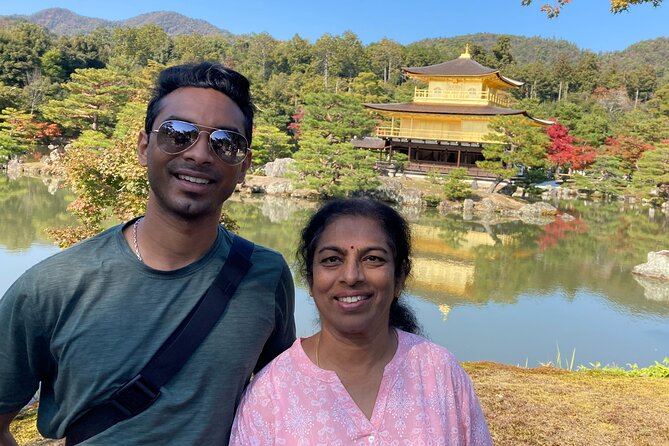
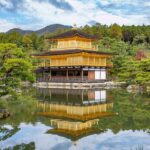
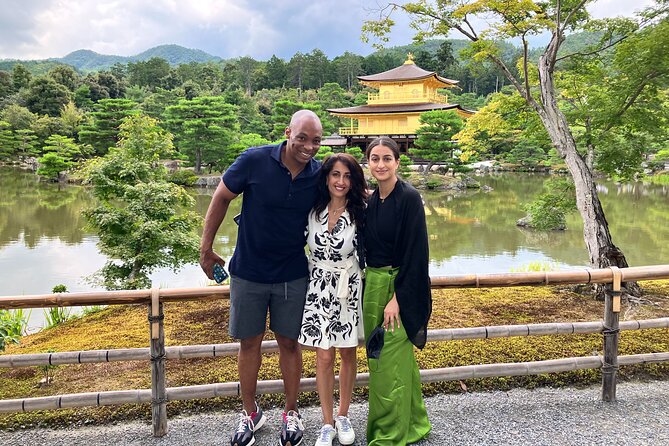
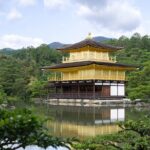
Kinkaku-ji, the Golden Pavilion, is the most immediately famous stop on the menu. Its upper floors are covered in gold leaf, and the pavilion reflects in the pond when conditions are right. It was originally the retirement villa of shogun Ashikaga Yoshimitsu and is formally known as Rokuon-ji.
The sight is worth considering for a first Kyoto visit, but expect crowds. The route through the grounds is controlled, and you may not linger wherever you like. Admission is extra. Several visitors who packed Kinkaku-ji, Nijo Castle, Nishiki Market, and Fushimi Inari into six hours found the pace manageable, but that combination leaves little room for a long temple walk.
Ryoan-ji is home to Japan’s best-known rock garden. Its appeal is quiet and visual rather than grand. You sit, look, and decide what the arrangement means to you. It works well for visitors interested in Zen design, though a quick photo stop does not do the garden justice.
Ninna-ji is a World Heritage temple and the head temple of the Omuro school of Shingon Buddhism. It offers major religious and architectural interest, but it is farther west than central Kyoto’s main sights. Choose it with Kinkaku-ji or Ryoan-ji if you want a northern temple day, rather than adding it to a route that already crosses the entire city.
Arashiyama and the western hills
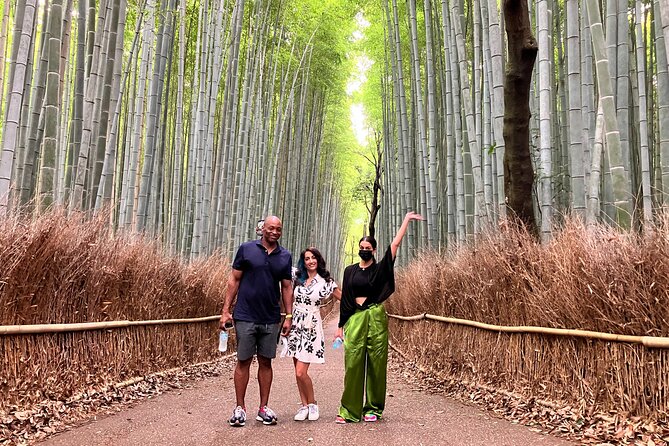
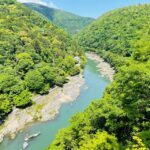
Arashiyama is a popular district west of central Kyoto, known for its river setting, temples, and bamboo grove. It has been a destination since the Heian period, when court nobles came for its natural setting. The area is attractive, but it is also one of Kyoto’s busiest sightseeing zones.
Tenryu-ji is the leading temple here and a World Heritage site. Its gardens are a major reason to visit, and the temple makes a sensible anchor for an Arashiyama route. Daikaku-ji, once an imperial detached palace, gives you another view of the district’s courtly past.
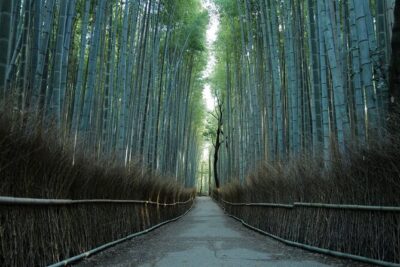
If the bamboo grove is your top goal, say so clearly. The grove is not listed as a separate stop in the supplied menu, though one private itinerary included a peaceful bamboo forest visit. Your guide can advise how to fit it in, but the car cannot erase walking time or crowds.
Katsura Imperial Villa is one of Japan’s finest examples of garden and residential design. Shugakuin Imperial Villa offers another imperial setting in the northern hills. These are worthwhile choices for visitors who care about gardens and architecture, but they may require more planning than ordinary temple stops. The villa visits are not included in the price, and you should confirm access arrangements before making either one the centerpiece of your day.
Kibune, Kurama, and quieter choices
Kibune lies in a forested northern valley around Kifune Shrine. Kurama is a rural mountain town less than an hour from central Kyoto, known for Kurama-dera and its hot spring. These places offer a change from crowded central temples and old shopping lanes.
The drawback is distance. A northern mountain route can consume much of a six-hour tour, especially if you also want time at the shrine or temple. I would choose Kibune or Kurama for a second Kyoto day, or for a first day when quiet scenery matters more than checking off the Golden Pavilion and Fushimi Inari.
Yoshimine-dera, in Kyoto’s western mountains, is another less central option. It is built along the hillside and resembles Kiyomizu-dera in its elevated setting. The suggested stop is only five minutes, which is not enough to appreciate a large hillside temple, so ask how the time will be handled if you select it.
What the private vehicle changes
The car is the main practical benefit. Kyoto’s subway does not reach every major sight, and local buses can be hard to understand when you are unfamiliar with the city. A driver also reduces the walking between distant attractions and lets you leave shopping bags or tired feet behind for a while.
Parking can make a real difference. One booking particularly appreciated being dropped close to special places, while another described the vehicle as clean, modern, and comfortable. That does not mean every stop is door-to-door. You will still walk around temple grounds, markets, and historic lanes, but the vehicle cuts out much of the in-between effort.
The private setup also suits families. Hiroko was praised for keeping pace with two active boys, and Shuji planned thoughtfully around a wheelchair. Only a limited number of car seats and booster seats are available, and rear-facing seats are not offered, so contact the operator directly if you need child equipment.
Price, pace, and how to get good value
At $634.72 for up to two people, this costs far more than using trains and buses. For two people, the price buys convenience, a licensed English-speaking guide, a private vehicle, hotel pickup, and help making sensible use of six hours. For a larger group, the cost may work better per person, but confirm the group rate because the listed price specifically says up to two.
The best value comes when you have a tight schedule. A couple arriving by bullet train from Tokyo at 9:14 a.m. and leaving Kyoto at 4:01 p.m. managed four major stops with pickup and drop-off at the station. That sort of day would be difficult to plan without local help.
Do not book this expecting an unhurried temple study. Three or four sites is the realistic target. Entrance fees, lunch, and personal spending are extra, and the guide’s admission is covered only at sights included under the tour terms. Bring some cash for modest entry fees.
Pickup is offered, but confirm the meeting time and place carefully. One otherwise good outing began with confusion over those details. Free cancellation is available up to 24 hours before the start time. Cancellations or changes made inside that window are not refunded or accepted.
Who should book this Kyoto tour?
I would recommend it to first-time visitors with one busy day, families, older people, anyone with limited mobility, and small groups that want to avoid public transportation. It is also a good fit if you already know your priorities and want a guide to turn them into a workable route.
You will get the most from it by sending a short wish list before the tour. Name your must-see sight, your preferred walking pace, any food needs, and whether you care more about gardens, temples, shopping, or local neighborhoods. Guides such as Ken, Tomy, Noriko, Haru, and Michi have shown how much better the day can be when the route reflects the group.
I would skip it if you enjoy figuring out buses and trains, want to spend half a day at one temple, or are traveling alone on a tight budget. Kyoto is easy to explore independently if you have time. This tour is buying time and ease, not cheap transportation.
FAQ
How long is the private Kyoto tour?
The tour lasts approximately six hours.
How many sights can I visit?
The included service is a customizable walking tour of your choice of three or four sites from the listed options. The full list is not visited in one six-hour outing.
Is transportation included?
Yes. A private vehicle and a licensed local English-speaking guide are included, and pickup is offered.
Are entrance fees and lunch included?
No. Entrance fees, lunch, and personal expenses are not included. Bring money for paid temples, castles, and other attractions.
Can I choose my own itinerary?
Yes. You can select three or four sites from the sightseeing menu, including options such as Fushimi Inari-taisha, Gion, Kiyomizu-dera, Kinkaku-ji, Nishiki Market, Arashiyama, and Nijo Castle.
What is the cancellation policy?
You can cancel at least 24 hours before the local start time for a full refund. Cancellations or changes made less than 24 hours before the start time are not accepted or refunded.
Should you book it?
Book this private Kyoto tour if you want to see several major sights in one day without wrestling with Kyoto’s buses and subway system. The strongest reasons are the private car, the flexible three or four-stop plan, and guides who can adjust the route for families, mobility needs, food interests, and photography.
Before paying, compare the price with your group size and decide which three or four places matter most. If you set realistic expectations and communicate clearly, this can be an efficient and comfortable introduction to Kyoto. If you want a slow, inexpensive, deeply focused temple day, use public transport and choose fewer sights instead.
More Private Tours in Kyoto
More Guided Tours in Kyoto
More tours in Kyoto we've reviewed

Guided, compared.
 ★ 5.0Kyoto Early Morning Tour with English-Speaking GuideFrom $68
 ★ 5.0Kyoto 6hr Private Tour with Government-Licensed GuideFrom $155
★ 4.9Kyoto: Early Morning Tour with English-Speaking GuideFrom $1015h 30m
★ 5.0Kyoto 6hr Private Tour with Government-Licensed GuideFrom $155
★ 4.9Kyoto: Early Morning Tour with English-Speaking GuideFrom $1015h 30m
 ★ 4.7Kyoto: Nijo-jo Castle and Ninomaru Palace Guided TourFrom $161 hour
 ★ 4.9Kyoto: Izakaya Bars Guided Walking TourFrom $253 hours
 ★ 5.0Kyoto Gion Night Walk & Geisha District Guided TourFrom $18