
Reviewed · GION & GEISHA WALKS
Cycle Kyoto’s Hidden Gems & Gion Stroll
Kyoto reveals itself differently from a bicycle. You slip along riverside roads, quiet lanes, university grounds, and residential streets before reaching the Imperial Palace and Shimogamo Shrine. I especially like the local pace and the chance to reach peaceful corners that are awkward to cover on foot.
I also like the small traditional snack-shop stop, where you receive Japanese tea and a sweet, plus the practical restaurant advice during the Gion or Pontocho walk. The main caution is simple: you need to ride a bicycle confidently, and the tour is not suitable for children under 9.
In This Review
- Key points to know
- Why a bicycle is a smart way to see Kyoto
- Starting beside Sanjo Ohashi
- Along the river and toward a quiet shrine
- The Imperial Palace gives the ride scale
- A Zen temple and a slower side of Kyoto
- Shimogamo Shrine and its old forest
- The river junction and the ride back
- Tea, sweets, and a taste of ordinary Kyoto
- A 30-minute walk through Gion or Pontocho
- The guides make the difference
- Is $73 a fair price?
- Who should book this ride?
- Should you book Cycle Kyoto’s Hidden Gems & Gion Stroll?
- FAQ
- How long does the experience last?
- Where does the tour start?
- Where does the tour end?
- Is an electric bike included?
- Are tea and snacks included?
- What sights are included?
- Is the tour suitable for children?
- What happens if it rains?
Key points to know
- Riverside cycling: Begin on a calm road beside the river and follow scenic waterways through Kyoto.
- Major sights with quieter stops: See the Imperial Palace, a Zen temple, Shimogamo Shrine, and lesser-known shrines along the way.
- Shimogamo Shrine: Visit a UNESCO World Heritage site with old forest and traditional buildings.
- Tea and a Japanese sweet: Pause at a traditional snack shop for a small taste of local culture.
- Gion or Pontocho walk: Finish with a 30-minute stroll through Kyoto’s Flower Towns and an explanation of geisha culture.
- Family-friendly, with limits: Children 9 and older can join, but everyone must be comfortable riding a bike.
Why a bicycle is a smart way to see Kyoto
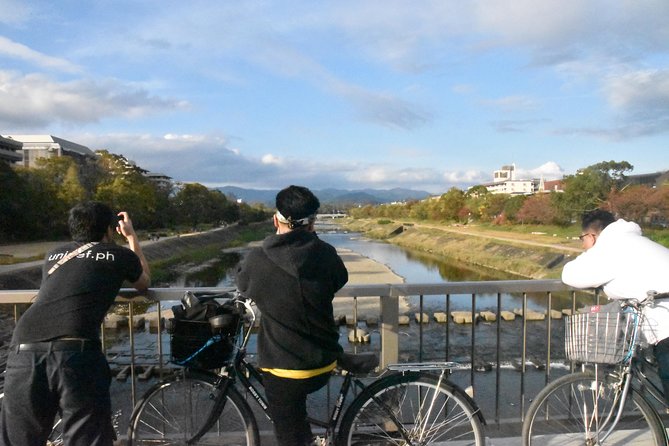
Kyoto’s best-known sights are spread across the city. Walking between them can eat up much of your day, while buses often leave you waiting in traffic. A bicycle gives you a better middle ground: you cover useful distance, yet still move slowly enough to notice small shrines, old lanes, bridges, and stretches of water.
This ride lasts about 3.5 hours, followed by a 30-minute town walk. The route is designed to mix famous places with quieter stops, so you are not simply ticking off the Imperial Palace and going home. You get a sense of how Kyoto fits together beyond its busiest temple streets.
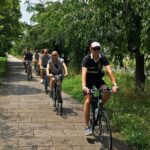
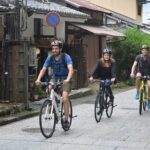
I like the tour’s use of open-air routes. On a warm, humid day, the moving air makes a real difference, especially along the river. You will still need to pace yourself, drink water, and dress for the weather. Bring comfortable shoes, a camera, and clothing suited to the forecast.
A few more Kyoto tours and experiences worth a look

Starting beside Sanjo Ohashi
The meeting point is the kneeling-man statue at the southeast corner of the Sanjo Ohashi intersection. From the east end of Sanjo Ohashi Bridge, cross the street and look for the statue. If you arrive by subway, the instructions advise coming up to street level first, then finding the statue.
This is a busy part of central Kyoto, so allow time to orient yourself before the start. The meeting point is not a hotel lobby or a large tour office. You will want your phone map ready, especially if you are coming straight from a subway platform.
The activity ends back at the same meeting point. That is useful for planning dinner, another central Kyoto sight, or an evening walk through the nearby entertainment districts.
Along the river and toward a quiet shrine
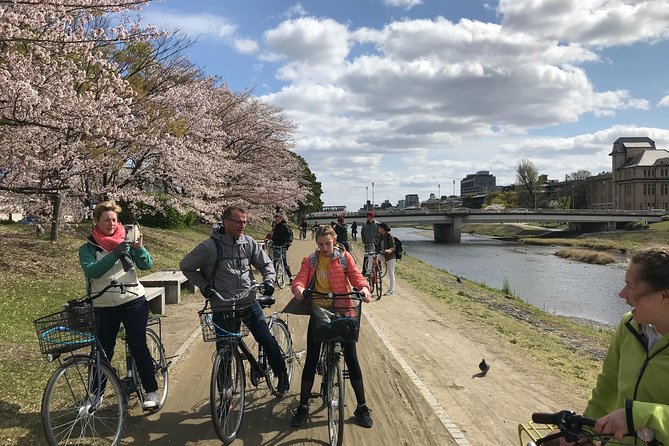
The ride begins on a peaceful riverside road. This is one of the most appealing parts of the outing because you get moving quickly without starting among dense traffic and crowded sightseeing lanes.
The first stops include a lesser-known shrine and a chance to try pure natural spring water. That small detail gives the ride a local feel. It is not just a photo stop. You get a moment to pause, listen, and notice how Kyoto’s religious places often sit close to ordinary city life.
The route also uses quieter residential areas and passes through university campuses. These sections help you see Kyoto as a living city rather than a collection of monuments. You may find the contrast especially useful if your other days are filled with major temples, shopping arcades, and packed bus routes.
The exact stops can change. The tour notes that the destinations are examples and that the experience runs in rain or shine, with alternative temple or shrine plans possible in wet weather. That flexibility is practical, though you should not expect every departure to follow precisely the same sequence.
The Imperial Palace gives the ride scale
The Imperial Palace is a major stop and provides a change of scale after the smaller shrine. Its broad grounds make more sense when you approach by bicycle. You can appreciate the space around the former imperial center without spending the whole morning walking from one distant gate to another.
The tour description does not promise a detailed palace interior visit, so think of this as an outdoor stop within a larger cycling route. That is important when setting expectations. The value comes from seeing the palace grounds as part of Kyoto’s urban pattern, not from an extended museum-style palace tour.
A guide can also help connect the grand site to the quieter streets you have just ridden through. That movement between formal imperial space and ordinary neighborhoods is one of the route’s strongest ideas.
A Zen temple and a slower side of Kyoto
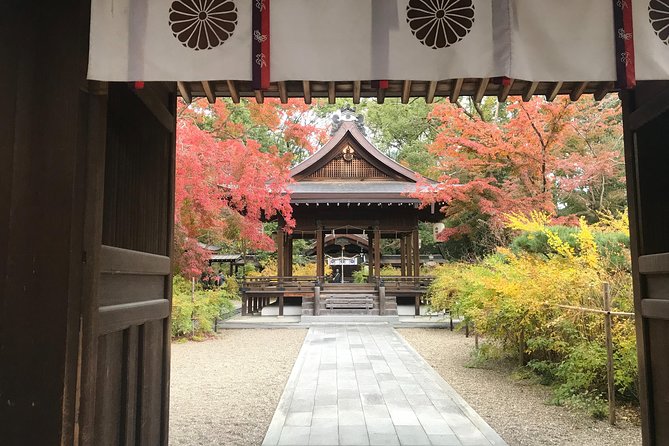
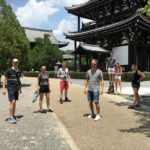
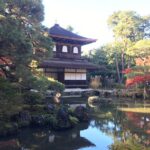
After the palace, the route includes a famous Zen temple. The specific temple is not named, so you should treat it as a flexible stop rather than a guaranteed single monument.
This part of the ride adds a religious site to the route without making the day a standard temple marathon. You will already have seen a small shrine and the palace, and the Zen stop gives you another angle on Kyoto’s spiritual traditions.
The pace matters here. The schedule includes regular stops, and one family review praised the timing as neither rushed nor overloaded. That makes the ride easier for mixed-age groups, though the activity still requires enough stamina to cycle for several hours.
Other cycling tours in Kyoto

Shimogamo Shrine and its old forest
Shimogamo Shrine is the most distinctive religious stop on the route. It is a UNESCO World Heritage site, but the appeal is not only its status. The shrine is set among a primitive forest, offering a cool, quiet break from the city streets.
You will see traditional buildings and wooded surroundings in the same visit. That combination gives the stop a different mood from the Imperial Palace. The palace feels ordered and expansive, while Shimogamo offers shade, trees, and a more enclosed sense of place.
Several people who joined the ride enjoyed reaching local shrines and temples that would have been difficult to find alone. That is exactly where a guide adds value. You do not have to spend your limited Kyoto time sorting out which lane leads to a worthwhile side stop.
You should also allow for the possibility that the route changes in rainy weather. Entrance fees for a temple or shrine are included when one is used as an alternative plan on a rainy day.
The river junction and the ride back
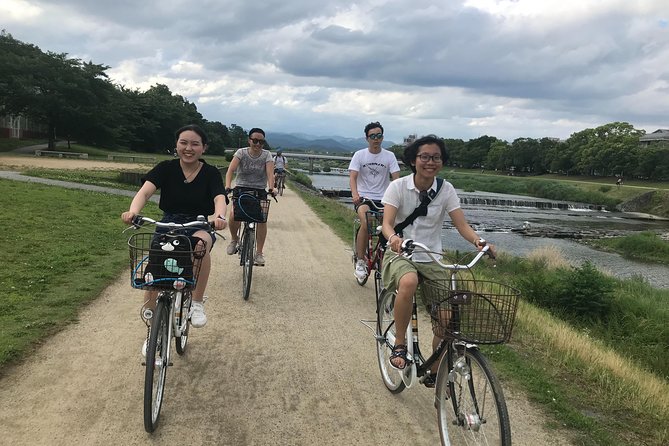
The route continues to a distinctive river junction point before following a scenic riverside path back. This is a satisfying way to end the cycling section. Instead of turning around through the same central streets, you get another stretch of open sky and water.
The description refers to a lighted-up riverside on the return route. Depending on the departure time and season, the lighting may shape the mood of this section. Either way, the riverside ride gives you a calmer finish than ending beside a major road.
The river is also where you will most notice the practical benefit of cycling. You can enjoy the breeze and move through the city without treating transport as a separate chore. On a hot day, one family particularly appreciated riding beside the water with two children aged 9 and 10.
Tea, sweets, and a taste of ordinary Kyoto
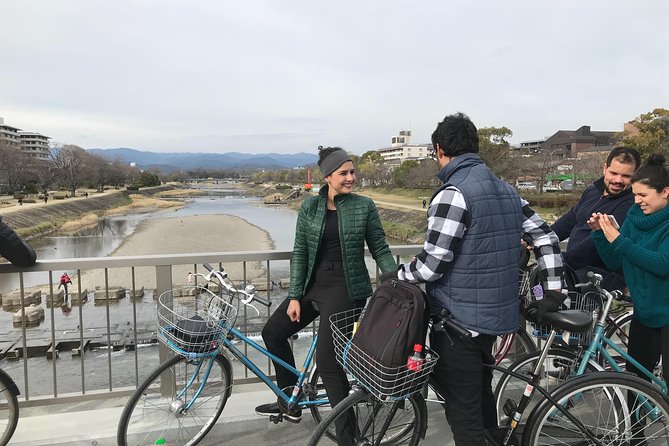
A Japanese sweet and tea at a traditional snack shop are included. This is a small part of the schedule, but I consider it important. Kyoto sightseeing can become a blur of gates, roofs, gardens, and photographs. A short food stop gives you time to sit, taste something local, and ask questions.
The stop is not presented as a full meal. You should eat before the tour or plan food afterward. During the later walking section, the guide can suggest restaurants and bars based on your requests, which is useful if you want dinner ideas in Gion or Pontocho.
Guide Ko was specifically praised for the tea and sweet stop at a typical teahouse. That does not mean Ko will lead every departure, but it shows the sort of personal detail the experience can include.
A 30-minute walk through Gion or Pontocho
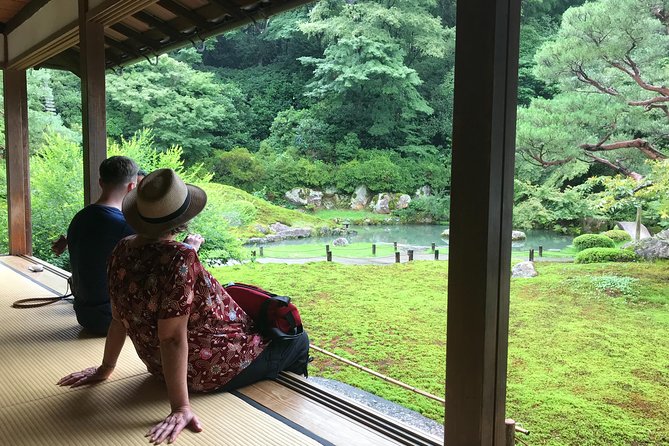
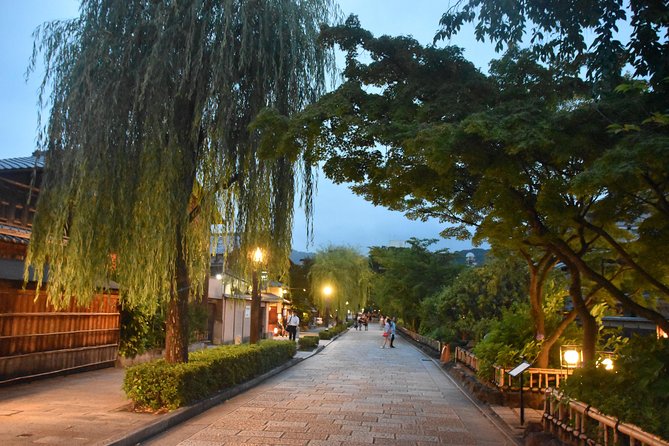
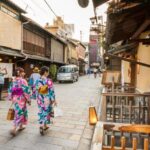
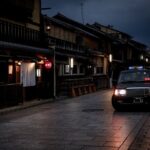
Once the bicycles are returned, the group takes a leisurely 30-minute walk through either Gion or Pontocho. These are Kyoto’s well-known entertainment districts, with narrow streets, traditional facades, restaurants, and the Flower Towns associated with geisha.
The walk is short, so do not expect a full neighborhood tour. Its purpose is to help you read the streets and understand the culture behind them. The guide explains the geisha system and the role of the Flower Towns, giving context to a district that can otherwise feel like a photogenic backdrop.
You might spot a geisha, but this is not promised. If you do, give her space and behave respectfully. The tour is a better choice if you want cultural explanation rather than a chase for a photograph.
Gion and Pontocho are also good places to receive restaurant and bar suggestions. Tell the guide what you want, such as a casual meal, a drink, or a particular type of Japanese food, and use the final part of the tour to shape your evening plans.
The guides make the difference
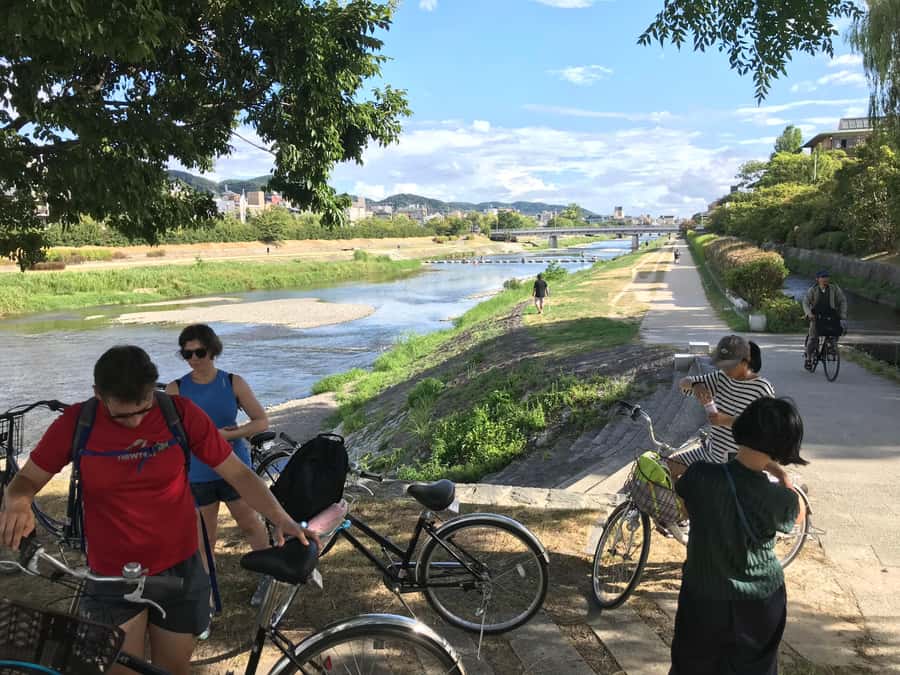
The experience is offered in English, and several guide names appear in the feedback: Benjamin, Ko, Claire, and Mr. Go. You cannot assume which guide you will receive, but the comments consistently point to patient, friendly hosting.
That matters most for families. Mr. Go was especially patient with two children aged 9 and 10, while Claire was praised for choosing a comfortable rhythm and stopping at a sensible frequency. The tour also works for adults who want explanations along the way without a lecture at every corner.
Benjamin was singled out for smooth organization and good restaurant suggestions. If you are hoping to finish with a useful dinner plan, mention your preferences during the walk rather than waiting until the end.
The guide is also part of the route’s value. Kyoto has many quiet shrines and side roads, but finding them on your own takes time and local judgment. You are paying for the bicycle, but also for a route that connects places you might not link together independently.
Is $73 a fair price?
At $73 per person, the tour is not the cheapest way to rent a bicycle for half a day. But this is more than a rental. The price includes the bike, an English-speaking guide, the tea and Japanese sweet, the cycling route, the temple and shrine orientation, and the Gion or Pontocho walk.
I think the price makes good sense if you have limited time in Kyoto or want a ready-made route. You avoid planning a chain of distant sights, checking bicycle directions, and deciding which smaller shrines are worth the detour.
The value is less clear if you already know Kyoto well, own a bicycle, and prefer to explore alone. You may find the four-hour structure restrictive, especially since the route and destinations can change.
An electric bike costs an extra 1,000 yen, paid on the spot. Consider it if you are concerned about the length of the ride or want help on any inclines. If you are comfortable on a standard bicycle, the regular option should keep the total cost more reasonable.
Who should book this ride?
This is a good fit for families with children aged 9 or older, couples, and first-time Kyoto visitors who want to see more than the central temple circuit. It suits you if you enjoy being outdoors, can ride steadily, and like mixing famous sights with quieter places.
The tour is also a strong choice for a hot day. The riverside sections provide moving air and open space, and the route avoids making you walk continuously on city pavement.
You should skip it if you cannot ride a bicycle, dislike cycling in an urban setting, or need a fully fixed itinerary. Pets, smoking, luggage, and large bags are not allowed, so bring only what you need for the ride.
The experience runs rain or shine. Bring water and proper weather clothing, and remember that the route may change in wet conditions. Cancellation is allowed up to 24 hours before departure for a full refund, which gives you some protection when Kyoto’s forecast looks uncertain.
Should you book Cycle Kyoto’s Hidden Gems & Gion Stroll?
Book it if you want a friendly, active introduction to Kyoto that combines rivers, shrines, the Imperial Palace, a Zen temple, Shimogamo Shrine, tea, and a short Gion or Pontocho walk. The strongest reason to choose it is the balance: you see major places, but you also reach quieter corners and learn how the city’s districts connect.
I would especially recommend it for families who want more than a bus tour. The patient approach of guides such as Mr. Go and Claire can make the ride manageable for children, though every participant must be able to cycle confidently.
Choose something else if your priority is a long temple visit, a formal geisha performance, or complete control over the route. For most active visitors, though, $73 buys a useful half-day and a pleasant way to get under Kyoto’s surface.
FAQ
How long does the experience last?
The cycling portion lasts 3.5 hours, followed by a 30-minute walk through Gion or Pontocho.
Where does the tour start?
It starts at the kneeling-man statue at the southeast corner of the Sanjo Ohashi intersection. From the east end of Sanjo Ohashi Bridge, cross the street to find the statue.
Where does the tour end?
The activity ends back at the starting meeting point.
Is an electric bike included?
A standard rental bike is included. An electric bike costs an additional 1,000 yen, payable on the spot.
Are tea and snacks included?
Yes. The tour includes Japanese tea and a Japanese sweet at a traditional snack shop.
What sights are included?
The route may include a riverside road, a hidden shrine with natural spring water, the Imperial Palace, a famous Zen temple, university campuses, residential areas, Shimogamo Shrine, a river junction, and a Gion or Pontocho walk. Destinations can change.
Is the tour suitable for children?
Children under 9 are not permitted. Children aged 9 and older can join if they are comfortable riding a bicycle.
What happens if it rains?
The experience runs in rain or shine. The route may change, and a temple or shrine can be used as an alternative plan. Relevant entrance fees are included for that alternative.
More Cycling Tours in Kyoto
More Gion & Geisha Walks in Kyoto
More tours in Kyoto we've reviewed




Gion & Geisha Walks, compared.
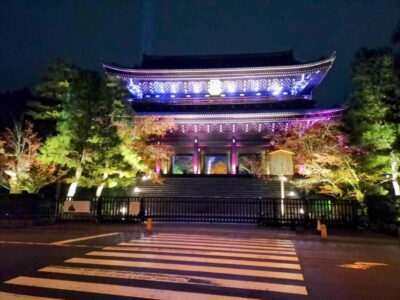 ★ 4.7Kyoto Geisha Walking Tour: Gion District & Hidden GemsFrom $252 hours
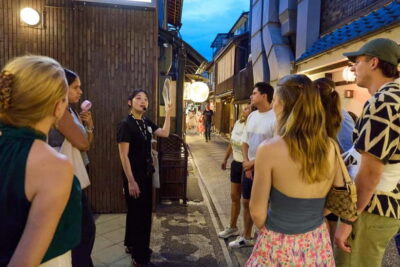 ★ 4.7Kyoto: Gion Geisha District Walking Tour – Stories of GeishaFrom $202 hours
 ★ 4.9Best of Kyoto: Gion, Geisha, Pagodas & CobblestonesFrom $242 hours
 ★ 4.5Night Walk in Gion: Kyoto’s Geisha DistrictFrom $211h 40m
 ★ 5.0Kyoto Night Foodie Tour in Gion (9+ dishes + 6 Sake tastings)From $163
 ★ 5.0Kyoto Gion Geisha District Walking Tour – The Stories of GeishaFrom $25