
Reviewed · CYCLING TOURS
Discover Kyoto by Bike: Authentic Half Day Tour
Kyoto reveals itself best at bicycle speed. On this four-hour private tour, you pedal from Gion and Nanzenji to the Philosopher’s Path, Ginkakuji, Shimogamo Shrine, and the Imperial Palace, using a standard three-gear Mamachari bike. I like the mostly flat route, which keeps the ride relaxed, and the chance to use smaller streets and shortcuts that a bus cannot reach.
I also like the balance between riding and sightseeing. You are not simply stopping for quick photographs: Shimogamo Shrine gets about an hour, while the temple and palace visits give you time to look around. Guides named Alex, Nobumasa, and Miya have led past departures, and their strengths included local history, useful street guidance, patience, and helping with photographs.
The main consideration is the bicycle itself. This is a standard, non-electric bike with three gears, so you should be comfortable riding and managing a few gentle slopes. The pace is leisurely, but four hours covering six major places leaves little room for lingering at every shrine and temple.
In This Review
- Key points to know before you book
- Why Kyoto works so well by bicycle
- Starting at Gojo Station
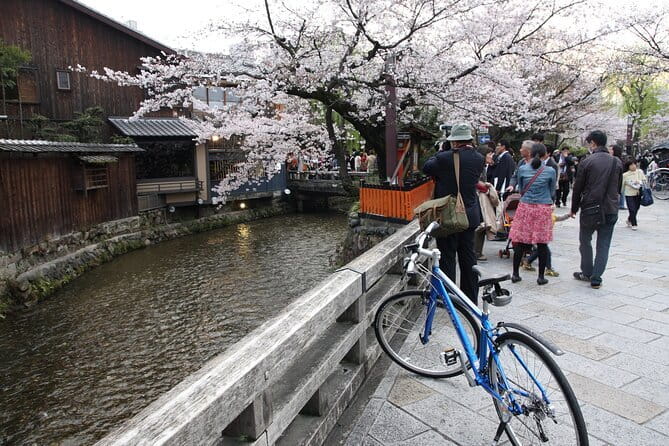
- Gion: Kyoto’s old entertainment district
- Nanzenji: temple architecture and quiet grounds
- Philosopher’s Path: the prettiest stretch of the ride
- Ginkakuji: the Silver Pavilion and its gardens
- Shimogamo Shrine: the longest stop of the morning
- Kyoto Imperial Palace: a spacious finish
- What the guide adds to the ride
- Is $85 a fair price?
- Who will enjoy this Kyoto bike tour?
- Should you book Discover Kyoto by Bike?
- FAQ
- How long does the Discover Kyoto by Bike tour last?
- Where does the tour begin?
- Where does the activity end?
- Is the tour private?
- What kind of bicycle is provided?
- Is a helmet included?
- Are meals and hotel transfers included?
Key points to know before you book
- A private four-hour ride: Only your own group participates, which allows the guide to keep the pace suited to your party.
- Six major Kyoto sights: The route links Gion, Nanzenji, Philosopher’s Path, Ginkakuji, Shimogamo Shrine, and the Kyoto Imperial Palace.
- A standard Mamachari bicycle: You receive a non-electric B-type bike with three gear shifts, plus a helmet.
- An English-speaking guide: Guides such as Alex, Nobumasa, and Miya have been praised for clear explanations, street guidance, patience, and photography help.
- A useful mix of streets and paths: The ride includes historic lanes, the canal-side Philosopher’s Path, and routes that are harder to cover by bus.
- Simple meeting point: Start and finish at Gojo Station in Shimogyo Ward, with no hotel pickup or drop-off.
Why Kyoto works so well by bicycle
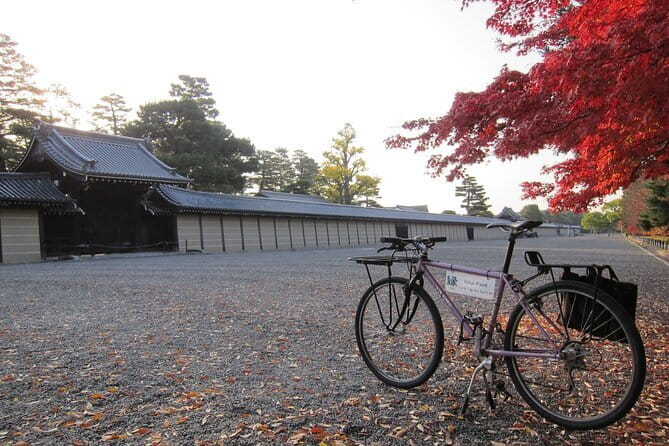
Kyoto is a large city, but many of its most rewarding sights are spread across areas where buses can be slow and walking can take much of the day. A bicycle gives you a middle ground. You cover more ground than on foot, yet you remain close to the streets, canals, shrines, and neighborhood details passing by.
This route is designed for a relaxed ride rather than a fitness challenge. Most of the way is flat, with a few gentle slopes. The three-gear Mamachari bike is practical rather than sporty. It is a basic city bicycle, so I would think of the ride as sightseeing with wheels, not a cycling expedition.
The private format matters. Only your group joins the activity, so you are not trying to match the pace of a large mixed party. That can make stops easier, especially when one person wants a little longer at a shrine or needs a moment to adjust to city cycling.
The guide is an important part of the value. Kyoto streets can be confusing, and a guide can handle the route while explaining what you are seeing. Alex, Nobumasa, and Miya are among the guides associated with previous departures. Alex was praised for helping riders manage Kyoto’s streets and pavements, while Nobumasa was noted for explaining the history of the places along the way. Miya led a tour described as well paced, with a thoughtful split between riding and temple visits.
Guide assignments can change, so you should not book expecting one particular person unless TripGuru confirms that in advance. Still, the format gives you a useful local interpreter as well as someone handling the route.
Other cycling tours in Kyoto
Starting at Gojo Station
The tour begins at Gojo Station, at Osakacho in Kyoto’s Shimogyo Ward. You return to the same meeting point at the end, which keeps the day easy to plan around.
There is no hotel pickup or drop-off. You need to reach the station on your own, and the activity information confirms that the meeting point is near public transportation. I would allow a little extra time to arrive, locate the guide, and get fitted with the bicycle and helmet without rushing.
The tour includes a standard B-type Mamachari bike with three gears. The name refers to the upright, practical style commonly used for everyday city riding in Japan. It should suit a relaxed urban outing, but it is not an electric bike. If you rarely cycle or prefer motor assistance, this is the point to consider carefully.
Insurance is included, along with the helmet and the English-speaking guide. Meals, drinks, personal expenses, and hotel transportation are not included.
Gion: Kyoto’s old entertainment district
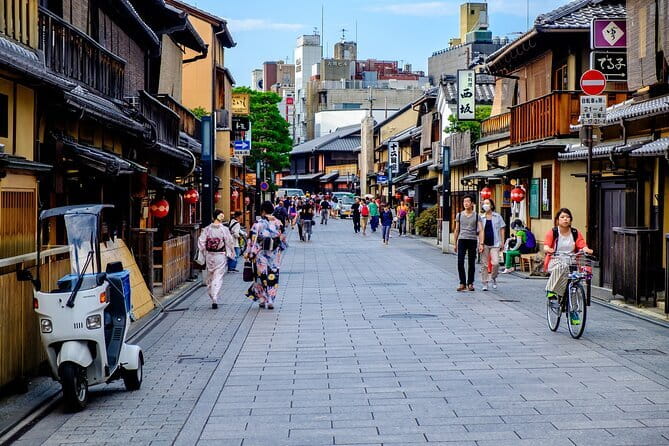
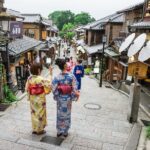
The first stop is Gion, one of Kyoto’s best-known historic areas. The tour gives you about 20 minutes here, enough for an introduction and a look at the streets before moving on.
Gion is a useful opening stop because it sets the tone for the day. You begin among traditional-looking lanes and old wooden buildings, then see how quickly Kyoto shifts from urban streets to temple grounds and quiet waterways. The bicycle lets you approach the district at a slower pace than a passing bus.
Twenty minutes is not enough for a full exploration of Gion. Treat this as an orientation stop rather than a complete visit. If you want an extended look at the district, you would need to return on your own before or after the tour.
The guide’s explanations can add useful context here. One of the strongest themes from past departures is the chance to see Kyoto through both local experience and an outsider’s adopted understanding of Japan. Alex, for example, was described as someone who had settled in Japan and embraced Japanese life. That kind of background can make the opening conversation more personal than a memorized list of dates.
Nanzenji: temple architecture and quiet grounds
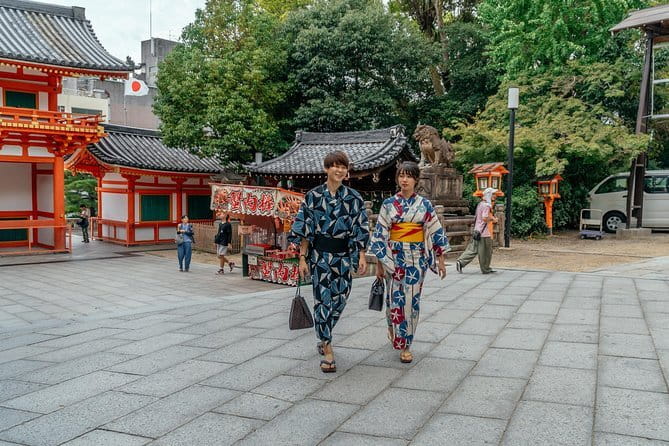
From Gion, the ride continues to Nanzenji Zen Temple. You have about 30 minutes at this stop.
Nanzenji is one of Kyoto’s major Zen temple complexes, and the setting gives you a change of pace from Gion’s streets. You can expect temple architecture, open grounds, and a calmer atmosphere suited to a short guided visit. The tour includes the entrance fee for Nanzenji, so you do not need to budget a separate admission charge for this part.
Thirty minutes is a sensible amount of time for a broad introduction, though it will not cover every corner of the complex. The guide can point out the features that matter most and explain the Zen setting without requiring you to work out the layout alone.
I like the order here. You start with a famous city district, then shift into a major religious site. The bicycle ride between stops becomes part of the experience rather than dead time spent in a vehicle.
Philosopher’s Path: the prettiest stretch of the ride
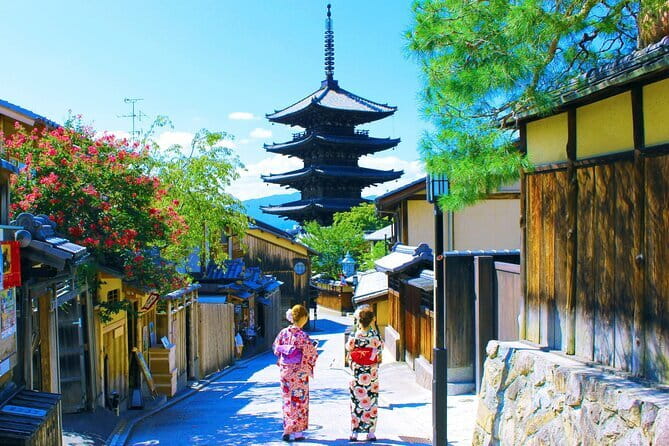
The next section follows the Philosopher’s Path, a canal-side route known for its trees and peaceful setting. The scheduled stop is about 20 minutes, and admission is not applicable.
This is likely to be one of the most enjoyable parts of the ride because the route itself is the attraction. You are not simply getting off the bicycle to enter a building. You are moving beside the canal, with time to appreciate the changing scenery and the quieter rhythm of the area.
The path can also be one of the more practical reasons to choose a bicycle tour. Walking the entire route takes time, while a bike allows you to cover it as part of a larger circuit. The guide can also help you stay on course and show you side routes that are not obvious when you are following a standard sightseeing plan.
Keep your expectations measured. This is a 20-minute portion of a busy half-day, not a long, slow ride devoted only to the canal. If you want to stop constantly for photographs, the fixed schedule may feel brisk.
Ginkakuji: the Silver Pavilion and its gardens
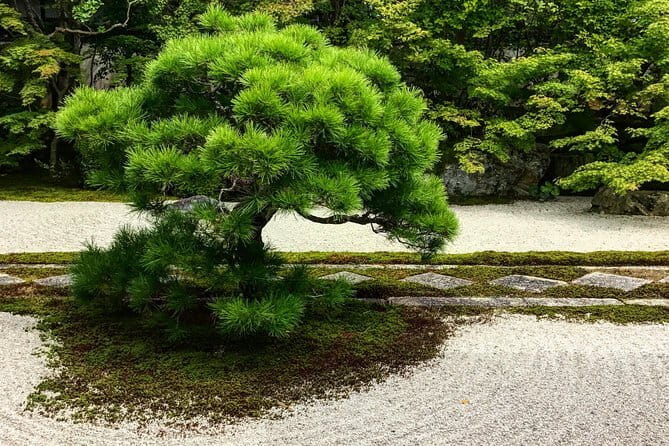
Ginkakuji, commonly called the Silver Pavilion, follows the Philosopher’s Path. The visit lasts about 20 minutes.
The temple is known for its Zen character and carefully arranged gardens. The name can mislead first-time visitors because the pavilion is not covered in silver. The real appeal is its understated design and the garden setting, which rewards a slower look rather than a quick checklist stop.
Twenty minutes gives you time to see the main areas, listen to the guide, and take photographs. It is not enough for an unhurried study of every garden detail, so I would pay attention to the guide’s explanation and avoid spending the entire stop at the entrance.
This is also where the route’s combination of cycling and short visits becomes clear. You get access to a major Kyoto sight without spending half the morning walking there, but you must accept that the stop is an introduction rather than a full independent visit.
Shimogamo Shrine: the longest stop of the morning
The tour then continues to Shimogamo Shrine, one of Kyoto’s oldest Shinto shrines. You have about an hour here, the longest scheduled stop on the route.
That extra time is welcome. Shimogamo’s wooded grounds create a strong contrast with the temple gardens and city streets earlier in the day. You can walk more slowly, listen to the guide’s explanation of Shinto traditions, and take in the shrine buildings without feeling that you must leave after a few minutes.
The hour also gives the tour some breathing room. The ride covers several sites, and a longer stop prevents the day from becoming a string of rushed arrivals and departures. One past account described the overall outing as a good balance of riding, river routes, the Philosopher’s Path, and temple visits. Shimogamo is the place where that balance can feel most comfortable.
The itinerary does not include a meal stop, so plan to eat beforehand or afterward. You should also bring water or arrange your own drinks, since meals and other drinks are not part of the price.
Kyoto Imperial Palace: a spacious finish
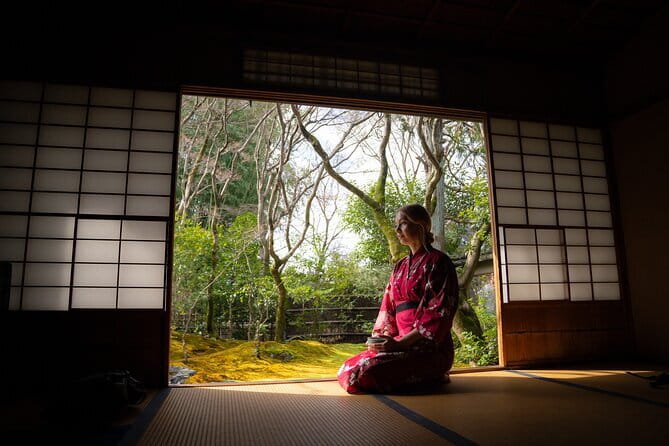
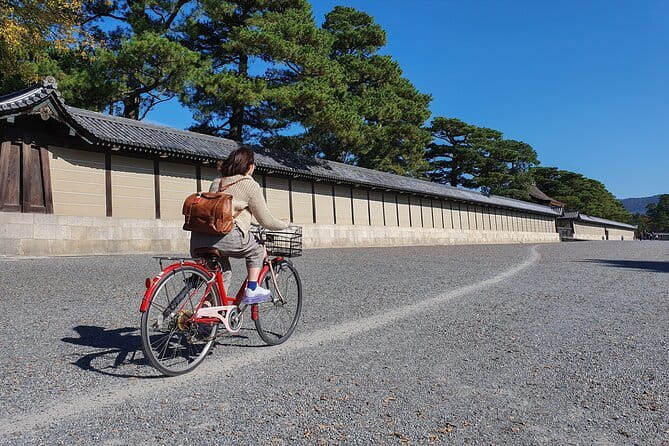
The final sightseeing stop is the Kyoto Imperial Palace, where you have about 30 minutes. The palace was once the residence of Japan’s imperial family, and its broad grounds provide a spacious ending after the narrower lanes and wooded shrine areas.
This stop is less about a single dramatic interior and more about the scale and setting of the former imperial center. You can relax, walk through the grounds, and let the guide explain the palace’s place in Kyoto’s history.
The half-hour visit is enough for a focused look, but not a full palace-area exploration. If the grounds matter greatly to you, consider returning independently with more time. The tour’s purpose is to connect several major parts of Kyoto in one ride, not to provide a full day at any one sight.
After the palace, you cycle back to Gojo Station. Since the activity ends where it began, you do not need to arrange a separate pickup from the final stop.
What the guide adds to the ride
A bicycle is useful in Kyoto, but a bicycle with a guide is more useful for a first visit. The streets and paths are not always intuitive, and the route includes pavements, canals, temples, shrines, and palace grounds. Having someone lead the way reduces the work of navigation.
The strongest guide qualities described from earlier tours are clear explanations, patience, enthusiasm, and help with photographs. Those details matter more than a guide who simply recites dates. You want someone who can explain why a place matters, keep the group moving, and help you enjoy the ride without making it feel like a race.
One previous departure became a tour for only two people, which shows how personal the private format can feel. Another included authentic streets and shortcuts that would have been difficult to cover by bus or on foot. Those are the practical advantages I would focus on when deciding if the tour is worth booking.
The guide also helps connect the stops. Without that context, Gion, a Zen temple, a canal path, a Shinto shrine, and the Imperial Palace can feel like separate photo opportunities. With good explanations, the route becomes a compact lesson in Kyoto’s religious, political, and neighborhood history.
Is $85 a fair price?
At $85 per person, this is not the cheapest way to rent a bicycle for a few hours. You are paying for more than the bike. The price includes a helmet, insurance, an English-speaking guide, and the Nanzenji entrance fee, plus route planning through six important areas.
For a private group, the value improves if you want guidance and do not want to spend time planning a safe, efficient route yourself. You also gain access to a route that links places spread across Kyoto, including the Philosopher’s Path and streets that may be awkward to connect independently.
The value is weaker if you are already confident cycling around Kyoto, know the sights well, and prefer long visits at one or two temples. In that case, a simple bicycle rental could give you more freedom for less money, though it would not include the guide’s explanations or route support.
Group discounts are available, so the per-person cost may work better for a larger private party. Since the average booking is made 11 days ahead, I would reserve before your preferred date if your schedule is tight.
Free cancellation is available when you cancel at least 24 hours before the local start time. Changes or cancellations inside that window are not accepted for a refund.
Who will enjoy this Kyoto bike tour?
I would recommend it to first-time Kyoto visitors who want a broad introduction without spending a full day on foot. It also suits people who like active sightseeing but prefer a gentle city ride to a strenuous cycling trip.
The tour should work well for private groups, couples, families, and friends who want their own pace. The activity information says most people can participate, but you should still be honest about your comfort with a standard non-electric bicycle, gentle slopes, and several hours of riding.
It is less suitable for anyone wanting an electric bike, a food-focused tour, extensive free time at each temple, or hotel-to-hotel service. It is also not the right choice if cycling itself is uncomfortable for you.
Wear practical clothing and shoes for riding and walking. Since the tour does not include meals or drinks, bring or arrange your own refreshments. The helmet is provided, and the meeting point is near public transportation.
Should you book Discover Kyoto by Bike?
Book this tour if you want to connect Kyoto’s major sights in one morning or afternoon, appreciate a private guide, and enjoy seeing the city from a bicycle rather than a bus window. The mix of Gion, Nanzenji, the Philosopher’s Path, Ginkakuji, Shimogamo Shrine, and the Imperial Palace gives you a useful first look at several sides of Kyoto.
I would be especially inclined to book it early in a Kyoto visit. The guide can help you understand the city’s layout, point out places worth revisiting, and show you routes you might miss on foot.
Skip it if your priority is unhurried temple visits or an electric bicycle. At $85, the tour earns its price through the private guiding, included equipment, route planning, and efficient use of four hours. You are buying a guided introduction to Kyoto, not simply a bike rental.
FAQ
How long does the Discover Kyoto by Bike tour last?
The tour lasts approximately four hours.
Where does the tour begin?
It begins at Gojo Station, at Osakacho in Kyoto’s Shimogyo Ward, postal code 600-8177, Japan.
Where does the activity end?
The tour ends back at the same meeting point.
Is the tour private?
Yes. Only your own group participates in the activity.
What kind of bicycle is provided?
You receive a standard, non-electric B-type Mamachari bicycle with three gear shifts.
Is a helmet included?
Yes. A helmet, bicycle rental, insurance, and an English-speaking guide are included.
Are meals and hotel transfers included?
No. Hotel pickup and drop-off, meals, other drinks, and personal expenses are not included.
More Cycling Tours in Kyoto

More tours in Kyoto we've reviewed


Cycling Tours, compared.
 ★ 5.0Hidden Kyoto E-Biking tourFrom $116
 ★ 5.0Bike Tour Exploring North Kyoto plus LunchFrom $106
 ★ 5.0Arashiyama Bamboo Forest & Hidden Gems Bike Tour (Early Bird)From $106
 ★ 5.05 Top Highlights of Kyoto Full Day Bike Tour (E-bike option)From $172
 ★ 5.0Full Day Biking Tour Exploring the Best of KyotoFrom $119
 ★ 5.0E-Bike Tours of the highlights of Kyoto!!!From $109