
Reviewed · TEA CEREMONY EXPERIENCES
Experience a tea ceremony in an authentic tearoom, in Kyoto!
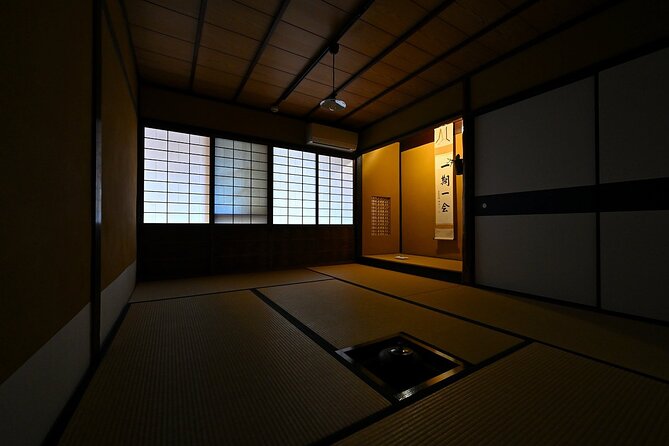
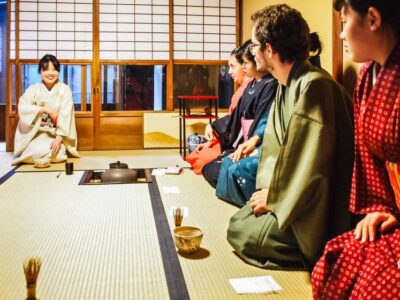
The best part of this Kyoto experience is the setting. You enter an authentic tea room through the garden of a 130-year-old townhouse, leaving the city streets behind for a quiet lesson in one of Japan’s most careful traditions. I like the hands-on format, and I like that host Kaori explains the customs in clear English rather than expecting you to know the rules.
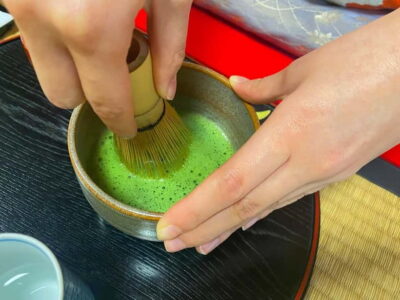
The traditional sweets come from a long-established Kyoto confectionery shop, and you make your own bowl of matcha after watching the demonstration. The main consideration is value: at $39.63 for about 45 minutes, this is a short introduction, not a full tea-school lesson. Sitting on the floor may also be awkward if your knees are stiff, though a stool can be provided.
In This Review
- Key points to know before booking
- Entering the 130-year-old Kyoto townhouse
- What happens during the 45-minute ceremony
- The sweets and matcha are more than refreshments
- Kaori’s teaching style makes this work for beginners
- A closer look at the traditional etiquette
- Floor seating and comfort concerns
- Is $39.63 a fair price?
- How this compares with a more formal ceremony
- Timing, group size, and cancellation details
- Who should book this Kyoto tea experience?
- Should you book it?
- FAQ
- Where does the tea ceremony take place?
- How long does the experience last?
- Who leads the tea ceremony?
- Do I make my own matcha?
- Are sweets included?
- Is a kimono included?
- Can I cancel for a full refund?
Key points to know before booking
- A 130-year-old townhouse setting: Enter the tea room from the garden for a more traditional atmosphere than a modern café.
- Kaori leads the experience: Expect patient explanations in English, with time for questions and practical instruction.
- You make your own matcha: The lesson covers whisking, serving, appreciating, and drinking the tea.
- Kyoto sweets are part of the ritual: You receive dried sweets made with Japanese wasanbon sugar from the historic Shioyoshi-ken shop.
- Small groups keep it personal: The maximum is 10 people, and smaller bookings may feel almost private.
- Plan for a short cultural introduction: The advertised duration is about 45 minutes, though some sessions may feel closer to an hour.
Entering the 130-year-old Kyoto townhouse
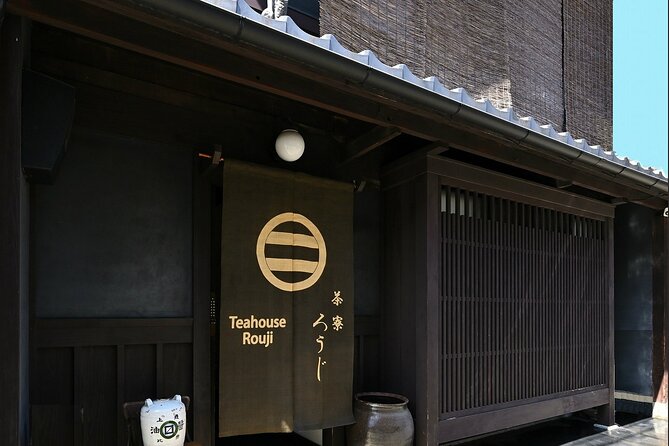
This experience begins at 22-26 Nishinokyō Ikenouchichō in Nakagyo Ward, Kyoto. The activity returns to the same meeting point, so you do not need to arrange a second pickup or find your way across town afterward.
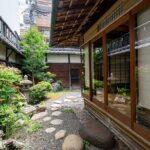
The arrival is part of the charm. Rather than simply sitting down in a shopfront, you enter the tea room from the garden. That small transition matters. Kyoto can be noisy and crowded, but the garden entrance gives the ceremony a clear sense of place before the tea is even prepared.
You are visiting a working traditional-style space, not a stage set built only for photographs. The townhouse is around 130 years old, and the tea room provides the atmosphere this ritual needs: quiet, order, and a pause from sightseeing.
The address is near public transportation, which makes it practical to fit into a day of exploring central Kyoto. Still, allow enough time to locate the meeting point. A tea ceremony is not the sort of activity you want to rush into while checking your phone and catching your breath.
A few more Kyoto tours and experiences worth a look
What happens during the 45-minute ceremony
The session opens with an introduction to the history and culture of Japanese tea ceremony. You learn why tea preparation is treated as a broad art form, combining movement, hospitality, tea, sweets, and a calm state of mind.
This background helps you understand the gestures that follow. Without it, the ritual can look like a series of precise motions. With it, you can see the care given to each step and the relationship between host, visitor, utensils, sweets, and tea.
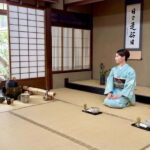
Kaori demonstrates the process before asking you to make matcha yourself. Her instruction is aimed at beginners, so you do not need prior knowledge of tea ceremony or experience with a bamboo whisk.
The hands-on portion is the real heart of the activity. You are not only watching a formal performance. You learn how to prepare the tea, then try the method for yourself under guidance. The pace is patient, and the host answers questions as they arise.
You also receive advice on how to enjoy matcha without traditional tea utensils at home. That is a useful touch. Many cultural activities end when you leave the room, but this one gives you a practical skill you can repeat later with basic equipment.
The sweets and matcha are more than refreshments
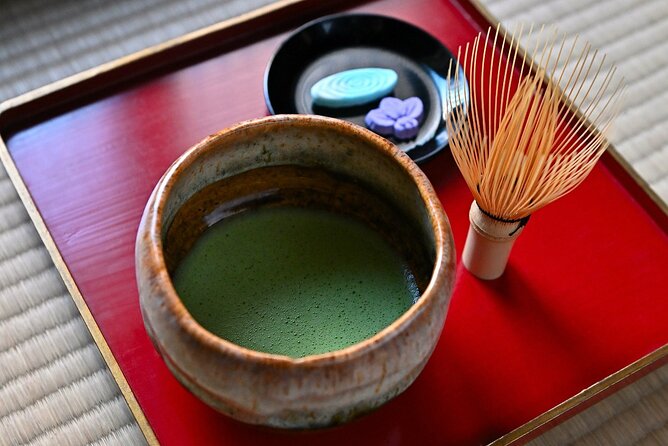
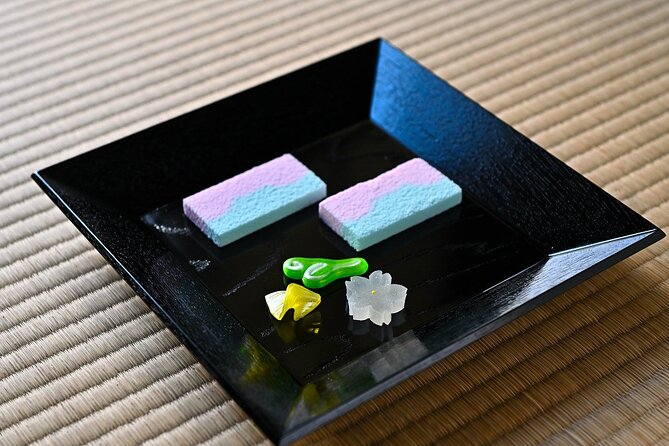
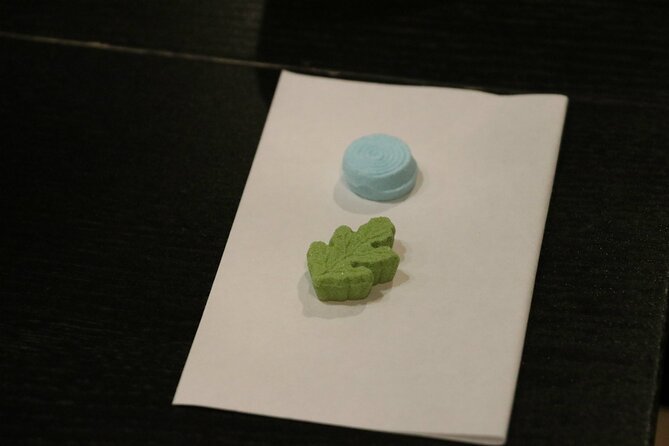
The ceremony includes dried sweets from a famous Kyoto confectionery shop. The sweets are associated with Shioyoshi-ken, a long-established Japanese sweets maker, and are made with wasanbon, a refined Japanese sugar often used in traditional confectionery.
Expect small portions. This is not a dessert tasting or a substantial snack. The sweets are there to balance the bitterness of matcha and form part of the tea experience.
That distinction is important when judging the price. If you want a generous food stop with a large drink, this will feel slight. If you want to understand how Japanese sweets work with matcha, the small serving has a clear purpose.
The matcha itself is prepared as part of the ceremony, and you will drink the tea after learning how to appreciate it. The flavor can be stronger and more bitter than the sweetened green tea served in many cafés. The wasanbon sweets soften that edge.
You can also take home the method. The activity explains how to make matcha by yourself, not just how to perform the formal gestures. One practical result is that you may want to buy a matcha whisk afterward, but the central lesson does not depend on becoming a tea expert.
Kaori’s teaching style makes this work for beginners
Kaori is the named host associated with the experience. She wears traditional clothing during the ceremony and speaks English well, making the session accessible if you do not speak Japanese.
Her role is more than showing you how to whisk powder into water. She explains the customs, history, and proper way to serve and drink the tea. That wider context gives the hands-on lesson some weight.
The teaching style also suits families and first-time visitors. You are not expected to sit silently through a formal ceremony without help. The instructions are clear, and beginners receive detailed guidance.
The atmosphere is personal. The maximum group size is 10, but smaller bookings can be much more intimate. Groups of three or four may find themselves in what feels like a private ceremony, depending on the schedule.
This small-group setup is especially helpful if you have questions. You can ask about the sweets, the utensils, the meaning of the movements, or how to repeat the process at home without feeling like you are interrupting a large class.
A closer look at the traditional etiquette
Tea ceremony etiquette can seem intimidating at first. There are established ways to receive the bowl, appreciate the tea, and drink it. The point of this session is not to catch you making a mistake.
You are shown what to do before trying it. That makes the ceremony welcoming rather than stiff. The host guides you through the proper way to serve and drink matcha, while also explaining why these actions matter.
The ceremony’s calm pace is one of its strongest features. In Kyoto, you can spend a whole day moving from temple to temple, checking maps, dodging bicycles, and watching the clock. Here, the focus narrows to a bowl, a whisk, a sweet, and a few deliberate movements.
I would not expect a long meditation session or a full formal tea-school curriculum. The experience is a compact introduction. Its value comes from giving you enough structure to understand the tradition and enough practice to try it yourself.
That balance suits a busy Kyoto itinerary. You get a genuine cultural activity without giving up half a day.


Floor seating and comfort concerns
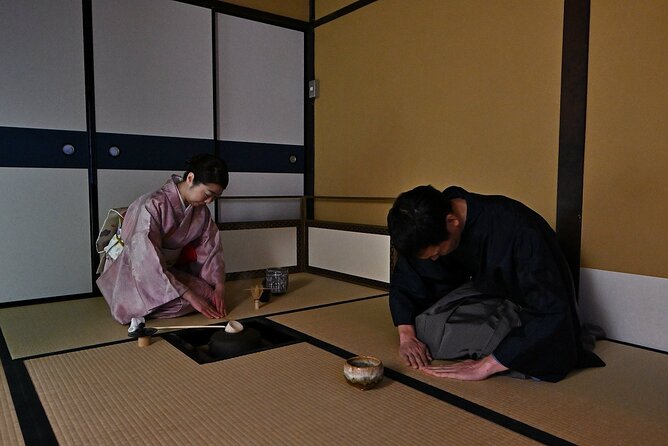
Traditional tea rooms commonly involve sitting on the floor, and that can be difficult for some people. One participant specifically found it manageable but noted that bad knees made the posture uncomfortable.
A stool is available if needed. If you have knee, hip, or mobility concerns, mention this when you arrive and use the available support rather than trying to force yourself into a formal position.
The activity information does not promise wheelchair access or detail every physical feature of the townhouse. If you need specific accessibility arrangements, contact the provider before booking.
Dress for comfort and ease of movement. You do not need a kimono for this experience, and a kimono is not listed as part of the package. One account specifically noted the absence of kimono dressing, so book this for the tea lesson and setting, not for a costume session or photo opportunity.
Is $39.63 a fair price?
At $39.63 per person, this is priced as a short cultural experience rather than an expensive formal ceremony. For 45 minutes, the cost may feel high if you measure it only by the amount of tea and sweets.
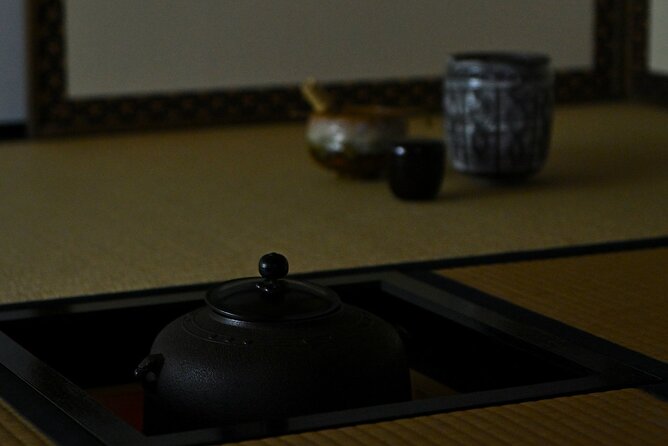
You are paying for several things at once: access to a historic townhouse, an authentic tea room, an English-speaking instructor, a demonstration, hands-on matcha preparation, traditional sweets, and an explanation of tea customs.
The small group limit improves the value. A large demonstration can leave you watching from the back, while a group of up to 10 allows more direct instruction. If your booking has only a few people, the personal feel becomes a bigger part of what you are buying.
This is also a good choice if you want a cultural activity that works for a family. The short length keeps younger participants from having to sit through an overly long formal program, while the practical matcha lesson gives everyone something to do.
On the other hand, you may find it expensive if you are mainly interested in tasting matcha. Kyoto has many places to drink green tea for less. Choose this experience because you want the explanation, etiquette, historic room, and chance to prepare the tea yourself.
How this compares with a more formal ceremony
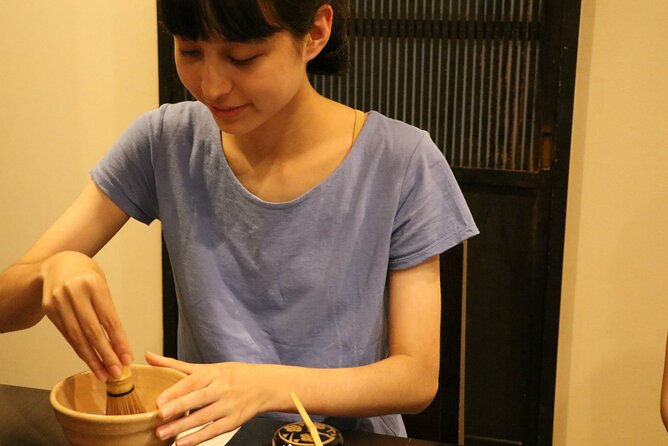
This session gives you a taste of tea ceremony culture, but it should not be confused with an advanced lesson or an extended formal gathering. The emphasis is on explanation and participation.
That makes it easier for first-time visitors. You learn the basic history, watch the host prepare tea, taste the sweets, and then repeat the process. The format is friendly and direct.
A more formal ceremony may place greater emphasis on silence, prescribed movement, seasonal details, and a longer sequence of rituals. This activity offers enough of that structure to make the tradition understandable, but keeps the experience approachable for people who are new to it.
For most first visits to Japan, that is a sensible trade. You get the meaning behind the ritual without needing to commit to a specialized course.
Timing, group size, and cancellation details
The stated duration is approximately 45 minutes. Some descriptions of the session place it closer to an hour, so avoid scheduling a train, dinner reservation, or timed attraction immediately afterward.
The activity is capped at 10 people. The actual feel will depend on the number booked that day. A small group should allow more questions and more attention during the matcha preparation.
Confirmation is sent within 48 hours of booking, subject to availability. The activity requires a minimum number of participants, and if that minimum is not met, you are offered another date or experience, or a full refund.
Free cancellation is available up to 24 hours before the local start time. Changes or cancellations made within 24 hours are not accepted for a refund, so check your schedule before booking.
Because the meeting point and end point are the same, this works best as a planned stop in your Kyoto day rather than a flexible drop-in activity.
Who should book this Kyoto tea experience?
I would choose this for you if you want a clear, welcoming introduction to Japanese tea ceremony. It suits first-time visitors, families, couples, and small groups who want to learn rather than simply take photographs.
It is also a strong pick if you value local atmosphere. The old townhouse and garden entrance give the activity a sense of place that a hotel conference room would lack.
You will probably enjoy it most if you like cultural details. The host explains the meaning behind the tea, sweets, and etiquette, and you get to repeat the process yourself.
I would think twice if you want a long ceremony, a full meal, kimono rental, or a large serving of sweets. None of those are promised. I would also reconsider if floor seating is likely to cause serious discomfort, even with the stool option.
Should you book it?
Book this tea ceremony if you want a short, hands-on Kyoto experience led in clear English by Kaori. The historic townhouse, traditional sweets, and chance to prepare your own matcha give the session more substance than a simple tea tasting.
The value is strongest for curious beginners who want to carry a small part of Japanese tea culture home. At 45 minutes, it will not fill an afternoon, but it can become one of the more memorable pauses in a busy Kyoto schedule.
Skip it if you are looking for a lavish spread, costume experience, or a lengthy formal ceremony. For everyone else, especially families and small groups, this is a practical way to meet a central Japanese tradition at a manageable price.
FAQ
Where does the tea ceremony take place?
It takes place at 22-26 Nishinokyō Ikenouchichō, Nakagyo Ward, Kyoto, Japan. The meeting point is also where the activity ends.
How long does the experience last?
The stated duration is approximately 45 minutes. Some descriptions of the session indicate that it may take closer to an hour.
Who leads the tea ceremony?
The experience is led by Kaori, who provides explanations in English and guides you through making, serving, appreciating, and drinking matcha.
Do I make my own matcha?
Yes. You first watch a demonstration, then prepare your own matcha with detailed guidance suitable for beginners.
Are sweets included?
Yes. You receive dried Japanese sweets from the historic Kyoto confectionery shop Shioyoshi-ken. The sweets are made with wasanbon sugar and are served with the matcha.
Is a kimono included?
A kimono is not listed as an included feature. The activity focuses on the tea ceremony, the townhouse setting, traditional sweets, and matcha preparation.
Can I cancel for a full refund?
Yes, if you cancel at least 24 hours before the experience start time. Cancellations or changes made less than 24 hours in advance are not accepted for a refund.
More Tea Ceremony Experiences in Kyoto
More tours in Kyoto we've reviewed



Tea Ceremony Experiences, compared.
 ★ 4.9Kyoto: Tea Ceremony in a Traditional Tea House in KiyomizuFrom $4945 min
 ★ 4.9Kyoto: Tea Ceremony Ju-An at Jotokuji TempleFrom $291h 10m
 ★ 4.3Kyoto: 45-Minute Tea Ceremony Lesson ExperienceFrom $2245 min
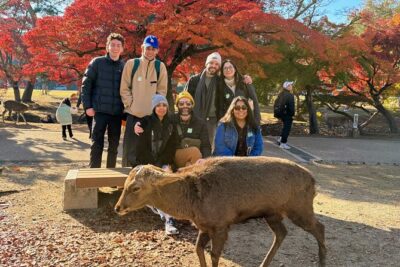 ★ 5.0World Heritage Kyoto & Nara Uji Authentic Matcha ExperienceFrom $129
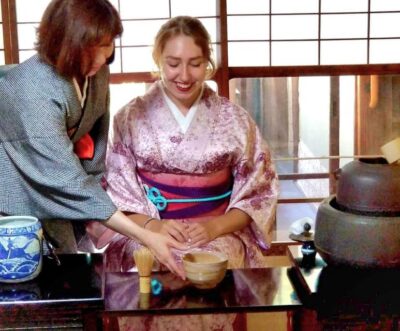 ★ 4.9Kyoto: Table-Style Tea Ceremony at a Kyo-MachiyaFrom $451h 30m
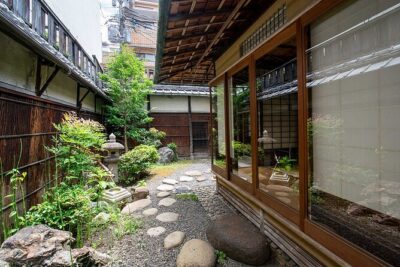 ★ 5.0Kimono Tea Ceremony at Kyoto Maikoya, NISHIKIFrom $65