
Reviewed · TEA CEREMONY EXPERIENCES
Kyoto: Tea Ceremony in 100-year-old Kyo-Machiya Townhouse
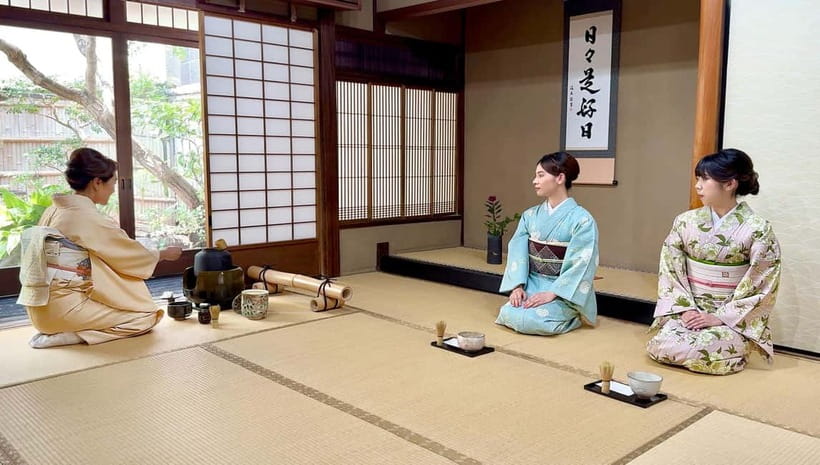
A tea ceremony in a 100-year-old Kyo-Machiya townhouse gives you more than a cup of matcha. You learn why every bow, turn of the bowl, and movement of the whisk matters, then prepare tea yourself under the tea master’s eye. I especially like the calm setting and the chance to ask questions after the formal demonstration.
I also like the choice of a simple 50-minute ceremony or a longer kimono package that lets you walk around Kyoto afterward. The main drawback is practical: the kimono option begins at the Gojo shop, and you must get yourself to the townhouse and return the kimono by 5:30 PM. On a hot day, several layers of clothing can also feel heavy.
In This Review
- Key points to know before booking
- Entering a Kyoto machiya for tea
- What happens during the 50-minute ceremony
- The tea master and English explanation
- Adding the kimono rental at Gojo
- The 30-minute machiya moment
- What makes the experience feel authentic
- Who will enjoy this most
- Is $31 a fair price?
- Smart planning for your Kyoto day
- Should you book this Kyoto tea ceremony?
- FAQ
- How long does the tea ceremony last?
- Where does the tea-only experience begin?
- Where does the kimono option begin?
- Can I sit on a chair instead of the floor?
- What does the kimono add-on include?
- What should I bring, and when must I return the kimono?
Key points to know before booking
- Make your own matcha: After watching the tea master prepare the first bowl, you whisk your own tea with guidance.
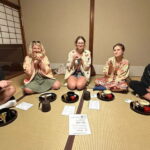
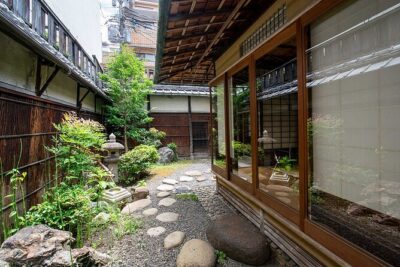
- A real machiya setting: Tatami, paper screens, wooden details, and a traditional townhouse give the ceremony a proper sense of place.
- English support is available: The tea master conducts the ceremony in Japanese, with an English-speaking interpreter or guide explaining the steps.
- Kimono changes the shape of the outing: Pick one at the Gojo shop, attend the ceremony later, then stroll through Kyoto before returning it by 5:30 PM.
- The group may be as large as 20: You can sit on the floor or use a small chair, but the room and atmosphere depend on group size.
- Best for quiet participants aged 10 and up: This is a thoughtful cultural lesson, not a noisy family activity or a quick photo stop.
Entering a Kyoto machiya for tea
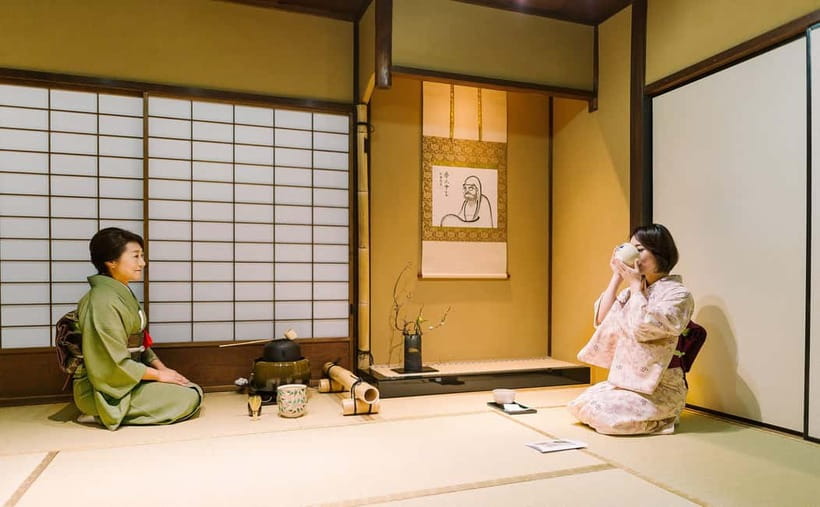
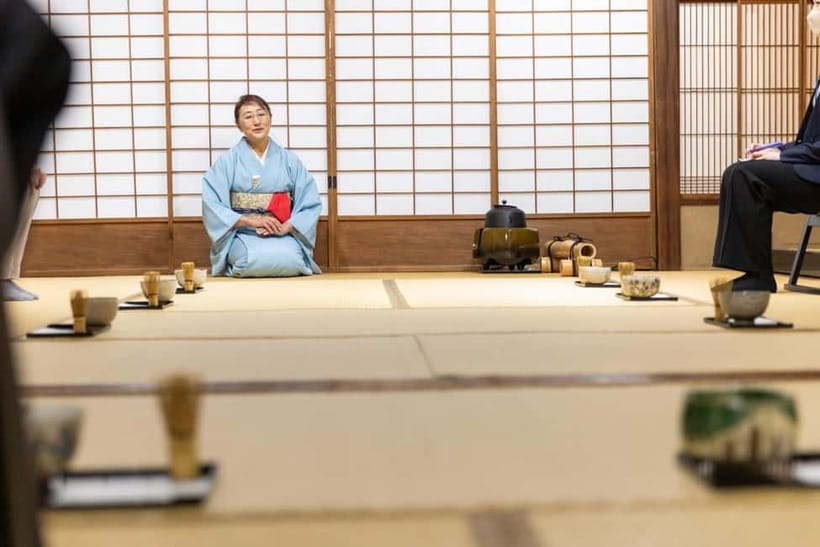
The setting does much of the work here. Yumeyakata Oike Bettei is a traditional townhouse near Kyoto Imperial Palace, in an area long associated with the imperial court and aristocratic culture. The house itself offers the sort of details a modern tea room cannot: wooden thresholds, tatami, paper screens, and the restrained feel of a home designed around ritual and season.
You do not need prior knowledge of Japanese customs. The session begins with an explanation of how tea came to Japan from China about 1,200 years ago and how it developed into the Japanese Way of Tea. That background matters because it helps you see the ceremony as a social and artistic practice, not simply a method for making powdered green tea.
The location also adds historical weight. The townhouse sits beside the former residence of Nijō Yoshimoto, a high-ranking court noble from the fourteenth century and an important figure in the culture of linked-verse poetry. The ceremony does not turn into a full imperial history lecture, but the setting helps connect the quiet room to Kyoto’s long tradition of poetry, art, refined gatherings, and formal hospitality.
A few more Kyoto tours and experiences worth a look
What happens during the 50-minute ceremony
Arrive at Oike Bettei five to ten minutes before the time on your voucher if you book the tea ceremony alone. A guide brings you into the room and explains how the session will work. English and Japanese are available, and the guide’s role is important because the tea master’s actions are often subtle.
You learn how to bow, which greetings to use, how to eat the traditional sweet, and how to drink the tea. You are also shown how to look at the tea bowl, including the proper way to appreciate its shape and decoration. These instructions may sound fussy at first, but they give the ceremony a clear rhythm and help you take part rather than simply watch.
You can sit on the floor or use a small chair. That choice is useful for anyone with stiff knees or little experience sitting in the Japanese style. Still, tell yourself that this is a quiet room where everyone’s movements and voices matter. The experience is intended for people aged 10 and older, and disruptive behavior may lead to removal from the session.
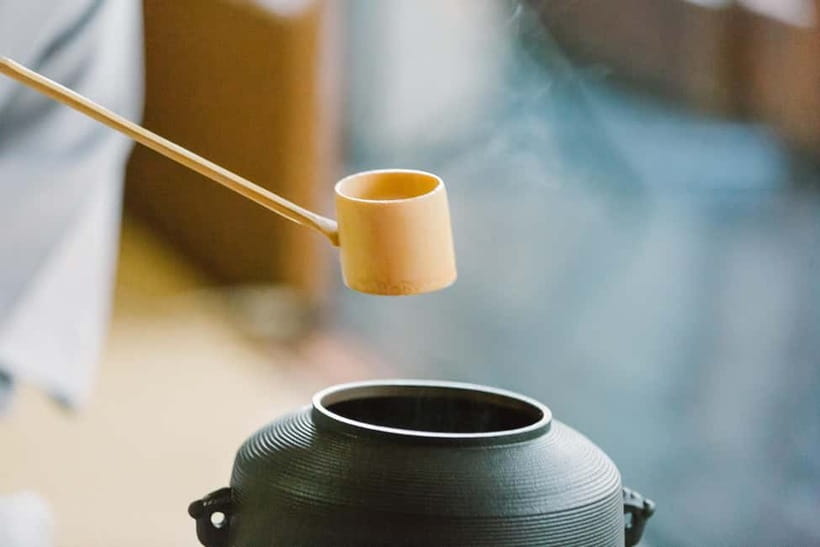
The tea master then brings in the utensils and prepares the first bowl for a guest. This is the most graceful part to watch. The gestures are measured and deliberate, and the explanations show how much thought goes into the placement of each item and the order of each movement.
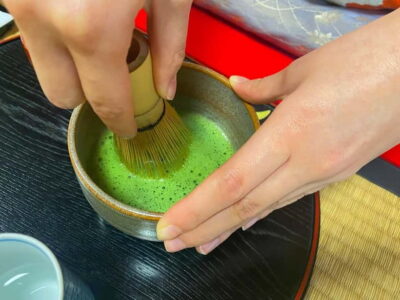
Then it is your turn. You prepare matcha under supervision, learning how to handle the whisk and combine the tea and hot water. You are not expected to produce a perfect bowl on the first try. The point is to understand the method and feel the care behind a daily Japanese tradition.
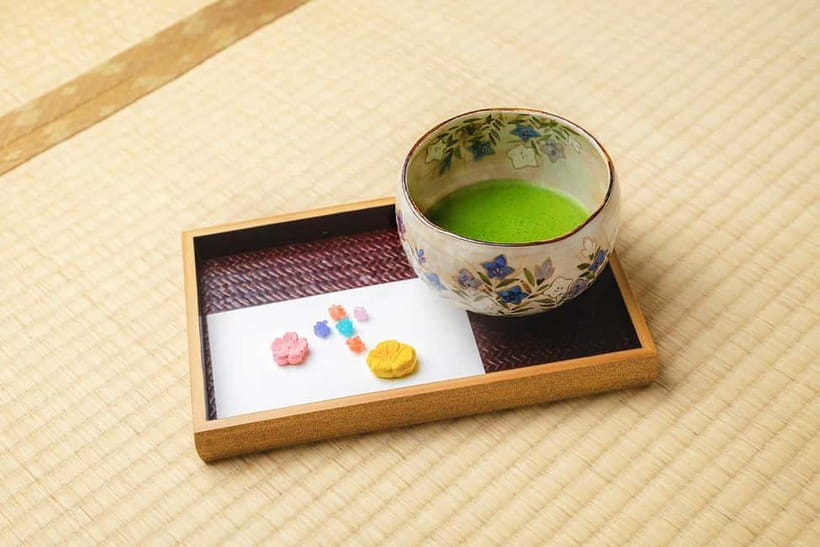
The matcha comes with a traditional sweet, which provides a pleasant contrast to the tea’s slightly bitter taste. The tea itself is a highlight for many people, including those who arrive with little interest in powdered green tea. At the end, the master closes the ceremony, and you can ask questions before leaving.
The tea master and English explanation
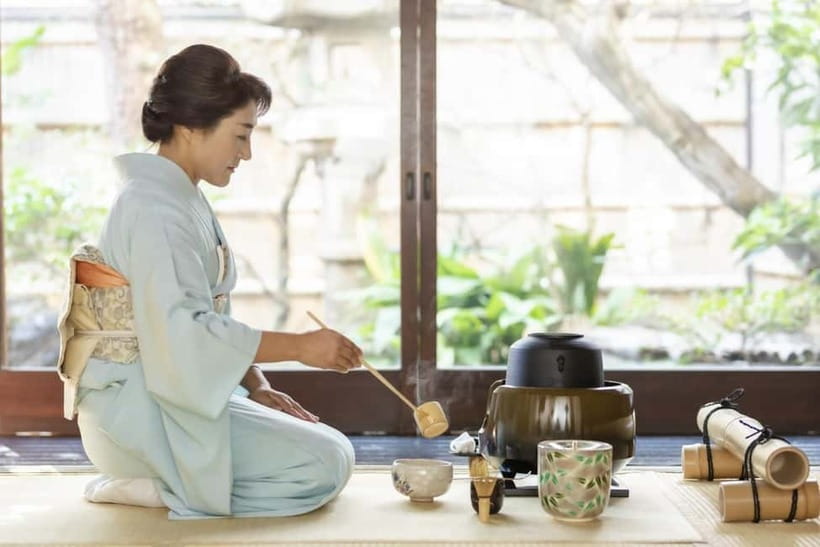
The tea master leads the formal part in Japanese, while an English-speaking guide or interpreter explains the meaning and etiquette. This arrangement preserves the sound and feel of the ceremony while keeping the instructions accessible.
Several guides and hosts have been singled out for their clear and warm presentation, including Maki, Ling, and Lim. The exact staff member may vary, so do not book expecting one named guide. What you can expect is a structured explanation, demonstrations of the gestures, and help during your own turn with the whisk.
English ability may vary slightly from one session to another. One account noted that the English was not perfect, but the ceremony remained easy to follow. That is a fair expectation. The tea ceremony itself gives you visual clues, and the basic steps are demonstrated before you try them.
I appreciate that questions are welcomed at the end. You can ask about the utensils, the history of tea, etiquette, or the meaning of particular gestures without interrupting the formal portion. The result is more useful than a simple staged demonstration because you leave with a working sense of how the ceremony fits into Japanese culture.
Adding the kimono rental at Gojo
The kimono package changes this from a one-hour cultural activity into a larger half-day plan. At the starting time on your voucher, go first to the Yumeyakata Gojo Shop and choose a kimono from a range of colors, patterns, and sizes.
The ceremony begins two hours after that selected starting time. For example, an 11:00 AM kimono appointment leads to a 1:00 PM ceremony. That gap is not wasted, but you must plan for it. You are responsible for getting from the Gojo shop to the townhouse, and transportation between the two locations is not included.
The standard package includes a casual kimono rental. Add-ons may include women’s hairstyling, makeup, a hair accessory, and an upgrade to a formal Houmongi kimono. If you want a polished portrait-style look, the upgrade package makes more sense than treating the kimono as a simple costume. If you mainly want to try traditional clothing and walk around Kyoto, the casual option should be enough.
Allow time for the dressing process and remember that a kimono is not ordinary street clothing. One person found walking in it uncomfortable on a hot day and was surprised by how many layers it involved. That is useful advice: choose this package for the full cultural experience, not just for a quick outfit change.
Once dressed, you make your own way to Yumeyakata Oike Bettei. After the ceremony, you can continue exploring Kyoto in the kimono before returning it to the Gojo shop by 5:30 PM the same day. The fixed return time is the key limitation. You will need to keep an eye on the clock, especially if you plan to stop for lunch, visit the Imperial Palace area, or take photographs.
The 30-minute machiya moment
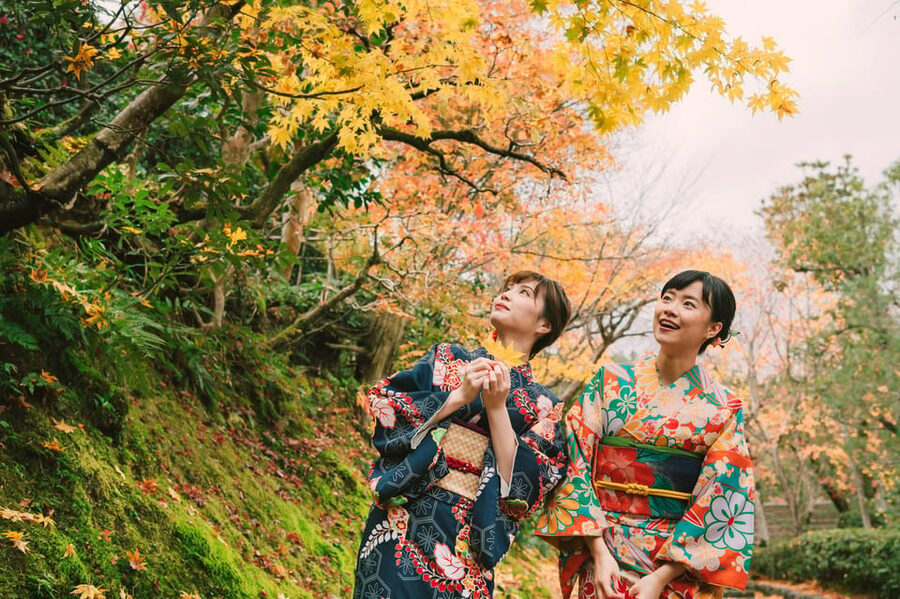
If you choose the add-on, stay at the townhouse after tea for a 30-minute machiya experience. This includes roughly 20 minutes of walking through the house and 10 minutes for photographs.
The tour explains the townhouse’s architecture, cultural role, and practical features. That makes a useful follow-up to the tea ceremony because you can connect the formal room to the wider design of a Kyoto home. The machiya is not just a pretty background. Its layout reflects how people lived, worked, welcomed visitors, and separated public and private spaces.
The photography time is informal rather than a professional photo session. Professional photos and videos are not included. You may be able to take your own pictures in the garden or around the house, and one package user especially enjoyed posing with a katana and umbrella. Flash photography is not allowed, so use your phone or camera without flash and follow the staff’s instructions.
This add-on is worthwhile if you have chosen the kimono package and want more time in the house. If you are in Kyoto for only a short visit, the basic ceremony may be the better use of your schedule.


What makes the experience feel authentic
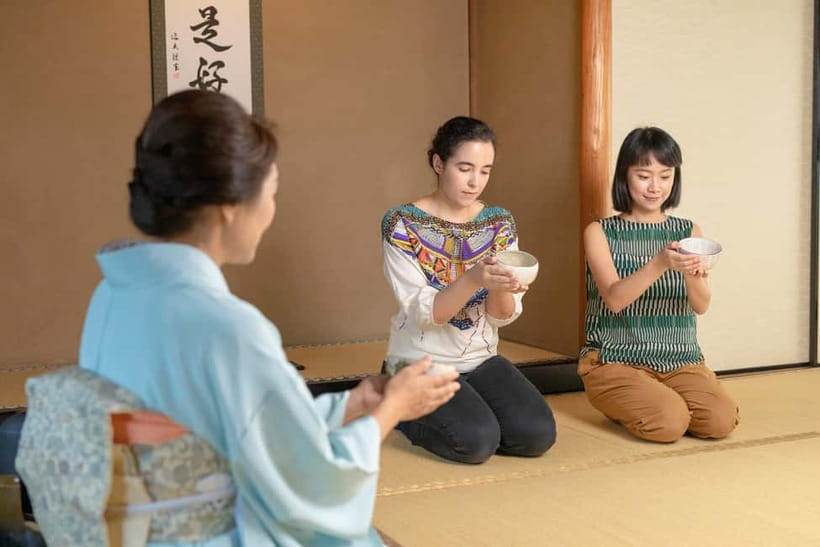
Authenticity here comes from participation and restraint. You are not merely handed a bowl of matcha and told to smile for a photograph. You learn the greetings, watch the preparation, eat the sweet in the proper sequence, observe the bowl, and then make tea yourself.
The hosts also preserve the formal tone without making the event hard to understand. The tea master’s Japanese presentation, paired with interpretation, lets you see the ceremony as a living practice rather than a performance built only for visitors. At the same time, the explanations make room for beginners.
The old house is just as important as the tea. A purpose-built activity room could explain the same facts, but it would lose the quiet sense of entering a place shaped by Kyoto’s domestic history. The tatami and paper screens are not decorative extras. They help you understand why the ceremony pays attention to posture, spacing, objects, and silence.
Do not expect a private masterclass. The session can hold up to 20 people, and the room may change depending on the size of the group. A small group can feel personal, while a full session will feel more like a shared introduction. You may be invited to sit at the front or volunteer as the first guest, but that is not guaranteed.
Who will enjoy this most
I would recommend this experience to first-time visitors who want a clear introduction to Japanese culture. You receive enough history to understand the ceremony, enough instruction to participate, and enough free time at the end to ask practical questions.
It also suits couples, friends, and solo visitors who enjoy calm activities. The kimono option works particularly well if you want photographs and have several hours to spend in central Kyoto. Wearing the clothing after the ceremony gives the lesson a physical dimension, although it also brings heat, restricted movement, and the need to return everything on time.
Families should note the minimum age of 10. The quiet rules are real, and this is not a good fit for very young children. The activity is also not suitable for pregnant women, wheelchair users, babies under one, people taller than 200 centimeters, people over 95 kilograms, or people with visual impairments.
Bring socks. Sandals and flip-flops are not allowed, and you will be in a traditional room where footwear rules matter. Food, drinks, smoking indoors, loud behavior, and flash photography are also prohibited.
Is $31 a fair price?
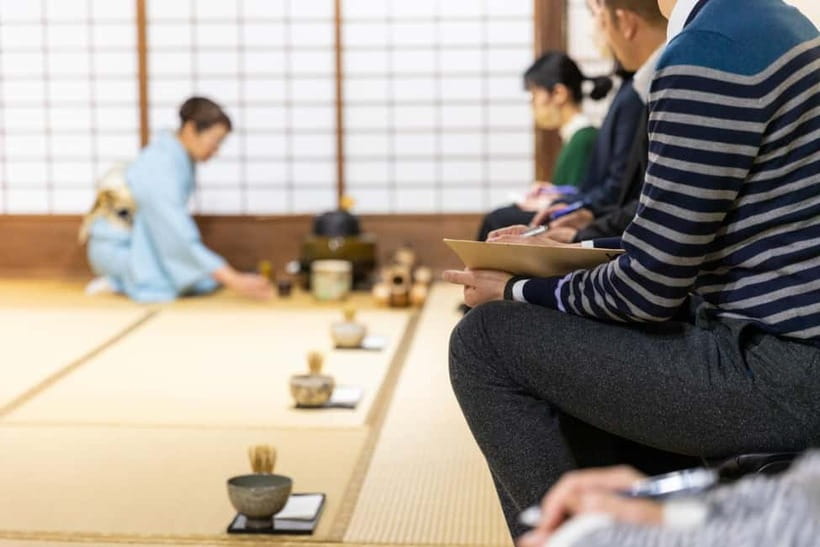
At about $31 per person, the tea ceremony alone offers good value for a focused cultural lesson in a traditional house. You receive matcha, a sweet, the demonstration, instruction for making your own tea, an explanatory leaflet, and English support.
The price becomes harder to judge if you are comparing it with a quick tea tasting at a café. This experience costs more because you are paying for the setting, the tea master’s instruction, the formal etiquette, and the chance to take part. If you only want to taste matcha, choose a café. If you want to understand why the ceremony works as it does, this is the stronger choice.
Kimono rental, hairstyling, makeup, a formal Houmongi upgrade, and the machiya tour are additional choices. Consider the package as a full afternoon plan rather than an inexpensive add-on. You must also cover your own transportation between the Gojo shop and the townhouse, so factor that into the total cost.
Free cancellation up to 24 hours before the start time and a reserve-now, pay-later option make booking less risky. Still, check the exact starting time and meeting point for your chosen package because they vary by option.
Smart planning for your Kyoto day
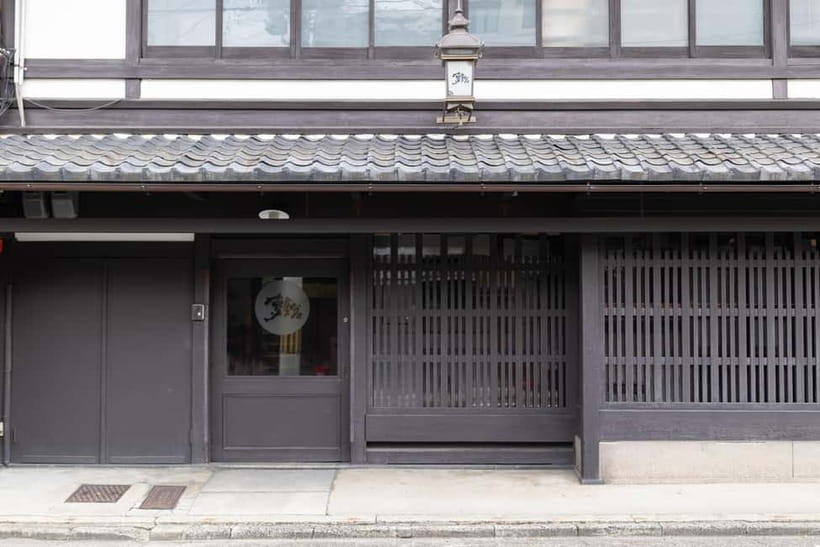
For the tea ceremony only, arrive at Oike Bettei five to ten minutes early. Late arrivals may still be admitted, but the session will not be extended, so you could miss part of the explanation or demonstration.
For the kimono package, begin at the Gojo shop at the time printed on your voucher. Plan the two-hour interval carefully. Since the ceremony starts two hours after the kimono appointment, you need to allow for dressing, transport, and any stops before arriving at the townhouse.
The kimono must be returned to the Yumeyakata Gojo Shop by 5:30 PM. I would avoid pairing the rental with a distant sightseeing plan. Keep your route in central Kyoto and leave a generous buffer before the return time.
Bring a camera without flash if photographs matter to you. The staff may help with casual pictures, but professional photography is not part of the package. The experience works best when you treat the photographs as a record of the afternoon, not the main event.
Should you book this Kyoto tea ceremony?
Book it if you want to understand the ceremony rather than simply sample matcha. The combination of a skilled tea master, English explanation, hands-on practice, traditional sweet, and old townhouse makes this a well-shaped introduction to one of Japan’s most refined customs.
Choose the tea-only option if your schedule is tight or you prefer a quiet, focused cultural activity. Add the kimono if you have several free hours, enjoy dressing up, and are willing to manage the heat, walking, transport, and 5:30 PM return deadline.
I would skip it only if you dislike sitting quietly, following formal instructions, or sharing a session with a group. For most visitors to Kyoto, especially those looking for something beyond temples and shopping, this offers a thoughtful hour in which the city’s past becomes something you can practice with your own hands.
FAQ
How long does the tea ceremony last?
The tea ceremony itself lasts about 50 minutes. Options that include kimono rental and related activities can take from 50 minutes to about three hours.
Where does the tea-only experience begin?
For the tea-only option, go to Yumeyakata Oike Bettei five to ten minutes before the starting time shown on your voucher.
Where does the kimono option begin?
The kimono option begins at the Yumeyakata Gojo Shop at the starting time shown on your voucher. You then make your own way to the townhouse, where the ceremony begins two hours after that starting time.
Can I sit on a chair instead of the floor?
Yes. Small chairs are available for people who prefer not to sit on the floor.
What does the kimono add-on include?
The standard kimono plan includes a casual kimono rental. Optional additions can include women’s hairstyling, makeup, a hair accessory, and an upgrade to a formal Houmongi kimono.
What should I bring, and when must I return the kimono?
Bring socks. Sandals and flip-flops are not allowed. If you rent a kimono, return it to the Yumeyakata Gojo Shop by 5:30 PM on the same day.
More Tea Ceremony Experiences in Kyoto
More tours in Kyoto we've reviewed



Tea Ceremony Experiences, compared.
 ★ 4.9Kyoto: Tea Ceremony in a Traditional Tea House in KiyomizuFrom $4945 min
 ★ 4.9Kyoto: Tea Ceremony Ju-An at Jotokuji TempleFrom $291h 10m
 ★ 4.3Kyoto: 45-Minute Tea Ceremony Lesson ExperienceFrom $2245 min
 ★ 5.0World Heritage Kyoto & Nara Uji Authentic Matcha ExperienceFrom $129
 ★ 4.9Kyoto: Table-Style Tea Ceremony at a Kyo-MachiyaFrom $451h 30m
 ★ 5.0Kimono Tea Ceremony at Kyoto Maikoya, NISHIKIFrom $65