
Reviewed · OSAKA & HIROSHIMA DEPARTURES
Full Day Hiroshima and Miyajima Tour by Bullet Train from Kyoto
Hiroshima and Miyajima make an unusually powerful pair: one is a sacred island of shrine buildings, deer, and sea views; the other asks you to face one of the darkest events of the 20th century. This 13-hour-20-minute day trip links both without making you plan trains, ferries, buses, and museum tickets yourself.
I like the reserved bullet train seats and the fact that transportation and admissions are bundled into the $399.71 price. I also like the guide-led history, especially when guides such as Masako, Azusa, Akiko, Hiro, and Taeko Watanabe bring warmth and clear explanations to a difficult subject.
The trade-off is time. You travel far for a single day, and some people find Miyajima receives too much attention while the Peace Memorial Museum feels rushed. The meeting point inside Avanti can also take extra effort to find, so arrive early.
In This Review
- Key points to know before booking
- Why this Kyoto day trip works
- Meeting at Kyoto Station before sunrise
- The Shinkansen ride from Kyoto to Hiroshima
- Miyajima and the floating torii gate
- What to eat on Miyajima
- Hiroshima Peace Memorial Park and the museum
- The Atomic Bomb Dome and nearby memorials
- How the pace feels over 13 hours
- Guide quality and group size
- Who gets the best value
- Is $399.71 a fair price?
- Cancellation and final practical advice
- Should you book this Hiroshima and Miyajima tour?
- FAQ
- How long is the tour?
- Where does the tour begin?
- Where does the tour end?
- Is lunch included?
- Is bullet train travel included?
- Are admission fees included?
- How much time do you spend on Miyajima?
- How much time is provided at the Hiroshima Peace Memorial Museum?
- Can children join the tour?
Key points to know before booking
- Two major destinations in one day: Visit Miyajima and Hiroshima from Kyoto without arranging separate rail, road, ferry, and museum connections.
- Reserved Shinkansen travel: The round trip between Kyoto and Hiroshima takes roughly 1 hour 40 minutes to 2 hours each way.
- Miyajima lunch is your responsibility: You have free time to buy oysters, Hiroshima-style okonomiyaki, conger eel rice, or another meal.
- A serious afternoon: The Peace Memorial Museum and Atomic Bomb Dome give the tour its emotional weight.
- Guide quality matters: Many guides receive strong praise for humor, care, organization, and English, though a few experiences involve weak communication or poor audio equipment.
- Expect a late return: The tour starts at 7:30 a.m. and returns to Kyoto Station at about 9 p.m., with no hotel drop-off.
Why this Kyoto day trip works
You can visit Hiroshima independently, but the planning takes work. You need to match Shinkansen times with the local train or vehicle to Miyajimaguchi, allow time for the ferry, find Itsukushima Shrine, reach the Peace Memorial Park, and still return to Kyoto.
This tour removes much of that guesswork. A staff member meets you at the JTB Sunrise Tours Desk inside Avanti, across from Kyoto Station’s Hachijo Exit, then walks you to the station. In Hiroshima, an English-speaking guide handles the local movements and explains what you are seeing.
That structure is the main value. At nearly $400 per person, this is not a cheap excursion, and lunch is not included. But the price covers the Shinkansen, reserved seating in a standard or Green Car seat when available, local transportation, boat travel, admission fees, the Miyajima visitor tax, and a licensed English guide during the Hiroshima portion.
If you are comfortable arranging Japanese trains and have more than one day available, you may spend less by going on your own. If you have limited time in Kyoto and want both places in one carefully timed outing, the cost becomes easier to justify.
A few more Kyoto tours and experiences worth a look
Meeting at Kyoto Station before sunrise
The day begins at 7:30 a.m. at the JTB Sunrise Tours Desk in the basement level of Avanti. The address is 31 Higashikujō Nishisannōchō, across from Kyoto Station’s Hachijo Exit.
This is the one practical weak spot to take seriously. The desk is downstairs, and signs in the main station area may not make its location clear. I would not arrive at the last minute. Give yourself enough time to locate Avanti, find the B1F level, and check in without starting the day flustered.
Once the group is assembled, staff guide you on foot to Kyoto Station. The group can reach as many as 40 people, so staying close to the guide matters, especially during station transfers.
The Shinkansen ride from Kyoto to Hiroshima
The bullet train is one of the tour’s best features. The outward trip takes about 1 hour 40 minutes to 2 hours, depending on the train and schedule. Reserved seats make the long journey much easier than trying to organize a same-day return at the station.
The train ride also gives your guide time to introduce Hiroshima, from its earlier history through the atomic bombing on August 6, 1945, and the city’s rebuilding after the war. That early context helps you understand the places you will visit later.
Seats may not always be designated in advance in the way you expect, so pay attention to the instructions from the tour staff. On the return, you board at Hiroshima Station and arrive back at Kyoto Station in the evening.
Miyajima and the floating torii gate
After reaching Hiroshima, you travel toward Miyajimaguchi by train or vehicle. From there, a boat carries you across to Miyajima, also called the Sacred Island.
The island’s main sight is Itsukushima Shrine, founded in the sixth century and famed for its Heian-period architectural style. Its great torii gate appears to float offshore at high tide, creating one of Japan’s most recognizable views.
Admission to the shrine is included. Your guide explains the religious meaning and design, then you have time to look around the island. You may see tame deer moving freely near the paths and shops. They add charm, but keep an eye on maps, tickets, and food, since curious animals may take an interest.
The schedule allows about an hour at Itsukushima Shrine and about an hour for Miyajima and lunch, though the exact timing can change with traffic, ferry conditions, and crowd levels. Some departures provide roughly 80 minutes of free time. That sounds generous until you account for eating, shrine visits, photographs, and walking through the shopping streets.
What to eat on Miyajima
Lunch is not included, so you choose and pay for your own meal. That gives you freedom, but it also means you should not wait until the last minute to decide what to eat.
Miyajima is known for oysters, Hiroshima-style okonomiyaki, and conger eel rice bowls. These local dishes make more sense here than a preselected group meal would, especially if your party has different tastes.
The catch is limited time. You may need to choose between a sit-down meal, shopping, and more island exploring. If you want a leisurely lunch or plan to browse many shops, this tour may feel tight. Vegetarian options can also require extra care, as the included schedule offers no dedicated vegetarian meal.
A few more Kyoto tours and experiences worth a look

Hiroshima Peace Memorial Park and the museum
After Miyajima, the mood changes sharply. You return to Hiroshima and visit the Peace Memorial Park, established in 1949 after the Pacific War.
The park contains memorials, monuments, and spaces devoted to remembrance and peace. The guide leads you through key areas before taking you into the Hiroshima Peace Memorial Museum.
Allow yourself to be emotionally prepared. The museum documents the atomic bombing, its human effects, and the city’s recovery. Some photographs and displays about injuries and death can disturb younger children, and parents should decide if the material suits them.
The museum portion is also the most common scheduling concern. The formal visit lasts about an hour, but the museum can be crowded and warm, and it may be hard to read every display in that time. If Hiroshima’s wartime history is your main reason for booking, you may wish for longer here.
One useful possibility is leaving the organized group after the museum and staying longer, but you would need to change your return Shinkansen ticket yourself. That option requires careful coordination, so do not assume it will be simple on the day.
The Atomic Bomb Dome and nearby memorials
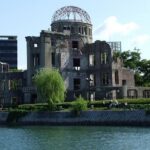
The Genbaku Dome, also called the Atomic Bomb Dome or Hiroshima Peace Memorial, is one of the few buildings left standing near the bomb’s hypocenter. Its preserved shell is difficult to look at casually. The structure gives a physical scale to an event that can otherwise feel distant or abstract.
The tour allows about 40 minutes here. Nearby, the Children’s Peace Monument is covered with folded paper cranes sent by children. The Atomic Bomb Memorial Mound holds the ashes of 70,000 victims, including people whose names and families were unknown.
Your guide’s role is especially important at this point. A good guide can explain the memorials without rushing you or turning the visit into a dry list of dates. Guides such as Sato, Takeshi, Masako, and Azusa have been praised for being attentive, engaging, and careful with the subject.
Still, the experience can vary. A few participants have found a guide too distant, struggled with English explanations, or could not hear because audio receivers failed. This is not a reason to dismiss the tour, but it is a reminder that the guide and equipment affect the day more than any brochure can show.
How the pace feels over 13 hours
This is a very full day. You leave early, ride the Shinkansen twice, transfer between trains, buses, and boats, walk around Miyajima, visit major memorial sites, and return to Kyoto around 9 p.m.
I would book it only if you are comfortable with a long day and a fixed schedule. The transport itself is easy, but the physical and emotional pace can wear you down.
The timing works best for someone with only one available day for Hiroshima. You see the island’s beauty in the morning, then have time for the city’s memorial sites in the afternoon. It is less suitable if you want slow photography, a relaxed lunch, extensive shopping, or a long museum visit.
Weather and congestion can change the order of stops and arrival times. The boat, roads, and crowded attractions all affect the schedule, so keep your evening in Kyoto flexible.
Guide quality and group size
The English-speaking guide joins you for the Hiroshima section rather than accompanying you all the way from Kyoto. That division is practical, since Kyoto staff help you board the train and a local guide meets you after arrival.
The strongest guide experiences combine historical detail with a human touch. Azusa has been praised for humor and useful information, while Masako has been described as energetic, organized, and attentive to group safety. Taeko Watanabe has been singled out for keeping the day moving while adding context you would not get from signs alone.
The group may contain up to 40 people. That is large enough to make head counts and meeting instructions important, especially around the ferry and station. It also means the tour will not feel like a private walk.
Ask the guide early about the meeting time after each stop. Keep your phone charged, and stay within sight of the group when moving through busy transport hubs.
Who gets the best value
I see the best value for:
- First-time visitors to Hiroshima who want historical context.
- People staying in Kyoto with only one free day.
- Families and older travelers who prefer reserved train seats and arranged transfers.
- Anyone who does not want to manage a complicated same-day rail and ferry plan.
- Visitors who want both Miyajima’s shrine and Hiroshima’s memorial sites in one outing.
Independent planners may prefer a slower overnight visit. Two days would give you more time at the museum, a calmer meal on Miyajima, and more room for the island’s other sights.
The tour is also not ideal for very young children who may find the museum’s photographs upsetting. Children aged five and under may join free, but no bus seat is provided for them unless you book the child rate. Anyone under 18 needs written parental permission, and anyone under 15, or not yet enrolled in middle school, must be with a parent or guardian.
Is $399.71 a fair price?
The answer depends on what you are buying. You are not paying only for sightseeing. You are paying for a long-distance reserved train journey, organized local transfers, boat transport, shrine and museum admission, the Miyajima tax, and a guide who keeps a complicated day on track.
That package has real value if you would otherwise feel anxious about connections. It also protects your limited vacation time. The downside is that lunch is extra, the group can be large, and the schedule leaves little room for personal exploration.
The price feels high if you already understand Japan’s rail system and are happy to travel independently. It feels more reasonable if you want a ready-made route and clear explanations, especially for the Peace Memorial Park and museum.
Cancellation and final practical advice
You can cancel for a full refund up to 24 hours before the local start time. Changes made less than 24 hours before departure are not accepted, and late cancellations are not refunded.
Bring comfortable shoes, water, and enough money for lunch. Wear something suitable for a full day of walking and transfers. Most people can participate, and the route is near public transportation, but you should be ready for a demanding schedule.
I would also save the meeting-point address before leaving your hotel. The Avanti desk is inside the building on the basement level, and finding it may take longer than expected.
Should you book this Hiroshima and Miyajima tour?
Book it if you want to see both destinations from Kyoto in one day and value reserved trains, arranged transport, and an English-speaking guide. The strongest part is the combination of practical organization and serious historical interpretation. A good guide can turn the Peace Museum and memorials into a thoughtful experience rather than a quick checklist.
Skip it if you want a slow visit, dislike early starts, or consider the museum the main purpose of your Hiroshima trip. In that case, spend a night in Hiroshima or arrange your own return so you can give the museum more time.
For most first-time visitors with a packed Kyoto schedule, I consider this a worthwhile but tiring choice. Go in expecting a long day, bring patience for the tight timetable, and treat Miyajima as a beautiful beginning to an afternoon of remembrance.
FAQ
How long is the tour?
The experience lasts approximately 13 hours and 20 minutes. It begins at 7:30 a.m. and returns to Kyoto Station around 9 p.m.
Where does the tour begin?
You meet at the JTB Sunrise Tours Desk inside Avanti on the B1F level, across from Kyoto Station’s Hachijo Exit.
Where does the tour end?
The tour ends at Kyoto Station. There is no hotel drop-off service, so you make your own way to your next destination.
Is lunch included?
No. Lunch is at your own expense on Miyajima. Local choices include oysters, Hiroshima-style okonomiyaki, and conger eel rice bowls.
Is bullet train travel included?
Yes. Transportation costs include the round-trip Shinkansen between Kyoto Station and Hiroshima Station. Seats are reserved in either a standard car or Green Car, although seats may not be designated in advance.
Are admission fees included?
Yes. The tour includes admission fees, the Miyajima visitor tax, and transportation costs listed in the tour details.
How much time do you spend on Miyajima?
The schedule provides about one hour at Itsukushima Shrine and about one hour on Miyajima for lunch and personal time. Timing and the order of activities can change.
How much time is provided at the Hiroshima Peace Memorial Museum?
The listed visit lasts about one hour. The schedule can feel tight if you want to read every exhibit, particularly during busy periods.
Can children join the tour?
Children up to five years old may join free, but they do not receive a bus seat unless you book the child rate. Participants under 18 need written parental permission, and anyone under 15, or not yet enrolled in middle school, must be accompanied by a parent or guardian.
More Full-Day in Kyoto
More Osaka & Hiroshima Departures in Kyoto
More tours in Kyoto we've reviewed

Osaka & Hiroshima Departures, compared.
 ★ 4.1Osaka/Kyoto:Kinkakuji,Arashiyama,FushimiInariShrine,NaraParkFrom $66
 ★ 4.5One-Day Tour of Kyoto’s Highlights from Osaka/KyotoFrom $66
 ★ 4.7Osaka/Kyoto: Hiroshima Miyajima Bus Tour & Shinkansen TicketFrom $27712 hours
 ★ 4.4Osaka/Kyoto: Arashiyama, Nara & Fushimi Inari Shrine w/LunchFrom $61
 ★ 4.3From Osaka: Sagano Train Ride and Kyoto Guided Day TourFrom $66
 ★ 4.0Kyoto and Nara Day Trip from OsakaFrom $198