
Reviewed · NARA DAY TRIPS
Kyoto Private Car Tour – Full Day with Local Guide & Nara Option
The best thing about this private Kyoto car tour is simple: you can cover a lot of ground without losing time to train changes, crowded buses, or waiting for strangers. In about eight hours, the route links Kinkakuji, Arashiyama, Gion, and Fushimi Inari, with the option to add Nara.
I like the included hotel pickup and drop-off, especially if you are tired, traveling with children, or coming from a cruise port. I also like the human touch from guides such as Riku, Tatsuya, and Shunsuke, who have adjusted stops for rain, mobility needs, lunch requests, and shopping for tea ceremony goods.
The tradeoff is that Kyoto’s sights are spread out, and the tour can become a fast-moving day. Heavy traffic, crowds, long walks, and extra admission fees all matter. If you want to explore one temple at a slow pace, use public transport and stay local. If you have one precious day, the car earns its keep.
In This Review
- Key Points at a Glance
- What an Eight-Hour Private Day Really Gives You
- Kinkakuji: Kyoto’s Golden First Impression
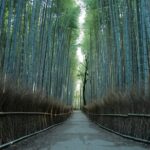
- Arashiyama: Bamboo, River Views, and Extra Choices
- Gion: A Short Walk Through Kyoto’s Old Entertainment Quarter
- Fushimi Inari: The Torii Gates Keep Going
- Choosing the Nara Option
- Guides Who Shape the Day
- Food, Breaks, and Extra Costs
- Who Should Book This Kyoto Tour?
- Should You Book It?
- FAQ
- How long does the Kyoto private car tour last?
- Is hotel pickup and drop-off included?
- Is the tour private?
- Which Kyoto sights are included?
- Can I add Nara to the tour?
- Are meals included?
- Are attraction admission fees included?
- Can I cancel for a full refund?
Key Points at a Glance
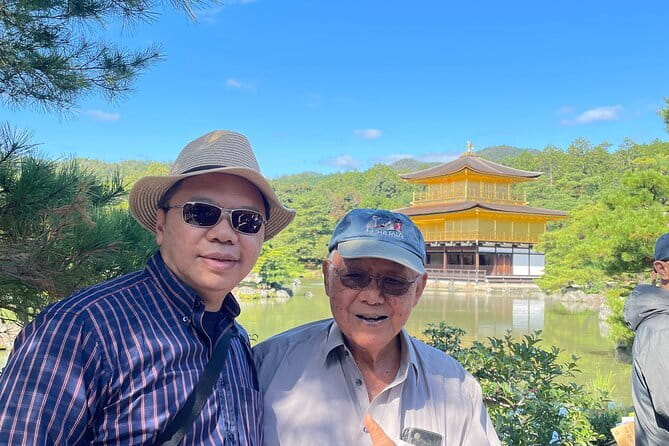
- Four major Kyoto stops in one day: Kinkakuji, Arashiyama, Gion, and Fushimi Inari make a sensible first look at the city.
- Private hotel pickup and drop-off: You avoid waiting for a group and can return to your hotel when the day is done.
- English-speaking guides vary: Riku, Tatsuya, Shunsuke, and other guides have led the experience, so the style may differ by date.
- Nara can change the character of the day: Deer Park, Todaiji Temple, and Kasuga Taisha add a second historic city, but also add driving time.
- Flexible pacing is a major strength: Guides have adjusted plans for children, rain, tired legs, mobility issues, and special food requests.
- Budget for extras: Lunch and attraction tickets are not generally included, and Kiyomizudera costs about $10 if added.
What an Eight-Hour Private Day Really Gives You
At $170 per person, this is not a cheap way to see Kyoto. It is a time-saving service, and the value depends on how many people share the car and how much you want to accomplish.
The price includes an air-conditioned vehicle, an English-speaking guide, hotel pickup and drop-off, parking, gasoline, and expressway fees. Those included driving costs matter in Japan, where toll roads and parking near famous temples can add up quickly. You still pay for lunch and most admission tickets.
The private format is the real selling point. You are not tied to a bus departure or a fixed group pace. If one person needs a rest, you can slow down. If you want ramen instead of a formal lunch, you can ask. Guides have taken families to local ramen and sushi restaurants, helped with a pharmacy stop, and made quick changes when rain altered the day.
That flexibility is especially useful for families with young children, adults with knee problems, and people arriving from a cruise ship. One family with children aged four and seven appreciated being able to shape the day around their pace. Another group used the tour to manage partial wheelchair use.
Still, private transport cannot erase Kyoto’s crowds. Kinkakuji and Arashiyama can be packed, and Fushimi Inari involves slopes and stairs if you go beyond the lower torii gates. You will see more by car, but you will not see everything in depth.
A few more Kyoto tours and experiences worth a look
Kinkakuji: Kyoto’s Golden First Impression
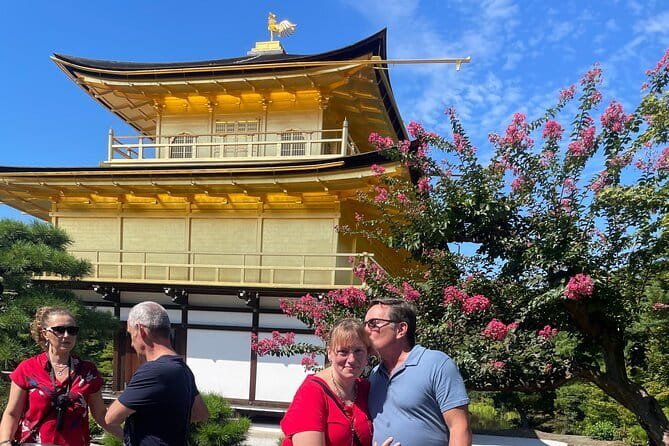
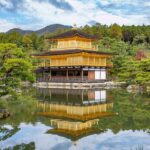
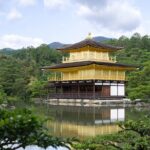
Kinkakuji, also called the Golden Pavilion, is usually the visual knockout of the day. Its top two floors are covered in gold leaf, and the building reflects in the pond below. The view is carefully framed, which explains why this temple is one of Kyoto’s most photographed places.
The planned stop is about one hour. That is enough to enter the grounds, see the pavilion from the main viewpoints, walk the garden path, and hear the basic story from your guide. It is not enough for a slow study of every garden detail.
Admission is not included, so you should expect to pay separately at the entrance. The tour information specifically excludes attraction tickets, apart from the stated Arashiyama inclusion. Ask your guide which tickets you need before the day begins, since the exact stops can change with the Nara option or your requests.
Crowds are the main issue here. Even on a pleasant day, the famous pond view may involve a stream of people moving through the same space. A private guide helps by explaining what you are seeing while you walk, but the car does not give you a private temple.
I would keep Kinkakuji on the plan for a first visit. It is a short, direct dose of Kyoto’s refined temple style, and it gives the day a strong opening.
Arashiyama: Bamboo, River Views, and Extra Choices
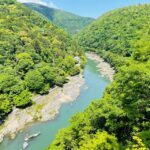
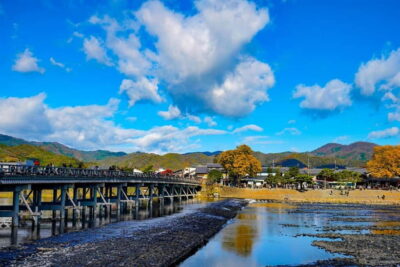
Arashiyama is the most varied stop. The western Kyoto district has bamboo, wooded hills, temple grounds, and the pleasant setting around the river. The scheduled time is about two hours, making it the longest Kyoto stop in the basic plan.
The Bamboo Forest is the headline attraction. The tall stalks create a narrow green corridor, and even a brief walk can feel unlike anything else in the city. Go with realistic expectations, though. The path is famous, and it can become crowded enough that the quiet atmosphere fades.
Some groups have added a rickshaw ride through the bamboo area and quieter parts of Arashiyama. That costs extra, but it can be a sensible choice if you are tired or have trouble walking. One person with a cold found the rickshaw especially worthwhile, while another family described it as a memorable part of the day.
Two hours goes quickly. If you want to visit additional temples in Arashiyama, take a rickshaw, enjoy the bridge area, and spend time in the bamboo grove, you may need to choose carefully. One disappointed group felt that the crowds and limited time meant they saw only the Golden Pavilion and bamboo area. That is the clearest warning about this tour: four headline stops sound generous, but each stop has limits.
I would ask your guide to define the Arashiyama plan at the start. Do you want the bamboo grove only? A rickshaw? Temple grounds? A quiet view near the bridge? Clear priorities help prevent the day from becoming a checklist.
Gion: A Short Walk Through Kyoto’s Old Entertainment Quarter
Gion is scheduled for about one hour and is free to enter. This historic district is associated with geisha and maiko culture, traditional wooden buildings, narrow lanes, and old teahouses.
The value here is atmosphere rather than a single grand monument. Your guide can explain how the district developed and point out the difference between a genuine historic street and a modern tourist display. Keep your camera respectful, especially around working entertainers and private businesses.
An hour is enough to walk through a portion of Gion and get a feel for its character. It is not enough to understand every lane or visit several cultural sites. Depending on traffic and your other stops, Gion may also be shortened or replaced by a requested site.
I like Gion as a pause between larger temple visits. After the strong visual impact of Kinkakuji and the walking at Arashiyama, the old streets offer a different side of Kyoto. You are seeing urban tradition, not only temple architecture.
Fushimi Inari: The Torii Gates Keep Going
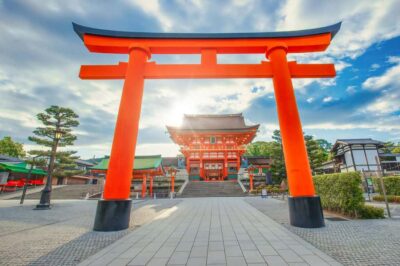
Fushimi Inari Taisha is the most physically active stop in the standard route. The shrine is famous for its long corridors of orange torii gates, donated over many years by individuals and businesses. The gates climb toward the wooded mountain, and the route becomes quieter as you go higher.
The planned stop is about two hours, but that does not mean you must climb to the top. You can see the main shrine buildings and walk through the lower gates, then decide how far your legs and schedule allow. The path includes stairs and slopes, so this is worth discussing with your guide if anyone in your group has knee, heart, or mobility concerns.
The lower section is usually the busiest and gives you the classic photographs. Walking farther offers a more peaceful feel, but it takes time and energy. Your guide can help you choose between a shorter look and a longer climb.
Fushimi Inari is also a good late-day stop when light changes the color of the gates. One group enjoyed seeing the torii in the evening under the moon, though exact timing depends on the day’s route and traffic.
This shrine is free to enter, which helps offset the separate ticket costs at other attractions. It is also one of the easiest places to understand without a long formal explanation: the repeated gates, mountain path, and shrine rituals tell much of the story themselves.
Other guided tours in Kyoto

Choosing the Nara Option
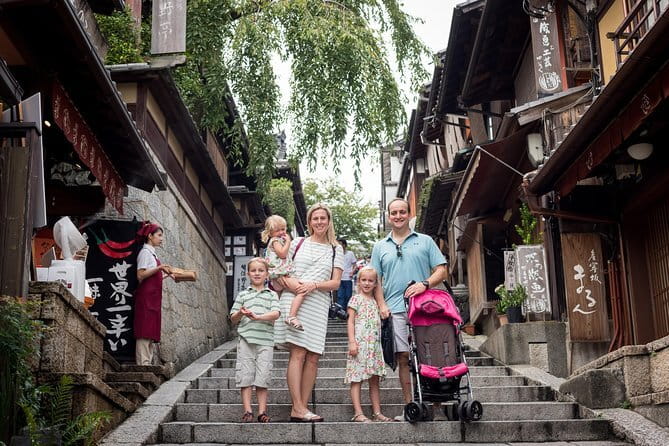
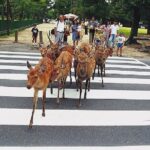
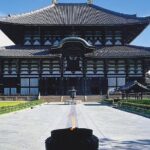
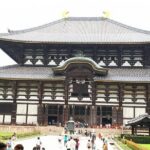
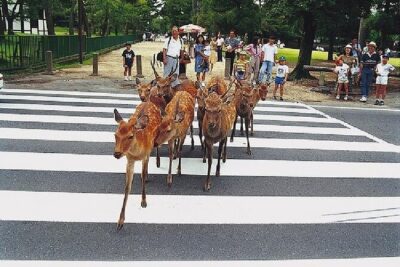
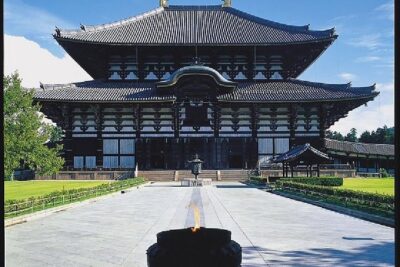
The Nara option adds a second major destination instead of keeping the day entirely within Kyoto. The Nara visits described with this tour include the deer area, Todaiji Temple, and Kasuga Taisha Shrine.
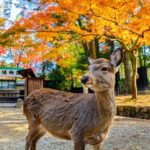
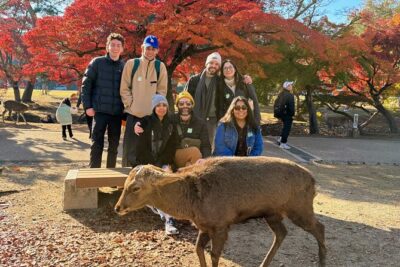
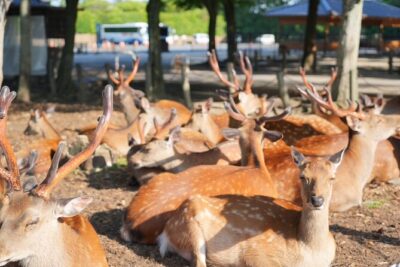
Nara changes the day from a Kyoto highlights tour into a broader look at the Kansai region. The deer around the shrine grounds are unusually tame and may search your pockets for food. Todaiji is known for its large temple building and powerful scale, while Kasuga Taisha adds lanterns, forest paths, and a different shrine setting.
The cost is time. Kyoto and Nara are separate places, and the drive takes part of your eight-hour day. If you choose Nara, you may need to reduce time at Gion, Arashiyama, or another Kyoto stop. Ask for a firm plan before departure.
I would choose Nara if you have already seen some of Kyoto, have a strong interest in Todaiji, or want to see the deer. I would stay with the Kyoto-only route if this is your first and only day in the city and Kinkakuji, Gion, and the torii gates are your top priorities.
The Nara option works especially well for families. The deer give children a direct, memorable experience, while Todaiji provides the sort of grand architecture that makes a long drive worthwhile. Just remember that deer are animals, not props. Follow local instructions about feeding and keep food secured when you are finished.
Guides Who Shape the Day
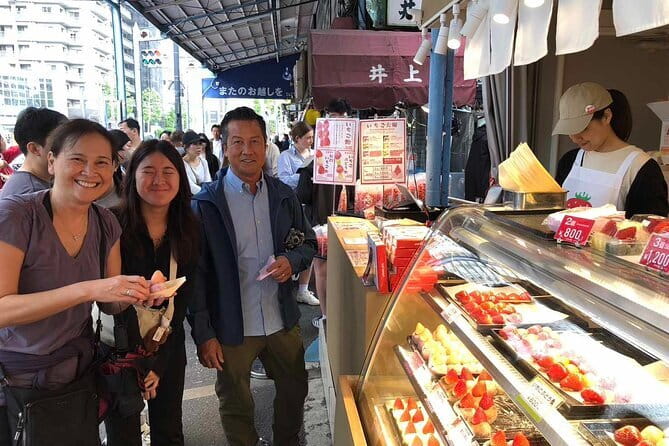
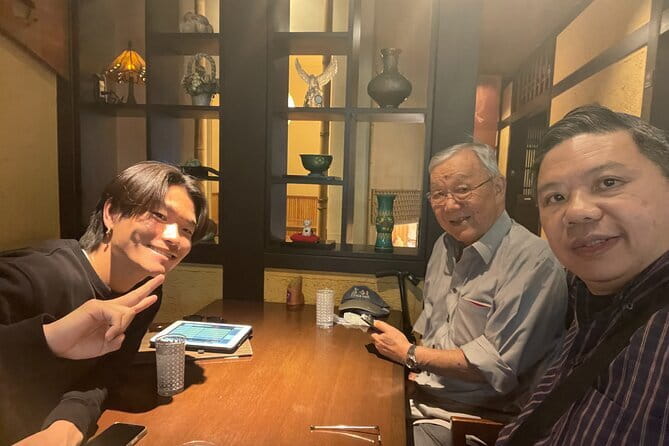
The guide matters as much as the route. Riku has been praised for clear communication before pickup, safe driving, strong English, patience, and careful attention to mobility needs. He has also helped with local ramen, sushi, and unexpected problems such as a lost phone.
Tatsuya is associated with a warm, flexible style and strong explanations of Japanese culture. He has adjusted routes for tea ceremony shopping, found local restaurants, and taken time with families rather than rushing them from stop to stop.
Shunsuke has been especially attentive to guests dealing with mobility limits. Other guides, including Shrun, Ricci, Roku, and Patsu, have also led highly rated days. Because the booking identifies Riku as the provider but not necessarily the individual guide for every departure, confirm who will meet you if a particular guide matters to you.
The strongest pattern is not a particular scripted speech. It is practical care: confirming the hotel address, meeting promptly, driving safely, helping with photos, and making sensible changes when weather or energy levels shift.
One warning is worth taking seriously. A scheduling error once led to confusion over the date and guide, although a replacement guide was arranged. Confirm your pickup date, time, location, and car details a day or two ahead. That small step protects an expensive day.
Food, Breaks, and Extra Costs
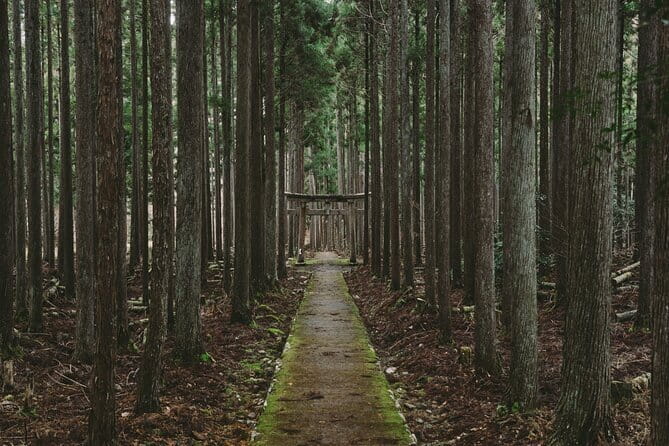
Lunch is not included, but this can work in your favor. Guides have recommended local ramen and sushi restaurants, including places that visitors might not find on their own. One group especially enjoyed sushi and tempura at a local restaurant, while others appreciated a ramen stop chosen around their preferences.
Tell your guide what you want to eat. The day is more personal when lunch is treated as part of the experience rather than a standard stop. You should also allow time for the meal, since every restaurant visit reduces sightseeing time.
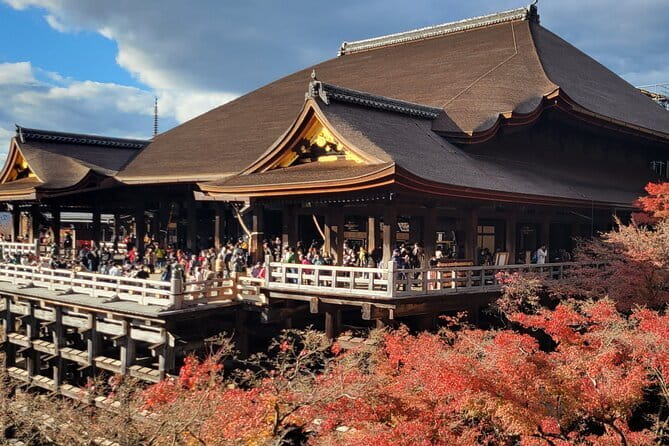
Attraction admission is generally extra. Kinkakuji requires its own ticket, while Gion is free and Fushimi Inari is free. Arashiyama is shown as including admission for the stated stop, but tickets for attractions are otherwise excluded. Kiyomizudera, if added, costs about $10 according to the tour information.
Parking, gasoline, and expressway charges are included. That makes the $170 price easier to judge, particularly for a private group that would otherwise need several taxis or a mix of trains and local transport. The value improves with more people sharing the vehicle, though the per-person price remains the same as advertised.
Who Should Book This Kyoto Tour?
I would recommend it for a first visit when you have only one full day and want the major sights without planning every transfer. It also suits families, couples who want privacy, cruise passengers needing port pickup, and groups with mixed energy levels.
It is a strong choice if you want a guide who can explain customs, recommend lunch, take photos, and adjust the route. The car is particularly useful when rain, fatigue, children, or mobility concerns make public transport less appealing.
I would not choose it if you prefer slow temple visits, long meals, or independent wandering. Eight hours is a lot of time, but Kyoto has more worthwhile places than any single route can cover. Nara makes that decision even sharper.
The activity is rated 4.8 out of 5, with 96 percent recommending it. Those numbers fit the experience’s main strengths: private transport, flexible guides, comfortable cars, and a large amount of sightseeing in one day. They do not remove the practical limits of traffic, crowds, walking, or a packed schedule.
Should You Book It?
Book this tour if your priority is seeing Kyoto’s headline sights efficiently and having a local person handle the driving and day-to-day decisions. I would choose the Kyoto-only option for a first visit, then add Nara if deer, Todaiji, and Kasuga Taisha matter more to you than extra time in Gion or Arashiyama.
Before the day, send your hotel pickup details, list your must-see stops, state any mobility needs, and confirm the guide, date, and start time. With those basics settled, this private car tour offers a practical way to make one busy Kyoto day count.
FAQ
How long does the Kyoto private car tour last?
The experience lasts approximately eight hours, or one full day.
Is hotel pickup and drop-off included?
Yes. Pickup and drop-off at your hotel are included.
Is the tour private?
Yes. Only your personal group participates in the activity.
Which Kyoto sights are included?
The planned Kyoto route includes Kinkakuji Temple, Arashiyama, Gion, and Fushimi Inari Taisha Shrine.
Can I add Nara to the tour?
Yes. The experience has a Nara option. Stops described with the Nara visit include the deer area, Todaiji Temple, and Kasuga Taisha Shrine.
Are meals included?
No. Lunch is not included, so you pay the lunch cost separately.
Are attraction admission fees included?
Attraction fees are generally not included. Gion and Fushimi Inari are free, while Kinkakuji and other paid sites require separate payment. Arashiyama is listed as including admission for the stated stop.
Can I cancel for a full refund?
Yes, if you cancel at least 24 hours before the experience start time. Cancellations or changes made less than 24 hours before the start time are not accepted for a refund.
More Private Tours in Kyoto
More Guided Tours in Kyoto
More Nara Day Trips in Kyoto
More tours in Kyoto we've reviewed


Nara Day Trips, compared.
 ★ 5.0World Heritage Kyoto & Nara Uji Authentic Matcha ExperienceFrom $129
 ★ 4.7Kyoto/Osaka: Nara, Fushimi Inari Taisha, Arashiyama Bus TourFrom $529 - 10 hours
 ★ 4.4Osaka/Kyoto: Arashiyama, Nara & Fushimi Inari Shrine w/LunchFrom $61
 ★ 5.0Nara Early Morning Tour (Kyoto or Osaka Departure Available)From $61
 ★ 4.5Kyoto and Nara Day Trip from KyotoFrom $194
 ★ 4.5Nara Afternoon Tour from Kyoto or OsakaFrom $102