
Reviewed · DESSERT TOURS
Japanese Traditional Sweets ”Nerikiri” making
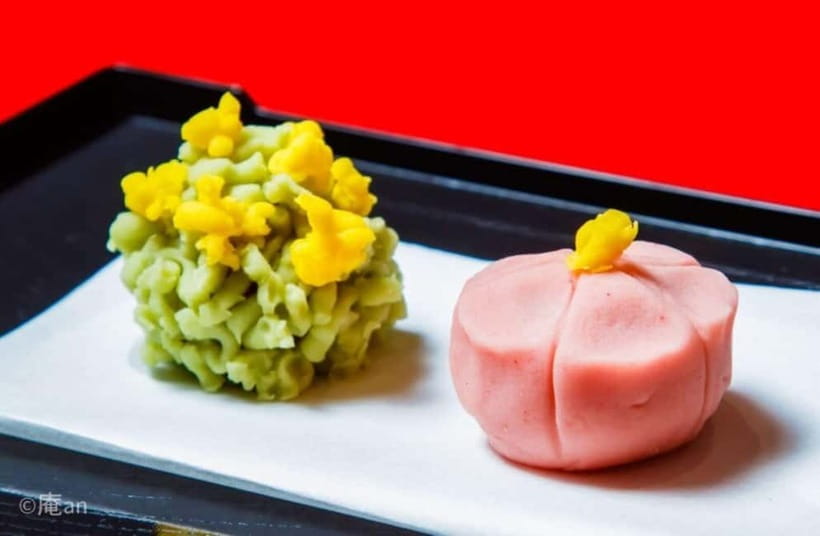
Making a small flower from sweet bean paste is a fine way to meet Japan’s confectionery tradition. In this 65-minute Kyoto workshop, you shape two seasonal nerikiri sweets, then eat the results while they are fresh.
I like the use of white and red bean paste from long-established Kyoto shops, and I like the low $11 price, which makes this an easy add-on between sightseeing stops. The main point to consider is language: the instructor speaks Japanese, and English help is offered as much as possible, but detailed hands-on guidance may be limited.
In This Review
- Key points to know before booking
- Shaping Kyoto sweets near Gojo Station
- What you make during the 65-minute class
- Why the Kyoto bean paste matters
- A calm activity for different ages and skill levels
- Language, demonstrations, and what to expect
- Eating, photographs, and optional extras
- The location and timing details that matter
- Price, cancellation, and booking value
- Who should book this nerikiri workshop
- My verdict on the Gojo Station sweet-making class
- FAQ
- Where is the nerikiri-making experience located?
- How long does the activity last?
- How many sweets will I make?
- Can I eat the sweets at the venue?
- Is a take-out box included?
- Is matcha included in the price?
- What language is the class conducted in?
- Is the activity wheelchair accessible?
- What is the cancellation policy?
Key points to know before booking
- Two seasonal sweets: You make a flower-shaped nerikiri and a kinton-style nerikiri.
- Kyoto-made ingredients: The workshop uses white and red bean paste from long-established shops in Kyoto.
- Eat your work: The sweets are served for eating at the end, with a take-out box available for 100 JPY.
- Short and affordable: The class lasts 65 minutes and costs $11 per person.
- Central Kyoto location: AN Japanese Culture Experience is one minute from Exit 1 of Gojo Station.
- Japanese-led instruction: English translation is offered as much as possible, but the class is conducted in Japanese.
Shaping Kyoto sweets near Gojo Station
Nerikiri is one of Japan’s most artistic traditional sweets. The outside is made from a smooth bean-paste mixture that can be colored and shaped into flowers, leaves, seasonal forms, and other delicate designs. Inside, you get the familiar sweetness of bean paste, but the appearance is meant to be part of the experience.
This workshop keeps the subject manageable. You do not spend half a day in a cooking school. You make two sweets, take pictures, and eat them within just over an hour. That makes it useful on a busy Kyoto day, especially if you want a hands-on activity that fits between temples, shopping, or a meal.
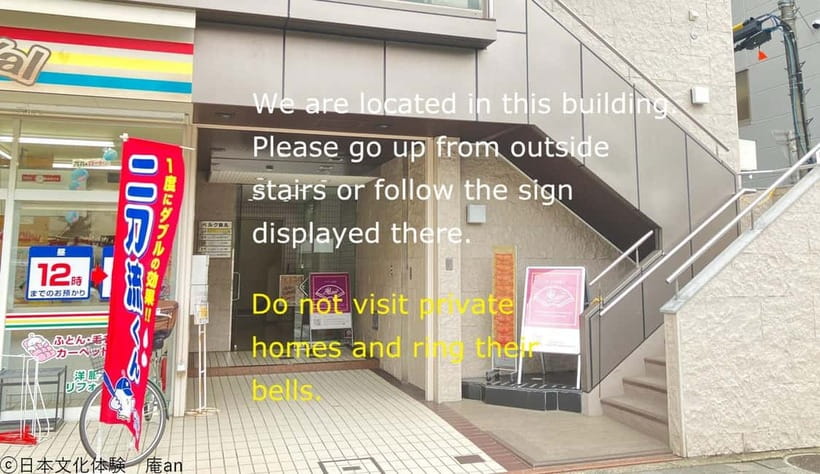
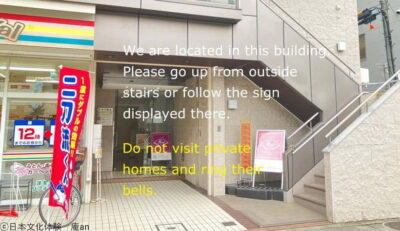
The location is practical, too. The venue is one minute on foot from Exit 1 of the Karasuma Line’s Gojo Station, with the entrance facing Gojo-dori. You will not need to set aside a large block of time for a long ride into a remote neighborhood.
The class is offered at AN Japanese Culture Experience, operated by B.B.Advisors Inc. AN KYOTO. The instructor’s language is Japanese. English translation is provided as much as possible, so you should be ready to follow demonstrations and visual cues rather than expect a full English lesson.
A few more Kyoto tours and experiences worth a look
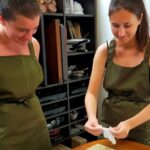
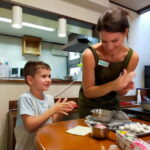
What you make during the 65-minute class
The schedule is simple and moves at a steady pace.
At the beginning, the instructor explains Japanese traditional sweets and the nerikiri-making process. This introduction matters because nerikiri is not just a colorful snack. Its forms often reflect the season, and the shape you make is part of how Japanese confectionery is presented.
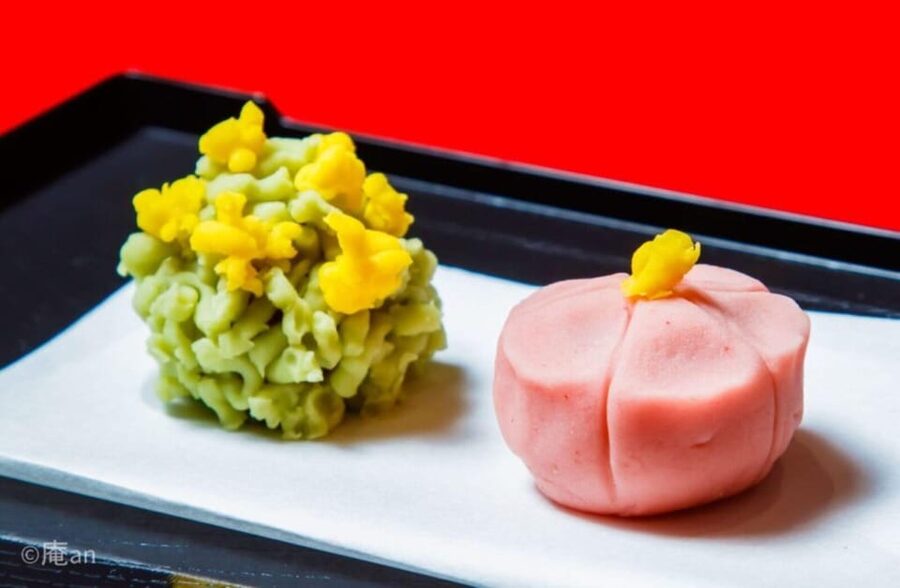
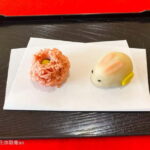
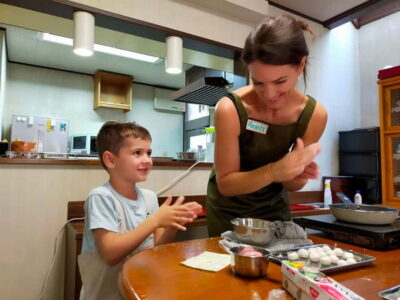
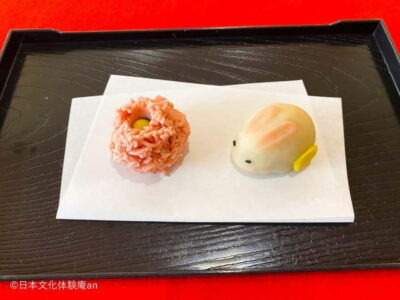
Next comes the flower-shaped nerikiri. This is the most immediately recognizable design in the class. You work with the prepared bean paste and shape it into a flower form. The finished sweet is small, neat, and designed to look good on a plate.
The second sweet is kinton nerikiri. Kinton has a different look from the flower design, giving you a chance to try another way of shaping the paste. Making two styles is better than repeating one recipe because you can compare the forms and techniques side by side.
The sweets are matched to the season. Since the designs can change, the class has a little variety from one time of year to another. You are not simply copying a permanent souvenir design. The seasonal idea gives the activity a connection to the Japanese calendar.
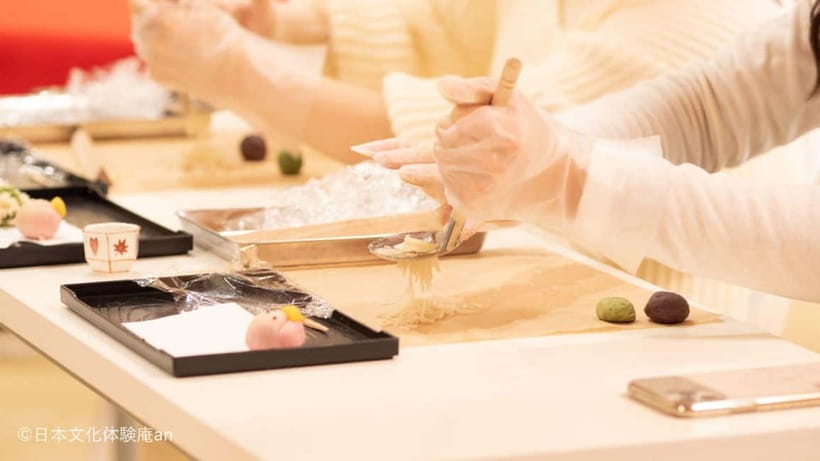
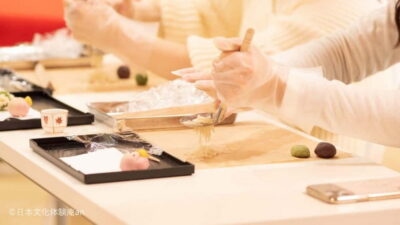
The making portion takes about 55 minutes. Then comes picture time, followed by eating time before you leave at the 65-minute mark. The order is useful: you can photograph your work before tasting it, when the shapes are at their neatest.
Why the Kyoto bean paste matters
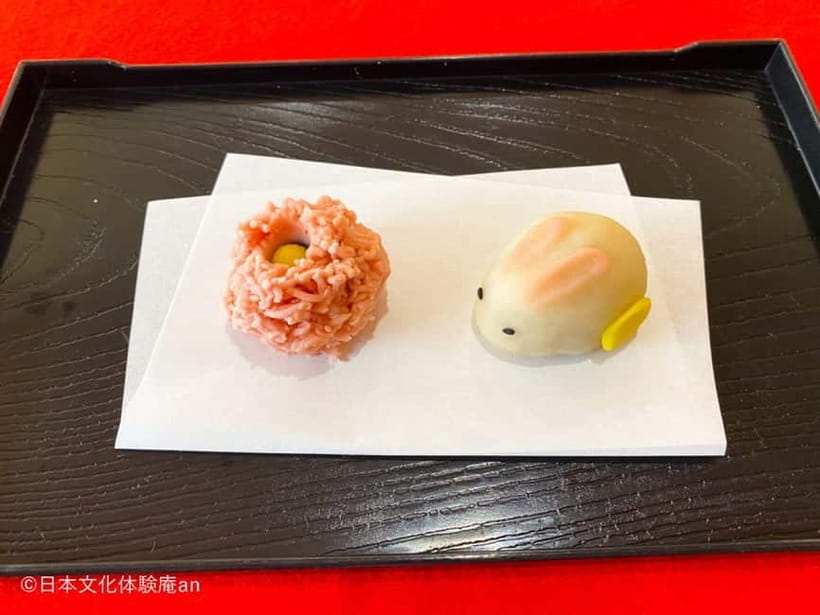
The workshop uses white and red bean paste produced by long-established Kyoto shops. That detail is important because the ingredient is the heart of nerikiri. You are not decorating an ordinary Western-style cake or working with a generic craft material. The paste is both the dough and the main flavor.
The white bean paste gives nerikiri its smooth, moldable base. Red bean paste brings the familiar sweet filling associated with many Japanese confections. Working with these prepared ingredients lets you focus on shaping, color, and presentation instead of spending most of the class cooking beans.
That is also why this experience offers good value at $11. You are paying for a short, guided cultural activity with real ingredients, not just for a sample sweet. The price is modest enough to suit a solo booking, a couple, or a family looking for a gentle break from sightseeing.
Still, keep your expectations in the right place. The class teaches you how to make the two sweets in front of you, but it does not promise a full recipe lesson for recreating the paste at home. If you want a detailed explanation of ingredient quantities and production methods, this may feel brief.
A calm activity for different ages and skill levels
Nerikiri making does not require advanced cooking skills. The class is built around shaping prepared paste, so it can work well for people who prefer a creative activity without hot pans, complicated equipment, or a long kitchen session.
The experience can suit a child around 10 to 12 years old, especially if an adult is happy to help with close shaping work. Younger children may need more assistance. Children under two who sit on a parent’s lap are free, but anyone else who participates needs to be included in the reservation.
The class can also work for solo participants. You do not need to bring a group to make it worthwhile. A solo booking gives you a quiet, focused activity, while a group can compare the different shapes and colors at picture time.
The strongest appeal is the low pressure. Your sweets do not need to look perfect to be enjoyable. The finished plate becomes a small piece of edible art, and then you get to eat it. That last part is important. You are not left carrying a fragile food souvenir through Kyoto unless you choose to buy a box.
Language, demonstrations, and what to expect
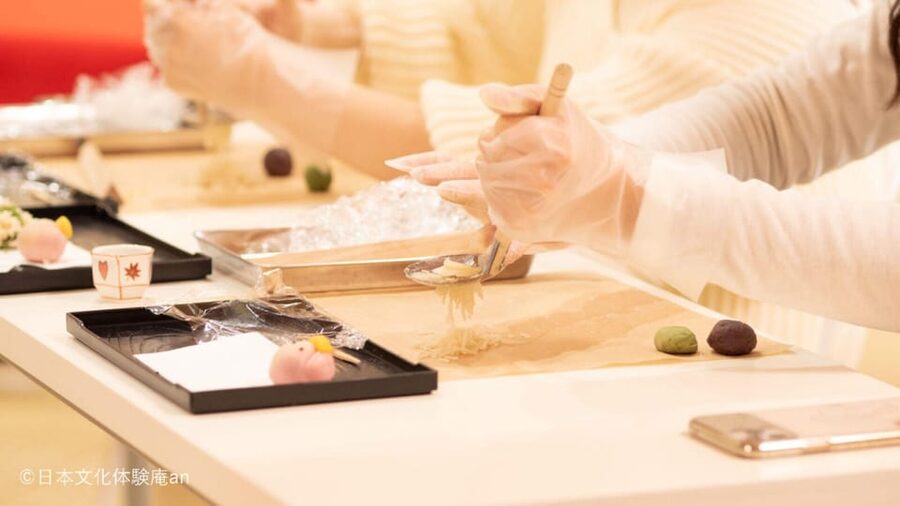
The instructor is Japanese-speaking, and English translation is available as much as possible if requested. This means you should contact the operator ahead of time if English support is especially important to you.
You may find the class easy to follow through demonstrations, but do not assume that every detail will be explained in English. One account of the class found the instructor kind and helpful but felt that the instructor did not come close enough to each table to show fine details. That is a useful warning for anyone who wants close, step-by-step coaching.
If you are nervous about language, watch the demonstration carefully before starting and use the chance to ask for help early. The class format is visual, and the basic goal is clear: shape two sweets. But the finer touches of nerikiri can be hard to copy from a distance.
The workshop is not designed as a recipe course. You will learn through the class process, but you may not leave with enough information to recreate the exact bean-paste mixture at home. I would book it for the hands-on experience and the chance to taste Kyoto-style sweets, not for a take-home cooking manual.
Eating, photographs, and optional extras
After the shaping session, you get time to photograph the finished sweets. Take your pictures before eating, since the presentation is a major part of nerikiri. The class treats the plate as the final artwork, even if your flower or kinton shape has a few personal touches.
Then you eat the sweets on the spot. This is the best practical feature of the workshop. You can enjoy what you made immediately, with no concern about keeping the paste in good condition while you continue around Kyoto.
If you want to take the sweets away, a box costs 100 JPY. That is a small extra charge, but it is worth planning for if you have a later train, hotel room, or family member who could not join the activity. The standard price includes the nerikiri-making experience, not the box.
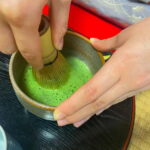
Tatedashi matcha is also available for 500 JPY. It is not included, so consider it an optional addition rather than part of the advertised price. Matcha can make the tasting feel more like a traditional tea-time pairing, but the core experience remains the two sweets.
An experience completion certificate costs 300 JPY. Again, it is optional. I would treat it as a keepsake for children or anyone collecting activity mementos, rather than a necessary part of the class.
The location and timing details that matter
Gojo Station is on Kyoto’s Karasuma subway line, and the venue is one minute from Exit 1. Look for the entrance facing the main street, Gojo-dori. That street-facing entrance detail can save time, especially if you are arriving close to the start time.
The operating hours are 10:00 to 17:00. Reservations received after 17:00 are processed the following day, so late-evening booking requests may not receive an immediate response.
Plan to arrive on time. The class cannot be held for delayed arrivals, and you will not receive compensation for transportation expenses if you miss it. Kyoto’s subway makes the location straightforward, but you should still allow time to find Exit 1 and identify the correct entrance.
The building has no elevator, and you need to use stairs to reach each venue. The activity is described as wheelchair accessible, but the stair requirement creates an apparent access concern. If you use a wheelchair or have difficulty with stairs, contact the operator before booking and confirm exactly how access will work for your visit.
Price, cancellation, and booking value
At $11 per person, this is one of the easier Kyoto activities to fit into a tight budget. The class offers a real ingredient, a Japanese cultural theme, two handmade sweets, and time to eat them. For a 65-minute activity, the cost is sensible.
The value is strongest if you want something short and personal. A full cooking class would normally require more time and may cost much more. Here, you get a taste of traditional confectionery without giving up an entire morning or afternoon.
The price is less compelling if you are looking for advanced instruction or a complete recipe to take home. The class focuses on making and presentation, with English assistance limited. You are buying a pleasant activity and a taste of Kyoto confectionery, not professional pastry training.
You can reserve now and pay later, which helps if your Kyoto schedule is still changing. Free cancellation is available up to 24 hours in advance for a full refund. After that point, a cancellation fee applies according to the operator’s policy, and changing the date or time after a fee has been incurred can also bring an additional specified charge.
Who should book this nerikiri workshop
I would recommend this class to you if you want a compact cultural activity near central Kyoto. It fits well into a day when you have already seen several major sights and want to do something quiet with your hands.
It is a good match for:
- First-time visitors looking for a simple introduction to Japanese sweets
- Families with older children who enjoy crafts and food
- Solo participants who want a short activity with a clear end point
- Couples or friends who like photographing handmade food
- Budget-conscious visitors who want a traditional experience without a high fee
- Anyone curious about seasonal Japanese presentation
I would think twice if you need detailed English instruction, a full recipe, or a completely step-free building. The Japanese-led format may require patience, and the stair information should be checked carefully if mobility is an issue.
My verdict on the Gojo Station sweet-making class
Book it if you like the idea of making something small, beautiful, and edible in Kyoto. The best parts are the real Kyoto bean paste, the two different seasonal designs, the central location, and the fact that you eat your work before leaving.
Do not book it expecting a long culinary lesson or guaranteed close English coaching at every table. The class is a relaxed introduction to nerikiri, not an in-depth pastry course. At $11, though, it asks little from your budget and your schedule. For many people, that is exactly the point: one calm hour, two seasonal sweets, and a personal taste of Japanese confectionery.
FAQ
Where is the nerikiri-making experience located?
It is at AN Japanese Culture Experience in Kyoto, one minute on foot from Exit 1 of Gojo Station on the Subway Karasuma Line. The entrance faces Gojo-dori.
How long does the activity last?
The full experience lasts 65 minutes. About 55 minutes are used for the activity and picture time, followed by eating time before departure.
How many sweets will I make?
You will make two Japanese traditional sweets called nerikiri. The scheduled designs are a flower-shaped nerikiri and a kinton nerikiri.
Can I eat the sweets at the venue?
Yes. Eating time is included, and you can eat your handmade sweets on the spot.
Is a take-out box included?
No. A sweets take-out box is available for an additional 100 JPY.
Is matcha included in the price?
No. Tatedashi matcha is an optional extra costing 500 JPY.
What language is the class conducted in?
The instructor speaks Japanese. English translation is provided as much as possible, and you should contact the operator if you would like English support.
Is the activity wheelchair accessible?
The activity information describes it as wheelchair accessible, but the building has no elevator and stairs are required to reach each venue. Contact the operator before booking to confirm the access arrangements for your needs.
What is the cancellation policy?
You can cancel up to 24 hours in advance for a full refund. A cancellation fee applies after that point, and changing the date or time after a fee has been incurred may result in another specified fee.
More Dessert Tours in Kyoto
More tours in Kyoto we've reviewed



Dessert Tours, compared.
 ★ 4.4Kyoto: Japanese Traditional Sweets Making and Tea CeremonyFrom $181h 35m
 ★ 5.0Kyoto Wagashi(Japanese sweets) Cooking Class near FushimiinariFrom $79
 ★ 5.0Kyoto: Wagashi (Japanese sweets) Cooking near FushimiinariFrom $84
 ★ 4.62 Types of Japanese Sweets making and Tea CeremonyFrom $282h 5m
 ★ 4.3Japanese Traditional Sweets making with Tatedashi MatchaFrom $141h 5m