
Reviewed · TEA CEREMONY EXPERIENCES
Japanese Traditional Sweets making with Tatedashi Matcha
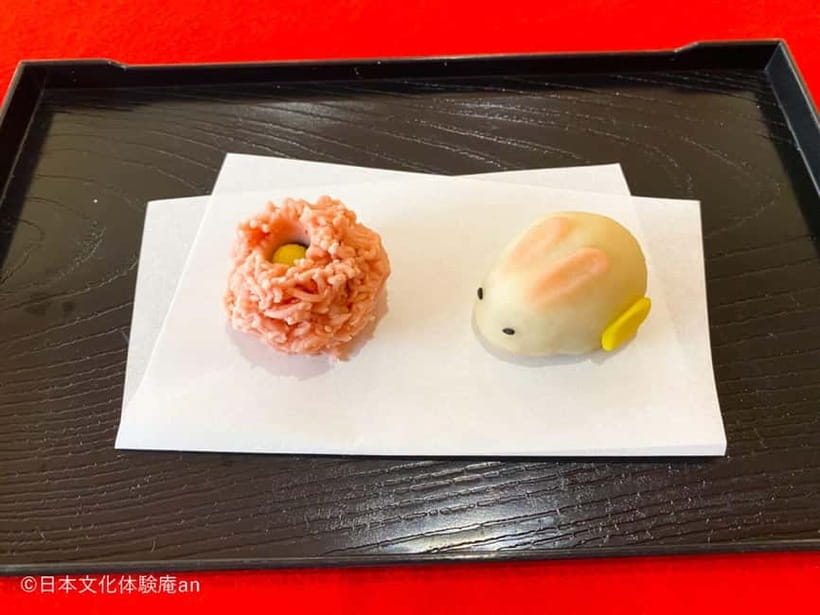
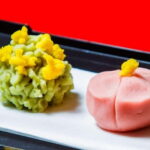
The best part of this Japanese sweets class is that you do not just watch a confectioner work. You shape two seasonal nerikiri yourself, using white and red bean paste from long-established Kyoto shops. The flower-shaped sweet and kinton-style sweet turn simple ingredients into small works of art.
I like the fair $14 price and the easy location, just one minute from Gojo Station. I also like that the sweets are served with Tatedashi Matcha, so you get a complete little tea-time experience instead of leaving with unfinished candy. The main concern is class size. One attendee found the room crowded, and the Japanese-only instruction may feel a bit hands-off if you need detailed English guidance.
In This Review
- Key points to know before booking
- What you actually make in 65 minutes
- Why nerikiri makes a good Kyoto souvenir, even when you eat it there
- The bean paste is the important ingredient
- Flower nerikiri and kinton nerikiri
- Tatedashi Matcha gives the class a proper finish
- The Gojo location is easy to fit into a Kyoto day
- How much value do you get for $14?
- Group size and language can shape the experience
- Who should book this sweets experience?
- Access, stairs, and booking details to check
- Should you book the Kyoto nerikiri class?
- FAQ
- How long does the Japanese sweets-making experience last?
- Where does the class meet?
- What sweets will I make?
- Is matcha included?
- Can I take the sweets home?
- Is the class taught in English?
- Is the venue wheelchair accessible?
- What is the cancellation policy?
Key points to know before booking
- Two seasonal nerikiri sweets: You make one flower-shaped sweet and one kinton-style sweet.
- Kyoto-made bean paste: The white and red bean paste comes from long-established Kyoto shops.
- Matcha is served afterward: Tatedashi Matcha is included, along with time to eat and drink on site.
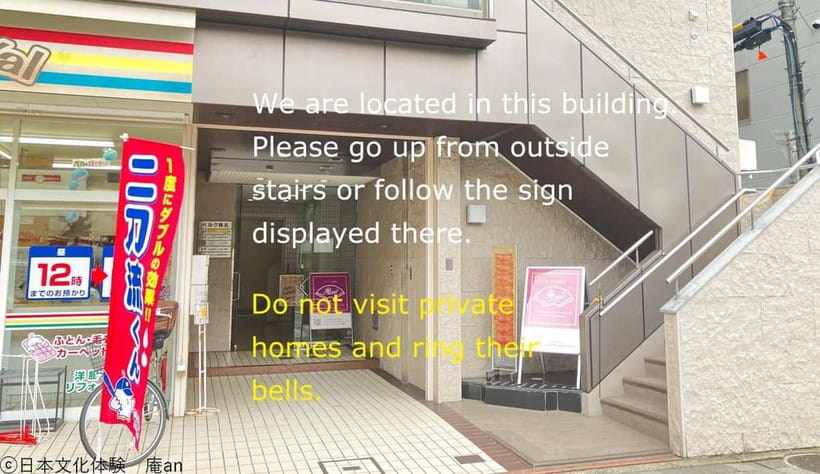
- A quick Gojo Station stop: The venue is one minute from Exit 1 of the Subway Karasuma Line.
- A simple, hands-on activity: The class lasts 65 minutes and suits solo participants as well as groups.
- English help is limited: The instructor teaches in Japanese, with English translation provided as much as possible.
What you actually make in 65 minutes
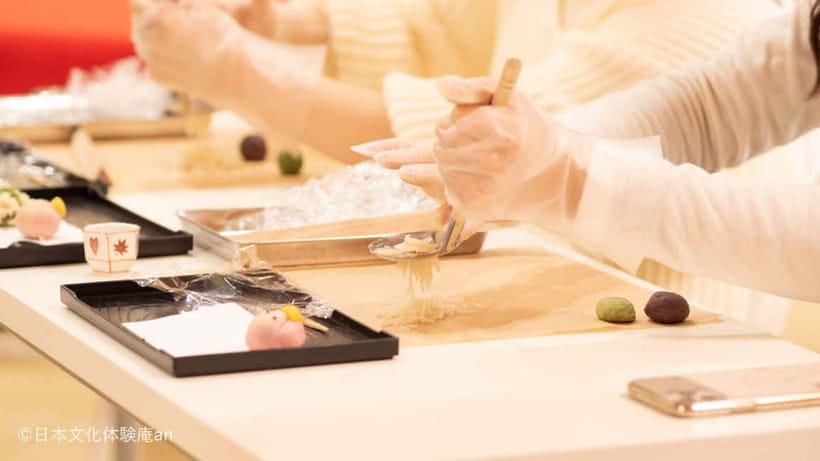
This is a compact workshop, not a long cooking lesson. The full visit takes about 65 minutes, with roughly 55 minutes devoted to the making and picture time, followed by matcha and eating.
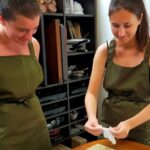
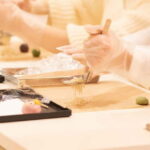
At the start, the instructor explains Japanese traditional sweets and introduces the work ahead. You then make two kinds of nerikiri. One is flower-shaped, while the other is a kinton nerikiri, a style made to look delicate and textured.
The key appeal is the material. You work with real white and red bean paste supplied by established Kyoto shops, rather than a ready-made craft kit with no connection to food. Still, the activity is closer to shaping than to full pastry cooking. You are not preparing the bean paste from scratch, and there is no mention of a baking, boiling, or recipe stage.
That distinction matters. If you want a proper confectionery lesson, this may feel light. One participant compared the activity to playing with modeling clay because the ingredients and process were not explained in enough detail. If you see the class as a short cultural craft with an edible result, the format makes more sense.
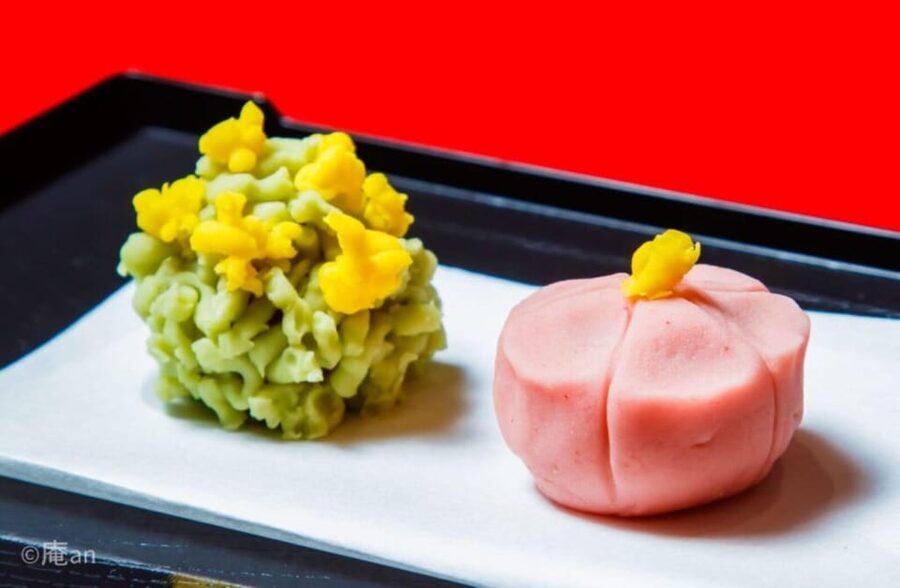
After shaping the sweets, you place them on a plate for photographs. This is a small but worthwhile part of the visit. Nerikiri is designed to look seasonal, and the finished pieces give you something attractive to remember beyond a quick snack.
A few more Kyoto tours and experiences worth a look
Why nerikiri makes a good Kyoto souvenir, even when you eat it there
Nerikiri is a traditional Japanese sweet made from bean paste and shaped into seasonal designs. The form is part of the pleasure. A flower shape can suggest the time of year, while the kinton style has a more delicate, textured appearance.
You do not need prior cooking skill. The activity is built around forming and decorating, so the barrier to entry is low. That makes it a useful choice for a first Japanese food activity, especially if you want something quieter and shorter than a full cooking class.
The trade-off is that you should not expect a detailed lesson in Japanese confectionery technique. The supplied information gives no promise of a named pastry chef, a long demonstration, or a history lecture. Instruction is in Japanese, and English translation is offered as much as possible if you request it.
I would contact the provider ahead of time if English explanation matters to you. That small step can make the difference between understanding the shapes and simply copying hand motions.
The bean paste is the important ingredient
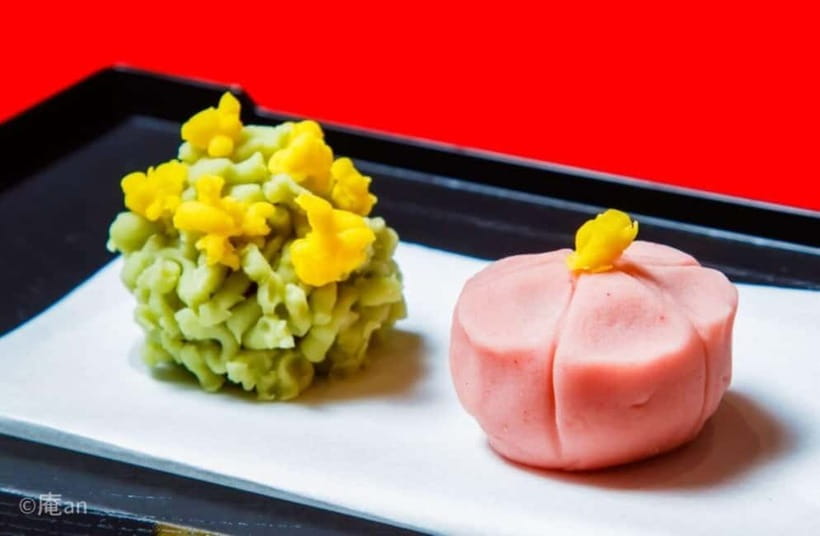
The class uses both white and red bean paste from long-established Kyoto shops. That gives the activity a stronger food connection than a generic sweets-making craft.
Bean paste can be unfamiliar if you usually associate sweets with chocolate, cream, or fruit. Here, the paste supplies the base for both sweets, and its flavor is part of what you are tasting. The use of Kyoto-produced paste also gives the workshop a local link without requiring a long trip across the city.
The class does not claim to teach you how to make the paste itself. Instead, you learn how to handle and shape a prepared traditional ingredient. I see this as a practical choice for a 65-minute program. Making bean paste from scratch would take far longer and would leave less time for the creative part.
You can eat the sweets on the spot after the matcha is served. A take-out box is available for an extra 100 yen if you prefer to carry them away. Since nerikiri can be delicate, paying for the box may be sensible if you want to save one for later, though eating them fresh at the venue is the simplest option.
Flower nerikiri and kinton nerikiri
The first sweet is a flower-shaped nerikiri. This gives you a clear visual goal and a design that is easy to recognize in your photographs.
The second is kinton nerikiri. Its look is different from the flower, so you are not repeating the same task twice. Making two forms also lets you compare how small changes in shaping affect the final result.
The possibilities are described as broad, but the stated program focuses on these two seasonal designs. You should expect guidance toward the planned shapes rather than complete freedom to invent any sweet you want.
That structure works well for a short class. You get variety without needing to learn a large number of techniques. It also keeps the session moving, which matters when the next group may be scheduled soon.
The picture time comes before the final eating and drinking period. Take advantage of it. Once you begin eating, the neat shapes will not last long, and the visual design is a major part of the experience.
Tatedashi Matcha gives the class a proper finish
At about the 55-minute mark, the making portion ends and Tatedashi Matcha is provided. You then have time to eat the sweets and drink the tea before leaving at the 65-minute point.
This finish is one of the class’s strongest features. The matcha turns the workshop into a small tea-time ritual rather than a craft session that ends as soon as the product is complete.
The supplied details do not explain the exact preparation method or whether you participate in making the matcha. You should expect to receive Tatedashi Matcha, not a separate tea ceremony lesson.
The pairing also helps you judge the sweets as food. During the shaping portion, you may focus on appearance and hand movements. At the end, you can slow down and taste what you made.
One participant described the sweets as tasty, while another found the class simple but enjoyed it as a break from the busy pace of sightseeing. That is a fair way to view the activity. It is not a major half-day attraction. It is a pleasant pause with something edible at the end.
A few more Kyoto tours and experiences worth a look
The Gojo location is easy to fit into a Kyoto day
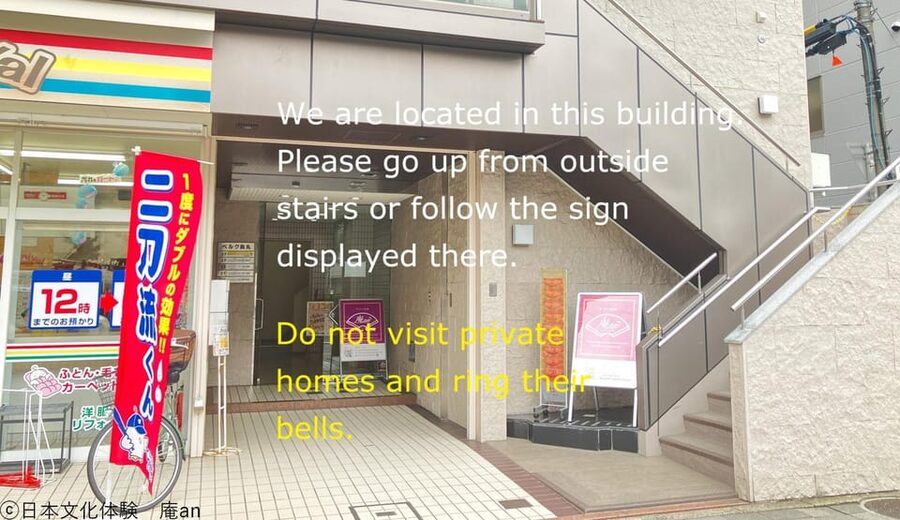
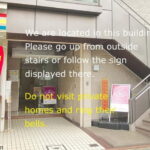
The meeting point is one minute from Exit 1 of Gojo Station on the Subway Karasuma Line. The entrance faces Gojo-dori, the main street, so you should look for the storefront along the road rather than wander through side streets.
This is useful when you are planning a tight Kyoto schedule. A 65-minute activity can fit between sightseeing stops, and the subway access removes much of the guesswork involved in reaching a small workshop.
Allow a little extra time to find the entrance, especially if you are unfamiliar with the station. The provider will not hold the event for late arrivals, and delays do not extend the session.
The operating hours are 10:00 to 17:00. Reservations received after 17:00 are processed the next day, so late-evening booking requests may not receive an immediate response.
How much value do you get for $14?
At $14 per person, this is one of the easier Kyoto activities to justify on price. The fee includes the sweets-making session and Tatedashi Matcha, not just admission to watch someone else work.
You are also paying for a central location, two edible creations, instruction, and a structured hour away from the usual sightseeing route. That is good value if you enjoy hands-on activities and want a small taste of Japanese food culture.
The price is less compelling if you want a serious culinary course. You will not be making the bean paste from scratch, and the instruction may be brief if the class is full. One attendee felt there were too many people in the room, which could limit personal attention.
The extras are modest. A take-out box costs 100 yen, and an experience completion certificate costs 300 yen. The certificate is optional and has little practical value unless you collect such mementos. I would spend the extra 100 yen only if you need to transport the sweets safely.
Group size and language can shape the experience
The class is open to solo participants and groups. That flexibility is useful, but the experience may feel different depending on attendance.
In a small group, you may get more direct help with shaping and a calmer picture time. In a larger session, you may need to follow the demonstration closely and wait briefly for assistance. The activity has received praise for its instructor and the taste of the sweets, but class size has also been a concern.
The instructor’s language is Japanese. English translation is provided as much as possible, but it is not presented as a fully English-led class.
You can improve your chances of following along by contacting the provider in advance and asking for English support. If you enjoy learning by watching and copying, the language gap may be manageable. If you want a detailed explanation of ingredients, technique, and cultural meaning, keep your expectations modest.
Who should book this sweets experience?
I would recommend it to you if you want:
- A short activity near central Kyoto
- A gentle introduction to Japanese traditional sweets
- A hands-on break from temples and city streets
- Something suitable for a solo visit or small group
- An affordable food experience with a finished treat
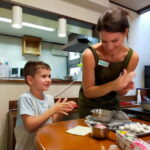
- A simple activity for children who enjoy shaping and decorating
Families should note the child policy. Children under two who sit on a parent’s lap are free. Anyone who does not participate cannot enter the venue, so do not plan to bring along a nonparticipating companion.
The class may also appeal to people who like taking photographs of food. The finished nerikiri are designed to look attractive on a plate, and picture time is part of the schedule.
I would be more cautious about booking if you want a quiet, private lesson or a detailed English explanation. The possibility of a crowded class and the Japanese-language instruction are the two main limitations.
Access, stairs, and booking details to check
The activity is marked wheelchair accessible, but the building has no elevator, and you must use stairs to reach the venues. Those facts do not fit neatly together, so contact the provider before booking if you use a wheelchair or have difficulty with stairs.
Free cancellation is available up to 24 hours before the activity for a full refund. After that point, cancellation fees apply, and changing the date or time after a fee has been incurred can bring another specified charge.
The provider does not compensate you for travel expenses if you cancel. Since late arrivals are not accommodated, plan to reach Gojo Station early enough to find the entrance and climb the stairs without rushing.
Should you book the Kyoto nerikiri class?
Book this experience if you want an inexpensive, well-located hour of hands-on culture, especially if the idea of shaping seasonal sweets sounds more appealing than sitting through a long lecture. The Kyoto bean paste, two different designs, and included Tatedashi Matcha give the $14 fee solid value.
Skip it if your main goal is advanced confectionery training, a private workshop, or fluent English instruction. Also contact the provider first if class size, stairs, or language support could affect your enjoyment.
For most people, this is best treated as a small Kyoto interlude: make two sweets, take a few pictures, drink matcha, and move on with a pleasant edible memory.
FAQ
How long does the Japanese sweets-making experience last?
The experience lasts 65 minutes. About 55 minutes are used for explanations, making two sweets, and taking pictures, followed by matcha and eating time.
Where does the class meet?
The venue is a one-minute walk from Exit 1 of Gojo Station on the Subway Karasuma Line. The entrance faces Gojo-dori.
What sweets will I make?
You will make two seasonal Japanese sweets called nerikiri. The planned designs are a flower-shaped sweet and a kinton-style sweet.
Is matcha included?
Yes. Tatedashi Matcha is included and is provided after the sweets-making and picture portion.
Can I take the sweets home?
Yes, a sweets take-out box is available for an additional 100 yen. Eating the sweets at the venue is included in the experience.
Is the class taught in English?
The instructor’s language is Japanese. English translation is provided as much as possible, and you can contact the provider if you would like English support.
Is the venue wheelchair accessible?
The activity is described as wheelchair accessible, but the building has no elevator and stairs are required to reach the venues. Contact the provider before booking to confirm that the setup meets your needs.
What is the cancellation policy?
You can cancel up to 24 hours in advance for a full refund. Cancellation fees apply after that point, and the provider does not compensate travel expenses related to cancellation.
More Dessert Tours in Kyoto
More Tea Ceremony Experiences in Kyoto
More tours in Kyoto we've reviewed



Tea Ceremony Experiences, compared.
 ★ 4.9Kyoto: Tea Ceremony in a Traditional Tea House in KiyomizuFrom $4945 min
 ★ 4.9Kyoto: Tea Ceremony Ju-An at Jotokuji TempleFrom $291h 10m
 ★ 4.3Kyoto: 45-Minute Tea Ceremony Lesson ExperienceFrom $2245 min
 ★ 5.0World Heritage Kyoto & Nara Uji Authentic Matcha ExperienceFrom $129
 ★ 4.9Kyoto: Table-Style Tea Ceremony at a Kyo-MachiyaFrom $451h 30m
 ★ 5.0Kimono Tea Ceremony at Kyoto Maikoya, NISHIKIFrom $65