

Reviewed · WORKSHOPS
Kyo-arashi Shibori Scarf Class
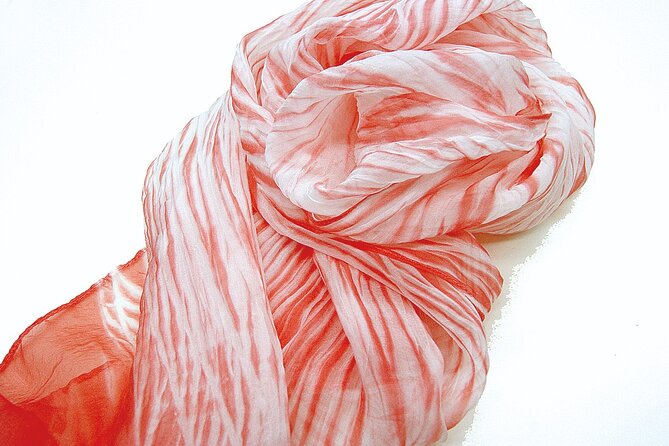
The best part of this Kyoto class is that you do not simply buy a craft item, you make a silk scarf from start to finish. An instructor guides you through folding, binding, dyeing, pressing, and unfolding the fabric, so the final pattern comes from your own hands.
I like the personal result and the easy time commitment. You get a useful 180cm by 44cm scarf, and the class takes about 30 to 60 minutes. I also like that museum admission and a chance to try on a shibori kimono are included. The main drawback is that the result depends on your folding and dyeing choices, so your scarf may not look exactly like the sample you imagined.
In This Review
- Key points to know before booking
- Why making your own scarf beats buying one
- At the Kyoto Shibori Museum
- How the kyo-arashi scarf process works
- What the museum time adds to the visit
- Is the $50.30 price good value?
- Why families and first-time crafters fit well
- Timing, transport, and practical planning
- What may not suit every visitor
- Who should book this Kyoto craft class?
- FAQ
- How long does the Kyo-arashi Shibori Scarf Class last?
- What size scarf will I make?
- What technique is taught?
- Is museum admission included?
- What is the minimum age?
- Can I cancel for a full refund?
Key points to know before booking

- You make a full-size silk scarf: The finished piece measures about 180cm by 44cm, making it a practical souvenir rather than a small craft token.
- The kyo-arashi method is hands-on: You fold the fabric, wrap it around a pipe, bind it with string, and compress it before dyeing.
- You choose the color: Your preferred color gives the scarf a personal look, though the final pattern is revealed only after unfolding.
- Museum access is part of the visit: While the scarf dries, you can browse the Kyoto Shibori Museum and try on a shibori kimono.
- The class is private to your group: This is not a large shared workshop, and the session usually runs 30 to 60 minutes.
- English help is available: The instructor speaks English, and Nina is specifically praised for her friendly, attentive hosting.
Why making your own scarf beats buying one

Kyoto has no shortage of beautiful souvenirs. You can buy ceramics, sweets, fans, fabrics, and dyed textiles in many shops. A handmade scarf gives you something different: a small record of your own decisions during the visit.
Shibori is a resist-dyeing craft. Parts of the cloth are folded, tied, compressed, or wrapped so the dye cannot reach them evenly. When the fabric is opened, the protected sections form the pattern. You are not painting a fixed design onto a blank scarf. You are setting up conditions and then seeing how the dye behaves.
That uncertainty is part of the fun. The process gives you enough control to choose a color and shape the fabric, but the final design is still a surprise. I think that makes the scarf more memorable than a standard gift-shop purchase.
The material also matters. This is a silk scarf, not a small square of practice cloth. At about 70 inches by 17 inches, it is large enough to wear and light enough to pack. You leave with a finished object that can remind you of Kyoto long after the rest of your holiday has blurred together.
A few more Kyoto tours and experiences worth a look


At the Kyoto Shibori Museum
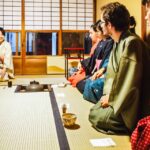
The class takes place at the Kyoto Shibori Museum at 135-5 Shikiamicho, in Nakagyo Ward. The activity begins and ends at the museum, and the site is near public transportation. Two car parking spaces and bicycle parking spaces are available, although the very limited car parking means you should not plan on an easy parking option for a larger group.
This is a private activity for your group. That detail matters. You are not trying to keep up with a room full of strangers or waiting for a long line of people to complete the same step. The usual class is individual, with a stated duration of 30 to 60 minutes.
The museum setting adds useful context. You get to see shibori as a Japanese textile tradition, not just as a one-off craft project. While your scarf dries, the displays give you something relevant to look at rather than leaving you waiting around.
You can also try on a shibori kimono. This is a pleasant extra, especially if you want a better sense of how patterned and dyed fabric works as clothing. It is not a full kimono dressing appointment described in the details, so keep your expectations focused on the chance to try one on.
How the kyo-arashi scarf process works
The class begins with the fabric. You receive a silk scarf measuring about 180cm by 44cm, then learn how to fold it in a particular way. This first step is more important than it may look. The folds decide how sections of the cloth meet and how the finished pattern will repeat.
Next, the folded fabric is wrapped around a pipe. A string is wound around the pipe and used to gather the cloth. You then push or compress the fabric toward the bottom of the pipe. The result is a tightly packed bundle with some areas protected from the dye more than others.
This is where the professional guidance helps. Traditional textile techniques can be hard to judge from a written instruction sheet. An instructor can show you how tightly to wrap the string and how to handle the cloth without losing the folded structure.
After the binding is complete, you choose your dye color. The available information does not list a fixed color menu, so your choice will depend on what the museum offers on the day. The important point is that the scarf is customized to your preference, rather than produced in one standard color.
The fabric is then dyed. Once that step is finished, you unwind the string and roll the scarf with a towel. The scarf is pressed, then unfolded so you can see the pattern. This reveal is the payoff. Until the fabric opens, you cannot fully see how the folds, string, pressure, and dye have worked together.
The class is suitable for first-time dyers. You do not need prior craft training, and the activity is taught under professional supervision. The minimum age is 12, and adult pricing applies to all ages.
What the museum time adds to the visit
The drying period gives the appointment a natural second half. Instead of ending as soon as the dyeing stops, the visit continues with museum displays and the kimono opportunity.
I like this arrangement because the craft and museum support each other. You see examples of shibori, then try a method yourself. After working with folded cloth and resist patterns, the displays are likely to make more sense than they would during a quick museum visit with no hands-on connection.
The gift shop is also worth allowing time for. The class already gives you a personal souvenir, but the shop provides a chance to see other shibori items and compare your finished work with professionally made pieces. It can also help if you want a second textile gift, though that purchase would be separate from the class price.
Do not expect a full-day cultural program. The class itself is short, and the museum portion is a compact addition. That is a strength if your Kyoto schedule is packed with temples and gardens. It is a limitation if you want a long, detailed textile workshop.
Is the $50.30 price good value?

At $50.30 per person, this is not the cheapest souvenir activity in Kyoto. It is also more than the price of a small bought gift. The value comes from the combination of a silk scarf, private instruction, museum admission, and a kimono opportunity.
If you only want a scarf, shopping may cost less or more depending on the fabric and workmanship. If you want to understand how the pattern is made and take part in the process, the class makes more sense. You are paying for the material, the instruction, the museum visit, and the time set aside for your group.
The private format improves the value for couples, families, and small groups who want a focused activity. It also reduces one common workshop problem: spending more time waiting than working. The session may still last only 30 minutes, so you should judge the price as a short cultural activity rather than a long lesson.
Booking patterns suggest that people reserve this about 23 days ahead on average. That is a useful planning clue. If you have a fixed Kyoto itinerary, book before you arrive rather than assuming you can walk in at your preferred time. Multiple start times make it easier to fit between other plans.




Why families and first-time crafters fit well
The class has a minimum age of 12, yet the activity can work well for families with older children and teenagers. The process has clear physical steps, and the color choice gives each person a simple creative decision to make.
Younger children have taken part in family groups according to the supplied experiences, but the formal minimum age is 12. Do not book below that age without confirming directly with the provider.
I would also recommend this for anyone who feels unsure about traditional Japanese crafts. You do not have to arrive with an artistic plan. The instructor shows you how to fold and bind the cloth, then helps you through the dyeing stage.
English support is available. Nina is specifically thanked for attentive and friendly hosting, and the instructor is described as speaking English. That makes the class easier to follow, particularly when the folding and string work need to be demonstrated rather than explained with broad hand gestures.
The activity suits a range of ages, but it is not ideal for someone who wants a completely predictable pattern. Your choices guide the result, but they do not control every mark on the scarf.
Timing, transport, and practical planning

The class lasts approximately 30 minutes to one hour. Allow extra time for the museum displays, kimono try-on, and gift shop. The stated class time does not necessarily represent the total time you will want to spend at the museum.
Several start times are offered. I would choose one that leaves a little breathing room on both sides, since Kyoto sightseeing days can be slowed by meals, public transport, and crowded temple areas.
The meeting point is the Kyoto Shibori Museum, and the activity ends there. You do not need to arrange a separate return transfer. A mobile ticket is available, and booking confirmation is received at the time of booking.
The museum is near public transportation. Car parking is limited to two spaces, so public transport is the safer plan if you are not already driving. Bicycle parking is available, but the provided details do not specify the size or reservation process.
The activity is private, and most people can participate. No special accessibility details are provided, so anyone with mobility, hand-use, or other access concerns should check with the Kyoto Shibori Museum before booking.
What may not suit every visitor
The class has a narrow focus. If you are looking for a broad introduction to Kyoto culture, this will feel too specialized. You spend most of the active portion folding, wrapping, binding, and dyeing one scarf.
The short duration can also cut both ways. It is convenient, but you will not become a shibori expert in one session. You learn one particular kyo-arashi method and make one item. If you want repeated practice, a longer workshop would be a better match.
The final pattern is another consideration. The activity is designed to produce attractive results, but handmade dyeing is not factory printing. Variations are part of the method. I would treat them as the point of the craft, not as flaws, but a person who wants a perfectly uniform scarf may prefer to shop for one already finished.
Finally, the $50.30 price needs to fit your budget. It is fair for a private, guided craft class with a silk item included, yet it is not a bargain basement activity. The value is strongest when you want both the making process and the finished souvenir.
Who should book this Kyoto craft class?
I would book it for a couple who wants a quiet break from temple visits, a family with children aged 12 or older, or anyone who prefers useful souvenirs to mass-produced trinkets. It also works well for repeat visitors who have already seen Kyoto’s major sights and want a more focused local craft activity.
You should book it if you like the idea of a controlled surprise. You choose the color and help create the pattern, but the unfolded scarf will have its own character.
I would skip it if you have no interest in textiles, have only a few minutes between major attractions, or want a long technical course. For most people, though, the modest time commitment makes it easy to add to a Kyoto day.
With a 100 percent recommendation rate and a perfect rating from 16 published reviews, the strongest praise centers on friendly staff, clear English guidance, family appeal, and beautiful results. Those points match the practical design of the class: it is personal, short, supervised, and ends with something you can wear.
Book it when you want more than a museum visit but less than a full-day workshop. The scarf gives you a lasting reminder of Kyoto, while the museum and kimono access make the short appointment feel like a fuller cultural stop.
FAQ
How long does the Kyo-arashi Shibori Scarf Class last?
The class takes approximately 30 minutes to one hour. You may want to allow additional time for the museum displays, kimono try-on, and gift shop.
What size scarf will I make?
You will dye a silk scarf measuring about 180cm by 44cm, or approximately 70 inches by 17 inches.
What technique is taught?
The class teaches the kyo-arashi shibori method. You fold the fabric, wrap it around a pipe, wind string around it, compress the cloth, dye it, then unwind and unfold it.
Is museum admission included?
Yes. Admission to the Kyoto Shibori Museum is included, along with the opportunity to try on a shibori kimono while your scarf is drying.
What is the minimum age?
The minimum age is 12. Adult pricing applies to all ages.
Can I cancel for a full refund?
Yes. You can cancel at least 24 hours before the experience start time for a full refund. Cancellations or changes made less than 24 hours before the start time are not accepted for a refund.
More Workshops & Classes in Kyoto


More tours in Kyoto we've reviewed








Workshops, compared.
 ★ 4.3Kyoto: 45-Minute Tea Ceremony Lesson ExperienceFrom $2245 min
 ★ 5.0Ramen Cooking Class at Ramen Factory in KyotoFrom $131
 ★ 4.9Kyoto: Ramen Cooking Class at a Ramen Factory with SouvenirFrom $1271h 30m
 ★ 4.9Kyoto: Samurai Class, Become a Samurai WarriorFrom $70
 ★ 5.0Ninja 1-hour Hands-on Lesson by Japanese master in Kyoto -EntryFrom $80
 ★ 5.0Kyoto: Ramen, Gyoza, and Onigiri Cooking ClassFrom $901h 30m