
Reviewed · TOURS
Kyoto: Amanohashidate Ine Funaya Tour
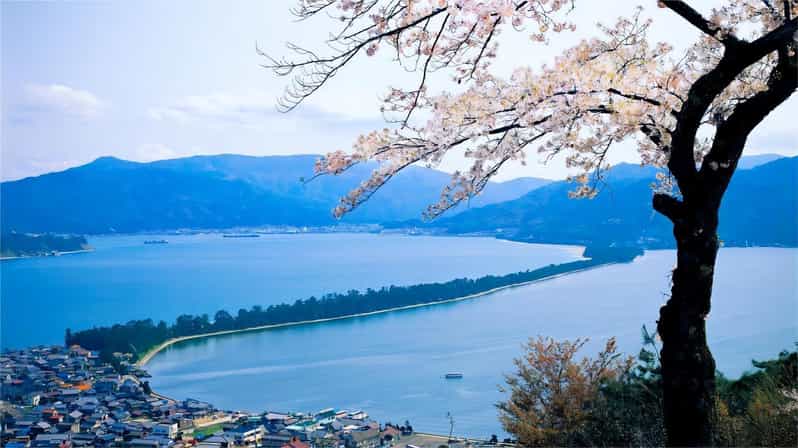
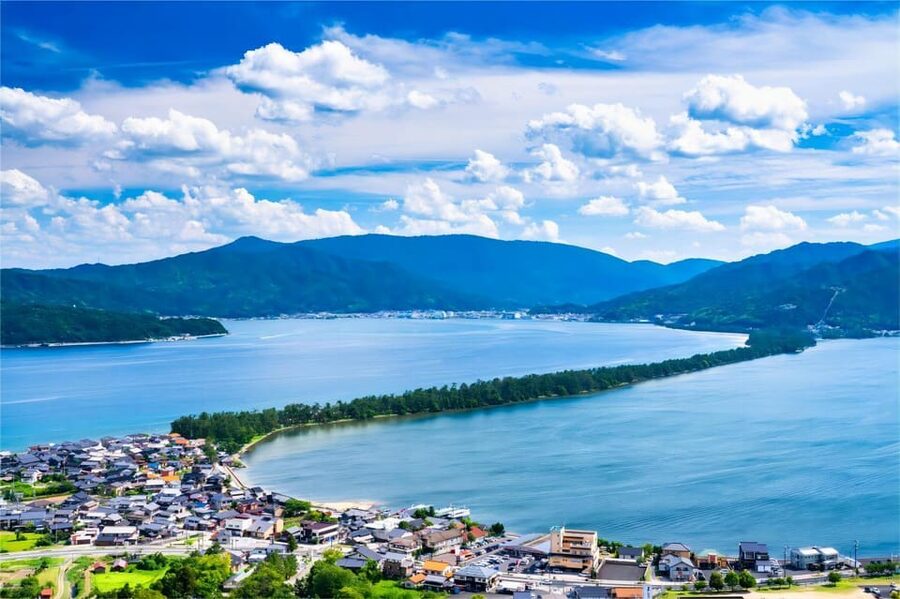
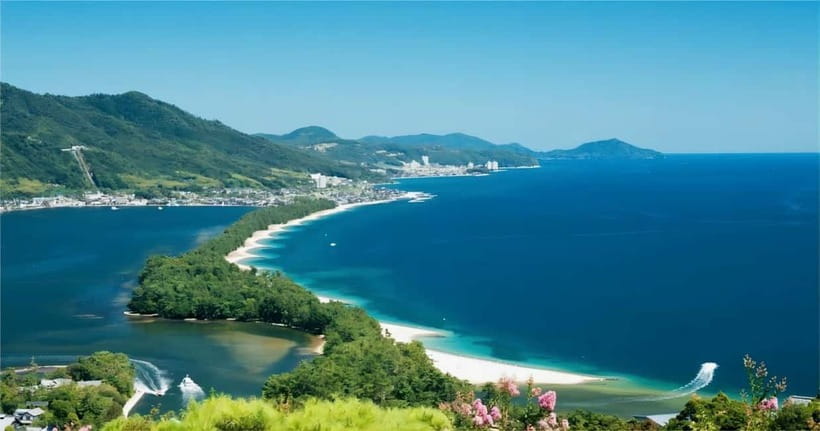
Amanohashidate is the star here: a long pine-covered sandbar crossing Miyazu Bay, with white beaches on one side and the Aso Sea and Sea of Japan on the other. I like the way this tour pairs Japan’s famous Bridge to Heaven with Chion-ji Temple, then moves on to Ine’s unusual waterfront boat houses. I also like having a bus for a route that would be awkward to cover in one day by public transport.
The trade-off is time. You spend about 10 hours on the outing, with roughly 2.5 hours of bus travel, and some stops are brisk. Guide quality can vary too. Jay and Fred received especially warm praise, while some English-speaking customers found the explanations too light or hard to follow.
In This Review
- Key points at a glance
- Why Amanohashidate makes this long day worthwhile
- Walking the sandbar and reading the view
- Chion-ji Temple and the luck of the folding fan
- Ine’s boat houses along the water
- The optional cruise and seagull-feeding fun
- A long bus ride, but a useful one
- Guides, language, and what to expect
- What the $76 price really covers
- Timing, luggage, and small details that matter
- Who should book this northern Kyoto day trip?
- Should you book the Amanohashidate and Ine tour?
- FAQ
- How long does the Amanohashidate and Ine tour last?
- Where can I join and leave the tour?
- Is the Ine boat cruise included?
- What languages are available?
- What should I check before departure?
- Can I bring luggage?
Key points at a glance
- Amanohashidate is more than a viewpoint: You get time to walk, take photos, and see the pine-covered sandbar and bright beaches.
- Chion-ji adds a useful cultural stop: The temple is linked with Manjushri, the Buddhist god of wisdom, and student prayers for academic success.
- Ine feels unlike central Kyoto: Its waterfront boat houses were built with boats on the lower level and living space above.
- The bay cruise is optional: You can pay separately for a boat ride and feed seagulls from the water.
- The coach saves serious planning time: Transport links several remote sights that are difficult to combine in one day on your own.
- Bring spare cash: Food, drinks, entry tickets, and the optional boat ride are not included.
Why Amanohashidate makes this long day worthwhile
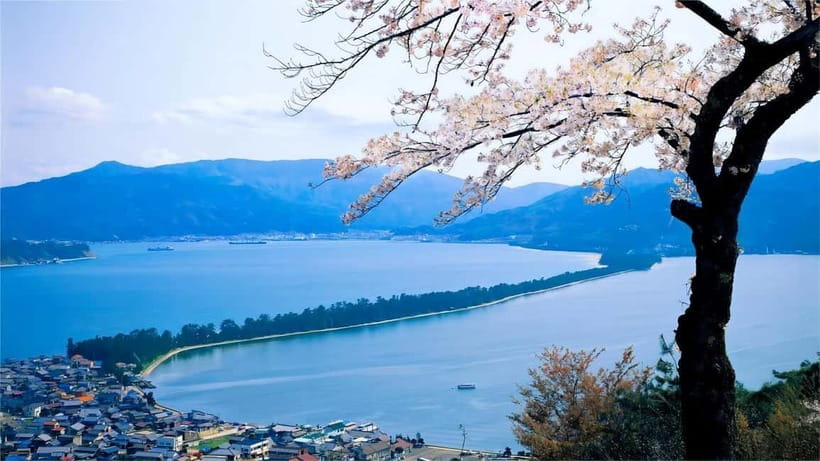
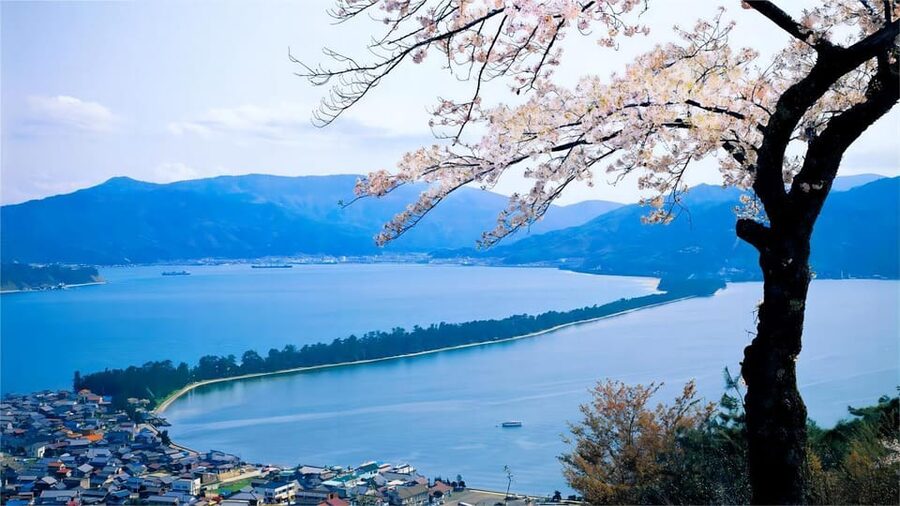
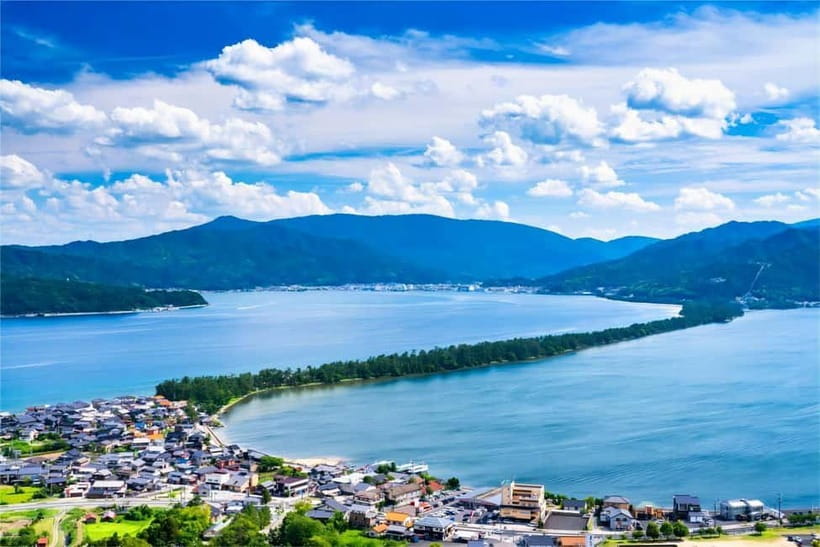
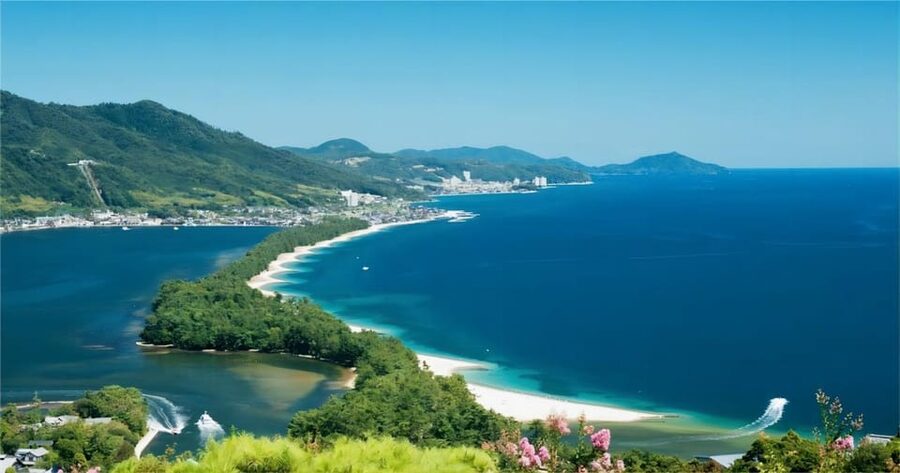
Amanohashidate translates as Bridge to Heaven, a poetic name for a natural sandbar that links the two sides of Miyazu Bay. Seen from above, it resembles a pale bridge laid across the water. At ground level, it is a long strip of white sand and pine trees, with water visible on both sides.
I like that this outing does not reduce Amanohashidate to a quick photo from a coach window. You have about two hours for a guided visit, free time, walking, and pictures. That gives you a chance to look closely at the pine trees rooted along the sandbar, rather than simply checking off one famous view.
The combination of white sand, green trees, and open water gives the place a different feel from Kyoto’s temple districts. You are not moving from one dense urban sight to another. The air, shoreline, and broad views are the point.
Still, keep your expectations in check. The tour does not promise a cable car, chairlift, or special observation platform, and none of those admissions are included. The experience described here focuses on the sandbar, beaches, water views, and walking time. If you want a high viewpoint, ask the guide what is practical on the day, rather than assuming it is part of the package.
If you're still narrowing it down, here are other tours in Kyoto we've reviewed.
Walking the sandbar and reading the view
Your first major stop is Amanohashidate in northern Kyoto Prefecture. The bus makes this remote area reachable without requiring you to piece together trains, local connections, and boat schedules.
During the stop, you can walk and take photos of the shore. The sandbar is covered with pine trees, creating a strong contrast between the pale beach and the dark green canopy. Looking across the bay, you can see the Aso Sea and the Sea of Japan, depending on the viewpoint and conditions.
Weather matters here. One customer had a good day despite rain, but rain can soften the colors and limit long views across the water. Comfortable shoes and a light waterproof layer make sense. This is an outdoor stop, not simply a temple visit with shelter nearby.
The two-hour allocation is useful but not generous if you want to walk a great distance along the sandbar, stop often for pictures, and eat. I would choose a few good viewpoints instead of trying to cover every inch. Keep an eye on the meeting time, because the bus still has to reach Ine and return to Osaka or Kyoto.
Chion-ji Temple and the luck of the folding fan
Chion-ji Temple sits at the southern end of Amanohashidate. It is dedicated to Manjushri, the Buddhist god of wisdom, which explains the temple’s connection with students. Young people visit to ask for help with study and examinations.
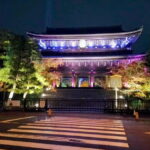
This stop lasts about 30 minutes, so think of it as a compact introduction rather than a full temple visit. You can pass through the old gate, see the temple grounds, and notice a fan-shaped signed poem associated with progress and improvement.
I like the way Chion-ji changes the rhythm of the day. Amanohashidate gives you open water and walking space; Chion-ji brings you back to Japanese religious tradition and everyday hopes. The student connection is easy to understand, even if you are not deeply interested in Buddhist practice.
The short timing also limits the guide’s chance to explain details. Several English-speaking customers felt the guide offered too little historical information, while others found the explanations interesting and helpful. That means you should treat the guide as a practical escort and source of basic context, not necessarily as a specialist temple lecturer.
Ine’s boat houses along the water
After Amanohashidate and Chion-ji, the coach continues to Ine, a small fishing town known for its waterfront boat houses. These structures are the town’s defining sight. Their lower levels face the water and were traditionally used for boats, while the upper parts served as living or working space.
Ine is valuable because it feels very different from the grand temples and tourist streets of Kyoto. The town’s identity comes from the sea and from the practical design of its houses. Walk along the waterfront and look at how closely the buildings relate to the bay.
You also have time to browse shops and restaurants. The schedule gives about an hour in the broader Kyoto Prefecture portion of the trip, although the exact use of that time can vary. One useful piece of advice is to protect as much time as possible for Ine if you are most interested in the boat houses. A full hour in a less interesting lakeside area may feel longer than necessary, especially when Ine is the stop you traveled so far to see.
Do not expect a large shopping district. Ine is presented as a fishing town, not as a major retail center. The pleasure is in the waterfront setting, the boat-house architecture, and the slower pace.
The optional cruise and seagull-feeding fun
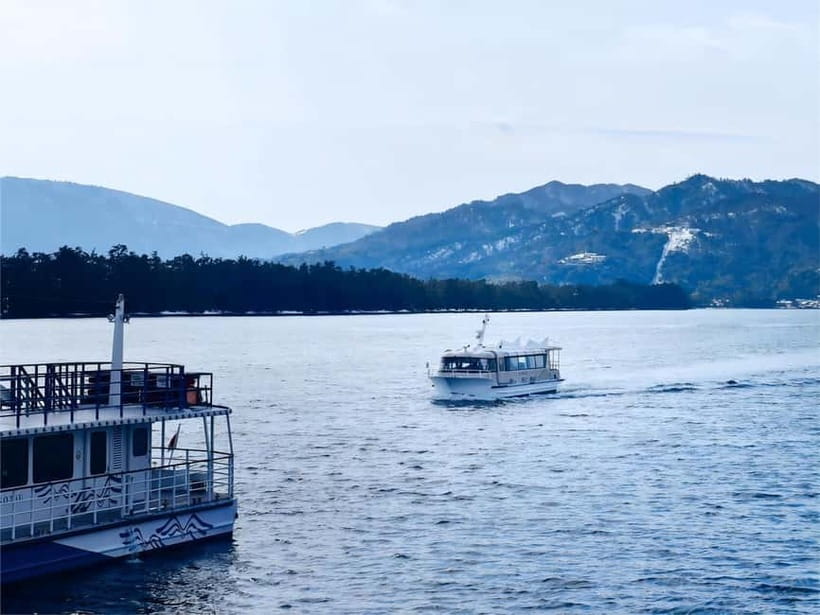
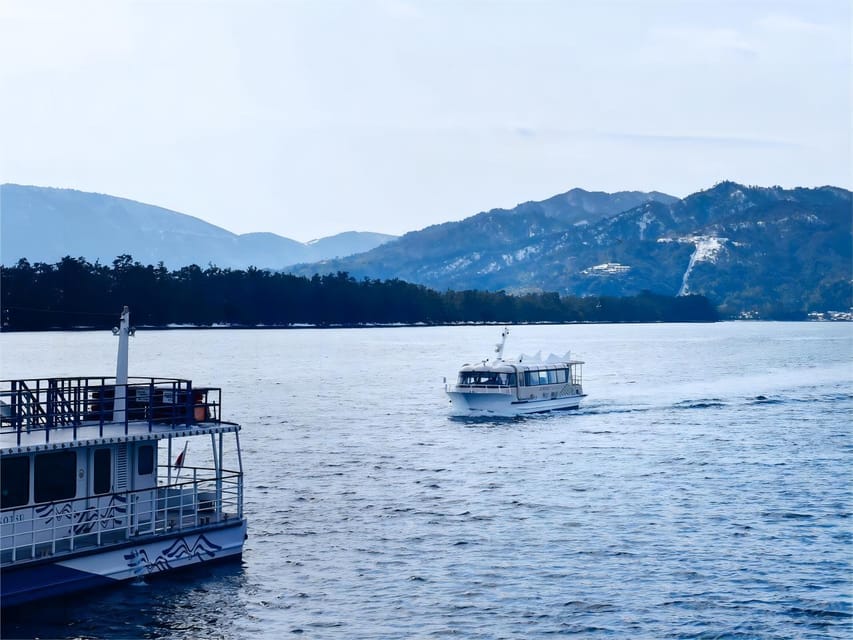
At Ine, you can pay separately for a boat ride around the bay. The cruise is not included in the $76 price, and neither are entry tickets generally. The boat gives you a different angle on the houses and the shoreline, while seagulls gather for feeding during the ride.
This is one of the day’s most playful moments. The seagull feeding turns a scenic cruise into something active, and the boat puts you close to the water rather than leaving you on the road. An Italian customer found the experience especially enjoyable, including the sight of birds of prey and seagulls around the boat.
The practical catch is money and timing. You need extra cash or a suitable payment method, and the tour price does not tell you the cost of the cruise. Ask for the current price before committing. One customer had only enough cash for the expected extras and could not buy food when a card was not accepted. That is an avoidable problem, so carry more Japanese yen than you think you need.
The cruise also depends on the day’s schedule, weather, and operating conditions. The tour description presents it as an option, not a guaranteed included activity. If it is running, I would consider it one of the better uses of extra time in Ine.

A long bus ride, but a useful one
The coach is the main reason this tour works. Amanohashidate and Ine are far from the usual Osaka and Kyoto sightseeing circuit, and reaching both by public transport in one day would require careful planning. Here, you board at Nippombashi Station in Osaka or the Kyoto-Hachijoguchi Bus Loading Area, then let the tour handle the road connections.
The listed bus segment takes about 2.5 hours. That is a serious part of the day, and holiday traffic can make it longer. You should not book this expecting a relaxed local excursion with short hops between stops. It is a full northern Kyoto day trip.
The reward is variety. In one outing, you get a sandbar, beaches, pine trees, a temple tied to wisdom, and a working fishing town. The air-conditioned bus also gives you a more comfortable base than changing trains and buses several times.
There are two drop-off options matching the main starting points: Nippombashi Station and Kyoto-Hachijoguchi Bus Loading Area. Pickup and meeting details can vary by booking choice. Check the email sent the day before for the exact location, your guide’s contact details, and the bus license plate. That message matters, especially when several buses may gather in a busy area.
Guides, language, and what to expect
The tour runs with a live guide in English or Japanese. Guide performance appears to be the most variable part of the experience. Jay was praised for answering questions, helping with practical details, and even sending a video of the ship’s departure. Fred was described as upbeat and clear about the day’s plan.
At the same time, some customers felt they had an accompanying escort rather than a full guide. One French-speaking customer found the English difficult to understand, and another wanted more historical information. I would book this tour for transport, orientation, and basic explanations first. If detailed temple history is your main goal, you may want a separate guidebook or research notes.
The best approach is to ask questions early. If you want to know the meaning of a temple feature, the timing of the boat ride, or how much cash to keep for extras, ask before the bus leaves each stop. Guide quality can make a noticeable difference, and a direct question gives you the best chance of getting useful context.
What the $76 price really covers
At $76 per person, the tour offers reasonable value if you want to see both Amanohashidate and Ine in one day. Your money pays for transportation between the remote sites, the guided service, and the return trip to Osaka or Kyoto.
The price does not cover food, drinks, entry tickets, or the optional boat cruise. That distinction is important because the day is long and you will probably want something to eat or drink. Since card payment may not be accepted everywhere, carry spare cash.
The value is strongest for visitors who do not want to plan a complicated route. A lower-cost independent trip might be possible in theory, but train and bus fares, local connections, and the risk of missing the return route all take time and effort. The coach also lets you see both places without giving up a hotel night.
The value is weaker if you dislike long road journeys or want to linger at one site. The schedule gives you an overview rather than an unhurried exploration. Ine receives less time than some people would prefer, and Amanohashidate may feel rushed if you want a long walk.
Timing, luggage, and small details that matter
This is a 10-hour activity. Plan for a full day away from your hotel, with early or late timing possible depending on availability. During holidays, traffic can extend the return journey, so avoid booking a tight evening reservation afterward.
Each person may bring one piece of luggage free of charge. An additional piece larger than 20 inches costs $16. That rule matters most if you are traveling between hotels or using the tour as part of a transfer day.
The tour can be canceled up to four days in advance for a full refund. After that point, weather, traffic, holidays, and crowd conditions can affect the schedule, and delays or cancellations caused by factors outside the operator’s control do not qualify for a refund.
Use the day as a scenic outing, not a precision-timed excursion. Leave room in your plans at the end, especially during busy travel periods.
Who should book this northern Kyoto day trip?
I would recommend it to you if you want to see parts of northern Kyoto Prefecture that are hard to reach independently. It suits first-time visitors who want a broad sample of the region, families who prefer a single coach to several connections, and anyone interested in coastal scenery, small-town architecture, and a little temple culture.
It is also a good match if the optional boat ride appeals to you. The seagulls add a light, memorable activity to a day otherwise built around views and walking.
I would hesitate if you want detailed historical interpretation, long free time, or a quiet independent pace. The guide may provide only brief explanations, the bus ride is lengthy, and the schedule can give Ine less time than you want.
Should you book the Amanohashidate and Ine tour?
Book it if your priority is covering two remote northern Kyoto sights efficiently. Amanohashidate supplies the big natural view, while Ine gives you an unusual fishing-town experience. At $76, the transport alone makes the package practical for many people, provided you budget extra for food and the boat ride.
Skip it if you would rather spend a whole day at one place or need a guide with consistently detailed historical commentary. For everyone else, this is a useful, scenic day out, with the best results coming from carrying cash, checking the pickup email, allowing for traffic, and keeping your expectations realistic about free time.
FAQ
How long does the Amanohashidate and Ine tour last?
The activity lasts 10 hours. The bus journey is listed as about 2.5 hours, and traffic during holidays or other busy periods can make the day longer.
Where can I join and leave the tour?
The listed starting and ending options are Nippombashi Station and the Kyoto-Hachijoguchi Bus Loading Area. Your exact meeting point may depend on the option booked.
Is the Ine boat cruise included?
No. The boat ride is an optional activity that you pay for separately. Food, drinks, and entry tickets are also not included.
What languages are available?
The live guide service is available in English and Japanese.
What should I check before departure?
Check the email sent the day before the tour. It includes the pickup location, your guide’s contact information, and the bus license plate number.
Can I bring luggage?
Each person can bring one piece of luggage free of charge. An additional piece larger than 20 inches costs $16.
More tours in Kyoto we've reviewed

Tours, compared.
 ★ 5.0PERFECT KYOTO 1-Day Bus TourFrom $129
 ★ 4.8Kyoto: Fushimi Inari, Kinkakuji, Bamboo Grove 1 Day Bus TourFrom $122510 minutes - 9 hours
 ★ 4.7Kyoto Geisha Walking Tour: Gion District & Hidden GemsFrom $252 hours
 ★ 4.7Kyoto: Gion Geisha District Walking Tour – Stories of GeishaFrom $202 hours
 ★ 5.0Hidden Kyoto E-Biking tourFrom $116
 ★ 5.0Kyoto Night Foodie Tour in Gion (9+ dishes + 6 Sake tastings)From $163