
Reviewed · ARASHIYAMA & BAMBOO TOURS
Kyoto: Arashiyama UNESCO Walking Tour with Admission
Arashiyama’s famous Bamboo Grove is the star of this 90-minute walk, but the tour gives you more than a quick photo stop. You’ll connect the bamboo paths with Tenryu-ji Temple, a UNESCO World Heritage Site, then continue past Nonomiya Shrine, local shops, Togetsukyo Bridge, and the route toward Iwatayama Monkey Park.
I like the small group size, limited to 10 people, and the fact that admission to Tenryu-ji is included. I also like the practical local touches: guides such as Uta, Nao, Naoya, and Ben explain the sites, point out photo spots, and suggest matcha sweets, wagashi, and bamboo crafts. The main drawback is the short running time. You’ll see the key sights, but the Monkey Park itself is optional and requires extra time, hiking, and an admission fee.
In This Review
- Key points to know before you book
- Why this short Arashiyama walk works
- Tenryu-ji Temple: the best cultural start
- Walking beneath the Arashiyama bamboo
- Nonomiya Shrine and a quieter Kyoto tradition
- Shops, sweets, and bamboo souvenirs
- Togetsukyo Bridge and the final view
- Should you add Iwatayama Monkey Park?
- Is $25 a fair price?
- Who will enjoy this walk most?
- Booking advice and final verdict
- FAQ
- How long does the Arashiyama walking tour last?
- What language is the tour offered in?
- How many people are in the group?
- Is admission to Tenryu-ji Temple included?
- Is admission to Iwatayama Monkey Park included?
- Where does the tour begin?
- Where does the guided tour finish?
- Do I need to remove my shoes?
- Is the route wheelchair accessible?
- What should I bring?
Key points to know before you book
- Tenryu-ji admission is included, giving you access to one of Kyoto’s best-known Zen temple gardens without buying a separate ticket.
- The Bamboo Grove is treated as part of a larger story, with the guide explaining its connection to Arashiyama’s UNESCO recognition.
- Nonomiya Shrine adds a personal touch, since it is known as a place to pray for love.
- The group is capped at 10 people, making it easier to ask questions and stay close to the guide.
- The tour ends near Monkey Park, but admission and the self-guided hike are not included.
- Comfortable clothing and cash matter, especially for walking, temple shoe removal, and browsing small shops.
Why this short Arashiyama walk works
Arashiyama can feel confusing on a first visit. Several major sights sit close together, but the area has enough paths, shops, temple entrances, and scenic turns to make a simple stroll feel scattered. This tour creates a clear route through the district in a manageable 90 minutes.
You begin at Chopsticks Studio Kyoto, where you look for a guide holding a Local Guide Stars sign at the front road of the building. From there, the walk moves through Tenryu-ji Temple, the Sagano Bamboo Grove, Nonomiya Shrine, and Togetsukyo Bridge before reaching the Monkey Park area.
That order makes sense. You start with a cultural site, move into the area’s best-known natural setting, pause at a small shrine, then finish beside one of Arashiyama’s major river views. It gives you a useful first orientation before you decide where to spend more of the day.
The English-speaking guides are a major part of the experience. Uta has been praised for adapting the route to individual needs, including slowing down and suggesting changes for a pregnant participant. Nao and Naoya have led history-focused visits, while Ben has been especially useful for questions and photography advice. Guide quality can vary from one departure to another, but the repeated emphasis on history, friendliness, and personal attention is a good reason to choose a small group rather than a large bus-style visit.
A few more Kyoto tours and experiences worth a look
Tenryu-ji Temple: the best cultural start
The first major stop is Tenryu-ji Temple, where you spend about 40 minutes with the guide. Admission is included, which matters because this is the one paid sight built into the tour price.
Tenryu-ji is recognized as a UNESCO World Heritage Site and is closely tied to Zen practice in Kyoto. The temple grounds preserve more than 700 years of religious and garden tradition. Your guide explains the site rather than simply leading you through it, helping you notice how the buildings, garden, and surrounding scenery work together.
The garden is likely to be the calmest part of the tour. It offers a useful contrast with the crowded paths outside. Instead of rushing straight to the bamboo, you get time to see the quiet side of Arashiyama first.
A practical point: you must remove your shoes when entering the temple. Wear socks and shoes that are easy to take off and put back on. The route is mostly flat, but the temple rules and walking pace make comfortable clothing more useful than stylish footwear.
The 40-minute visit is long enough for an introduction, but not for every corner of the temple grounds. If Tenryu-ji is high on your Kyoto list, consider returning later on your own. This guided stop is best viewed as a focused orientation, not a full half-day temple visit.
Walking beneath the Arashiyama bamboo
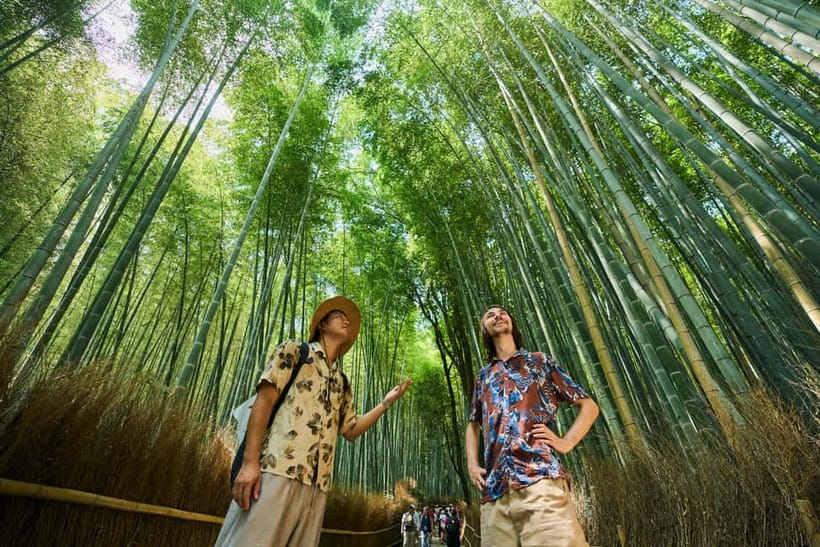
After Tenryu-ji, you head into the Sagano Bamboo Grove. This is the section most people picture when they think of Arashiyama: tall bamboo rising on both sides of a narrow public path, with shafts of light and striking vertical lines that make the area highly photogenic.
The guide helps give the grove some meaning beyond its appearance. You learn why the bamboo area is connected to Arashiyama’s UNESCO designation and how nature and traditional culture meet in this part of Kyoto.
Bring your camera, but keep your expectations sensible. The grove is famous and can be busy, so the experience is not always solitary or silent. The strongest benefit of joining a guide is not a promise of an empty path. It is having someone explain the setting and help you make the most of the time you have.
The walk is generally easy, though you should expect to be on your feet. The tour description calls the terrain mostly flat, which makes it suitable for many people who can walk comfortably, but it is not suitable for wheelchair users. If you need frequent rest stops, ask about the pace before setting out.
This part also shows why the 90-minute format has limits. The bamboo grove alone can absorb a lot of time if you stop often for photos. You’ll need to keep moving to reach the shrine, bridge, and Monkey Park area with the group.
Nonomiya Shrine and a quieter Kyoto tradition
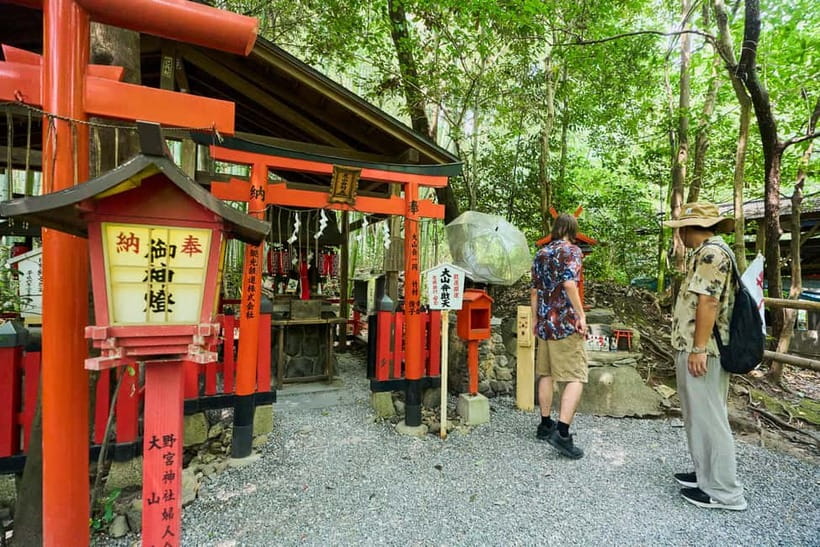
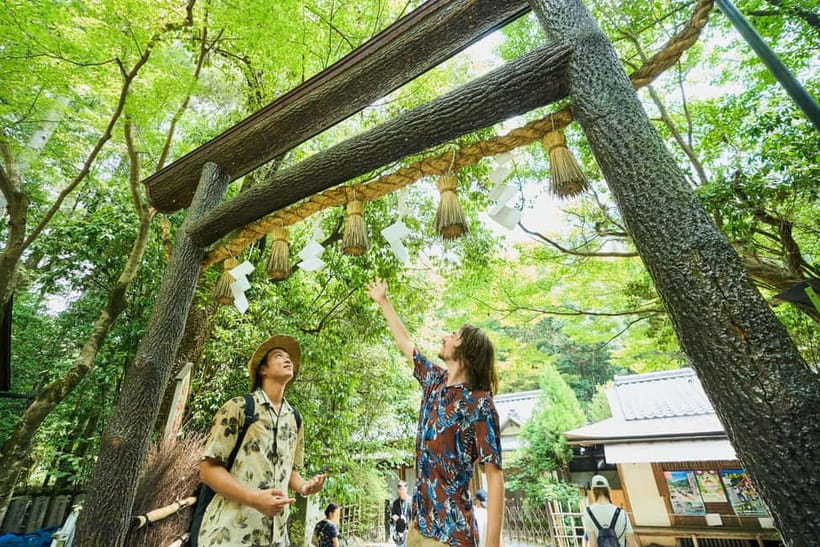
The next stop is Nonomiya Shrine, where you spend roughly 20 minutes walking and taking photos. The shrine is known as a place to pray for love, giving the tour a more personal and intimate subject after the large temple and dramatic bamboo grove.
This is a good stop for anyone interested in the everyday side of Japanese religious life. You can learn how a small shrine fits into local hopes and customs, rather than seeing only grand buildings and famous views.
The time here is fairly brief. The schedule describes it as a photo stop and guided walk, so you should not expect a long ritual lesson or an extended independent visit. Still, it adds variety and keeps the tour from becoming only a procession between major photo locations.
Your guide can also answer questions as you go. One of the strongest patterns in the guide feedback is the value of asking questions, especially about history and local customs. Small groups help here. With no more than 10 people, it is easier to hear the explanation and speak up when something catches your interest.
Shops, sweets, and bamboo souvenirs
The route includes a stroll past character shops and local souvenir stores. This part is not a formal shopping session, but your guide points out places worth considering and gives you time to browse.
You might find matcha sweets, wagashi, and bamboo-themed crafts. These make more useful souvenirs than generic tourist goods if you want something tied to Arashiyama and Kyoto. Matcha treats are easy to carry, while bamboo items offer a direct connection to the grove you have just visited.
Keep some cash with you. Cash is specifically recommended, and small shops may not all handle payment in the same way. The tour does not include shopping purchases, so plan to pay for any food or crafts yourself.
The shopping portion is also flexible in spirit. If you are not interested in souvenirs, you can treat it as a short look at the local commercial side of Arashiyama. If you enjoy browsing, you may want to return after the tour, since the 90-minute schedule does not leave much room for a leisurely shop-by-shop stop.
Other walking tours we've reviewed in Kyoto
Togetsukyo Bridge and the final view
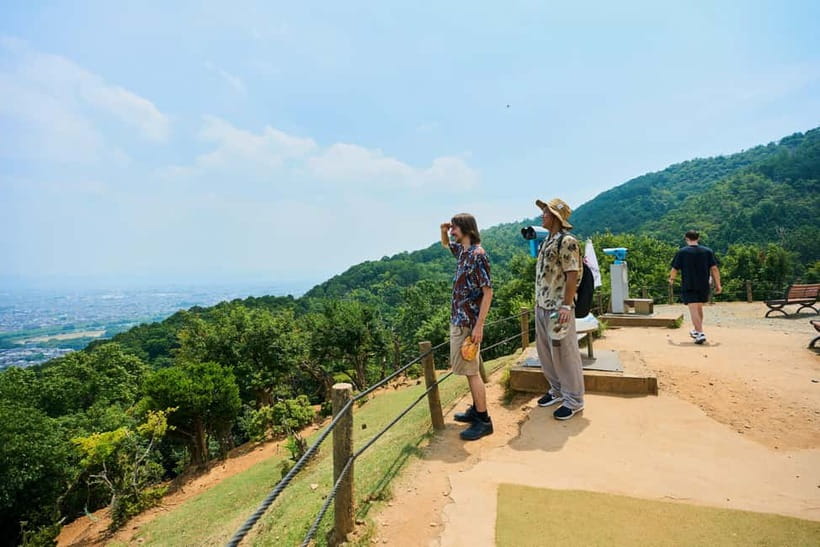
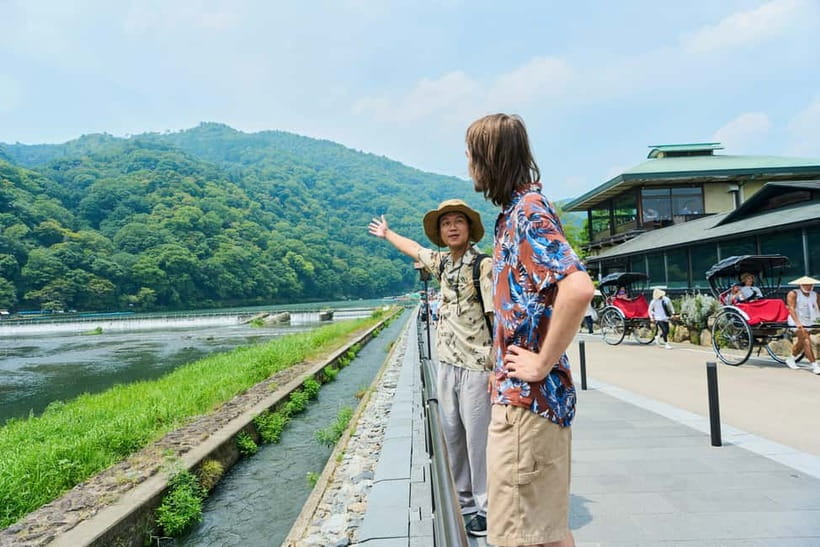
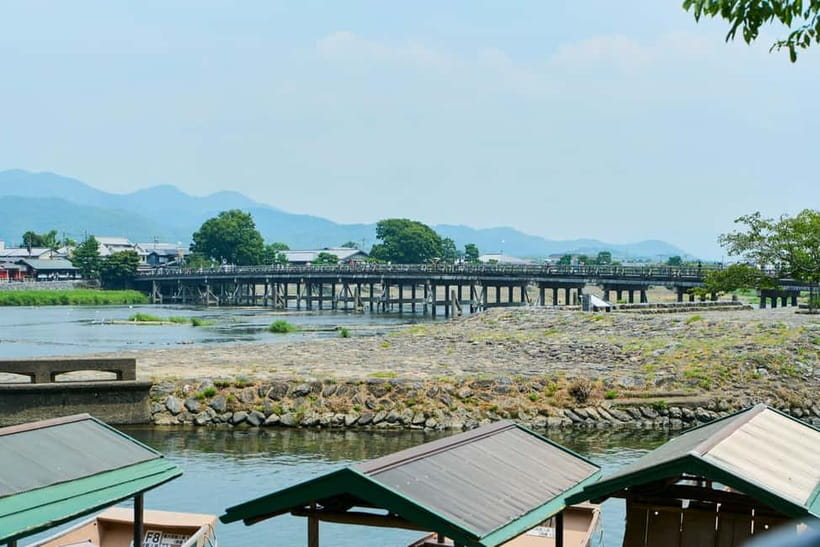
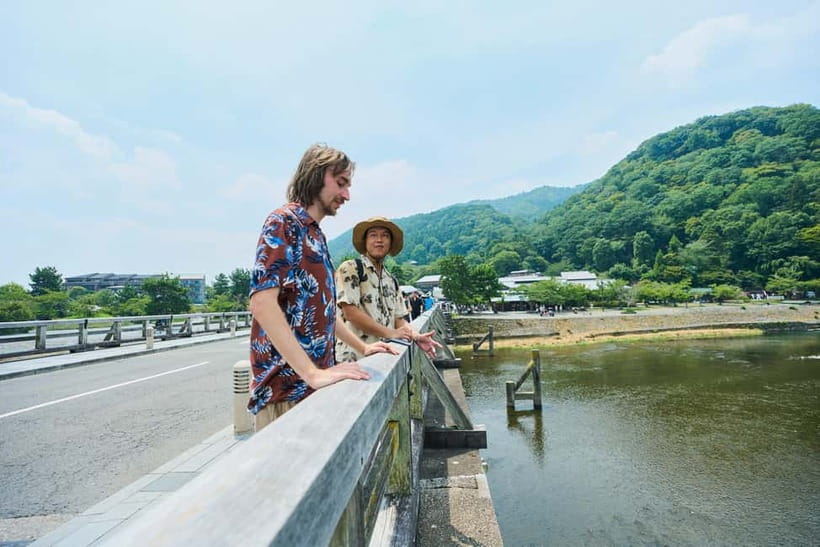
From the shrine and shopping streets, the guide continues toward Togetsukyo Bridge. The bridge is one of Arashiyama’s defining sights, and the route includes time to visit, walk, and take photos.
Here the feeling changes again. The bamboo grove is enclosed and vertical, while the bridge opens the view toward the river and hills. That shift makes the bridge a fitting final sightseeing stop before the tour ends near Monkey Park.
The bridge area can be a useful place to pause and take stock of Arashiyama. You have seen a temple garden, a bamboo forest, a shrine, and the riverfront. In practical terms, you also finish near a point where you can choose what to do next instead of being returned to the starting location.
The guide accompanies you to the Monkey Park area, then the guided portion ends. This is important when planning your day. The tour is not a return transfer, and it does not include a visit inside the park.
Should you add Iwatayama Monkey Park?
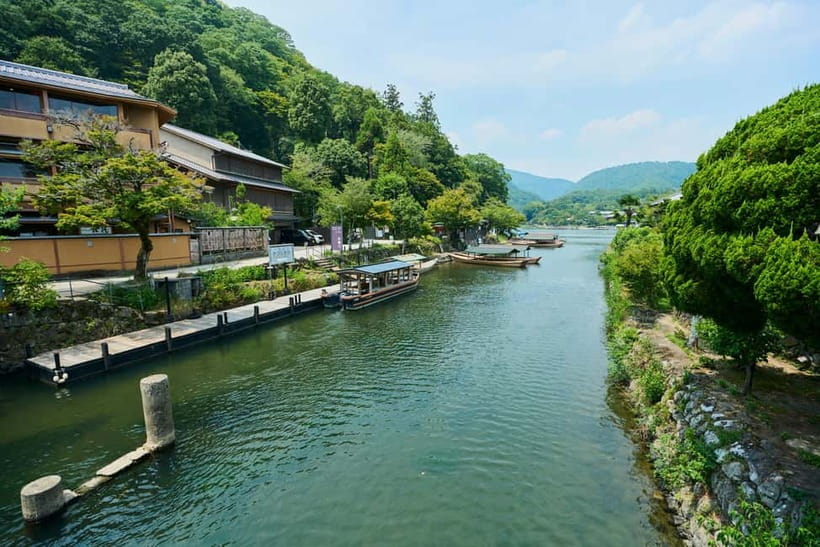
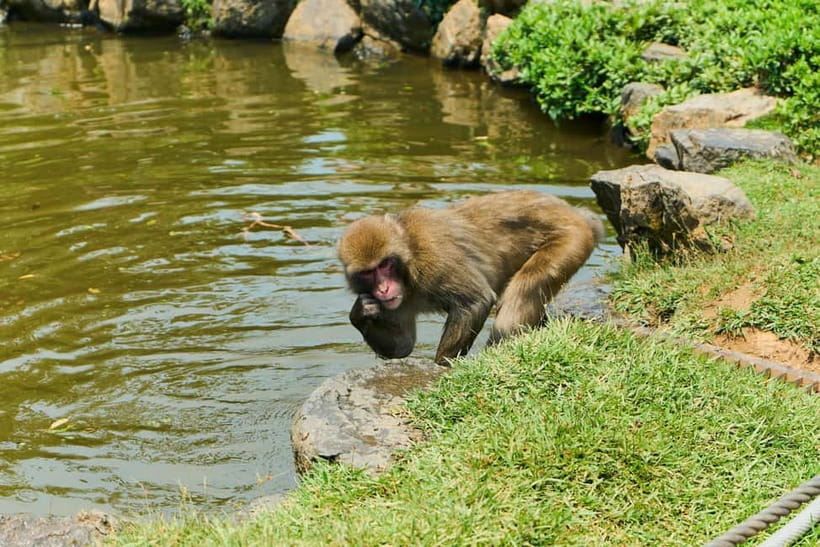
You can continue to Iwatayama Monkey Park on your own after the guided walk. Admission is not included, and the visit involves a hike, so it is an optional extension rather than part of the paid tour.
This arrangement is useful if you want control over your time. You can finish the guided sightseeing and decide on the spot whether you have enough energy for the climb and extra admission. If you are tired, you can skip it without missing the main included sights.
On the other hand, do not book this tour expecting a guided monkey encounter. The guide takes you to the area, but the park itself is self-guided. You should also allow extra time beyond the stated 90 minutes if you plan to continue.
Is $25 a fair price?
At $25 per person, this is a reasonable price for a short guided introduction to Arashiyama, especially because Tenryu-ji admission is included. You are paying for an English-speaking guide, a small group, and a route that links the district’s major sights.
The value depends on how you use it. If you already know Arashiyama well and only want to walk through the bamboo grove independently, you may not need a tour. The grove, bridge, shops, and shrine can be visited without this package.
For a first visit, the price is easier to justify. You receive context at the temple and bamboo grove, help with the route, photo suggestions, and a clear ending near Monkey Park. The small group also adds value compared with a large group where questions can be difficult.
It is not a full-day Arashiyama experience. You pay for a compact introduction, not extended temple exploration, a meal, transport, or Monkey Park admission. Think of it as a way to get your bearings early in the day, then continue independently.
Who will enjoy this walk most?
I would recommend it to first-time Kyoto visitors who want to see Arashiyama’s major sights without spending hours planning the route. It also suits solo visitors, couples, and small families who appreciate a guide’s explanation but do not want a large tour group.
It is a good match for photographers because the guide can point out useful photo locations, though the public bamboo path may be busy. It also suits anyone interested in Japanese gardens, Zen traditions, shrines, and local sweets.
The tour is less suitable if you use a wheelchair, need a fully accessible route, or want to spend a long time at each site. It may also disappoint you if your main goal is the Monkey Park, since that portion is not included and is not guided.
Wear comfortable clothes and shoes that are easy to remove. Socks are a sensible choice for the temple visit. Carry cash for souvenirs and sweets, and leave room in your schedule if you want to hike to the Monkey Park after the group walk.
Booking advice and final verdict
Book this tour if you want a friendly, focused introduction to Arashiyama with Tenryu-ji admission included and a guide who can explain the cultural meaning behind the famous sights. The strongest guide feedback centers on clear history, good answers, photo help, and thoughtful adjustments to individual needs.
Skip it if you prefer complete freedom, want to linger at the temple, or plan to spend most of your day at Monkey Park. The 90-minute route moves at a useful pace, but it does not leave much time for long shopping stops or extended photography.
For most first-time visitors, I see this as a good-value starting point. Arrive ready to walk, bring cash, and treat the Monkey Park as a separate choice afterward. That approach lets you enjoy the guided route without trying to force all of Arashiyama into one short visit.
FAQ
How long does the Arashiyama walking tour last?
The tour lasts 90 minutes.
What language is the tour offered in?
The tour is conducted in English with a live guide.
How many people are in the group?
The group is limited to 10 participants.
Is admission to Tenryu-ji Temple included?
Yes. The entry ticket to Tenryu-ji Temple is included.
Is admission to Iwatayama Monkey Park included?
No. Monkey Park admission is not included, and the visit there is self-guided.
Where does the tour begin?
The meeting point is Chopsticks Studio Kyoto. Look for a guide holding a Local Guide Stars sign at the front road of the building.
Where does the guided tour finish?
The guided portion concludes at the Monkey Park area near the end of the route.
Do I need to remove my shoes?
Yes. All visitors must remove their shoes when entering Tenryu-ji Temple.
Is the route wheelchair accessible?
No. The tour is not suitable for wheelchair users.
What should I bring?
Wear comfortable clothes and bring cash. Comfortable footwear is useful because the tour involves walking.
More Walking Tours in Kyoto
More Arashiyama & Bamboo Tours in Kyoto
More tours in Kyoto we've reviewed

Arashiyama & Bamboo Tours, compared.
 ★ 4.8Kyoto: Fushimi Inari, Kinkakuji, Bamboo Grove 1 Day Bus TourFrom $122510 minutes - 9 hours
 ★ 4.1Osaka/Kyoto:Kinkakuji,Arashiyama,FushimiInariShrine,NaraParkFrom $66
 ★ 4.7Kyoto/Osaka: Nara, Fushimi Inari Taisha, Arashiyama Bus TourFrom $529 - 10 hours
 ★ 5.0Kyoto Arashiyama Walking Tour: Bamboo, Monkeys, Gardens & SecretsFrom $65
 ★ 4.8Arashiyama Bamboo, Temple, Monkeys, or Secret Sake BreweryFrom $875 hours - 330 minutes
 ★ 4.4Osaka/Kyoto: Arashiyama, Nara & Fushimi Inari Shrine w/LunchFrom $61