
Reviewed · CYCLING TOURS
Kyoto: Authentic Biking Half Day Experience
Kyoto reveals itself beautifully from a bicycle seat. This four-hour ride takes you from the geisha streets of Gion to Zen temples, canal paths, Shinto grounds, and the broad lawns of the Imperial Palace, covering far more ground than you could on foot.
I like the small group of up to nine, which keeps the ride manageable, and I like the choice of a Mamachari, a sturdy three-gear city bike made for relaxed local riding. The main drawback is that the standard bicycle is not electric, so hot weather, long riding stretches, and the gentle slopes may test casual cyclists.
In This Review
- Key points
- Why Kyoto works so well by bicycle
- Starting at Gojo Station and entering Gion
- Nanzenji and the slower pace of Zen
- Riding beside the Philosopher’s Path
- Ginkakuji and the appeal of unfinished beauty
- Shimogamo Shrine among the trees
- The Imperial Palace as a spacious finale
- How much ground can you cover in four hours?
- Is $79 a fair price?
- What to bring and who should book
- FAQ
- Where does the Kyoto bike tour begin?
- How long does the tour last?
- What kind of bicycle is included?
- Which places do you visit?
- Is the tour conducted in English?
- What happens if I need to cancel?
- Should you book this Kyoto bike tour?
Key points
- Five major Kyoto areas in four hours: Gion, Nanzenji, Ginkakuji, Shimogamo Shrine, and the Imperial Palace.
- A local-style Mamachari bike: Comfortable and practical, with three gears, but not the best choice if you want an effortless electric-bike ride.
- Mostly easy cycling: The route is mainly flat with a few mild slopes.
- Useful first-day orientation: You cover enough ground to understand how Kyoto’s central sights fit together.
- Guides who add personal care: Miya has helped with photos and city orientation, while Katz has been praised for allowing plenty of time at temples and shrines.
- Good value at $79: The price includes the bike, helmet, English-speaking guide, insurance, and Nanzenji entrance.
Why Kyoto works so well by bicycle
Kyoto is one of Japan’s easiest major cities to explore by bike. Its central districts are relatively level, many important sights sit within a practical riding distance, and a bicycle lets you move between quiet lanes and major landmarks without spending your day waiting for buses.
That matters here. The route links several places that would otherwise require a mix of walking and public transport. You are not simply riding for exercise. You are using the bicycle as a smart way to connect different parts of the city while seeing ordinary streets between the famous stops.
The ride lasts four hours, including guided visits and cycling time. That is long enough to cover a lot, but short enough to fit into a morning or afternoon. I would consider it especially useful on your first day in Kyoto, since it gives you a basic sense of direction and introduces several major cultural sites at once.
The tour uses a Mamachari, which means mom’s bike in Japanese. This is a common, practical city bicycle rather than a sporty road bike. The included model is a standard non-electric B-type bike with three gear shifts. You also receive a helmet and insurance.
The route is mostly flat, but do not mistake half a day of city riding for a completely effortless outing. If you rarely cycle, the distance may feel substantial. The tour is not suitable for anyone who cannot ride a bike, and it is also not recommended for people with mobility, heart, respiratory, or pregnancy-related concerns.
Other cycling tours in Kyoto
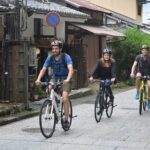
Starting at Gojo Station and entering Gion
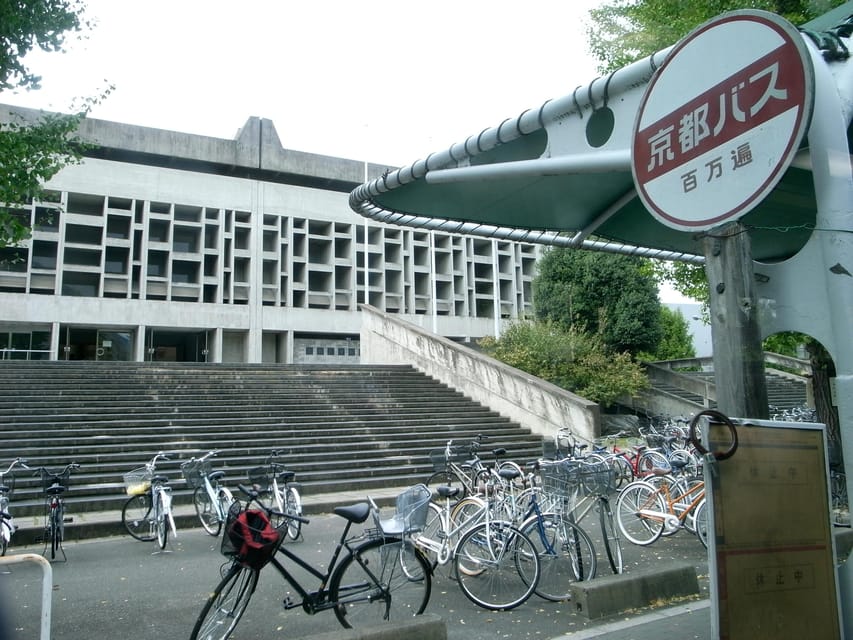
Meet your guide at Exit 2 of Subway Gojo Station. Look for a TripGuru shirt or sign. The location is practical because Gojo sits south of the main central sights, allowing the group to begin riding toward Gion rather than spending the opening minutes loading onto another form of transport.
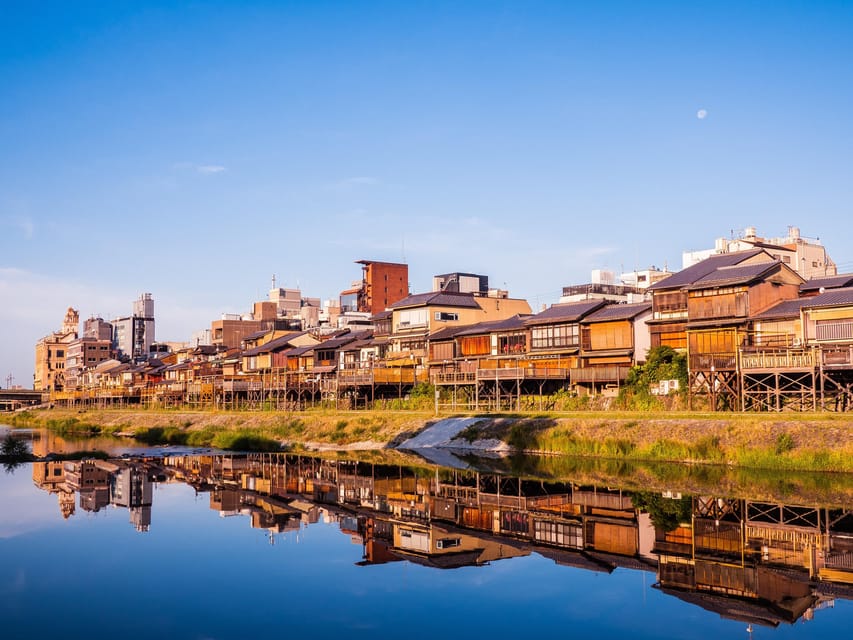
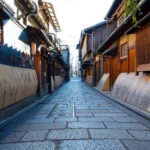
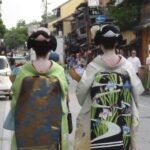
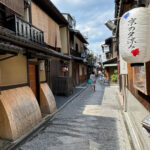
The first substantial section heads toward Gion, Kyoto’s famous geisha district. You spend about 20 minutes cycling in this area. Gion is known for traditional wooden buildings, narrow streets, tea houses, and a strong sense of old Kyoto, though it is also one of the city’s most visited areas.
The bicycle gives you a useful middle ground. You can move through the district at a gentle pace, but you should expect to follow your guide closely and ride with care around pedestrians. Gion is not a place for speed. Its value comes from the transition between modern Kyoto and older streets lined with traditional architecture.
A guide can also explain the difference between the district’s public streets and the private world of tea houses. You may see beautifully dressed performers, but it is important to treat the area as a working neighborhood, not a stage. Keep your camera ready, but follow local rules and your guide’s advice.
Nanzenji and the slower pace of Zen
From Gion, the ride continues toward Nanzenji Temple. The listed cycling time is about 45 minutes, making this one of the longer stretches of the outing. That distance is part of the point: you get a sense of Kyoto beyond its single postcard center.
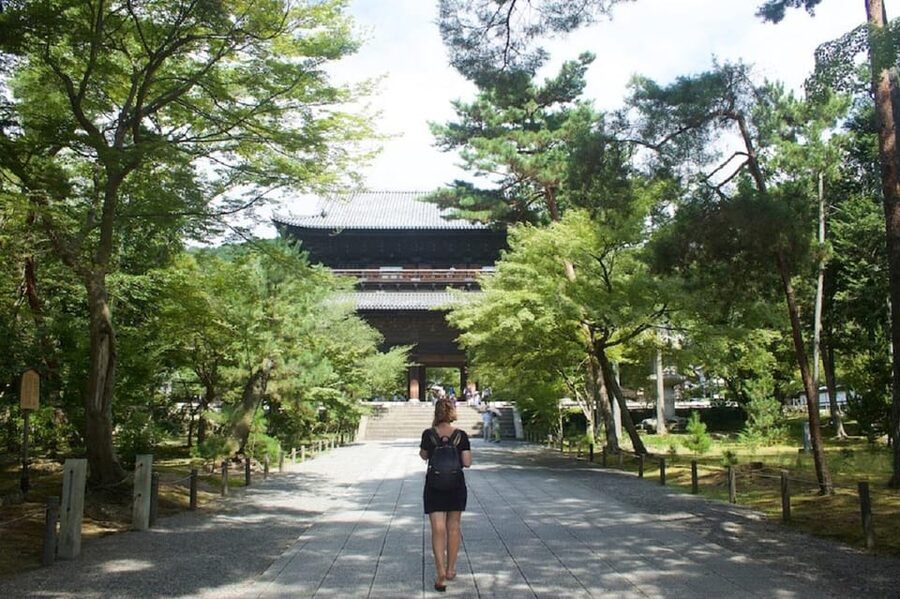
Nanzenji is a major Zen temple complex at the eastern edge of the city. The setting feels calmer than Gion, with broad temple grounds and a more spacious rhythm. The tour includes the entrance fee at Nanzenji, so you do not need to pay separately for the included temple visit.
You have about 15 minutes here for a guided visit and cycling. That is enough for an introduction and a look at the grounds, but not enough for a slow, detailed exploration of every building. If you want a full temple study, you would need to return on your own.
I appreciate that Nanzenji is included rather than treating the ride as a string of quick photo stops. It gives the route a spiritual center and helps explain the role of Zen in Kyoto’s cultural life. Your guide can also put the buildings and rituals into context, which makes the stop more meaningful than simply seeing another attractive temple gate.
Riding beside the Philosopher’s Path
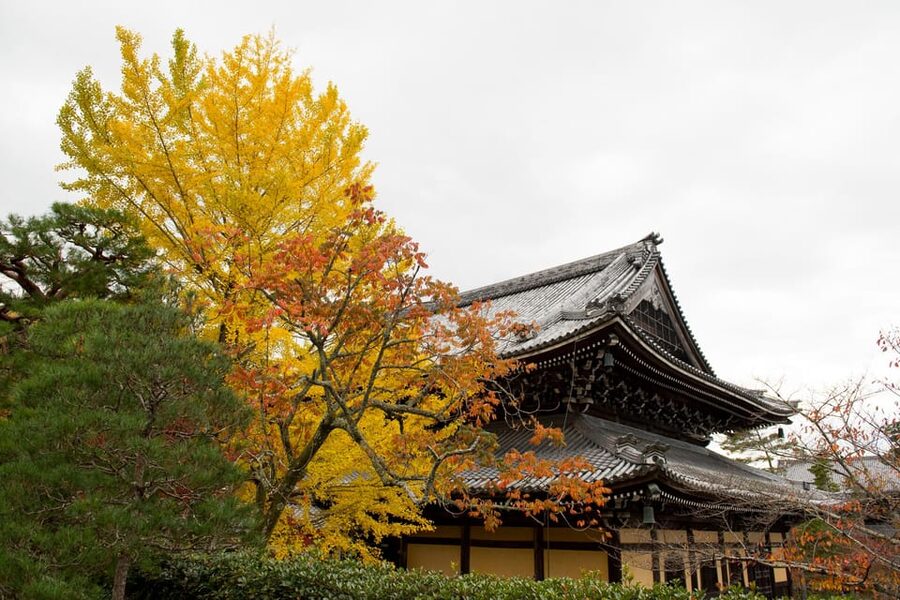
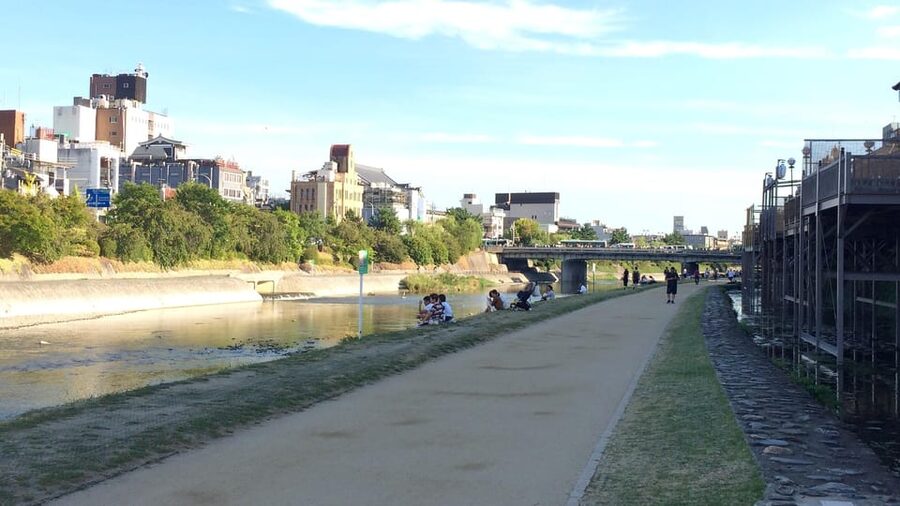
The Philosopher’s Path is one of the most appealing parts of the route. This canal-side path connects the Nanzenji area with Ginkakuji and is known for trees, water, and a quieter mood than the city streets.
The tour lists roughly 30 minutes of cycling along this section, with another return to the area in the itinerary. Expect gentle riding rather than a race. The path is valued for its setting, so the best approach is to keep your pace comfortable and enjoy the changing views.
The Philosopher’s Path can become busy, especially during popular seasons. A bicycle lets you cover it efficiently, but you still need to give walkers plenty of room. Your guide will help keep the group together and manage the pace.
This is also where weather matters most. In spring, the canal-side route can feel cool and pleasant. In winter, the crisp air may make cycling refreshing. On a hot day, however, the combination of sunshine and steady pedaling can wear you down. One useful suggestion is to carry water and some cash for personal purchases. The tour does not include meals or drinks, and there is no scheduled café stop listed.
Ginkakuji and the appeal of unfinished beauty
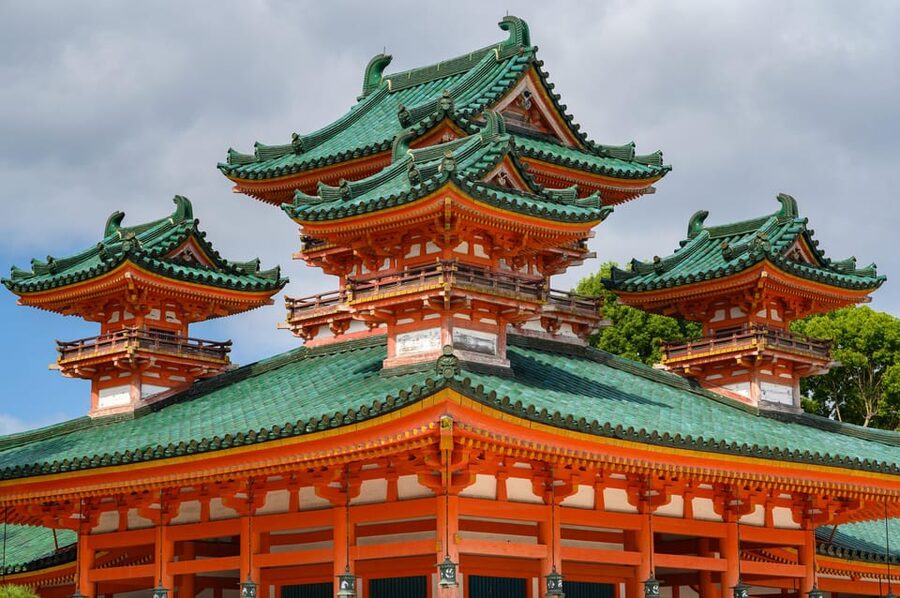
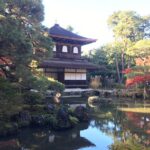
The route continues toward Ginkakuji, commonly called the Silver Pavilion. The stop is reached after about 20 minutes of cycling from the Philosopher’s Path area.
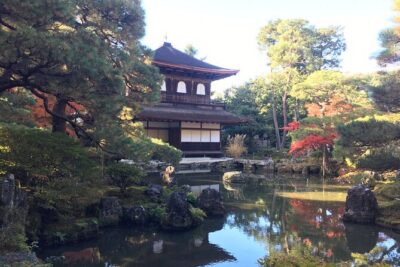
Despite its popular nickname, the pavilion is not covered in silver. Its appeal comes from its restrained design, carefully shaped gardens, moss, sand patterns, and quiet proportions. It offers a different mood from the grander or more ornate sights in Kyoto.
The ride does not list a separate included entrance fee for Ginkakuji. The included admission is specifically for Nanzenji, so ask your guide or booking provider about the current arrangement for any additional entrance costs. This is a small but important budget detail.
You should also set your expectations around timing. The full outing includes several major sites, so Ginkakuji receives a brief visit within a broader route. That makes the tour useful for getting an overview, but you may want to return later if the gardens catch your attention.

Shimogamo Shrine among the trees
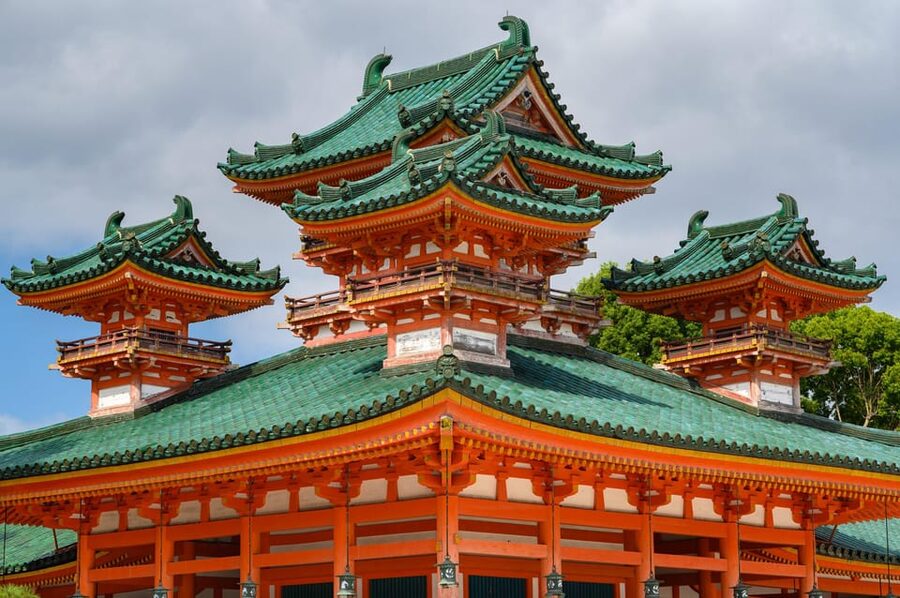
After Ginkakuji, you cycle toward Shimogamo Shrine, with about 30 minutes set aside for the visit, guided explanation, and riding. Shimogamo is one of Kyoto’s oldest Shinto shrines and sits within wooded grounds that offer a marked change from the temple districts.
The shrine gives you a chance to see a different side of Japanese religious life. At Nanzenji, the focus is Zen Buddhism. At Shimogamo, you encounter Shinto architecture, sacred spaces, gates, and the long connection between shrine traditions and the natural world.
This stop is especially valuable because it is not just another temple. A good guide can explain how Shinto shrines function, what visitors do when they arrive, and why the setting matters. English guidance is included throughout, so you can ask questions rather than relying only on signs.
The wooded approach also provides a welcome break from open streets and constant cycling. Still, the schedule is active. You will not have unlimited time to linger, pray, photograph every detail, or explore side paths. If a particular shrine is a priority for you, note the name and return later with more time.
The Imperial Palace as a spacious finale
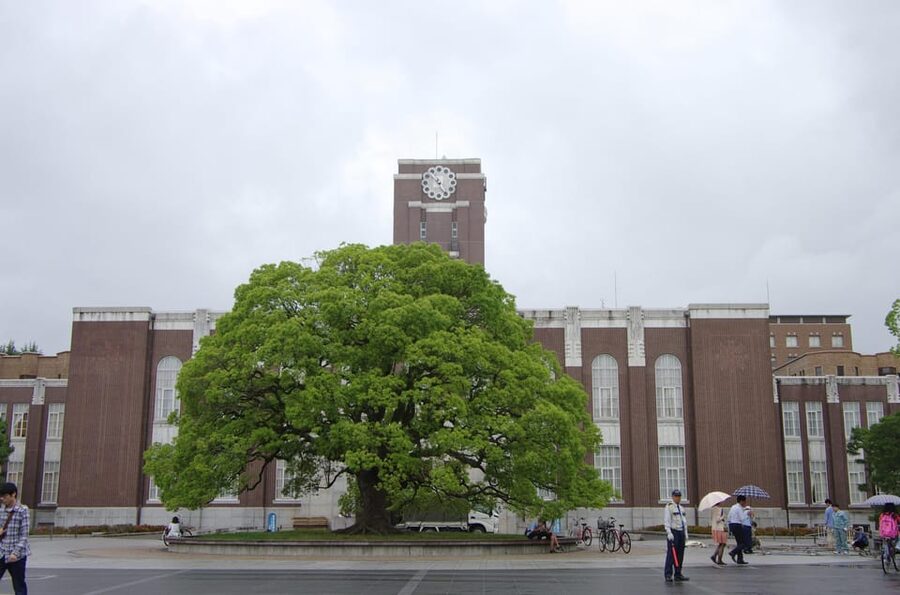
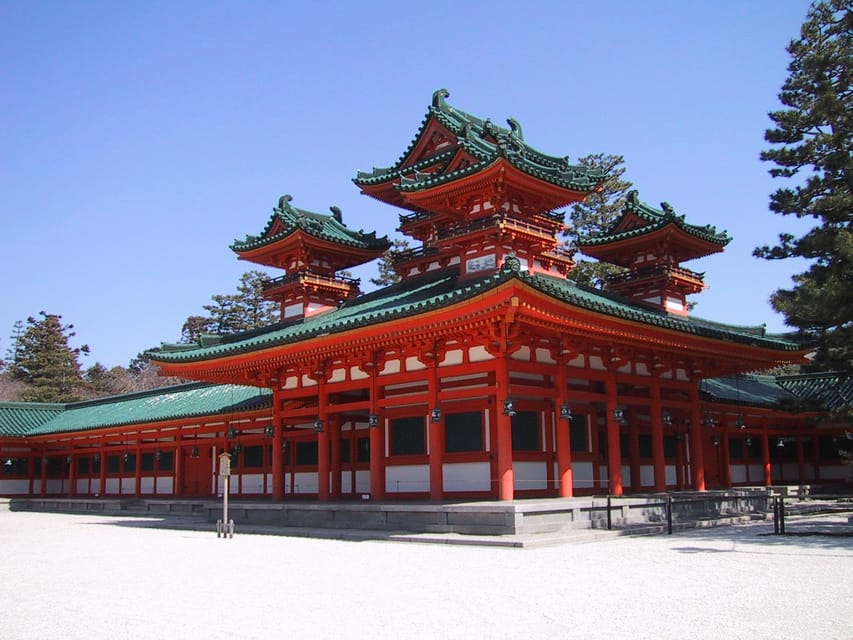
The final major area is Kyoto Imperial Palace, reached after about 30 minutes of cycling from Shimogamo Shrine. The former home of Japan’s imperial family occupies broad grounds in the center of the city.
After narrow lanes, temple compounds, and tree-lined paths, the palace grounds feel open and calm. This is a good final stop because you can slow down, look across the expansive grounds, and think about how Kyoto’s religious and political history overlap.
The palace visit is listed primarily as a cycling stop, with time to relax and take in the grounds. Do not expect a long indoor palace tour based on the provided schedule. The value here is the scale, layout, and setting rather than an extended examination of every room.
The final ride returns to Gojo Station. Since the tour ends where it begins, it is easy to continue your Kyoto plans from a familiar subway station. You may also appreciate finishing in central Kyoto rather than at an out-of-the-way attraction.
How much ground can you cover in four hours?
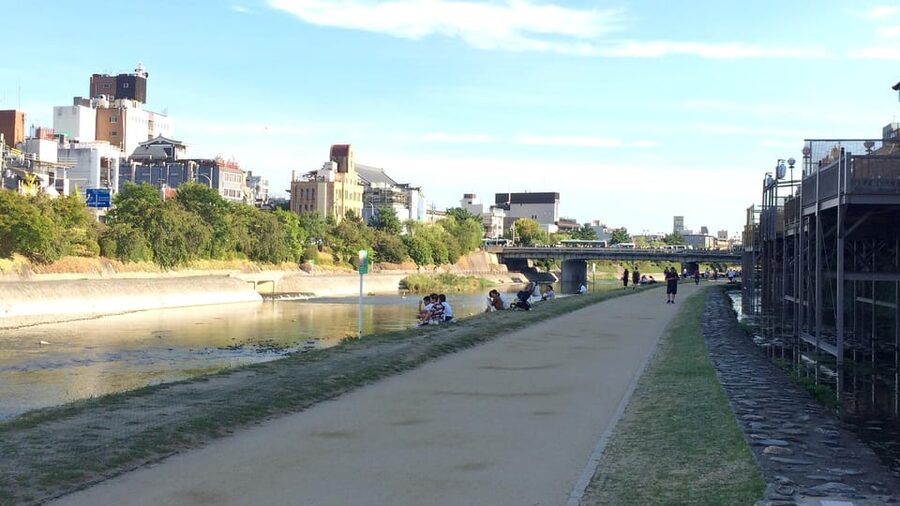
Quite a lot. The route includes Gion, Nanzenji, the Philosopher’s Path, Ginkakuji, Shimogamo Shrine, and the Imperial Palace. That is an ambitious list for half a day, and the bicycle is what makes it possible.
The tradeoff is depth. You will receive a guided introduction to each area, but you will not have the same unhurried time you would get by choosing one temple district and spending an entire morning there. I see this as an orientation tour first and a detailed sightseeing tour second.
The small group helps. With a maximum of nine people, the guide can usually keep the pace controlled and answer questions without managing a large crowd. Specific guides named in customer feedback include Miya and Katz, also spelled Kats in one account. Miya is noted for helping take photographs and for giving first-time visitors a useful sense of how to navigate Kyoto. Katz is noted for giving people time at temples and shrines rather than rushing them through.
Those personal touches matter on a bike tour. You want a guide who watches the road, keeps the group together, explains what you are seeing, and knows when to pause. The exact guide cannot be guaranteed, but the experience is designed around live English guidance.
Is $79 a fair price?
At $79 per person, this is a reasonable price for a four-hour guided ride in Kyoto. The fee includes the bicycle, helmet, insurance, English-speaking guide, and Nanzenji entrance fee.
The value comes mainly from the route and the time saved. Visiting all these districts independently would require careful planning, several transport decisions, and a good sense of Kyoto’s streets. Here, you can follow one planned route and receive cultural context along the way.
The price does not cover meals, drinks, personal expenses, or hotel transfers. You must reach Gojo Station yourself and bring cash for anything you buy during the outing. Those costs are easy to manage, but include them in your day’s budget.
One point deserves special attention: the standard included bicycle is non-electric. One piece of customer feedback refers to e-bikes being welcome on a hot day, but the stated equipment for this activity is a regular three-gear B-type Mamachari. If an electric bike is important to you, confirm the current bike option before paying.
What to bring and who should book
Wear comfortable shoes and clothing that lets you pedal easily. Bring a camera, but also bring water if you prefer to stay hydrated during active sightseeing. Cash is listed as useful for personal expenses, and meals and drinks are not included.
I would choose this tour if you:
- Want to see several Kyoto highlights in one half-day
- Enjoy light physical activity
- Prefer a small group to a large bus outing
- Are visiting Kyoto for the first time
- Want an English-speaking guide to explain temples and shrines
- Like seeing ordinary streets between major sights
I would choose something slower if your priority is detailed temple study, long photography sessions, or extended time at one attraction. The route is busy by design. It gives you breadth, not endless time at each stop.
It is not suitable for people who cannot ride a bicycle, pregnant women, or people with mobility, heart, or respiratory issues. You should also think carefully about summer heat, since the tour includes several hours outside and does not include a planned café break.
FAQ
Where does the Kyoto bike tour begin?
Meet at Exit 2 of Subway Gojo Station. Look for a guide wearing a TripGuru shirt or holding a TripGuru sign.
How long does the tour last?
The tour lasts four hours and returns to Gojo Station.
What kind of bicycle is included?
The stated bicycle is a standard non-electric B-type Mamachari with three gear shifts. A helmet and insurance are also included.
Which places do you visit?
The route includes Gion, Nanzenji Temple, the Philosopher’s Path, Ginkakuji, Shimogamo Shrine, and Kyoto Imperial Palace.
Is the tour conducted in English?
Yes. An English-speaking live guide leads the small group.
What happens if I need to cancel?
You can cancel up to 24 hours before the experience for a full refund. You can also reserve now and pay later, subject to the booking terms.
Should you book this Kyoto bike tour?
Book it if you want a lively, practical introduction to Kyoto and would rather pedal between major sights than spend the day changing buses. The combination of Gion, Zen and Shinto sites, the Philosopher’s Path, and the Imperial Palace gives you a broad look at the city in only four hours.
I especially recommend it for a first full day in Kyoto, families with children who can comfortably cycle, and anyone who likes having a guide explain what makes each place matter. The strongest reasons to pause are the non-electric bike, the active schedule, and the limited time at each landmark.
For $79, you are paying for efficient routing, equipment, a small group, and live cultural guidance. If that blend suits you, this is a smart way to get your bearings and see Kyoto one steady pedal at a time.
More Cycling Tours in Kyoto
More tours in Kyoto we've reviewed

Cycling Tours, compared.
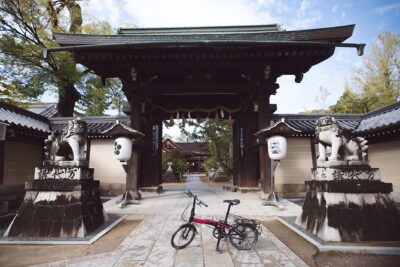 ★ 5.0Hidden Kyoto E-Biking tourFrom $116
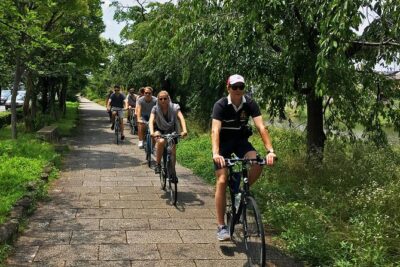 ★ 5.0Bike Tour Exploring North Kyoto plus LunchFrom $106
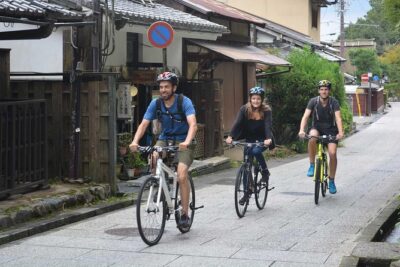 ★ 5.0Arashiyama Bamboo Forest & Hidden Gems Bike Tour (Early Bird)From $106
 ★ 5.05 Top Highlights of Kyoto Full Day Bike Tour (E-bike option)From $172
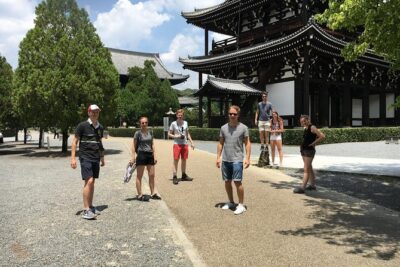 ★ 5.0Full Day Biking Tour Exploring the Best of KyotoFrom $119
 ★ 5.0E-Bike Tours of the highlights of Kyoto!!!From $109