
Reviewed · GION & GEISHA WALKS
Geisha culture & Kiyomizu area Guided Walking Tour in Kyoto
Kyoto’s geisha culture makes more sense when you see it alongside the streets, shrines, temples, and old customs that shaped it. This two-hour walking tour connects those pieces, giving you useful background instead of leaving you to admire beautiful buildings without knowing why they matter.
I like the focus on geiko and maiko traditions, and I like the chance to ask questions as you walk. Guides such as Lily bring energy and clear explanations to the subject. The tour also pauses at photogenic spots and lesser-known corners, not just the headline sights.
The catch is simple: this is a walking tour with stairs, and the main route is fairly short. You will not be guaranteed a geisha sighting, and the optional visit to Chion-in costs an extra 1,000 yen.
In This Review
- Key points to know before you book
- Starting beside the Kamogawa River
- What the geiko and maiko lessons add
- Temples, shrines, and the stories between them
- The Kiyomizu area without a rushed checklist
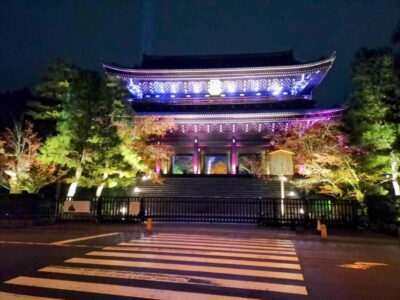
- The optional Chion-in extension
- Why the guide makes the difference
- Paying $39 for a two-hour Kyoto walk
- Practical advice for weather, clothing, and timing
- Who will enjoy this tour most
- Should you book this Kyoto walking tour?
- FAQ
- How long is the standard tour?
- Where does the tour meet?
- Where does the tour end?
- Is the tour offered in English?
- Does the tour guarantee that I will see a geisha?
- Can I add the Chion-in Temple visit?
- Is the tour suitable for wheelchair users?
Key points to know before you book
- Geisha culture explained with context: Learn about geiko and maiko traditions rather than simply hunting for a photograph.
- A compact two-hour route: Useful for a first day in Kyoto, though it offers only a taste of the area.
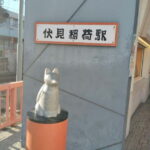
- Meeting point by the Kamogawa River: Look for the Yajikita statue near the intersection of Sanjyo Street and the Kamogawa path.
- English-speaking guides: Lily has led tours with a lively, personal approach and welcomes questions.
- Optional Chion-in extension: Add 40 to 50 minutes and pay 1,000 yen per person on the day.
- Bring practical footwear: Expect plenty of walking and some stairs, with a break after the first stretch.
Starting beside the Kamogawa River
The tour begins in front of the Yajikita statue, at the intersection of Sanjyo Street and the Kamogawa path. A Lawson convenience store and a Starbucks sit nearby, which makes the meeting point easier to identify than a vague address tucked into an old lane.
Give yourself time to arrive. Kyoto’s central streets can be confusing, and the meeting point is described by landmarks rather than a station exit. Checking the route before you leave your hotel will save you from starting the tour out of breath.
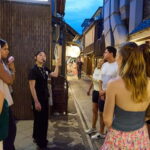
From here, your guide sets the tone for the walk. This is not a silent procession from one famous building to the next. The aim is to explain how Kyoto’s customs, architecture, religious sites, and entertainment districts fit together.
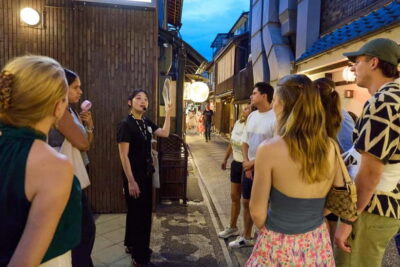
The English-language guide is central to the experience. Lily, named by several participants as their guide, is described as lively, friendly, and especially well informed about Japanese culture and geisha traditions. You can expect a guide who encourages questions rather than delivering a fixed speech and moving on.
A few more Kyoto tours and experiences worth a look

What the geiko and maiko lessons add
The geisha part of the tour is educational rather than theatrical. You learn about geiko and maiko, the terms used in Kyoto for women involved in traditional Japanese arts and entertainment. The tour gives you a way to understand the culture without reducing it to costumes and quick street photographs.
That distinction matters. Kyoto’s geisha districts can attract people who are eager to spot a traditionally dressed woman, but a sighting is never promised. In fact, no geisha was seen during at least one tour, yet the cultural explanation still made the walk worthwhile.
I appreciate that approach. You leave with a better sense of the traditions behind the appearance, even if your camera does not get the picture you hoped for. Your guide can also answer questions that are hard to resolve from a guidebook, especially around local customs and respectful behavior.
Photography is allowed, but you should ask permission before photographing people. Video recording is not allowed on this experience. That rule is worth noting before you arrive, particularly if you normally document every stop on your phone.
Temples, shrines, and the stories between them
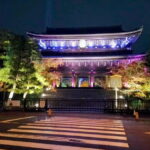
The route includes historic shrines and temples in central Kyoto, along with streets and sites that offer a closer look at everyday local life. The supplied details do not name every stop on the standard route, so you should not book this expecting a fixed checklist of specific buildings.
Instead, think of it as a guided walk through the cultural heart of the city. Your guide explains architecture, art, customs, and local traditions as they appear along the way. That can be more useful than visiting several temples alone and remembering only their rooflines.
The photo stops are another practical strength. You have time to take pictures at attractive locations rather than being hurried through every pause. The guide also points out smaller sites that you might pass without noticing, giving the walk a more personal feel.
The trade-off is that a two-hour route cannot cover all of Kyoto’s major sights. If you want a detailed tour of every temple in the Kiyomizu area, this will feel limited. If you want an introduction that helps you understand what you are seeing, the shorter format works well.
The Kiyomizu area without a rushed checklist
The Kiyomizu area is one of Kyoto’s most rewarding places to walk, but it can also be tiring. Streets rise toward the temples, and the historic setting often means uneven ground, crowds, and stairs.
This tour is built around walking rather than transport. You should expect to spend the full activity on foot, with some stairs along the way. Comfortable shoes are essential, and sandals that are fine for a short stroll may become a nuisance before the break.
The route gives you time to stop for photographs, listen, and ask questions. That pace is better suited to people who want explanation than to visitors trying to collect as many sights as possible in one morning.
You are asked to use the restroom before the tour because the first break comes after some time on the route. It is a small detail, but a useful one. Do not assume you will find an immediate restroom stop once the walking begins.
The optional Chion-in extension
The standard activity lasts about two hours of walking. On the day, you can choose an extended visit to Chion-in Temple, adding roughly 40 to 50 minutes for 1,000 yen per person.
This option makes sense if you want more temple time and your legs are still willing. It also gives you a chance to see more than the compact core route. I would choose it if your schedule is open and you prefer a fuller morning or afternoon rather than a quick orientation.
You should skip the extension if you have mobility concerns or already know that stairs and prolonged walking will be difficult. The activity is not suitable for wheelchair users or people with mobility impairments, and the extra temple visit adds both time and physical effort.
Because the extension is offered on the day, you do not need to commit to it in advance. Still, carry enough yen if you think you may want to add it.
A few more Kyoto tours and experiences worth a look


Why the guide makes the difference
A walking route through Kyoto is easy to arrange on your own. The value here comes from interpretation. A guide can explain why a shrine looks the way it does, how local traditions developed, and how geisha culture fits into the broader story of Kyoto.
The strongest part of the experience is the chance to ask questions. Lily, in particular, is described as open to many questions about Japanese culture and deeply interested in sharing what she knows. That matters if you are curious about details that standard sightseeing signs do not explain.
The guide also checks in with the group and makes room for photographs. That personal attention can turn a simple walk into a useful introduction to Kyoto, especially on your first visit.
The quality of any walking tour depends on the person leading it, so expect the exact style to vary. Still, the emphasis on friendly guiding, questions, and local explanations is a good fit for anyone who dislikes a dry lecture.
Paying $39 for a two-hour Kyoto walk
At $39 per person, this is not the cheapest way to see Kyoto’s temples. You are paying for an English-speaking guide, cultural interpretation, and a planned route through an area where it is easy to miss the meaning behind what you see.
The price is reasonable if you use the tour as an introduction. Afterward, you will have a better sense of the area and may feel more confident exploring independently. The photo stops and the chance to ask about geiko and maiko traditions add value that a self-guided walk cannot easily match.
The calculation is less favorable if you expect admission to major attractions, meals, hotel transfers, or a long full-day itinerary. None of those are included. The standard activity is also short, so you should view it as a focused orientation rather than a complete Kyoto sightseeing program.
Booking directly through Mashberry Tourism at mashberrytourism.com may bring a discount. The company also says it can work around your schedule, which may help if your Kyoto plans do not fit a standard departure time. Confirm the exact price and timing before booking directly.
Practical advice for weather, clothing, and timing
Wear shoes that can handle several hours of walking and stairs. Kyoto weather can change, so bring an umbrella or raincoat when the forecast is uncertain.
Photography is welcome, but use good manners around people and religious sites. Ask before photographing anyone, and remember that a quiet street or temple approach is not automatically a public photo set.
The tour ends back at the original meeting point. That makes planning easier because you do not need to work out where you will be dropped off, but it also means you should allow time to continue your day from the starting area.
The tour is conducted in English. It is best suited to adults and older children who can manage the walking, though the supplied details do not state a minimum age.
You can reserve now and pay later, which keeps your plans flexible. Cancellation is allowed up to 24 hours before the activity for a full refund.
Who will enjoy this tour most
I would recommend this walk to a first-time Kyoto visitor who wants cultural background without signing up for a full-day excursion. It also suits anyone with a particular interest in geisha culture, traditional customs, Japanese architecture, or the stories behind religious sites.
It is a good choice for curious photographers, provided you are happy to photograph places rather than count on photographing geisha. The guide creates frequent opportunities for pictures, but respectful behavior comes first.
I would be more cautious if you have limited mobility, dislike stairs, or want a tightly defined list of named attractions. The route includes walking and some stairs, and the standard description leaves room for the guide to shape the stops.
It is also not ideal if your main goal is to see a geisha in person. The tour explains the culture, but it cannot guarantee a sighting. That is an important difference, and understanding it will help you arrive with the right expectations.
Should you book this Kyoto walking tour?
Book it if you want clear cultural explanation, a friendly English-speaking guide, and a manageable introduction to Kyoto’s geiko and maiko traditions. The combination of temples, shrines, local streets, questions, and photo stops gives you more than a simple sightseeing stroll.
Skip it if you need step-free access, want hotel pickup, or expect meals and entrance fees to be covered. Also look elsewhere if you want a full-day tour or a guaranteed geisha encounter.
For $39, the best value comes from treating the walk as a smart starting point. Take the tour early in your Kyoto stay, listen closely, ask plenty of questions, and use what you learn to explore the city with sharper eyes afterward.
FAQ
How long is the standard tour?
The standard tour includes two hours of walking. An optional visit to Chion-in Temple adds about 40 to 50 minutes.
Where does the tour meet?
Meet in front of the Yajikita statue at the intersection of Sanjyo Street and the Kamogawa path. A Lawson and a Starbucks are near the meeting point.
Where does the tour end?
The activity ends back at the original meeting point.
Is the tour offered in English?
Yes. English is the listed tour language.
Does the tour guarantee that I will see a geisha?
No. The tour teaches you about geiko and maiko culture, but a geisha sighting is not guaranteed.
Can I add the Chion-in Temple visit?
Yes. The extension is offered on the day and currently costs 1,000 yen per person. It adds about 40 to 50 minutes.
Is the tour suitable for wheelchair users?
No. The tour is not suitable for wheelchair users or people with mobility impairments because it involves substantial walking and some stairs.
More Walking Tours in Kyoto



More Golden Pavilion & Temple Tours in Kyoto
More Gion & Geisha Walks in Kyoto
More tours in Kyoto we've reviewed

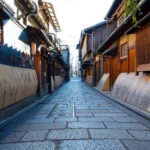



Gion & Geisha Walks, compared.
 ★ 4.7Kyoto Geisha Walking Tour: Gion District & Hidden GemsFrom $252 hours
 ★ 4.7Kyoto: Gion Geisha District Walking Tour – Stories of GeishaFrom $202 hours
 ★ 4.9Best of Kyoto: Gion, Geisha, Pagodas & CobblestonesFrom $242 hours
 ★ 4.5Night Walk in Gion: Kyoto’s Geisha DistrictFrom $211h 40m
 ★ 5.0Kyoto Night Foodie Tour in Gion (9+ dishes + 6 Sake tastings)From $163
 ★ 5.0Kyoto Gion Geisha District Walking Tour – The Stories of GeishaFrom $25