
Reviewed · ARASHIYAMA & BAMBOO TOURS
Kyoto: Avoid the Crowds at the Hidden Gems of Arashiyama
Arashiyama is famous for its bamboo grove, but the best part of this four-hour walk comes after you leave the thickest crowds behind. You’ll cross Togetsu Bridge, pause at an Arashiyama Park viewpoint, then reach two remarkable temples filled with stone figures and playful carved faces.
I like this tour for two clear reasons: it connects the famous sights with the quieter Saga Toriimoto streets, and the guide adds useful context about Buddhism, local history, and Japanese culture. Guides such as Kana-san and Juraj have made a strong impression through patient explanations and fluent communication. The tradeoff is simple: this is a moderately long walk, with hills and temple paths, so it is not suitable for wheelchair users or people with mobility impairments.
In This Review
- Key points to know before booking
- Why this Arashiyama walk feels different
- Togetsu Bridge and the first Arashiyama views
- The bamboo forest without making it the whole day
- Otagi Nenbutsuji and its 1,200 expressive statues
- Adashino Nenbutsuji and the rows of stone memorials
- Saga Toriimoto’s preserved street
- Seiryoji Temple and the route back
- The walking effort and who should book
- What the guide adds to the price
- Practical details that affect your day
- Should you book this Arashiyama tour?
- FAQ
- Where does the tour start?
- Where does the tour end?
- How long does the tour last?
- Which languages are available?
- What admissions are included?
- Is food included?
- What should I wear and bring?
- Is the tour suitable for wheelchair users?
Key points to know before booking
- The bamboo forest is only one small part of the walk: You also visit two unusual temples that many short Arashiyama outings skip.
- Otagi Nenbutsuji has 1,200 whimsical statues: Each figure has its own expression, giving the temple a lighter, more playful mood.
- Adashino Nenbutsuji is quieter and more solemn: Around 8,000 stone images and pagodas create a powerful memorial setting.
- Saga Toriimoto adds old Kyoto character: Traditional Japanese houses, local shops, a cocoon dolls shop, and a Washi paper shop line the route.
- The tour returns to Saga Arashiyama Station: You do not need to arrange a separate ride back to the starting area.
- The price includes two temple admissions and a guide: Food, drinks, and souvenirs cost extra.
Why this Arashiyama walk feels different
A first visit to Arashiyama often follows a familiar pattern: bamboo grove, Togetsu Bridge, a quick look at the river, then back toward central Kyoto. This tour gives you those recognizable sights, but uses them as the opening chapter rather than the whole story.
That matters because Arashiyama has two faces. The bridge and bamboo forest draw the biggest crowds, while the streets farther north toward Okusaga feel more residential and old-fashioned. The route lets you see both sides in one outing.
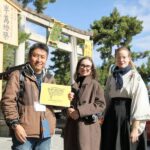
You meet your guide in front of the ticket gate at Saga Arashiyama Station. Look for a yellow sign with the DeepExperience logo. The tour ends at the same station, which keeps the day easy to plan.
The listed price is $91 per person. That is not a bargain walking tour, but it includes a live guide and admission to Otagi Nenbutsuji and Adashino Nenbutsuji. The value improves if you want explanations rather than only directions and photographs. Private and small-group formats are available, which can make the price easier to justify if you prefer to ask questions as you go.
A few more Kyoto tours and experiences worth a look
Togetsu Bridge and the first Arashiyama views
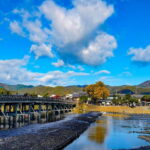
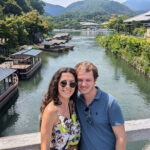
The walk begins with Togetsu Bridge, Arashiyama’s best-known landmark. The planned stop is brief, about five minutes, so think of it as a first look and photo pause rather than a long bridge visit.
Your guide can help place the bridge within the wider Arashiyama setting before the route moves toward the park. From there, you get scenic views during a roughly ten-minute stretch through the area.
The observatory at Arashiyama Park is one of the more useful early stops. It gives you a wider view than the bridge itself and helps you understand how the river, wooded hills, and temple district fit together. If you want a strong opening photograph, this is a better moment than trying to squeeze into the center of the bamboo grove.
The timing also keeps the walk moving. You will not spend half the tour at the first famous sight, leaving too little time for the places that make this route distinctive.
The bamboo forest without making it the whole day
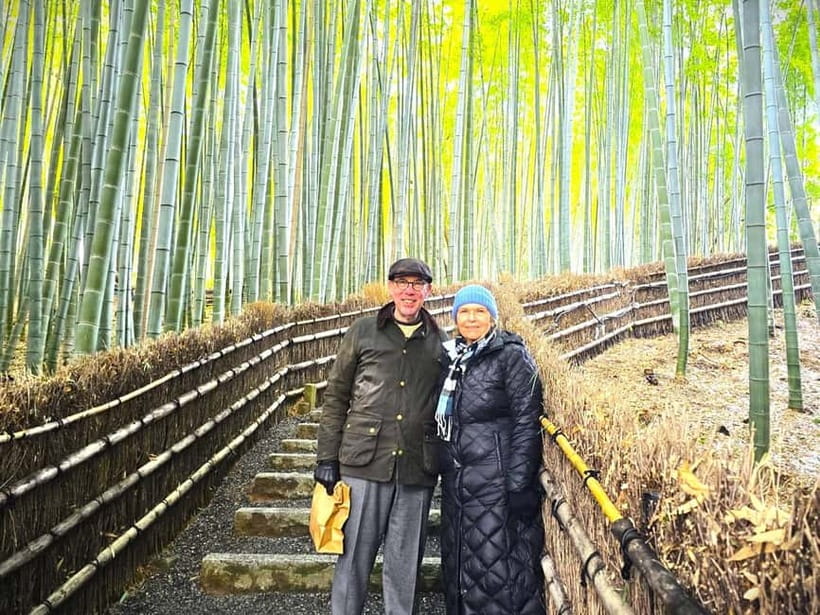
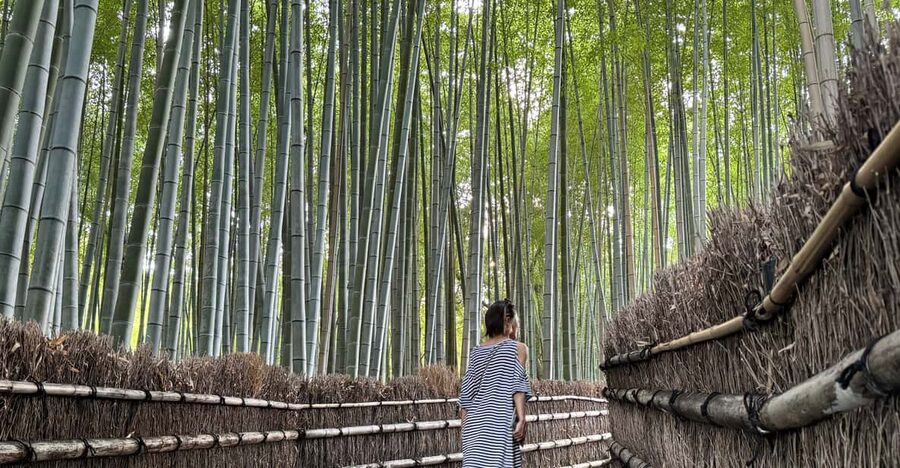
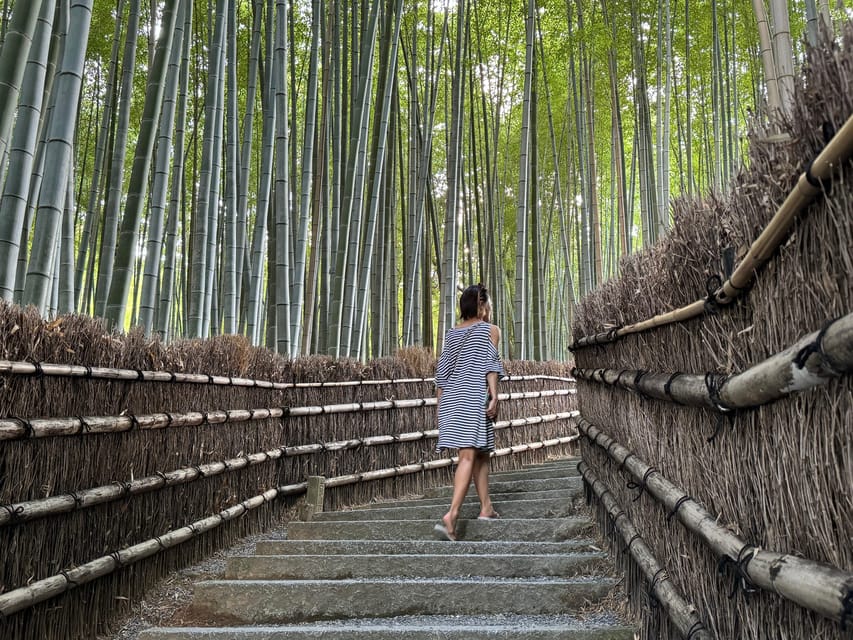
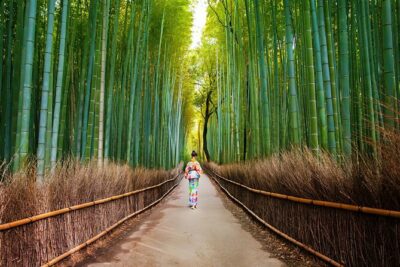
The bamboo forest is a short photo stop, listed at about five minutes. That may sound brief, but it is a sensible approach. The grove can become crowded, and a short visit lets you see the tall green stalks without turning the entire outing into a wait for an empty photograph.
You will have time to take a picture in front of the bamboo, but you should not expect a long private session among the stalks. The tour’s purpose is to put the grove in context, then carry on toward the less familiar sights.
This is an important point when comparing tours. If your only goal is extended photography in the bamboo forest, a dedicated early-morning visit may suit you better. If you want bamboo plus temples, old streets, and local stories, this route offers a fuller half-day.
Bring a camera, but also bring water. Comfortable shoes matter more than stylish ones here.
Otagi Nenbutsuji and its 1,200 expressive statues
Otagi Nenbutsuji is where the tour begins to feel special. You spend about 30 minutes here, with admission included.
The temple is known for roughly 1,200 stone statues, each with a different face and mood. Some look comic, some thoughtful, and some simply odd. The collection gives the visit a warm, human quality. It is easier to linger here than at a famous gate where everyone takes the same photograph and moves on.
The statues also give your guide plenty to explain. The tour information emphasizes Buddhist philosophy, temple traditions, and the different sects of Buddhism. Juraj, one of the guides associated with this experience, has been praised for explaining these subjects in fluent Japanese while keeping the conversation entertaining. That combination is useful because Buddhist sites can otherwise blur together when you are seeing several in one day.
Families may especially enjoy this stop. A group with teenagers and young adults can look closely at the statues, compare expressions, and still learn about religion and culture without a lecture-heavy visit.
The 30-minute visit is long enough for a good introduction, though anyone who loves sculpture or temple art may want more time. This is a guided group route, so you will follow the schedule rather than explore every corner at your own pace.
Adashino Nenbutsuji and the rows of stone memorials
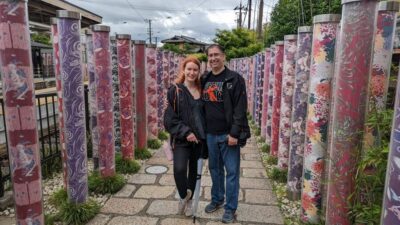
The next temple changes the mood. Adashino Nenbutsuji contains about 8,000 stone images and pagodas, creating a more solemn and contemplative setting than Otagi Nenbutsuji. The planned visit lasts about 30 minutes.
Here, the sheer number of figures is the main impression. Instead of one famous statue or a single grand building, you see repeated rows of small stone memorials. The effect encourages quiet attention, and your guide can explain why the site matters within local Buddhist practice and the story of the area.
I like the pairing of these two temples. Otagi’s statues are playful and individual. Adashino feels more serious and collective. Visiting both lets you see different sides of Buddhist memorial culture rather than treating temples as interchangeable photo stops.
The route does not name this stop in the schedule, but it clearly follows Otagi Nenbutsuji before Saga Toriimoto and Seiryoji. Admission is included, so you do not need to budget a separate temple fee.
As with the rest of the route, respectful behavior matters. Smoking is not allowed, and the atmosphere at Adashino calls for a quieter pace.
Saga Toriimoto’s preserved street
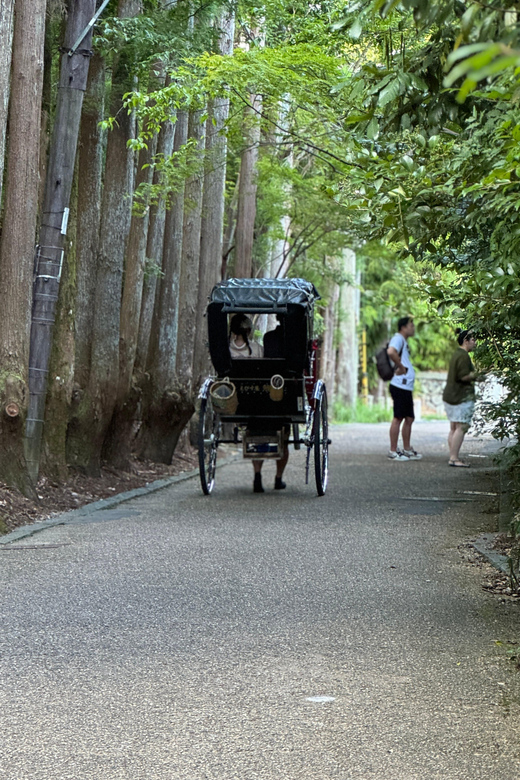
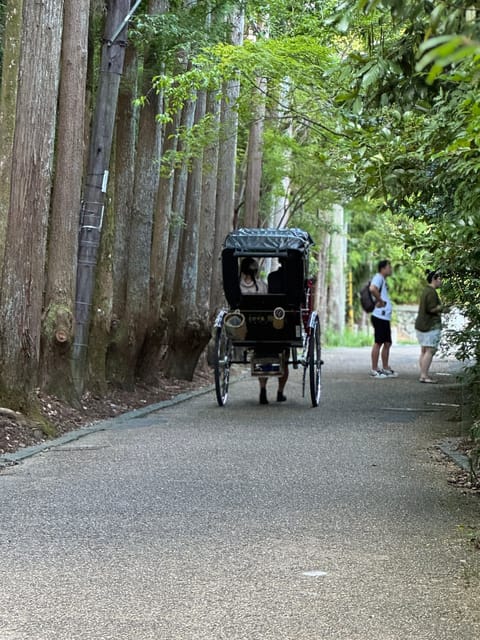
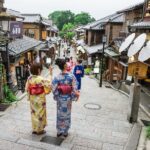
Between the temples and Seiryoji, you walk through Saga Toriimoto, a preserved street lined with traditional Japanese houses. This section may be the most valuable part of the tour for anyone who wants to see Arashiyama beyond its headline sights.
The old buildings give you a better sense of how the district developed before it became one of Kyoto’s most visited areas. You are not simply moving between attractions. You are walking through a street where the architecture carries much of the visual interest.
The route also includes local shops, including a cocoon dolls shop and a Washi paper shop. These details add a handmade, local character to the walk. They are not presented as a major shopping session, so do not expect a long retail stop or included purchases. Instead, they offer a glimpse of crafts connected with Japanese traditions.
This is a good place to ask questions. The guide discusses the history of Okusaga and Arashiyama along the way, and a small group or private format should make it easier to pause for clarification.
The downside is that the route may tempt you to stop and browse more than the schedule allows. If a particular shop catches your eye, you may need to return later on your own.
Seiryoji Temple and the route back
The final temple visit is Seiryoji, with about 15 minutes planned before you return to Saga Arashiyama Station. It is a shorter stop than the two main temple visits, so treat it as a closing look rather than a full independent exploration.
By this point, the guide has connected the bridge, river area, bamboo, temples, and old streets into one story about Arashiyama and Okusaga. That continuity is the main reason to choose a guided route instead of simply marking locations on a phone.
The tour then finishes back at the station where you started. This is practical if you have dinner plans, a train connection, or another Kyoto sight scheduled afterward. Still, allow some breathing room in your day. Four hours is the stated duration, but walking pace, questions, and group size can affect how tightly the schedule runs.
The walking effort and who should book
You should expect a moderate amount of walking. The route includes streets, temple grounds, and the approach toward the northern Arashiyama area. Wear shoes that are comfortable for several hours, and carry water.
The experience is not suitable for wheelchair users or people with mobility impairments. That limitation is important because the route is built around moving from one site to another rather than staying in one accessible complex.
I think the tour suits:
- First-time Kyoto visitors who want the famous Arashiyama sights plus more unusual stops
- Families with older children or teenagers
- Visitors interested in Buddhist culture and local history
- People who prefer a guide’s explanations to self-guided temple visits
- Small groups wanting either a private outing or a more personal group setting
It may not suit you if you want a slow photography tour, extensive shopping time, or complete freedom to change the route. It also is not the best choice for anyone who finds four hours of walking difficult.
What the guide adds to the price
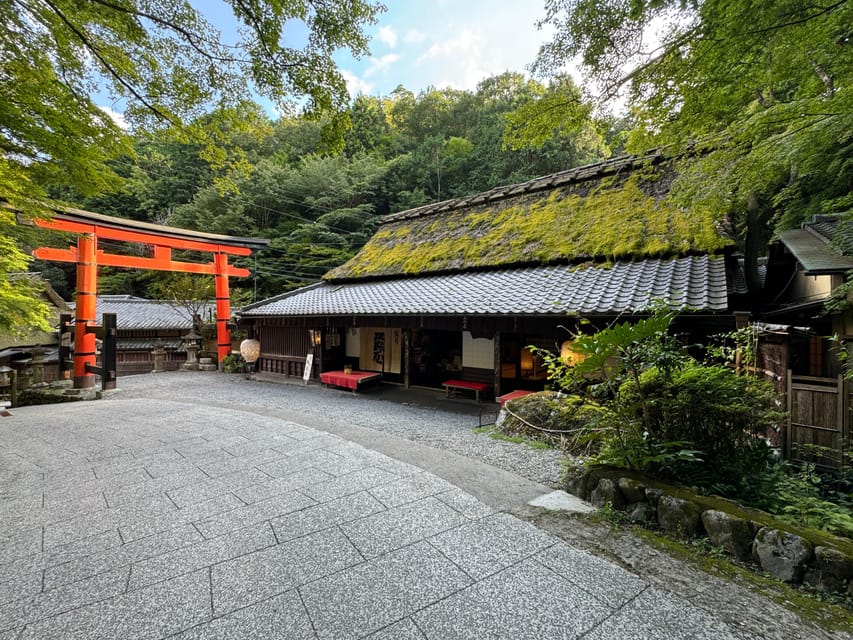
A good guide changes the way you see this route. Without context, the 1,200 statues at Otagi Nenbutsuji are amusing, and the 8,000 stone images at Adashino Nenbutsuji are striking. With an explanation of Buddhist ideas, temple sects, and local customs, the sites become easier to understand and remember.
The strongest praise for this experience centers on the guides’ communication and teaching. Kana-san has led an outing that included a family with two teenage sons, answering questions throughout the walk and explaining culture, history, and religion in an approachable way. Juraj has been praised for fluent Japanese, clear explanations of Buddhist philosophy, and an entertaining manner.
Those details help you judge the tour’s style. This is not only a guide who points toward a temple gate and announces its name. You can expect room for questions and a focus on meaning, provided your group size and guide match the format you book.
English and Japanese are available. If you want to discuss fine points of Buddhism or ask many questions, a private or small-group option may offer better value than the lowest-cost shared format.
Practical details that affect your day
The meeting point is specific: in front of the ticket gate at Saga Arashiyama Station. Find the yellow DeepExperience sign and arrive ready to walk. The tour ends at the same station.
Starting times vary, so check availability before building the rest of your Kyoto schedule. Food and drinks are not included, and souvenirs are also your own expense. Carry water, and plan any meal before or after the tour rather than counting on a scheduled food stop.
The activity allows free cancellation up to 24 hours before the start for a full refund. You can also reserve now and pay later, which helps if your Kyoto plans are still shifting.
The tour has a perfect rating from five posted reviews, but that is a small sample. I would treat the guide praise as useful evidence of the experience’s strengths, not as a guarantee that every outing will feel identical.
Should you book this Arashiyama tour?
Book it if you want a balanced introduction to Arashiyama, with the famous bridge and bamboo forest paired with temples, old streets, and Buddhist context. The two included temple admissions and the return to Saga Arashiyama Station make the $91 price easier to defend, especially in a private or small-group setting.
Skip it if you mainly want uninterrupted bamboo-forest photography, shopping time, or an easy ride between sights. For most able-bodied visitors who want to understand more than the postcard view, this is a strong half-day choice. Bring good shoes, keep your schedule flexible, and expect the quieter northern streets and unusual stone figures to be the real reward.
FAQ
Where does the tour start?
Meet your guide in front of the ticket gate at Saga Arashiyama Station. The guide will hold a yellow sign with the DeepExperience logo.
Where does the tour end?
The tour ends back at Saga Arashiyama Station, the same place where it begins.
How long does the tour last?
The walking tour lasts four hours. Starting times vary, so check availability when booking.
Which languages are available?
The tour is offered with a live guide in English or Japanese.
What admissions are included?
Admission to Otagi Nenbutsuji Temple and Adashino Nenbutsuji Temple is included in the price.
Is food included?
No. Food and drinks are not included, so bring water and plan meals separately.
What should I wear and bring?
Wear comfortable walking shoes and bring water and a camera. The route involves a moderate amount of walking.
Is the tour suitable for wheelchair users?
No. The activity is not suitable for wheelchair users or people with mobility impairments.
More Arashiyama & Bamboo Tours in Kyoto
More tours in Kyoto we've reviewed

Arashiyama & Bamboo Tours, compared.
 ★ 4.8Kyoto: Fushimi Inari, Kinkakuji, Bamboo Grove 1 Day Bus TourFrom $122510 minutes - 9 hours
 ★ 4.1Osaka/Kyoto:Kinkakuji,Arashiyama,FushimiInariShrine,NaraParkFrom $66
 ★ 4.7Kyoto/Osaka: Nara, Fushimi Inari Taisha, Arashiyama Bus TourFrom $529 - 10 hours
 ★ 5.0Kyoto Arashiyama Walking Tour: Bamboo, Monkeys, Gardens & SecretsFrom $65
 ★ 4.8Arashiyama Bamboo, Temple, Monkeys, or Secret Sake BreweryFrom $875 hours - 330 minutes
 ★ 4.4Osaka/Kyoto: Arashiyama, Nara & Fushimi Inari Shrine w/LunchFrom $61