
Reviewed · LUNCH EXPERIENCES
Kyoto: North Kyoto Guided Cycling Tour with Lunch
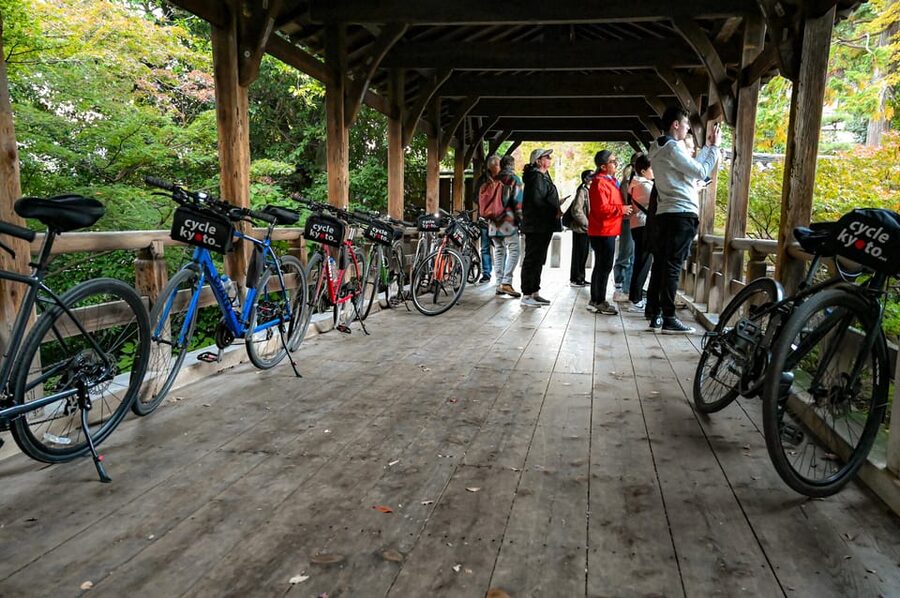
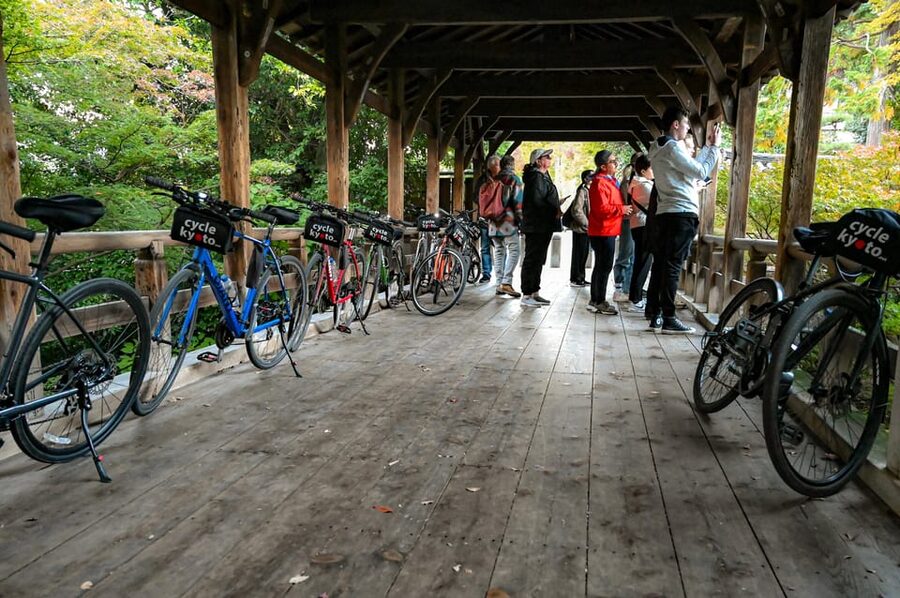
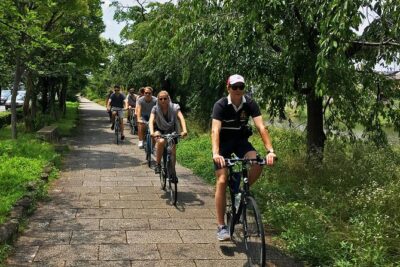
Kyoto’s finest sights are spread across the city, and this small-group cycling tour ties them together without keeping you on a bus. You pedal from Nishi Honganji to Kitano Tenmangu, the Golden Pavilion, the Imperial Palace, Gion, and the Kamo River, using quieter streets along the way. Guide Sean has been singled out for clear explanations and thoughtful help, including keeping water flowing on a very hot day.
I like the eight-person group limit, which should make temple explanations easier to follow and street riding less awkward. I also like the value: the $103 price includes the bicycle, helmet, water, lunch, and admission to three major sights, not just a guide and a ride.
The main drawback is the physical demand. Six and a half hours on a bicycle is a long outing, and the tour is not suitable for children under 13, pregnant women, people with mobility impairments, or anyone under 135 centimeters tall. On hot days, consider the 3,000-yen e-bike upgrade.
In This Review
- Key points to know before you book
- Why cycling works well for northern Kyoto
- Starting with Nishi Honganji Temple
- Kitano Tenmangu and the meaning behind the shrine
- Kinkaku-ji, the Golden Pavilion
- A local lunch in the middle of the ride
- The former Imperial Palace and a gentle ride toward Gion
- Gion by bicycle, not just by photograph
- Crossing the Kamo River before returning
- What the $103 price really covers
- Who should book this Kyoto cycling tour
- Should you book it?
- FAQ
- How long does the Kyoto cycling tour last?
- What attractions are included?
- Is lunch included in the price?
- Is the tour conducted in English?
- Can I use an e-bike?
- Where does the tour meet?
Key points to know before you book
- Three major admission tickets are included: Nishi Honganji, Kitano Tenmangu Shrine, and Kinkaku-ji, better known as the Golden Pavilion.
- Lunch is part of the price: You stop at a local restaurant for about an hour, with regional food included.
- The tour uses backstreets as well as famous sights: You ride through older parts of Kyoto and the lanes around Gion rather than simply following a main road.
- The group is limited to eight people: That gives the English-speaking guide room to answer questions and manage the ride.
- The full outing lasts 390 minutes: Allow about six and a half hours, plus enough flexibility afterward for any train or appointment.
- An e-bike costs 3,000 yen extra: This is worth considering in summer or if you are unsure about riding for most of a day.
Why cycling works well for northern Kyoto
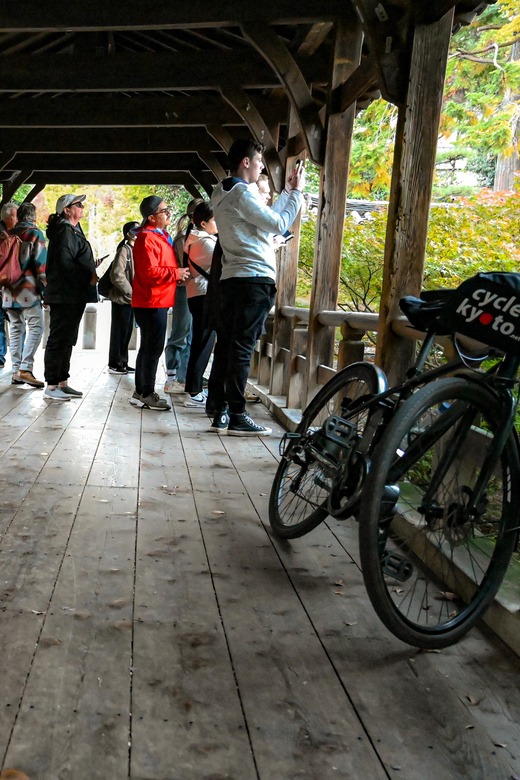
Kyoto is easy to picture as a city of temples, but its sights are not packed into one neat walking district. The Golden Pavilion is well north of Kyoto Station, while the Imperial Palace, Gion, and the Kamo River sit in different parts of town. A bicycle gives you a practical link between them.
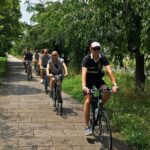
You get exercise, but the route is not presented as a race. The listed stops include long guided visits and time for lunch, so the bicycle is mainly your way of moving between places. That balance suits you if you want more ground covered than a walking tour allows without spending the day inside a vehicle.
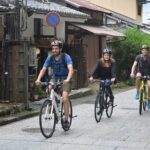
The small group matters here. Kyoto’s streets can be busy, and eight riders are easier to keep together than a large procession. You still need to pay attention to the guide, traffic, pedestrians, and other bicycles, but a smaller group should make the ride feel more manageable.
The meeting point is at the Cycle Kyoto office near JR Kyoto Station. From the station, go past Avanti, cross one traffic light, walk past the Daily Yamazaki convenience store, and take the first left. Build in a few extra minutes to find it, especially if you have just arrived with luggage or are unfamiliar with the station area.
Other cycling tours in Kyoto
Starting with Nishi Honganji Temple
The day begins with a 15-minute safety briefing. This is useful rather than decorative: you receive the bicycle, helmet, and water before setting off, and you have a chance to understand how the group will ride together.
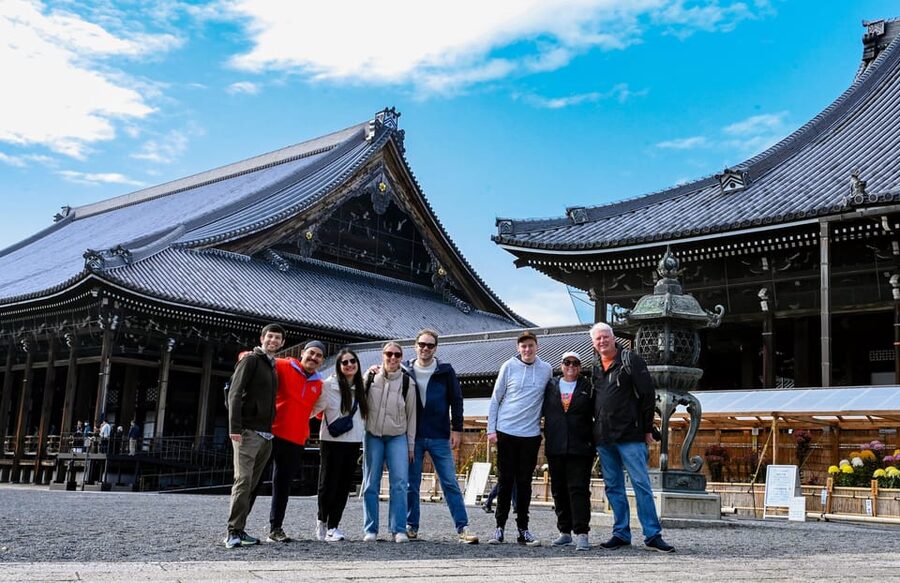
Your first major stop is Nishi Honganji Temple, where the guided visit lasts about 40 minutes. Admission is included, so you are not stopping to sort out another ticket. The tour focuses on the temple’s history and significance, giving you a more useful introduction than simply taking a few photographs and moving on.
Nishi Honganji is also a good first stop because it places you in a serious religious setting before the day becomes a sequence of famous postcard views. Pay attention to the guide’s explanation here, since context helps with the later temples and shrines.
The schedule also allows about 35 minutes for another visit before Kitano Tenmangu. The supplied plan does not name a separate attraction for this block, so you should treat it as part of the day’s temple and shrine touring rather than expect a clearly announced extra landmark.
Kitano Tenmangu and the meaning behind the shrine
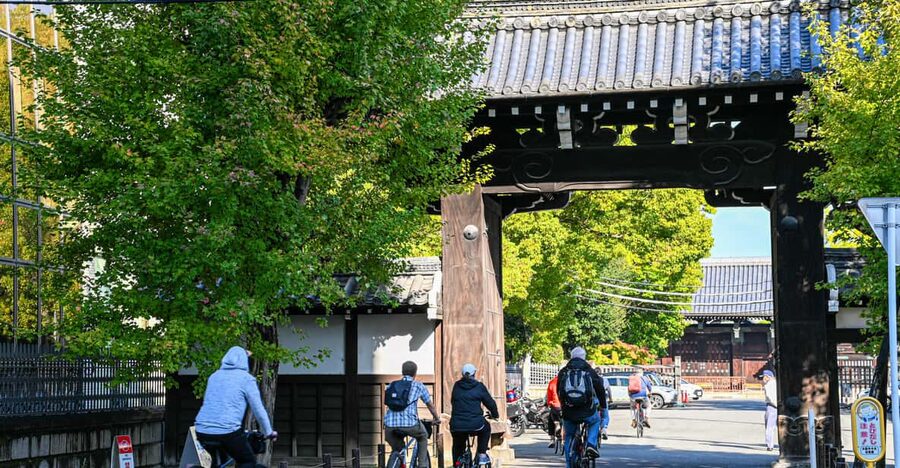
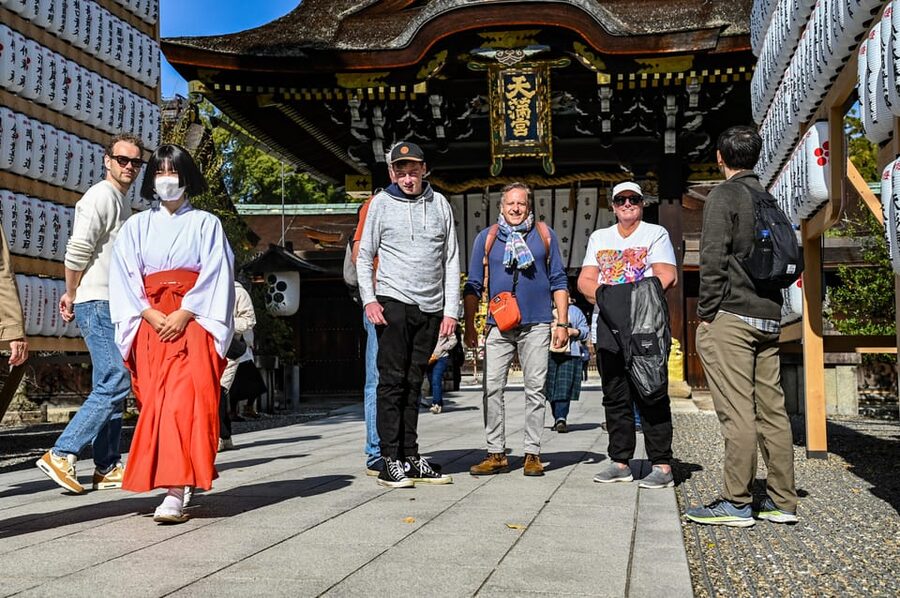
Kitano Tenmangu Shrine receives about 45 minutes of guided attention. This is one of the stops where the English-speaking guide earns the cost of the tour, since a shrine can otherwise blur into the next one when you are visiting several in one day.
You enter the site and learn about its background and importance. The guide-led format gives you a chance to ask why particular features matter, rather than guessing from signs or relying on photographs.
Kitano Tenmangu also helps vary the day. Nishi Honganji is a Buddhist temple, while Kitano Tenmangu is a Shinto shrine. You are not just collecting buildings with elaborate roofs. You are seeing different religious traditions within Kyoto and hearing how each place fits into the city’s story.
Kinkaku-ji, the Golden Pavilion
The Golden Pavilion is the visual centerpiece of the route. You spend about 50 minutes at Kinkaku-ji, with roughly 30 minutes specifically described for exploring the pavilion area. Admission is included.
This is a short visit by design. The pavilion is famous, and you will likely want time for photographs, but the tour does not leave you half a day to wander the wider grounds. That is a fair trade if your goal is to see several northern Kyoto highlights in one outing.
The practical advantage of arriving by bicycle is that you avoid arranging separate transport between Kitano Tenmangu and Kinkaku-ji. You simply collect your bicycle and continue with the group. The drawback is that the stop may feel brief if you prefer slow temple visits, quiet reflection, or detailed photography.
Try to think of Kinkaku-ji as one carefully chosen stop within a broad city tour, not as a full standalone visit. If the Golden Pavilion is your top Kyoto priority, you may want a separate return visit with more time. If you want to combine it with several other major sights, the 50-minute slot is useful.
A local lunch in the middle of the ride
Lunch lasts about an hour at a local restaurant, and regional food is included. This is one of the tour’s best practical features. A six-and-a-half-hour bicycle outing is much easier to enjoy when you do not need to hunt for food, compare menus, or lose time finding a table.
The restaurant is in the heart of Kyoto, and the guide can respond to reasonable lunch requests. Sean, one of the named guides, was praised for handling a lunch request and for making sure the group had water during a 35-degree day. That detail matters: food preferences and hydration can affect the whole afternoon.
Extra drinks and snacks are not included. Bring some spending money if you want something beyond the provided meal, and do not rely on the included water as your only plan on a hot day.
Lunch also gives your legs a break. You are not seated for the whole tour, but the meal provides a proper pause before the Imperial Palace and the southern part of the route.
Other guided tours in Kyoto
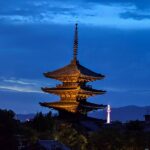
The former Imperial Palace and a gentle ride toward Gion
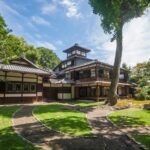
After lunch, the tour continues to the Kyoto Imperial Palace, with about 50 minutes for a guided visit. The palace adds a different layer to the day. After religious sites and a famous pavilion, you get a look at the former center of imperial life.
The guide leads the visit and explains the site’s background. That is important because palace grounds can feel broad and formal, with fewer instantly recognizable images than Kinkaku-ji. A short explanation helps you understand what you are seeing instead of treating it as a pleasant but vague walk.
From the Imperial Palace, the route follows a gentle downhill path toward Gion. This is a welcome design choice after hours of riding. It does not remove the need for stamina, but the downhill stretch should make this section less taxing than a constant climb.
The 390-minute duration includes riding, guided visits, lunch, and time at the river. Expect a full day rather than a quick morning activity. If you have a train reservation or appointment near the advertised end time, tell the operator in advance and leave a generous buffer.
Gion by bicycle, not just by photograph
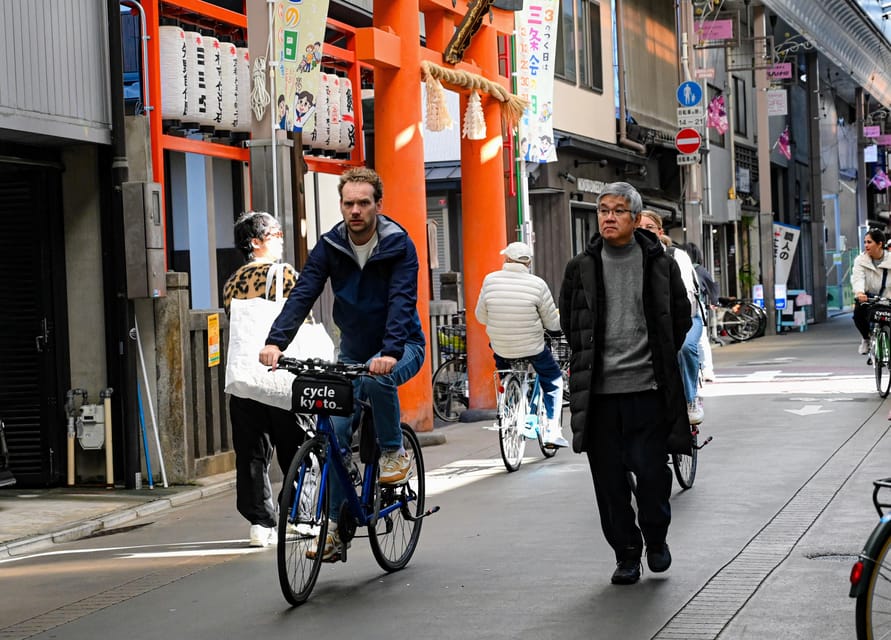
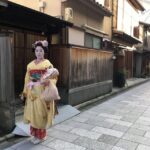
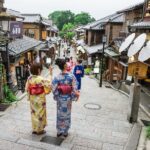
The Gion section lasts about 40 minutes and takes you through backstreets while the guide explains the area’s background. This is more useful than simply being dropped at a famous lane for a photograph.
Gion is one of Kyoto’s most recognizable districts, but its appeal is tied to details that are easy to miss when you rush through. A guide can point out how the streets fit together and explain the area as you move through it. You are also seeing it from a bicycle, which lets you cover more ground than a short walk.
You should follow local etiquette closely here. Ride as instructed, keep your voice down, and remember that Gion is a real neighborhood as well as a sightseeing area. The tour’s focus on backstreets gives you a closer look, but it also means your behavior matters.
Do not expect a long stop at every corner. The tour is designed to show you several parts of Kyoto in one day, so Gion is one section of a larger route rather than a dedicated neighborhood study.
Crossing the Kamo River before returning
The route reaches the Kamo River, spends about 30 minutes there, and later crosses it again on the way back to the starting point. The river gives the ride some breathing room after the temples, palace, and narrow streets.
This portion is less about ticking off an admission ticket and more about seeing how Kyoto’s districts connect. You get a change of pace, open space, and a clear sense that the city is shaped around its waterways as much as its monuments.
The return ride brings you back to the Cycle Kyoto office. Since the exact end time can be affected by riding speed, traffic, and group pace, do not schedule an important connection immediately afterward. The operator specifically asks you to mention nearby train reservations or appointments.
What the $103 price really covers
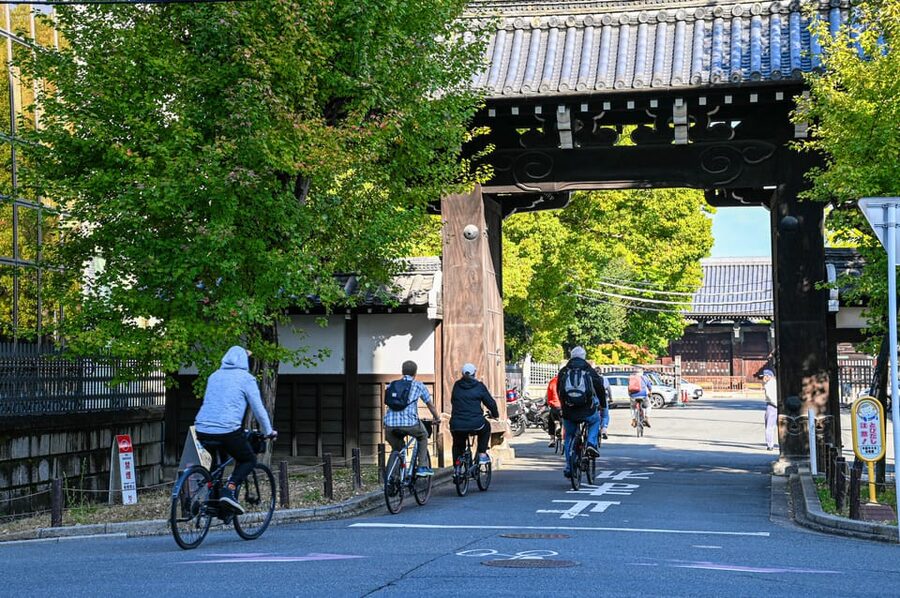
At $103 per person, this is not the cheapest way to rent a bicycle in Kyoto. A self-guided rental costs less, but it does not provide a route, English explanations, temple admissions, lunch, water, or a guide who keeps the day moving.
The included items add up:
- Bicycle and helmet
- Water
- Lunch
- Nishi Honganji entrance
- Kitano Tenmangu entrance
- Golden Pavilion entrance
- Guided visits to the Imperial Palace and Gion
The value is strongest if you want to see many major places in one day and prefer not to plan each transfer. You are paying for the route and the interpretation as much as for the bicycle itself.
The value is weaker if you dislike fixed schedules, want long quiet visits inside each temple, or already have detailed plans for northern Kyoto. In that case, a normal bicycle rental and a slower self-guided day may suit you better.
The e-bike upgrade costs 3,000 yen. I would consider it if you are not a regular cyclist, if the forecast is hot, or if the thought of riding for most of six and a half hours makes you uneasy. The tour is not advertised as an athletic challenge, but it is still a substantial physical day.
Who should book this Kyoto cycling tour
I would recommend it to an active first-time visitor who wants a broad introduction to Kyoto. You get religious sites, the Golden Pavilion, the Imperial Palace, Gion, a river crossing, local food, and quieter connecting streets in one booking.
It also suits you if you value explanation. Guide Sean received particular praise for clear teaching and for answering requests during the day. The English-speaking guide is a central part of the experience, not an extra detail.
I would be cautious if you have limited cycling experience, trouble riding in city traffic, or a firm appointment after the tour. The operator excludes children under 13, pregnant women, people with mobility impairments, and people shorter than 135 centimeters. Comfortable clothes and shoes are essential.
Bring a camera, but do not forget practical items. Extra drinks and snacks cost extra, and warm weather can make the ride harder than the schedule looks on paper. Smoking, alcohol, and drugs are not allowed.
Should you book it?
Book this tour if you want efficient sightseeing with real movement between sights, and if a guide’s explanations matter to you. The included lunch and admissions make the $103 price reasonable, especially for a small group limited to eight people.
Skip it if you want to linger at one temple, avoid bicycles, or build your own slow Kyoto route. For everyone else, this is a strong way to connect northern Kyoto and Gion in a single day, with enough structure to keep the city from becoming a puzzle of train rides and bus stops.
FAQ
How long does the Kyoto cycling tour last?
The tour lasts 390 minutes, or about six and a half hours. The schedule includes the safety briefing, cycling, temple and shrine visits, lunch, the Imperial Palace, Gion, and time at the Kamo River.
What attractions are included?
The tour includes Nishi Honganji Temple, Kitano Tenmangu Shrine, Kinkaku-ji, also called the Golden Pavilion, the Kyoto Imperial Palace, Gion, and the Kamo River.
Is lunch included in the price?
Yes. Lunch at a local restaurant is included. Extra drinks and snacks are not included.
Is the tour conducted in English?
Yes. The tour has a live English-speaking guide.
Can I use an e-bike?
Yes. E-bikes are available for a 3,000-yen upgrade.
Where does the tour meet?
It meets at the Cycle Kyoto office near JR Kyoto Station. Go past Avanti, cross one traffic light, walk past the Daily Yamazaki convenience store, and take the first left.
More Lunch Experiences in Kyoto
More Guided Tours in Kyoto
More Cycling Tours in Kyoto
More tours in Kyoto we've reviewed

Lunch Experiences, compared.
 ★ 5.0Bike Tour Exploring North Kyoto plus LunchFrom $106
 ★ 4.4Osaka/Kyoto: Arashiyama, Nara & Fushimi Inari Shrine w/LunchFrom $61
 ★ 5.0Kyoto Zen Meditation & Garden Tour at a Zen Temple with LunchFrom $110
 ★ 5.04.5-Hour Kyoto Bike Tour with Lunch and UNESCO Zen TemplesFrom $99
 ★ 4.8From Kyoto: Nara History Guided Half Day Bus Tour with LunchFrom $776 hours
 ★ 4.9Kyoto: Zen Meditation and Garden Tour at a Temple with LunchFrom $1074h 30m