
Reviewed · SAMURAI & KENDO EXPERIENCES
Kyoto: Forge Your Own Ninja Weapon with Japanese Tin Casting
Kyoto’s tin-casting workshop lets you make a real metal ninja piece from start to finish. You form the mold, pour molten tin under supervision, cool it in water, then file and polish the result. I like the hands-on work and the fact that your souvenir is something you actually made, not something pulled from a shop shelf. I also like the easy location, only three minutes from Demachiyanagi Station.
The main consideration is time. A shuriken or kunai takes about two hours, while the oni mask takes roughly 150 minutes, and the finish can take longer if you work carefully. The metal is beginner-friendly, but the workshop still involves heat, tools, and close attention. Children can take part with staff help, but anyone under 15 needs a guardian.
In This Review
- Key Points Before You Book
- Why This Kyoto Workshop Is More Than a Souvenir Stop
- Arriving Near Demachiyanagi Station
- Choosing Between a Shuriken, Kunai, and Oni Mask
- Building the Mold in Casting Sand
- Pouring the Molten Tin
- Cooling, Hammering, and Filing the Piece
- Finishing With Oil, Protection, and Gold Leaf
- What the Finished Souvenir Is Really Worth
- Is It Good for Families and Children?
- Language, Teaching, and the Feel of the Session
- Planning the Two to Two and a Half Hours
- Who Should Book This Activity?
- Should You Book the Kyoto Ninja Casting Workshop?
- FAQ
- Where is the ninja weapon casting workshop located?
- How long does the activity take?
- What can I make?
- What metal is used?
- Do I need previous metalworking experience?
- Is the workshop available in English?
- Can children join?
- What should I bring?
- What is included in the price?
- Can I cancel or pay later?
Key Points Before You Book
- Cast your own metal piece: Make a shuriken, kunai, or optional oni-inspired mask from tin.
- Work through every stage: Create a sand mold, pour the metal, cool it, hammer it, file it, and polish it.
- Take home a boxed souvenir: Each finished weapon comes with a dedicated box.
- Stay near central Kyoto: The studio is a three-minute walk from Demachiyanagi Station.
- Suitable for beginners: English and Japanese instruction is available, with staff assistance for children.
- Bring water: Drinks are not supplied, and food and smoking are not allowed inside.
Why This Kyoto Workshop Is More Than a Souvenir Stop
Many Japanese souvenirs are attractive but passive. You buy them, pack them, and remember where you found them. Here, the object carries a record of your own work. You saw the tin melt, made the mold, corrected rough edges, and gave the piece its final surface.
That changes the value of the $103 price. You are paying for about two hours of instruction, materials, equipment, an apron, staff supervision, and a finished item in a box. It is not a cheap souvenir, but it is a full craft activity with a personal result. For a birthday, family outing, or special Kyoto day, I think the price is easier to justify than it would be for a simple demonstration.
The class also gives you a small window into Japanese metalwork. Tin melts at about 230 degrees Celsius, which is hot enough to require care but manageable for a supervised beginner class. You are not expected to arrive with metalworking skills. The instructors take you through the process in clear stages, and the practical nature of the work keeps the session moving.
The workshop uses English and Japanese. Daiki and his colleague have been singled out for their friendly help, and the teaching style described by participants is patient and easy to follow. That matters here. Casting has several steps, and a good instructor can turn a confusing process into a satisfying one.
A few more Kyoto tours and experiences worth a look

Arriving Near Demachiyanagi Station
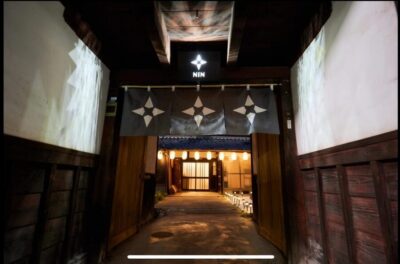
The studio is three minutes on foot from Demachiyanagi Station. That is a useful location for a Kyoto schedule because you do not need to spend half an hour reaching an out-of-the-way craft center. You can pair the class with other plans around northern Higashiyama or the Demachiyanagi area.
Still, leave enough time to find the studio and settle in. The activity needs your attention from the start, and arriving rushed is not ideal before handling hot metal. Bring a drink with you, since water is not provided. Wear something comfortable, and expect to use an apron supplied by the studio.
The rules are simple but important. Smoking, food, alcohol, drugs, and private fire-making are not allowed. This is a working studio, not a casual drop-in attraction, so follow the staff instructions closely.
Choosing Between a Shuriken, Kunai, and Oni Mask
At the beginning, you choose the object you want to make. The basic choices are a shuriken, a kunai, or an oni-inspired metal mask.
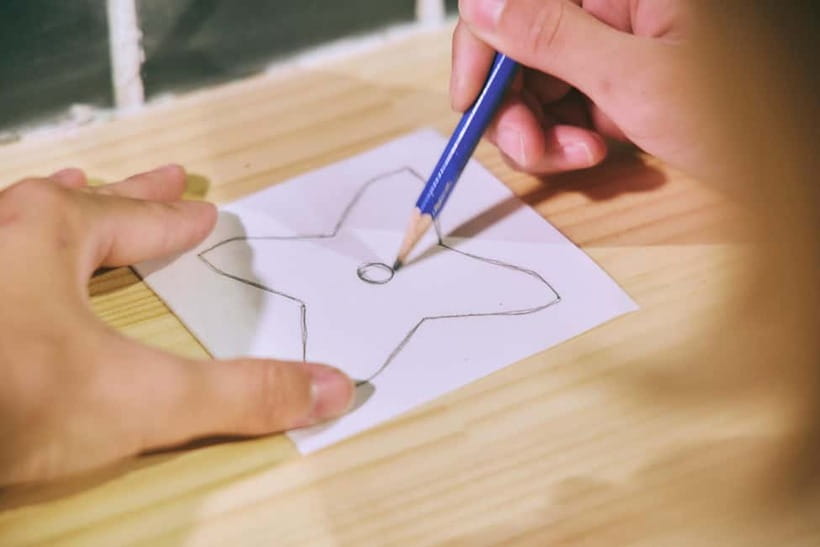
The shuriken is the most compact option and takes about two hours. It is a sensible choice if you want the classic ninja star shape or if you are fitting the class into a busy sightseeing day. Its small size also makes it easy to pack. The finished weapon size is limited to about 8 to 10 centimeters.
The kunai is available as an optional upgrade. It gives you a different shape and a little more visual presence than the shuriken. If you want something that looks more like a ninja knife, this is probably the better pick. Remember that the class creates a small decorative metal object, not a full-size weapon.
The oni mask is also an optional upgrade and takes about two and a half hours. It adds extra finishing work, including gold leaf and a cord. You can make the mask wearable or ready for display, which gives it a stronger decorative role than the smaller weapons.
I would choose the shuriken for a first short craft session, the kunai for a classic ninja-themed keepsake, and the oni mask if you want the most detailed project and have extra time. The mask costs more because it includes additional work, so check the current upgrade price when booking.
Building the Mold in Casting Sand
Your first real task is to form a mold from special casting sand. This is where the shape of your final piece begins. You are not simply watching an instructor make the object. You work the sand so it holds the design that will receive the liquid tin.
This stage rewards patience. A mold with unclear edges can affect the final shape, while careful work gives you a cleaner base for the later filing and polishing. The staff guide you through the details, so you do not need to know mold-making in advance.
For children, this is likely one of the stages where adult and staff support helps most. The process is hands-on, but it is not a free-for-all. Listen closely, ask questions, and let the instructor show you how much pressure and care to use.
Pouring the Molten Tin
Next comes the moment most people will remember: the tin is melted and poured into the mold. Solid metal changes into a liquid at roughly 230 degrees, then fills the shape you prepared.
This part is supervised by the staff. You should treat the heat seriously and follow every instruction, but the class is designed for beginners. The value is in taking part in the process rather than watching a specialist do everything for you.
There is a useful lesson here. Casting is not magic, and it is not just about the dramatic pour. The quality of the final object depends on the mold, the pour, the cooling, and the cleanup. Seeing those links helps you understand why handmade metalwork takes skill.



Cooling, Hammering, and Filing the Piece
After the pour, the metal is cooled in water. It solidifies quickly, revealing the rough cast form. At this point, the object is yours in a very literal sense, but it is not finished.
You shape it by hammering, then smooth the surface with a file. Grinders are also used to refine the details. This is the slower, more tactile portion of the workshop. You remove rough sections and work toward a cleaner outline.
Do not expect a factory-perfect object. The appeal is that the piece shows your hand, with staff helping you improve the result. A careful finish can make a big difference, so do not rush just because the casting itself is complete.
The tools are included, as are the materials for one weapon. You receive an apron and equipment rental as part of the activity. Staff assistance is available, which is especially useful if you are unsure how much material to remove.
Finishing With Oil, Protection, and Gold Leaf
Once the shape is refined, the piece is soaked in a rust-preventive solution and coated with a special oil. These steps protect the surface and give it a finished appearance.
The oni mask includes two additional details. You can apply gold leaf for a stronger visual accent, then choose and attach a cord. The cord lets you make the mask wearable or prepare it for display.
The mask is the most involved choice, but it also offers the broadest creative result. It is less compact than a shuriken or kunai, and the extra time may matter if you have evening reservations afterward. Allow flexibility, since completion times can vary.
What the Finished Souvenir Is Really Worth
The final object measures only about 8 to 10 centimeters for the weapons, so it is easy to store in luggage. Each piece comes in a dedicated box, which protects it on the way home and gives it a proper presentation.
I would not book this class because you need a practical souvenir. A tin shuriken or kunai is a display piece, and its value comes from the story attached to it. You made the mold and worked the surface yourself. That makes it more meaningful than a mass-produced ninja item, even if the finish is not perfectly uniform.
The small size is also a safety and packing advantage. You get the look of a ninja object without carrying a large prop through airports. Follow any airline and local transport rules that apply to metal replicas or weapon-shaped souvenirs, since those rules can vary. The supplied information describes the item as a small handmade piece, but it does not give specific airline guidance.
Is It Good for Families and Children?
The class is suitable for beginners and children with staff assistance. The age rules are clear: children under five are not suitable for the activity, and anyone under 15 must be accompanied by a guardian. Babies under one year and people over 95 are also listed as unsuitable.
For families, the short scale of the project works well. A nine or ten year old can take part with help, and the process gives children something concrete to focus on. The finished object also offers what many family souvenirs lack: a story about how it was made.
Adults should remain realistic about the tools and heat. This is not a play area, and younger children may need close support during molding, pouring, hammering, and filing. If your child enjoys making things and can follow instructions, the session should be a strong fit. If your child dislikes careful, step-by-step work, the class may feel long.
Language, Teaching, and the Feel of the Session
Instruction is available in English and Japanese. The strongest part of the teaching is its practical tone. Staff explain each stage, answer questions, and offer tips while you work. One-on-one sessions may happen depending on the schedule, while other bookings can include families or small groups.
The workshop has a friendly, conversational feel. That can be useful in Kyoto, where a craft class often doubles as a chance to ask for ideas about the city. One participant described receiving suggestions for things to do in Kyoto and Osaka during a private session, though you should not assume every booking will be one-on-one.
You can also take photos and videos of the crafting process. The work area itself is described as a good place for photos, especially when the metal is being shaped and when you reveal the finished piece. Ask staff before recording near other people, and keep your phone clear of the work area.
Planning the Two to Two and a Half Hours
The shuriken and kunai sessions take approximately two hours. The oni mask takes about 150 minutes. Those are useful planning figures, but completion can vary, so avoid booking a tight appointment immediately afterward.
A sensible plan is to arrive with a drink, wear comfortable clothes, and keep the rest of the day flexible. An apron is supplied, but the activity involves sand, metal, oil, and finishing tools. Practical clothing is a better choice than your smartest Kyoto outfit.
The activity does not include food or water. Eat before or after the class rather than trying to bring food inside. Smoking is prohibited indoors, and alcohol and drugs are not permitted.
Cancellation is flexible up to 24 hours before the scheduled start for a full refund. You can also reserve and pay later, which helps if your Kyoto plans are still changing. Check availability for the exact starting times before you commit.
Who Should Book This Activity?
I would recommend this workshop to you if you want a Kyoto activity that is creative, compact, and tied to Japanese craft. It suits couples, friends, solo visitors, families with older children, and anyone interested in ninja or samurai culture.
It is especially good for:
- People who prefer making something to simply viewing exhibits
- Families with children old enough to follow safety instructions
- Adults looking for a distinctive birthday or holiday activity
- Visitors who want a small souvenir with a personal story
- Anyone staying near routes served by Demachiyanagi Station
I would think twice if your schedule is packed, your children are under five, or you dislike hands-on work that includes filing and polishing. The workshop is not a quick photo stop. Its best moments come from taking time with the process.
Should You Book the Kyoto Ninja Casting Workshop?
Book it if you want to leave Kyoto with more than a purchased trinket. For $103 per person, you receive instruction, materials, tools, an apron, a two-hour craft session, and a boxed metal piece made by your own hands. That is fair value for a special occasion or a memorable family outing, though it is more expensive than ordinary sightseeing.
Choose the shuriken for the simplest classic project, the kunai for a more distinctive ninja shape, or the oni mask for extra detail, gold leaf, and display value. The easy station access, English instruction, patient staff, and strong personal souvenir make this one of the better choices for a hands-on Kyoto afternoon. Just bring water, leave enough time, and treat the tools and heat with respect.
FAQ
Where is the ninja weapon casting workshop located?
The studio is a three-minute walk from Demachiyanagi Station in Kyoto.
How long does the activity take?
The shuriken and kunai sessions take approximately two hours. The oni mask takes about two and a half hours, or 150 minutes.
What can I make?
You can choose a shuriken, a kunai, or an oni-inspired metal mask. The kunai and oni mask are optional upgrades.
What metal is used?
The workshop uses tin, which melts at approximately 230 degrees Celsius.
Do I need previous metalworking experience?
No. The activity is suitable for beginners, and staff guide you through the mold-making, casting, shaping, filing, and finishing stages.
Is the workshop available in English?
Yes. Instruction is available in English and Japanese.
Can children join?
Children can participate with staff assistance, but children under five are not suitable. Anyone under 15 must be accompanied by a guardian.
What should I bring?
Bring a drink because water is not provided. Food and drinks other than what you bring are not included.
What is included in the price?
The price includes the design process, mold creation, tin casting, hammering, filing, rust prevention, oil finishing, apron rental, equipment rental, and materials for one weapon.
Can I cancel or pay later?
You can cancel up to 24 hours in advance for a full refund. A reserve-now, pay-later option is also available.
More Samurai & Kendo Experiences in Kyoto
More tours in Kyoto we've reviewed









Samurai & Kendo Experiences, compared.
 ★ 5.0Kyoto Samurai ExperienceFrom $119
 ★ 4.9Kyoto: Kendo and Samurai Experience with Uniform and GearFrom $1032 hours
 ★ 4.5Skip the lines Basic Ticket at SAMURAI NINJA MUSEUM KYOTOFrom $28
 ★ 4.9Kyoto: Samurai Class, Become a Samurai WarriorFrom $70
 ★ 5.0Ninja 1-hour Hands-on Lesson by Japanese master in Kyoto -EntryFrom $80
 ★ 4.8Kyoto: Ninja Weapon Forging ExperienceFrom $1482h 30m