
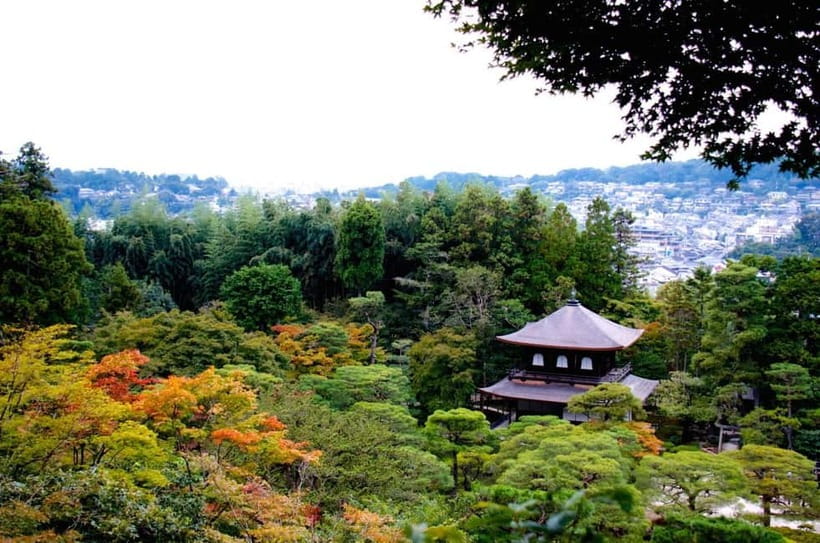
Reviewed · WALKING TOURS
Kyoto: Highlights Guided Walking Tour
Kyoto’s best introduction may be a walk that links its major sights instead of treating them as separate stops. This route moves from Kiyomizu-dera and Sannenzaka through Yasaka Shrine, Gion, Pontocho, and Nishiki Market, giving you both famous monuments and everyday city scenes.
I like the chance to travel with a local guide who can explain the spiritual meaning behind the shrines and temples, not just point out photo spots. I also like the small-group or private format, and guide Yu Noda receives especially warm praise for his cultural knowledge, friendly manner, and willingness to adjust the tour to personal interests.
The main caution is timing. Three to four hours is tight for this many places, and the written route mentions Nijo Castle even though the timed itinerary does not include it. Confirm the final route before booking, especially if Nijo Castle is important to you.
In This Review
- Key points to know before you book
- Why this route works for a first look at Kyoto
- Kiyomizu-dera and the streets of Sannenzaka
- Yasaka Shrine and the evening feel of Gion
- Kamo River and Pontocho Alley
- Nishiki Tenmangu Shrine and Nishiki Market
- The Nijo Castle question
- Guide quality and the small-group advantage
- Timing, walking, and practical comfort
- Who will get the most from this tour
- Is this Kyoto walking tour worth $34?
- FAQ
- Where does the tour meet?
- Where does the tour finish?
- How long does the tour last?
- What languages does the guide speak?
- Is transportation included?
- Are food and drinks included?
- Is Kiyomizu-dera included?
- Does the tour visit Nishiki Market?
- Is Nijo Castle definitely included?
- Can I cancel for a full refund?
Key points to know before you book
- Kiyomizu-dera begins the cultural story: See one of Kyoto’s best-known temples and its wooden stage overlooking the city.
- Gion comes with a chance encounter: Hanamikoji Street is a traditional quarter where you might see geisha heading to evening appointments.
- Nishiki Market adds local flavor: Food is not included, but you can buy snacks and drinks along the way.
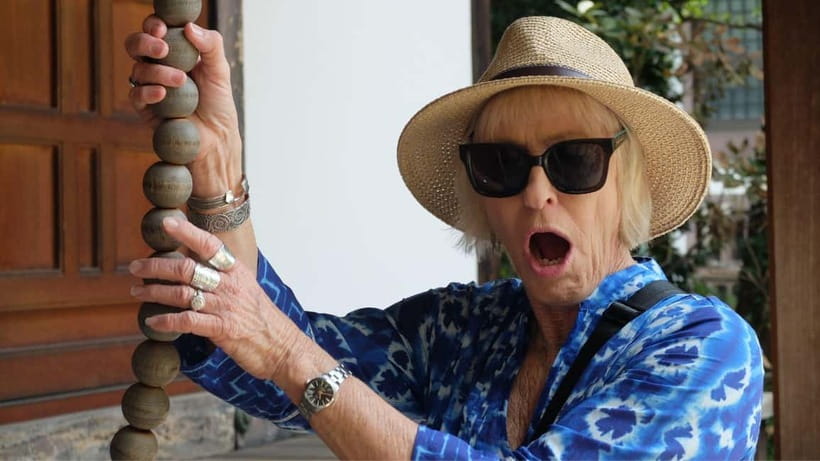
- Yu Noda is a notable guide: His warm, personal approach has earned especially strong praise.
- The route covers a lot quickly: Expect short visits and steady walking rather than long, leisurely stops.
- Private and small-group choices are available: This matters if you want to ask questions or shape the conversation around your interests.
Why this route works for a first look at Kyoto

Kyoto can feel scattered at first. Temples sit east of the center, Gion occupies a separate pocket of old streets, and Nishiki Market lies farther west. This tour connects those areas into one clear introduction.
You begin near Kyoto Station at the entrance to Kyoto Avanti. From there, a bus or coach transfer of about 15 minutes takes you toward the first major sight. Transportation is not included in the tour price, so carry cash or a card for fares.
At $34 per person, the price is appealing if you want context as you walk. You are paying mainly for the guide, not an all-inclusive day out. Food, drinks, and transport are extra, and the tour does not appear to include every entrance fee or a long stop at each attraction. I would see it as a compact orientation tour, not a full museum-style visit to Kyoto’s major sites.
The private or small-group option can make that value better. A guide can explain details, answer questions, and adjust the pace more easily when the group is limited. The exact group size is not specified, so ask when booking if that matters to you.
Other walking tours we've reviewed in Kyoto
Kiyomizu-dera and the streets of Sannenzaka
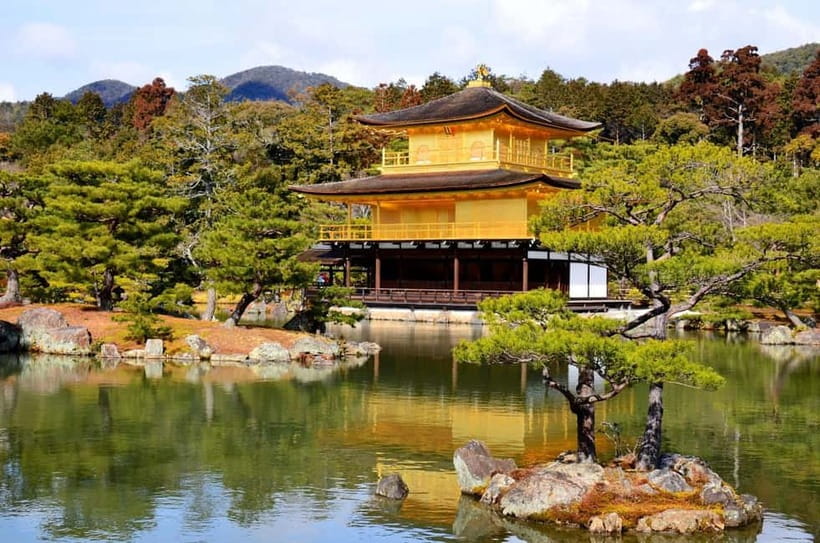
Kiyomizu-dera is the grand opening act. You receive about 30 minutes for a guided visit, sightseeing, and walking around the temple area. The key image is the wooden stage, which looks across Kyoto and changes character with the seasons.
The guide’s role matters here. A quick photo stop gives you a famous view, but an informed explanation can help you understand why the temple belongs to Kyoto’s spiritual life and why its setting has drawn people for centuries. This is one of the places where a local guide adds real value.
Thirty minutes is not long. You should expect an introduction and a focused look rather than a slow exploration of every building, path, and garden. If you have mobility concerns, ask about the exact route ahead of time. The activity does not accept non-folding wheelchairs or electric wheelchairs.
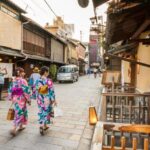
Sannenzaka follows as a 20-minute stop. This slope is lined with traditional-style buildings and shops, making it one of the more atmospheric walking sections. It connects the temple area with the older streets below, so the change from sacred site to commercial lane happens naturally.
The shops may tempt you to stop for pottery, sweets, souvenirs, or small gifts. The schedule does not leave much room for extended shopping, so I would note what catches your eye and return later if you have time. The stone streets and slopes also call for comfortable shoes.
Yasaka Shrine and the evening feel of Gion
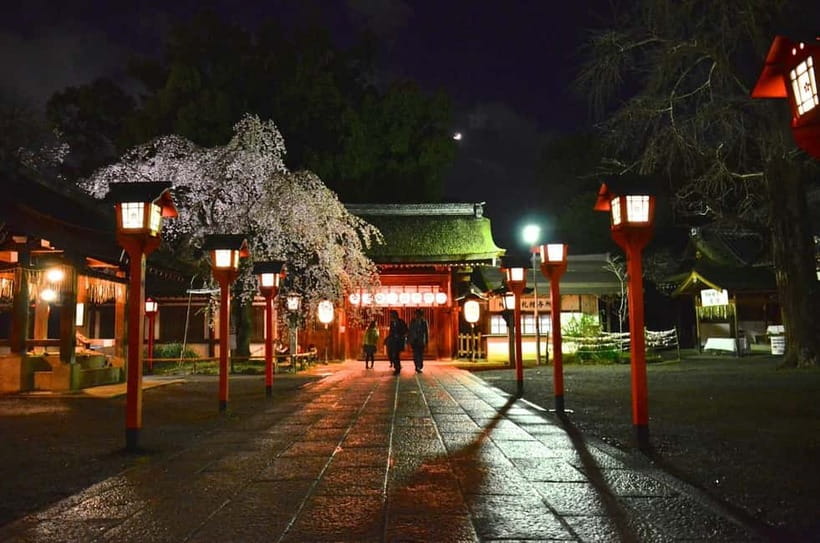
Yasaka Shrine receives about 20 minutes. Its location makes it a useful bridge between eastern Kyoto and Gion. Here, the tour shifts from temple architecture to shrine customs and the role of religious sites in city life.
A guide can help you notice the difference between Buddhist and Shinto settings, an important part of understanding Japan. Without that explanation, many first-time visitors see only gates, lanterns, and wooden buildings. With context, the visit becomes more than a quick photograph.
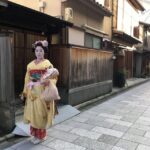
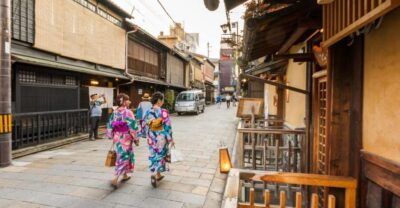
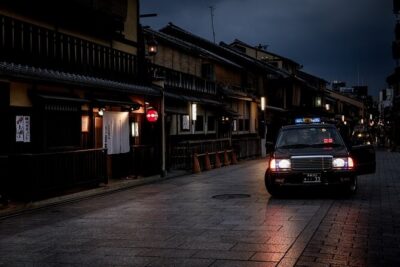
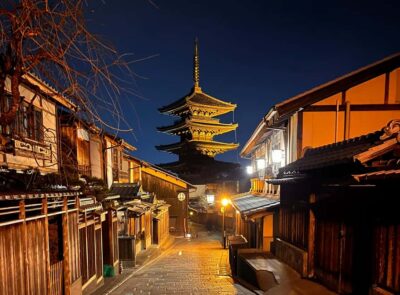
Next comes Hanamikoji Street, with another 20-minute walking stop. This is one of Gion’s best-known lanes, associated with traditional restaurants, teahouses, and geisha culture. You might see an elegantly dressed geisha or maiko heading to an evening appointment, but there is no guarantee. Treat any encounter with care and respect, and do not block the narrow street for photographs.
The route gives you a glimpse of Gion rather than an evening entertainment experience. That distinction matters. You will not be attending a performance or entering a private teahouse based on the information provided. Instead, you are learning how this old quarter fits into Kyoto’s cultural life while walking through its public streets.
Kamo River and Pontocho Alley
The tour then crosses the Kamo River, with about 10 minutes for the riverfront. This is a shorter stop, but it gives the route a welcome change of pace after the temple and shopping streets.
The river helps you see Kyoto as a lived-in city, not only a collection of historic attractions. Your guide may use the crossing to connect the neighborhoods you have visited and explain how the river relates to the city’s layout. Since the stop is brief, expect a view and a short explanation rather than a long riverside break.
Pontocho Alley follows for about 20 minutes. This narrow lane is known for lantern-lit restaurants and a more intimate evening mood. It is a pleasant contrast to Nishiki Market, which is busier and more food-focused.
Pontocho can also be a place where expectations need a little trimming. You are walking through the alley, not booking dinner or entering its restaurants as part of the tour. If you like the look of a particular establishment, save the name for a later meal. Food and drinks are not included.
Nishiki Tenmangu Shrine and Nishiki Market
Nishiki Tenmangu Shrine receives about 10 minutes. Its inclusion gives the tour another small sacred stop before the market. This quick visit is useful because it shows how religious spaces can sit close to ordinary shopping streets in central Kyoto.
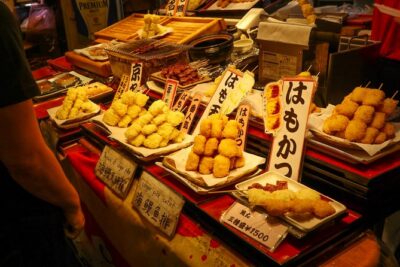
After that, you enter Nishiki Market, often called Kyoto’s Kitchen. The planned visit is about 20 minutes, enough to see the market’s food stalls and local products, but not enough for a relaxed meal crawl.
This is the tour’s best chance to use your senses. You can look at unfamiliar foods, notice the smells, and buy something if you wish. Bring cash and a credit card, since the practical information specifically recommends both. Because food and drinks are excluded, set aside a little extra money if tasting local items is part of your plan.
The market may be crowded, and the narrow passage can make the group harder to keep together. Stay near the guide and listen for meeting instructions. I would avoid buying a full meal here unless the guide confirms there is enough time. Small snacks are a better fit for this schedule.
Nishiki Market also gives your guide a chance to explain more than ingredients. Food customs, seasonal products, and the difference between a market designed for local shopping and one aimed mostly at sightseeing can all make this stop more useful. The quality of that explanation depends on the guide, which is one reason the choice of guide matters.
Other guided tours in Kyoto


The Nijo Castle question

The general tour description includes Nijo Castle as the final major stop. It describes the castle as a former shogun residence known for nightingale floors and gardens, then says the route returns to Kyoto Station.
However, the timed itinerary lists Kiyomizu-dera, Yasaka Shrine, Nishiki Market, Sannenzaka, Hanamikoji Street, the Kamo River, Pontocho Alley, and Nishiki Tenmangu Shrine. It then lists a 15-minute bus or coach ride and a return to Kyoto Station. Nijo Castle is not included in that detailed sequence.
That is an important planning point. Nijo Castle is not a minor add-on. If it is part of your promised route, there would need to be enough time for transport and a meaningful visit. Since the total activity lasts three to four hours, the schedule already has a lot packed into it.
I would contact the provider before booking and ask two direct questions: Is Nijo Castle included on the date I choose, and are entrance fees included? Do not assume the castle visit is part of the actual tour unless the final confirmation says so.
Guide quality and the small-group advantage
The strongest personal praise goes to Yu Noda. He is described as highly informed, very friendly, enthusiastic about his subject, and attentive to individual requests. One traveler specifically valued his recommendations and insight into Kyoto’s culture and past. Another praised the way the smaller group kept the experience manageable.
That gives you a useful picture of what to look for. This is not simply a route between landmarks. The best version of the tour depends on conversation: asking why a shrine matters, how Gion functions, what to taste at Nishiki Market, or where to return later.
English and Japanese are available. Private and small-group formats are offered, though the exact setup depends on the booking you select. If you want a more personal experience, choose the smallest available group and request Yu if possible. A named guide cannot always be guaranteed, so confirm that before paying if it is important to you.
Timing, walking, and practical comfort
The tour lasts three to four hours and includes several walking sections. The stop lengths range from 10 to 30 minutes, so you should be ready to keep moving. Comfortable shoes are more important than stylish ones, especially around temple approaches and older streets.
The route includes short bus or coach rides, but transportation is not included. You will need a card or cash for those costs. Food and drinks are also separate, which gives you control over what you spend but makes the $34 price less than the total cost of the outing.
The meeting point is in front of the entrance to Kyoto Avanti. Kyoto Station is the return point listed in the detailed schedule. Check the starting time when you reserve, since several departure times may be available.
Cancellation is flexible: you can cancel up to 24 hours in advance for a full refund. You can also reserve now and pay later, which helps if your Kyoto schedule is still changing.
Who will get the most from this tour
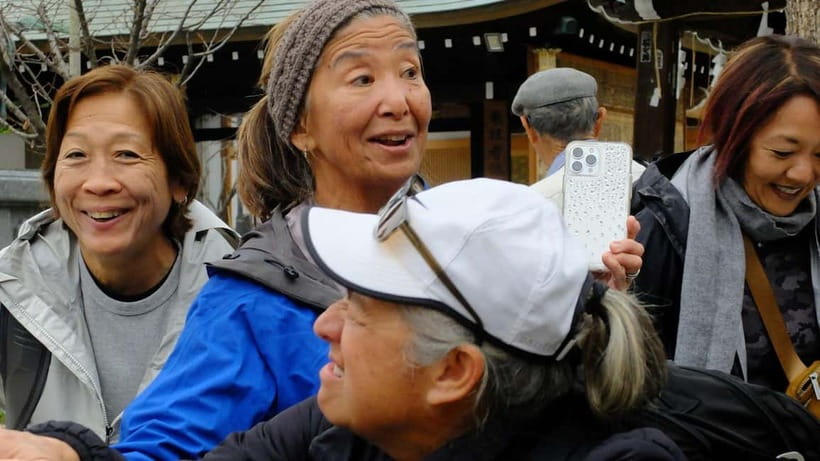
I would recommend this walk to a first-time Kyoto visitor who wants a clear introduction without spending a full day at one temple. It suits you if you enjoy asking questions, walking through old neighborhoods, and seeing several sides of the city in a short time.
It is also a good fit for visitors who want a personal guide rather than a large coach group. The route has enough variety to keep a short tour interesting: temples, shrine grounds, traditional streets, a river, a restaurant alley, and a food market.
I would be more cautious if you want long visits at Kiyomizu-dera or Nijo Castle, extensive shopping time, or a sit-down meal. The schedule is too compact for all three. Travelers using non-folding or electric wheelchairs should also note that those devices are not permitted.
Is this Kyoto walking tour worth $34?
Yes, if you treat it as a guided introduction rather than a complete tour of every major site. At $34, the combination of local interpretation, a private or small-group option, and a route through several central districts offers solid value. Yu Noda’s strong personal reputation makes the experience especially appealing when he is available.
Before booking, confirm the Nijo Castle question, ask about transportation and entrance costs, and decide how much walking your group can comfortably manage. Bring both cash and a card, and plan to return to Nishiki Market or Sannenzaka later if you want time to shop and eat.
Book this tour if you want Kyoto explained as you move through it. Skip it if you prefer a slow, self-guided day with long temple visits and no fixed pace.
FAQ
Where does the tour meet?
The meeting point is in front of the entrance to Kyoto Avanti.
Where does the tour finish?
The detailed schedule ends at Kyoto Station.
How long does the tour last?
The activity lasts approximately three to four hours.
What languages does the guide speak?
Live guides are available in English and Japanese.
Is transportation included?
No. Transportation is listed as an extra cost, even though the route includes short bus or coach rides.
Are food and drinks included?
No. Food and drinks are not included in the tour price.
Is Kiyomizu-dera included?
Yes. The route includes a guided visit of about 30 minutes at Kiyomizu-dera.
Does the tour visit Nishiki Market?
Yes. Nishiki Market is included for a guided visit of about 20 minutes.
Is Nijo Castle definitely included?
The general description mentions Nijo Castle, but it is not included in the detailed timed itinerary. Confirm the final route before booking.
Can I cancel for a full refund?
Yes. You can cancel up to 24 hours in advance for a full refund.
More Guided Tours in Kyoto
More Walking Tours in Kyoto
More tours in Kyoto we've reviewed


Walking Tours, compared.
 ★ 4.7Kyoto Geisha Walking Tour: Gion District & Hidden GemsFrom $252 hours
 ★ 4.7Kyoto: Gion Geisha District Walking Tour – Stories of GeishaFrom $202 hours
 ★ 4.5Night Walk in Gion: Kyoto’s Geisha DistrictFrom $211h 40m
 ★ 5.0Kyoto Gion Geisha District Walking Tour – The Stories of GeishaFrom $25
 ★ 5.0Nishiki Market Brunch Walking Tour (7 Tastings + Brunch)From $68
 ★ 4.9Kyoto: Gion Magical Night Walking Tour with Geisha InsightsFrom $34