
Reviewed · FUSHIMI INARI TOURS
Kyoto Home Cooking Class &Supermarket tour near Fushimiinari
A quiet Japanese home, a garden view, and lunch made with your own hands: that is the heart of this four-hour Kyoto cooking class. Instead of watching a chef work from a distance, you learn practical dishes in a small group, then see the same ingredients on supermarket shelves.
I especially like the traditional room and garden setting, which gives the meal a sense of place, and the supermarket visit, which turns a one-time class into something you can repeat at home. The main consideration is the $127 price, which is a serious spend for lunch, though the small group, ingredients, instruction, recipes, and market tour make it easier to see the value.
In This Review
- Key points at a glance
- A Japanese lunch that begins with dashi
- What the four-hour schedule feels like
- The traditional home adds more than atmosphere
- Why the supermarket stop earns its place
- English guidance in a group of six
- The value of $127 for four hours
- Who will enjoy this class most
- A useful Kyoto memory, not just another meal
- Should you book it?
- FAQ
- How long does the Kyoto cooking class and supermarket tour last?
- Where does the experience take place?
- How much does the experience cost?
- What food do I prepare?
- Is lunch included?
- Are ingredients and seasonings included?
- Is the class taught in English?
- How many people can join the class?
- Are vegetarian and vegan participants welcome?
- What should I bring?
Key points at a glance
- Learn the role of dashi: Begin with the Japanese soup stock used in a wide range of Japanese cooking, including a vegetarian version for this class.
- Cook several dishes yourself: Prepare about five dishes, sometimes more depending on the menu and season, with demonstrations before you begin.
- Eat in a traditional Japanese room: Sit down to your own lunch with a garden view after the cooking is finished.
- Shop for the same ingredients: Walk through a local supermarket with your instructor and learn what to look for when buying Japanese ingredients.
- English instruction for six or fewer: Licensed guide interpreters teach the class entirely in English, making the cooking steps easier to follow.
- Take the recipes home: You receive the recipes for the dishes prepared during the class, a useful extra for anyone who wants to cook Japanese food after returning home.
A Japanese lunch that begins with dashi
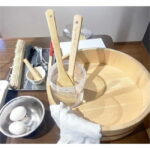
The lesson starts with dashi, the basic soup stock behind much Japanese food. This is a smart first step because it explains flavor before you start assembling dishes. You are not simply copying a recipe. You are learning why Japanese food can taste full and savory even when the ingredient list looks modest.
The class uses dashi suitable for vegetarian cooking, and vegetarian and vegan participants are welcome. That matters because stock can be a hidden problem in Japanese meals. Asking about every broth and sauce can be tiring when you cook on your own, so learning the stock method here gives you a clearer foundation.
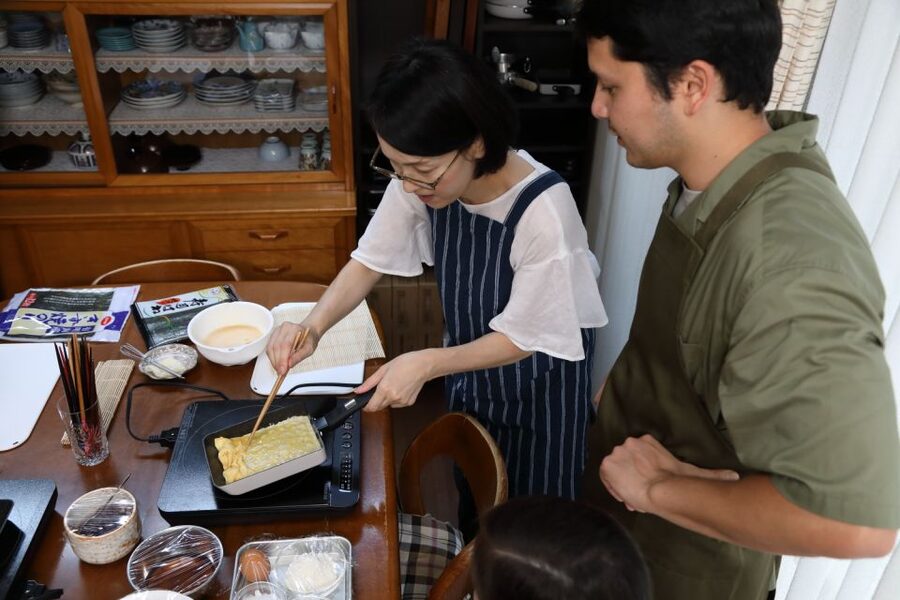
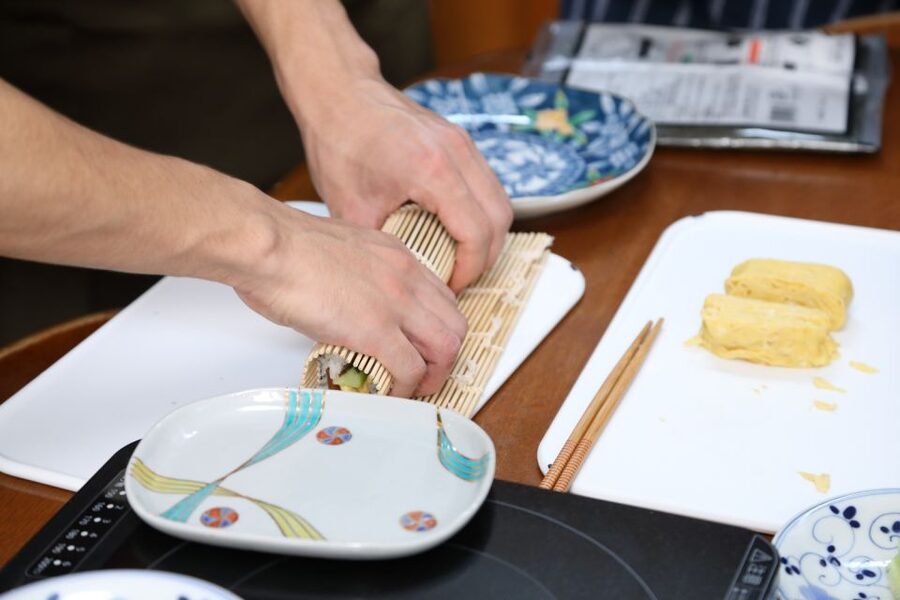
Your instructor demonstrates parts of the cooking before you take over. You then prepare the dishes yourself or with a partner. That format gives you enough guidance to avoid confusion while still making the class hands-on. If you only want to watch, this is not the right choice. The point is to chop, mix, season, and cook.
The menu includes about five dishes, although one class produced seven dishes. The exact selection can change with the season. This is useful rather than disappointing: seasonal cooking means your menu reflects what is available at the time, but you should not book expecting one fixed list of dishes.
A few more Kyoto tours and experiences worth a look


What the four-hour schedule feels like
The full activity lasts four hours, with starting times shown during the booking process. The class is arranged as a connected morning or afternoon rather than a rushed cooking demonstration followed by a separate shopping stop.
At the beginning, the instructor introduces the ingredients and explains dashi. This is where you get the basic vocabulary and technique needed for the rest of the lesson. The instructor then shows you how to prepare parts of the meal before you begin your own work.
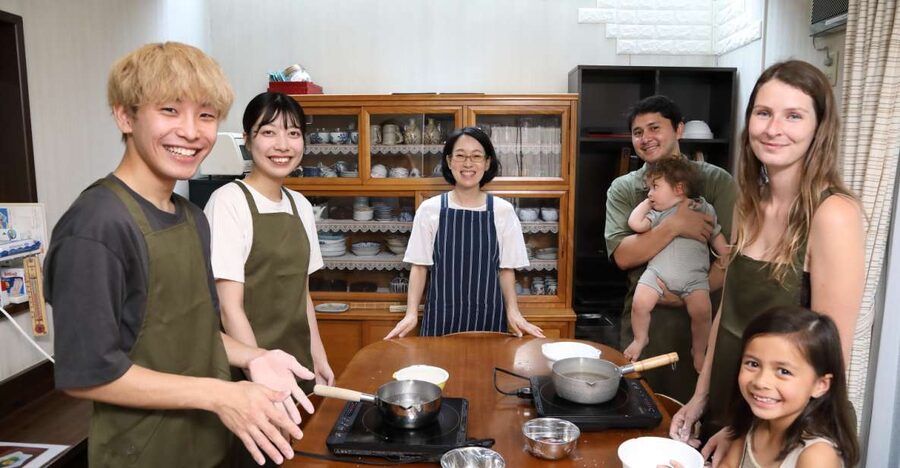
The cooking itself is the main block of time. You work alone or with a partner, depending on the group arrangement. With a maximum of six participants, the instructor can give more direct help than you would get in a large workshop. That small size also makes it easier to ask about substitutions, seasoning, or how to repeat a step.
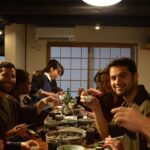
After cooking, everyone sits together for lunch in the traditional Japanese room. The setting is not a decorative extra. It changes the pace of the meal. You have time to look at the garden, enjoy the food you prepared, and share the table with the other participants.
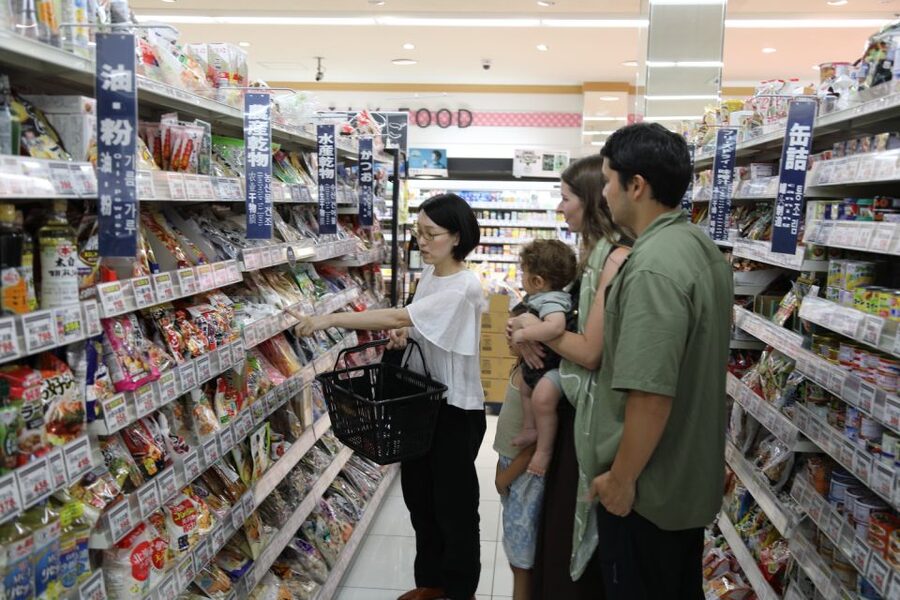
The supermarket visit comes after lunch. You look for the ingredients used in the class and learn how to identify them in a real Japanese shop. If something catches your eye, you can buy the ingredients and try the dishes at home. The tour does not include your personal purchases, so bring room in your plans and budget if you want to shop.
The traditional home adds more than atmosphere
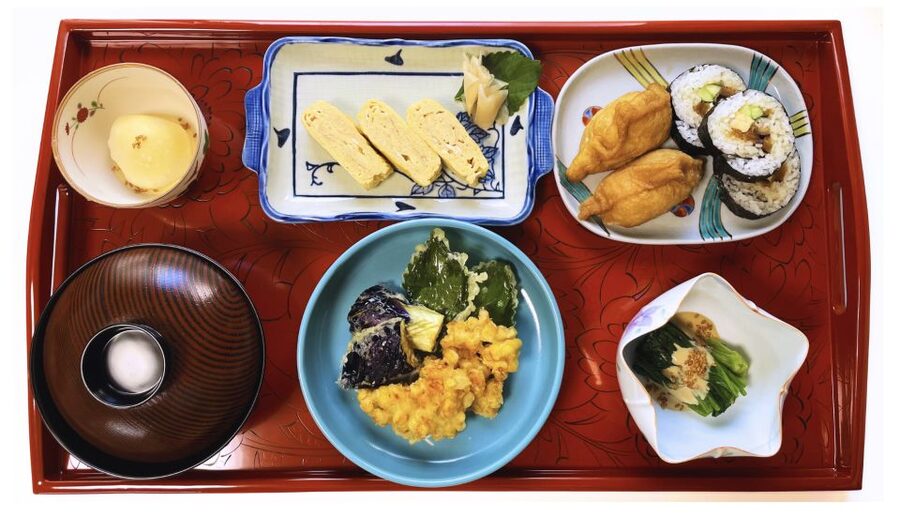
Many cooking classes take place in modern kitchens designed for instruction. This one takes place in a traditional Japanese home with a garden view. You sit on the floor or use the room as arranged, so socks are required. Bring clean, comfortable socks and expect a setting that feels more like being invited to lunch than attending a formal culinary school.
The room also gives the meal a stronger connection to Kyoto. You are eating Japanese food in a Japanese home, not just sampling dishes in a restaurant. That does not make the recipes automatically better, but it makes the whole lesson feel more personal and grounded.
The garden view is especially welcome after the active cooking session. You can slow down and enjoy the food without having to rush straight back onto a sightseeing route. If you have packed your Kyoto schedule tightly, set aside the full four hours. This is not a quick stop to squeeze between major sights.
One practical point: the experience is not suitable for wheelchair users. Children under six cannot participate, and children aged 12 and under must attend with a guardian. Families can still be a good match, since the instructor can adapt the menu for children and has been described as patient and family-friendly, but the age rules still apply.
Why the supermarket stop earns its place
The supermarket tour is one of the most useful parts of the experience. In a cooking class, you can learn a recipe and still have no idea what to buy later. Japanese packaging, unfamiliar labels, and several similar-looking products can make a simple shopping trip harder than expected.
Here, you revisit the ingredients with your instructor. You can connect what you cooked with the products on the shelf, which helps you remember the names and forms of the ingredients. The tour is not just sightseeing in a supermarket. It is a practical bridge between the lesson and your own kitchen.
This stop also helps you judge what is realistic to recreate at home. Some Japanese ingredients may be easy to find in your country, while others may require a specialist shop. The instructor can show you the products used in class, and you can buy them if you wish. Since the class provides recipes, you leave with both the instructions and a clearer idea of what to look for.
The visit will appeal most to you if you want to keep cooking after your holiday. If you only want a meal and have no interest in ingredients, it may feel longer than necessary. For food-focused visitors, though, it gives the four-hour activity a practical purpose.
English guidance in a group of six
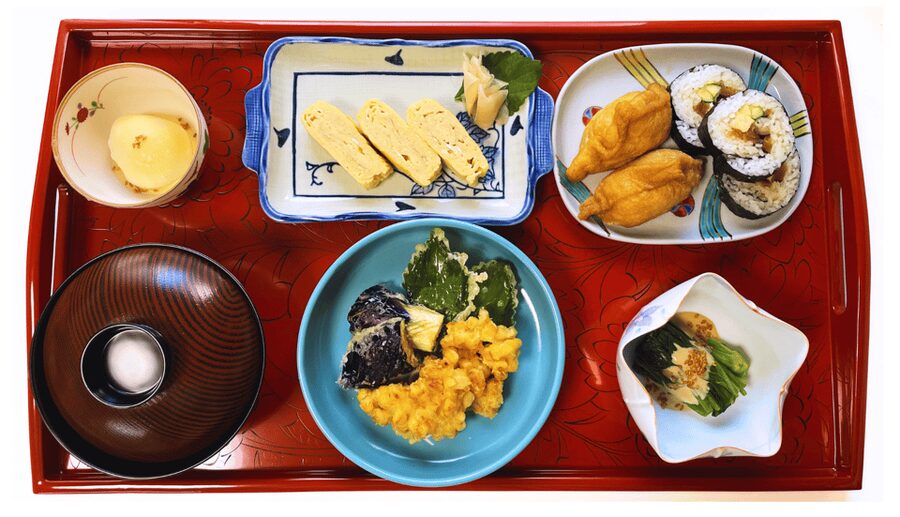
The class is conducted entirely in English. The instructors are licensed guide interpreters, so you can expect explanations of both the cooking process and the food itself in English. That is important when a recipe depends on small details such as the order of ingredients or the way a stock is prepared.
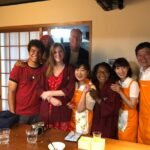
The group limit is six people. That is large enough to create a social meal, but small enough that you should have a chance to see demonstrations and ask questions. Solo participants are welcome, and the friendly teaching style makes this a workable choice if you are not traveling with a cooking partner.
You may work with another participant for part of the preparation. Couples and families can cook together, while solo participants can still take part without needing to bring someone along. The class is designed for English speakers, and the information says it can also accommodate non-English speakers, but English is the stated teaching language.
Names of individual instructors are not guaranteed for every session. Miho is associated with the class and is described as a friendly host who teaches in a beautiful traditional home. If having Miho specifically is important to you, check the booking details rather than assuming she will lead every date.
Other cooking classes in Kyoto

The value of $127 for four hours
At $127 per person, this is not a budget lunch. You are paying for more than the food on the plate: the four-hour format includes instruction, all seasonings and ingredients, lunch, the supermarket tour, and the recipes for the dishes you prepare.
The small group helps justify the price. A six-person maximum gives the instructor room to correct your technique and answer questions. The English guidance also saves you from trying to decode a recipe while cooking. For someone who wants a useful food lesson rather than a quick tasting, those details carry real value.
The traditional home is another part of the price. You are not only renting kitchen time. You are eating in a setting with a garden view and learning in a space meant to feel like a local home. That atmosphere will matter more to some people than to others.
The strongest value comes if you use the recipes afterward. If you return home and cook the dishes for family or friends, the supermarket tour and recipe collection become useful long after the class ends. If you are mainly looking for an inexpensive meal near Fushimi Inari, you can find cheaper ways to eat in Kyoto.
Lunch is included, but gratuity is not. Hotel pickup and drop-off are also not included, so you need to make your own way to the meeting point and return afterward. The exact starting times depend on availability, so check the schedule before planning other activities around it.
Who will enjoy this class most
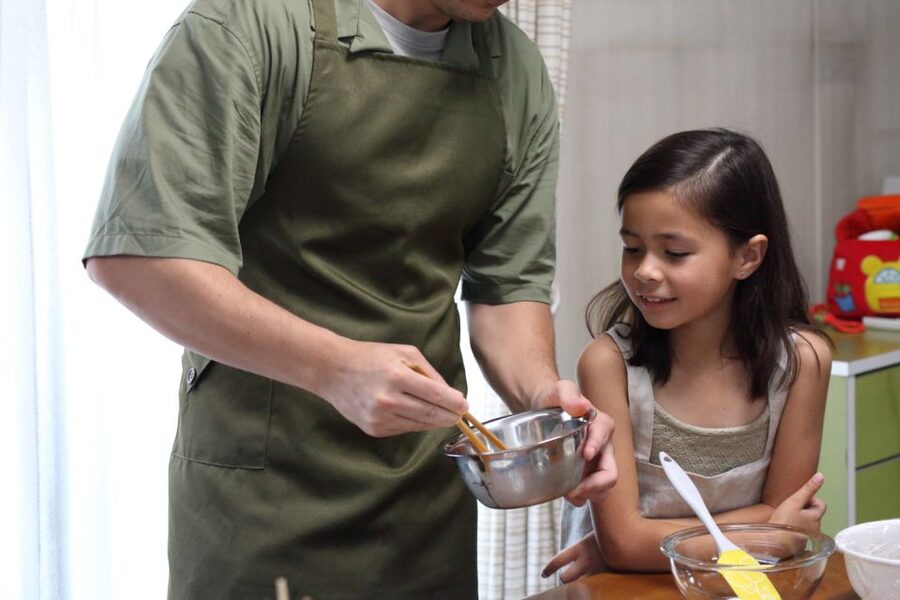
I would recommend this class to you if food is part of the reason you came to Kyoto, not simply something you need between sights. It suits home cooks, curious beginners, couples, solo visitors, and families with children old enough to take part under the stated rules.
It is also a good fit if you want context. Dashi, supermarket ingredients, seasonal changes, and the traditional room all add meaning to the cooking. You learn how the meal comes together and how you might find the building blocks again.
Vegetarians and vegans have a clear reason to consider it, since the class uses vegetarian dashi and welcomes both. Still, if you have other dietary restrictions, the supplied information does not explain how the menu can be changed. Ask before booking rather than relying on an assumption.
This may not suit you if you dislike hands-on activities, cannot sit or move around the traditional home comfortably, or have only a short gap in your schedule. The supermarket tour is valuable, but it also means the activity occupies a substantial part of your day.
A useful Kyoto memory, not just another meal
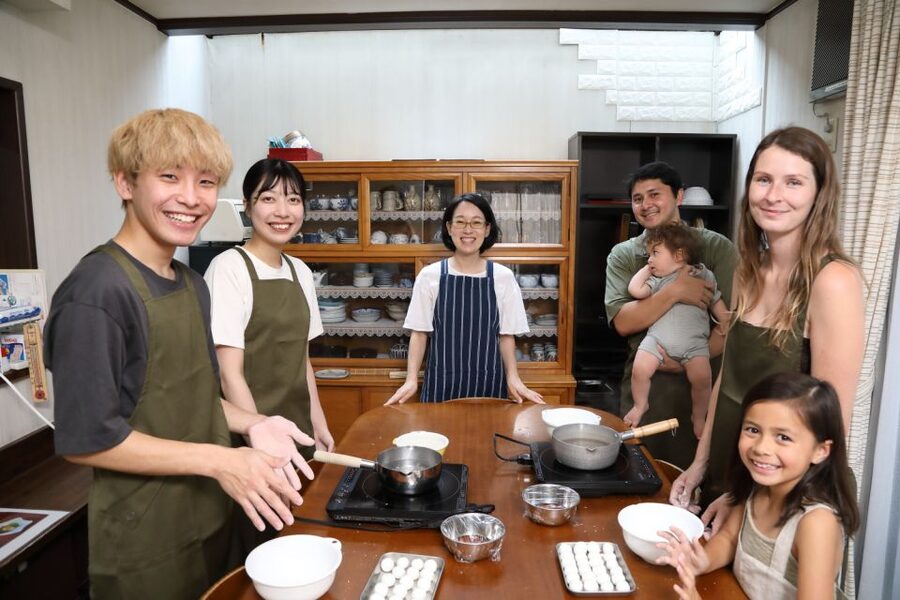
The best part of this class is its complete arc. You learn the foundation with dashi, prepare the food, eat it in a traditional room, then find the ingredients in a local supermarket. Each step supports the next one.
The class also gives you something that a restaurant cannot: the ability to repeat part of the experience at home. The recipes and shopping guidance make Japanese cooking less mysterious once you leave Kyoto. You may not find every ingredient easily, but you will know more clearly what you are looking for.
The menu changes by season, and the number of dishes may vary. That keeps the lesson tied to the time of year, though it means you should treat any sample menu as a guide rather than a promise. The emphasis is on learning basic Japanese cooking methods, not ordering a fixed tasting menu.
Should you book it?
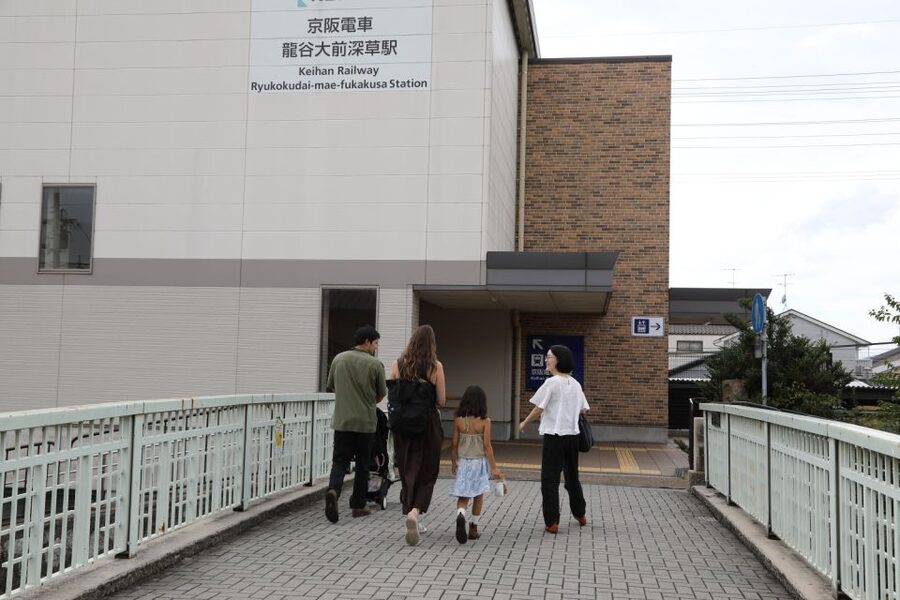
Book this experience if you want a small, friendly, English-language cooking lesson with a real home setting and a useful supermarket follow-up. The combination of hands-on cooking, garden-view lunch, vegetarian-friendly dashi, and take-home recipes gives it more substance than a simple food activity.
Skip it if $127 feels too high for lunch and a class, or if your priority is spending the day sightseeing with minimal scheduled time. For food-minded visitors who value personal instruction and want to recreate Japanese dishes at home, this is a strong choice near Fushimi Inari.
FAQ
How long does the Kyoto cooking class and supermarket tour last?
The full experience lasts four hours. This includes the cooking lesson, lunch, and the visit to a local supermarket.
Where does the experience take place?
It takes place in the Kansai Region of Japan, near Fushimi Inari, in a traditional Japanese home with garden views.
How much does the experience cost?
The listed price is $127 per person.
What food do I prepare?
You prepare about five Japanese dishes, either by yourself or with a partner. The exact menu can change by season, and some sessions may include more dishes.
Is lunch included?
Yes. Lunch made from the dishes prepared during the class is included.
Are ingredients and seasonings included?
Yes. All seasonings and ingredients used in the class are included.
Is the class taught in English?
Yes. The class is conducted in English, and the instructors are licensed guide interpreters.
How many people can join the class?
The group is limited to a maximum of six participants.
Are vegetarian and vegan participants welcome?
Yes. The class uses dashi suitable for vegetarian cooking and welcomes vegetarian and vegan participants.
What should I bring?
You should bring socks. Children aged 12 and under must participate with a guardian, and children under six cannot join. The activity is not suitable for wheelchair users.
More Cooking Classes in Kyoto
More Cooking Classes in Kyoto
More Fushimi Inari Tours in Kyoto
More tours in Kyoto we've reviewed





Fushimi Inari Tours, compared.
 ★ 4.8Kyoto: Fushimi Inari, Kinkakuji, Bamboo Grove 1 Day Bus TourFrom $122510 minutes - 9 hours
 ★ 5.0Fushimi Inari Hidden Hiking Tour (Private Option Available)From $63
 ★ 4.7Kyoto/Osaka: Nara, Fushimi Inari Taisha, Arashiyama Bus TourFrom $529 - 10 hours
 ★ 4.4Osaka/Kyoto: Arashiyama, Nara & Fushimi Inari Shrine w/LunchFrom $61
 ★ 5.0Kyoto: Nijo, Kinkaku-ji, Arashiyama, Kiyomizu & Fushimi InariFrom $51
 ★ 5.0Kyoto Fushimi-Inari Night Walking TourFrom $43