
Reviewed · TICKETS
Kyoto Aquarium Admission Ticket
Kyoto Aquarium brings together dolphins, penguins, jellyfish, seals, and giant salamanders in a setting that feels more thoughtful than flashy. Its strongest idea is coexistence: Kyoto’s water supports both wild creatures and the old satoyama countryside recreated inside the building.
I like the penguin area, where each bird seems to have its own way of moving and behaving, and I like the giant salamander exhibit, which gives a rare look at an ancient animal strongly tied to Japan. The main drawback is simple: you cannot re-enter, so plan your visit around the full day rather than treating the aquarium as a quick stop.
In This Review
- Key points
- Starting in Umekoji Park
- Dolphins bring the biggest burst of energy
- Penguins reward patient watching
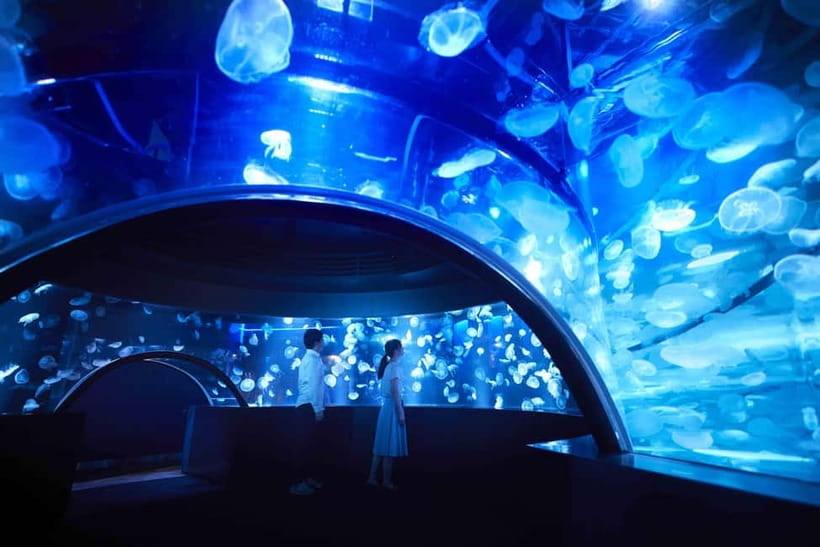
- Jellyfish create a slower, quieter stop
- Ancient giant salamanders are the unusual highlight
- Satoyama links animals to Kyoto life
- A $16 ticket offers useful flexibility
- Practical rules that shape the visit
- Who will enjoy Kyoto Aquarium most
- Should you book this Kyoto Aquarium ticket?
- FAQ
- How much does Kyoto Aquarium admission cost?
- How long is the ticket valid?
- Can I leave and re-enter the aquarium?
- Is the Kyoto Aquarium wheelchair accessible?
- Can I bring a pet inside?
- Can I take photographs and videos?
- What animals can I see at Kyoto Aquarium?
- Is the ticket refundable?
Key points
- Dolphin performances show the animals’ speed, agility, and intelligence in a lively setting.
- Penguin viewing gives you time to notice individual behavior instead of seeing a featureless group.
- Jellyfish tanks and seals are especially good choices if you want slower, more atmospheric viewing.
- Japanese giant salamanders provide an unusual look at one of the country’s oldest and rarest aquatic animals.
- The satoyama recreation connects the aquarium’s animals with Kyoto’s traditional rural life and water sources.
- A $16 ticket offers flexible one-day access, but the non-refundable ticket and no re-entry rule call for a little planning.
Starting in Umekoji Park
Kyoto Aquarium sits in Umekoji Park, surrounded by lawns and trees. That setting matters. You are not entering a noisy entertainment complex cut off from its surroundings. The park gives the visit a calmer beginning and helps the aquarium’s central theme make sense: water, wildlife, and human life are linked.
The aquarium is a good choice when you want a break from Kyoto’s temples and crowded shopping streets. You can keep the pace gentle, stop often, and spend more time with the exhibits that interest you. The ticket is valid for one day, so you are not pushed through on a fixed tour schedule.
I would allow several hours, even though the official validity is one day. The building has enough variety to hold your attention beyond a quick circuit. One parent and child expected to stay only a couple of hours and ended up spending several more. That is a useful warning if you are planning another timed activity later.
There is no re-entry, so use the aquarium as one complete outing. If you want to eat, rest, or visit other parts of Umekoji Park, think about your schedule before going inside.
A few more Kyoto tours and experiences worth a look

Dolphins bring the biggest burst of energy
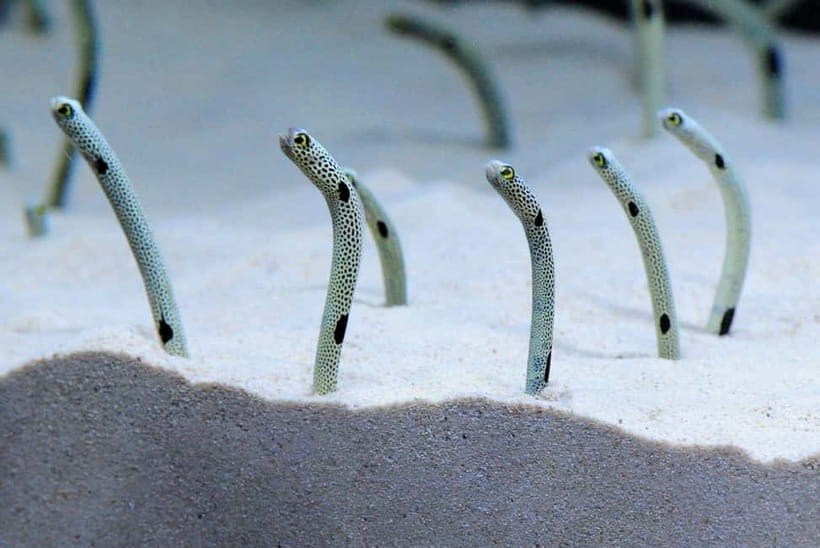
The dolphin performances are the aquarium’s most active moment. You can watch these powerful animals move with speed and control, while their behavior shows just how alert and trainable they are. The performances give children an immediate point of excitement, but adults who care about animal behavior should find plenty to notice as well.
This part of the visit changes the rhythm. The aquarium’s fish and amphibian displays invite quiet observation, while the dolphins provide movement and sound. If you are visiting with a young family, this is a useful anchor for the day. You can build the rest of your route around it instead of trying to inspect every tank in order.
The supplied information does not give exact performance times, so check the current schedule when you arrive. Since the ticket is valid for the day, you have room to arrange your visit around the show if times are available.
Keep in mind that a performance is a scheduled attraction, unlike the free-flowing exhibits. If you miss it, the rest of the aquarium still offers plenty to see, but the dolphin segment may be the part children remember most.
Penguins reward patient watching
The penguin area is not just about spotting a popular animal and moving on. The appeal is in noticing differences between individuals. Some may be more active, some more reserved, and some more interested in what is happening around them.
I like this kind of exhibit because it slows you down. Instead of treating the animals as a single group, you begin to watch posture, movement, and interactions. That makes the visit feel more personal without requiring a long explanation.
For families, penguins are an easy win. They are recognizable, lively, and simple to watch for a few minutes at a time. For adults, they offer a chance to linger and observe behavior. If your first pass feels crowded or rushed, return to the area later during the same visit, since you cannot come back after leaving the building.
The aquarium’s staff can also provide information about the animals. If you have a particular interest, speak with a breeding staff member. The staff are described as passionate about the creatures in their care, and a short conversation may add more meaning to what you see.
Jellyfish create a slower, quieter stop
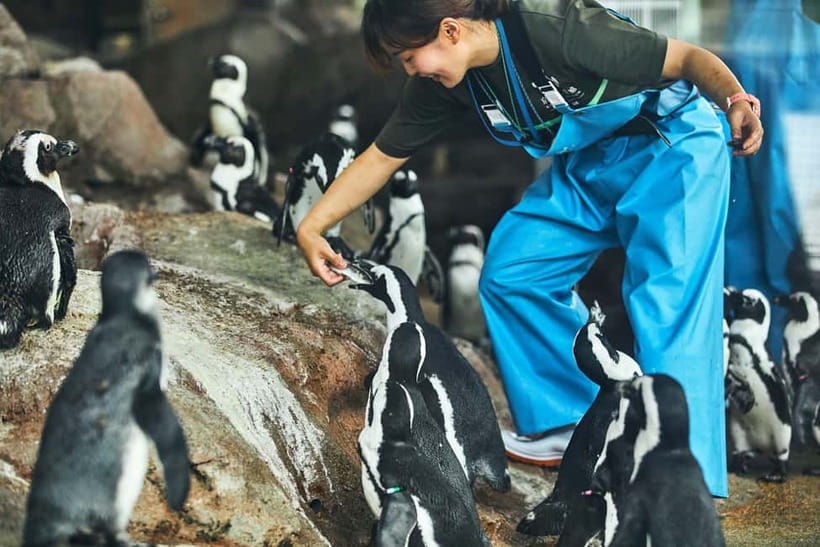
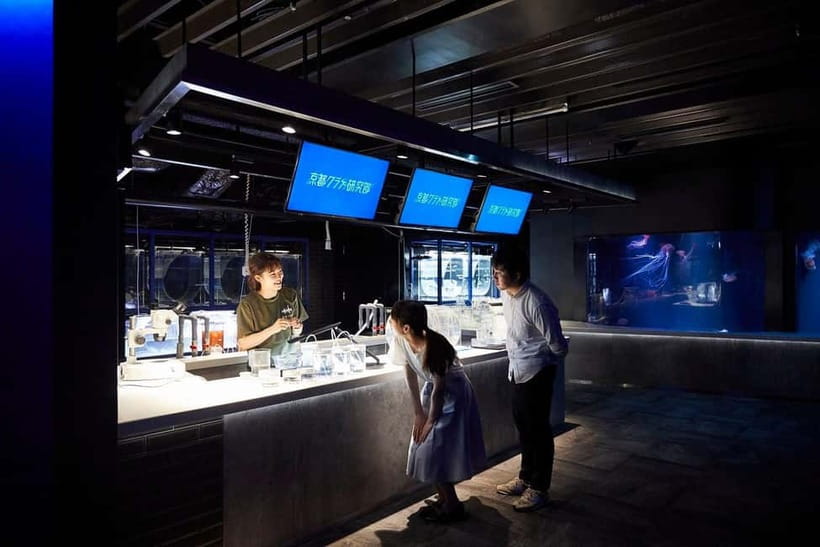
The jellyfish displays have been a favorite part of the visit for some people, with the seals close behind. That makes sense. Jellyfish tanks can offer a calm pause after the noise and motion of dolphins, and they give you a chance to watch a very different kind of life.
I would not rush through this section. The movement is gentle, and the appeal comes from looking closely rather than checking off a famous animal. If you are taking photographs, this may be one of the places where you want to spend extra time, although flash photography is not allowed inside for the protection of the animals.
The jellyfish area also helps balance the aquarium’s program. You get high-energy dolphins, active penguins, and then a display that feels almost meditative. That variety is one reason a visit can stretch from a short stop into several hours.
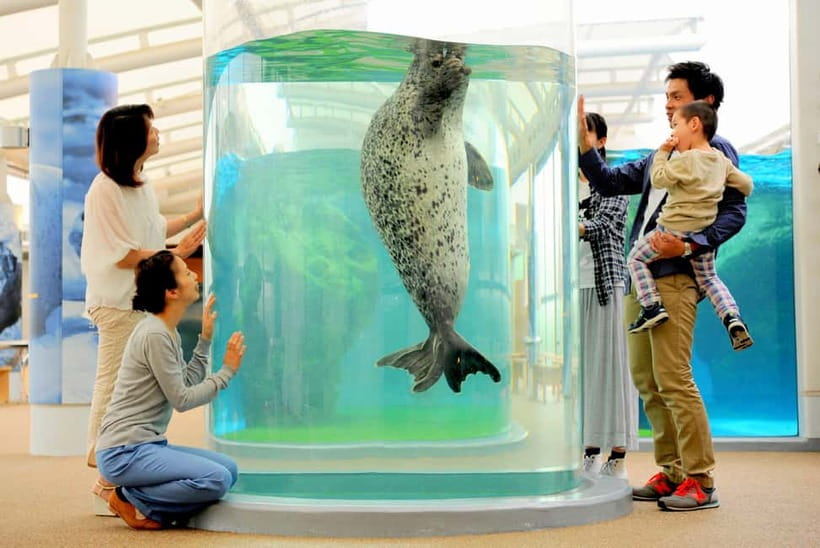
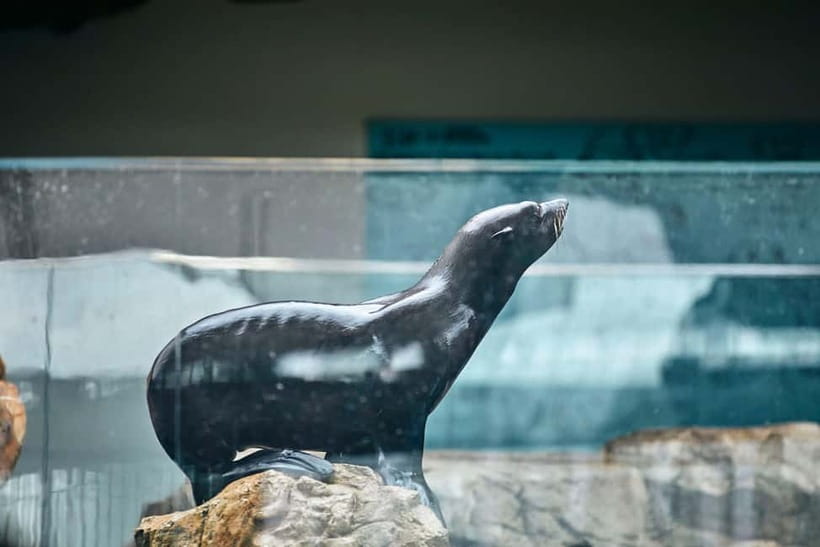
Seals are another strong choice. They bring more movement than the jellyfish, but they still offer a different experience from the dolphin performances. If you are choosing only a few areas to prioritize, I would put dolphins, penguins, jellyfish, and seals near the top.
Ancient giant salamanders are the unusual highlight
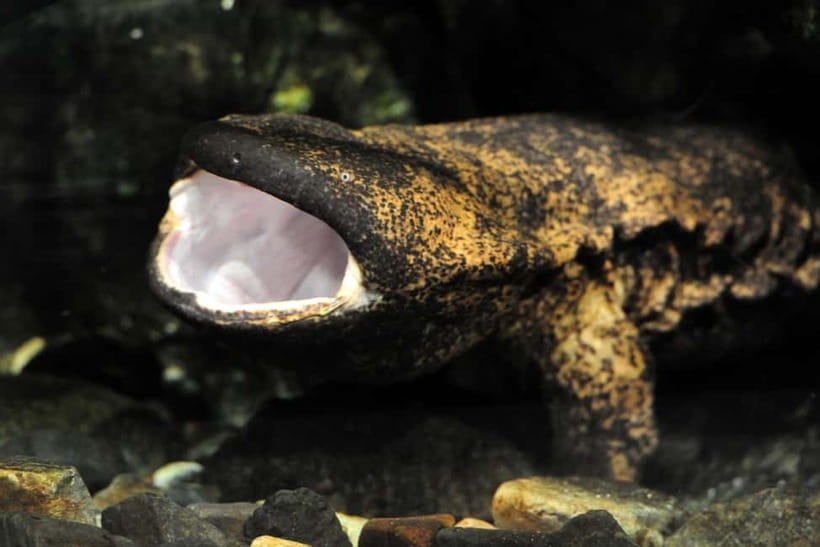
The giant salamanders may be the most distinctive part of Kyoto Aquarium. These large amphibians have an ancient lineage and are rare enough that many visitors will not have seen them before. Their appearance is less cute than a penguin or seal, but that is part of the appeal.
The exhibit gives you a chance to think about Japan’s rivers and freshwater habitats. These animals are tied to clean, flowing water, so they fit the aquarium’s wider focus on Kyoto’s water blessings. You are not simply looking at an odd creature. You are seeing an animal that helps explain why freshwater protection matters.
The salamanders may not provide the quick visual reward of dolphins leaping or penguins moving around. Give yourself a moment to adjust. This is a display for close attention, and it suits anyone who prefers unusual wildlife to familiar headline animals.
If you have questions, ask the breeding staff. The aquarium specifically encourages visitors to speak with staff about the creatures they find interesting. That option is valuable here because giant salamanders are not animals most people know much about.


Satoyama links animals to Kyoto life
The recreated satoyama setting is one of the aquarium’s most important ideas. Satoyama refers to the traditional countryside where forests, fields, streams, and villages have long existed in close contact. The exhibit shows how human life and nature can share space rather than being treated as separate worlds.
This section gives the aquarium a local identity. Many aquariums could show dolphins, penguins, or jellyfish. Kyoto Aquarium adds something specific to the region by connecting its displays to the water and rural environments that shaped Kyoto.
I like this approach because it gives the animals context. The aquarium is not only about collecting attractive creatures in one building. It asks you to consider the habitats that support them and the daily choices that affect those habitats.
The satoyama recreation may appeal most to adults who want more than a standard animal display. It also gives families a simple way to talk about forests, streams, farming, and wildlife without turning the visit into a classroom lecture. The setting is calm, and it provides a welcome change from the more theatrical parts of the aquarium.
A $16 ticket offers useful flexibility
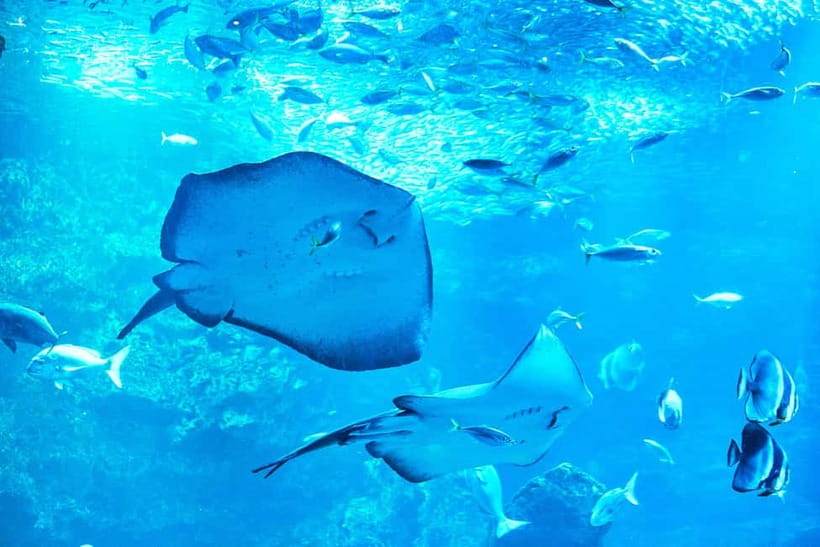
At $16 per person, the admission price is reasonable if you plan to stay for several hours. The value comes from the mix of exhibits rather than from one single attraction. You get dolphins, penguins, jellyfish, seals, giant salamanders, and the satoyama display under one admission ticket.
The ticket is valid for one day, which is helpful if you want to set your own pace. You can linger at the areas that interest you instead of following a guide or a fixed group. This is especially useful for families, since children often want to spend a long time with one animal and skip another.
Still, the value depends on how much time you have. If you are trying to squeeze in a short visit between major Kyoto sights, the ticket may feel less worthwhile. The aquarium can hold attention for more than two hours, and the no re-entry rule means you should not plan to pop in and out around other activities.
The ticket is non-refundable. That makes it wise to confirm your schedule before purchase, especially if you are traveling with a group. There is no need to over-plan the route inside, but you should avoid buying the ticket for a day when your plans are uncertain.
Practical rules that shape the visit
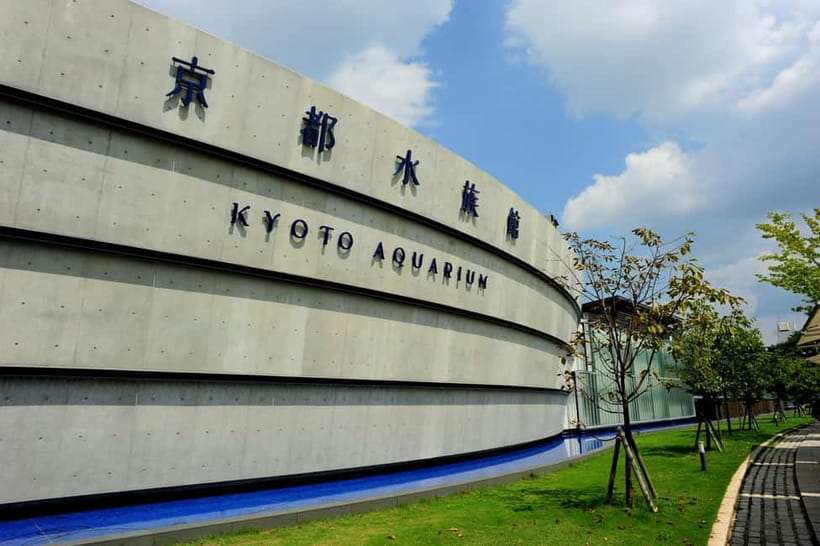
Kyoto Aquarium is wheelchair accessible, making it a practical option for visitors who need step-free access. The information provided does not give detailed route notes, so you may still want to ask staff for the best path if you have specific mobility needs.
Pets cannot enter the building. Assistance dogs, including guide dogs, may accompany their handlers. If you are traveling with an ordinary pet, arrange care elsewhere before arriving.
Photography and video are allowed, but flash photography is not. This protects the animals and also makes the viewing areas more comfortable for everyone. Use the natural light available and keep your camera ready without letting it take over the visit.
The admission covers the Kyoto Aquarium ticket. Food, transport, and other purchases are not included in the information provided. The souvenir shop is worth a look if you are shopping for a child or want a small reminder of the visit. It has been praised as an excellent part of the experience, though shop purchases are separate from admission.
Who will enjoy Kyoto Aquarium most
I would recommend this aquarium to families, animal lovers, and anyone who wants a quieter Kyoto attraction with enough variety to fill several hours. Children get the dolphins and penguins, while adults can spend time with jellyfish, salamanders, and the satoyama display.
It also suits visitors who enjoy returning to a favorite exhibit during one visit. You cannot re-enter after leaving, but the building itself has enough range that you can change pace inside. Watch a performance, study a tank, speak with staff, then take a slower look at the rural setting.
It may be less suitable if you want a very small aquarium you can finish in under an hour. The ticket also requires commitment because it is non-refundable. If your Kyoto schedule is packed with fixed reservations, check the timing carefully before buying.
The current rating is 4.7 out of 5 from 12 ratings, which fits the overall experience: strong appeal, plenty to see, and only a few practical limits. One rating described the entry process as smooth but called the experience average, so expectations should stay sensible. This is a well-presented aquarium with a clear local theme, not a substitute for seeing Japan’s wildlife in the wild.
Should you book this Kyoto Aquarium ticket?
Book it if you want a flexible half-day or longer outing with dolphins, penguins, jellyfish, seals, giant salamanders, and a Japanese rural setting. The $16 price is fair when you have time to use the ticket properly.
I would especially choose it for a family day in Kyoto or for a rainy-weather plan, though the surrounding park is also pleasant when conditions are good. Skip it if you have only a brief gap in your schedule or if your plans may change, since the ticket cannot be refunded and you cannot re-enter.
Go with enough time to watch rather than rush. The best parts are not only the dramatic dolphin performances, but also the quieter moments with penguins, jellyfish, and the ancient salamanders.
FAQ
How much does Kyoto Aquarium admission cost?
Admission costs $16 per person.
How long is the ticket valid?
The ticket is valid for one day. Check availability for the available starting times.
Can I leave and re-enter the aquarium?
No. Re-entry is not possible, so plan to complete your visit before leaving the building.
Is the Kyoto Aquarium wheelchair accessible?
Yes. The activity is wheelchair accessible.
Can I bring a pet inside?
No. Pets are not allowed inside the building. Assistance dogs, such as guide dogs, may enter with their handlers.
Can I take photographs and videos?
Yes. Photography and video are allowed, but flash photography is not permitted inside because of biological protection.
What animals can I see at Kyoto Aquarium?
The aquarium includes dolphins, penguins, jellyfish, seals, giant salamanders, and other living creatures. It also has a recreated satoyama setting.
Is the ticket refundable?
No. This activity is non-refundable.
More Tickets in Kyoto


More tours in Kyoto we've reviewed









Tickets, compared.
 ★ 3.9Kyoto: Hop-on Hop-off Sightseeing Bus TicketFrom $271 - 2 days
 ★ 4.7Osaka/Kyoto: Hiroshima Miyajima Bus Tour & Shinkansen TicketFrom $27712 hours
 ★ 4.9Kyoto: Tea Museum Tickets and Matcha Grinding ExperienceFrom $231 hour
 ★ 4.2Kyoto: Ninnaji Temple Entry TicketFrom $51 day
 ★ 4.5Skip the lines Basic Ticket at SAMURAI NINJA MUSEUM KYOTOFrom $28
 ★ 4.6Kyoto: Full-Day Guided Bus Tour to Top Highlights & TicketsFrom $50