
Reviewed · FUSHIMI INARI TOURS
Near Fushimiinari: Kyoto Home Cooking Class & Supermarket tour
The best part of this Kyoto experience is that you do not just watch someone cook. In a traditional Japanese home near Fushimi Inari, Miho guides you through dashi, several everyday dishes, and a shared meal with a garden view. You finish with a short supermarket visit that makes Japanese food labels and ingredients less puzzling.
I like the small group of up to six, which leaves room for questions and hands-on work. I also like the practical recipes and the supermarket stop, since you can see where to find the ingredients after learning how to use them. The main drawback is the price, $118.92 per person, which is a serious outlay for a four-hour class, and drinks are not included.
In This Review
- Key points at a glance
- Why this class feels different from a standard cooking lesson
- Arriving near Fushimi Inari at 9:30 a.m.
- Starting with dashi, the base of Japanese home cooking
- Preparing five dishes instead of watching from the sidelines
- Lunch in a tatami room with a garden view
- The supermarket visit that makes Japanese ingredients clearer
- What the English instruction is like
- Is $118.92 good value?
- Who will enjoy this most?
- Practical planning for your Kyoto day
- Should you book the Fushimi Inari cooking class?
- FAQ
- Where does the cooking class begin?
- What time does the experience start?
- How long does the experience last?
- How many people can join the class?
- Is lunch included?
- Are drinks included?
- Is the class taught in English?
- Does the experience include a supermarket visit?
- Can I cancel for a full refund?
Key points at a glance
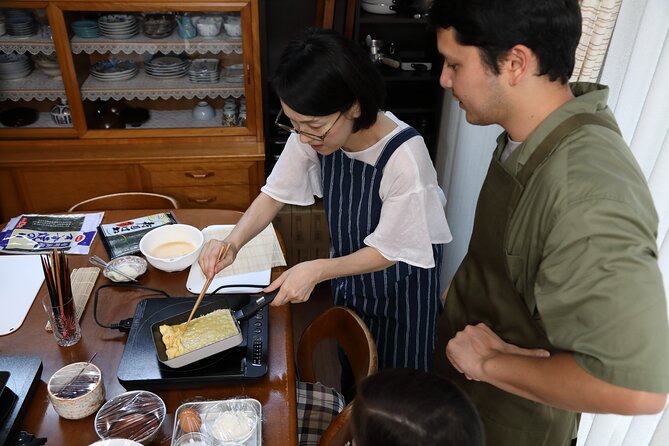
- Cook about five dishes: You prepare the food yourself or work with a partner after demonstrations from the instructor.
- Start with dashi: The lesson explains the Japanese soup stocks that form the base of many home dishes.
- Learn with Miho: The English-speaking instructor is a licensed guide interpreter and explains both cooking methods and food culture.
- Eat in a traditional room: Your meal is served in a tatami room with a tokonoma display area and a Japanese garden view.
- Shop for the ingredients afterward: A roughly 30-minute supermarket visit helps you identify the products used in class.
- Stay near Fushimi Inari: The meeting point is convenient for combining this class with time around one of Kyoto’s major shrines.
Why this class feels different from a standard cooking lesson
Many cooking classes put you at a worktable and hand you a recipe. This one adds a sense of place. You enter an older Japanese house, cook in the kitchen, then sit down in a traditional room to eat what you made.
That change of setting matters. Food in Japan is tied closely to season, presentation, household habits, and the careful use of stock. A class held in a home gives those details more room than a large commercial kitchen usually can.
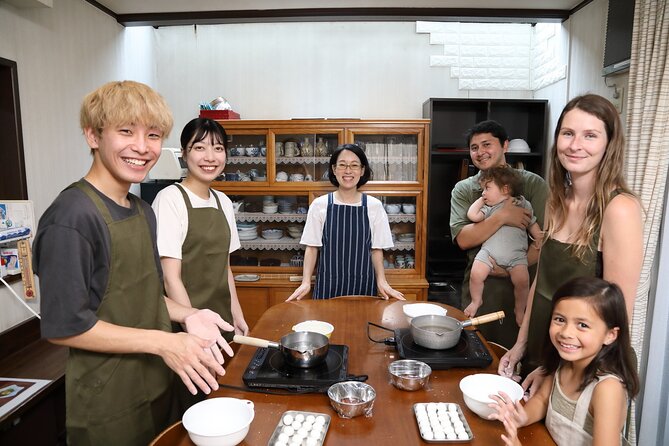
The group limit of six is another strong point. You are not lost at the back of a demonstration. You can ask how to handle a technique, check whether your vegetables are cut correctly, or ask about an ingredient you have noticed in restaurants.
The class is conducted in English, and the instructor is a licensed guide interpreter. That is useful here because the lesson goes beyond a list of steps. You can ask about Japanese customs, cooking habits, and the role of particular ingredients as you work.
A few more Kyoto tours and experiences worth a look


Arriving near Fushimi Inari at 9:30 a.m.
The class begins at 9:30 a.m. at 38-4 Fukakusa Watamoricho in Fushimi Ward. It ends at the same meeting point, so you do not need to arrange a second pickup location after lunch and shopping.
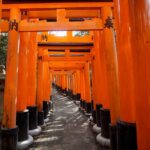
The location is near public transportation and close to Fushimi Inari Shrine. That makes this an easy fit for a morning or afternoon around the shrine, though you should allow enough time to reach the address without rushing. The activity itself lasts about four hours, including the supermarket visit.
The shrine is one of Kyoto’s busiest sights, so planning the order of your day is sensible. You could take the class first and visit Fushimi Inari afterward, or spend time at the shrine before the 9:30 start if your schedule allows. The meeting point is not a hotel pickup, so you are responsible for getting there.
Starting with dashi, the base of Japanese home cooking
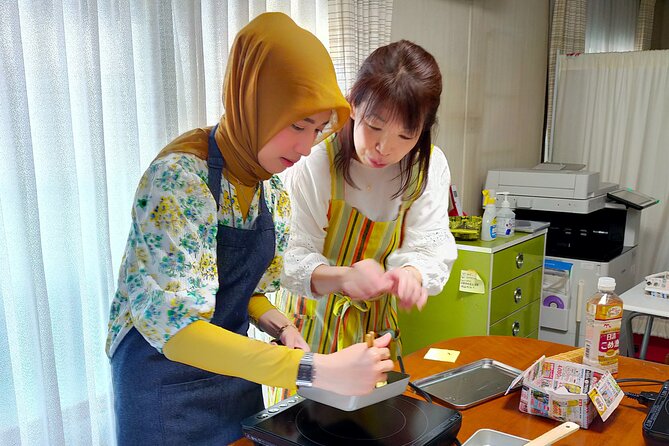
The first lesson focuses on dashi, the soup stock used in a great deal of Japanese cooking. This is one of the most useful things to learn because dashi often supplies the quiet savory flavor behind miso soup, simmered dishes, sauces, and other home recipes.
Rather than treating stock as a minor detail, the class gives it center stage. You get a better sense of why a simple Japanese dish can taste full without being heavy or overloaded with seasoning.
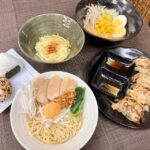
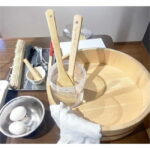
The exact dishes can vary, but the cooking includes about five preparations. Examples described from the class include miso soup, sushi, spinach salad, tempura, and mochi. That is a nice range: soup, rice, vegetables, fried food, and dessert.
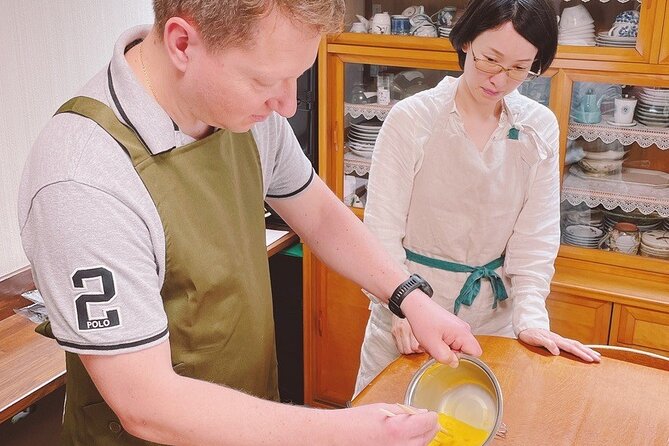
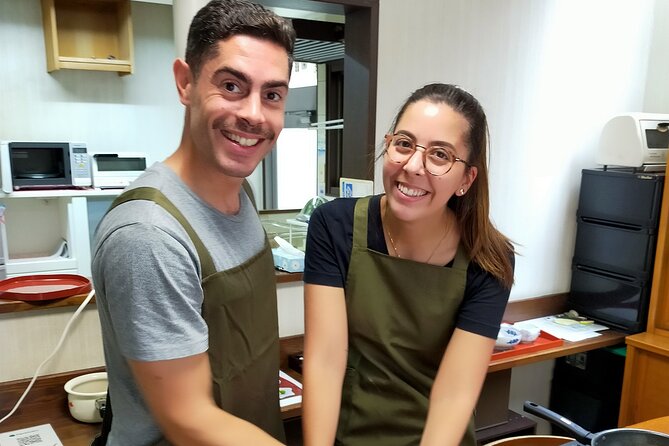
You may cook alone or share tasks with a partner. Miho demonstrates techniques before you begin, which helps take the pressure off. This format is well suited to people who want to do the work but still appreciate clear guidance before handling unfamiliar ingredients.
Preparing five dishes instead of watching from the sidelines
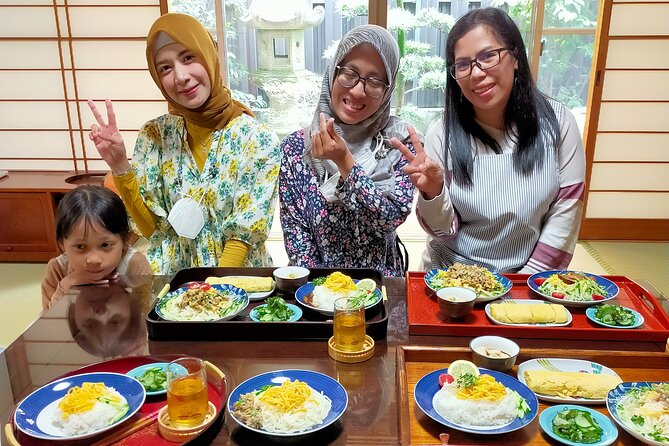
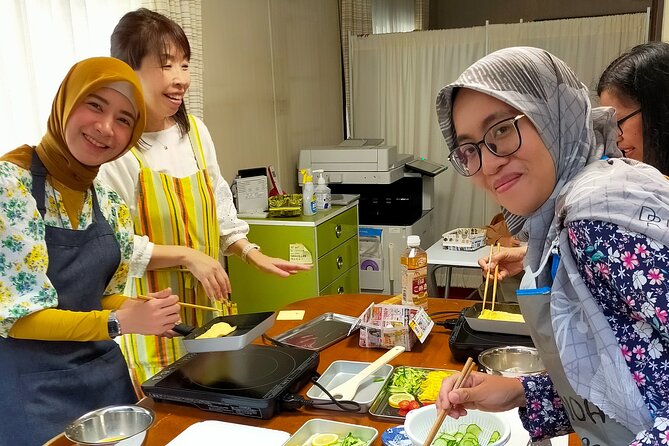
The hands-on nature is the heart of the class. You are not simply seated while a chef completes the meal. After each demonstration, you prepare the dishes yourself, with the small group format allowing time for questions.
That is especially helpful with foods such as sushi and tempura, where small details affect the result. You can see how the instructor handles the ingredients, then try the process while the method is still fresh in your mind.
The recipes are intended to be useful beyond Kyoto. You receive recipes to take home, so the class can continue after your trip. That gives the price more value than a meal alone, particularly if you enjoy cooking or want to introduce Japanese dishes to family and friends.
Mochi is another memorable touch. The class may include making mochi, and one session finished with mochi as dessert. It is a hands-on way to end the meal, though anyone hoping for a fixed menu should understand that the precise selection is not fully specified.
The food is described as simple and authentic rather than elaborate restaurant cuisine. That is a plus if your aim is to learn the kind of dishes you might prepare at home. It may be less appealing if you want a formal chef’s tasting menu or highly advanced culinary training.
Lunch in a tatami room with a garden view
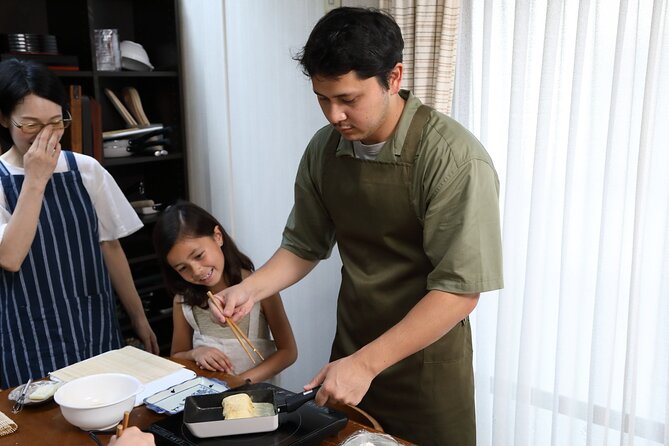
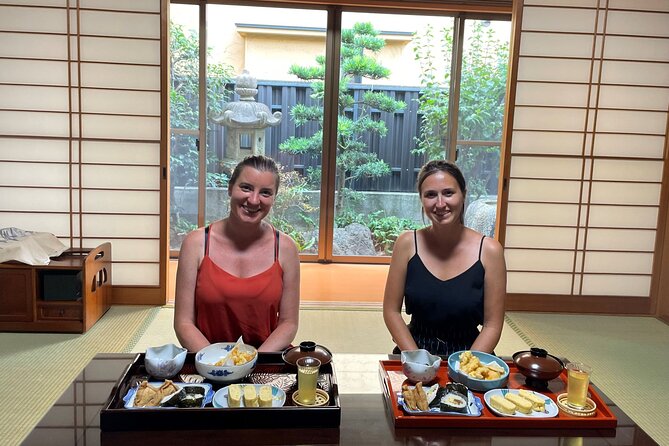
After cooking, you sit together and eat the meal in a traditional Japanese room. The room has tatami flooring, a tokonoma display area, and a view toward a tranquil Japanese garden.
This is more than a decorative backdrop. Sitting on tatami and eating food you helped prepare gives the class a distinctly domestic feel. It also provides a calm pause after the kitchen work.
Lunch is included, along with the seasonings and ingredients used in the cooking. Drinks are not included, so plan to purchase your own if you want something beyond the food provided.
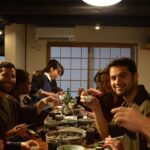
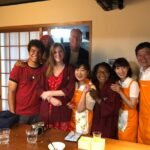
The class is social by design. You share the meal with the other participants, which can be a good way for solo visitors to meet people without the forced feeling of a group sightseeing tour. The maximum of six keeps the table small enough for conversation.
At the same time, the group setting is worth considering. If you prefer a private lesson or want the instructor’s attention at every moment, a class with up to six people may feel less personal. The small size limits this issue, but it does not remove it.
Other cooking classes in Kyoto

The supermarket visit that makes Japanese ingredients clearer
After the meal, the group walks to a local supermarket for about 30 minutes. The purpose is practical: you look for the ingredients used in the class and learn how Japanese products are arranged and labeled.
This short visit may be the most useful part for anyone planning to cook at home. Japanese supermarkets can be hard to read at first, even when you recognize the shape of an ingredient. Packaging, cuts of fish, sauces, stocks, and seasonings may not be obvious if you cannot read Japanese.
Miho explains what is in the store and can help you choose ingredients. You can buy products for use at home, though purchases are not part of the tour price.
The supermarket is not a long shopping excursion, and you should not expect a full food market tour. It is a focused follow-up to the lesson. You first learn what an ingredient does, then see how it looks on a Japanese shelf. That connection makes the recipes easier to repeat.
For many people, the visit also adds cultural context. A restaurant shows you the finished dish. A supermarket gives you a glimpse of ordinary food shopping and the products used in Japanese kitchens every day.
What the English instruction is like
The class is conducted entirely in English. Miho is identified as an English-speaking licensed guide interpreter, and the teaching includes cooking directions as well as background on Japanese cuisine and customs.
Clear English matters in a lesson built around timing and technique. You need to understand when to add an ingredient, how to prepare it, and what result to look for. You can also ask questions as they arise rather than trying to guess from a demonstration.
The class welcomes English and non-English speakers. The practical work gives everyone something to follow, even if language ability differs within the group. Still, the main instruction is in English, so people seeking instruction in another language should confirm that before booking.
The strongest praise centers on Miho’s friendly, patient approach. She explains methods carefully, answers questions, and helps participants understand how to reproduce the dishes at home. That personal teaching style is important because a four-hour class can feel rushed if the instructor simply moves from recipe to recipe.
Is $118.92 good value?
At $118.92 per person, this is not a cheap lunch. You are paying for roughly four hours, the instruction, lunch, ingredients, seasonings, all fees and taxes, the recipes, and the supermarket visit.
The value improves if you count the experience as three parts:
- A hands-on cooking lesson
- A home-style meal in a traditional setting
- A guided look at a local supermarket
You also leave with recipes and a better chance of finding the ingredients later. For someone who would otherwise book a separate food tour and a cooking class, the combined format may make sense.
The price is harder to justify if you mainly want to eat Japanese food. Kyoto has less expensive meals, and this is not designed as a restaurant experience. You should book it for the instruction, the home setting, and the chance to cook, not simply for lunch.
The six-person limit helps protect the value. A large class might offer the same menu but less personal attention. Here, you can ask questions and take part in each preparation.
Who will enjoy this most?
I would recommend this class to you if you want a practical cultural activity rather than another sightseeing stop. It suits curious home cooks, solo visitors, couples, and small groups who enjoy learning by doing.
It is also a good choice for a first visit to Japan if you feel unsure about Japanese ingredients. The supermarket stop gives you a clearer path from restaurant curiosity to cooking at home.
Families may enjoy the activity as well, especially if children or grandchildren like making food. The class includes several different techniques and may finish with mochi, which adds a fun project to the meal.
You may want to skip it if you dislike group activities, cannot comfortably spend four hours on a food lesson, or want a private chef-led course. It is also not the right pick if you expect drinks, hotel transportation, or a fixed menu with every dish guaranteed.
The experience requires good weather, and the provider may cancel for poor conditions with a choice of another date or a full refund. Since the class includes a walk to the supermarket, keep that in mind when planning around Kyoto’s weather.
Practical planning for your Kyoto day
Wear clothing that allows you to work comfortably in a kitchen. The supplied information does not specify a dress code, so practical clothing is the sensible choice.
The experience starts promptly at 9:30 a.m. and does not include hotel pickup or drop-off. Check the address before leaving and allow time for public transportation and the final walk to the meeting point.
You receive confirmation at booking, and the ticket is mobile, so you can keep the booking on your phone. Free cancellation is available up to 24 hours before the local start time. Changes or cancellations inside that window are not refundable.
If you have dietary needs, ask before booking. Vegetarian cooking is possible, but the available information confirms this through the class experience rather than giving a complete list of dietary options.
Should you book the Fushimi Inari cooking class?
Book this if you want to understand Japanese food from the kitchen outward. The dashi lesson, five hands-on dishes, tatami-room meal, recipes, and supermarket visit form a useful package, and Miho’s clear English instruction makes the class approachable.
The price is the main question. At $118.92, you should care about cooking and culture, not just eating. If that sounds like your kind of Kyoto morning, the small group and practical supermarket follow-up make this a strong choice near Fushimi Inari.
FAQ
Where does the cooking class begin?
The class begins at 38-4 Fukakusa Watamoricho, Fushimi Ward, Kyoto, 612-0022, Japan.
What time does the experience start?
The start time is 9:30 a.m.
How long does the experience last?
The activity lasts approximately four hours.
How many people can join the class?
The class has a maximum of six participants.
Is lunch included?
Yes. Lunch is included, along with the cooking ingredients, seasonings, and all fees and taxes.
Are drinks included?
No. Drinks are not included in the price.
Is the class taught in English?
Yes. The class is conducted entirely in English, and the instructors are licensed guide interpreters.
Does the experience include a supermarket visit?
Yes. After the meal, you visit a local supermarket for about 30 minutes to identify the ingredients used in the class.
Can I cancel for a full refund?
Yes. You can cancel at least 24 hours before the local start time for a full refund. Cancellations or changes made less than 24 hours before the start are not refunded or accepted.
More Cooking Classes in Kyoto
More Cooking Classes in Kyoto
More Fushimi Inari Tours in Kyoto
More tours in Kyoto we've reviewed





Fushimi Inari Tours, compared.
 ★ 4.8Kyoto: Fushimi Inari, Kinkakuji, Bamboo Grove 1 Day Bus TourFrom $122510 minutes - 9 hours
 ★ 5.0Fushimi Inari Hidden Hiking Tour (Private Option Available)From $63
 ★ 4.7Kyoto/Osaka: Nara, Fushimi Inari Taisha, Arashiyama Bus TourFrom $529 - 10 hours
 ★ 4.4Osaka/Kyoto: Arashiyama, Nara & Fushimi Inari Shrine w/LunchFrom $61
 ★ 5.0Kyoto: Nijo, Kinkaku-ji, Arashiyama, Kiyomizu & Fushimi InariFrom $51
 ★ 5.0Kyoto Fushimi-Inari Night Walking TourFrom $43