
Reviewed · COOKING CLASSES
Bento Box Cooking Class
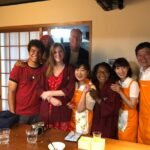
Kyoto’s Bento Box Cooking Class turns a neat compartmented lunch into a full lesson in Japanese home cooking. In about three hours, you learn why bento matters, watch key techniques, prepare several dishes, and sit down to eat the box you assembled yourself.
I like the hands-on format, especially the chance to make sushi, tempura, teriyaki chicken, egg rolls, and small vegetable dishes in one session. I also like that the menu changes with the seasons and that you take the recipes home. The main consideration is timing: you’ll prepare many dishes, so this is not a quick demonstration or a casual snack stop.
In This Review
- Key points to know before booking
- Why a bento class fits Kyoto so well
- Starting at Cooking Sun Kyoto at 9:30 a.m.
- Learning the techniques behind the bento
- What you may prepare during the three hours
- Miso soup and dashi
- Rolled egg
- Tempura vegetables or shrimp
- Sushi rolls
- Teriyaki chicken and vegetable sides
- Eating the bento you prepared
- The value of recipes you can actually use
- Who will get the most from this class
- Price, group size, and the real value
- A few things to consider before you book
- Should you book the Bento Box Cooking Class?
- FAQ
- Where does the Bento Box Cooking Class meet?
- What time does the class start?
- How long does the cooking class last?
- What is included in the price?
- How many people can join the class?
- Can I cancel for a full refund?
Key points to know before booking
- You make a full lunch: The class can include miso soup, tempura vegetables or shrimp, sushi, egg rolls, teriyaki chicken, and vegetable sides.
- The lesson is practical: English-speaking instructors demonstrate each step, then guide you as you cook.
- The menu changes every three months: Seasonal ingredients shape what you prepare.
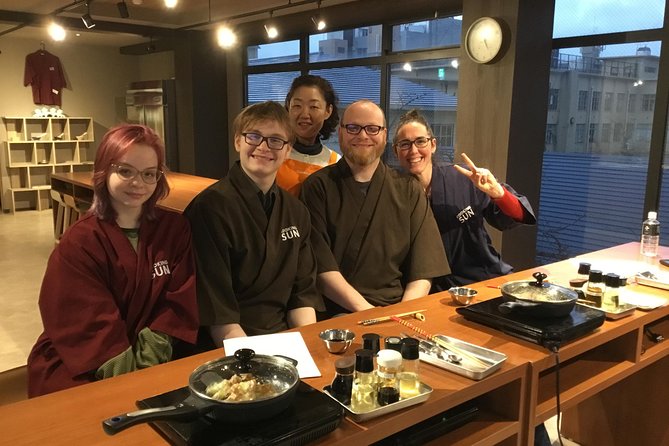
- The group is kept small: Bookings are limited to a maximum of eight people.
- You eat your finished bento: Lunch is included, along with ingredients and an apron.
- The location is central and easy to reach: Meet at Cooking Sun Kyoto, 679 Funayacho, Shimogyo Ward, at 9:30 a.m.
Why a bento class fits Kyoto so well
A bento box looks simple when you see one in a station shop or convenience store. Open the lid, and there may be rice, rolled egg, fish or chicken, pickles, vegetables, and fried items arranged in separate sections. The charm lies in the balance: color, texture, flavor, and portion all matter.
This class gives you a better understanding of that balance. You do not simply cook one large Japanese dish and call it lunch. You work through several smaller preparations, then bring them together in a bento-style meal.
The session begins with background on the food’s origins and place in Japanese life. The word bento has a long story, reaching back to the 13th century, when the Song Dynasty used it as a term for something convenient. That history is useful because it shows that bento is not only a decorative lunchbox. It is also practical food, designed to travel, store well, and offer variety in a compact package.
I find that cultural context adds value to the cooking. You learn not only how to roll an omelet or fry tempura, but also why a bento contains many small portions instead of one heavy serving.
Other cooking classes in Kyoto

Starting at Cooking Sun Kyoto at 9:30 a.m.
Your morning starts at Cooking Sun Kyoto, at 679 Funayacho in Kyoto’s Shimogyo Ward. The class begins at 9:30 a.m. and ends back at the same meeting point, so you do not need to arrange a separate ride at the end.
The studio is near public transportation, which matters in Kyoto. You can build the class into a sightseeing day without dealing with a distant meeting point or a hotel transfer. Hotel pickup and drop-off are not included, so plan to reach the studio on your own.
Allow enough time to find the address and arrive ready to begin. The class is compact, but the schedule is active. You will be moving from demonstrations to preparation and then to the final meal, with little reason to treat the morning as a slow, sit-back cooking show.
The maximum booking size is eight people. That limit should make it easier to see the demonstrations and get individual help. One class account described three instructors supervising a larger group, while the stated booking limit for this experience is eight. Staff coverage can therefore vary, but the format is built around personal guidance rather than a large lecture.
Learning the techniques behind the bento
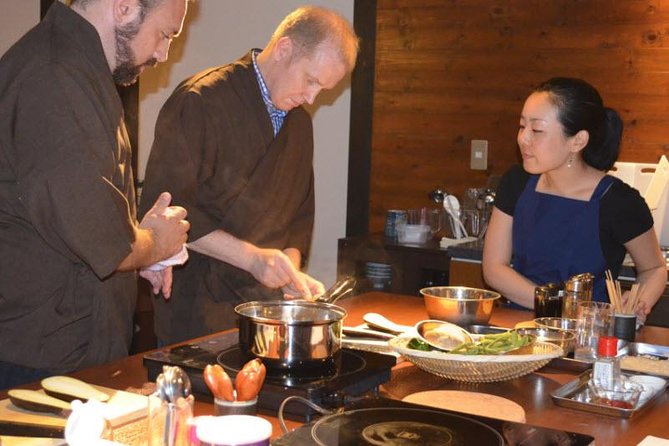
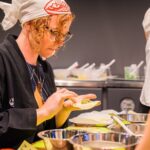
The first cooking stage is demonstration. A Japanese master chef shows you methods used for common bento dishes, then you try them under the instructor’s direction.
This is where the class earns its keep. Japanese cooking often depends on small details that are hard to pick up from a recipe alone. Egg rolls need controlled layering and rolling. Tempura depends on handling and timing. Sushi requires enough pressure to hold its shape without crushing the filling.
You may also learn about dashi, the savory stock used in many Japanese dishes, and when to use different types of soy sauce. Those are the sort of small tips that can make home cooking more successful after your trip.
The instructors teach in English, and the class is designed for direct participation. Several people who have taken the course praised the clear demonstrations, patient explanations, and relaxed teaching style. That is particularly helpful if you cook often but have limited experience with Japanese food.
You do not need to arrive as a skilled cook. The class welcomes beginners, but it also has enough variety for experienced home cooks to pick up new methods. One useful feature is the balance between tasks you perform yourself and more technical steps that the chef demonstrates closely.
What you may prepare during the three hours
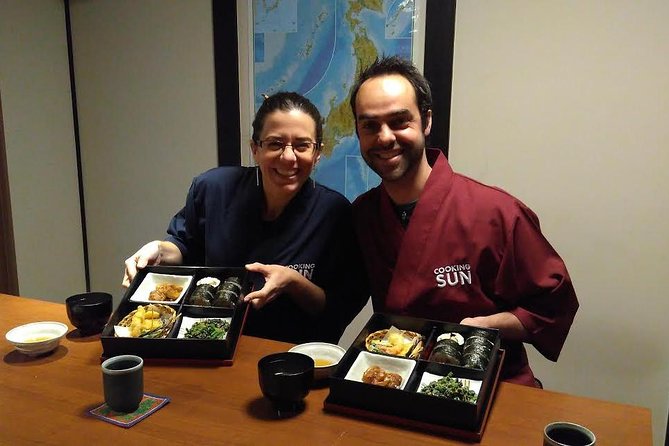
The exact menu changes every three months, based on the best seasonal ingredients. That means you should not treat the following list as a guaranteed menu, but it gives you a good picture of the class.
Miso soup and dashi
Miso soup provides a simple introduction to Japanese flavor building. You may learn how stock, miso, and other ingredients work together without making the soup overly heavy.
The dashi lesson is especially useful for home cooking. A good stock can support soups, sauces, and simmered dishes, so the technique reaches beyond the single meal you eat in class.
Other cooking classes in Kyoto
Rolled egg
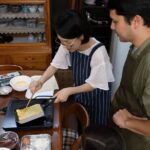
The layered egg roll is one of the class favorites. It is a familiar bento item, especially in school lunches, but making a neat roll takes practice.
The instructor demonstrates the process before you try it. Expect a little concentration here. The result may not look perfect on your first attempt, but that is part of the value. You get a technique you can repeat at home rather than a polished item handed to you.
Tempura vegetables or shrimp
Tempura adds a crisp contrast to the softer rice, egg, and vegetables in the box. Depending on the menu, you might prepare tempura vegetables, shrimp, or both.
This is one of the more enjoyable hands-on sections because the transformation is immediate. Ingredients go into batter and emerge as a light, fried side dish. It also shows why preparation and timing matter in Japanese cooking.
Sushi rolls
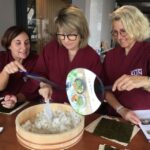
You may prepare and roll sushi as part of the bento. Rolling your own maki gives you a useful skill for home meals, and the finished piece adds shape and color to the box.
The instructor can show you how much filling to use and how to keep the roll together. Those details are easy to miss when you only watch someone else do it.
Teriyaki chicken and vegetable sides
The menu can include teriyaki chicken, spinach with sesame, and other small dishes. These sides make the class feel more like Japanese home cooking than a single specialty lesson.
The variety is a major strength. You learn how sweet, salty, savory, crisp, soft, hot, and cool elements can sit together in one meal. You also gain recipes that are practical for a weekday dinner, not only for a special occasion.
Eating the bento you prepared
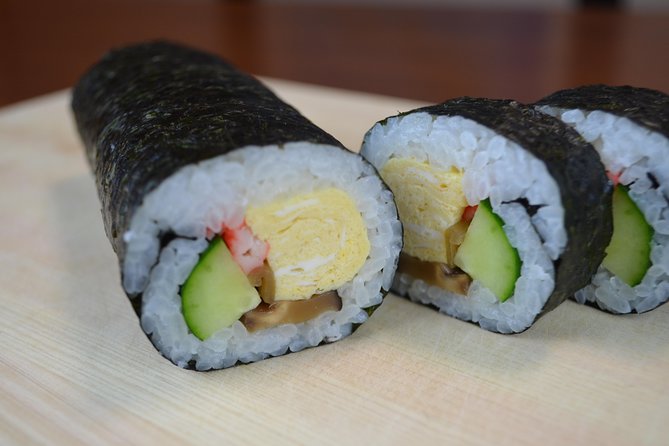
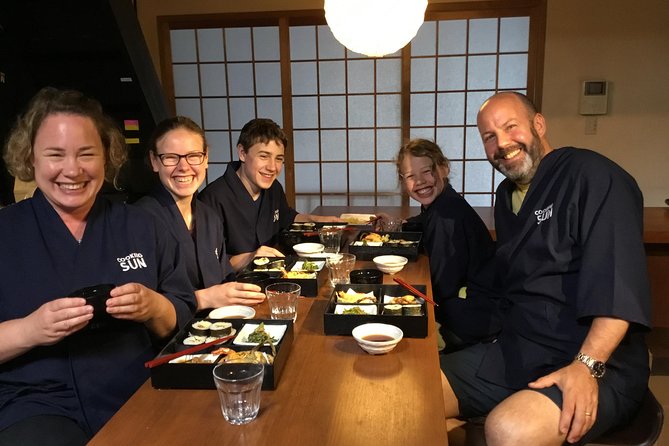
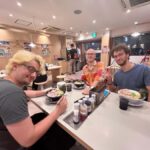
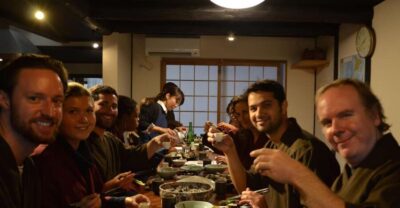
After the cooking is finished, you put away the knife and apron and sit down with the group for lunch. This is not a tasting of tiny samples. The finished bento can be generous, and you may want to arrive with at least a light breakfast.
One person who skipped breakfast found the wait difficult because the food could not be eaten until the cooking was complete. That is sound advice. The class lasts roughly three to three and a half hours, and the meal comes at the end.
Eating together also gives the lesson a natural finish. You can see how the separate dishes fit into the box, compare your arrangement with the finished example, and appreciate the work behind a meal that often looks effortless when purchased ready-made.
The meal is included, as are the ingredients and apron. The separate note about food and drinks unless specified should not cause confusion here: lunch is specifically listed as included, while extra food and drinks are not.
The value of recipes you can actually use
The recipes are one of the strongest practical benefits. You receive copies after the class, so the experience does not end when you leave the studio.
That matters because many cooking classes are fun in the moment but hard to repeat. Here, you can try the egg roll, sushi, teriyaki chicken, soup, or vegetable dishes again at home. You may not recreate the entire bento at once, but the recipes give you several building blocks for Japanese meals.
I especially like the way this suits couples and families. You can divide the tasks at home, prepare a few dishes together, and use the bento format for a picnic, packed lunch, or themed dinner.
The recipes also help you remember the cultural lesson. A bento is about planning and presentation as much as cooking. The class shows you how a handful of modest dishes can become a complete meal when arranged with care.
Who will get the most from this class
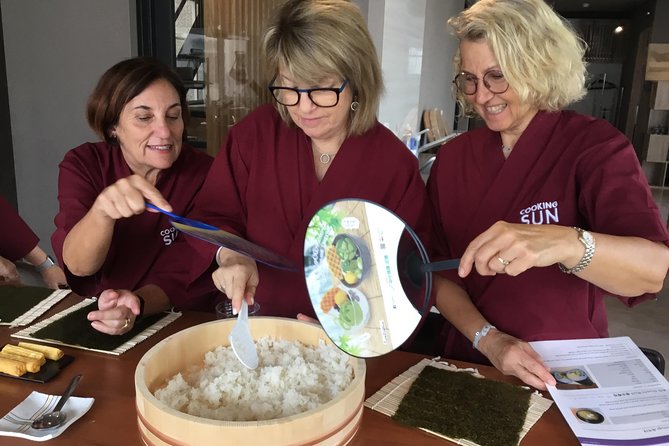
This is a good match for food-focused visitors who want more than a restaurant meal. It works particularly well for:
- Couples looking for a shared morning activity
- Families with older children or teenagers
- Beginner cooks who want clear instruction
- Experienced home cooks interested in Japanese methods
- Visitors with a busy Kyoto schedule who can spare one morning
- Anyone who wants recipes to use after returning home
The class also suits people who enjoy learning through food rather than through a formal museum visit. You get cultural background, but the main lesson happens at the counter with ingredients in front of you.
Food allergies and dietary needs should be reported when booking. The staff have been careful and helpful with allergies, but you should not wait until the morning of the class to explain your requirements.
Service animals are allowed. The studio is near public transportation, though hotel pickup and drop-off are not provided.
Price, group size, and the real value
At $71.35 per person, this is not the cheapest lunch in Kyoto. You can buy a prepared bento for far less. But the price includes roughly three hours of instruction, all ingredients, an apron, and the meal you prepare.
The better comparison is with other hands-on cooking activities. You are paying for several recipes, direct help, cultural explanation, and a meal rather than simply buying food. If you use even a few of the recipes later, the value improves.
The small-group limit is important. A class capped at eight should give you a better chance to ask questions and get help with fiddly tasks such as egg rolling and sushi shaping. Group discounts are available, which may help families or friends booking together.
The class has received a 5 out of 5 score from 171 ratings, with 99 percent recommending it. Those figures suggest a very reliable experience, though you should still book it for the cooking rather than for a guaranteed luxury setting or a private lesson.
A few things to consider before you book
The class is busy. You prepare a range of dishes, and the meal comes only after the cooking. Have a small breakfast if you tend to get hungry.
The menu is seasonal, changing every three months. That is a plus for fresh ingredients, but it means you cannot count on every dish described above being served on your date.
This is also a group experience. You receive personal help, but you are not booking one chef exclusively for your party. If you want a quiet private lesson, this may not be the right format.
Finally, the experience ends at the cooking studio. You will need to make your own way there and back, and the advertised start time is fixed at 9:30 a.m.
Should you book the Bento Box Cooking Class?
I would book this if you want a practical introduction to Japanese food and enjoy doing the work yourself. The strongest reasons are the varied menu, patient English-speaking instruction, seasonal adjustments, and recipes you can use at home.
It is especially good for a morning in Kyoto when you want an activity that feels connected to daily Japanese life. Skip it if you only want a fast meal, dislike group classes, or have no interest in cooking several small dishes before eating.
For most food lovers, the $71.35 price is fair because you receive both lunch and a useful skill set. Arrive with a light breakfast, share any dietary needs in advance, and leave room in your schedule for a filling meal and a few new ideas for your own kitchen.
FAQ
Where does the Bento Box Cooking Class meet?
The class meets at Cooking Sun Kyoto, 679 Funayacho, Shimogyo Ward, Kyoto, 600-8466, Japan.
What time does the class start?
The stated start time is 9:30 a.m.
How long does the cooking class last?
The experience lasts about three hours, with the detailed schedule describing a duration of approximately three to three and a half hours.
What is included in the price?
The price includes lunch, all cooking ingredients, an English-speaking cooking instructor, and an apron.
How many people can join the class?
The activity has a maximum of eight people per booking and a maximum of eight participants.
Can I cancel for a full refund?
Yes. You can cancel at least 24 hours before the local start time for a full refund. Cancellations or changes made less than 24 hours before the start time are not accepted for a refund.
More Workshops & Classes in Kyoto
More Cooking Classes in Kyoto
More Cooking Classes in Kyoto
More tours in Kyoto we've reviewed




Cooking Classes, compared.
 ★ 5.0Ramen Cooking Class at Ramen Factory in KyotoFrom $131
 ★ 4.9Kyoto: Ramen Cooking Class at a Ramen Factory with SouvenirFrom $1271h 30m
 ★ 5.0Kyoto: Ramen, Gyoza, and Onigiri Cooking ClassFrom $901h 30m
 ★ 5.0Kyoto: Japanese Washoku Bento Small Group Cooking ClassFrom $582h 30m
 ★ 4.9Kyoto: Afternoon Japanese Izakaya Cooking ClassFrom $673 hours
 ★ 5.0Izakaya Style Cooking ClassFrom $71