
Reviewed · TEA CEREMONY EXPERIENCES
Kyoto Kiyomizu Tea Ceremony with Scenic Garden Views
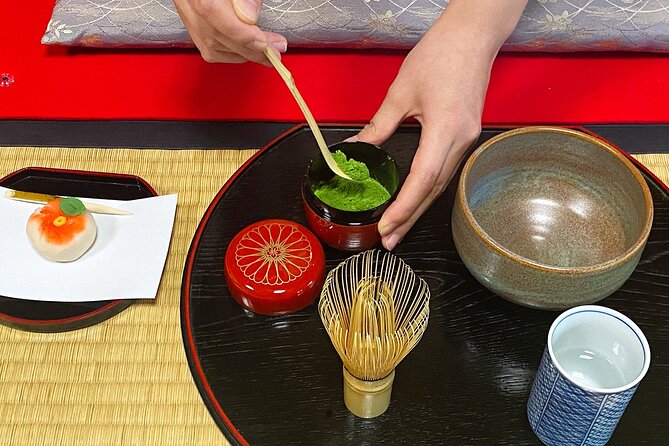
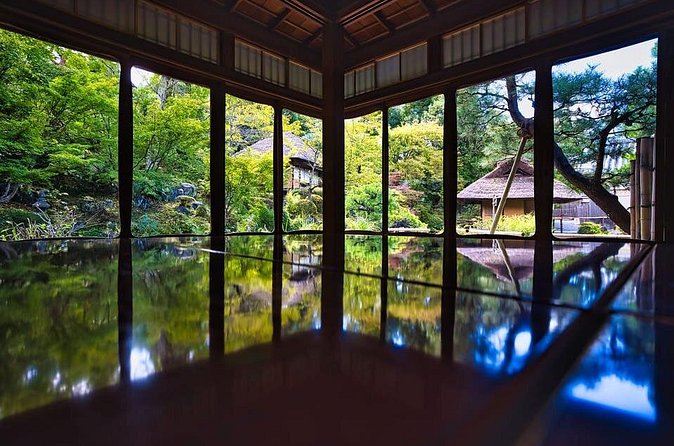
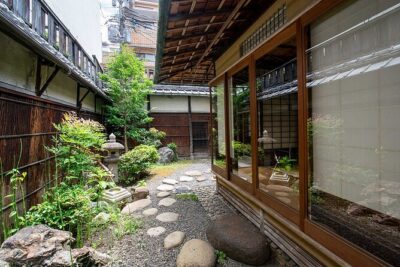
Kyoto’s tea ceremony is at its best when it slows you down. At Tea Ceremony SAKAGUCHIAN, you sit in a traditional room with broad garden views while a tea master purifies the utensils, prepares matcha, and performs each movement with careful grace. You are not simply handed a green drink. You see how the tea is made and learn why each step matters.
I especially like the peaceful garden setting and the fact that you receive two cups of matcha. The first is prepared for you, and the second gives you a chance to whisk your own tea. The intimate group, capped at 12 people, also leaves room for questions.
The main drawback is the short length. At about 45 minutes, you receive a polished introduction rather than a full study of tea practice, and some people may find the price of $50.87 per person a little high for the time. You will also need to sit in a traditional setting, so this is not a good choice if you have serious foot or knee problems.
In This Review
- Key Points Before You Book
- Entering the Tea Room Near Kiyomizu
- What Happens During the 45 Minutes
- Why the Garden View Matters
- The Tea Master’s Movements and the English Explanation
- Matcha and Wagashi: What You Actually Taste
- Is $50.87 a Fair Price?
- Who Will Enjoy This Most
- Timing It With a Kiyomizu Day
- Booking and Practical Details
- Should You Book This Kyoto Tea Ceremony?
- FAQ
- Where does the tea ceremony take place?
- Where does the experience end?
- How long does the tea ceremony last?
- How many people can join?
- What is included?
- Is kimono rental included?
- Can I cancel for a full refund?
Key Points Before You Book
- Two matcha servings: Watch the tea master prepare one bowl, then learn to make another yourself.
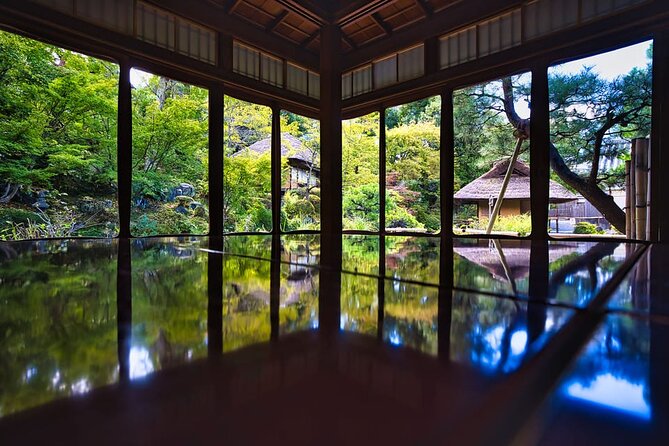
- Garden-facing tea room: Large windows provide a calm view of a carefully maintained Japanese garden.
- Small group format: The experience accepts no more than 12 people, keeping the presentation personal.
- English help: An English-speaking host explains the ceremony, customs, and symbolism, then answers questions.
- Wagashi pairing: Traditional Japanese sweets are served with the matcha and help balance its bitter edge.
- Come prepared to sit: The traditional format may be uncomfortable for anyone with foot or knee trouble, and wearing socks is a useful tip.
Entering the Tea Room Near Kiyomizu
The experience begins at Tea Ceremony SAKAGUCHIAN, at 3-chōme-334 Kiyomizu in Kyoto’s Higashiyama Ward. It ends at the same place, so you do not need to arrange a second meeting point or worry about finding your way to a different finish.
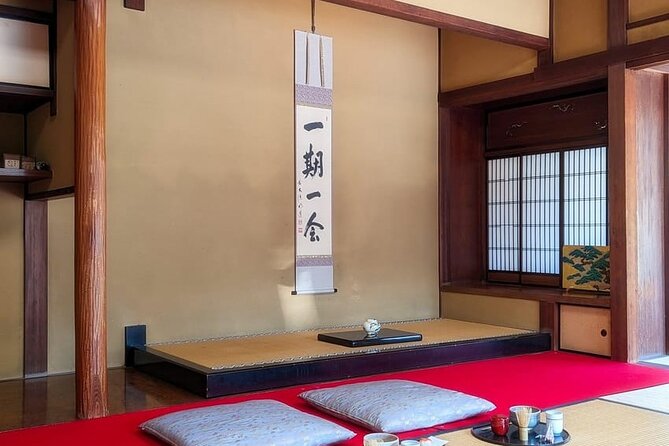
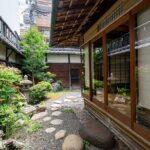
The location puts this activity in a useful part of Kyoto. Kiyomizu is one of the city’s best areas for old streets, temples, and traditional architecture, so the ceremony can fit neatly into a day of sightseeing. The setting is not a plain classroom. You step into a teahouse with views across a Japanese garden, giving the session a quiet change of pace from the streets outside.
That change of pace is part of the value. A tea ceremony asks you to notice small actions: the handling of the bowl, the position of the utensils, the sound of the whisk, and the pause before drinking. If you have spent the morning walking around Higashiyama, this calm hour can reset your attention.
The room is traditional, and the activity is designed around sitting on the floor. The provided information specifically warns that it is not recommended for people with foot or knee problems. One practical tip is to wear or bring socks, since shoes are not part of the tea-room experience.
A few more Kyoto tours and experiences worth a look
What Happens During the 45 Minutes
The session follows a clear progression. First, you settle into the tea room and take in the garden view. An English-speaking host gives context about the ceremony and explains what you are about to see. This introduction matters because the movements can otherwise seem formal without meaning.
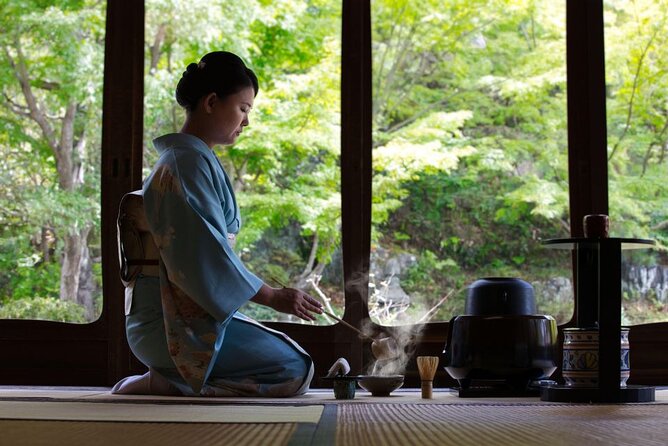
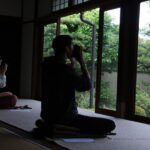
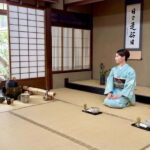
Next comes the tea master’s demonstration. You watch the utensils being purified and arranged before the matcha is prepared. The gestures are deliberate rather than theatrical. The point is not speed. Each action shows care, cleanliness, respect, and attention to the person receiving the tea.
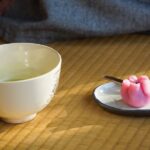
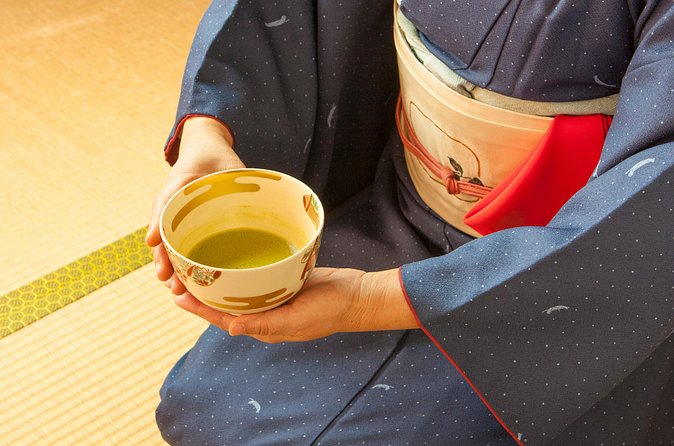
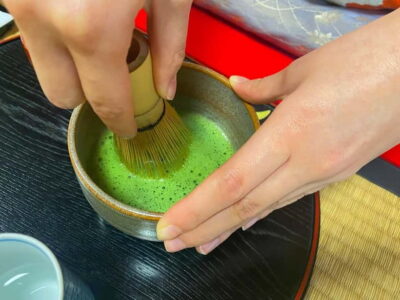
The tea master then measures and whisks the matcha into a frothy drink. This is the first of your two cups. The tea is paired with wagashi, a traditional Japanese sweet. The sweetness gives your palate a useful contrast to matcha’s grassy, slightly bitter flavor.
You are guided through the proper way to handle the tea bowl and drink the matcha. The host also explains the manners connected with the ceremony, so you are not left guessing when to bow, how to turn the bowl, or how to accept the sweet.
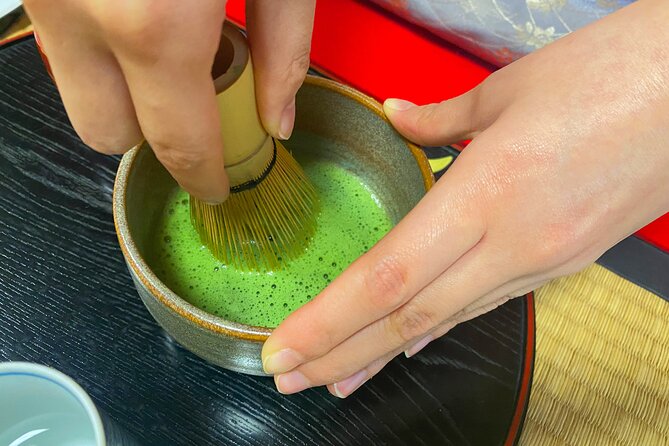
The second cup is more hands-on. You learn how to prepare matcha yourself, including the whisking technique used to create the foam. It is a simple activity, but it changes your understanding of the first demonstration. After trying it, you can see how much control is needed to make a smooth bowl rather than a lumpy or flat one.
The experience is described as approximately 45 minutes, although some descriptions refer to an hour. Plan for roughly an hour in your schedule, especially if you want time for photographs or questions. The ceremony itself is compact and focused. It gives you a window into the practice without taking half a day from your Kyoto plans.
Why the Garden View Matters
The garden is not just decoration behind the tea master. In Japanese tea practice, the room, garden, utensils, sweets, clothing, and season all help shape the mood. The garden view gives you something quiet to look at while you wait, drink, and listen.
The appeal changes with the season. In summer, the garden provides a pleasant backdrop, and air conditioning in the room can make the ceremony comfortable on a hot day. At other times of year, the seasonal beauty outside becomes part of the visual setting. The garden is carefully maintained, and the large windows make it easier to appreciate than a small outdoor glimpse.
I like this pairing of tea and garden because it gives the activity two points of interest. You are learning a cultural practice, but you are also spending time in a traditional setting. If your main goal is to photograph a garden, this should not replace a full garden visit. If you want to understand how tea, architecture, and nature work together, the view adds real value.
The room also helps the ceremony feel less like a restaurant demonstration. You are not ordering matcha from a menu and drinking it while chatting. You are watching a formal preparation, then taking part in a simplified version yourself.
The Tea Master’s Movements and the English Explanation
The tea master is the visual focus of the session. The movements are measured and precise, from cleaning the utensils to whisking the tea. That precision gives you a practical lesson in how much training sits behind a short ceremony.
You may find the ritual slow at first, especially if you prefer fast-paced sightseeing. Give it time. The pauses are part of the point. The ceremony is built around harmony, respect, purity, and tranquility, ideas that become easier to understand when you see them expressed through repeated, careful actions.
The English-speaking host adds another layer. The host explains the process and the cultural background, then takes questions. This is important for first-time visitors because Japanese tea etiquette can include details that are not obvious from watching alone.
The presentation also covers what it takes to become a tea master and the symbolism connected with the ceremony and garden. You are not expected to know anything before arriving. The instruction is aimed at beginners, and the second cup lets you test what you have learned rather than simply listen.
The quality of the English explanation can make or break a cultural activity. Here, the host is described as polite, warm, engaging, and able to explain the process clearly. That does not turn the session into a lecture. It keeps the information tied to what is happening in front of you.
Matcha and Wagashi: What You Actually Taste
You receive two cups of matcha, not just a sample. The first comes from the tea master, and the second follows your own preparation lesson. This format is one of the strongest features because you can compare the polished result with your first attempt.
Matcha is not like ordinary tea served in a cup with a teabag. It is powdered green tea whisked directly into water, so you drink the tea itself. Expect a bold, vegetal taste with some bitterness. The wagashi sweet helps soften that edge and is part of the traditional pairing.
The sweets are small and delicate rather than a large dessert. They give the ceremony a clear rhythm: sweet first, then tea, with the flavors balancing each other. If you are new to matcha, do not judge it only by drinks made with sugar or milk. This experience presents it in a more traditional form.
The hands-on portion is also useful if you want to repeat the ritual later. You learn the basic whisking motion and how to hold the bowl. It will not make you a tea master in 45 minutes, but it gives you enough understanding to recognize the care involved.
A few more Kyoto tours and experiences worth a look


Is $50.87 a Fair Price?
At $50.87 per person, this is not the cheapest way to drink matcha in Kyoto. You could find a simple tea and sweet for less. The price makes more sense when you count the setting, the instruction, the tea master’s demonstration, two servings of matcha, wagashi, and the small-group format.
The group limit of 12 is important. A large crowd would make it harder to see the utensils, ask questions, or prepare your own tea. This arrangement is still a shared activity, but it has a personal feel, especially for couples, families, or small groups of friends.
The value depends on your interests. If you only want a quick taste of matcha, the cost may feel high. One person found the activity thoughtful but brief, noting that it only touched the surface of both formal ceremony and tea preparation. That is a fair criticism.
If you want a calm cultural lesson in a beautiful room, the price is easier to justify. You are paying for access to a traditional setting and for guidance that helps you understand what you are seeing. The included photo is a nice extra, though the core value is the instruction and atmosphere rather than the picture.
Who Will Enjoy This Most
This is a good fit if you want to understand a Japanese tradition without committing to a long formal course. It works especially well for first-time visitors who want clear explanations and a chance to participate.
Families can also enjoy it. The structure is short enough to hold attention, and making the second cup gives children and teenagers something to do. Parents should still consider the floor seating and the quiet tone.
The activity suits people who enjoy details. You may find it especially rewarding if you care about tea, ceramics, gardens, architecture, etiquette, or the connection between food and ceremony. It is also a smart choice after a morning of temple visits, when an hour of stillness sounds better than another crowded attraction.
This is less suitable if you want a long, private lesson or a highly elaborate ceremony. The group can include up to 12 people, and the session is an introduction. It is also not recommended for people with poor knees or painful feet.
Timing It With a Kiyomizu Day
Since the meeting point is in Kiyomizu, place the ceremony alongside other plans in Higashiyama rather than treating it as a separate cross-city trip. The exact travel details are not provided, so allow enough time to arrive at 3-chōme-334 Kiyomizu without rushing.
A useful plan is to schedule it as a pause between sightseeing blocks. The ceremony’s slow pace can balance a day filled with walking and sightseeing. Afterward, you are already back at the meeting point, so you can continue exploring the Kiyomizu area.
Leave room for the experience to breathe. Arriving just before the start and rushing away immediately afterward would miss part of its appeal. You may want a few minutes to take photographs of the garden and to absorb the setting.
The activity requires good weather. If poor weather causes cancellation, you are offered another date or a full refund. For your own planning, avoid putting an unmissable reservation immediately afterward.
Booking and Practical Details
Your confirmation arrives when you book, and the ticket is mobile, which keeps the arrival process simple. The experience includes two cups of matcha, wagashi, and a photo.
Kimono rental is not included, so book this as a tea ceremony rather than a costume package. Video recording is also not included. Still photographs are part of the experience, but you should follow the host’s instructions about when photography is appropriate.
Free cancellation is available up to 24 hours before the start time for a full refund. Changes or cancellations made within 24 hours are not accepted for a refund, and the cut-off uses local Kyoto time.
The most useful clothing advice is simple: wear socks and choose something comfortable for sitting. The traditional room is part of the charm, but comfort matters when your legs remain folded for the session.
Should You Book This Kyoto Tea Ceremony?
I would book this if you want a well-paced introduction to Japanese tea culture, especially if garden views and a small group matter to you. The strongest combination is the tea master’s careful demonstration, the clear English explanation, and the chance to prepare a second cup yourself.
I would think twice if you are mainly looking for a long ceremony, private attention, or the lowest-cost matcha tasting. At about 45 minutes, the experience gives you a polished beginning rather than a complete education.
For most first-time visitors to Kyoto, it is a sensible cultural addition to a Kiyomizu day. Wear socks, allow about an hour, and expect quiet observation rather than entertainment. If that sounds like a good use of your time, the setting and hands-on second cup make this a strong choice.
FAQ
Where does the tea ceremony take place?
It takes place at Tea Ceremony SAKAGUCHIAN, located at 3-chōme-334 Kiyomizu, Higashiyama Ward, Kyoto, 605-0043, Japan.
Where does the experience end?
The activity ends back at the same meeting point.
How long does the tea ceremony last?
The stated duration is approximately 45 minutes. Some descriptions refer to an hour, so allowing about an hour in your schedule is sensible.
How many people can join?
The experience has a maximum of 12 participants.
What is included?
The experience includes two cups of matcha, traditional wagashi sweets, and a photo.
Is kimono rental included?
No. Kimono rental is not included in the activity.
Can I cancel for a full refund?
Yes. You can cancel at least 24 hours before the start time for a full refund. Cancellations or changes made less than 24 hours before the start time are not accepted for a refund.
More Golden Pavilion & Temple Tours in Kyoto
More Tea Ceremony Experiences in Kyoto
More tours in Kyoto we've reviewed





Tea Ceremony Experiences, compared.
 ★ 4.9Kyoto: Tea Ceremony in a Traditional Tea House in KiyomizuFrom $4945 min
 ★ 4.9Kyoto: Tea Ceremony Ju-An at Jotokuji TempleFrom $291h 10m
 ★ 4.3Kyoto: 45-Minute Tea Ceremony Lesson ExperienceFrom $2245 min
 ★ 5.0World Heritage Kyoto & Nara Uji Authentic Matcha ExperienceFrom $129
 ★ 4.9Kyoto: Table-Style Tea Ceremony at a Kyo-MachiyaFrom $451h 30m
 ★ 5.0Kimono Tea Ceremony at Kyoto Maikoya, NISHIKIFrom $65