
Reviewed · WORKSHOPS
Kyoto: Local Home Visit and Japanese Calligraphy Class
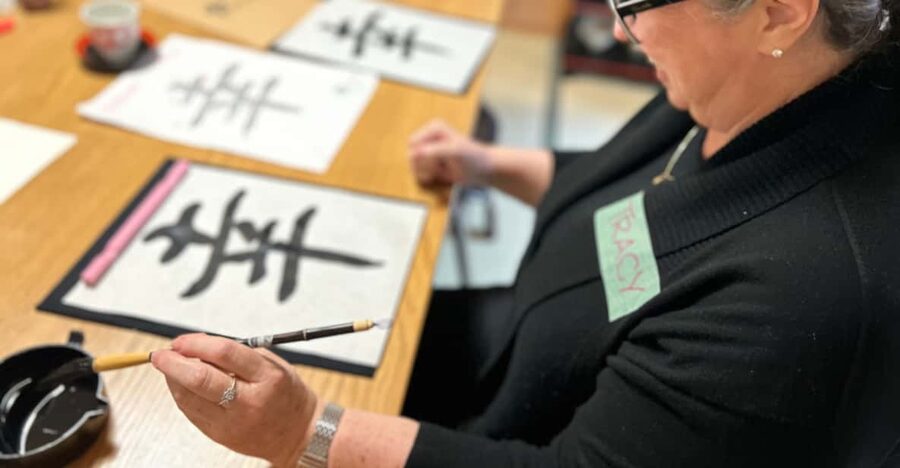
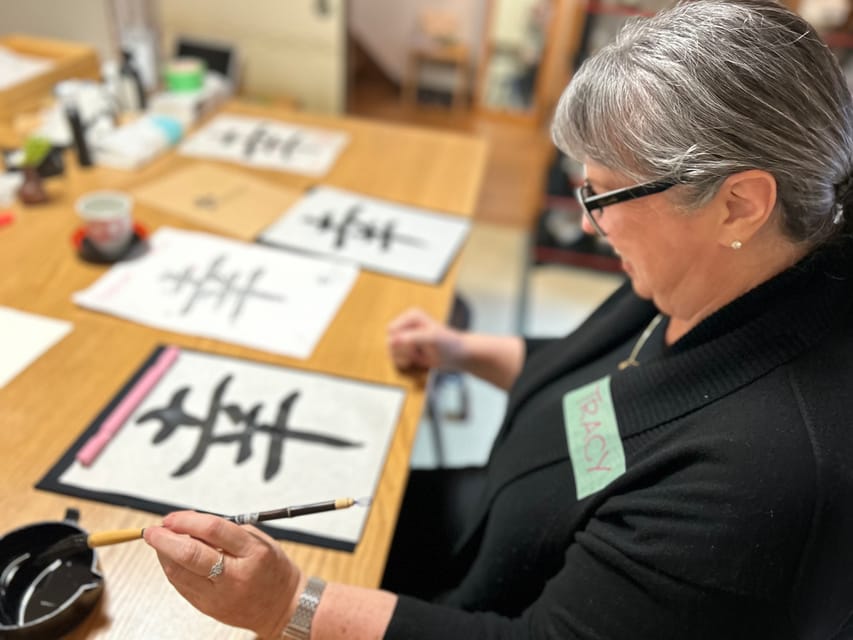
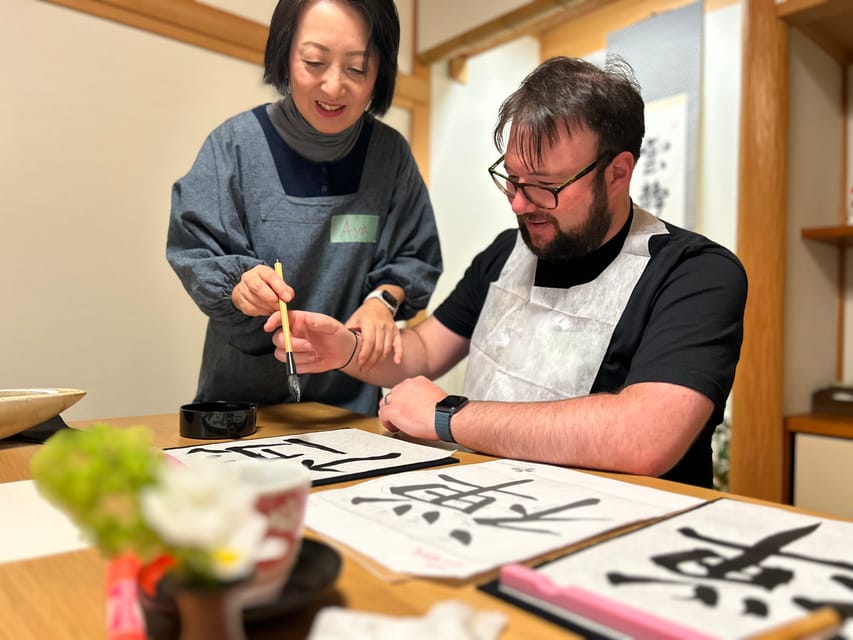
Japanese calligraphy is the main event here, but the setting gives it extra meaning. You sit in a real Kyoto home near Nijo Castle, meet local hosts, and learn how each brush movement carries rhythm and purpose. Aya, the calligraphy teacher, explains the tradition, then patiently guides you through the strokes.
I like two things right away: you create a personal piece to take home, and the private-group format allows for direct help. The session is also a calm break from sightseeing, especially on a hot Kyoto afternoon. The main limitation is time. One hour is enough for an introduction, not mastery, so arrive ready to learn the basics rather than produce museum-grade calligraphy.
In This Review
- Key points to know before you book
- A Kyoto home visit beside Nijo Castle
- What happens during the one-hour class
- Why Aya’s teaching makes the difference
- The art itself: rhythm, order, and restraint
- What makes the souvenir worth keeping
- Is $66 a fair price for one hour?
- Who will enjoy this most
- How to fit it into a Kyoto day
- The final call: should you book?
- FAQ
- Where does the Japanese calligraphy class take place?
- How long does the experience last?
- Who teaches the calligraphy class?
- What is included in the price?
- Can I take my calligraphy artwork home?
- What should I bring?
- Can children join the activity?
- What happens if I arrive late?
Key points to know before you book
- A local home visit: The class takes place near Nijo Castle, giving you a more personal setting than a large studio.
- Aya teaches the brush basics: You learn stroke order, pressure, rhythm, and brush control with hands-on guidance.
- Your art becomes a souvenir: Choose a kanji such as love, peace, strength, or wisdom, then add your name in Japanese.
- Private group format: You can ask questions and receive individual help rather than follow a crowded demonstration.
- Bring socks: Shoes come off indoors, and bare feet are not allowed.
- Plan your arrival carefully: Arrive five minutes early. A delay shortens your lesson, and arrival more than 15 minutes late means the class cannot be offered.
A Kyoto home visit beside Nijo Castle
The location is unusually useful for a short activity. You meet about 200 meters west of Nijo Castle, a UNESCO World Heritage Site, on the north side of Ebisugawa Street, just west of Nishinotoin Street. That makes the class easy to pair with a visit to the castle, though you should allow time to find the exact venue.
Kyoto has several places with similar names, so do not rely on an address alone in your map app. Search the venue name exactly as provided. If you use a taxi, give the driver the phone number. Across the street, on the south side, you should see the Lions Mansion building, which helps confirm that you are in the right area.
This is not a theatrical version of Japanese culture arranged for a large audience. You enter a private home and spend time with local people who live near one of Kyoto’s best-known sights. That setting gives the experience a friendly, everyday quality. You are not simply watching a performer demonstrate calligraphy. You are sitting down, asking questions, and trying the art yourself.
There is no waiting space if you arrive too early, so five minutes early is the useful target. Arrive much earlier and you may need to wait elsewhere. Arrive late and your lesson is shortened. More than 15 minutes late means the class cannot go ahead, so this is one booking where Kyoto’s famously easygoing pace should not tempt you into casual timing.
A few more Kyoto tours and experiences worth a look


What happens during the one-hour class
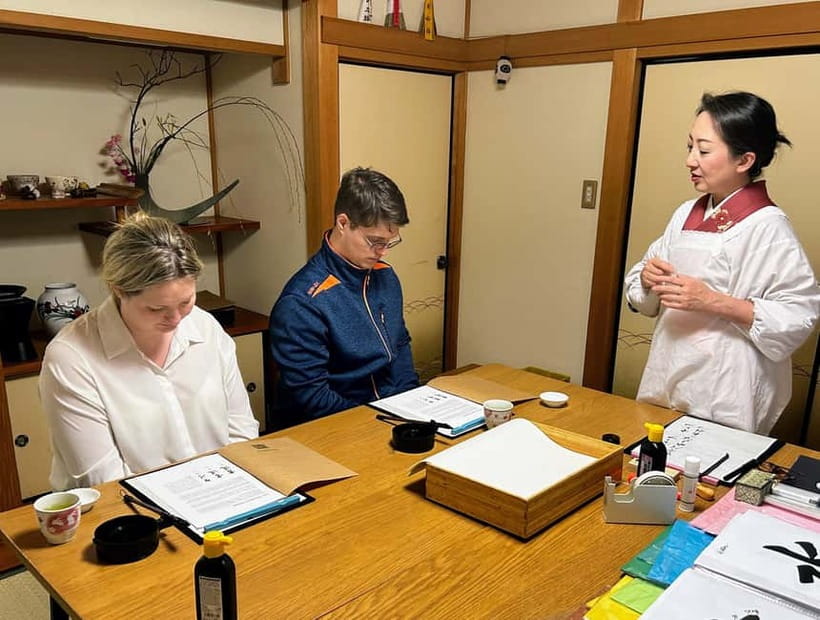
The hour begins with an explanation of Japanese calligraphy and its place in Japanese culture. Aya has spoken about how she learned calligraphy herself, which gives the introduction a personal touch. You are not only shown what to do, but also given some context for why brushwork matters.
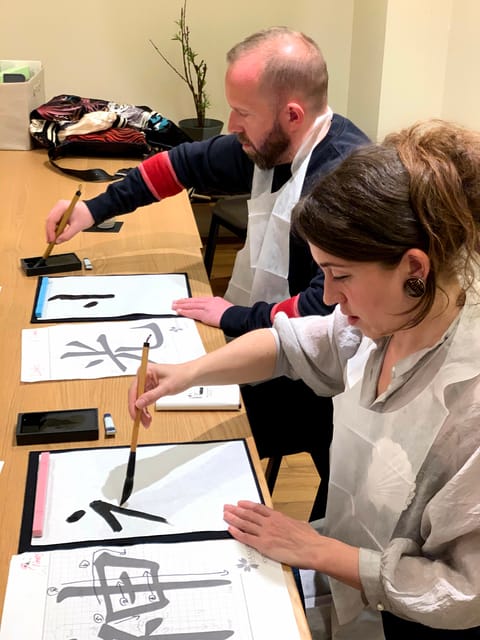
You then learn how to handle the brush and control the ink. The basic movements are the heart of the session. You practice the direction of each stroke, the amount of pressure to use, and the rhythm that helps a character look balanced. A calligraphy brush is not a ballpoint pen. You cannot simply trace a shape and expect the same result. The line changes with speed, angle, and pressure.
The teacher demonstrates, and you try the movement yourself. Expect correction and encouragement as you work. The teaching is especially helpful for beginners because you receive practical guidance instead of being left to copy a finished example. If your first attempts look uneven, that is normal. The point is to understand how the character is built.
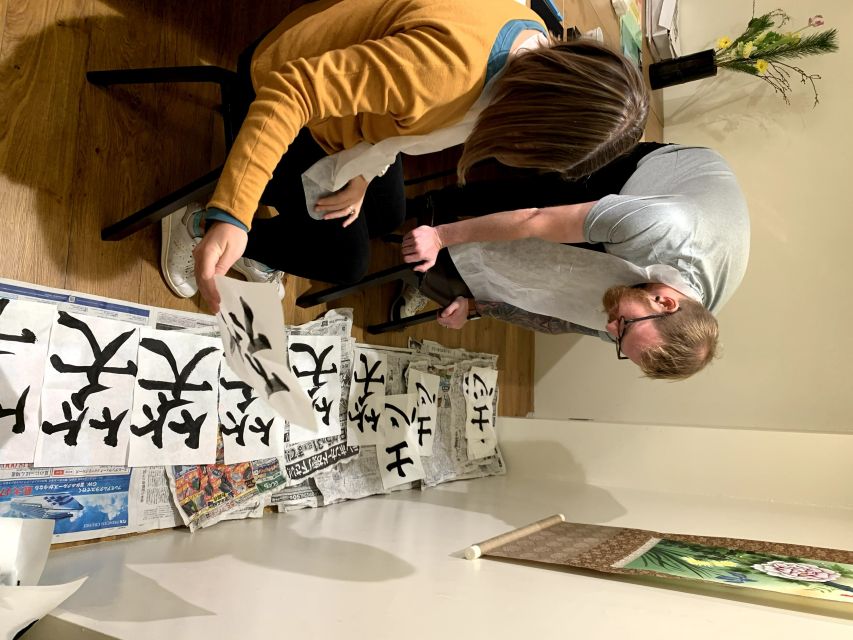
The class then moves toward your finished artwork. You choose a kanji that has meaning for you. Suggested ideas include love, peace, strength, and wisdom, but the important part is choosing a symbol that connects with your trip or your own life. You also add your name in Japanese, making the final piece more personal than a preprinted souvenir.
The finished work is yours to take home. Japanese paper, or washi, gives the piece a proper material connection to the craft. You leave with something you made rather than something pulled from a shop shelf. That is a small distinction, but it matters when you are sorting through souvenirs after a long trip.
The hour moves quickly. You will practice several characters or strokes, but you will not become an expert in one sitting. That is not a weakness in the class. It is simply the honest limit of the schedule. Calligraphy takes long practice, and this activity gives you a useful first taste.
Why Aya’s teaching makes the difference
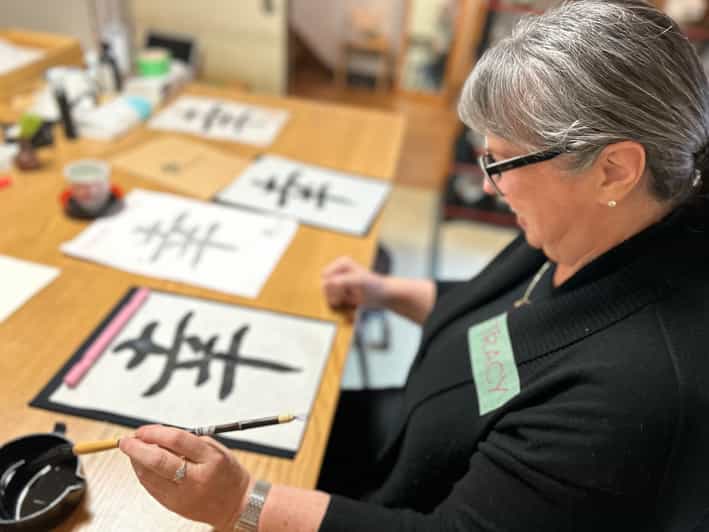
The teacher is the main reason to choose this experience over a casual brush-painting workshop. Aya has been described as patient, warm, and highly skilled, and the details of the teaching support that impression. She explains the development of calligraphy, answers questions, demonstrates the movements, and gives constructive advice while you practice.
You may also work with an assistant, which can be useful when several people are attending. One participant described receiving one-on-one instruction because the group was small. A private booking does not guarantee that you will always be the only student, but it does mean the activity is organized for your own group rather than a large public class.
The tone appears relaxed. You can laugh, make mistakes, and try again without feeling that every line must be perfect. That matters because beginners often hold the brush too tightly or rush the stroke. Calm instruction helps you notice what your hand is doing.
I also like that the session is not limited to producing a photograph-ready character. Aya can answer questions about other traditional Japanese art forms and offer suggestions for places to see around the area. Those extra conversations can help you connect the class with the rest of your Kyoto day, though the focus remains calligraphy.
English and Japanese are spoken. The English-language support makes the class practical for international visitors who want instruction rather than silent imitation.
The art itself: rhythm, order, and restraint
Japanese calligraphy can look simple from a distance. A few dark strokes form a character on white paper. Once you hold the brush, you see the challenge. The character depends on order, proportion, spacing, and the character of each individual line.
You learn to treat the brush as an expressive tool. A firm stroke can suggest strength. A lighter movement can feel softer. The result is not only a translation of a word. It is also a record of how you moved the brush across the paper.
That makes the class a good choice if you want a quiet cultural activity. You have to pay attention to the present movement instead of thinking about your next train, restaurant, or temple. The work is physical but not strenuous. It asks for concentration, and the concentration can feel restful after a busy day of sightseeing.
Do not expect the teacher to turn every beginner into a calligrapher. Your finished character may have imperfections, and that is part of its appeal. The artwork records your first attempt at a traditional skill. You can display it at home as a travel memory, not as proof that you have completed a professional course.
What makes the souvenir worth keeping
Many Kyoto souvenirs are beautiful but detached from the experience of buying them. Here, the object carries your own decisions. You chose the kanji, practiced the brushwork, and added your name in Japanese.
That personal link is especially appealing for couples, honeymooners, and people celebrating a meaningful trip. You might choose peace after a long journey, strength for a new chapter, or wisdom as a gift for someone at home. The meaning is yours to decide.
The washi paper also helps the piece feel like a finished work rather than a practice sheet. Handle it carefully when packing. The supplied information confirms that you take the artwork home, but it does not specify protective packaging, so bring a folder or ask the hosts how best to carry it if your luggage will be tightly packed.
You may also receive photos or video of the session. That has been part of the experience for some participants, but it is not listed as a guaranteed inclusion, so I would treat it as a pleasant possibility rather than a promised feature.

Is $66 a fair price for one hour?
At $66 per person, this is not the cheapest one-hour activity in Kyoto. You are paying for more than ink and paper, though. The price includes instruction, rented calligraphy tools, ink, washi paper, and access to a private local setting.
The value improves if you care about personal attention. A large class might cost less, but you could spend much of the hour watching someone else work. Here, you have a chance to ask questions and receive corrections suited to your own ability. That is useful for first-time learners who want to understand the brush rather than simply copy a character.
The price also makes more sense if you were already planning to visit Nijo Castle. The meeting point is close, and the class can provide a restful change of pace before or after the castle. If you are looking only for a quick souvenir and do not care about the process, a shop will be cheaper. If you want an activity, a conversation with local hosts, and an object you create yourself, the cost is easier to justify.
The private-group format is another factor. It works well for couples, friends, or a small family group with older children. Children under 13 cannot take part, so families with younger children will need another plan.
Who will enjoy this most
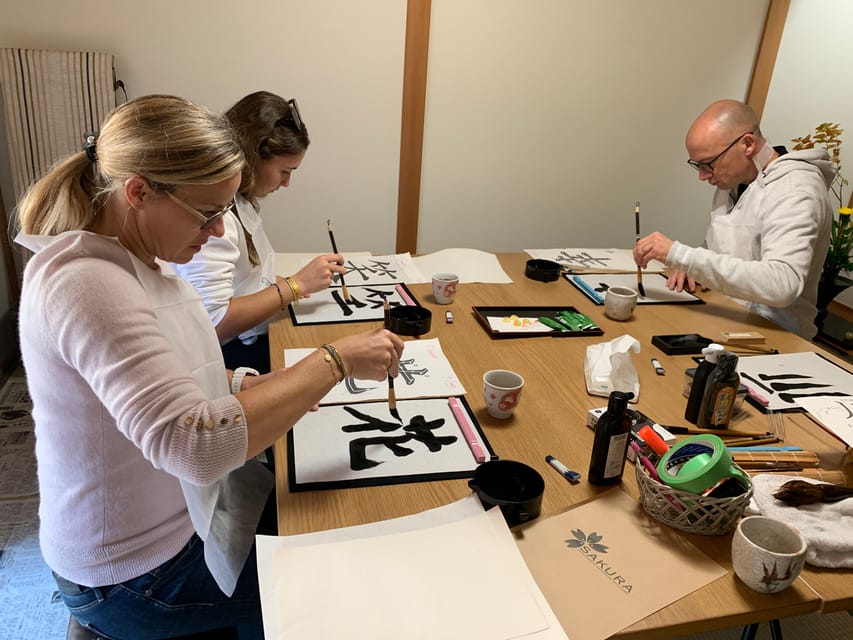
I would recommend this to you if you want a cultural activity that is hands-on but not physically demanding. It suits first-time visitors who need a one-hour experience, couples seeking a personal souvenir, and anyone who enjoys crafts, drawing, lettering, or quiet concentration.
It is also a good rainy-day or hot-weather option. One participant particularly appreciated spending an hour indoors during a Kyoto summer. The class gives you a break from the heat without wasting a sightseeing day.
The activity may not suit you if you want a long formal lesson or a detailed course in Japanese writing. One hour passes quickly, and the instruction stays at an introductory level. It may also frustrate you if you dislike taking off your shoes or following strict arrival rules.
Wear socks. Shoes are not allowed indoors, bare feet are not accepted, and socks can be purchased for a fee if you forget them. Smoking, vaping, alcohol, drugs, strong fragrances, and indoor smoking are not allowed.
The activity is wheelchair accessible, though the supplied information does not explain the exact layout of the home. If you use a wheelchair, contact the provider before booking if you need details about entrances or the working area.
How to fit it into a Kyoto day
The natural pairing is Nijo Castle. You can plan the calligraphy class close to a castle visit, but leave enough time to walk between the two and locate the correct home. Do not schedule the class so tightly that a delayed train, taxi, or castle visit leaves you rushing.
The meeting point is on Ebisugawa Street, west of Nishinotoin Street. Use the venue name in your map app, not just the address. Kyoto addresses can be confusing, and the warning about duplicate names is worth taking seriously.
Because the class lasts exactly one hour, you can place it between larger activities. It is short enough to fit into a full day, but substantial enough to give you a real introduction rather than a five-minute demonstration. I would arrive five minutes before the start, with socks on and your phone ready to follow the location details.
Cancellation is flexible up to 24 hours before the start for a full refund. You can also reserve now and pay later, which helps if your Kyoto schedule is still changing.
The final call: should you book?
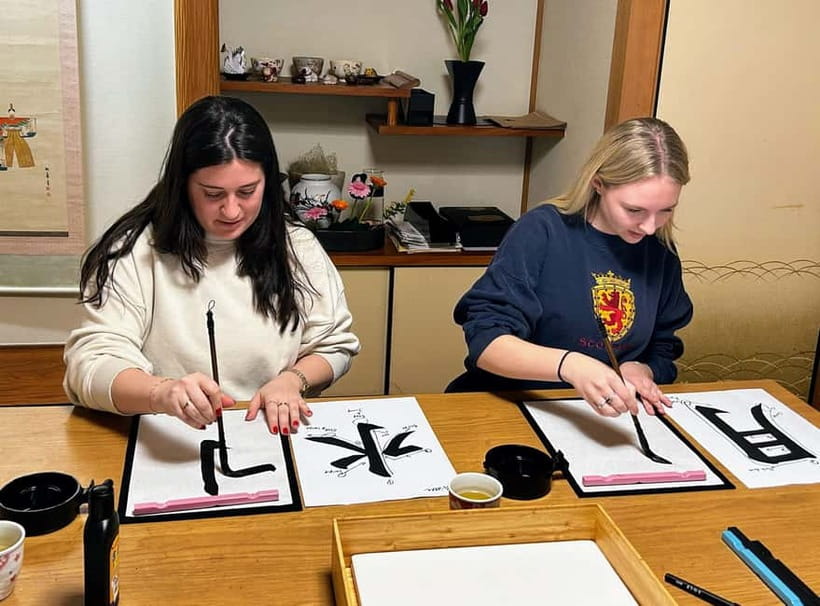
Book this class if you want to meet local Kyoto residents, learn the basic brush movements, and take home artwork with personal meaning. Aya’s patient instruction, the private home setting, and the chance to choose your own kanji give the hour more substance than a standard souvenir stop.
Skip it if you want advanced calligraphy, a long lesson, or a completely open-ended schedule. The strict late-arrival rule and no-bare-feet policy require a little planning.
For most visitors, I see this as a strong short activity near Nijo Castle. It is friendly, focused, and practical. You will not leave as a master, but you can leave with a better understanding of the art, a memorable meeting with local hosts, and a piece of Kyoto you made with your own hand.
FAQ
Where does the Japanese calligraphy class take place?
It takes place in a local home about 200 meters west of Nijo Castle. The venue is on the north side of Ebisugawa Street, just west of Nishinotoin Street.
How long does the experience last?
The class lasts one hour. Check the available start times when booking.
Who teaches the calligraphy class?
Aya teaches the calligraphy class, with an assistant involved when needed. Instruction is available in English and Japanese.
What is included in the price?
The price includes calligraphy instruction and explanations, rental calligraphy tools, ink, and Japanese washi paper.
Can I take my calligraphy artwork home?
Yes. You create your own calligraphy artwork and can bring it home as a souvenir.
What should I bring?
Bring socks or wear socks to the class. Shoes are not allowed indoors, and bare feet are not accepted. Socks may be available for purchase for a fee if needed.
Can children join the activity?
Children under 13 are not suitable for this activity. The booking is arranged as a private group experience.
What happens if I arrive late?
Arrive five minutes before the start time. A late arrival shortens the lesson, and the class cannot be offered if you arrive more than 15 minutes late.
More Workshops & Classes in Kyoto

More tours in Kyoto we've reviewed




Workshops, compared.
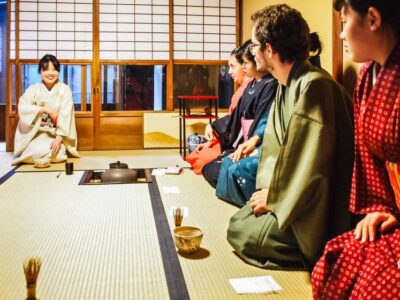 ★ 4.3Kyoto: 45-Minute Tea Ceremony Lesson ExperienceFrom $2245 min
 ★ 5.0Ramen Cooking Class at Ramen Factory in KyotoFrom $131
 ★ 4.9Kyoto: Ramen Cooking Class at a Ramen Factory with SouvenirFrom $1271h 30m
 ★ 4.9Kyoto: Samurai Class, Become a Samurai WarriorFrom $70
 ★ 5.0Ninja 1-hour Hands-on Lesson by Japanese master in Kyoto -EntryFrom $80
 ★ 5.0Kyoto: Ramen, Gyoza, and Onigiri Cooking ClassFrom $901h 30m