
Reviewed · KIMONO EXPERIENCES
Kyoto: Traditional Kimono Fabric Handicrafts Workshop
Making a Temari from recycled kimono fabric gives you something better than a shop-bought souvenir: a small decoration shaped by your own choices and hands. Mae, also identified as May or Mei in some booking details, guides the two-hour class in English or Japanese from a renovated antique boutique.
I like the beautiful fabric selection and the calm pace. I also like the useful location, close to historic temples, shrines, cafés, and the Philosopher’s Path. The main consideration is that the class centers on one simple craft, so serious textile artists may find it fairly introductory.
In This Review
- Key points to know
- What Making a Kyoto Temari Is Really Like
- Choosing Five Kimono Fabrics
- The Two-Hour Craft Session
- Mae, the Local Craft Instructor
- Tea, Matcha, and Traditional Sweets
- Why the Location Works Well
- Is the $25 Price Good Value?
- Best For Families, Couples, and Solo Visitors
- What to Keep in Mind Before Booking
- Planning the Rest of Your Kyoto Day
- Should You Book the Temari Workshop?
- FAQ
- How long does the Temari workshop last?
- How much does the activity cost?
- Do I need previous craft experience?
- Can children take part?
- What is included in the price?
- What languages are available?
Key points to know
- Choose five kimono fabric pieces: The most difficult part may be deciding among the many colors and patterns.
- Beginner-friendly Temari making: No sewing background or craft skill is required, and children can take part.
- A small class of up to four: Mae can give close help, which matters when you are shaping and assembling the fabric.
- Tea and a Japanese sweet are included: The refreshment adds a pleasant pause while you work.
- A woman-owned local craft shop: You can browse bags and other handmade goods made from old kimono fabric.
- A smart break from temple sightseeing: The workshop sits in an area with several nearby cultural stops and cafés.
What Making a Kyoto Temari Is Really Like
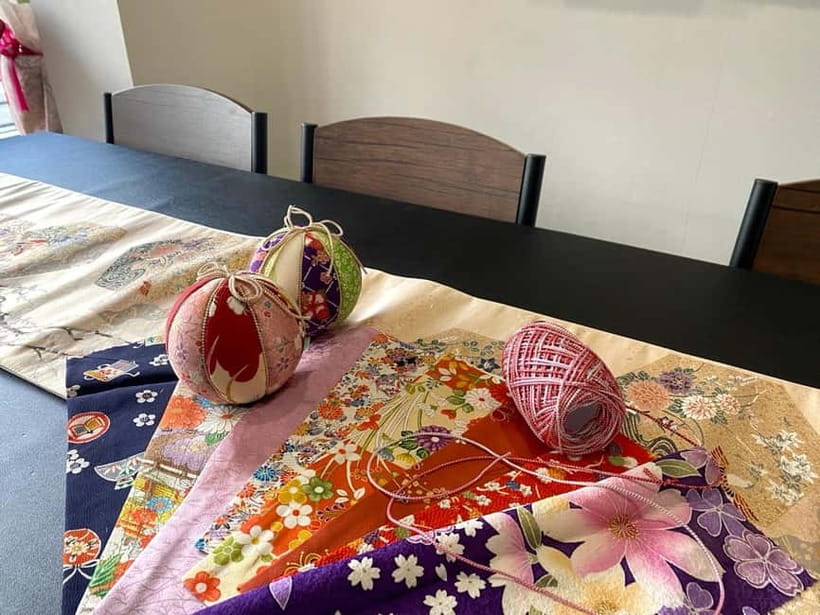
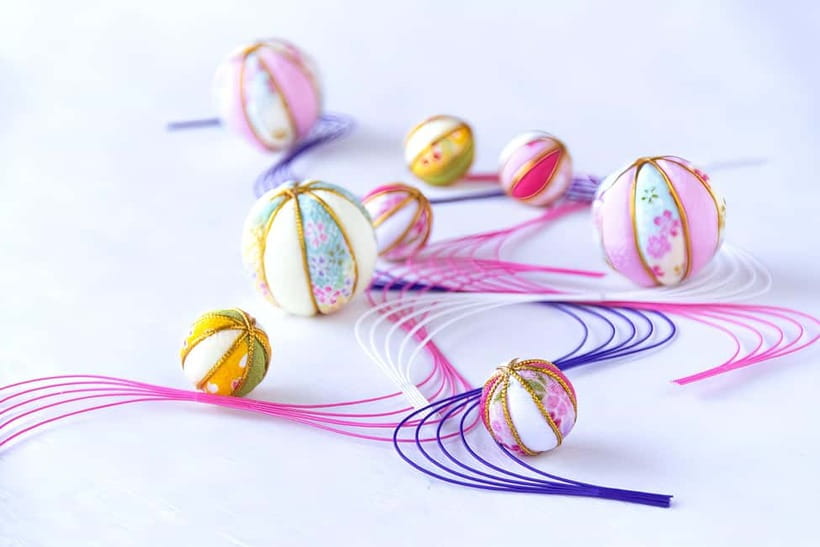
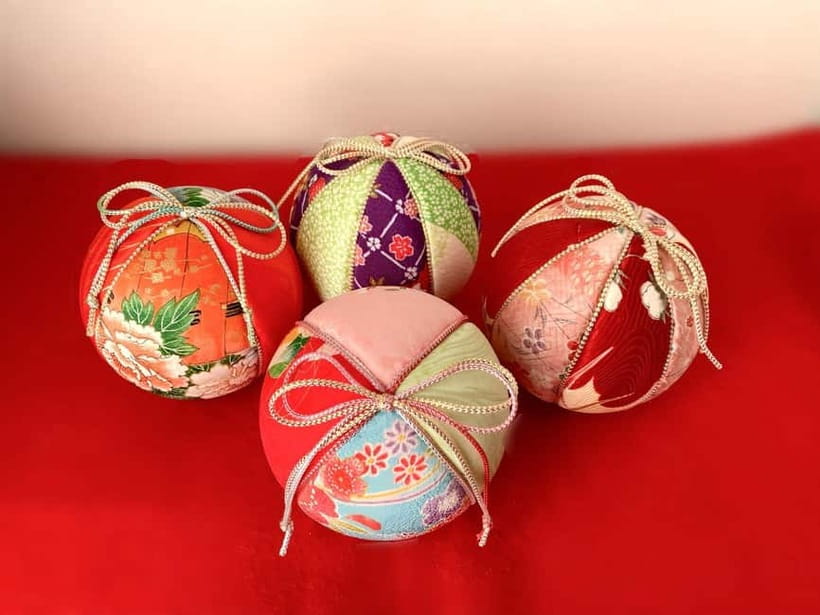
Temari are traditional Japanese handcrafted decorations used as interior ornaments and for celebrations. The finished object is small, colorful, and easy to display, but the pleasure is in choosing the fabrics and watching the form come together.
This is not a formal sewing course. The project is designed to be simple, and the materials needed for the craft are supplied. You do not need prior experience, special dexterity, or a deep interest in textiles to enjoy it.
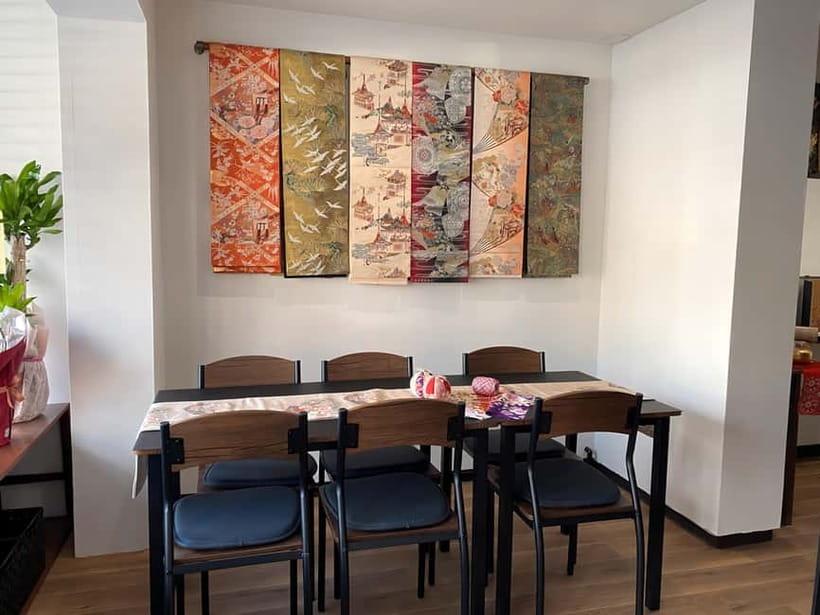
The activity takes place inside a newly renovated traditional Japanese antique boutique. That setting gives the class more character than a plain activity room. You are surrounded by kimono fabrics and other handmade pieces, so the workshop feels connected to the local craft trade rather than separated from it.
The class is limited to four participants. That is an important detail. A larger group could make this kind of hands-on lesson feel like a demonstration, while a group of four allows the instructor to watch your progress and step in when you need help.
A few more Kyoto tours and experiences worth a look
Choosing Five Kimono Fabrics
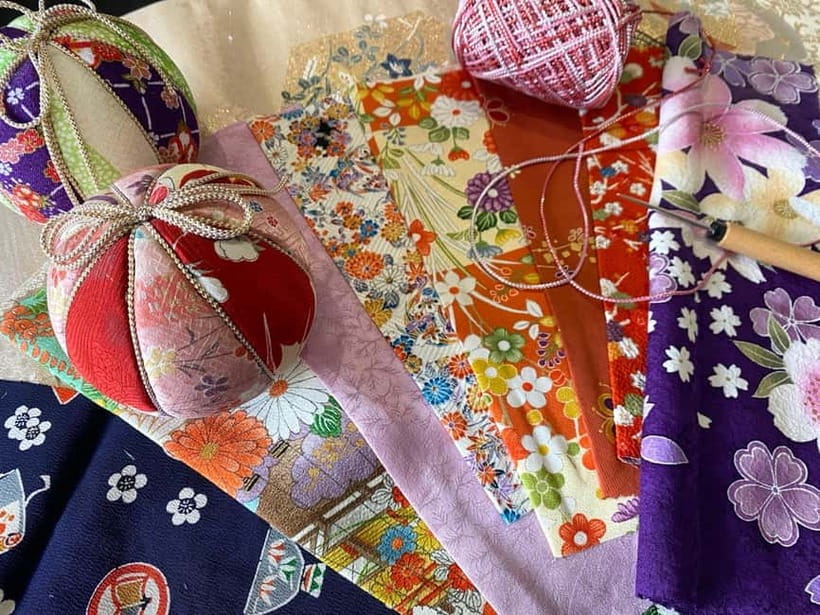
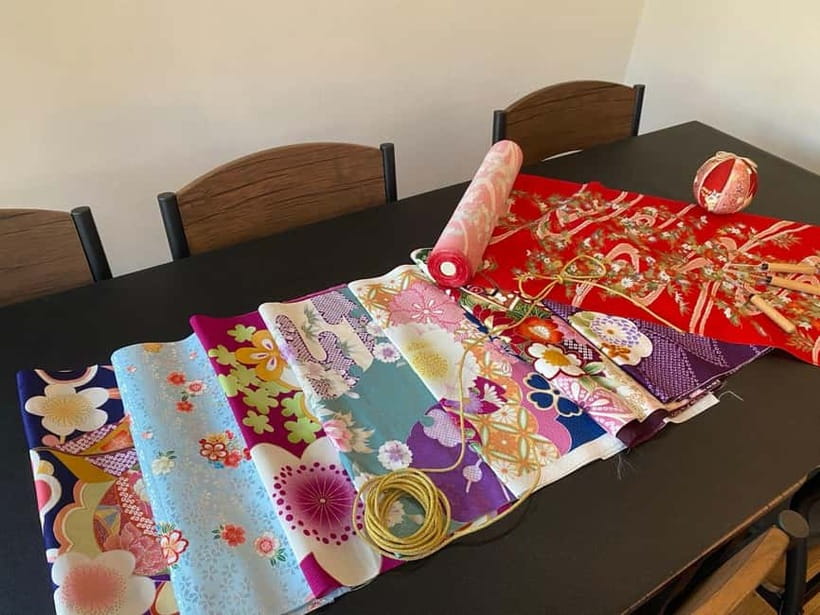
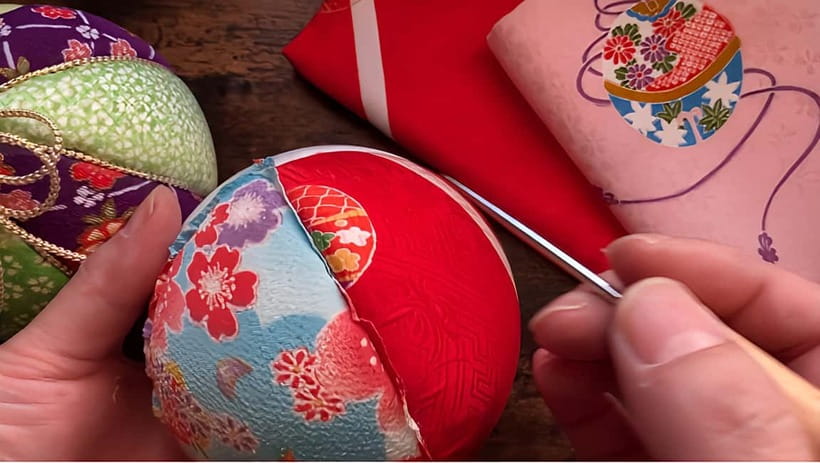
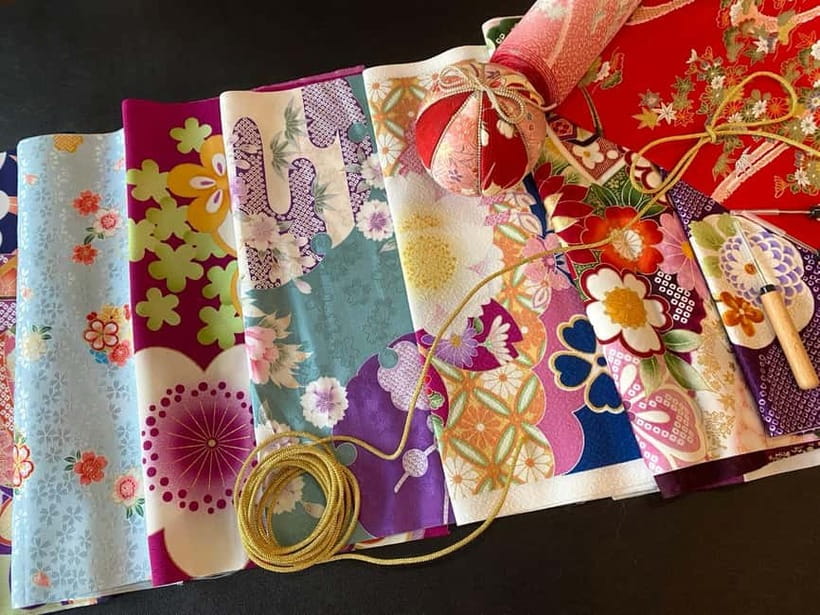
The fabric selection is one of the best parts of the experience. You choose pieces from old kimono material, with different colors, patterns, and textures available. The goal is not to copy one fixed design. You make choices that give your Temari its own look.
Several people who enjoyed the class found the fabric decision surprisingly difficult because there were so many attractive options. That is a good problem to have, but it can slow you down if you are indecisive. If you already know your favorite colors, you will have an easier time narrowing the choices.
I suggest looking at the fabrics as a group rather than selecting your favorite piece one at a time. A Temari can look more balanced when the colors work together, and Mae can help you think through the combination.
The use of recycled kimono material also gives the souvenir extra meaning. You are not simply buying an item decorated with a traditional pattern. You are giving a second life to fabric that was once part of Japanese clothing.
The Two-Hour Craft Session
The class lasts two hours, which is long enough to make the Temari without turning the activity into an all-day commitment. It also gives you time to talk with the instructor and enjoy the shop.
Mae explains each stage clearly and works at a patient pace. The instructions are available in English and Japanese, and the English guidance has been especially useful for international participants. You should still expect a hands-on lesson rather than a lecture. The focus is on making the object.
The project involves some careful handling, but it is not described as difficult sewing. That makes it a good choice for families. A family with children aged 10 and 12 completed the activity successfully, and one parent noted that even a child who was not especially interested in crafts enjoyed taking part.
You will have help if your fabric needs adjusting or if you are unsure about the next step. This is where the four-person limit pays off. The instructor can give individual attention instead of leaving you to follow instructions from across the room.
The finished Temari will not be factory-perfect, and that is part of its appeal. Small differences in shape or placement show that you made it yourself. If you want a flawless decorative ball, buy one in a shop. If you want a personal reminder of your time in Kyoto, the handmade result has more appeal.
Mae, the Local Craft Instructor
The teacher is a major part of the experience. Mae is described as warm, friendly, patient, and easy to talk with. She explains the process step by step and helps beginners feel comfortable.
The class can also become a relaxed conversation about daily life and different cultures. That social side is not guaranteed to be the same for every group, but the small format makes it possible. If you are the only participant booked for a session, you may receive even more individual attention.
One person taking the class alone was also shown how to make fabric flowers. That extra instruction is not listed as a standard part of every booking, so you should not count on it. Still, it shows how the lesson can adapt when the schedule allows.
The instructor’s own shop adds another layer to the visit. Alongside the workshop materials, you can see custom bags and other crafts made from kimono fabric. One participant spent extra time browsing these pieces, which makes sense if you are interested in Japanese textiles or want to buy a second handmade item.
Keep in mind that the instructor’s name appears in several forms in the supplied booking information, including Mae, May, Mei, and Mai. If you need to identify your host on arrival, simply enter the workshop as directed and the waiting host will greet you.
Tea, Matcha, and Traditional Sweets
Each participant receives a complimentary drink and a traditional Japanese confectionery of their choice. This is a small inclusion, but it makes the session feel more like a cultural activity than a basic craft lesson.
The drink may be tea or another offered beverage. One class included a matcha latte, while other descriptions refer more generally to tea. The exact selection can vary, so do not book this expecting a specific drink unless the available choices are confirmed when you reserve.
The sweet gives you a chance to pause while selecting fabric or working on the Temari. It also adds a gentle introduction to a Japanese food tradition without requiring a separate tea ceremony booking.
Additional drinks and food are not included. For most people, that will not matter during a two-hour class, but you can plan to use one of the nearby cafés afterward if you want a longer break.
A few more Kyoto tours and experiences worth a look


Why the Location Works Well
This workshop is in the heart of Kyoto’s sightseeing area, in a part of the city near historically significant temples and shrines. The surrounding district also offers cafés and access to the Philosopher’s Path.
That makes the activity easy to pair with a day of sightseeing. You might schedule it after visiting temples, when your feet need a rest and your attention needs a change of pace. Crafting at a table is a useful counterpoint to moving from one stone path and wooden gate to the next.
The nearby attractions are not part of the Temari class itself. You will not receive a guided temple tour or transportation between sights. The value is the location, which lets you build the workshop into your own Kyoto plan.
The shop is described as easy to find and located in a less crowded area that remains accessible. Still, allow enough time to reach the meeting point. On arrival, enter the workshop, where the host will be waiting to greet you.
Is the $25 Price Good Value?
At $25 per person, this is a reasonably priced Kyoto activity. The fee covers the two-hour workshop, all Temari materials, a local craft instructor, a drink, and a traditional Japanese confectionery.
The value is strongest if you care about the finished souvenir. A shop-bought craft may be quicker, but it does not give you the memory of choosing the fabric and making the piece. You also get a small lesson in a traditional Japanese craft without paying for a full-day course.
The class is less useful for someone who only wants to collect photos or see a professional demonstration. You spend the session making the Temari, so the experience depends on your willingness to participate.
At this price, I would also see the class as a practical rainy-day plan. It gives you a scheduled indoor activity and a keepsake, while still leaving most of the day open for other Kyoto sights.
Best For Families, Couples, and Solo Visitors
This workshop suits a wide range of people.
Families will appreciate that no previous skill is required and that children can participate. The process is manageable for beginners, and the final object gives younger participants something concrete to take home.
Couples can choose different fabrics and create matching or contrasting Temari. The activity also works well for honeymooners who want a small keepsake connected to the trip rather than another mass-produced souvenir.
Solo visitors may get particularly good value from the small class. The instructor can offer close help, and the relaxed conversation can make the session feel social without requiring a large group.
Craft lovers will enjoy the fabric choices and the chance to work inside a local artisan’s shop. If you already have advanced textile skills, though, expect an accessible introduction rather than a demanding master class.
The workshop also suits anyone who wants a quieter hour or two between major attractions. It is not physically tiring, and the calm pace makes it a sensible change after a morning of walking.
What to Keep in Mind Before Booking
The finished Temari is a handmade decoration, not a large practical item. It fits easily in luggage, but you should protect it from being crushed among clothing and souvenirs.
The class is available in English and Japanese, and the instructor’s clear explanations make it suitable for beginners. Still, this is a craft activity, so you will need to follow steps, handle fabric, and take part rather than sit back.
The group size is limited to four people. That is good for personal help, but it also means spaces may be limited at popular times. Check the available starting times before choosing the rest of your sightseeing schedule.
Wheelchair access is listed for the activity. If you have particular mobility needs beyond standard wheelchair accessibility, confirm the details when booking.
Cancellation is flexible up to 24 hours before the start time for a full refund. You can also reserve now and pay later, which helps if your Kyoto plans are still changing.
Planning the Rest of Your Kyoto Day
I would place this workshop near other sights in the same part of Kyoto rather than crossing the city just for a two-hour appointment. The nearby temples, shrines, cafés, and Philosopher’s Path give you plenty of ways to build a full half-day around the class.
A simple plan is to visit a cultural sight first, attend the workshop as a midday pause, then stop at a café or continue along the Philosopher’s Path. The class gives you a fixed anchor while leaving room around it.
Do not schedule the workshop so tightly between two distant attractions that you spend the whole morning watching the clock. Kyoto’s sightseeing areas can take longer to cross than they look on a map, and the point of this activity is to slow down.
The boutique also offers a chance to browse handmade bags and other kimono-fabric crafts. You do not need to plan on buying anything beyond the workshop, but the shop may appeal to you if you are looking for a second textile souvenir.
Should You Book the Temari Workshop?
Book it if you want a small, personal souvenir, enjoy choosing fabrics, or need a peaceful break from temples and long walks. The class is especially strong for families, couples, solo visitors, and complete beginners because Mae offers patient guidance and the group stays small.
I would skip it if you want a serious textile course, a major cultural performance, or a sightseeing tour with several included attractions. This is a focused two-hour craft session.
For $25, the combination of instruction, materials, refreshments, and a handmade keepsake is fair value. The best reason to book is simple: you leave Kyoto with something you made from kimono fabric, not just something you picked up at a souvenir counter.
FAQ
How long does the Temari workshop last?
The workshop lasts two hours.
How much does the activity cost?
The listed price is $25 per person.
Do I need previous craft experience?
No. The activity requires no prior experience or special skills and is designed for beginners.
Can children take part?
Yes. The activity is suitable for adults and children of all ages.
What is included in the price?
The price includes the Temari workshop, all necessary crafting materials, a complimentary drink, traditional Japanese confectionery, and instruction from a local craft master.
What languages are available?
The workshop is offered in English and Japanese.
More Workshops & Classes in Kyoto
More Kimono Experiences in Kyoto

More tours in Kyoto we've reviewed








Kimono Experiences, compared.
 ★ 5.0Kimono Tea Ceremony at Kyoto Maikoya, NISHIKIFrom $65
 ★ 4.8Kyoto: Kimono Rental with Hairstyling and AccessoriesFrom $211 day
 ★ 5.0KYOTO Tea Ceremony with kimono near by Imamiya Jinjya ShrineFrom $99
 ★ 4.2Kimono & Tea Ceremony Experience in a Kyoto Cultural AssetFrom $126
 ★ 4.9Kyoto: Kimono Tea Ceremony with Matcha and SweetFrom $661h 30m
 ★ 4.7Enjoy Kyoto Summer in Traditional Kimono / YukataFrom $29