
Reviewed · FOOD
Kyoto: Replica food making experience
Kyoto’s restaurant windows are full of food that looks ready to eat, yet is made from wax or plastic. This small workshop lets you learn the craft yourself, shaping hot wax into shrimp and pumpkin tempura before building the crisp-looking coating. I like the hands-on challenge, and I like that you leave with a souvenir you made rather than something pulled from a shop shelf.
The small group of up to four makes the lesson feel personal, with time for patient help and photos. The main consideration is safety: you work with hot wax, so children need close help and anyone under six cannot join. Plan to arrive on time, since the opening instructions are given to the group together.
In This Review
- Key points to know before booking
- Why Kyoto’s fake food is worth understanding
- Finding the workshop near the crab sign
- The first lesson: wax, height, and texture
- Making shrimp and pumpkin tempura
- The instructors make the difference
- Packaging your finished replica
- Is one hour and $22 a good value?
- Children, clothing, and hot wax
- Who will enjoy this Kyoto workshop most?
- Should you book the replica food experience?
- FAQ
- Where is the replica food workshop in Kyoto?
- How long does the activity last?
- What food replicas will I make?
- Can I take my finished food replica home?
- Is the workshop offered in English?
- Can children participate?
- What happens if I need to cancel?
Key points to know before booking
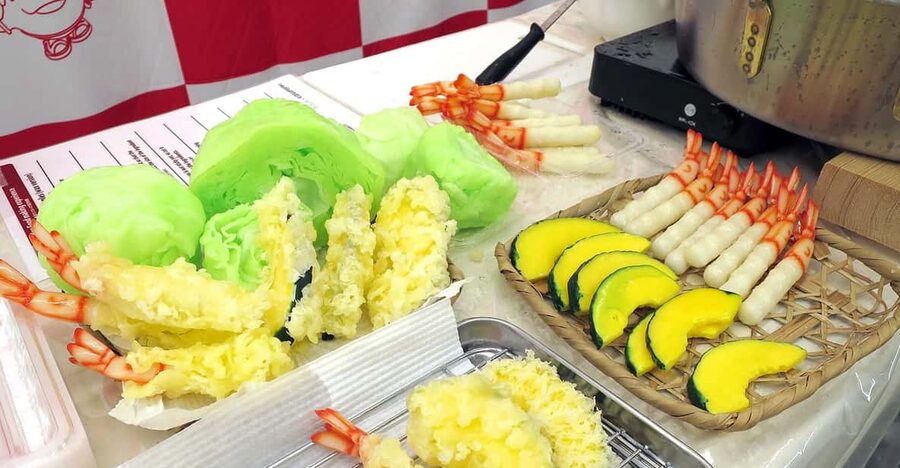
- Make two classic tempura pieces: Shape shrimp and pumpkin from melted wax, then form the batter around them.
- Learn a real Japanese display tradition: Replica food helps diners understand a restaurant’s menu before ordering.
- Take home a supermarket-style souvenir: Your finished pieces are packaged to look like real food, but they are display items only.
- Expect a very small class: With no more than four participants, the instructor can correct your technique and answer questions.
- Allow about 45 to 60 minutes: The advertised duration is one hour, though one session finished in roughly 45 minutes.
- Meet near the large crab sign: The meeting point is diagonally across from Kani Douraku in Kyoto’s Sanjo shopping area.
Why Kyoto’s fake food is worth understanding
Replica food, called sampuru in Japan, is more than a funny window display. It is a practical form of restaurant communication. You can see the portion, ingredients, colors, and general style of a dish before sitting down, even if you cannot read the menu.
That makes the craft a good match for Kyoto. The city has plenty of food traditions that can seem unfamiliar at first, and a plastic or wax model gives you a quick visual guide. The workshop turns that everyday Japanese custom into a short cultural lesson you can handle with your own hands.
I especially like that this is not a lecture followed by a souvenir purchase. You learn the basic method, make mistakes, adjust your technique, and watch a plain piece of wax turn into something that resembles lunch. It gives you a better eye for the careful work behind the food samples seen outside restaurants.
The experience is also a useful change of pace after temples, gardens, and crowded shopping streets. It takes just one hour, so you do not have to sacrifice half a day of sightseeing. You can fit it between visits in central Kyoto and continue exploring afterward.
A few more Kyoto tours and experiences worth a look
Finding the workshop near the crab sign
The meeting point is diagonally across from Kani Douraku, identified by its large crab signboard. That landmark matters because the surrounding shopping streets contain many storefronts and signs, and a clear visual marker is easier to spot than a small address.
The workshop is in the Sanjo Meiten-gai shopping arcade area, not far from Nishiki Market. This gives you an easy way to combine the activity with food shopping, browsing, and a meal. I would not leave the workshop without allowing time to look around the arcade, since the location puts you in a useful central part of Kyoto.
You need to arrive at your reserved time. The staff explain the method all at once at the start, so arriving late can mean missing the foundation of the lesson. Give yourself extra time to find the crab sign, especially if you are coming from another part of the city.
The first lesson: wax, height, and texture
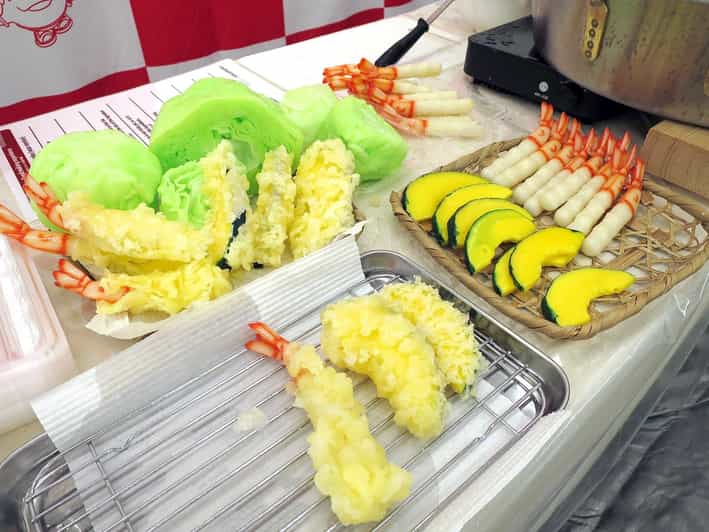
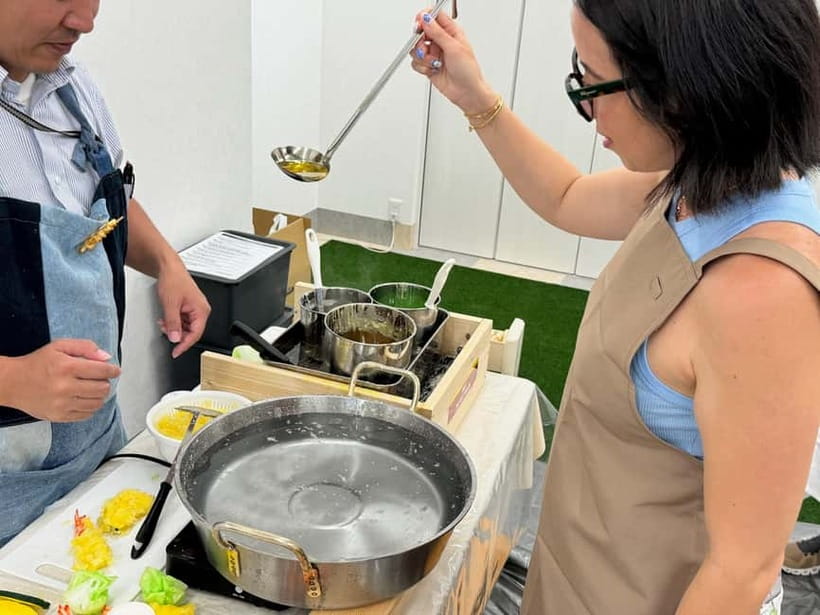
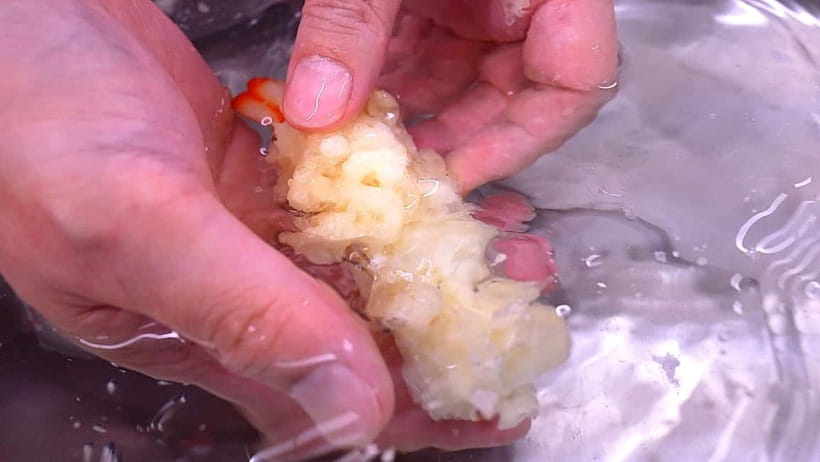
The workshop begins with an explanation of how replica food is made. The central material is melted wax, which is poured into hot water and shaped before it hardens. The timing is part of the challenge. You must work while the wax is flexible, but not so quickly that you lose control of the form.
One useful technique is changing the height from which you pour the wax. A different drop height creates a different texture, which helps produce a rough, irregular surface instead of a smooth artificial one. This small detail shows why the final pieces look more convincing than a simple molded object.
The process is easy to understand but takes practice. You might find that your first attempt looks less like tempura and more like a piece of pale sculpture. That is part of the fun, and the instructors give you time to practise before making the pieces you take home.
The English and Japanese instruction is supported by demonstrations and clear hand movements. English is available, but the workshop can still work for people with limited Japanese. One participant managed with simple directions, some English, and a translation app. Bring your phone if you think you may need help with a word or step.
Making shrimp and pumpkin tempura
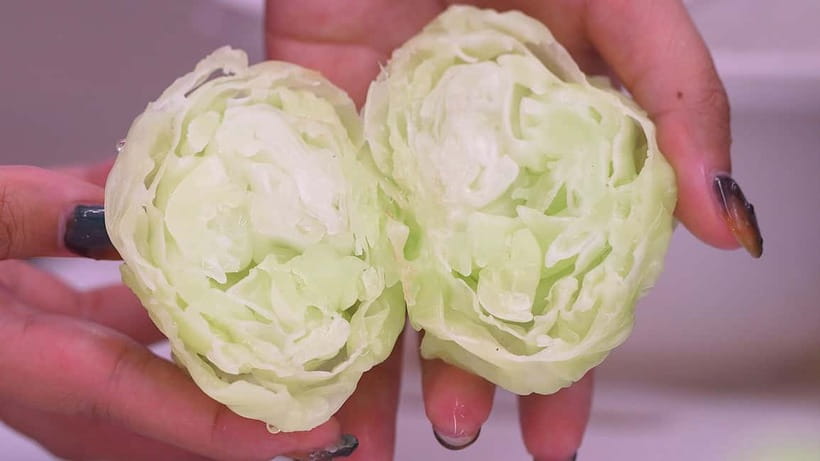
The main project is a pair of traditional Japanese tempura pieces: shrimp and pumpkin. You begin by shaping the underlying food forms, then wrap each item in a wax batter that should resemble the light, uneven coating of fried tempura.
Shrimp is a good test of control because its shape is narrow and curved. Pumpkin gives you a different surface and form to work with. Making both lets you see how the same basic method changes depending on the food underneath.
The batter is where the replica starts to look convincing. You are not simply covering the item in one thick layer. The goal is to create the uneven texture and edges associated with fried coating. The instructor can show you how to handle the wax and offer tips when the shape needs correction.
Some workshops offer lettuce as an additional option. The provided information confirms lettuce as an available choice, but you should check the current options when booking if that piece matters to you. Other sample designs, including a melon float, have also been available, though the core activity described here is the shrimp and pumpkin tempura set.
This is a creative activity, not a precision test. I like it for families and couples because everyone can compare shapes and laugh at the results without needing artistic training. The small class size also means you are not left to work out the technique alone.
The instructors make the difference
The instructors are described as friendly, patient, and willing to repeat directions. That matters here because the work involves a sequence of small actions, and the wax changes quickly. A rushed explanation would make the activity frustrating, but the teaching style is built around demonstrations, practice, and individual help.
You should expect a relaxed teaching approach rather than a formal cooking class. The staff may use English, Japanese, gestures, or a translation app, depending on the instructor and the group. Communication is helped by the fact that the key steps can be shown directly.
Some sessions have been one-on-one, while the stated maximum is four people. That is a useful distinction. You might share the room with a small family or have unusually personal attention if other places are not filled. Either way, the limited group size is a real advantage over a large workshop.
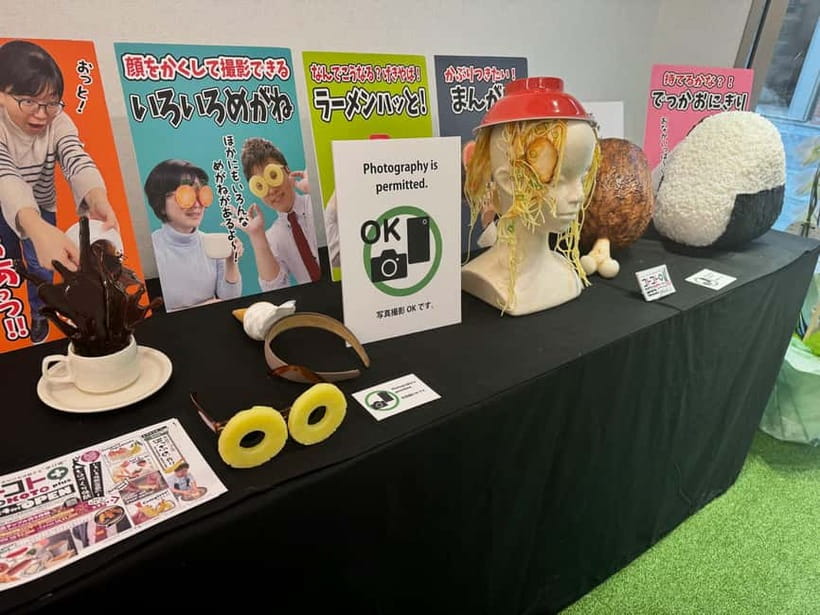
The staff also encourage photos and videos during the process. That gives you a record of the transformation from wax to finished food, and the oversized replica examples in the shop can make playful photo subjects. Ask before handling display pieces, but the setting is clearly designed to be friendly and interactive.

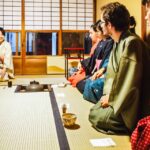
Packaging your finished replica
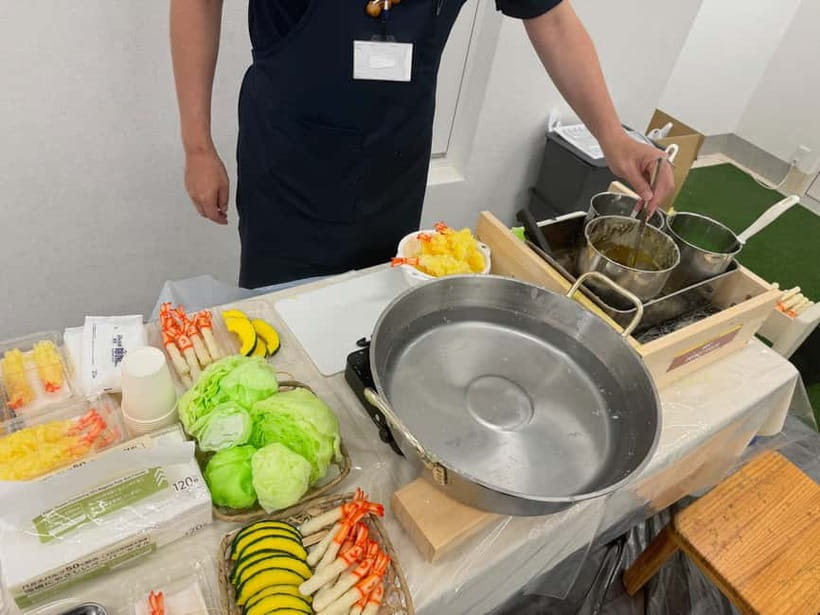
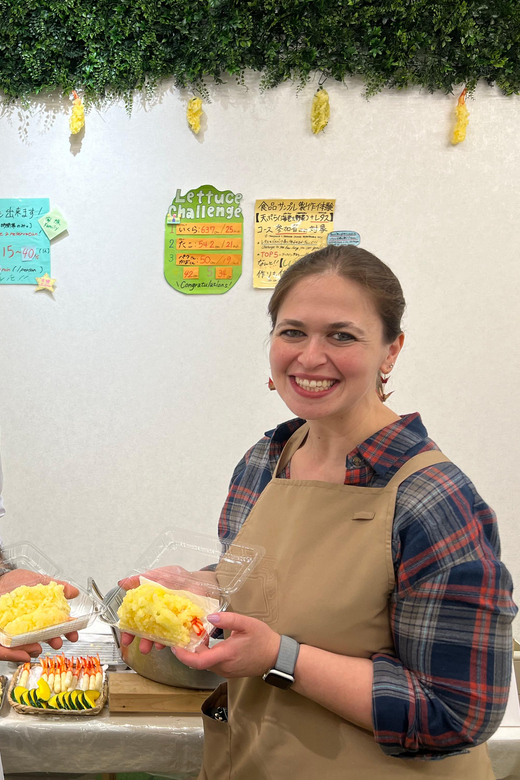
At the end, your tempura is packaged like a real supermarket food item. That final step is more important than it sounds. The packaging makes the souvenir feel complete and reinforces the joke that this food looks ready for the dinner table.
Your finished pieces are for display only. Keep them away from anyone who might mistake them for edible food, especially if you have young children at home. The realistic appearance is the point, but it also calls for a clear reminder once the replica leaves Japan.
The souvenir is compact and personal. You made it, so it carries a memory of the workshop rather than just the name of a Kyoto shop. It should also give you a good story to share with family and friends, particularly if you place it beside real food in a photograph.
Pack it carefully in your luggage. The experience supplies the finished item in suitable packaging, but a souvenir made from wax still deserves protection from crushing and rough handling. If your suitcase is already full, consider how much room the packaged piece will need before choosing extra workshop options.
Is one hour and $22 a good value?
At $22 per person, this is a reasonably priced short activity. You receive the workshop, all materials, instruction, and the replica food you make. The price works best if you value the activity itself, not only the object at the end.
A shop-bought souvenir may cost less, but it would not give you the process or the cultural context. A longer cooking class may offer more food, yet you would also spend more time and money. This workshop fits neatly into a busy Kyoto schedule and gives you something tangible to carry home.
The one-hour length is another part of the value. The practical session can finish in around 45 minutes, while the official duration allows room for explanations, practice, and completing the package. Do not book it expecting a long culinary course. Think of it as a focused craft lesson with a cultural angle.
The biggest value comes for families, couples, and curious visitors who enjoy making things. If you dislike guided activities or would rather spend every spare minute eating genuine Japanese food, the replica may feel less worthwhile. You will not taste the tempura, and the finished product is not meant to be eaten.
Children, clothing, and hot wax
Children under six are not permitted. Older children can take part, but parental assistance may be requested, particularly during steps involving hot wax. An eleven-year-old can find the activity very exciting, but adult attention remains important.
The workshop provides aprons and chef jackets. Even so, a change of clothes is sensible because wax may get on fabric. This is not a reason to avoid the activity, but it is a good reason not to wear your finest outfit.
The activity is accessible to people with little Japanese. English and Japanese are the listed languages, and demonstrations make the basic process easier to follow. If your Japanese is limited, keep your translation app ready and pay close attention to the first demonstration.
Arrive at the booked time and expect the session to move through the steps together. If you are travelling with children, explain beforehand that the food is pretend and that the wax is hot. That simple preparation will make the hour more relaxed.
Who will enjoy this Kyoto workshop most?
I would recommend this experience to families with children aged six and older, couples wanting a shared souvenir, and anyone who has wondered how restaurant display food is made. It also suits repeat visitors who have already seen Kyoto’s major temples and want a more unusual cultural activity.
It is a good choice for a rainy period because the main activity takes place indoors, though the supplied details do not promise a specific weather setup. It also works well for a short gap in your schedule near Nishiki Market and the Sanjo shopping arcade.
Food lovers should know what they are booking. You will learn about the look and presentation of Japanese dishes, but you will not prepare or eat an actual meal. If your priority is tasting Kyoto cuisine, pair this with a real lunch nearby rather than treating it as a replacement.
The experience is less suitable for children under six, anyone uncomfortable around hot materials, or visitors who want a large, highly structured class. The intimate setup is a strength for most people, but it may feel quiet if you prefer a lively group setting.
Should you book the replica food experience?
Book it if you want a hands-on Japanese souvenir, a short activity near Nishiki Market, or an easy family experience that does not require advanced language skills. The friendly instruction, tiny class size, and chance to make your own tempura give it more substance than a standard souvenir stop.
I would also book it for a quieter afternoon in central Kyoto. You can learn a craft, take photos, and leave with a packaged replica that is both amusing and culturally specific. Just arrive on time, wear practical clothing, supervise children around the wax, and remember that the food is for display only.
Skip it if you want to spend your budget entirely on edible cuisine or if you cannot safely work with hot wax. For most curious visitors, though, $22 buys a memorable hour and a souvenir with a story behind it.
FAQ
Where is the replica food workshop in Kyoto?
The meeting point is diagonally across from Kani Douraku, which has a large crab signboard. The workshop is in the Sanjo Meiten-gai shopping arcade area, not far from Nishiki Market.
How long does the activity last?
The advertised duration is one hour. One session finished in about 45 minutes, so allow roughly 45 to 60 minutes.
What food replicas will I make?
The main activity teaches you to make shrimp and pumpkin tempura from melted wax. Lettuce may also be available as an optional replica.
Can I take my finished food replica home?
Yes. The replica food you make is included as a souvenir and is packaged to resemble a supermarket food item. It is for display only and should not be eaten.
Is the workshop offered in English?
Yes. Instruction is available in English and Japanese. Demonstrations, simple directions, and translation apps can also help when needed.
Can children participate?
Children under six cannot join. Older children may participate, but parental assistance may be requested, especially when hot wax is involved.
What happens if I need to cancel?
You can cancel up to 24 hours before the experience for a full refund. You can also reserve now and pay later, which keeps your plans flexible.
More Food Experiences in Kyoto
More tours in Kyoto we've reviewed




Food, compared.
 ★ 5.0Kyoto Night Foodie Tour in Gion (9+ dishes + 6 Sake tastings)From $163
 ★ 5.0Kyoto: Insider Sake Brewery Tour with Sake and Food PairingFrom $873 hours
 ★ 5.0Kyoto Nishiki Market Food and Culture Walking TourFrom $80
 ★ 5.0Kyoto Foodie Night TourFrom $102
 ★ 4.9Kyoto: Gion & Pontocho Food Tour with 13 DishesFrom $823 hours
 ★ 4.7Kyoto: Local Food Tasting Tour at the Nishiki MarketFrom $783 hours - 270 minutes