
Reviewed · WORKSHOPS
Kyoto: Make Your Own “Daruma” Craft & Painting Workshop
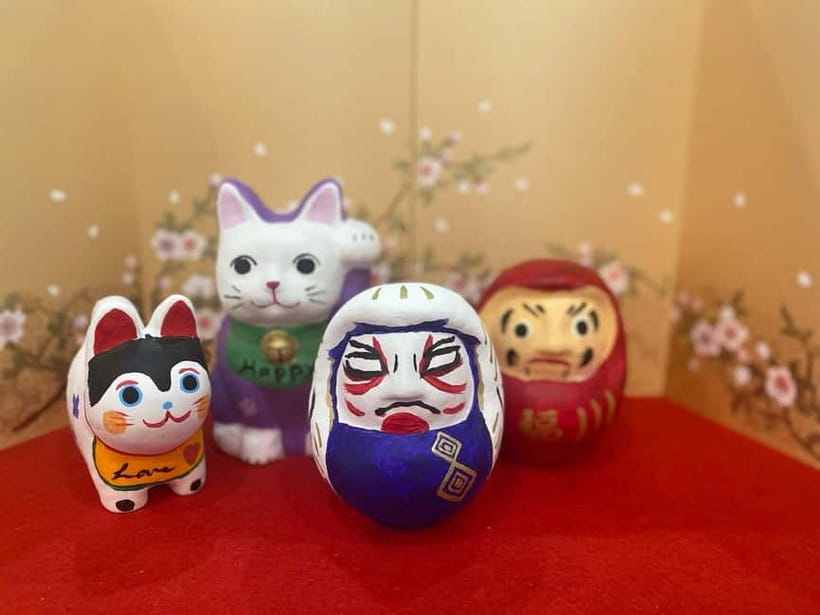
The best thing about this Kyoto workshop is that you do not simply buy a souvenir. You make one. In a small, newly renovated craft shop, you choose a papier-mâché figure, learn what it represents, and paint it in your own style with help from local artist May, sometimes written Mei.
I like the tiny groups of up to four, which leave room for real conversation and patient help. I also like the gentle pace: tea, a traditional sweet, and no pressure to produce perfect art. The main consideration is that this is a craft session, not a full temple tour, and wet weather can be a problem for your acrylic-painted figure unless you wrap it carefully.
In This Review
- Key points at a glance
- What this Kyoto craft workshop is really like
- Choosing between a Daruma, cat, dog, and Kitsune
- Painting time is the heart of the experience
- Tea, sweets, and the pleasure of slowing down
- A shop with more than one kind of souvenir
- How it fits into a day of Kyoto sightseeing
- Is the $25 price good value?
- Who will enjoy this most?
- What to know before you book
- Should you book the Daruma painting workshop?
- FAQ
- How long does the Kyoto Daruma painting workshop last?
- How much does the activity cost?
- What figures can I paint?
- Do I need previous art experience?
- Is the workshop suitable for children?
- Is the workshop taught in English?
- What is included in the price?
- Can I cancel the booking?
Key points at a glance
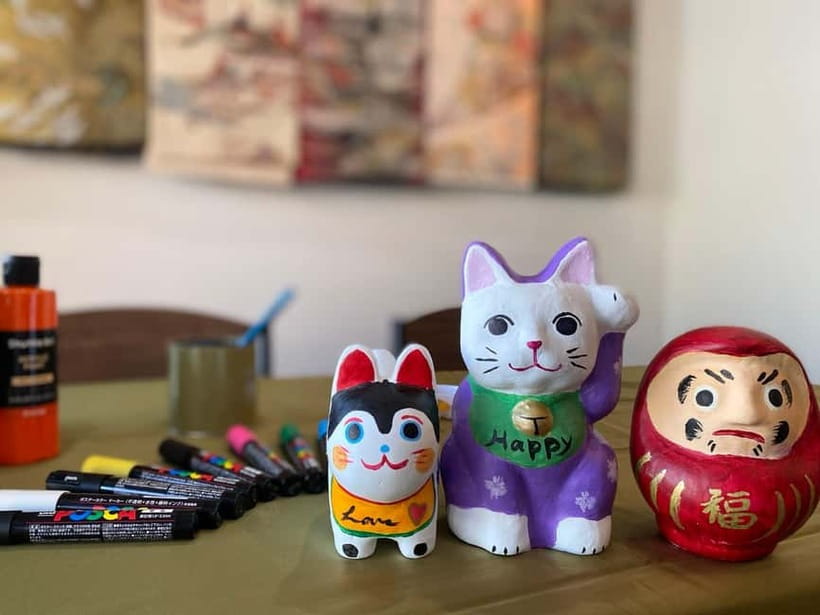
- Choose your own symbol: Paint a Daruma, beckoning cat, dog, or fox figure.
- A genuinely personal souvenir: You take home something you designed and painted yourself.
- Small and calm: The group is limited to four, so May can offer individual advice.
- Tea and a Japanese sweet included: The refreshment adds a pleasant break while your paint dries.
- Good for all ages: No art experience is required, and children and adults can take part.
- Useful on a rainy day: It gives you a warm indoor activity, though you should protect the finished piece from rain.
What this Kyoto craft workshop is really like
This is a two-hour creative stop in the heart of Kyoto. You enter the workshop on arrival, where your English-speaking host greets you and explains the activity. The setting is a boutique craft shop rather than a large classroom, so the mood is personal and quiet.
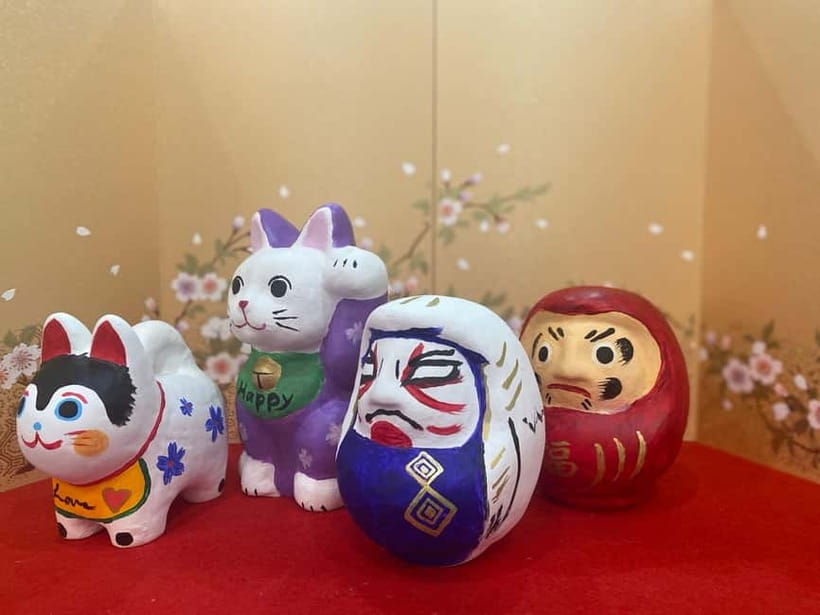
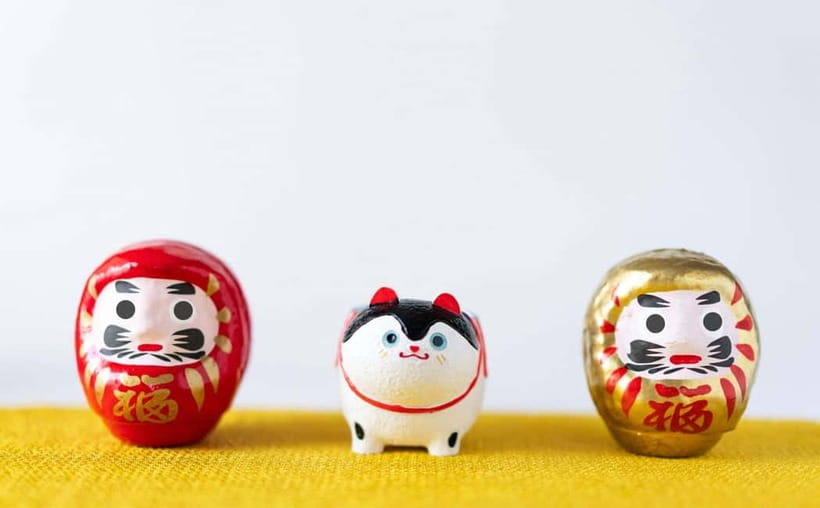
You are given the necessary materials and a papier-mâché figure to decorate. The available shapes include the round Daruma, a beckoning cat, a dog, and a fox, known as Kitsune in Japanese tradition. Each carries its own associations, so the choice is not only about appearance. You can pick the figure that best fits your trip, your family, or the person who will receive it at home.
The exact order may vary slightly, but you should expect an easy rhythm: choose your figure, hear about its symbolism, plan your colors, paint, and add details at your own pace. May is there to suggest ideas or explain the traditional meaning, but the activity is not a rigid art lesson. You have room to make something neat, funny, bold, or slightly lopsided.
That freedom matters. A polished shop-bought Daruma may look more traditional, but your own version carries the memory of a particular afternoon in Kyoto. I would treat this as a relaxed cultural activity with a craft result, not as a test of artistic skill.
A few more Kyoto tours and experiences worth a look


Choosing between a Daruma, cat, dog, and Kitsune
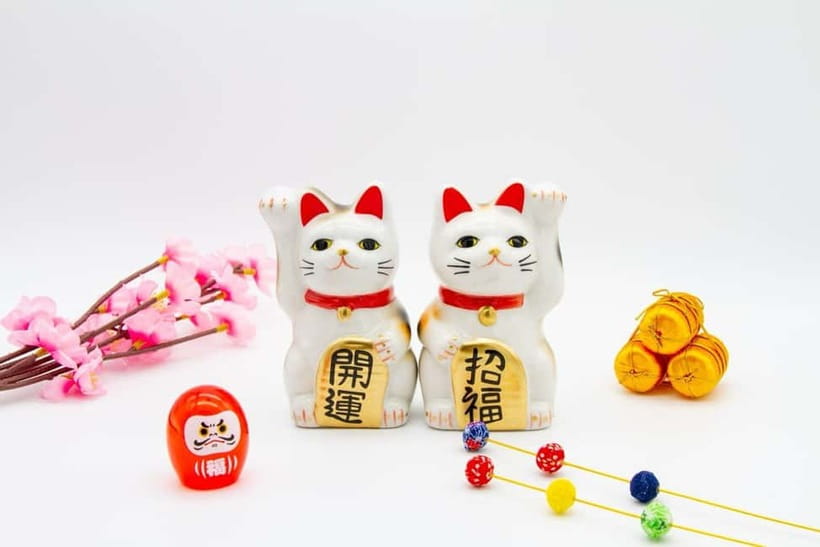
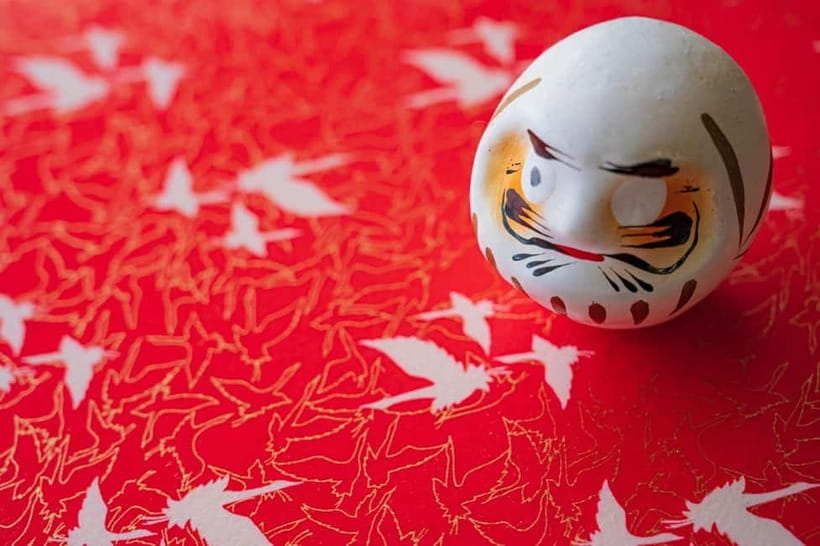
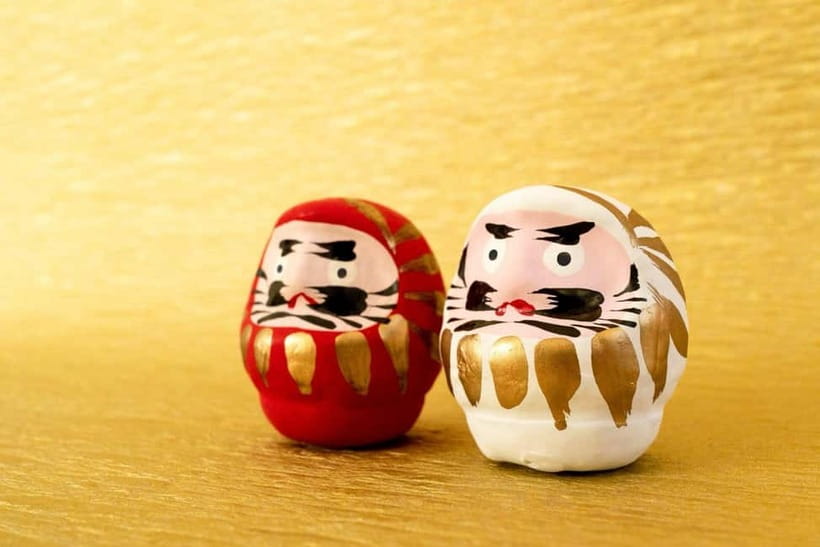
The Daruma is the obvious choice if you want a classic Japanese good-luck object. Its strong shape is easy to recognize, and its simple face gives you plenty of room to decide how traditional or unusual your design should be.
The beckoning cat, often called Maneki-neko, is a natural pick for a home or business. Its raised paw gives the figure a lively character, and it may appeal to children who want something instantly recognizable.
The dog and Kitsune offer a less expected route. A fox has a strong place in Japanese stories and shrine traditions, while a dog can make a sweet personal keepsake. The activity information does not promise a particular selection of colors or designs, so ask your host what is available when you arrive.
You do not need to arrive with a finished plan. One of the pleasures is seeing how your idea changes once you have the shape in front of you. May encourages creativity without hovering, a useful balance if you enjoy making your own choices.
Painting time is the heart of the experience
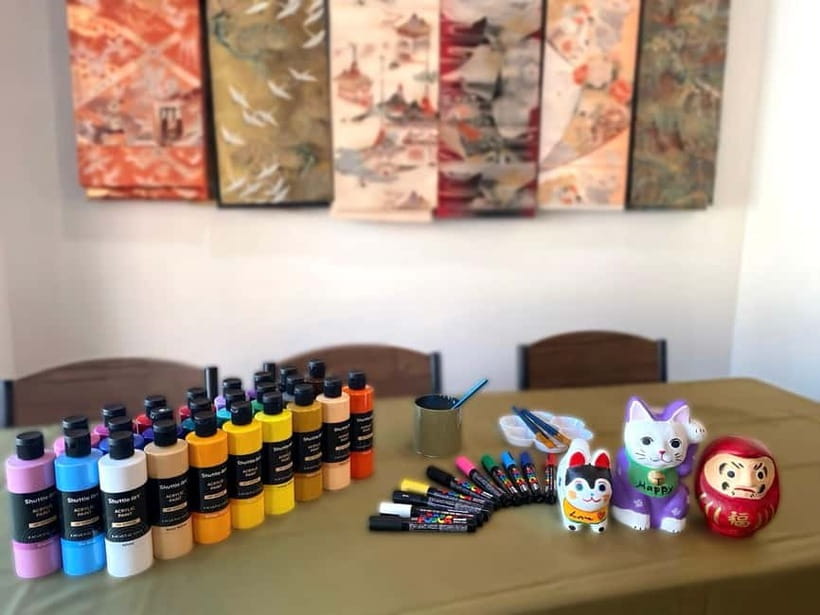
The painting is self-directed, but you are not left alone with a blank figure and a pile of supplies. Your host can explain the symbols, offer suggestions, and help when you ask. Several details make this especially suitable for beginners: no previous experience is required, all materials are supplied, and the pace is relaxed.
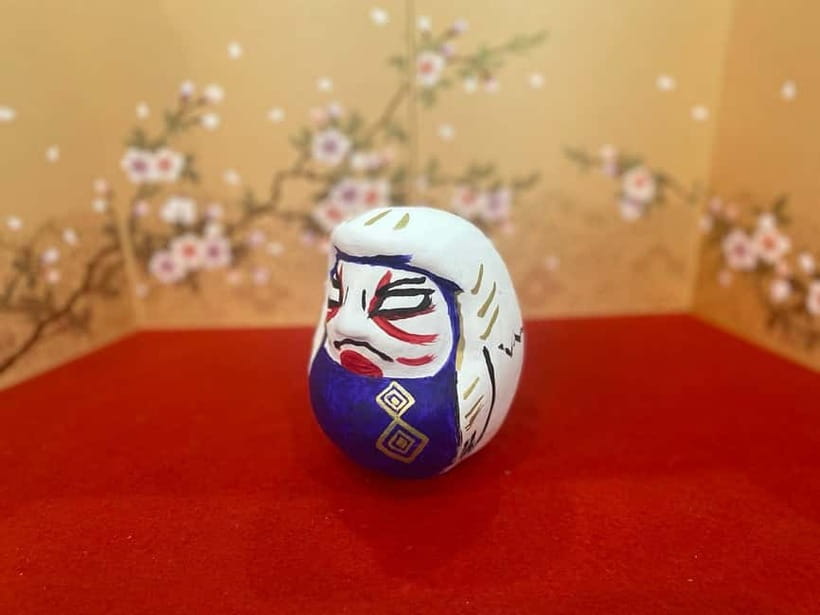
I would not worry about producing museum-quality work. The point is to make a personal object. Children can work with broad shapes and bright colors, while adults may enjoy adding fine details or creating a design tied to their own interests.
The small group limit of four is important here. In a busy class, a beginner may have to wait for help or feel pushed along. With only a few people, the session can feel more like time in an artist’s shop. If you book with a partner or family member, you can work side by side while still receiving individual advice.
The workshop has also earned praise for letting people stay focused without being rushed. That is a real advantage in Kyoto, where many activities run on a tight schedule. Here, the craft is the activity, not a quick add-on between sightseeing stops.
Tea, sweets, and the pleasure of slowing down
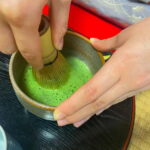
Each participant receives a complimentary drink and a traditional Japanese confectionery of their choice. Past sessions have included tea and matcha, with one account specifically noting matcha and a cookie. The exact offering may vary, so think of it as a small refreshment rather than a formal tea ceremony.
Still, this detail helps shape the afternoon. Painting can be surprisingly absorbing, and a drink gives you a natural pause while you look at your work and decide what it needs next. It also creates time to chat with May about Japanese customs and the local area.
The snack is not the main reason to book, but it adds value to a $25 experience. You are getting the craft materials, instruction, a keepsake, and a small cultural pause in one price. For Kyoto, where many temple visits cost little or nothing but can leave you with another purchased trinket, making something yourself feels like a better souvenir choice.
A shop with more than one kind of souvenir
The workshop takes place in a craft shop filled with handmade goods. You are not required to buy anything else, but the setting gives you a chance to see additional work by the owner and local craftsperson.
The shop has been described as carrying handmade bags, silk kimono creations, lacquer boxes, and other one-of-a-kind pieces. Availability and prices for those items are not provided, so do not build your budget around them. The useful point is that the workshop connects you with a small creative business rather than a chain souvenir store.
I like this aspect because it gives the activity a stronger local feel. You can spend two hours making your own piece, then browse other handmade objects if you wish. That combination may suit you if you want a small gift for someone at home but prefer something with more character than a standard airport purchase.
There is also a practical warning here. The craft uses acrylic paint. If you finish your figure on a rainy day, wrap it before heading outside so the paint does not get damaged. This is an easy detail to overlook, especially if you are moving directly to a temple or restaurant afterward.

How it fits into a day of Kyoto sightseeing
The workshop is located in central Kyoto and is described as being near historically significant temples and shrines. That makes it easy to pair with sightseeing in the surrounding area, but you should understand the distinction: the craft session itself does not promise a guided temple or shrine visit.
I would schedule it as a two-hour pause between major sights, or as a rainy-day alternative when walking around Kyoto becomes unpleasant. It can also work well near the end of your trip, when you have already seen famous buildings and want an activity that gives you a physical reminder of the city.
The timing is flexible because starting times depend on availability. Check the schedule before planning nearby visits. You will want enough space after the workshop to carry the figure carefully, especially if the paint is still drying.
For families, this can break up a long run of temples. Children often remember what they made more clearly than another building they photographed. For couples, the quiet setting allows you to work together without the noise of a large tour group. Solo visitors can enjoy the same calm pace and take home a compact personal memento.
Is the $25 price good value?
At $25 per person, this is fairly priced if you value the finished object and the time spent making it. You are not paying just for paint. The price includes the papier-mâché workshop, all necessary materials, an English-speaking local craft master, a drink, and a traditional sweet.
The small group is the strongest value point. A cheaper drop-in craft table might give you supplies but little guidance. Here, the group limit of four means you can ask questions and receive help without turning the session into a crowded class.
The price is less attractive if you only want a quick souvenir or have no interest in painting. Two hours is a substantial commitment, and the figure you make may not look exactly as you imagined. You are paying for the process as much as the final object.
That is why I would compare it with what else you want from Kyoto. If your schedule is already packed with major sights, this may feel like a luxury pause. If you want a personal, indoor cultural activity, the combination of instruction, materials, refreshments, and a handmade keepsake makes the cost sensible.
Who will enjoy this most?
This workshop is a strong choice for families, couples, grandparents with children, and anyone who likes quiet creative activities. It is suitable for all ages and skill levels, and no prior experience is needed.
It also works well for people who prefer small businesses and direct contact with local makers. May is described as patient, kind, and encouraging, while still allowing participants to work in their own style. That is particularly helpful if you dislike tours where a guide talks continuously or moves the group along before you are ready.
You should also consider it if you need a rainy-day plan. One family used it as an indoor outing with a grandson, and another participant appreciated being able to stay longer to finish details. The acrylic paint warning remains important, but the workshop itself gives you a sheltered way to spend part of a wet Kyoto day.
Art perfectionists may need to adjust their expectations. This is not advertised as a professional ceramics or painting course, and the finished pieces will reflect the maker’s own ability. That is part of the charm, but it may frustrate you if you want a highly technical lesson.
The activity is wheelchair accessible, which widens its appeal. The provided information does not describe the exact doorway, restroom, or interior layout, so if you need specific access measurements, confirm them before booking.
What to know before you book
The workshop lasts two hours and is conducted in English. Your host will be waiting inside, so enter the workshop when you arrive rather than looking for an outdoor meeting group.
You can reserve now and pay later, which helps if your Kyoto schedule is still changing. Free cancellation is available up to 24 hours before the activity for a full refund.
Keep these practical points in mind:
- The group is limited to four participants.
- All craft materials are included.
- You receive one complimentary drink and one traditional Japanese confectionery.
- The activity is suitable for adults and children.
- Protect your finished piece from rain because acrylic paint may be damaged before it fully settles.
- The surrounding temples and shrines are nearby attractions, not a confirmed part of the workshop program.
Should you book the Daruma painting workshop?
I would book this if you want a calm, personal activity that gives you something to carry home besides photographs. The small group and patient guidance make it friendlier than a standard craft class, while the choice of Daruma, cat, dog, or Kitsune lets you make a souvenir that feels genuinely yours.
I would skip it if your Kyoto visit is extremely short and every hour must go to major temples, or if painting does not appeal to you. Otherwise, $25 buys two unhurried hours, a drink and sweet, local conversation, and a handmade reminder of Kyoto. That is a good deal, especially on a rainy afternoon or near the end of a busy sightseeing trip.
FAQ
How long does the Kyoto Daruma painting workshop last?
The workshop lasts two hours. Starting times vary, so check availability when you book.
How much does the activity cost?
The listed price is $25 per person.
What figures can I paint?
You can paint a papier-mâché Daruma, beckoning cat, dog, or Kitsune fox figure, depending on the available selection.
Do I need previous art experience?
No. The workshop is designed for all skill levels, and no prior experience is required.
Is the workshop suitable for children?
Yes. The activity is suitable for all ages, including adults and children.
Is the workshop taught in English?
Yes. The instructor language is English.
What is included in the price?
The price includes the papier-mâché workshop, all necessary crafting materials, a local craft master, one complimentary drink, and a traditional Japanese confectionery for each participant.
Can I cancel the booking?
Yes. You can cancel up to 24 hours in advance for a full refund. You can also reserve now and pay later.
More Workshops & Classes in Kyoto
More tours in Kyoto we've reviewed



Workshops, compared.
 ★ 4.3Kyoto: 45-Minute Tea Ceremony Lesson ExperienceFrom $2245 min
 ★ 5.0Ramen Cooking Class at Ramen Factory in KyotoFrom $131
 ★ 4.9Kyoto: Ramen Cooking Class at a Ramen Factory with SouvenirFrom $1271h 30m
 ★ 4.9Kyoto: Samurai Class, Become a Samurai WarriorFrom $70
 ★ 5.0Ninja 1-hour Hands-on Lesson by Japanese master in Kyoto -EntryFrom $80
 ★ 5.0Kyoto: Ramen, Gyoza, and Onigiri Cooking ClassFrom $901h 30m