
Reviewed · CYCLING TOURS
Kyoto Shogun Cycling Tour
Kyoto’s shogun-era story makes more sense from a bicycle. This easy downhill ride links the gold-covered Kinkakuji, quiet Toji-in Temple, and grand Nijo Castle, turning three major sights into one flowing half-day outing.
I like the small private groups, limited to two to six people per guide, and the way cycling gets you beyond the main tourist corridors. I also like that bikes, helmets, and rainwear are included. The main catch is the fixed route and cancellation rule, so check the terms carefully before paying.
In This Review
- Key points to know before you book
- Why this route works for a first look at Kyoto
- Starting at Wara Tenjin near Kinkakuji
- Kinkakuji: Kyoto’s famous Golden Pavilion
- Toji-in Temple and the quieter side of Zen design
- Nijo Castle and the end of shogun rule
- What the guides add to the ride
- The cycling itself, pace, and weather plan
- Is $153.50 a fair price?
- Who should book this Kyoto bike tour?
- Important booking details to check first
- FAQ
- How long does the Kyoto Shogun Cycling Tour last?
- Where does the tour start?
- Where does the tour end?
- Which sights are included?
- Are admission tickets included?
- Are bicycles and helmets provided?
- Is matcha service included?
- Can children join the tour?
- What happens if it rains?
- Should you book it?
Key points to know before you book
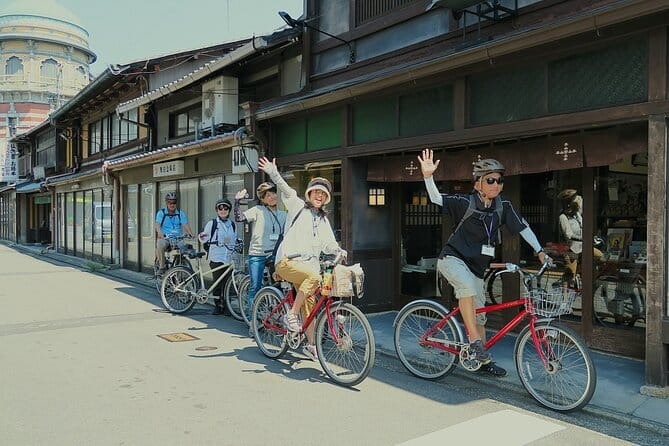
- Three major sights in three and a half hours: Kinkakuji, Toji-in Temple, and Nijo Castle each receive about an hour, with extra time built in for the castle.
- An easy downhill route: The ride begins near Wara Tenjin in northwest Kyoto and ends near Kyoto Station, making the direction useful as well as scenic.
- Private groups of two to six: You ride only with your own party, unless a larger booking requires an extra guide.
- Guides with strong English skills: Guides including Seiya, Makoto, Nozomi, Yasunobu Yagyu, Kaz, and JJ have led similar Kyoto cycling outings.
- Rain does not automatically cancel the ride: You can continue by bicycle with a free poncho or switch to public transportation for a walking tour.
- A good fit for confident riders age 10 and up: Children must be at least 145 centimeters tall and able to ride safely on the road without help.
Why this route works for a first look at Kyoto
This tour gives you a clean slice of Kyoto’s political and religious past without asking you to plan every train, bus, and temple stop yourself. The three sites also make a sensible historical sequence: Kinkakuji reflects the Ashikaga Shoguns, Toji-in connects directly with that family, and Nijo Castle brings the story to the Tokugawa rulers and the final days of shogun power.
The bicycle matters here. Kyoto’s famous sights can feel scattered when you connect them by public transport, and walking the full distance would eat up much of your day. Cycling lets you cover ground while still seeing ordinary streets between the headline sights.
You should not expect a strenuous ride. The route is described as an easy downhill course, and the tour lasts about three hours and 30 minutes. Still, you need to be comfortable riding on roads, following your guide, and handling a bicycle without assistance.
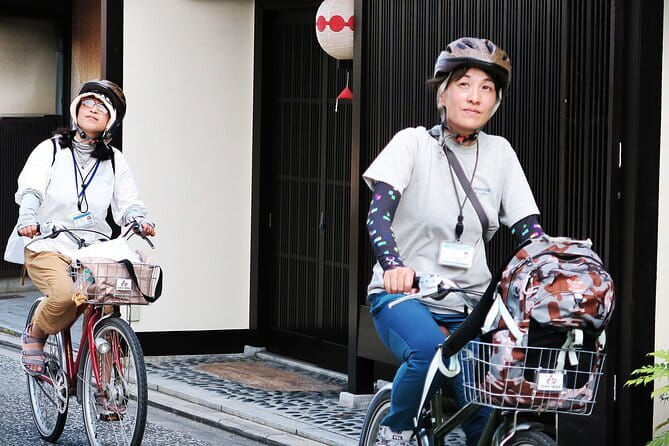
The private format is a real advantage. With only your own group, your guide can answer questions, adjust the pace within reason, and explain details that are easy to miss in a large crowd. Groups of two to six are accepted per guide. A party of seven to 12 can arrange an additional guide.
Other cycling tours in Kyoto
Starting at Wara Tenjin near Kinkakuji
The meeting point is Wara Tenjin mae, at Kinugasa Oharaicho in Kyoto’s Kita Ward. This puts you near the first sight, Kinkakuji Temple, rather than near Kyoto Station.
That arrangement saves you from riding across the city before the sightseeing begins. It also means you should allow time to reach the starting point by public transport. The meeting point is near public transportation, but the supplied details do not name a specific bus or train connection, so check your route before the morning of the tour.
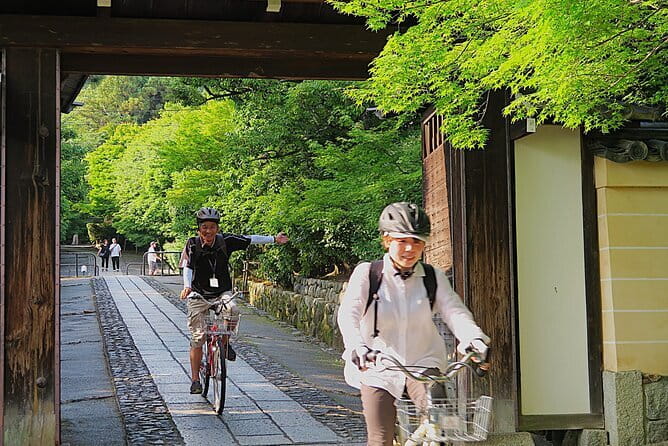
Once you meet your guide, the bicycle becomes your moving base. Helmets are included, and rainwear is available if the weather turns wet. The operator supplies bicycles, but no detailed bike specifications are given, so serious cyclists should not assume a particular frame type, gearing system, or electric assistance.
Kinkakuji: Kyoto’s famous Golden Pavilion
Your first stop is Kinkakuji, better known as the Golden Pavilion. The upper sections of the temple building are covered in gold leaf, making it one of Kyoto’s most recognizable sights.
The visit includes admission and about an hour to walk through the surrounding gardens with your guide. That garden time is important. The pavilion is the obvious focal point, but the setting gives you a better sense of how the building was meant to be viewed, from carefully arranged paths and framed garden scenes rather than from one quick photo stop.
Kinkakuji was linked to the Ashikaga Shoguns and served as a political center during that period. Your guide can connect the glittering building to the power of the Muromachi era, giving the stop more meaning than a simple architectural visit.
The drawback is that Kinkakuji is one of Kyoto’s most popular sights. You will not have the place to yourself, and the tour’s one-hour visit can feel short if you want to study every part of the garden. If you need long stretches for photography or quiet contemplation, this stop may feel brisk.
Still, beginning here is smart. You see an iconic image early, learn why it mattered to the shoguns, and then move on by bicycle rather than retracing your steps on public transport.
Toji-in Temple and the quieter side of Zen design
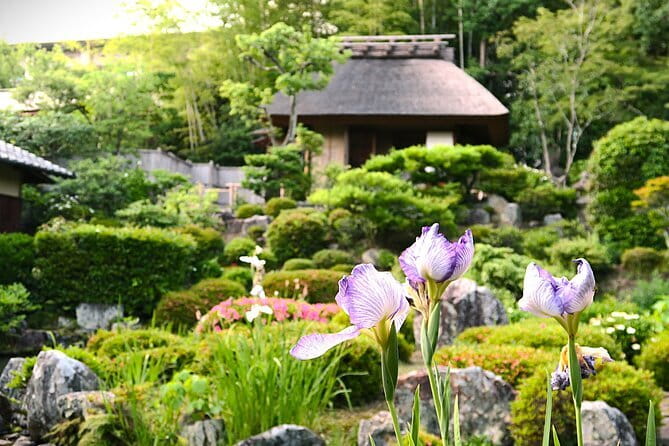
Toji-in Temple changes the mood. After Kinkakuji’s bright gold, this stop offers a quieter look at Kyoto’s temple culture and the Japanese idea of wabi-sabi, which values simplicity, age, restraint, and imperfection.
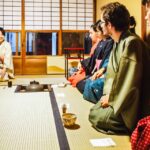
The visit lasts about an hour and includes the temple interior, garden, and small tea house. Your guide takes you inside, where Zen masters once considered the world while looking toward the grounds. That detail helps you understand the space as a place for thought, not only as a historic building.
I like the balance this stop brings to the route. Kinkakuji is dramatic and highly polished. Toji-in is calmer and more understated. Seeing both on the same morning lets you compare two very different expressions of Japanese aesthetics.
The included admission is useful because temple entry fees can add up quickly in Kyoto. Matcha service is not included, however, so do not assume the tea house visit comes with a tea tasting or drink. The information describes the building and garden, not a scheduled matcha experience.
Toji-in may be the most rewarding stop for you if you prefer atmosphere over famous photo views. It also gives the guide more room to explain how religion, gardens, architecture, and daily practice fit together.
Nijo Castle and the end of shogun rule
Nijo Castle receives about 90 minutes, the longest stop on the route. That extra time makes sense. The grounds include grand buildings, ornamental carvings, and centuries of political history.
The castle served as the Kyoto residence of the Tokugawa Shoguns. It is also tied to the final phase of shogun government, making it a fitting last major sight. Here, the tour shifts from Ashikaga power to Tokugawa rule and the events that led Japan toward a new political order.
Your guide leads you through the grounds and explains the castle’s role. The setting is more fortress-like than the two temples, though it is also richly decorated. Look for the contrast between defensive purpose and formal display: Nijo Castle had to protect its rulers, but it also had to project authority.
The 90-minute visit gives you more breathing room than the two one-hour stops. Even so, a large castle complex can reward a slower visit than a cycling tour allows. If you want to examine every carving, room, and garden section, plan a separate return visit.
Nijo Castle’s location also helps the day’s logistics. From here, the experience ends at the Kyoto Cycling Tour Project station near Kyoto Station, at 552-13 Higashiaburanokojicho. That finish is convenient if you plan to continue by train or explore the station area afterward.
What the guides add to the ride
The guide is central to the experience. The route itself is useful, but the historical links between three major places are what make it more than a bicycle rental with temple tickets.
Several guides are associated with the operator’s Kyoto rides. Seiya has led outings that covered several Kyoto districts and worked well with families, including a 12-year-old. Makoto is described as personable and flexible, even making extra time for a local festival on one occasion.
Nozomi has guided rides that included explanations of Shinto and Buddhist temples, Gion, and the Imperial Palace. Yasunobu Yagyu has brought local history, people, and culture into the ride, while Kaz and JJ have handled larger groups together.
Guide availability can change, so you should not book expecting a particular person unless the operator confirms that request. What you can reasonably seek is a guide who can explain the difference between Shinto and Buddhist sites, place the shoguns in context, and speak comfortably in English.
The strongest guide feedback centers on clear English, good local knowledge, warmth, and humor. Those qualities matter on a cycling tour because you are listening while moving, stopping, and dealing with city traffic. A guide who explains plainly and keeps the group comfortable is worth paying for.
The cycling itself, pace, and weather plan
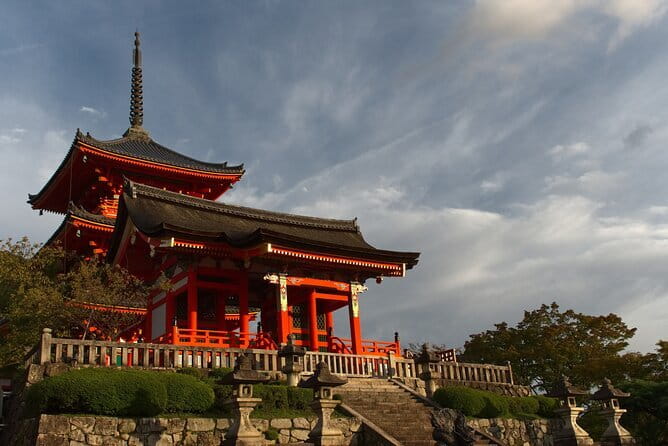
The route is presented as an easy downhill ride, which makes it more approachable than a city tour built around long climbs. You still need basic road-riding ability. Children must be at least 10 years old, at least 145 centimeters tall, and able to ride safely without help.
The tour is private, but it is not a closed-road ride. You should stay alert, follow the guide’s instructions, and be ready for normal urban cycling conditions. The supplied information does not state the bicycle model, exact road conditions, or whether child seats are available, so ask before booking if those points matter to your group.
Kyoto weather does not automatically stop the tour. In rain, you can choose to keep cycling with a free rain poncho or change to a walking tour that uses buses or the metro. Public transportation costs for that change are included in the tour fee.
That is a useful safety valve, especially during a wet season. A poncho keeps the original plan intact, but a walking option may be more comfortable if the rain is heavy. You make the choice rather than being forced into one format.
The tour lasts approximately three hours and 30 minutes. The listed sightseeing time adds up to three and a half hours exactly, so you should expect a fairly focused schedule rather than a leisurely day with long café breaks.
Is $153.50 a fair price?
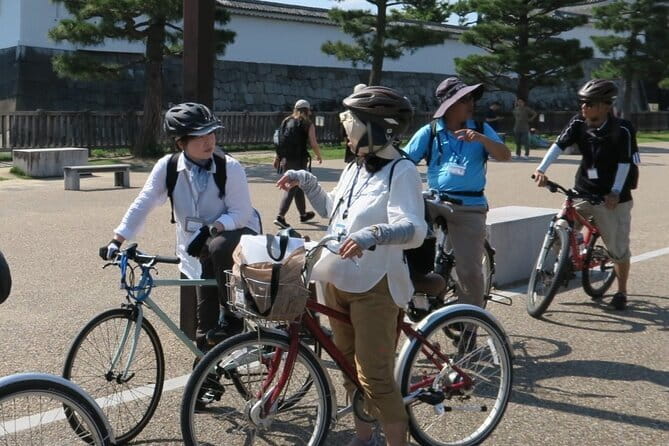
At $153.50 per person, this is not the cheapest way to see Kyoto. You are paying for a private guide, bicycle use, helmet, rainwear, and admission to three major sights.
The value improves for couples, families, and small groups that want personal attention. With a group of two to six, the cost buys a planned route and a guide who can connect the sites as you go. You also avoid spending part of the day working out how to move between northwest Kyoto, central Kyoto, and Kyoto Station.
For a solo visitor, the tour is not available because at least two people are required per guide. Larger parties of seven to 12 can arrange an extra guide, so the private format remains possible, but the price may be more significant for a big group.
The price is harder to justify if you mainly want transportation or already know Kyoto’s history well. You could visit the sights independently, and the tour does not include matcha service. Its worth comes from the combination of cycling, admissions, route planning, and live explanation.
I would compare the cost with the value of your time. If you have only a short stay and want three carefully chosen stops without spending hours planning connections, the price can make sense. If your schedule is open and you enjoy arranging temple visits yourself, independent sightseeing may cost less.
Who should book this Kyoto bike tour?
This outing suits you if you want history with a little movement. It is a good match for couples, families with older children, and small groups who prefer a private guide to a large coach or walking party.
You will likely enjoy it most if you:
- Can ride a bicycle safely on city roads
- Want a short, structured introduction to shogun-era Kyoto
- Prefer gardens, temples, and political history to shopping
- Like moving between sights instead of spending the whole morning indoors
- Value an English-speaking guide and a small private group
- Are comfortable with a focused schedule
It is less suitable if you want a slow temple day, extensive photography time, or a strenuous cycling challenge. It is also not designed for children under 10, children under 145 centimeters, or anyone who cannot ride independently on the road.
The route’s downhill direction helps, but do not read that as a promise of effortless riding in every condition. Weather, traffic, heat, and your own cycling comfort still matter. One past outing took place in very hot weather, so bring suitable clothing and water even though no specific water provision is listed.
Important booking details to check first
The experience uses a mobile ticket, which is handy for a phone-based booking. Confirmation is sent within 48 hours, subject to availability.
There is a conflict in the supplied cancellation information. One section says you may receive a refund if you notify the operator at least three days before the tour by 18:00 Japan time, while the stated cancellation policy says the experience is non-refundable and cannot be changed. I would ask KCTP to confirm the applicable rule in writing before booking.
The tour may also require a minimum number of participants. If the operator cancels because that minimum is not reached, you are offered another date or experience, or a full refund.
FAQ
How long does the Kyoto Shogun Cycling Tour last?
The tour lasts approximately three hours and 30 minutes.
Where does the tour start?
It starts at Wara Tenjin mae, Kinugasa Oharaicho, Kita Ward, Kyoto, 603-8351, Japan.
Where does the tour end?
It ends at the Kyoto Cycling Tour Project Kyoto Station Cycle Terminal, 552-13 Higashiaburanokojicho, Shimogyo Ward, Kyoto, 600-8235, Japan.
Which sights are included?
The tour visits Kinkakuji Temple, Toji-in Temple, and Nijo Castle.
Are admission tickets included?
Yes. Admission is included for Kinkakuji Temple, Toji-in Temple, and Nijo Castle.
Are bicycles and helmets provided?
Yes. Bicycle use and a helmet are included. Rainwear is also included.
Is matcha service included?
No. Matcha service is not included in the tour fee.
Can children join the tour?
Children must be at least 10 years old, at least 145 centimeters tall, and able to ride a bicycle safely on the road without assistance.
What happens if it rains?
The tour operates in rain. You can continue by bicycle with a free rain poncho or switch to a walking tour using buses or the metro, with that transportation included in the tour fee.
Should you book it?
Book this tour if you want an efficient, private way to connect Kyoto’s shogun-era sights and you enjoy seeing a city from a bicycle. Kinkakuji gives you the famous image, Toji-in supplies a quieter Zen setting, and Nijo Castle provides the political finish.
The best reasons to choose it are the small group size, strong English-speaking guide options, included admissions, and convenient finish near Kyoto Station. The main reasons to pause are the price, the short time at each sight, the need for confident road riding, and the conflicting cancellation wording.
For a first Kyoto visit with limited time, this is a sensible, well-shaped morning or early afternoon. Confirm the cancellation terms, check the meeting route, and book it with a companion rather than alone.
More Cycling Tours in Kyoto
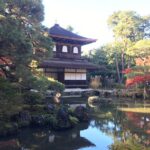
More tours in Kyoto we've reviewed

Cycling Tours, compared.
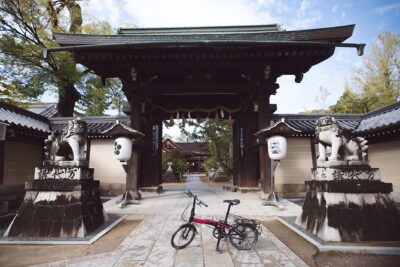 ★ 5.0Hidden Kyoto E-Biking tourFrom $116
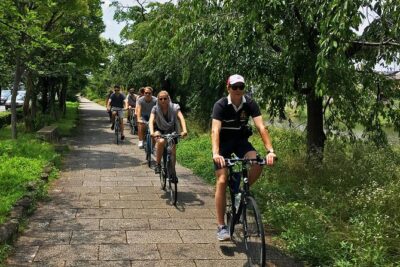 ★ 5.0Bike Tour Exploring North Kyoto plus LunchFrom $106
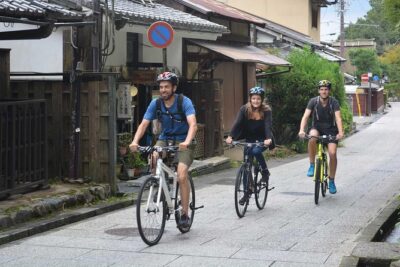 ★ 5.0Arashiyama Bamboo Forest & Hidden Gems Bike Tour (Early Bird)From $106
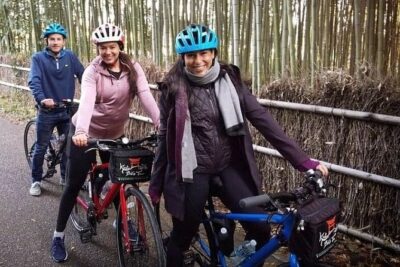 ★ 5.05 Top Highlights of Kyoto Full Day Bike Tour (E-bike option)From $172
 ★ 5.0Full Day Biking Tour Exploring the Best of KyotoFrom $119
 ★ 5.0E-Bike Tours of the highlights of Kyoto!!!From $109