
Reviewed · COOKING CLASSES
Gyoza Cooking Class in Kyoto: Traditional Japanese Dumplings
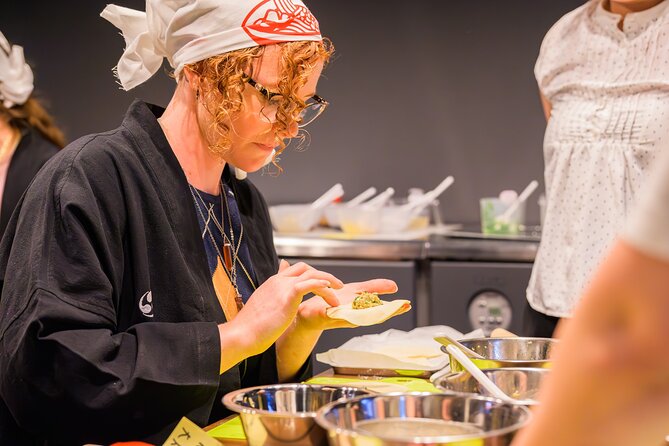
The best part of this Kyoto class is that you do not simply eat gyoza, you make the whole dish yourself. You choose fillings, learn the folding method, cook the dumplings, and sit down to eat them fresh from the pan. Making the dough is also possible, as one class participant specifically praised.
I like the patient teaching, especially for beginners and children. I also like the choice of meat and vegetable fillings, plus the full recipe you can use at home. The main consideration is the price: at $127 per person for 90 minutes, this is a special activity rather than a cheap meal. Dietary restrictions must be reported ahead of time, and the class is not suitable for wheelchair users.
In This Review
- Key points to know before booking
- Why making gyoza is a good Kyoto activity
- Arriving near Karasuma Oike Station
- The first lesson: fillings, ingredients, and choices
- Folding gyoza without making a mess
- Cooking the dumplings fresh from the pan
- The Samurai photo and cultural detail
- What the instructors are like
- Is $127 a fair price for 90 minutes?
- Who should book this class
- Booking details that affect your plans
- My recommendation: book it if you want to cook, not just eat
- FAQ
- Where is the gyoza cooking class held?
- How long does the class last?
- What languages are available?
- Is an English-speaking instructor included?
- Do I need previous cooking experience?
- Can I choose a vegetable filling?
- Are cooking tools provided?
- Is a drink included?
- Can I take home the recipe?
- Is transportation included?
- Can wheelchair users join the class?
- What is the cancellation policy?
- Can I reserve now and pay later?
Key points to know before booking
- You make and cook the gyoza yourself: The class covers fillings, shaping, and cooking, so the meal also becomes a practical lesson.
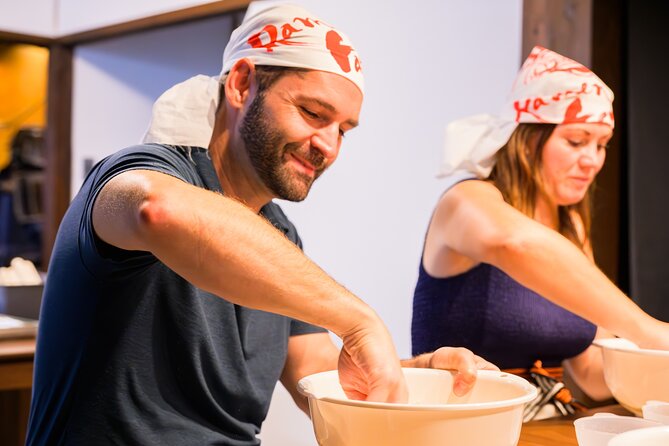
- The dough may be part of the fun: A past participant described making the dumpling dough as well as the filling and wrappers.
- Vegetarian requests are possible with advance notice: A participant requested one vegetable option and found it worked well.
- English instruction is available: The class is taught in English and Japanese, with friendly, patient guidance.
- A Samurai photo adds a playful Kyoto touch: This is more than a standard cooking lesson.
- The location is easy to reach: Walk about five minutes from Exit 2 of Karasuma Oike Station.
Why making gyoza is a good Kyoto activity
Kyoto is famous for temples, gardens, and traditional architecture. Those are essential stops, but a cooking class gives you a different way to connect with Japan. You work with familiar ingredients, learn a beloved everyday food, and leave with a skill you can repeat at home.
Gyoza are especially well suited to a short class. The process has clear stages: prepare a filling, place it in a wrapper, fold the edge, and cook the dumpling until the base is crisp and the inside is hot. You get a satisfying result within 90 minutes, without committing half a day to a cooking school.
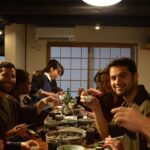
I also like the social side of this experience. You are not watching a chef work from across a room. You handle the ingredients and shape the dumplings yourself. That makes the class a good pick for couples, families, and small groups who want an activity that gives everyone something to do.
The class has received a top rating from all 12 reviews supplied for this experience. The praise centers on the instructors’ patience, clear explanations, and friendly manner. Hama is named as one especially warm and helpful teacher, while an Italian participant also praised the instructor and assistant for explaining each step carefully.
Other cooking classes in Kyoto

Arriving near Karasuma Oike Station
The meeting point is 362 meters from Karasuma Oike Station, about a five-minute walk from Exit 2. This is a useful location for a cooking class because you can fit it into a Kyoto day without arranging a separate taxi or long transfer.
Karasuma Oike is served by both the Kyoto City Subway Karasuma Line and Tozai Line. That gives you a straightforward route from several parts of the city, although your own transportation costs are not included in the class price.
Check the route before you leave, and allow a little extra time if you are unfamiliar with Kyoto’s subway exits. The walk itself is short, but station areas can take a moment to navigate. Arriving on time matters in a 90-minute workshop, since a late start reduces your hands-on cooking time.
The location also works well for an evening booking. One group used the class as dinner after arriving by train, which is a sensible way to place it in your schedule. You can finish the activity with your meal already taken care of, rather than searching for a restaurant afterward.
The first lesson: fillings, ingredients, and choices
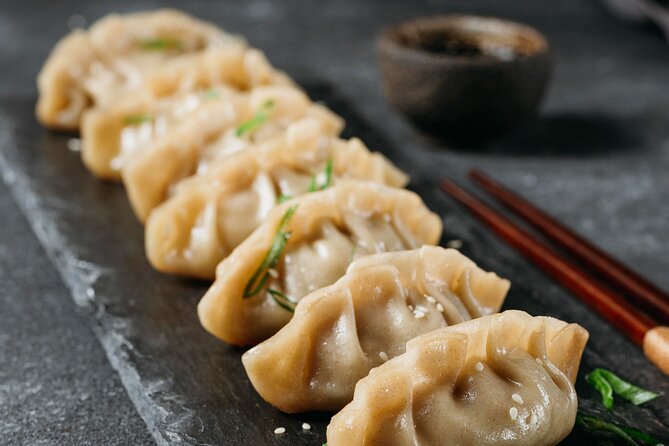
The class begins with an introduction to the ingredients and the basic method. You learn how to select and prepare the filling, with meat and vegetable options available.
The exact filling menu is not specified, so you should not expect a fixed list of meats or vegetables until you arrive. The useful point is that the class allows some choice instead of forcing every participant into one identical recipe.
If you have an allergy or dietary restriction, contact the provider in advance. This is important. A vegetarian option was successfully arranged for one participant, but the class does not promise that every dietary need can be handled on the day without notice.
The recipe lesson is valuable because good gyoza depend on balance. The filling needs enough flavor to taste good after cooking, but it also needs the right texture for wrapping. Your instructor guides you through the preparation rather than leaving you to guess.
For a beginner, this is where the class earns its keep. You are not expected to arrive with Japanese cooking experience. The supplied tools and English-speaking instruction let you focus on the method.
Folding gyoza without making a mess
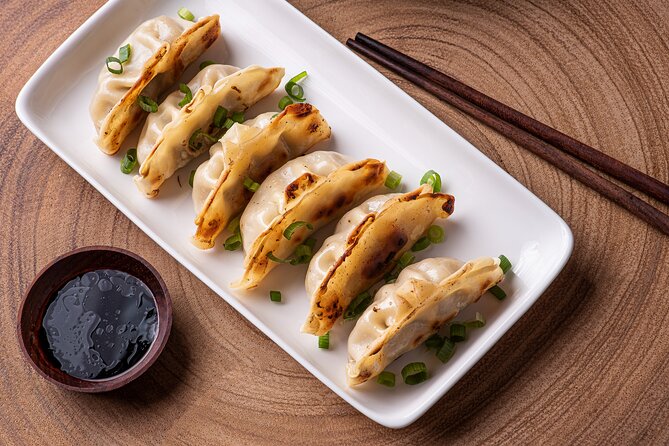
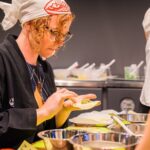
The wrapping stage is likely to be the most hands-on part of the workshop. You place filling into the wrapper, fold the dough, and seal the edge using a traditional technique.
Do not worry if your first dumpling looks uneven. Folding is a small skill, and the point of the class is to practice it. An instructor can show you how much filling to use and how to close the wrapper properly, two details that are hard to learn from a printed recipe alone.
The information supplied for the class suggests that you may also make the dough. That is a useful extra because many home cooks buy ready-made wrappers. If dough preparation is included in your session, you gain a better sense of how the wrapper should feel and how it affects the finished dumpling.
The class is designed for complete beginners, but experienced cooks should still find useful details in the shaping and cooking stages. You can ask questions, test different folding styles, and adjust flavors within the available ingredient choices.
Families should take note of the age range reflected in the feedback. One group included two children aged 11, and the children had a good time. The activity works best for children who enjoy following instructions and handling food, rather than for very young children who need constant supervision.
Cooking the dumplings fresh from the pan
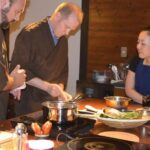
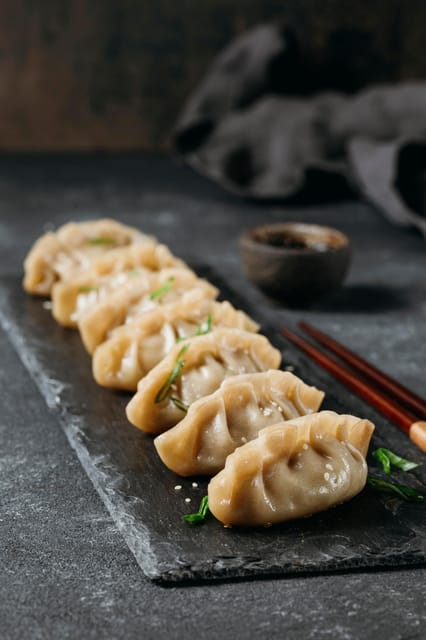
Once the gyoza are shaped, you cook them and eat the results in class. This is a key advantage over a demonstration. You see how your own folding affects the final dish and get to taste the dumplings while they are fresh.
The ideal result has a crisp outside and a juicy interior. One participant described the finished gyoza in exactly those terms and considered them better than many restaurant versions. That is a strong sign that the cooking guidance is practical, not just decorative.
You also get one free drink. The type of drink is not specified, so do not book this expecting a particular beverage. It is a small inclusion, but it makes the class feel more like a complete meal than a short kitchen demonstration.
The gyoza you make are included. That matters when judging the $127 price, since you are paying for instruction, ingredients, equipment, a drink, the meal, and the cultural elements of the session. Still, the price remains high if you measure it only by the amount of food.
Other cooking classes in Kyoto
The Samurai photo and cultural detail
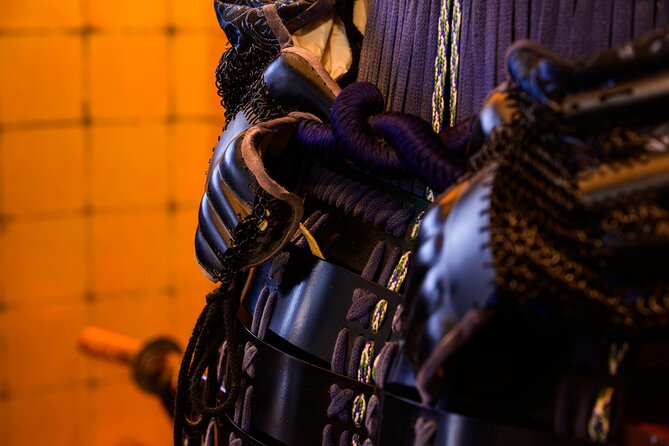
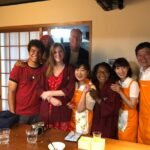
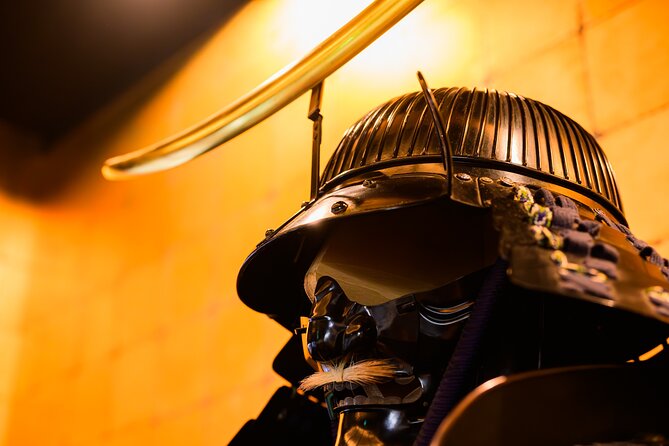
The Samurai photo gives the experience a light cultural extra. It is not the main reason to book, but it adds a memorable moment for families and groups. It also gives the class a stronger Kyoto identity than a cooking lesson you could take anywhere.
Along the way, the instructor shares stories and cultural context about gyoza. The supplied information does not give a detailed lecture outline, so I would think of this as a cooking-focused activity with cultural explanation, not a full food-history seminar.
That balance is sensible. You spend most of the 90 minutes doing something with your hands, while still learning why gyoza matter in Japanese food culture. If you want a longer study of regional Japanese cuisine, this short class will not meet that goal. If you want a practical introduction tied to one popular dish, it fits well.
The Samurai photo is also a nice break between the work of cooking and the meal. It gives you a simple souvenir from the experience without adding another long stop to your day.
What the instructors are like
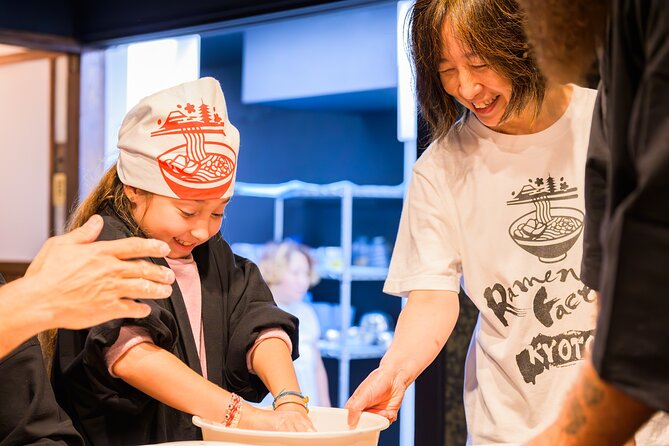
The class is taught in English and Japanese. An English-speaking instructor is included, and the strongest praise focuses on the teaching style: friendly, patient, clear, and willing to explain each step.
Hama is specifically praised as a very friendly and sweet teacher. Another participant had what amounted to a private class with an excellent instructor, though you should not assume a private lesson will be provided. That depends on the booking and group size.
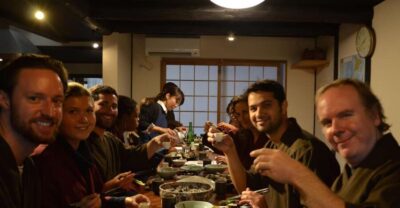
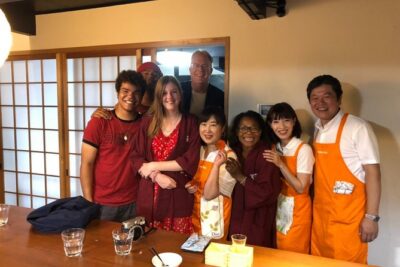
The teaching approach appears to work for mixed groups. One class included eight people and two children, while another booking received individual attention. This suggests the session can handle different types of participants, but the amount of personal instruction may change depending on how many people attend.
For you, the practical question is not just if the teacher speaks English. It is whether the class gives you enough guidance to produce good dumplings. The feedback points to clear explanations and patient correction, which are exactly what you need when learning the folding and cooking techniques.
Is $127 a fair price for 90 minutes?
At $127 per person, this is expensive for a casual lunch or dinner. You can eat gyoza in Kyoto for far less. The value comes from the full activity: instruction, ingredients, cooking tools, a drink, your finished food, the recipe, and the chance to spend time with an English-speaking teacher.
I would compare it with other paid activities, not restaurant prices. A 90-minute class can become one of the more memorable parts of your trip if you enjoy cooking. The recipe also gives the experience a life beyond Kyoto, since you can try to recreate the dish at home.
The value is strongest for people who want participation. If you only want to taste gyoza, skip the class and find a restaurant. If you want to learn how the dumplings are made and share the process with family or friends, the higher cost becomes easier to justify.
The perfect ratings and repeated praise for the instructors support the price, but they do not erase the limitation. This is a premium short activity. Budget-conscious visitors should book only if the cooking lesson itself is a priority.
Who should book this class
I would recommend it to first-time cooks, food-focused visitors, couples, families with older children, and small groups looking for an easy evening activity. The class does not demand advanced skill, and the hands-on format keeps you involved.
It is particularly good for anyone who wants a souvenir they can use. The recipe means you do not leave with only a photograph. You leave with a method you can practice in your own kitchen.
Vegetarians may also find it suitable, but advance notice is essential. The class offers a variety of meat and vegetable fillings, and a vegetable request worked well for one participant. That is encouraging, but it is not a guarantee for every allergy or dietary restriction.
I would not choose it for a wheelchair user, since the activity is specifically listed as unsuitable for wheelchair users. I would also avoid it if you want a large, formal cultural tour or a long multi-course meal. This is a short, active lesson built around one dish.
Booking details that affect your plans
The class lasts 90 minutes, and starting times depend on availability. That makes it easy to place before or after sightseeing, but you should leave enough room for the subway walk and finding the meeting point.
Cancellation is free up to 24 hours before the activity for a full refund. You can also reserve now and pay later, which helps if your Kyoto schedule is still changing.
Transportation is not included. The station access is simple, but you pay your own subway fare or other transport costs.
Before booking, send details of allergies and dietary restrictions. Do this in advance, not at the door. The class includes tools, a drink, and the gyoza you make, so you do not need to bring cooking equipment.
My recommendation: book it if you want to cook, not just eat
I would book this class if you want a practical Kyoto memory and enjoy learning by doing. The patient instruction, choice of fillings, possible dough-making, fresh cooking, recipe, and Samurai photo give the 90 minutes plenty of purpose.
I would pass if your main goal is a low-cost meal. At $127, the food alone does not justify the price. Book it for the skill, the interaction, and the chance to make the dish again at home.
For most suitable participants, this is a compact and cheerful addition to a Kyoto itinerary. Schedule it near Karasuma Oike Station, tell the provider about dietary needs early, and arrive ready to make a few imperfect dumplings before the good ones appear.
FAQ
Where is the gyoza cooking class held?
The meeting point is a five-minute walk from Exit 2 of Karasuma Oike Station on the Kyoto City Subway Karasuma Line and Tozai Line.
How long does the class last?
The activity lasts 90 minutes.
What languages are available?
The class is offered in English and Japanese.
Is an English-speaking instructor included?
Yes. An English-speaking instructor is included in the experience.
Do I need previous cooking experience?
No. The class is suitable for complete beginners as well as experienced cooks.
Can I choose a vegetable filling?
The class offers meat and vegetable fillings. You should inform the provider in advance about vegetarian needs or other dietary restrictions.
Are cooking tools provided?
Yes. Cooking tools are provided for the class.
Is a drink included?
Yes. One free drink is included, although the type of drink is not specified.
Can I take home the recipe?
Yes. The full gyoza recipe is provided so you can make the dish at home.
Is transportation included?
No. Transportation expenses are not included.
Can wheelchair users join the class?
No. The experience is listed as unsuitable for wheelchair users.
What is the cancellation policy?
You can cancel up to 24 hours in advance for a full refund.
Can I reserve now and pay later?
Yes. The activity offers a reserve now and pay later option.
More Workshops & Classes in Kyoto
More Cooking Classes in Kyoto
More Cooking Classes in Kyoto
More tours in Kyoto we've reviewed
Cooking Classes, compared.
 ★ 5.0Ramen Cooking Class at Ramen Factory in KyotoFrom $131
 ★ 4.9Kyoto: Ramen Cooking Class at a Ramen Factory with SouvenirFrom $1271h 30m
 ★ 5.0Kyoto: Ramen, Gyoza, and Onigiri Cooking ClassFrom $901h 30m
 ★ 5.0Kyoto: Japanese Washoku Bento Small Group Cooking ClassFrom $582h 30m
 ★ 4.9Kyoto: Afternoon Japanese Izakaya Cooking ClassFrom $673 hours
 ★ 5.0Izakaya Style Cooking ClassFrom $71