
Reviewed · WORKSHOPS
Kyoto: Sushi Making Class with Sushi Chef
The best part of this Kyoto class is that you make sushi with fish bought that morning from Kyoto Central Wholesale Market, not with a kit prepared days ahead. A working sushi chef guides you from a practice model to real nigiri, maki rolls, plating, and lunch. Hide, Yutaka, Yone, Nami, and Yune are among the instructors named for recent sessions.
I like the patient, hands-on teaching and the way the class explains more than hand movements. You also learn sushi etiquette, knife uses, and how different fish fit into the meal. The small group, limited to eight, keeps help close by. The main consideration is that you do not prepare the rice or cut the fish yourself, so anyone seeking a full chef-training session may want more.
In This Review
- Key points at a glance
- From a toy model to real nigiri
- What makes the market fish matter
- Making maki with the special tool
- Plating your lunch and learning sushi manners
- A small class with room for questions
- Photos without putting down your chopsticks
- Two central Kyoto venues near Shijo Karasuma
- Is $74 a fair price?
- Who should book this class?
- What you should know before booking
- Should you book it?
- FAQ
- How long does the sushi-making class last?
- What sushi will I make?
- Is food included?
- Where does the class meet?
- Is the class taught in English?
- Can children join the class?
- What should I do if I need to cancel?
- Are food allergies allowed?
Key points at a glance
- Fresh fish bought that morning: The seafood comes from Kyoto Central Wholesale Market and is prepared before class.
- A gentle start for beginners: You first practice the motion with a sushi sample toy before touching real sushi.
- Two classic forms: Make hand-shaped nigiri, then use a special tool to prepare sushi rolls.
- A meal you assemble yourself: Finish by arranging the sushi on a plate, then eat it with tea or water and Japanese-style dashi soup.
- Patient instruction for families: Children as young as five have enjoyed the class, and the teaching is designed to be easy to follow.
- Photos handled for you: The staff takes photos and videos during the session and shares the files afterward.
From a toy model to real nigiri
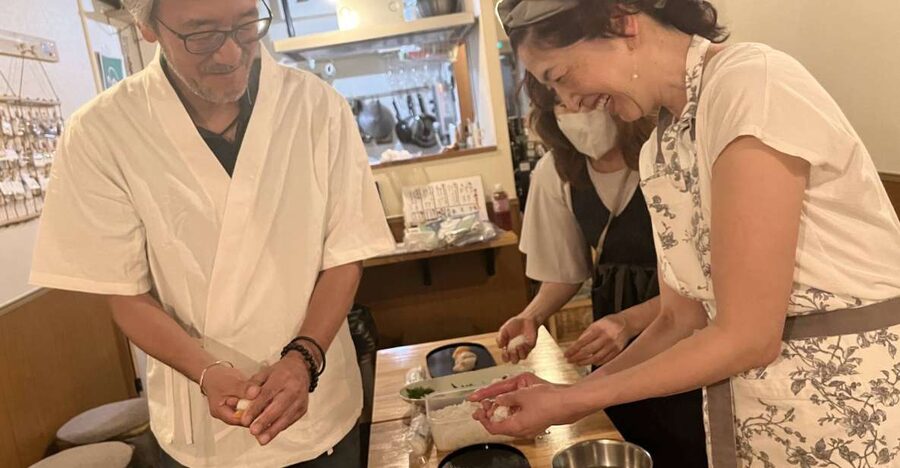
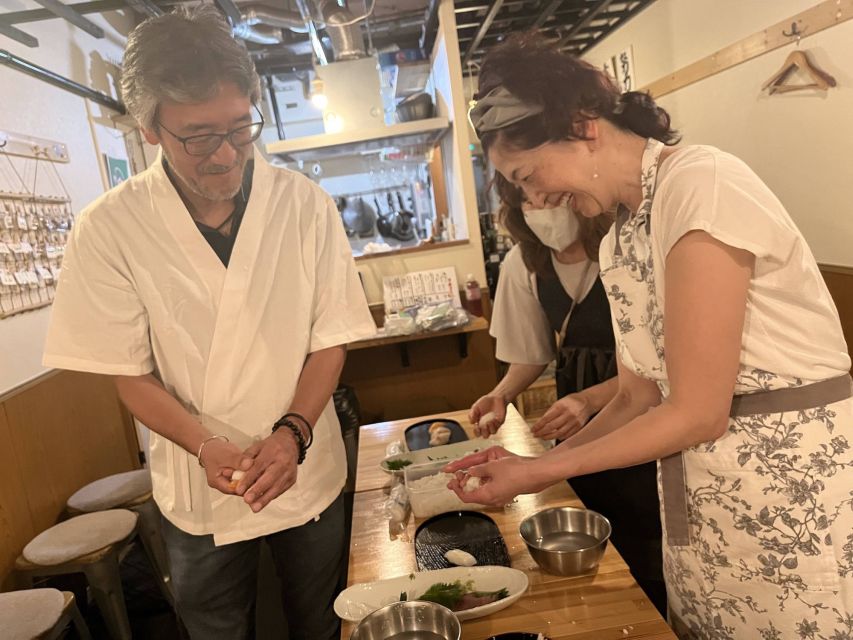
This class begins with practice, which is a smart touch. Sushi looks simple on a plate, but the rice, pressure, shape, and topping all need coordination. The sample toy lets you learn the basic movement without worrying about wasting food or crushing a piece of fish.
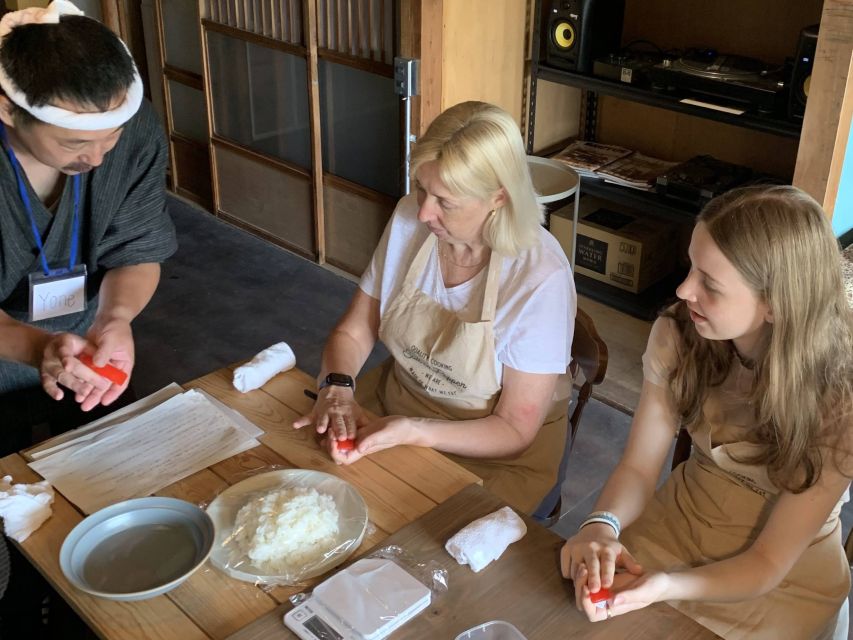
Once you get used to the motion, the chef moves you to real nigiri sushi. You work under direct guidance, shaping rice and placing fish on top. The goal is not to turn you into a sushi master in one afternoon. It is to give you a feel for the craft and help you produce pieces that look good enough to serve and taste good enough to enjoy.
That shift from model to real food gives the session a clear rhythm. You learn by doing, rather than sitting through a long explanation. The format also suits children and first-time cooks, since the early practice removes some of the pressure.
Several instructors receive especially warm praise for their teaching style. Hide is described as relaxed, patient, and easy to follow, with decades of experience as a sushi chef. Nami has been praised for working kindly with a five-year-old, while Yutaka, Yone, and Yune are also named as clear and friendly instructors. Your chef depends on the date and group, but the format is built around personal instruction.
A few more Kyoto tours and experiences worth a look
What makes the market fish matter
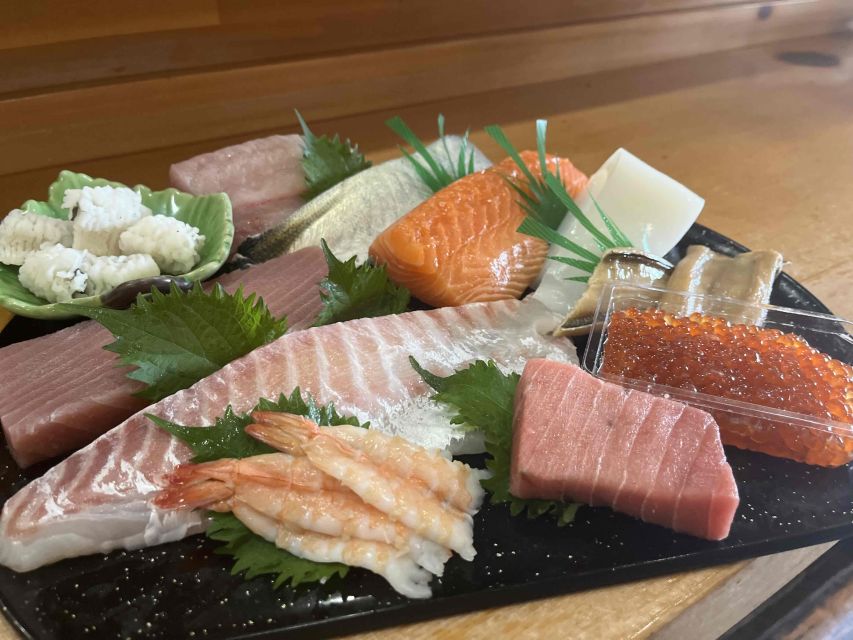
The seafood is purchased early each morning at Kyoto Central Wholesale Market, then prepared shortly before your class. That detail matters because sushi depends on the quality and handling of its main ingredient. You are not simply shaping generic pieces from a prepacked tray. You are working with fish selected for that day’s session.
The class also gives the chef a chance to explain the fish you are using. One instructor has discussed the different varieties, the knives used for each task, and why those knives have specific purposes. You may not get to wield every knife yourself, but you gain a better sense of the care behind a sushi counter.
The fish quality has been a repeated strength, including fresh cuts and generous portions. Even one person who does not usually enjoy raw fish found the finished sushi appealing. That does not remove the need to consider your own taste or dietary limits, but it suggests that the quality and preparation are central to the meal.
Your food is prepared as part of the lesson, then you eat what you make. This is a better value than a demonstration where you watch a chef work and receive only a small sample at the end. You take part in the preparation, receive lunch, and learn techniques you can try at home.
Making maki with the special tool
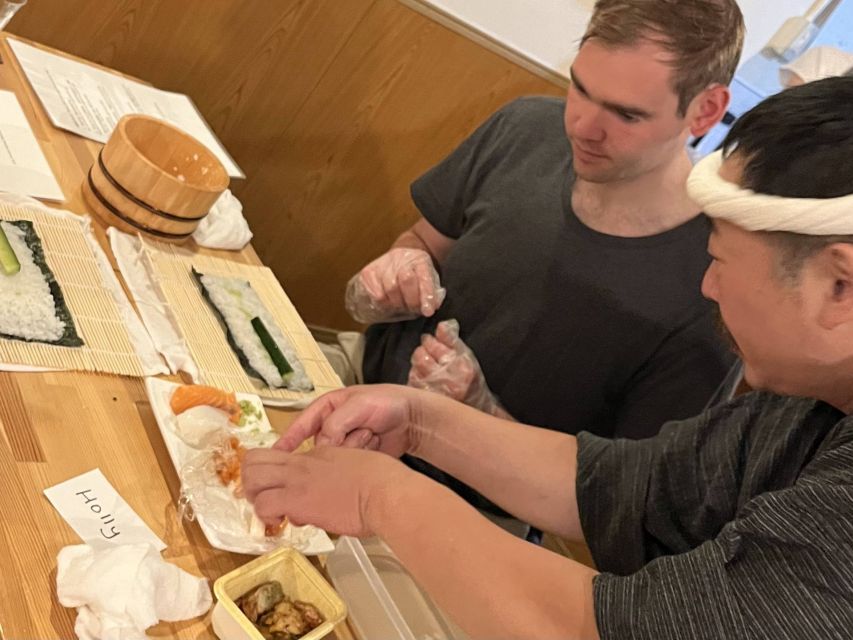
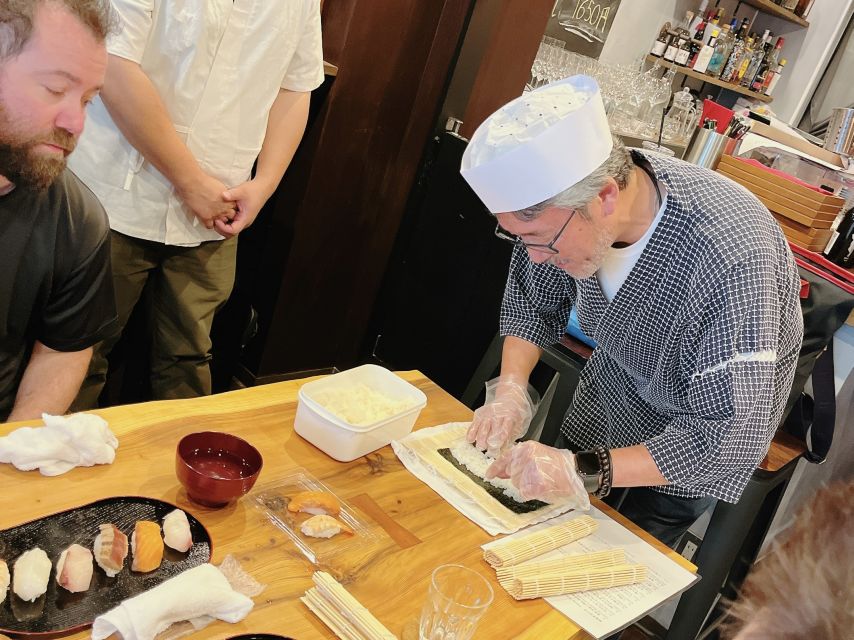
After nigiri, the class turns to maki rolls. You use a special tool to help form the roll, then cut and arrange it under the chef’s direction. This part feels different from nigiri. Nigiri asks for careful shaping by hand, while a roll depends more on even filling, firm pressure, and clean cutting.
The session typically includes three types of sushi, with nigiri and maki specifically named. You prepare the pieces yourself from the ingredients supplied for the class. The chef stays nearby to correct your technique and help you avoid the common beginner problem of making a roll too loose or too full.
One point is worth knowing before you book: you are not shown how to cook the sushi rice or cut the fish from whole pieces. A participant specifically wished for that extra preparation and would have paid more for it. If your interest is learning the entire kitchen process, this class covers the assembly and presentation side more than the full supply chain.
For most visitors, that is a fair trade. Preparing rice and fish properly takes time, and the class would need to be much longer to include those jobs in detail. The current format lets you focus on the part you can use right away at home, shaping nigiri and making rolls without turning a short Kyoto activity into a full culinary course.
Plating your lunch and learning sushi manners
The final step is to decorate the sushi plate. This is not just a photo moment, though it certainly makes one. The chef helps you arrange the pieces so your lunch looks orderly and inviting before you sit down to eat.
Tea or water and Japanese-style dashi soup are included. The soup adds a warm, savory counterpoint to the chilled fish and rice. It also gives the meal a more complete Japanese feel than sushi alone.
The eating portion is part of the lesson. Instructors have explained how to behave at a sushi restaurant, how to eat sushi, and the etiquette that goes with it. That is useful if you plan to visit a traditional sushi counter later in your trip, since the customs can feel less obvious than the food itself.
You also get to taste the result while the steps are still fresh in your mind. You can compare the pieces you made, notice which shapes worked best, and ask questions as you eat. The lunch is simple, but it is directly connected to your effort.
A small class with room for questions
The group is limited to eight participants. That is small enough for the chef to watch individual technique, especially during the first attempts at nigiri and rolling. It also gives you a better chance to ask about fish, knives, etiquette, or home preparation.
A larger cooking class can turn into a queue for one shared demonstration. Here, the practical setup is more personal. Parents can help younger children, and the chef can adjust the pace when someone needs another explanation.
The family appeal is strong. A five-year-old reportedly enjoyed the session most of all, and teenage children have also produced sushi they were proud to eat. That does not mean every child will have the same attention span, but the toy practice and simple step-by-step format make this more suitable for families than a formal restaurant lesson.
The class is also a good choice for couples, friends, or solo visitors who want an activity with a clear result. You do not need previous cooking skills. English and Japanese instruction are available, and the teaching has been clear enough for international participants from many countries.

Photos without putting down your chopsticks
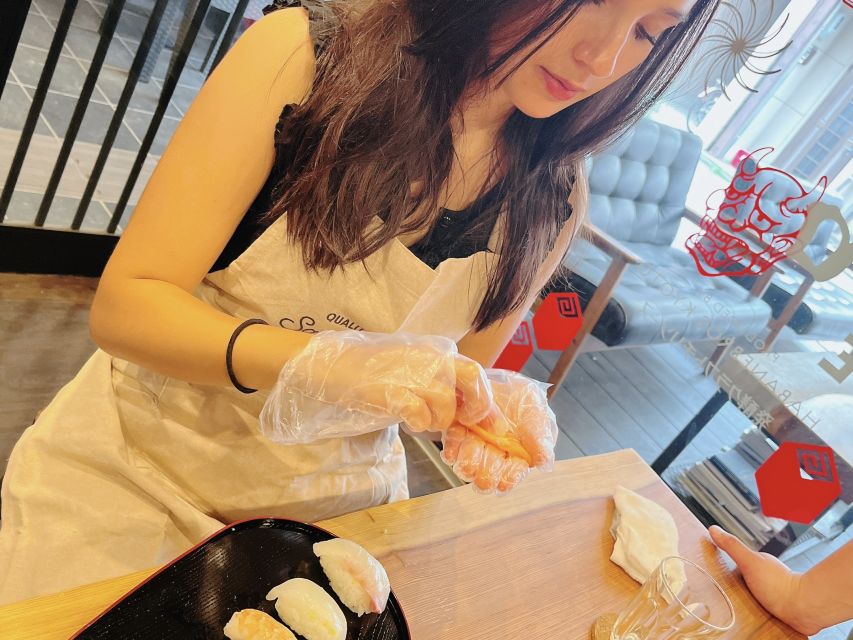
The staff takes photos and videos during the class and shares the files after it ends. This is a small feature, but it improves the session. You can focus on pressing rice, placing fish, and rolling maki instead of constantly asking someone in your group to document each step.
It also gives you a record of the process, not just the finished lunch. You might receive images of the practice stage, the preparation, and the final plate. The exact number or format of the files is not specified, so think of this as a useful bonus rather than a professional photo package.
For a family, the photos can be especially valuable. Children get proof that they made the food themselves, and parents can take part instead of standing behind a phone. For couples, it adds a personal reminder of the class without interrupting the meal.
Two central Kyoto venues near Shijo Karasuma
The class uses two venues around Shijo Karasuma. The exact location depends on the number of people booked, and the meeting details are sent by email with a Google Maps link. At the start time, look for the welcome board.
This arrangement gives the provider flexibility, but it means you should not assume the venue until you receive the message. Check your email before setting out and allow enough time to find the correct entrance. The area is central, and one location has been described as close to Kyoto-Kawaramachi Station. Another session had a cozy venue overlooking the river.
The changing venue is the only logistics point that may catch you off guard. You are not simply walking to one permanent shop address every time. On the useful side, the central setting works well with a day of sightseeing around Shijo and nearby shopping streets. You can place the class between other plans instead of making a long trip to an outlying neighborhood.
The listed duration ranges from 90 minutes to three hours. That is a wide window, so check the available start time and expected length when you book. A compact class may suit a tight schedule, while a longer session gives more room for questions, children, and careful plating.
Is $74 a fair price?
At $74 per person, this is not the cheapest lunch in Kyoto. You could buy sushi for less if your only aim is to eat. The value comes from combining the meal with instruction, fresh market seafood, a small group, dashi soup, and shared photos.
The price looks stronger if you would otherwise pay for a separate cooking activity. You receive food to eat, practical skills to take home, and an introduction to etiquette that can improve later meals in Japan. The class also saves you from finding a restaurant that can explain every step in English or Japanese while serving you.
The value is less clear for someone who already makes sushi often. Since you do not prepare the rice or cut the fish, an experienced home cook may find the lesson focused on basic assembly. The special tool makes rolling accessible, but it also means you are not learning every traditional method by hand.
For a family, calculate the cost against the shared memory and the fact that children get to eat what they produce. For a couple, the price buys a structured activity and lunch rather than just another restaurant reservation. I would view it as a mid-priced Kyoto food experience, with the morning fish and personal teaching doing most of the work.
Who should book this class?
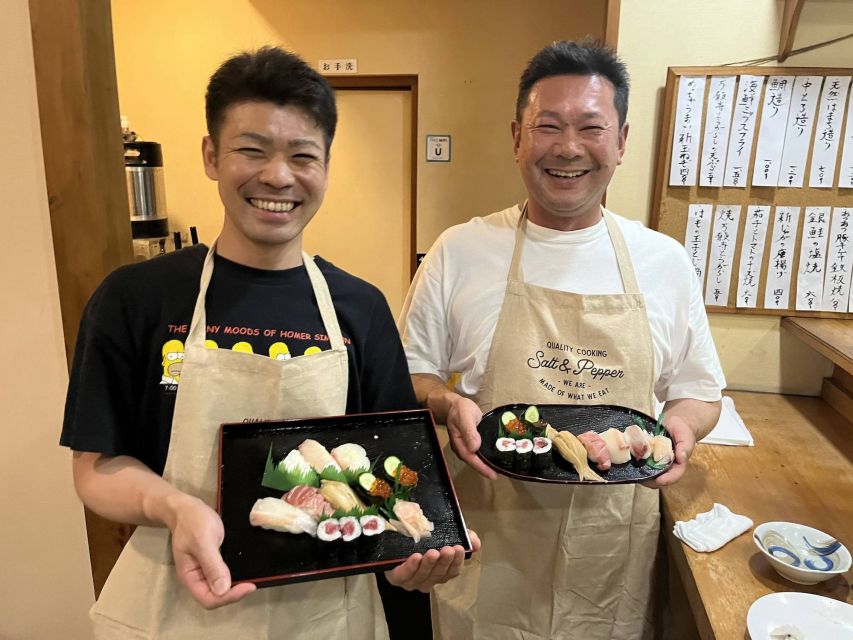
I would recommend it to first-time sushi makers, families with children, and anyone who wants a food activity that is active but not exhausting. It also suits people who are curious about Japanese dining manners and want more context than a plate of sushi can provide.
You do not need to be comfortable with raw fish to consider it, since one participant who usually avoids it enjoyed the finished meal. Still, raw fish is central to the class, so you should not book if you have food allergies or cannot eat the ingredients provided.
People with gluten concerns should contact the provider before booking. Gluten-free arrangements have been accommodated, including help with restaurant translations, but the official information specifically says the class is not suitable for people with food allergies. Treat an intolerance and an allergy as different matters and ask clearly.
Avoid wearing strong fragrances. That rule makes sense in a small food-preparation room, where scent can affect both the chef and the people eating nearby. Comfortable clothing and a willingness to handle food are the practical basics.
The class is less suited to visitors who want a grand market tour, a long lesson on fish butchery, or a full restaurant apprenticeship. The market supplies the ingredients, but you do not tour the wholesale market as part of the session. You learn about the fish through the chef, then concentrate on making and eating sushi.
What you should know before booking
Cancellation is free up to two days in advance for a full refund. The instructor language is English and Japanese, the group is limited to eight, and tea or water, dashi soup, lunch, and photo data are included.
Pay attention to the meeting email. Since there are two venues around Shijo Karasuma, the provider selects the room based on group size and sends a Google Maps link. Arrive looking for the welcome board rather than assuming the class takes place at a fixed restaurant.
The class can run from 90 minutes to three hours. Check the available start time and duration before fitting it into a temple visit, train departure, or dinner reservation. The longer end of the range may be useful if you are bringing children or want time for questions.
Expect a hands-on lesson, but not every part of sushi preparation. You will practice shaping, make nigiri, prepare maki with a special tool, plate the food, and eat it. The chef prepares the fish and rice ahead of your assembly work.
Should you book it?
Book this class if you want to understand sushi by making it, not just ordering it. The strongest reasons are the fresh fish bought that morning, the patient chef-led instruction, and the chance to eat a full plate of your own work with dashi soup afterward.
I would be more cautious if you have serious food allergies, dislike raw fish, or specifically want to learn rice cooking and fish cutting. For everyone else, $74 is a sensible price for a small, friendly Kyoto activity that gives you a skill, a meal, and photos to take home.
FAQ
How long does the sushi-making class last?
The duration is listed as 90 minutes to three hours. Check the available starting times and session length when booking.
What sushi will I make?
You will make nigiri sushi first, then sushi rolls using a special tool. The class also includes plating your finished sushi before eating it.
Is food included?
Yes. You eat the sushi you make, and tea or water and Japanese-style dashi soup are included.
Where does the class meet?
The class uses two venues around Shijo Karasuma. The provider chooses the venue based on the number of participants and sends a Google Maps link by email. A welcome board identifies the meeting point at the scheduled time.
Is the class taught in English?
Yes. Instruction is available in English and Japanese.
Can children join the class?
The step-by-step format is suitable for children, and children as young as five have enjoyed the activity. The group is limited to eight participants.
What should I do if I need to cancel?
You can cancel up to two days in advance for a full refund.
Are food allergies allowed?
The activity is listed as unsuitable for people with food allergies. Strong fragrances are also not allowed.
More Workshops & Classes in Kyoto
More tours in Kyoto we've reviewed




Workshops, compared.
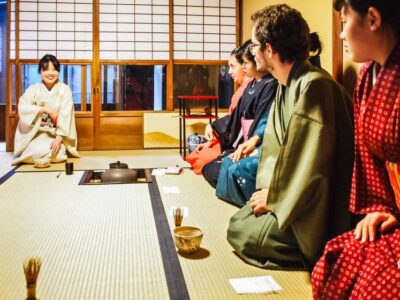 ★ 4.3Kyoto: 45-Minute Tea Ceremony Lesson ExperienceFrom $2245 min
 ★ 5.0Ramen Cooking Class at Ramen Factory in KyotoFrom $131
 ★ 4.9Kyoto: Ramen Cooking Class at a Ramen Factory with SouvenirFrom $1271h 30m
 ★ 4.9Kyoto: Samurai Class, Become a Samurai WarriorFrom $70
 ★ 5.0Ninja 1-hour Hands-on Lesson by Japanese master in Kyoto -EntryFrom $80
 ★ 5.0Kyoto: Ramen, Gyoza, and Onigiri Cooking ClassFrom $901h 30m