
Reviewed · NARA DAY TRIPS
From Kyoto: Nara Guided Morning Tour
Nara’s wild deer are the star of this morning trip, but the Great Buddha at Todaiji gives the outing its real sense of scale. In four hours, you see a Shinto shrine, a Buddhist temple, and the park that ties them together.
I like the early start and the tidy route from Kyoto, especially since morning light and thinner crowds can make the shrine and temple easier to enjoy. I also like the mix of guided explanations and free time, with guides such as Ciel, Tommy, Nagomi, Mai, and Harry praised for clear instructions, humor, and help with photos.
The main catch is simple: the bus does not return you to Kyoto. You finish at Kintetsu-Nara Station around noon and arrange your own trip back, so factor in extra fare, time, and a little station navigation.
In This Review
- Key points to know before booking
- Why this short Nara tour works
- Meeting at Kyoto Station at 7:50 AM
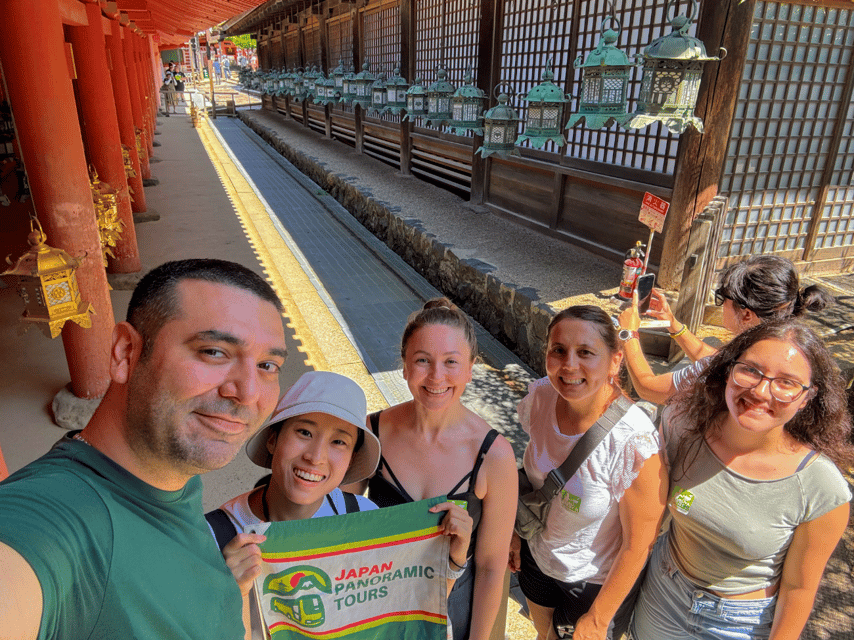
- Kasuga Taisha and its lantern-lined approach
- Nara Park and the deer
- Todaiji and the Great Buddha Hall
- The rhythm of the morning
- Getting back to Kyoto on your own
- Guides, languages, and group comfort
- What to bring and what to skip
- Is $77 a fair price?
- Who should book this morning tour?
- Should you book it?
- FAQ
- Where does the tour meet in Kyoto?
- What time does the bus leave?
- Where does the tour finish?
- Does the bus return to Kyoto?
- Which places are included?
- Is a guide provided in English?
- Which audio guide languages are available?
- Can I feed the deer?
- Is the tour suitable for wheelchair users?
Key points to know before booking
- See three major Nara sights in one morning: Kasuga Taisha, Nara Park, and Todaiji Temple.
- Feed the deer carefully: Buy special crackers in the park, keep them hidden until you are ready, and show empty hands afterward.
- Ride from Kyoto in air-conditioned comfort: The coach includes free Wi-Fi and saves you from arranging the outbound trip.
- Get live English guidance: Spanish, French, German, Italian, Portuguese, and Ukrainian audio support is also provided.
- Plan for stairs and hills: The tour involves a moderate amount of walking and is not suitable for wheelchair users or people with mobility impairments.
- Return independently from Nara: The tour ends at Kintetsu-Nara Station, not Kyoto Station.
Why this short Nara tour works
Nara is an easy day trip from Kyoto, but its sights are spread across a large park. You could arrange the visit yourself, yet a first-time visit involves figuring out transport, temple entry, shrine paths, deer crackers, and the best order of stops.
This tour handles the trip from Kyoto and gives you a guide to explain what you are seeing. The $77 price includes the air-conditioned bus, free Wi-Fi, an English-speaking guide, admission to Todaiji Temple, and audio headsets for several languages. That is a fair price if you value a planned route and live commentary.
I would not book it simply to save money. Local trains can be less expensive, and an independent visit lets you stay longer. I would book it if you have one free morning, want the main sights without much planning, or prefer having someone explain the customs and history along the way.
The four-hour schedule is tight but sensible. You are not trying to cover every corner of Nara. Instead, you get a focused introduction and finish early enough for lunch or more sightseeing.
A few more Kyoto tours and experiences worth a look
Meeting at Kyoto Station at 7:50 AM
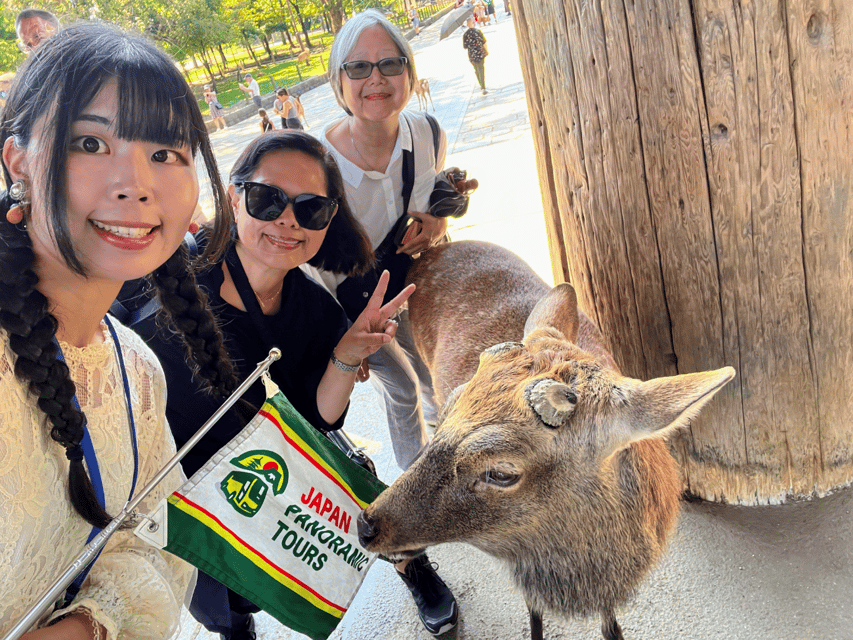
The meeting point is in front of the Kyoto Avanti building, beside Tully’s Coffee. The address is 31 Higashikujo Nishiyamao-cho in Kyoto’s Minami Ward. Look for the green and white Japan Panoramic Tours flag.
The bus leaves at 8:00 AM. Arrive early. This is not a flexible departure, and there are no refunds for late arrivals or no-shows. The operator also warns that the bus departs on time, so a late arrival may mean missing the tour entirely.
The outbound ride takes about an hour. Along the way, you may see Fushimi Castle and the former Heijokyo Palace area. These views offer a useful preview of the old capitals and historic sites around Kyoto and Nara, though the main purpose of the ride is to get you to the park efficiently.
The coach is air-conditioned and includes Wi-Fi. That matters in hot or rainy weather, when the bus provides a comfortable break before the walking begins. Still, bring water, a hat, sunscreen, and rain protection. Weather conditions can change, and much of the visit takes place outdoors.
Kasuga Taisha and its lantern-lined approach
The first scheduled stop is Kasuga Taisha, with about 40 minutes of guided time. This is one of Nara’s most important Shinto shrines and part of the UNESCO-listed historic monuments of ancient Nara.
The approach is one of the shrine’s most memorable features. Stone lanterns line the pathways, and bronze lanterns hang around the shrine buildings. Many lanterns are lit only during special festivals, but even unlit, they give the walk a quiet, distinctive look.
Your guide helps explain the difference between a Shinto shrine and the Buddhist temple you visit later. That contrast is one of the strengths of the morning. You are not seeing a series of old buildings without context. You are getting a quick look at two major strands of Japanese religious culture.
Forty minutes is enough to follow the main route and hear an explanation, but it is not enough for a leisurely exploration of every path. If you want long periods of quiet photography, this stop may feel brief. The order can also change because of traffic, weather, or operating conditions.
The paths include stairs and hills. Comfortable shoes are essential, especially in wet weather. Flash photography is not allowed, so bring a camera you can use without it.
Nara Park and the deer
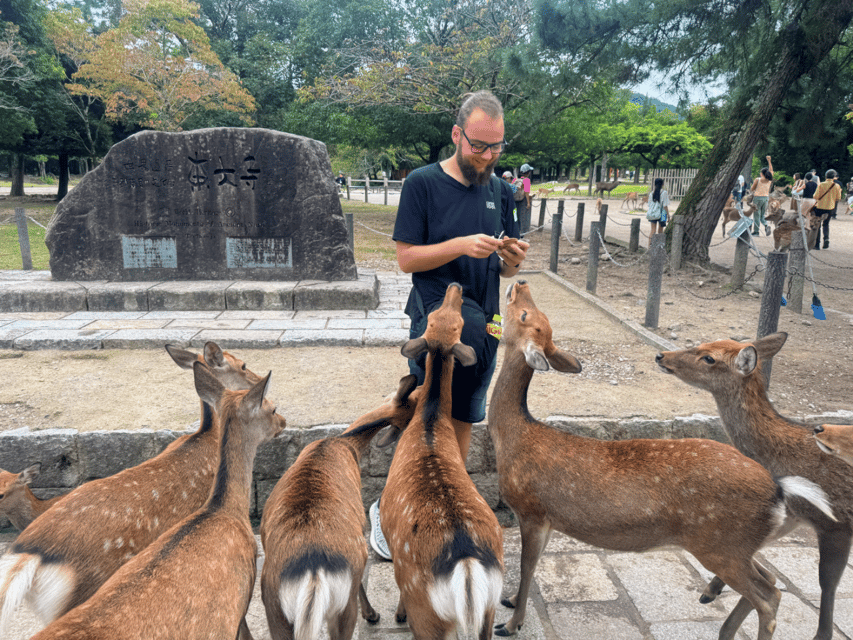
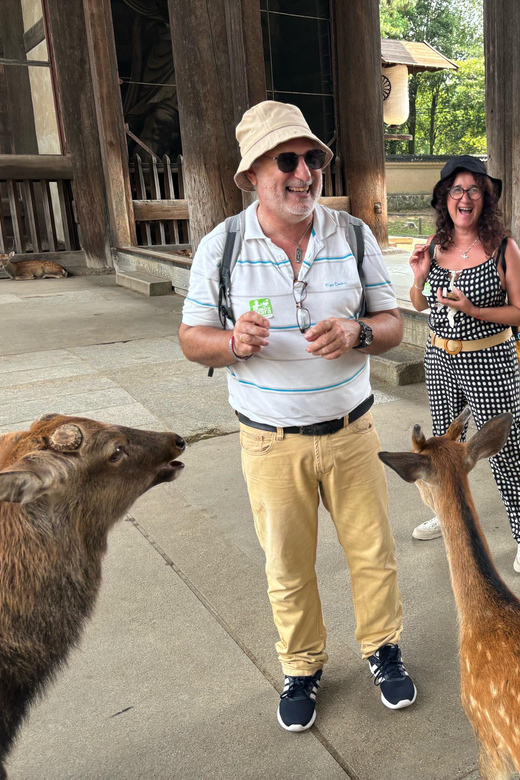
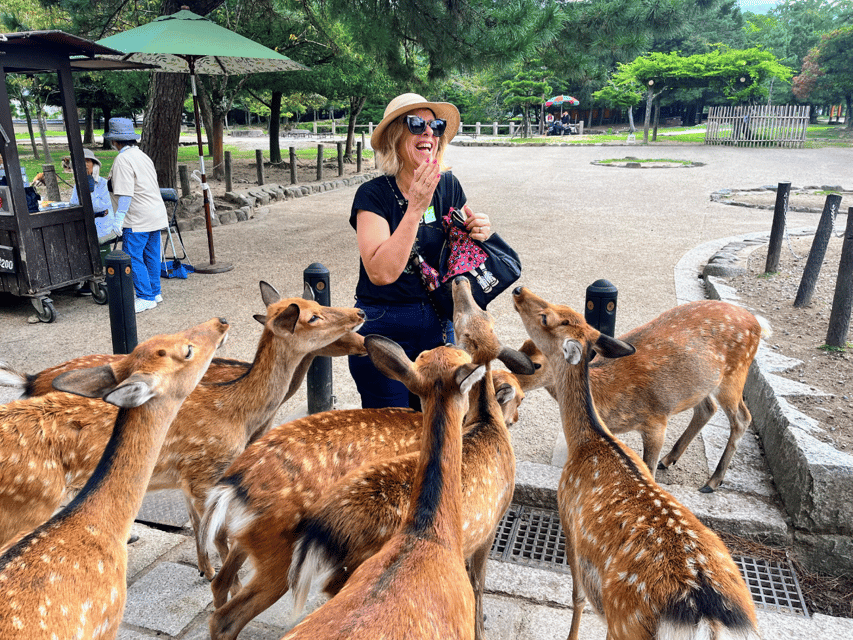
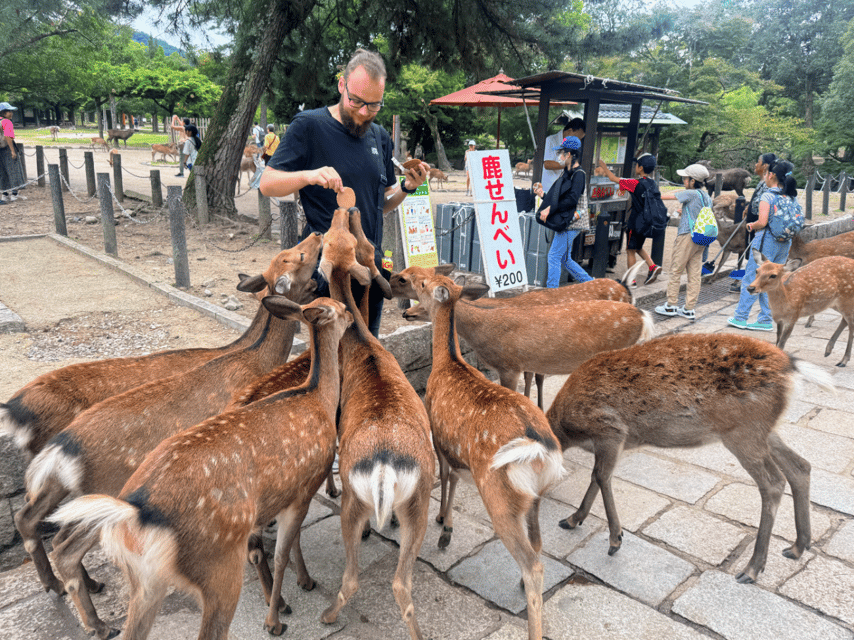
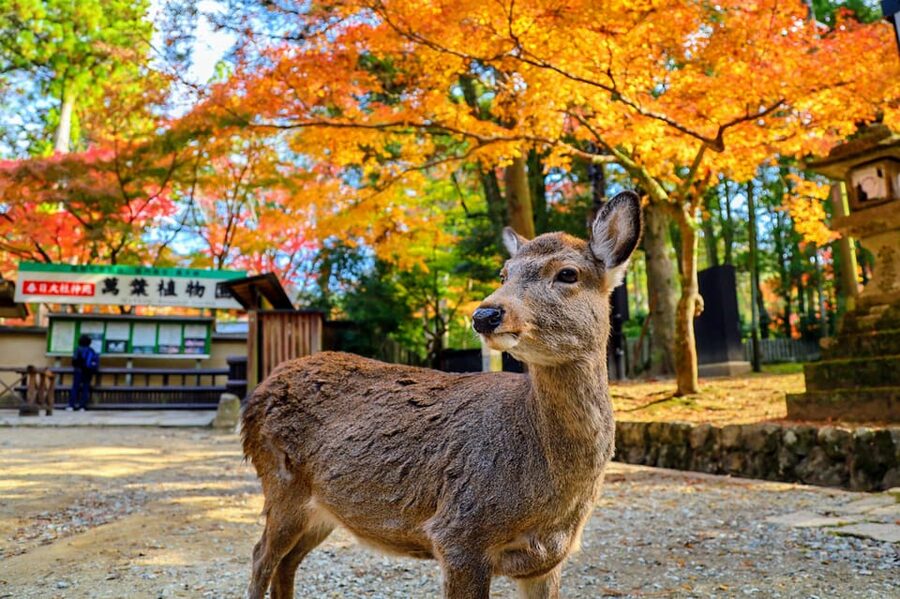
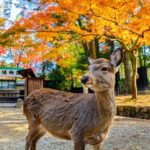
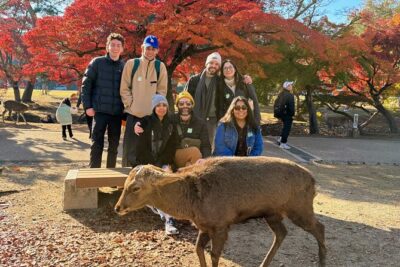
Nara Park is the most playful part of the morning. More than 1,400 deer roam freely through the grounds, around the paths, and near the historic buildings. They are regarded as sacred messengers of the gods, which helps explain their special place in Nara.
You get about 30 minutes of free time in the park. That is enough to buy crackers, approach the deer, take photos, and enjoy the setting, but it passes quickly. The deer are used to people and can be very direct when food is visible.
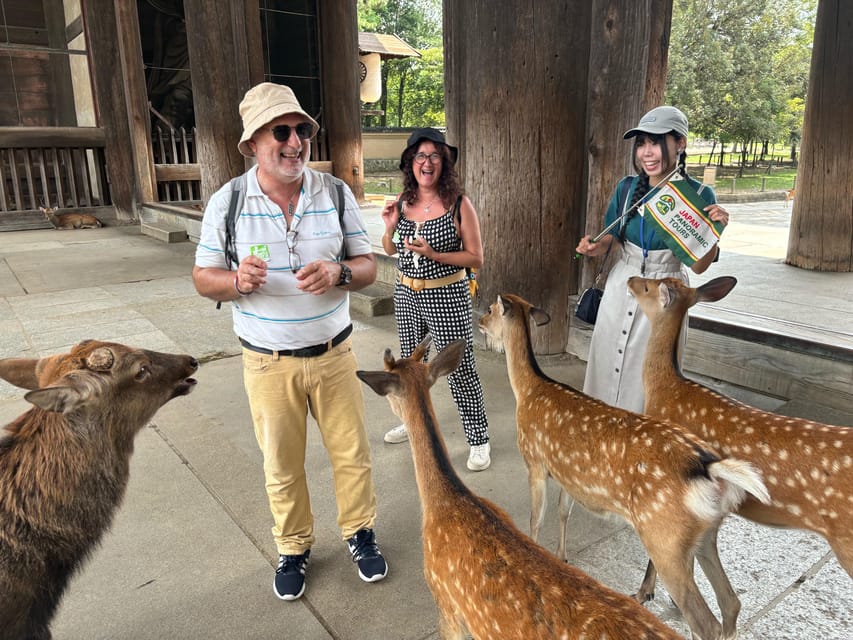
Here is the practical trick: keep the crackers hidden until you are ready to feed. Once they spot food, some deer may crowd you, nip at clothing, or nudge you for more. After the crackers are gone, hold out your empty hands so they understand there is nothing left. Guides such as Sakura have specifically helped visitors avoid an unwanted deer scrum with this advice.
Feed only the special crackers sold in the park. Do not offer personal food. Keep phones, maps, and loose belongings secure, since the area can be crowded and curious animals are not careful around bags.
The deer are friendly, but friendly does not mean tame. Young children may find the sudden attention startling. Adults should supervise closely, especially if a child is holding crackers. If you prefer watching rather than feeding, you can still enjoy seeing the animals move through the park.
The free time also gives you a break from guided commentary. You can take pictures, stroll, or simply watch the deer interact with one another. Several guides are especially helpful with photos, which is useful for solo visitors who want a picture with the park behind them.
Todaiji and the Great Buddha Hall
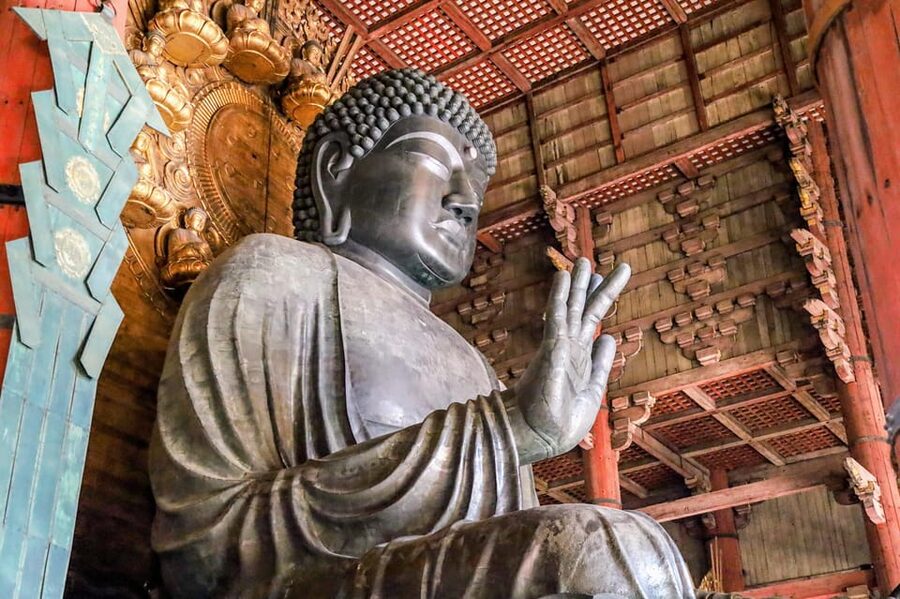
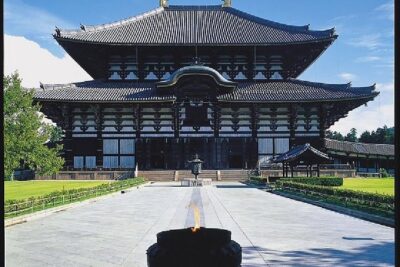
The tour spends about 50 minutes at Todaiji Temple. This is the morning’s grandest sight, and admission is included in the tour price.
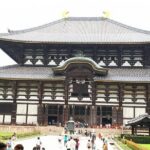
The Great Buddha Hall, or Daibutsuden, is a huge wooden building that houses the Great Buddha of Nara. The scale is the point. Even before you see the statue, the hall’s size makes you slow down and look upward.
The temple complex also includes the Nandaimon Gate, the great southern entrance. Two fierce guardian statues flank the gate, giving the approach a powerful, almost theatrical quality. If the route takes you through the gate before the main hall, pay attention to the contrast between the enormous exterior structure and the detailed guardian figures.
A guide adds value here because the building and statue are easy to admire without understanding their place in Nara’s story. Guides including Den, Rina, Yuta, and Nanami have been praised for making the explanations clear, adding cultural details, and leaving enough room for visitors to look around on their own.
The temple visit is guided, but you should not expect a private or slow-paced architectural study. Fifty minutes must cover movement through the complex, the main explanations, photographs, and regrouping. If Todaiji is your main reason for visiting Nara, you may want to return independently on another day for more time.
The walking route can be uneven and includes stairs and hills. Wear shoes that will not cause trouble after several hours on foot. Flash photography is prohibited, and the temple requires respectful behavior.
Other guided tours in Kyoto

The rhythm of the morning
The listed route gives you a useful balance: about 40 minutes at Kasuga Taisha, 30 minutes in Nara Park, and 50 minutes at Todaiji, plus the bus rides and transitions.
That structure suits you if you want a clear introduction rather than a slow day. Guides keep the group moving and provide meeting instructions, which reduces the chance of losing time. Several guides have also offered lunch suggestions or helped visitors with the next stage of their day.
The tradeoff is limited personal time. Nara Park gets only half an hour, and the shrine and temple visits follow a schedule. Traffic can affect the order or timing, and the itinerary may change for weather or operational reasons. If a listed site closes, an alternative location may be used.
The tour concludes at Kintetsu-Nara Station around 12:00 PM. That finish is useful because you can continue around Nara, eat lunch, or take a train back to Kyoto. It is less useful if you expected the bus to deliver you back to your hotel or Kyoto Station.
Getting back to Kyoto on your own
The return arrangement deserves attention before you pay. The tour provides transportation from Kyoto to Nara, but not the return journey. You leave at Kintetsu-Nara Station and must purchase your own onward transport.
This is not a major problem for confident rail users, but it can feel intimidating if you booked a coach tour specifically to avoid public transport. Several visitors have found the return less clear than expected. Station staff can help, but you should still allow time to understand the signs, buy a ticket, and find the correct platform.
Carry cash. It is listed among the recommended items, and you may need it for deer crackers, small purchases, or transport. Meals and drinks are also excluded, so plan lunch separately.
The good news is that the noon finish gives you plenty of flexibility. You can stay in Nara longer and return later, or head back toward Kyoto for an afternoon activity. Just remember that the tour company is not providing the return bus.
Guides, languages, and group comfort
The live tour language is English. The tour also provides audio headsets in Spanish, French, Italian, German, Portuguese, and Ukrainian. This is useful if members of your group prefer to follow in another language while moving between stops.
Guide quality matters on a compact tour, and the named guides have different styles. Ciel and Tommy are described as warm and helpful. Nagomi has used quizzes and extra cultural information to keep the group involved. Mai, Den, Harry, Rina, Yuta, Nanami, Sakura, and others have been praised for clear explanations, good humor, and attention to group needs.
You cannot choose a particular guide when booking, so treat the names as examples of the guide team rather than a guarantee. The consistent theme is an upbeat, welcoming approach, with practical help around deer feeding, photos, directions, and timing.
This format suits solo visitors, couples, families with older children, and anyone who likes a little structure. It is less suitable for anyone who needs a slow pace, has difficulty with stairs and hills, or wants a fully private experience.
What to bring and what to skip
Pack light, but bring the basics:
- Comfortable walking shoes
- Water
- A hat and sunscreen
- An umbrella or raincoat
- A camera
- Cash
Smoking, alcohol, drugs, intoxication, bikes, littering, explosive substances, and alcoholic drinks inside the vehicle are not allowed. Flash photography is also prohibited.
You should also secure your belongings in the park. Deer are the charming part of Nara, but they are not trained performers. Keep food concealed, follow the guide’s instructions, and do not chase or corner the animals for a photo.
The tour is not suitable for wheelchair users or people with mobility impairments. The walking route includes stairs and hills, and the pace is designed for a moderate amount of walking.
Is $77 a fair price?
At $77 per person, this is a convenience purchase. The price covers the outbound coach, a professional English-speaking guide, admission to Todaiji, Wi-Fi, and multilingual audio support.
The value is strongest if you are staying in Kyoto for a short time. You can reach Nara, see the main sights, and finish by noon without spending your morning working out the route. The guide’s explanations also add something a train ride and self-guided walk cannot provide.
The value is weaker if your priority is the lowest possible cost or long visits at each site. You still pay for your return from Nara, meals, deer crackers, and personal expenses. Independent visitors can set their own schedule and may spend more time in the park or temple.
Who should book this morning tour?
Book it if you want a well-organized introduction to Nara and have only half a day available. It is particularly useful for first-time visitors, families that prefer a planned route, solo visitors who appreciate help with photos, and anyone who wants cultural explanations in English.
Think twice if you dislike fixed schedules, need accessible routes, or expect a round-trip bus from Kyoto. Also consider a longer visit if Todaiji or Nara Park is high on your list. The half-day plan shows you the essentials, but it does not leave much time for wandering.
Free cancellation is available up to 24 hours before the tour for a full refund. Changes or cancellations within that 24-hour period are not refundable.
Should you book it?
I would book this tour if you want to see Nara’s biggest sights without spending a full day planning transport. The combination of Kasuga Taisha, the deer park, and Todaiji is well chosen, and the early schedule can help you get started before the day becomes more crowded.
Just make two decisions before booking. First, accept that the deer may be pushy when crackers appear. Second, plan your own route back from Kintetsu-Nara Station. If those details suit you, $77 buys a useful, friendly, and efficient morning in ancient Nara.
FAQ
Where does the tour meet in Kyoto?
Meet in front of the Kyoto Avanti building beside Tully’s Coffee at 7:50 AM. Look for the green and white Japan Panoramic Tours flag.
What time does the bus leave?
The bus departs at 8:00 AM. Late arrivals and no-shows are not eligible for a refund.
Where does the tour finish?
The tour ends at Kintetsu-Nara Station at around 12:00 PM.
Does the bus return to Kyoto?
No. Transportation is provided from Kyoto to Nara, but you arrange and pay for your own return from Kintetsu-Nara Station.
Which places are included?
The tour visits Kasuga Taisha, Nara Park, and Todaiji Temple. Todaiji admission is included.
Is a guide provided in English?
Yes. A live English-speaking guide leads the tour.
Which audio guide languages are available?
Audio guides are available in Spanish, French, Italian, German, Portuguese, and Ukrainian.
Can I feed the deer?
Yes. You may feed them with special crackers sold in Nara Park. Feed responsibly, keep the crackers hidden until you are ready, and show your empty hands when finished.
Is the tour suitable for wheelchair users?
No. The tour is not suitable for wheelchair users or people with mobility impairments because it includes moderate walking, stairs, and hills.
More Morning in Kyoto

More Guided Tours in Kyoto
More Nara Day Trips in Kyoto
More tours in Kyoto we've reviewed


Nara Day Trips, compared.
 ★ 5.0World Heritage Kyoto & Nara Uji Authentic Matcha ExperienceFrom $129
 ★ 4.7Kyoto/Osaka: Nara, Fushimi Inari Taisha, Arashiyama Bus TourFrom $529 - 10 hours
 ★ 4.4Osaka/Kyoto: Arashiyama, Nara & Fushimi Inari Shrine w/LunchFrom $61
 ★ 5.0Nara Early Morning Tour (Kyoto or Osaka Departure Available)From $61
 ★ 4.5Kyoto and Nara Day Trip from KyotoFrom $194
 ★ 4.5Nara Afternoon Tour from Kyoto or OsakaFrom $102