
Reviewed · TEA CEREMONY EXPERIENCES
Matcha Green Tea Plantation and Matcha Factory Visit
Uji is to matcha what Scotland is to Scotch whisky: a place where the name carries real weight. This half-day outing takes you from Kyoto Station to one of Kyoto’s oldest tea-growing areas, where you’ll see the plants, the factory, the tea mill, and the finished drink served with Japanese sweets.
I like the small maximum of six people, which gives the guide room to explain the process and answer questions. I also like the practical side of the visit: you do not just sip matcha in a teahouse, you learn how it is grown, processed, prepared, and used at home. The main consideration is the price, $154.84 per person, which is a serious spend for three and a half hours.
In This Review
- Key points to know before you book
- Why Uji is the right place to learn about matcha
- Walking through an old tea plantation
- Inside the matcha factory
- Tasting premium matcha with Japanese sweets
- The guide makes the difference
- Shopping for tea and utensils in Uji
- What the $154.84 price includes
- Timing, meeting point, and the small practical details
- Who will enjoy this matcha experience most
- Should you book the Uji matcha plantation tour?
- FAQ
- Where does the tour begin?
- Where does the tour end?
- How long does the experience last?
- Is transportation included?
- What is included in the tasting?
- How large is the group?
- Can I cancel for a full refund?
Key points to know before you book
- Uji is matcha country: The tour takes you to southern Kyoto, a place especially known for high-quality matcha.
- You see more than a tea ceremony: The visit includes a plantation, factory, tea mill, tasting, and Japanese sweets.
- The group is capped at six: This is a more personal setup than a large coach tour.
- You travel from Kyoto Station by train: Hotel pickup is not included, but transportation fees are covered.
- Mia and Mie are praised by name: The guides are described as kind, local, and full of useful information about Japan.
- Morning and afternoon departures are available: That makes it easier to fit around temples, meals, or a Kyoto day trip.
Why Uji is the right place to learn about matcha
Matcha is not simply green tea ground into powder at the last moment. Its production, preparation, and role in Japanese culture have their own traditions, and Uji is one of the best places in Japan to connect those pieces.
The tour begins at Hotel Granvia Kyoto, inside the JR Kyoto Station building. From there, you take a train to Uji in southern Kyoto. That start is practical. You do not need to find a remote farm by taxi, and the meeting point is close to major rail connections.
The trip also gives you a short look at local train travel. The transportation is part of the experience rather than a private car transfer, and the fare is included in the tour price. You will want to arrive at the central entrance of Hotel Granvia Kyoto with enough time to find the guide and group.
Uji is presented here as the home of quality matcha, much as a famous whisky region gives a drink its identity. That comparison is useful because it shifts your attention from matcha as a trendy café ingredient to matcha as an agricultural product tied to a particular place.
A few more Kyoto tours and experiences worth a look
Walking through an old tea plantation
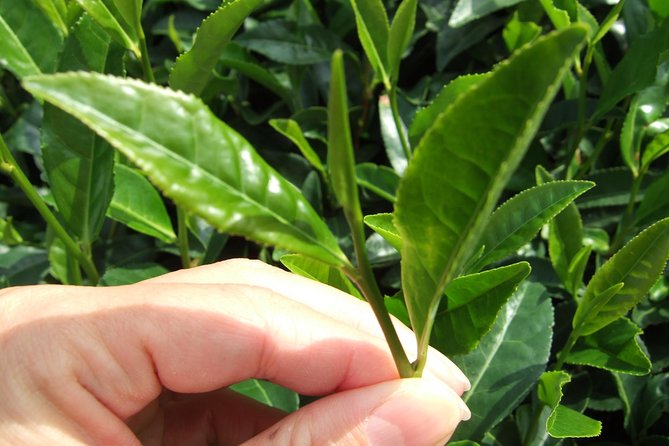
In Uji, the focus turns to one of Kyoto’s oldest tea plantations. The visit lets you see the tea crop itself and learn about the varieties of plants used to make Japanese green tea.
The plantation portion is valuable because matcha can otherwise feel strangely abstract. In a café, it arrives as a bright green powder. Here, you get to connect that powder with the living tea plant and the work required before it reaches a bowl or cup.
The precise seasonal appearance of the fields is not guaranteed in the tour details, so you should not book this expecting a particular harvest scene. The point is the growing process and the setting in Uji, not a promise of a dramatic farm spectacle in every season.
Your guide explains the history of matcha and the different plant varieties. The supplied information also notes that matcha was introduced to Japan by a Zen monk in the 12th century. That historical link helps explain why matcha is associated with Japanese tea practice rather than just ordinary bottled green tea.
This is a hands-on learning stop, but the details of exactly what you handle are not specified. You can expect explanation about how tea is grown and an opportunity to look closely at the crop, rather than a guaranteed farming activity.
Inside the matcha factory
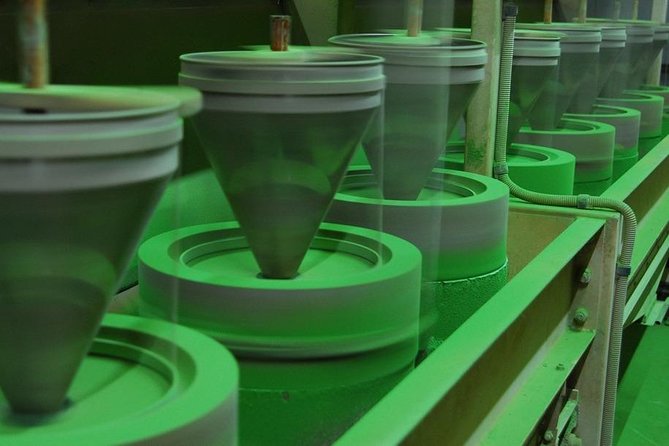
The factory visit is the tour’s strongest practical feature. You see how the harvested tea becomes matcha and are shown the green tea mill used in the process.
That step matters. Matcha is made through a more careful process than simply steeping leaves in hot water. Seeing the factory gives you a clearer idea of why fine matcha can cost much more than everyday green tea.
You also get an explanation of how the tea is manufactured. One account of the visit describes seeing the small plantation crop, learning about tea plant varieties, and then watching how the tea is made. The tour does not provide a full technical production schedule, so it is best to think of this as a guided introduction rather than a professional tea-processing course.
The factory may be especially interesting if you already enjoy matcha but know little about its origin. It also works for curious first-time drinkers, since the guide can connect the machinery and production steps to what you taste later.
Because the group limit is six, you should have a better chance of hearing the explanation and asking questions than you would on a large group outing. That small format is one of the clearest reasons this tour costs more than a simple tea tasting in central Kyoto.
Tasting premium matcha with Japanese sweets
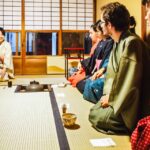
After learning how matcha is grown and processed, you taste several varieties. The experience includes some of the most expensive matcha, served with Japanese sweets in a traditional tea hut.
This is not just a refreshment break. Tasting different varieties gives you a way to compare flavor, texture, and strength. Premium matcha can taste very different from the sweetened matcha drinks sold in cafés, so I would pay attention to the tea itself before adding any comparisons to your usual latte.
The Japanese sweets provide a classic partner for the tea. Their sweetness helps balance matcha’s strong, sometimes bitter taste, and the setting gives the tasting more cultural context than a sample poured at a shop counter.
The tea hut is described as traditional, but the supplied details do not specify the exact style of tea ceremony or how long the formal preparation lasts. You should expect a guided tea tasting with a ceremony element, not necessarily a full-length formal tea-school performance.
You also learn how to make green tea drinking part of your routine at home. That practical advice is a nice touch. Many food tours stop once the tasting ends. This one tries to send you home with a better sense of how to use and appreciate Japanese green tea in daily life.
The guide makes the difference
A tea plantation is interesting, but the guide determines how much you take away. The guides Mia and Mie are specifically praised for being kind, local, and full of insight about Japan.
That matters because tea production can become a list of unfamiliar terms and steps. A good guide gives those details a human shape, explains why Uji matters, and helps you connect the factory visit with the wider culture of tea in Japan.
The tour is in English, and a professional English-speaking guide is included. The information supplied about Mie describes a local guide with broad wisdom about Japan. Mia is also thanked for making the outing run smoothly. Since the exact guide is not guaranteed, treat those names as examples of the people who may lead the experience rather than a promise that one particular person will be assigned.
The small group helps here. With no more than six participants, you can ask about tea varieties, Japanese customs, or places to visit in Uji. The guide may also point you toward nearby sights, which is useful if you want to spend more time in the area after the organized visit.



Shopping for tea and utensils in Uji
The tour leaves room for shopping after you understand what you are looking at. Uji tea and tea utensils can be difficult to find elsewhere in Japan, particularly if you want something tied to the area rather than a generic souvenir.
This is a better time to shop than before the plantation and factory visit. You will have some basis for judging the tea, and you can ask the guide about items that suit your interests. You might find matcha, other green teas, or tools for preparing tea at home.
The tour price does not include extra food, drinks, or shopping purchases. Keep that in mind if you want to buy tea to take home. The included tasting and sweets are covered, but anything beyond that is your responsibility.
The shopping time also means the tour is not a race from one stop to the next. Still, the total outing is only about three and a half hours, so you should not expect an entire afternoon devoted to browsing Uji shops.
What the $154.84 price includes
At $154.84 per person, this is a premium small-group activity. The cost includes the English-speaking guide, entrance fees, transportation fees, matcha tastings, and Japanese sweets.
The value depends on what you want from a Kyoto experience. If your goal is the cheapest possible cup of matcha, this is not the right purchase. You can find tea in the city for far less.
I think the price makes more sense if you value access and explanation. You are paying for the train connection to Uji, the guided plantation and factory visit, the tasting of high-end matcha, and a group limited to six people. The private-guide feel is particularly useful if this is your first visit to Japan or if you want help understanding the customs around tea.
Group discounts may be available, which could improve the value for people booking together. The tour is also booked an average of 61 days in advance, so planning ahead is sensible, especially if you need a particular morning or afternoon departure.
Timing, meeting point, and the small practical details
The published duration is about three hours and 30 minutes. The Uji portion is listed as three hours, so allow the full half-day window rather than trying to squeeze in another fixed appointment immediately afterward.
You meet at Hotel Granvia Kyoto, at the central entrance inside the JR Kyoto Station building. The tour ends back at the same meeting point, which makes it easy to continue sightseeing from Kyoto Station afterward.
Hotel pickup and drop-off are not included. You need to reach the station meeting point yourself, but the tour does include transportation fees for the train journey to Uji and back.
Morning and afternoon departures are offered. A morning booking could leave your later day open for Kyoto sightseeing, while an afternoon departure may work well after visiting central Kyoto in the morning. Exact departure times should be checked when booking.
Mobile tickets are available, and confirmation is sent within 48 hours, subject to availability. The tour operates near public transportation, and most people can participate. It is not described as wheelchair-specific or tailored to particular mobility needs, so you should ask the provider if you require detailed accessibility information.
The experience requires good weather. If poor weather forces cancellation, you will be offered another date or a full refund. For your own cancellation, you can receive a full refund if you cancel at least 24 hours before the start time. Changes or cancellations inside that window are not accepted for a refund.
Who will enjoy this matcha experience most
I would recommend this tour to anyone who already likes matcha and wants to understand what sits behind the flavor. The plantation, factory, mill, and tasting form a clear chain from crop to cup.
It also suits food-minded visitors who prefer meeting producers and seeing working places rather than collecting another city-center photo. The connection with a family that has grown matcha for five generations adds a personal angle to the experience, although the tour information does not promise that every departure will meet the same family member.
The outing is a good fit for first-time visitors who want to travel beyond central Kyoto without spending a whole day away. The train ride is simple, the meeting point is clear, and the guide can help you understand what you are seeing.
It may be less suitable if you dislike powdered green tea, have no interest in tea production, or want a long formal tea ceremony. The focus is broader: agriculture, manufacturing, tasting, history, daily use, and shopping.
Should you book the Uji matcha plantation tour?
Book it if you want more than a sweet matcha drink and you value a personal guide. The best parts are the trip to Uji, the small group, the factory and mill, and the chance to taste premium matcha with Japanese sweets after learning how the tea is made.
Think carefully about the price and the weather requirement. At $154.84, this is best treated as a special food and culture outing, not a casual add-on. For matcha fans, curious food lovers, and visitors who want a guided look at one of Kyoto’s best-known tea regions, it offers a well-focused half-day. For everyone else, a less expensive tea tasting in Kyoto may be enough.
FAQ
Where does the tour begin?
The tour begins at Hotel Granvia Kyoto, at the JR Kyoto Station central entrance in the station building.
Where does the tour end?
The activity ends back at the original meeting point at Hotel Granvia Kyoto.
How long does the experience last?
The tour lasts approximately three hours and 30 minutes. The Uji visit itself is listed as three hours.
Is transportation included?
Yes. Transportation fees for the tour are included. You travel by train from Kyoto Station to the Uji region and return to the meeting point.
What is included in the tasting?
The tour includes matcha tasting and Japanese sweets. Other food and drinks are not included.
How large is the group?
The tour has a maximum of six participants.
Can I cancel for a full refund?
Yes, if you cancel at least 24 hours before the experience start time. Cancellations made less than 24 hours before the start time are not refunded. If poor weather cancels the experience, you will be offered another date or a full refund.
More Tea Ceremony Experiences in Kyoto
More tours in Kyoto we've reviewed





Tea Ceremony Experiences, compared.
 ★ 4.9Kyoto: Tea Ceremony in a Traditional Tea House in KiyomizuFrom $4945 min
 ★ 4.9Kyoto: Tea Ceremony Ju-An at Jotokuji TempleFrom $291h 10m
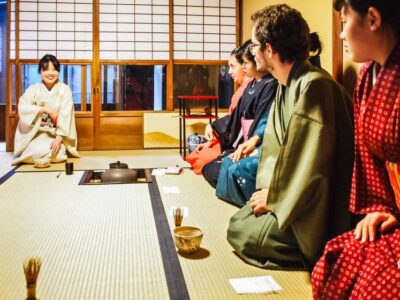 ★ 4.3Kyoto: 45-Minute Tea Ceremony Lesson ExperienceFrom $2245 min
 ★ 5.0World Heritage Kyoto & Nara Uji Authentic Matcha ExperienceFrom $129
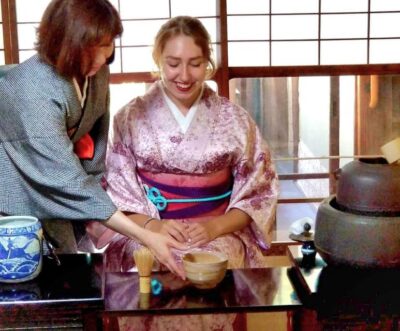 ★ 4.9Kyoto: Table-Style Tea Ceremony at a Kyo-MachiyaFrom $451h 30m
 ★ 5.0Kimono Tea Ceremony at Kyoto Maikoya, NISHIKIFrom $65