
Reviewed · WALKING TOURS
One-Day Walking Tour : Enjoy Kyoto to the fullest!
Kyoto’s biggest challenge is not finding beautiful places. It is fitting them together. This private eight-hour tour tackles four of the city’s best-known sights in one long day, from the Arashiyama Bamboo Grove to Fushimi Inari’s endless-looking orange gates. A guide handles the route, trains, buses, and timing while you concentrate on what you are seeing.
I like two things here. First, the private format lets your guide adjust the pace and answer your questions. Second, the route gives you a strong first look at Kyoto’s temples, shrine traditions, old streets, and geisha quarter. The trade-off is clear: this is a demanding day on foot, with public transport and up to 20,000 or more steps possible.
In This Review
- Kyoto’s Four Big Sights in One Long Day
- Arashiyama Bamboo Grove Before the Crowds
- Kinkaku-ji and the Golden Pavilion
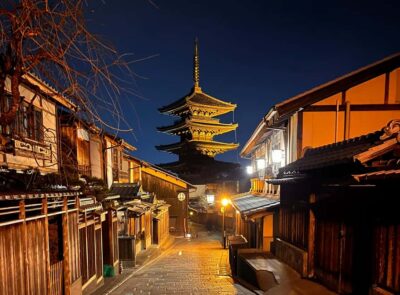
- Gion’s Old Streets and Geisha Culture
- Fushimi Inari’s Orange Torii Tunnel
- Why the Private Guide Makes a Difference
- Public Transport, Walking, and the Real Pace
- What the $131.14 Price Really Buys
- Who Will Get the Most from This Day
- Booking Details Worth Knowing
- Should You Book This Kyoto Tour?
- FAQ
- How long does the Kyoto walking tour last?
- What time does the tour start?
- Where does the tour begin?
- Where does the tour end?
- Is this a private tour?
- Which Kyoto sights are included?
- Is the Kinkaku-ji admission fee included?
- Are public transportation fares included?
- Are meals included?
- Can I cancel for a full refund?
Kyoto’s Four Big Sights in One Long Day
You meet at the Kyoto Station Building at 9:00 am and return there at the end. The experience lasts about eight hours, but the day feels full because the sights sit in different parts of the city.
This is not a chauffeured tour. You use public transportation, with fares paid separately. That may be a drawback if you expect a car and driver, but it is also a useful way to learn Kyoto’s rail and bus system. Guides such as Noriko, Fuji, Lynn, and Kazuhiro have helped people move through the city’s transit network while keeping the schedule on track.
The experience is private, so only your group participates. That matters if you are traveling with family or friends and want some flexibility. A family of six was able to adjust the plan, and another group with a one-year-old in a pram found the guides accommodating. Still, the amount of walking makes this a better fit for people with moderate physical fitness.
Arashiyama Bamboo Grove Before the Crowds
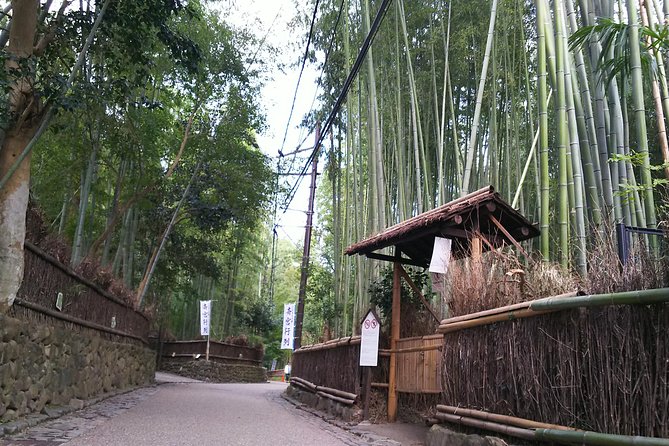
The day begins in Arashiyama, where you walk along Bamboo Forest Street for about an hour. The tall bamboo makes a striking first stop, especially in the morning light. The guide encourages you to pause, close your eyes, and take in the sound and air rather than treating the grove as a quick photo stop.
Arriving early is the right idea. The grove is famous, and its narrow paths can become busy. The morning visit gives you a better chance at quieter views, though do not expect complete solitude.
The grove itself is free. You will need to walk through the area, and the route can feel crowded or uneven at times. A guide adds value here by explaining the setting and helping you make the most of a limited hour, but this stop is mainly about atmosphere and photographs rather than a long formal tour.
The Arashiyama area also offers a useful chance to pause for food later in the day if your guide suggests it. One guide helped a group find a highly regarded wagyu meal near the bamboo forest, while another brought a group to an excellent udon restaurant. Meals are not included, so you pay for any food yourself.
Other walking tours we've reviewed in Kyoto
Kinkaku-ji and the Golden Pavilion
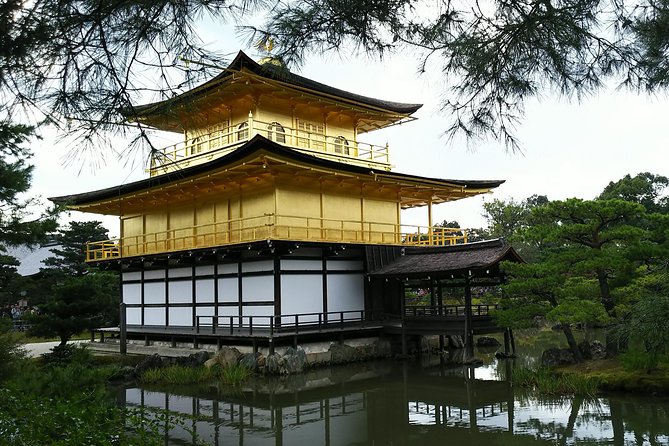
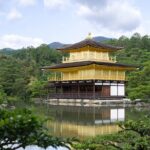
Next comes Kinkaku-ji, commonly called the Golden Pavilion. The main building, covered in gold leaf, sits beside a pond and is one of Kyoto’s most recognizable sights.
The temple began as the villa of a retired shogun and became a temple after his death. That link to samurai-era power gives the visit more meaning than a simple look at a bright building. Your guide can place the pavilion within Japanese history and explain why it became such an important Kyoto symbol.
Allow about an hour here. The admission fee is not included and is listed as ¥500 per person. That is a small additional cost, but you should have yen available or confirm current payment arrangements before the day begins.
Kinkaku-ji is a set-route sight, not a place where you wander freely for hours. The pavilion itself attracts the most attention, and the path can be busy. I would treat this as a focused visit: admire the reflection, take your photographs, listen to the explanation, and keep the day moving.
Gion’s Old Streets and Geisha Culture
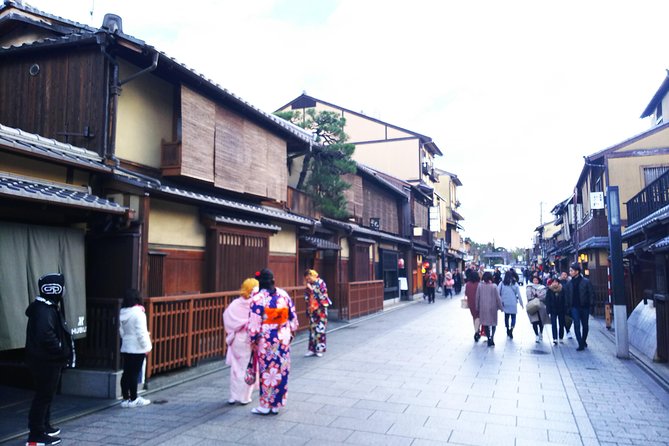
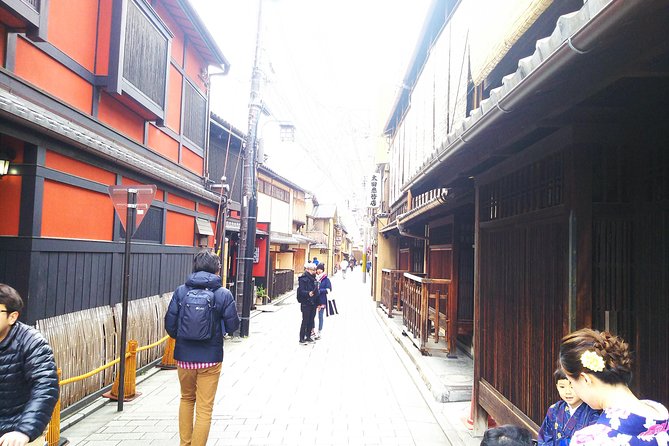
The stop in Gion lasts about 40 minutes. This is a shorter visit, but it changes the mood from temple grounds to traditional streets and teahouse culture.
Gion is associated with geisha, who may be seen walking from boarding houses to teahouses where they perform for clients. Seeing one is not guaranteed, and it is important to behave quietly and respectfully if you happen to encounter one. Your guide can explain the district’s customs and point out details you would likely miss while simply walking through.
The short timing is both useful and limiting. It gives you an introduction without taking too much time from the major sights, but it is not enough for a long, relaxed exploration of every lane. If Gion is your main interest, tell your guide early. The private format may allow some adjustment, although the day still has to reach Fushimi Inari and return to Kyoto Station.
Fushimi Inari’s Orange Torii Tunnel
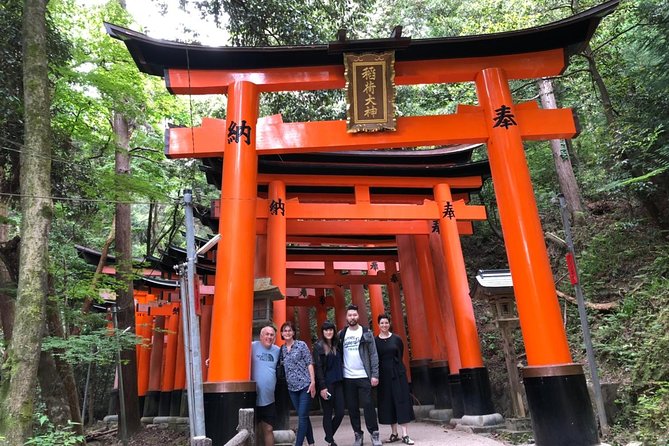
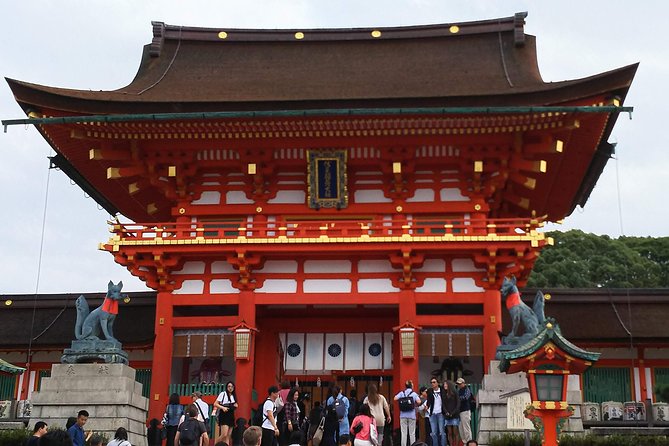
The final major stop is Fushimi Inari-taisha Shrine, famous for its rows of bright vermilion torii gates. Worshippers donate the gates as thanks for good fortune received from the shrine’s deity, creating the famous tunnel effect along the mountain paths.
You have about an hour here. That is enough to enter the gate-lined route and see why this shrine is one of Kyoto’s most memorable sights. It is not enough to cover every path or climb far up the mountain, so keep your expectations sensible.
Fushimi Inari is free to enter, but the walking can be strenuous. The torii route includes steps and an uphill stretch, adding to the day’s physical demands. Wear comfortable shoes, carry water, and do not underestimate the heat in summer. One group completed about 20,000 steps in very hot weather, while another reached roughly 30,000 steps.
The shrine works well as the final stop because it leaves you with a strong visual memory. The orange gates, dark forest, and gradual climb feel very different from the polished Golden Pavilion and the open bamboo grove.
Why the Private Guide Makes a Difference
The best part of this experience is the guide. A strong guide does more than lead you from station to station. The most effective guides on this route explain Japanese history, religion, customs, and daily life in clear English while keeping the day moving.
Named guides who have led this experience include Seiya, Naoko, Noriko, Hironori, Koichi, Fuji, Satomi, Chie, Saori, Kazuhiro, Lynn, Megumi Watanabe, Yukako, and Toshi. Guide assignments can vary, so you should not assume you will receive a particular person unless the operator confirms it.
Several guide styles are represented in the available feedback. Naoko is praised for making history come alive and for helping people see the top sights efficiently. Seiya is noted for explaining Japanese society as well as the places visited. Noriko has helped with train navigation and added details that are easy to miss alone. Guides such as Hironori and Koichi are described as flexible, well organized, and good at maintaining a comfortable pace.
Communication style may vary. One person wanted a more interactive storyteller and felt the guide mainly answered questions. If you want lively explanations, tell your guide at the beginning. Ask about customs, religion, food, architecture, or local life rather than waiting for information to appear.


Public Transport, Walking, and the Real Pace
The tour uses public transportation, including trains and buses. Some groups have also used taxis, with the cost handled separately. The listed public transportation allowance is ¥1,500 per person, not included in the tour price.
This arrangement has real value. Kyoto’s sights are spread out, and planning the most efficient connections takes time. A guide can direct you through stations, choose transport for the route, and reduce the chance of wasting half an hour on a wrong platform or bus.
The downside is that you handle the physical work of getting around. You walk to stations, stand or sit on public transport, transfer between routes, and cover large temple and shrine grounds. The tour requires moderate physical fitness and quite a bit of walking.
Weather can shape the day. Summer heat has made the route especially tiring, while rain has not necessarily ruined the experience. One group enjoyed the day through several hours of rain, and another guide made a point of finding shade and keeping the group hydrated during extreme heat. Even so, bring water, sun protection, and rain gear suited to the forecast.
What the $131.14 Price Really Buys
The listed price is $131.14 per person. That does not include the ¥500 Kinkaku-ji admission fee, about ¥1,500 per person for public transportation, or meals.
If you only measure admission and transport, the price can look high. You could visit these locations independently for much less. The fee is paying mainly for a private English-speaking guide, route planning, transit help, cultural explanation, and the ability to spend the day with only your own group.
That value is strongest if Kyoto is unfamiliar to you, your time is limited, or you want to see major sights without organizing several separate days. It is also useful for families and groups who prefer a flexible private day to a large bus tour.
The value is weaker if you are comfortable navigating Japanese trains and buses, already know these sights, or expected a car and driver. One unhappy customer felt overcharged after realizing the experience was a walking and public transport tour rather than a vehicle-based tour. Read the transport details carefully before booking.
Group discounts may improve the per-person cost for larger parties. Since meals are not included, discuss lunch timing with your guide. Some groups adjusted the schedule to skip a formal lunch, while others received help finding local food.
Who Will Get the Most from This Day
I would choose this tour if you have only one full day in Kyoto and want a broad first look. It covers nature, a famous temple, traditional streets, and a major Shinto shrine in a logical sweep across the city.
It also suits you if transit makes you nervous. Guides have helped people understand train systems, buses, and station transfers, which can save both time and stress.
Families can benefit from the private setup because the guide can respond to the group’s needs. Parents should still consider the walking distance, heat, stairs, and the practical limits of bringing a pram through crowded or uneven areas.
I would hesitate to recommend it if you want a slow temple day, long meals, or deep time at each place. Four major stops in eight hours means the route is efficient, not leisurely. It is a greatest-hits day, not a quiet retreat.
Book at least a little flexibility into your schedule if possible. The tour is often reserved about 60 days ahead, suggesting that advance planning is wise during popular travel periods.
Booking Details Worth Knowing
The meeting point is the Kyoto Station Building, at 901 Higashishiokoji-cho, Shimogyo Ward. The start time is 9:00 am, and the tour ends back at the same meeting point.
You receive confirmation when booking, and a mobile ticket is available. Service animals are allowed, and the meeting point is near public transportation.
The experience requires good weather. If the operator cancels because of poor weather, you can accept another date or receive a full refund. You can also cancel for a full refund up to 24 hours before the local start time. Changes or cancellations made less than 24 hours ahead are not accepted for a refund.
Should You Book This Kyoto Tour?
Book it if you want to see Kyoto’s headline sights in one private day and value a guide who can explain the culture while handling public transport. The strongest parts are the early bamboo grove, the efficient route, the private format, and the chance to learn from guides such as Seiya, Naoko, Noriko, or Hironori.
Skip it if you want a car, minimal walking, or long unhurried visits. The route is physically demanding, and the extra costs for transport, admission, and food add to the headline price.
For a first day in Kyoto, this is a practical orientation with real cultural context. Wear good shoes, start hydrated, and understand that the reward for covering so much ground is a tired body and a useful sense of how Kyoto fits together.
FAQ
How long does the Kyoto walking tour last?
The experience lasts approximately eight hours.
What time does the tour start?
The tour starts at 9:00 am.
Where does the tour begin?
You meet at the Kyoto Station Building at 901 Higashishiokoji-cho, Shimogyo Ward, Kyoto.
Where does the tour end?
The tour ends back at the meeting point at Kyoto Station.
Is this a private tour?
Yes. Only your group participates in the activity.
Which Kyoto sights are included?
The route includes the Arashiyama Bamboo Grove, Kinkaku-ji Temple, the Gion district, and Fushimi Inari-taisha Shrine.
Is the Kinkaku-ji admission fee included?
No. The listed admission fee is ¥500 per person and is paid separately.
Are public transportation fares included?
No. Public transportation costs are listed separately at ¥1,500 per person.
Are meals included?
No. Meals are not included in the tour price.
Can I cancel for a full refund?
Yes. You can cancel at least 24 hours before the local start time for a full refund. Cancellations or changes made less than 24 hours before the start time are not accepted for a refund.
More Walking Tours in Kyoto

More tours in Kyoto we've reviewed





Walking Tours, compared.
 ★ 4.7Kyoto Geisha Walking Tour: Gion District & Hidden GemsFrom $252 hours
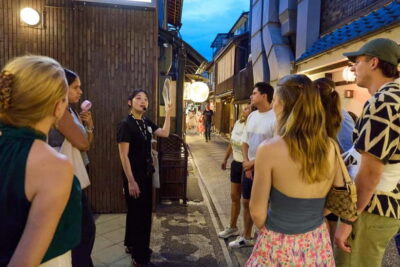 ★ 4.7Kyoto: Gion Geisha District Walking Tour – Stories of GeishaFrom $202 hours
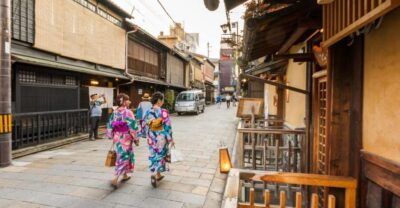 ★ 4.5Night Walk in Gion: Kyoto’s Geisha DistrictFrom $211h 40m
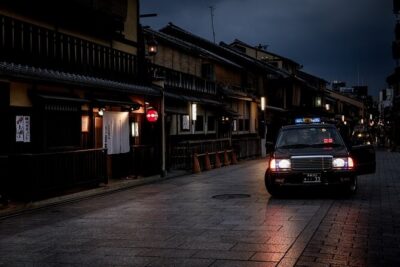 ★ 5.0Kyoto Gion Geisha District Walking Tour – The Stories of GeishaFrom $25
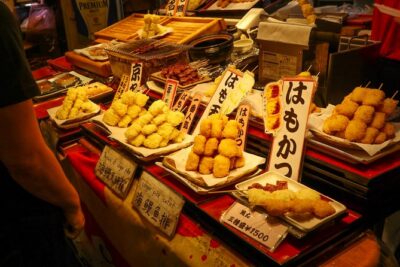 ★ 5.0Nishiki Market Brunch Walking Tour (7 Tastings + Brunch)From $68
 ★ 4.9Kyoto: Gion Magical Night Walking Tour with Geisha InsightsFrom $34